Rail Freight Priority Cuts Shell & Tube Lead Times




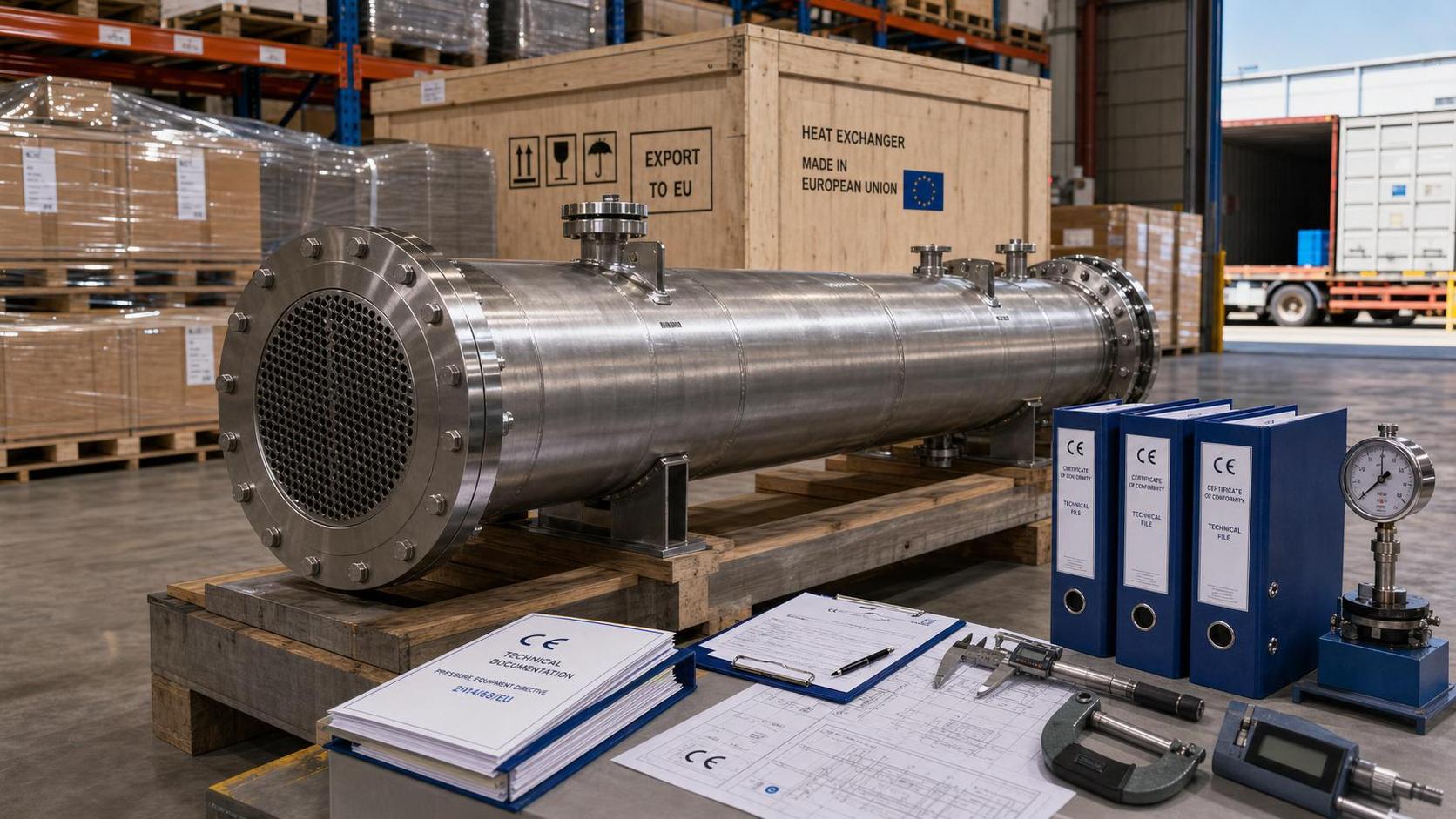
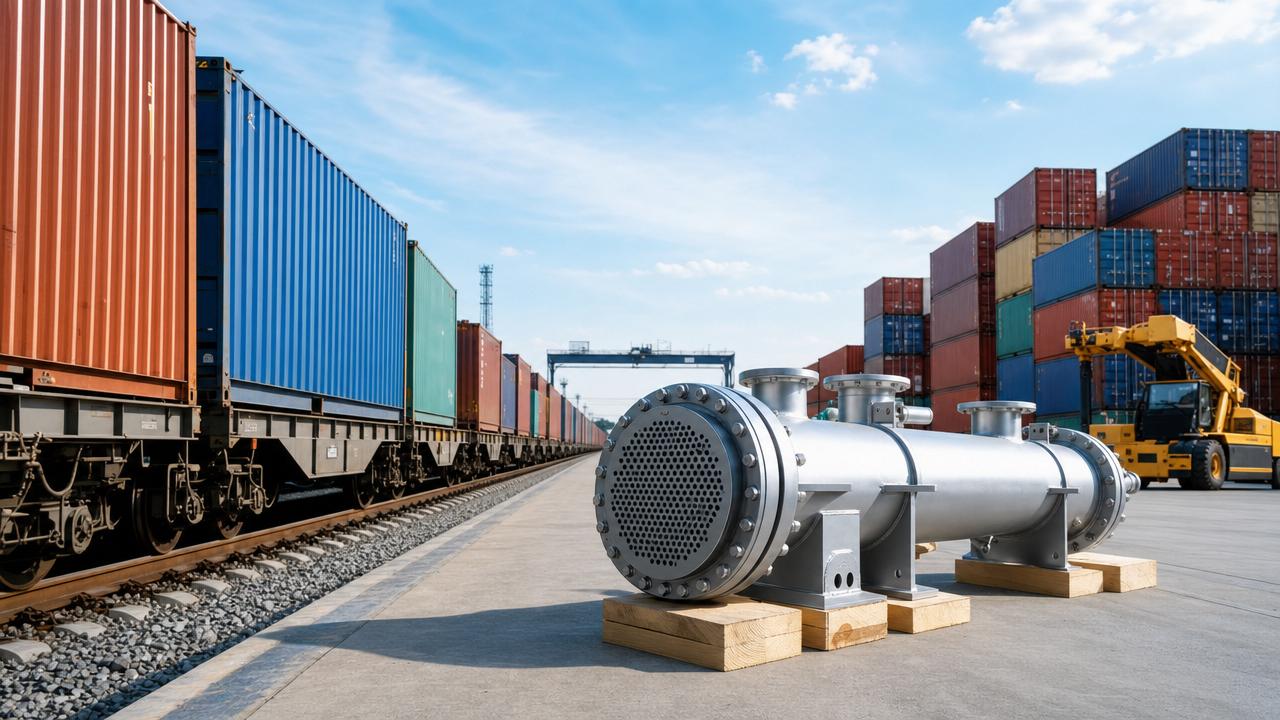
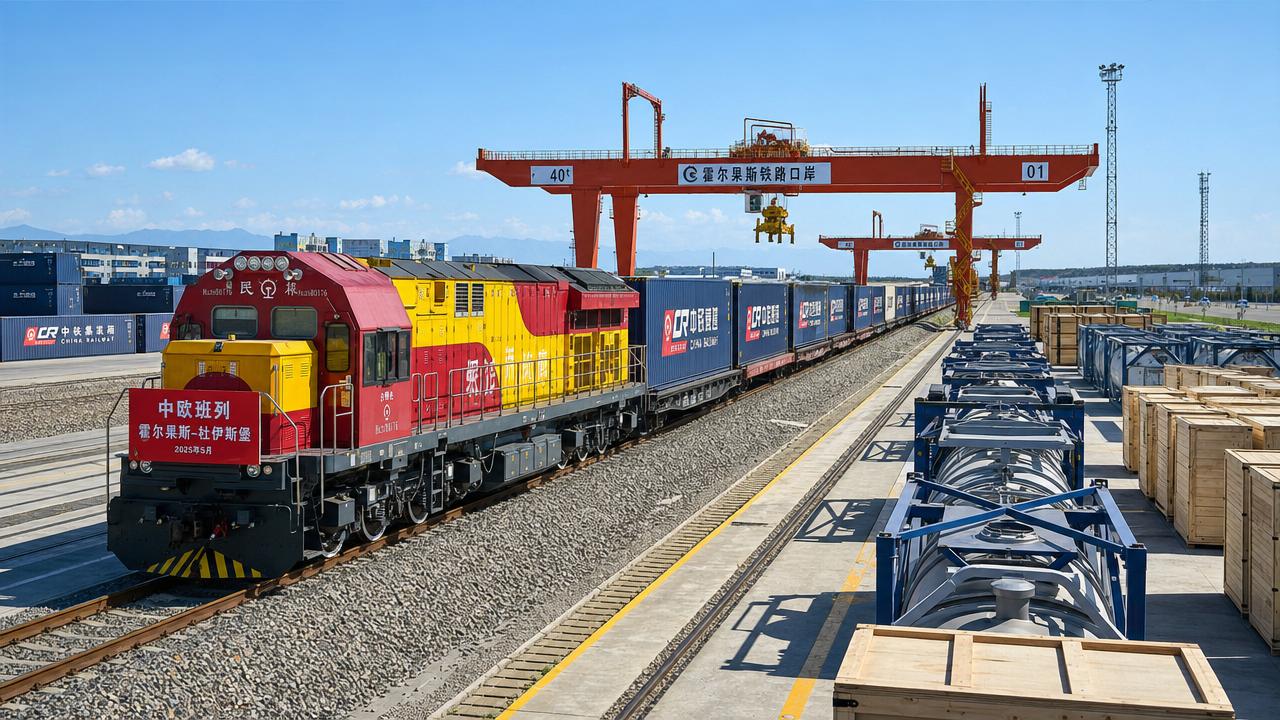
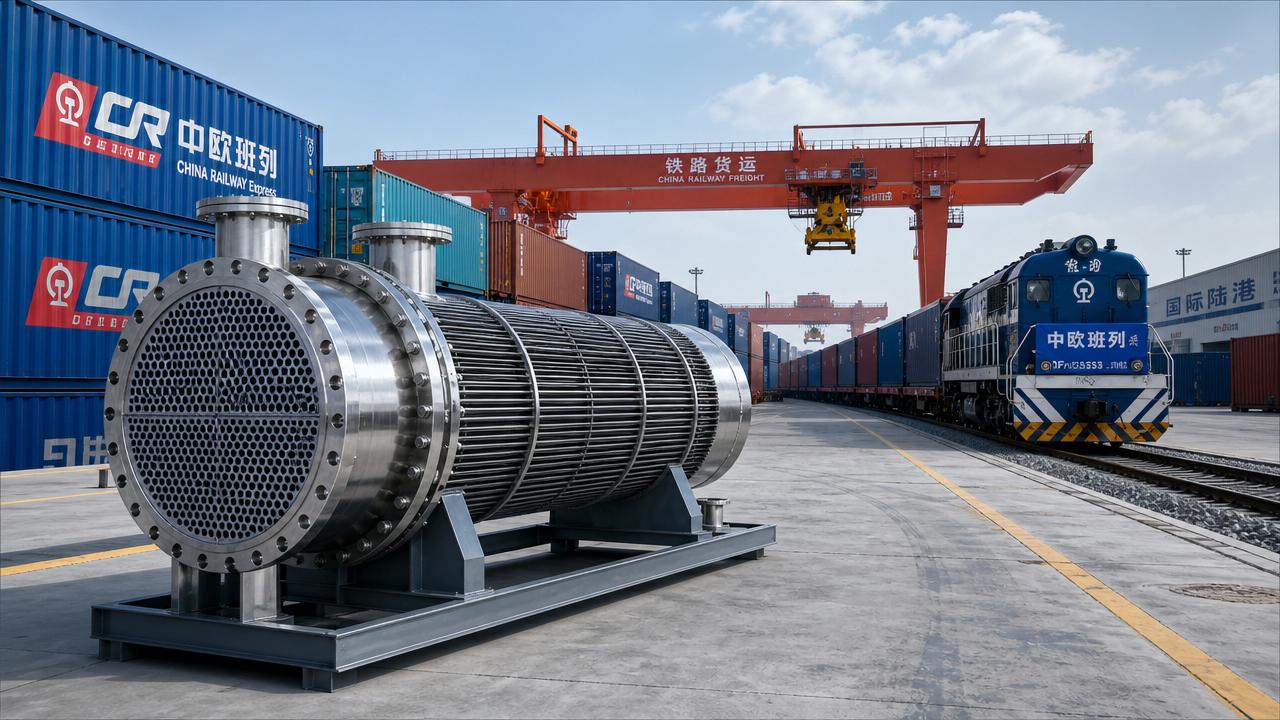
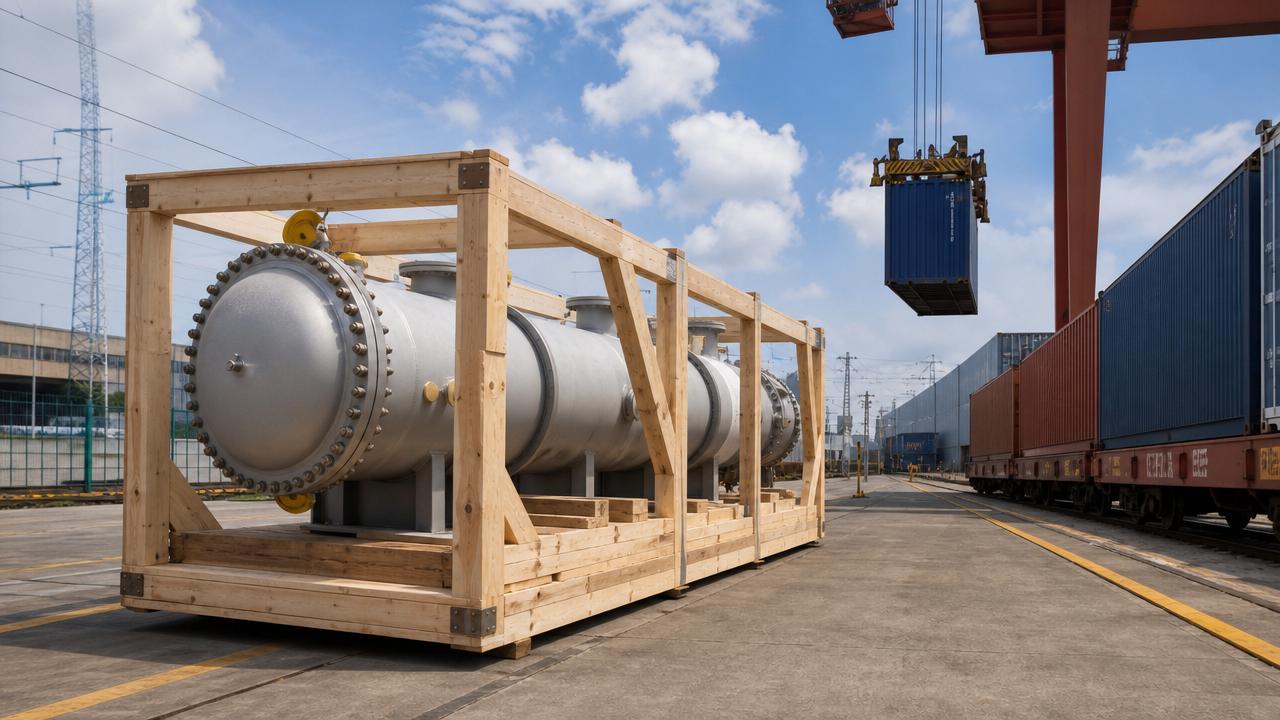
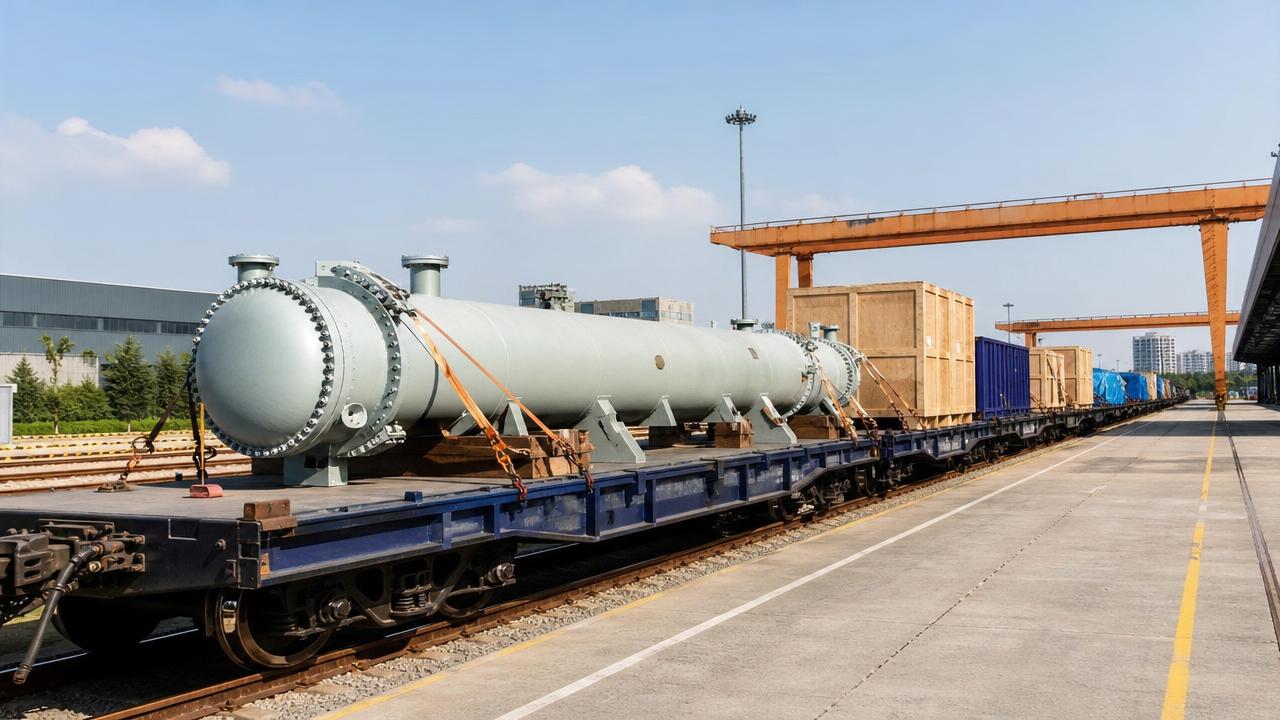
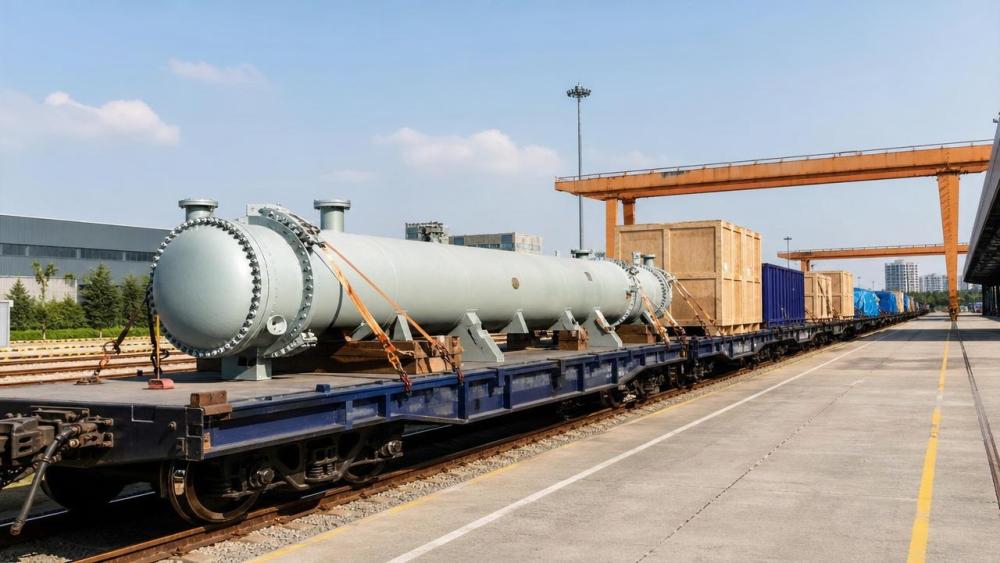
On June 3, 2026, the annual traffic volume on the central China-Europe Railway Express corridor exceeded 2,000 trains, while capacity on the Xi’an- and Chongqing-to-Duisburg routes increased by 18%. Combined with a policy of priority rail slot allocation for major equipment cargo, the change has shortened overland export transit for Shell & Tube heat exchangers and other large pressure equipment by an average of 12 to 15 days compared with sea freight. For exporters, buyers, logistics providers, and contract managers serving the European market, this is worth watching not simply as a transport update, but as an execution signal that delivery commitments, routing choices, and trade documentation may increasingly reflect rail-based fulfillment options.
What Has Been Confirmed So Far
The confirmed facts are limited but commercially relevant. As of June 3, 2026, the central corridor of the China-Europe Railway Express recorded more than 2,000 train movements for the year. At the same time, carrying capacity on the Xi’an-to-Duisburg and Chongqing-to-Duisburg routes rose by 18%.
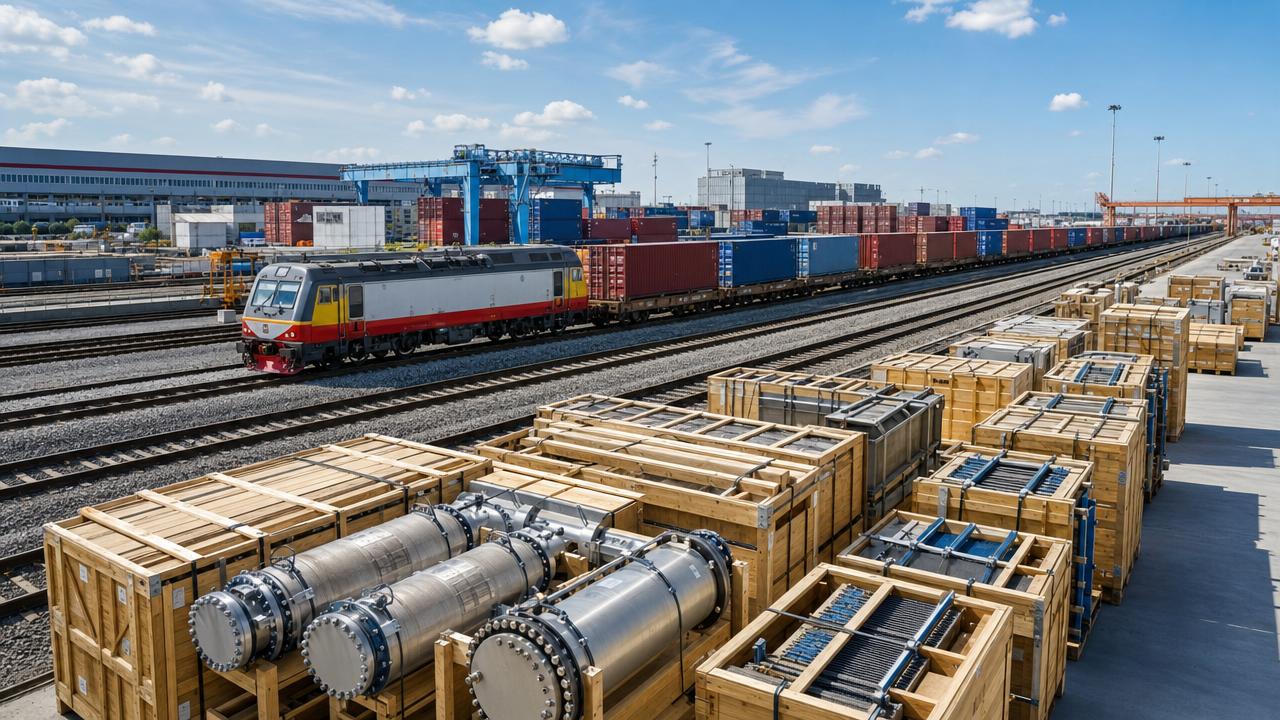
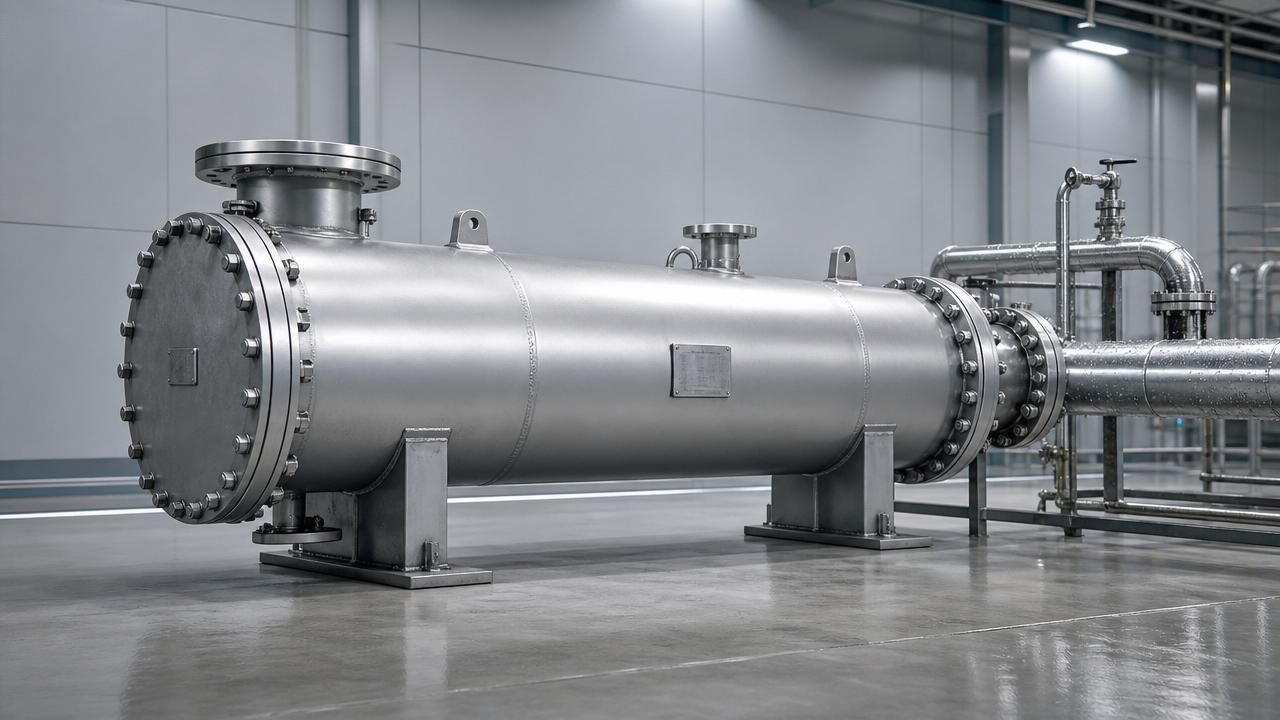
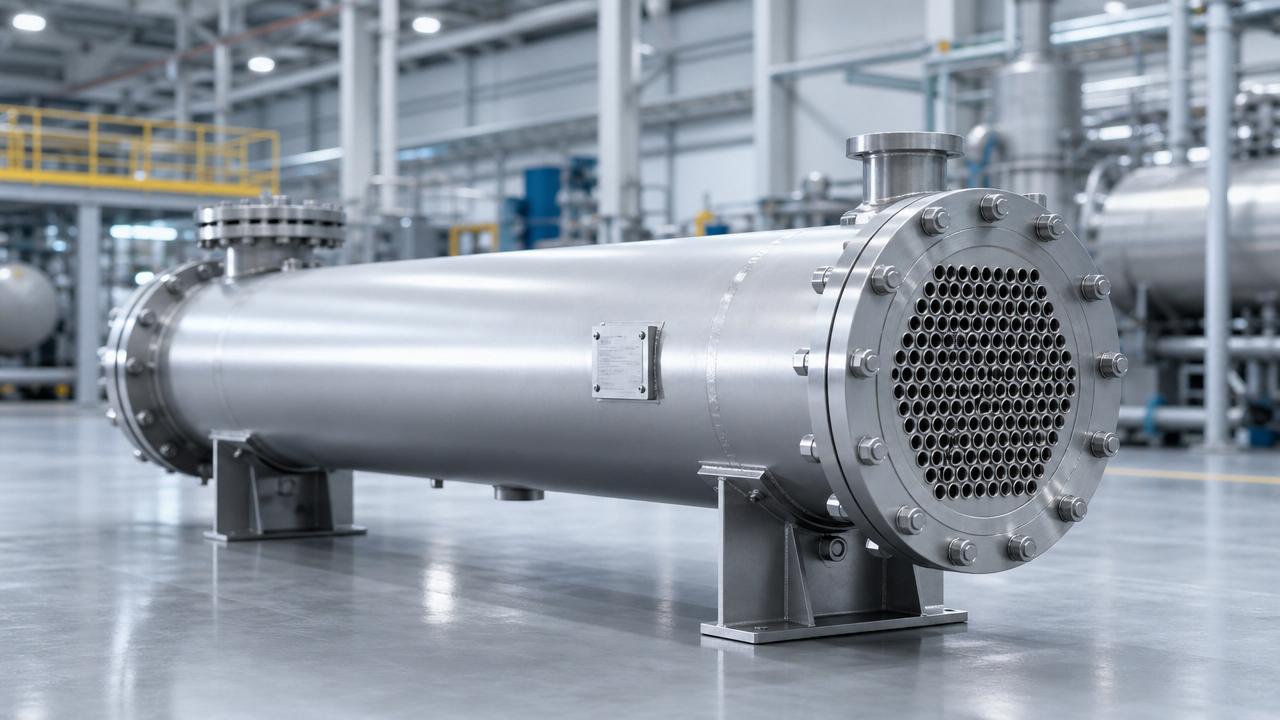
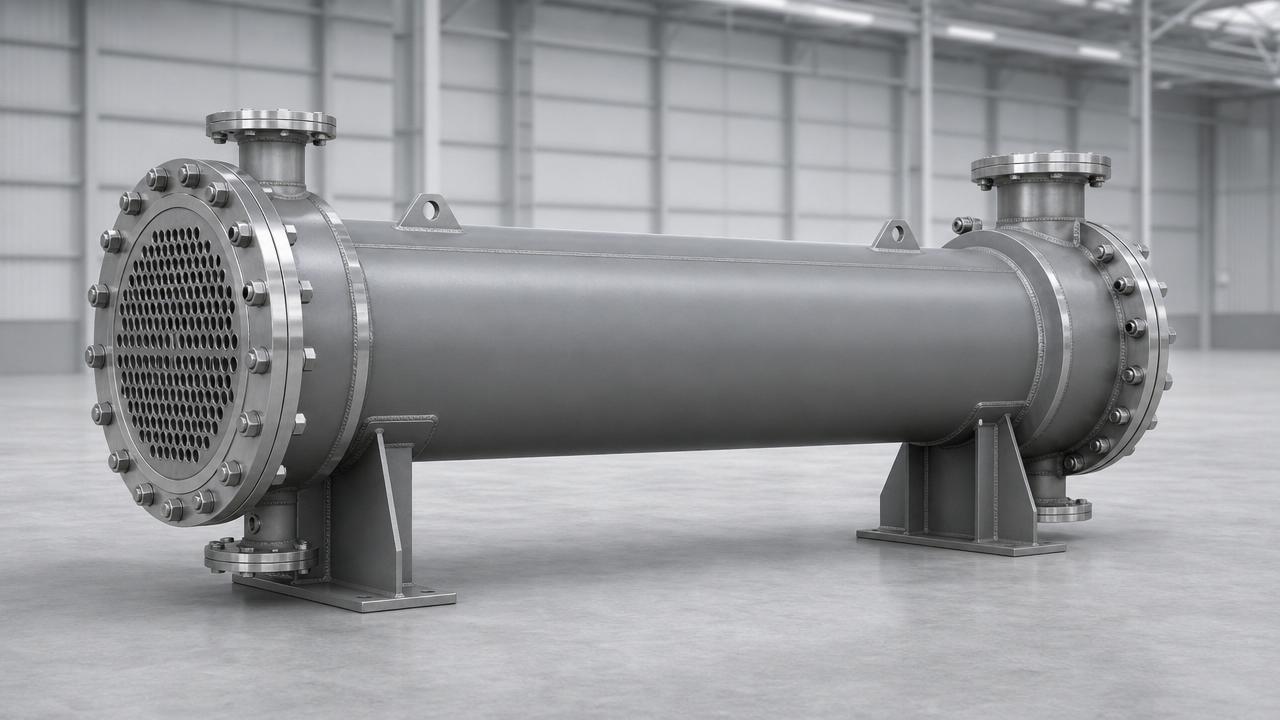
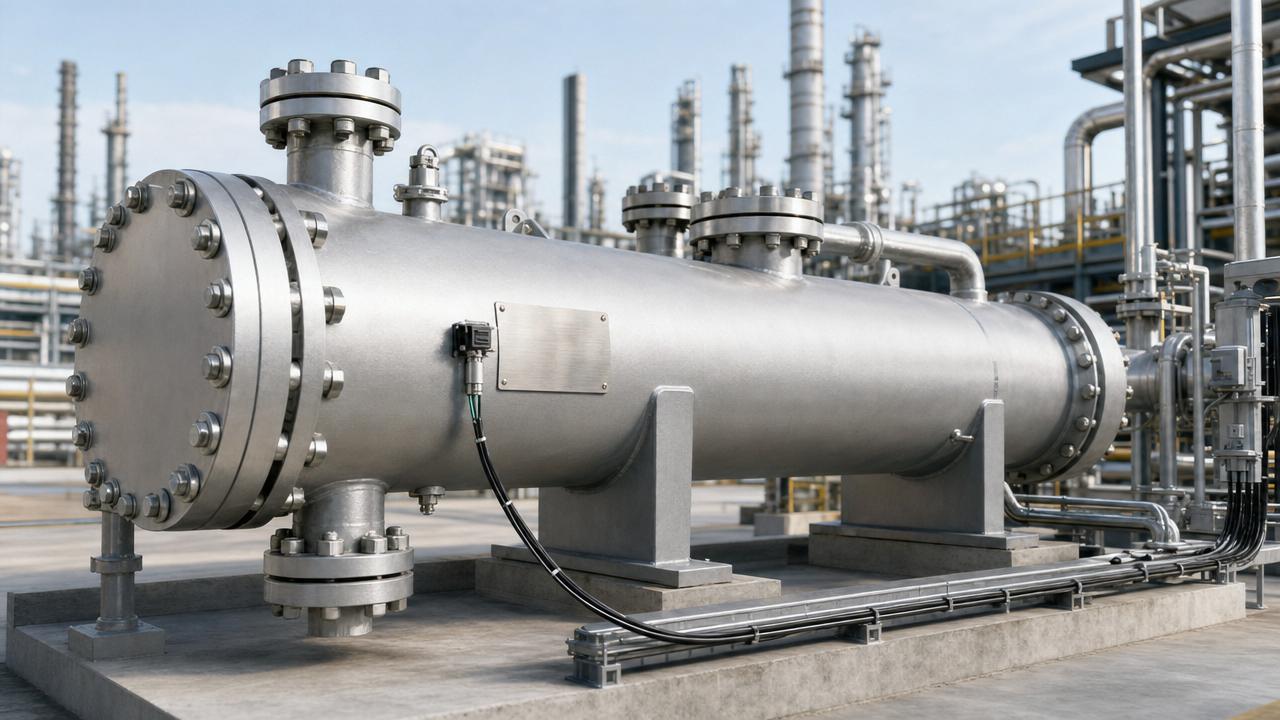
The event summary also confirms a policy arrangement under which rail capacity gives priority to major equipment cargo. Against that backdrop, large pressure equipment such as Shell & Tube heat exchangers has achieved overland export transit times that are, on average, 12 to 15 days faster than ocean shipping. In addition, multiple domestic manufacturers have already incorporated a dedicated China-Europe Railway Express delivery channel into performance commitments made to European customers.
Where the Rule Change May Start to Matter
Export contracts are becoming more delivery-sensitive
From an industry perspective, exporters of large pressure equipment may be affected first because the policy-backed priority for major equipment cargo changes the practical meaning of lead time commitments. The impact is likely to appear in shipment planning, promised dispatch windows, contract delivery clauses, and the alignment between factory completion dates and outbound booking arrangements. What deserves closer attention is whether sales teams and contract administrators are clearly matching promised delivery schedules with the actual transport mode stated in commercial documents.
European buyers may review procurement timing differently
Buyers and procurement teams may also be affected because a shorter and more predictable rail route can influence purchasing cycles, project installation sequencing, and acceptance scheduling. Analysis shows that this does not automatically change technical or certification requirements, but it may alter how buyers assess delivery risk, buffer stock, and supplier responsiveness. Procurement documents, milestone schedules, and any delivery-linked acceptance terms therefore merit closer review.
Logistics and supply chain service providers face tighter execution demands
For freight organizers and supply chain service providers, the relevance lies in execution rather than headline transit time. If manufacturers are now offering a dedicated rail delivery channel to European customers, service providers may need to support more precise coordination around cargo readiness, loading sequence, transport documents, and handover timing. Observably, the operational burden may shift toward proving that the promised route and delivery window can be supported consistently under the applicable rail allocation arrangement.
Compliance and quality teams cannot treat transport as separate from fulfillment
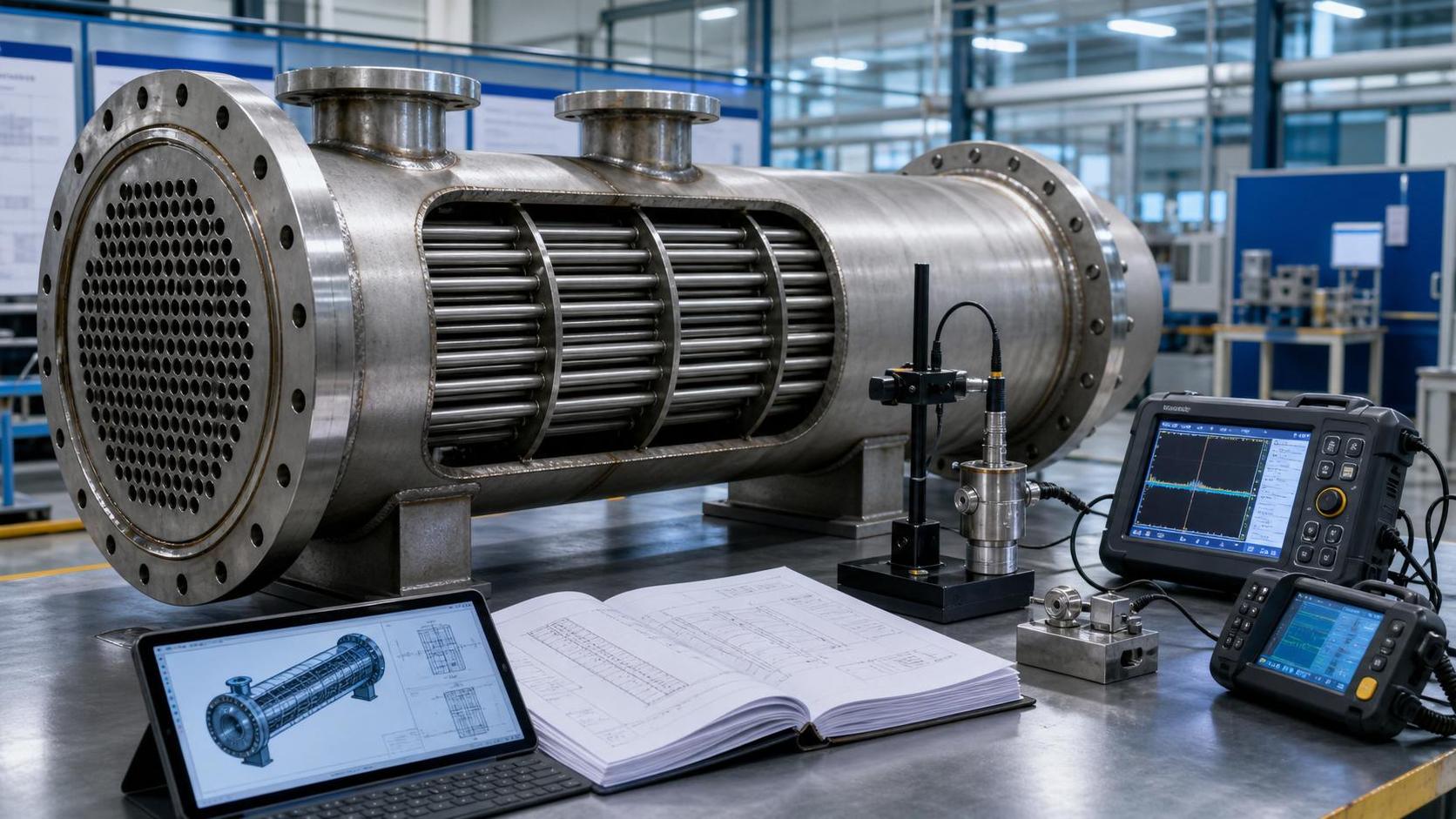
Certification-related teams, document controllers, and after-sales coordinators may also feel the effect because a faster export path can compress the time available for final document checks before dispatch. The issue is not that the event creates a new certification regime, but that shorter delivery cycles may expose weaknesses in technical file readiness, inspection record organization, or post-shipment traceability planning. Companies shipping pressure equipment should therefore pay attention to whether transport acceleration is being matched by document discipline.
What Companies Should Watch in Current Execution
Check whether delivery promises now rely on rail-specific assumptions
Analysis shows that companies should closely review quotations, order confirmations, and delivery commitments that reference faster export timing. If a supplier is using a dedicated railway channel as part of its commercial promise, the underlying routing assumption should be consistent across internal planning, customer communication, and shipment execution records.
Keep technical and trade documents ready earlier in the process
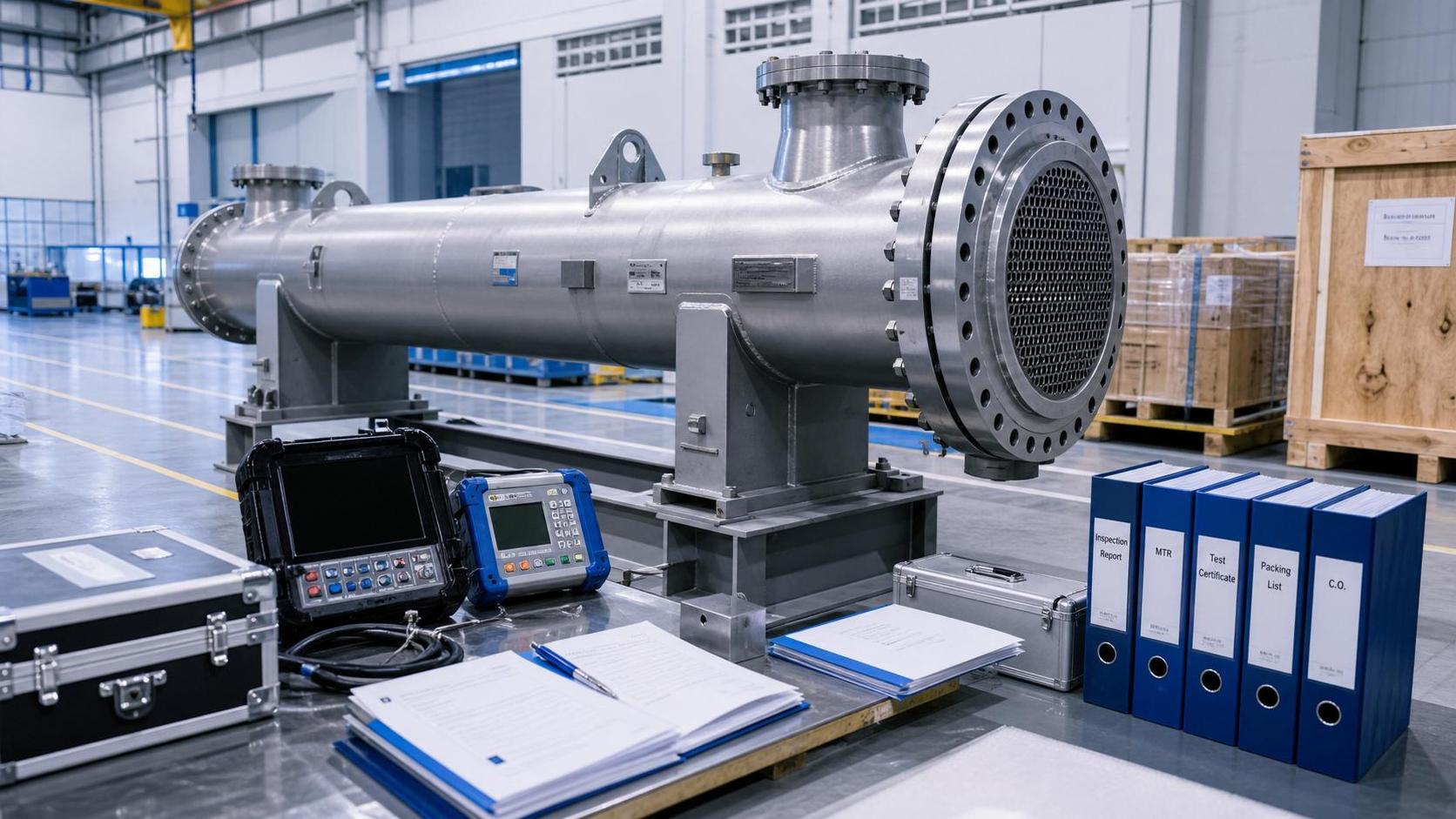
What deserves closer attention is the timing of technical dossiers, inspection materials, packing records, and export paperwork. The event summary supports an observation that transport efficiency is improving for relevant equipment, but it does not provide detailed execution rules. Companies should therefore prepare for the possibility that document readiness will become a more visible bottleneck than transport availability itself.
Track how procurement and tender language may adjust
Observably, if buyers begin to treat rail-based delivery as a realistic fulfillment path for large pressure equipment, tender language and procurement expectations may gradually shift. Businesses should watch for changes in requested lead times, routing assumptions, required handover milestones, and any trade terms that implicitly depend on shorter inland-to-Europe transit cycles. This remains a point for monitoring rather than a confirmed market-wide change.
Pay attention to after-sales and traceability handoff
Faster delivery can shorten the interval between shipment and installation activity, which may place more pressure on after-sales preparation and quality traceability handoff. From an industry perspective, suppliers should ensure that service contacts, equipment records, and shipment-linked traceability materials are not left behind by a quicker logistics schedule.
Why This Looks More Like an Execution Signal
Analysis shows that this development is best understood as a practical execution signal rather than a standalone transport headline. The confirmed facts point to a combination of increased route capacity and priority rail slot support for major equipment cargo, and that combination is already influencing how some manufacturers frame delivery commitments to European customers.
At the same time, it is more appropriate to understand this as an operationally meaningful change that still requires observation in execution. The input does not provide detailed policy wording, implementation criteria, or a formal compliance framework for how priority treatment is administered in practice. For that reason, the market should continue to watch how booking access, contract language, and customer acceptance expectations develop around this faster rail option.
How the Market Should Read This Development
The industry significance of this event lies in the narrowing gap between transport policy support and commercial fulfillment practice. For Shell & Tube heat exchangers and other large pressure equipment, the reported reduction in delivery time and the inclusion of a dedicated rail channel in customer commitments indicate that logistics arrangements are beginning to shape trade execution more directly.
A neutral reading is therefore the most appropriate one. This is not yet a basis for assuming a uniform market shift, but it is a credible sign that some exporters may begin treating rail priority access as part of their delivery model for Europe. Companies should read it as a grounded execution development with implications for scheduling, documentation, procurement coordination, and delivery risk management.
Basis of This Article and What Still Needs Verification
This article is generated on the basis of the user-provided news title, event date, and event summary. For events of this kind, relevant source categories typically include official announcements, regulator publications, customs or trade authority information, industry association releases, standard-setting documents, and reporting by established media outlets.
No specific official source link was provided in the input, so the underlying official publication path remains subject to further verification. What still needs continued observation includes any detailed policy language, implementation standards, procurement document changes, certification-related execution practices, market feedback, and how companies actually perform against rail-based delivery commitments in practice.
Related News
- EU Rule Requires Digital Energy Monitoring for Shell & Tube Heat ExchangersAuthor :Thermodynamics Analyst

- DOE Raises Shell & Tube Efficiency Floor for 2027Author :Thermodynamics Analyst

- EU EN 13445-4:2026 Tightens Dual Certification for Heat ExchangersAuthor :Thermodynamics Analyst

- EN 13445-4:2026 Tightens EU Heat Exchanger ComplianceAuthor :Thermodynamics Analyst

- EN 13445-4:2026 Adds Digital Twin Fatigue ChecksAuthor :Thermodynamics Analyst

- How to Improve Heat Exchanger Efficiency Without Major System DowntimeAuthor :Thermodynamics Analyst

- EU Rule Takes Effect for Shell-and-Tube Heat ExchangersAuthor :Thermodynamics Analyst

- When Energy-Efficient Heat Exchange Systems Deliver Real PaybackAuthor :Thermodynamics Analyst

- DOE Cuts R449A Chiller Transition to 9 MonthsAuthor :Thermodynamics Analyst

- Rail Corridor Surge Cuts Shell & Tube Lead TimeAuthor :Thermodynamics Analyst

- Rail Corridor Hits 2,000 Trains as Heat Exchanger Lead Time FallsAuthor :Thermodynamics Analyst

- Rail Corridor Surge Cuts Shell & Tube Delivery to 28 DaysAuthor :Thermodynamics Analyst

- China-Europe Rail Corridor Tops 2,000 Trains as Heat Exchanger Export Delivery Falls to 28 DaysAuthor :Thermodynamics Analyst

- How to Improve Heat Exchanger Efficiency Without Major RetrofitsAuthor :Thermodynamics Analyst
![]()
- Rail Corridor Speeds Heat Exchanger ExportsAuthor :Thermodynamics Analyst
![]()
- China Names New Trade Parks for Heat Exchanger ExportsAuthor :Thermodynamics Analyst
![]()
- Rail Corridor Eases Lead Times for Shell-and-Tube ExportsAuthor :Thermodynamics Analyst

- Rail Freight Priority Cuts Shell & Tube Lead TimesAuthor :Thermodynamics Analyst

- Vietnam Cement WHR Rule Lifts Exchanger DemandAuthor :Thermodynamics Analyst

- EN 13445-4:2026 Effective for Shell & Tube Heat ExchangersAuthor :Thermodynamics Analyst
![]()
- SANY Excavators Capture >60% of Indonesia's Nickel Mine Equipment MarketAuthor :Thermodynamics Analyst

- APEC Trade Ministers Focus on Digital & Green Supply ChainsAuthor :Thermodynamics Analyst
![]()
- Pakistan PM Visit to China Spurs Shell & Tube, Centrifuge Tech LocalizationAuthor :Thermodynamics Analyst

- Putin's China Visit Resumes Shell & Tube Heat Exchanger Export PathAuthor :Thermodynamics Analyst

- EU Imposes Final Anti-Dumping Duties on Chinese Adipic AcidAuthor :Thermodynamics Analyst

- EN 13445-4:2026 Enters Force for Shell & Tube Heat ExchangersAuthor :Thermodynamics Analyst

- EU Updates EN 13445-4:2026 for Shell & Tube Heat ExchangersAuthor :Thermodynamics Analyst

- China's Petrochemical '15th Five-Year' Digitalization Guide ReleasedAuthor :Thermodynamics Analyst

- Heat Exchanger Technology: Plate vs Shell & Tube Selection GuideAuthor :Thermodynamics Analyst

- China to Upgrade Shell & Tube Heat Exchanger Standard to MandatoryAuthor :Thermodynamics Analyst

- Thermodynamics Analysis in Shell & Tube Selection: What Really MattersAuthor :Thermodynamics Analyst

- How to Compare Heat Exchanger Efficiency Across System DesignsAuthor :Thermodynamics Analyst