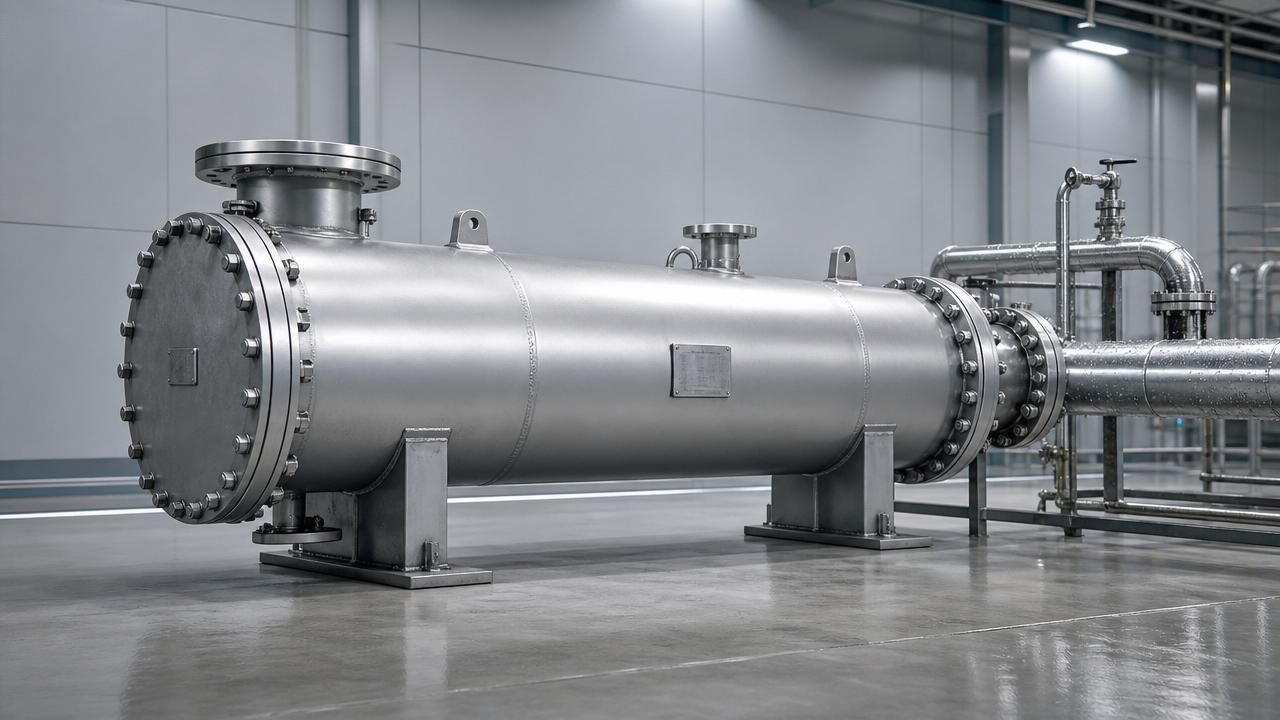
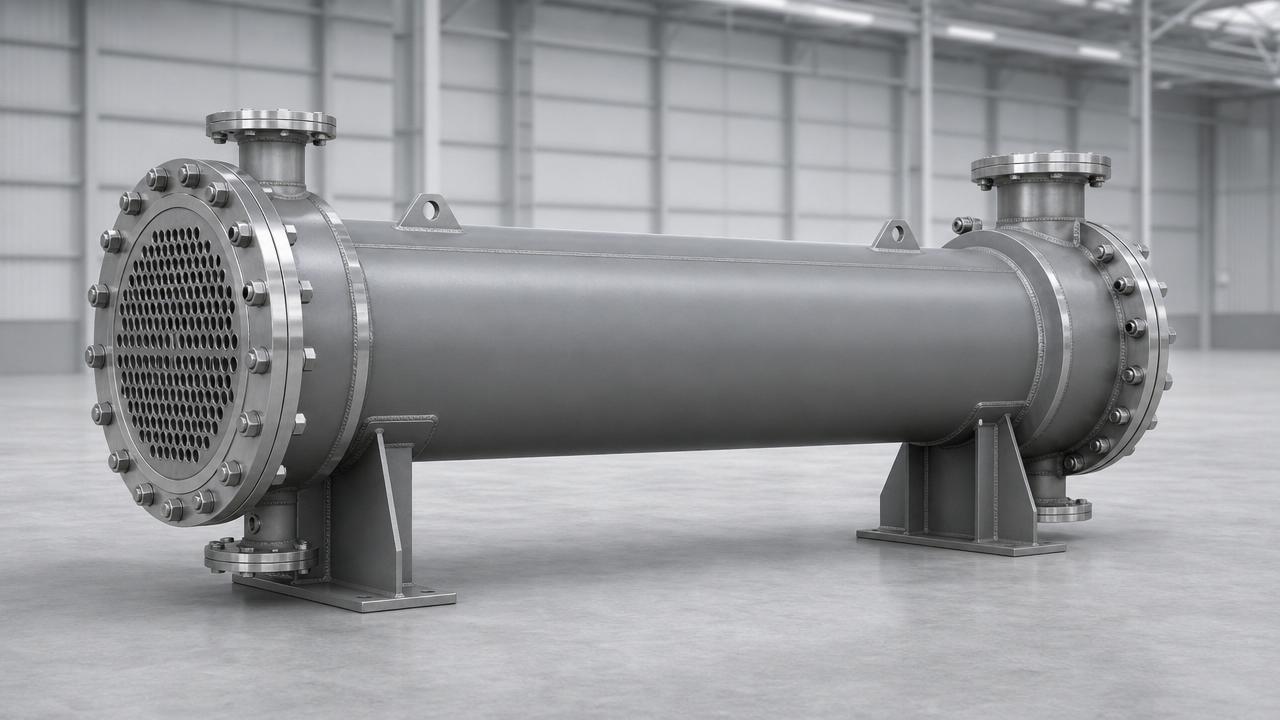
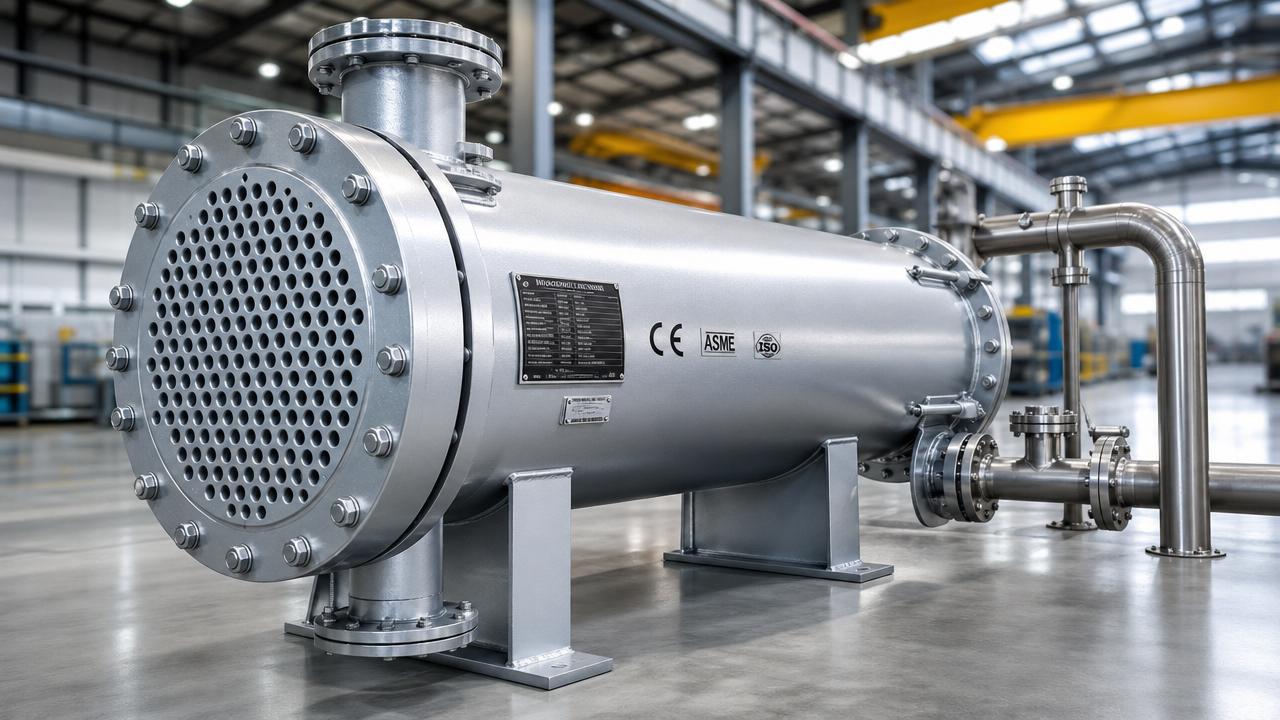
Rail Corridor Surge Cuts Shell & Tube Lead Time




During May 2026, the record monthly volume on the China-Europe rail middle corridor signaled more than a transport milestone: it pointed to a change in execution conditions for cross-border delivery, especially for cold-chain and industrial equipment cargo moving toward Eastern Europe and Baltic port destinations. For exporters, equipment manufacturers, buyers, and supply-chain service providers handling Shell & Tube heat exchangers, the development deserves attention because shorter rail transit allocation and higher spot availability can affect delivery commitments, procurement timing, document readiness, and how trade and compliance requirements are managed in practice.
What was officially reported for May
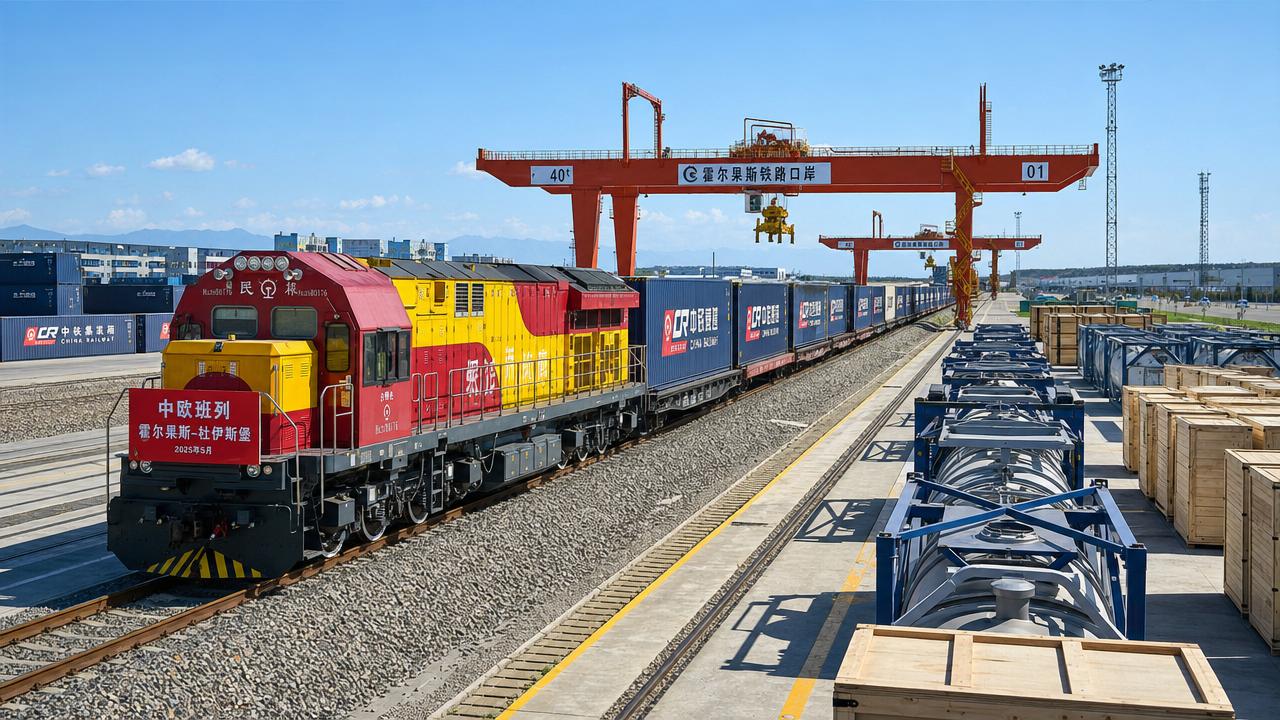
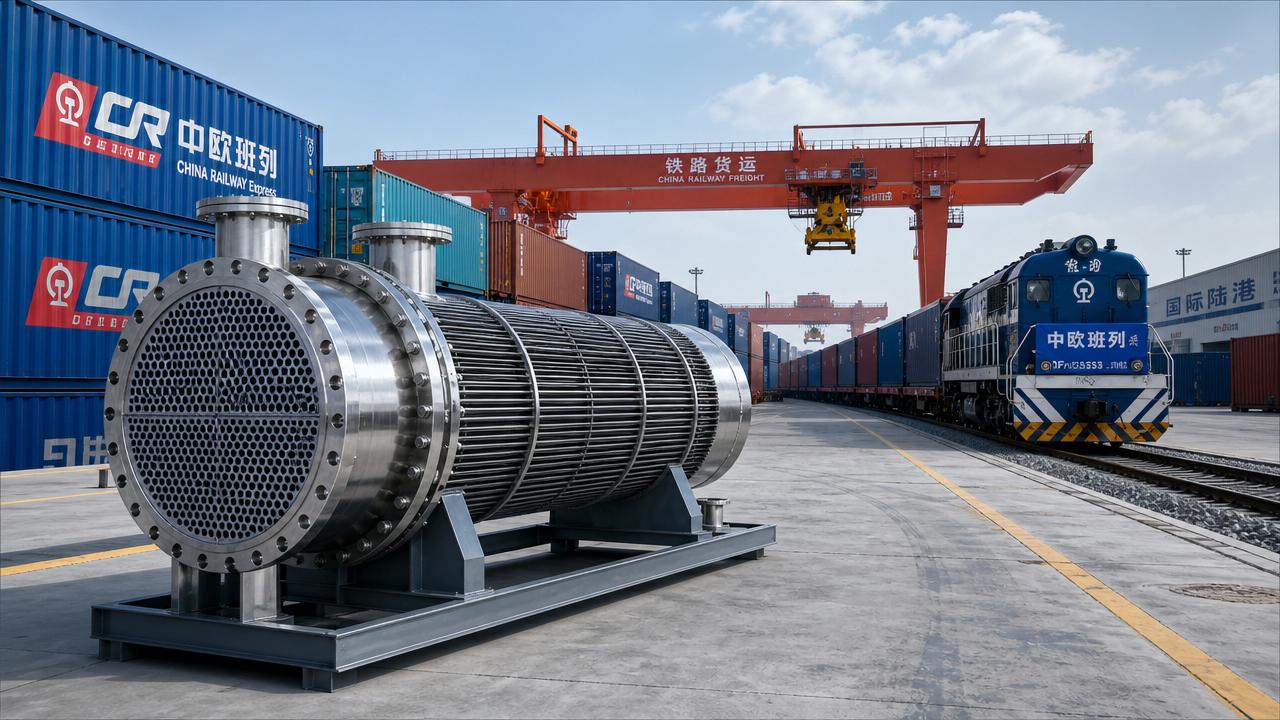
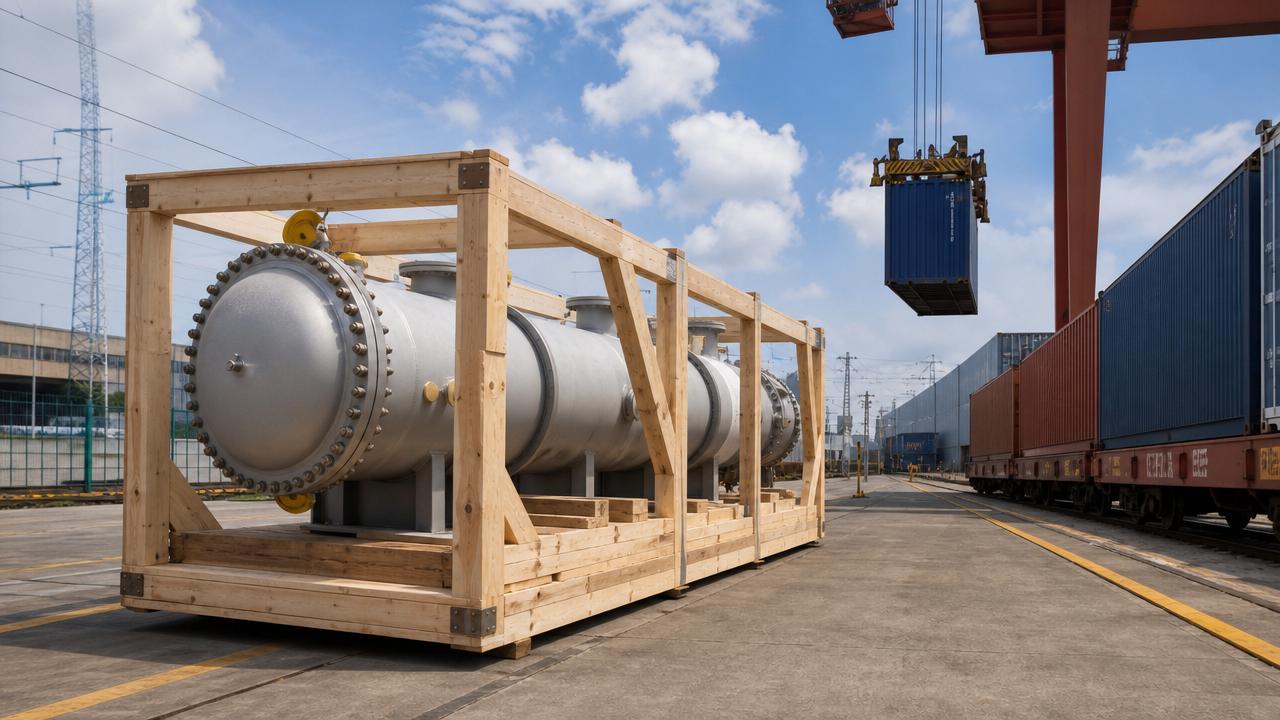
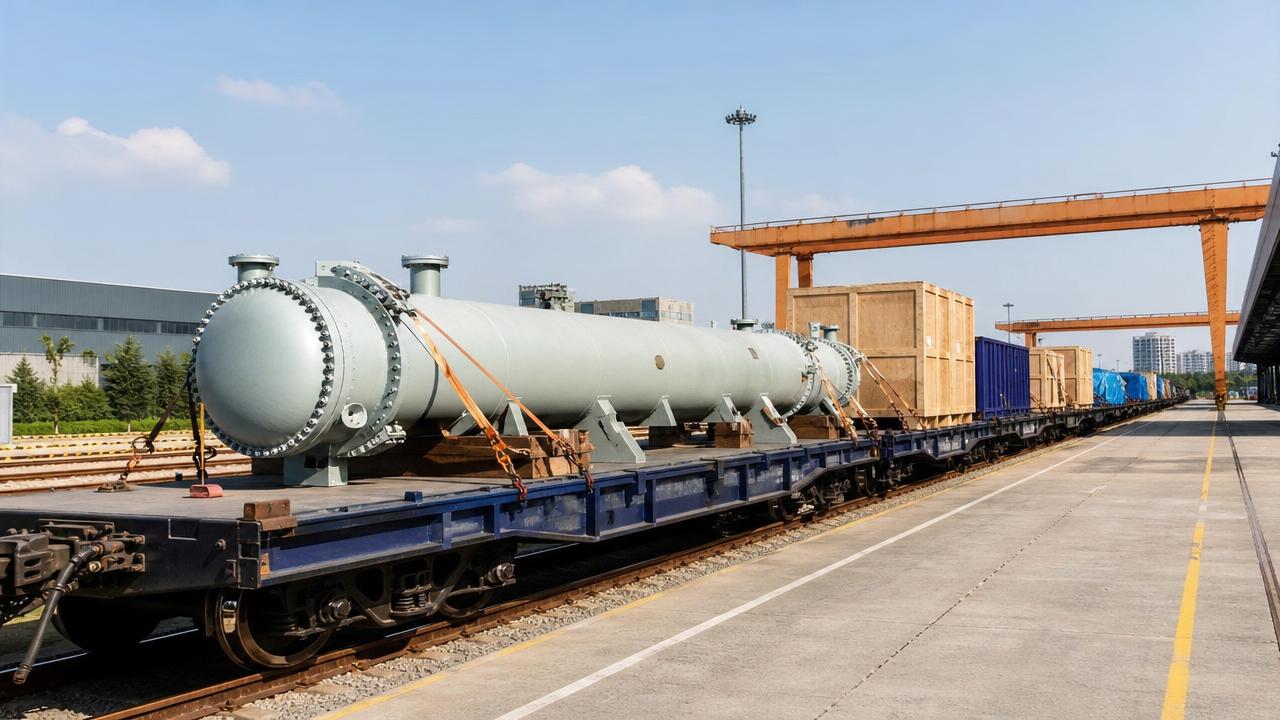
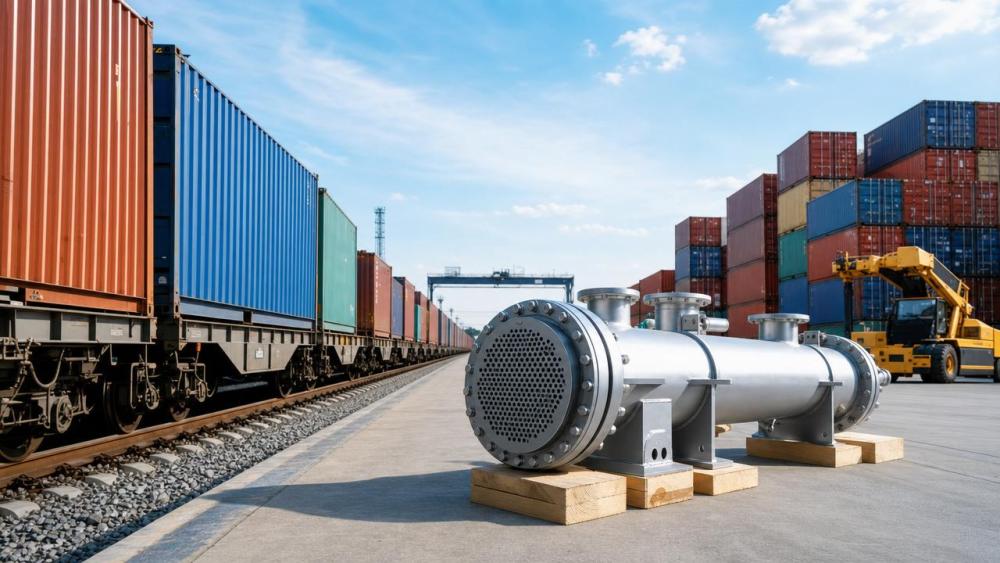
According to a June 12 briefing by China State Railway Group, 2,037 China-Europe freight trains operated in May 2026 via the Kazakhstan-Russia-Belarus route, described as the middle corridor, setting a new monthly record. Within that total, cold-chain and industrial equipment block trains serving Eastern Europe and Baltic port destinations accounted for 37%. The same information states that this shift shortened the export delivery cycle for Shell & Tube heat exchangers from an average of 45 days to 28 days, while spot availability rose to 82%.
Why the change matters across delivery and trade execution
Export sellers face a tighter promise-to-ship window
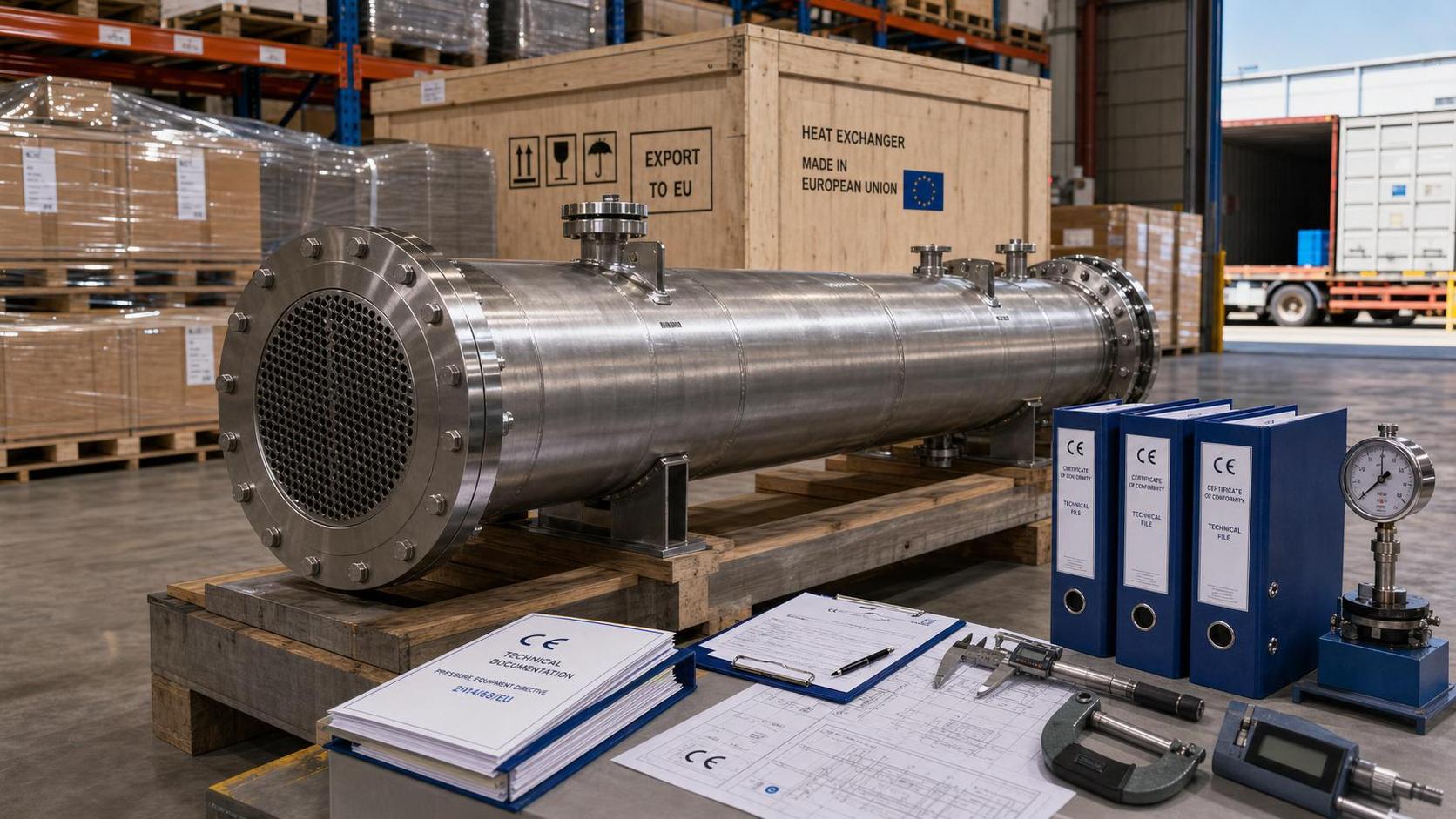
From an industry perspective, exporters of Shell & Tube heat exchangers may be directly affected because a shorter delivery cycle changes how they quote lead times, confirm shipment schedules, and align contractual delivery terms with actual logistics capacity. What deserves closer attention is whether internal export documentation, packing records, and technical files can be prepared fast enough to match the faster turnover implied by the reported 28-day cycle.
Manufacturers may need to adjust production-release discipline
Analysis shows that manufacturing teams are likely to feel the impact in production planning and finished-goods release. A higher reported spot rate can improve response speed, but it also raises the practical importance of keeping product traceability, inspection records, and shipment-ready technical documentation synchronized with inventory that may move more quickly into export channels.
Buyers and procurement teams gain speed but not fewer checks
For procurement parties, the shorter cycle may improve sourcing flexibility for projects requiring Shell & Tube equipment, particularly where delivery timing is sensitive. Even so, the need to verify technical specifications, bid documents, certificates, and supporting compliance materials does not disappear. Observably, faster availability can compress the time available for review, which makes front-end document control more important rather than less.
Logistics and channel operators may see higher coordination pressure
Supply-chain service providers and distribution intermediaries may be affected because more concentrated rail movement on the middle corridor can increase the need for precise coordination of cargo handover, shipment booking, and destination-facing documentation. It is more appropriate to understand this as an operational execution signal than as a blanket easing of all trade requirements, since transport speed does not automatically remove route-specific compliance or document obligations.
What companies should watch now
Keep compliance files ready for shorter shipment cycles
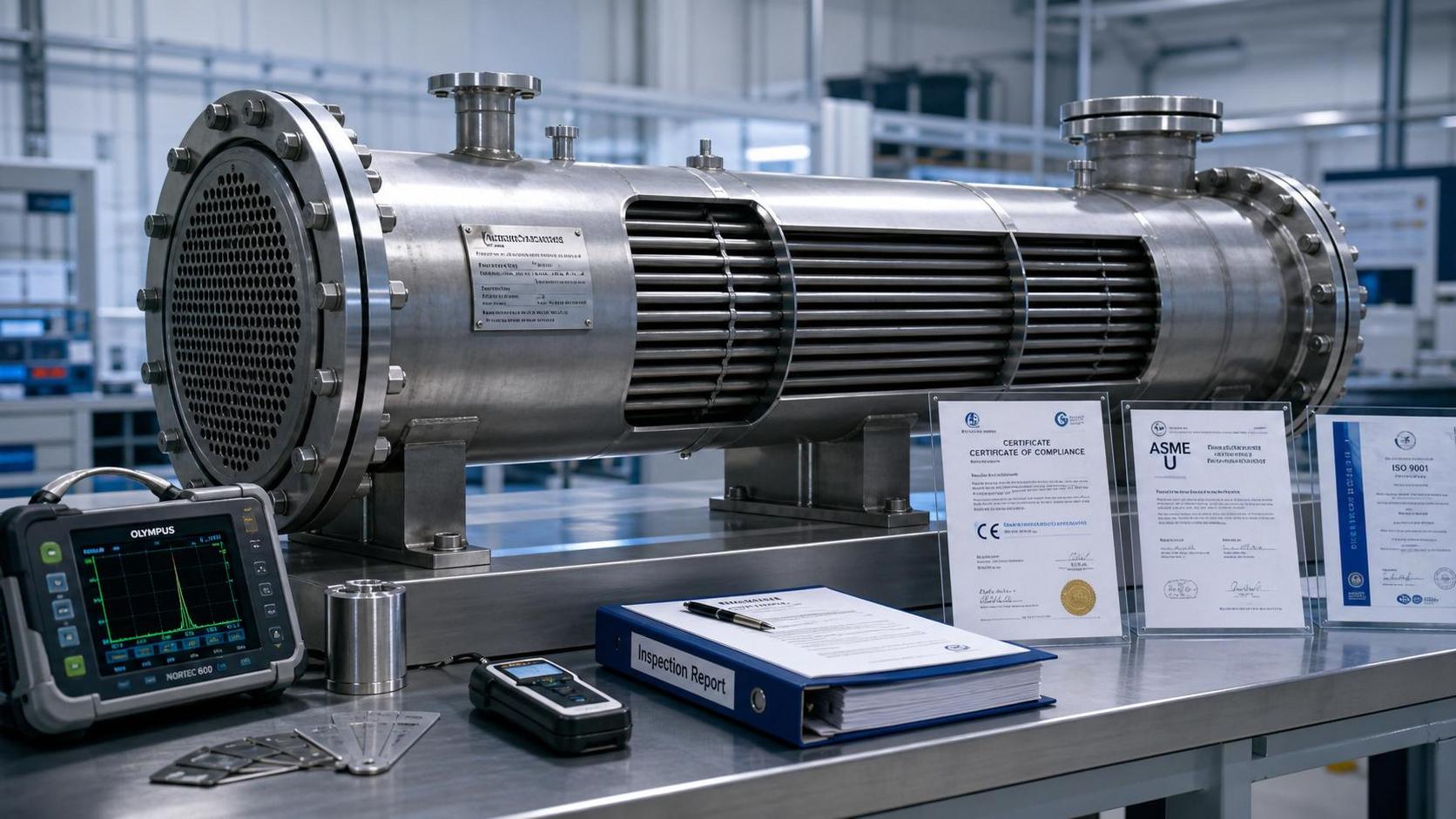
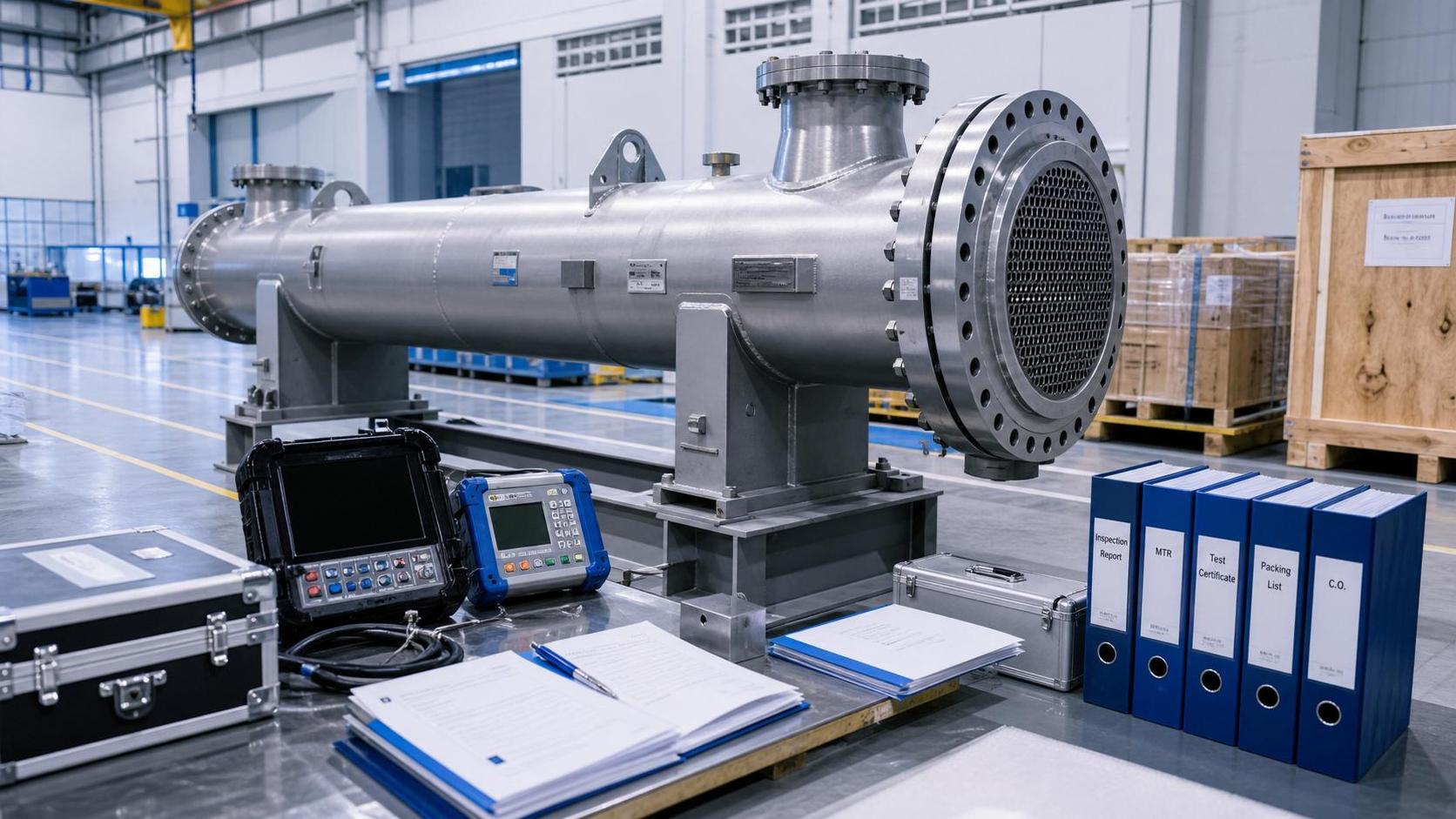
Analysis shows that companies handling Shell & Tube exports should pay closer attention to whether product certificates, inspection reports, specification sheets, and shipment documents can be issued within the tighter delivery rhythm reflected in the May data. Where supporting materials are prepared late, the benefit of a shorter logistics cycle may not fully translate into actual delivery performance.
Watch for changes in official wording and execution signals
The reported record volume and product-related delivery improvement are important signals, but the input does not provide detailed implementation rules or additional official guidance for subsequent months. What deserves closer attention is whether later official statements, tender documents, customer requirements, or logistics execution practices begin to reflect this faster corridor performance more consistently.
Recheck procurement timing and supplier commitments
For buyers and project planners, a reduction from 45 days to 28 days may justify reviewing reorder points, buffer stock assumptions, and supplier delivery clauses. This should not be treated as a permanent new baseline without further validation, but it is a practical signal that procurement calendars and supplier communication may need updating.
Do not let faster delivery weaken quality traceability
Observably, when spot availability rises, the risk is not only delay reduction but also rushed document handling. Companies should continue to focus on batch traceability, after-sales documentation, and the integrity of technical records so that faster dispatch does not create downstream disputes over configuration, acceptance, or service responsibility.
How this signal is best understood for now
Analysis shows that this development is best read as an execution-level signal in cross-border rail logistics rather than as a standalone policy announcement with fully defined downstream rules. The key industry meaning lies in the fact that corridor capacity and cargo structure can influence practical delivery conditions for equipment exports. At the same time, it remains necessary to observe how buyers, logistics providers, and documentation practices respond before treating the reported May performance as a settled long-term norm.
A practical reading for the market
The record monthly train volume on the middle corridor and the shorter reported lead time for Shell & Tube heat exchangers together suggest that transport execution conditions have improved for at least part of the export flow during the stated period. A neutral reading is that the market should treat this as a meaningful operating signal: useful for adjusting delivery expectations and internal coordination, but still requiring continued verification through later official communication, trade practice, and project-level execution feedback.
Basis of this article and what still needs verification
This article is generated from the user-provided news title, event time, and event summary. For developments of this kind, commonly relevant source categories may include official announcements, regulator releases, customs or trade authority information, industry association updates, standard-setting documents, and reporting by authoritative media. A specific official source link was not provided in the input, so continued verification is still necessary. What still needs observation includes any later policy detail, compliance interpretation, tender-document changes, market feedback, and how companies actually implement delivery, documentation, and export coordination in response to the reported May corridor performance.
Related News
- EN 13445-4:2026 Tightens EU NDT Rules for Pressure VesselsAuthor :Thermodynamics Analyst

- EU Rule Requires Digital Energy Monitoring for Shell & Tube Heat ExchangersAuthor :Thermodynamics Analyst

- DOE Raises Shell & Tube Efficiency Floor for 2027Author :Thermodynamics Analyst

- EU EN 13445-4:2026 Tightens Dual Certification for Heat ExchangersAuthor :Thermodynamics Analyst

- EN 13445-4:2026 Tightens EU Heat Exchanger ComplianceAuthor :Thermodynamics Analyst

- EN 13445-4:2026 Adds Digital Twin Fatigue ChecksAuthor :Thermodynamics Analyst

- How to Improve Heat Exchanger Efficiency Without Major System DowntimeAuthor :Thermodynamics Analyst

- EU Rule Takes Effect for Shell-and-Tube Heat ExchangersAuthor :Thermodynamics Analyst

- When Energy-Efficient Heat Exchange Systems Deliver Real PaybackAuthor :Thermodynamics Analyst

- DOE Cuts R449A Chiller Transition to 9 MonthsAuthor :Thermodynamics Analyst

- Rail Corridor Surge Cuts Shell & Tube Lead TimeAuthor :Thermodynamics Analyst

- Rail Corridor Hits 2,000 Trains as Heat Exchanger Lead Time FallsAuthor :Thermodynamics Analyst

- Rail Corridor Surge Cuts Shell & Tube Delivery to 28 DaysAuthor :Thermodynamics Analyst

- China-Europe Rail Corridor Tops 2,000 Trains as Heat Exchanger Export Delivery Falls to 28 DaysAuthor :Thermodynamics Analyst

- How to Improve Heat Exchanger Efficiency Without Major RetrofitsAuthor :Thermodynamics Analyst
![]()
- Rail Corridor Speeds Heat Exchanger ExportsAuthor :Thermodynamics Analyst
![]()
- China Names New Trade Parks for Heat Exchanger ExportsAuthor :Thermodynamics Analyst
![]()
- Rail Corridor Eases Lead Times for Shell-and-Tube ExportsAuthor :Thermodynamics Analyst

- Rail Freight Priority Cuts Shell & Tube Lead TimesAuthor :Thermodynamics Analyst

- Vietnam Cement WHR Rule Lifts Exchanger DemandAuthor :Thermodynamics Analyst

- EN 13445-4:2026 Effective for Shell & Tube Heat ExchangersAuthor :Thermodynamics Analyst
![]()
- SANY Excavators Capture >60% of Indonesia's Nickel Mine Equipment MarketAuthor :Thermodynamics Analyst

- APEC Trade Ministers Focus on Digital & Green Supply ChainsAuthor :Thermodynamics Analyst
![]()
- Pakistan PM Visit to China Spurs Shell & Tube, Centrifuge Tech LocalizationAuthor :Thermodynamics Analyst

- Putin's China Visit Resumes Shell & Tube Heat Exchanger Export PathAuthor :Thermodynamics Analyst

- EU Imposes Final Anti-Dumping Duties on Chinese Adipic AcidAuthor :Thermodynamics Analyst

- EN 13445-4:2026 Enters Force for Shell & Tube Heat ExchangersAuthor :Thermodynamics Analyst

- EU Updates EN 13445-4:2026 for Shell & Tube Heat ExchangersAuthor :Thermodynamics Analyst

- China's Petrochemical '15th Five-Year' Digitalization Guide ReleasedAuthor :Thermodynamics Analyst

- Heat Exchanger Technology: Plate vs Shell & Tube Selection GuideAuthor :Thermodynamics Analyst

- China to Upgrade Shell & Tube Heat Exchanger Standard to MandatoryAuthor :Thermodynamics Analyst

- Thermodynamics Analysis in Shell & Tube Selection: What Really MattersAuthor :Thermodynamics Analyst

- How to Compare Heat Exchanger Efficiency Across System DesignsAuthor :Thermodynamics Analyst