Plate Heat Exchanger Technology: When Compact Design Pays Off




For procurement teams balancing performance, footprint, and lifecycle cost, heat exchanger technology is no longer just a technical detail—it is a strategic buying factor. Plate heat exchangers stand out by delivering efficient thermal transfer in a compact form, helping industrial buyers reduce space demands, energy use, and maintenance pressure while supporting smarter, future-ready equipment decisions.
In sectors where floor space is expensive, utility prices remain volatile, and uptime targets are measured in hours rather than days, compact thermal systems can directly influence project ROI. For buyers comparing process cooling, HVAC support, compressed air packages, heat recovery loops, or hygienic temperature-control skids, understanding when plate heat exchanger technology pays off is essential.
From the perspective of GTC-Matrix, where industrial cooling, compression, vacuum, and thermal intelligence intersect, procurement decisions increasingly depend on more than nameplate capacity. Buyers now evaluate energy efficiency, maintainability, refrigerant strategy, service access, and integration flexibility across a 5- to 15-year operating horizon.
Why Plate Heat Exchanger Technology Earns Attention in Industrial Procurement
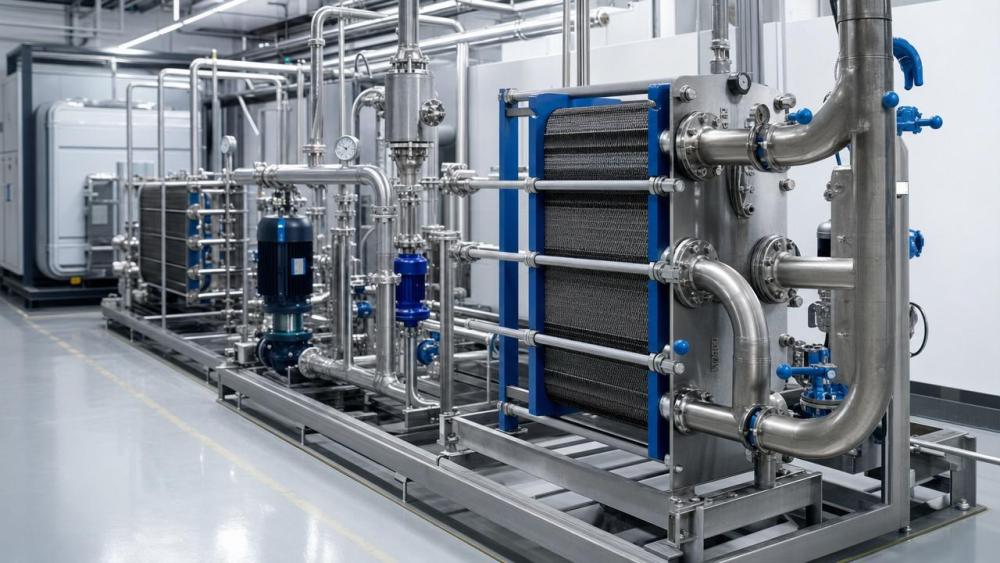
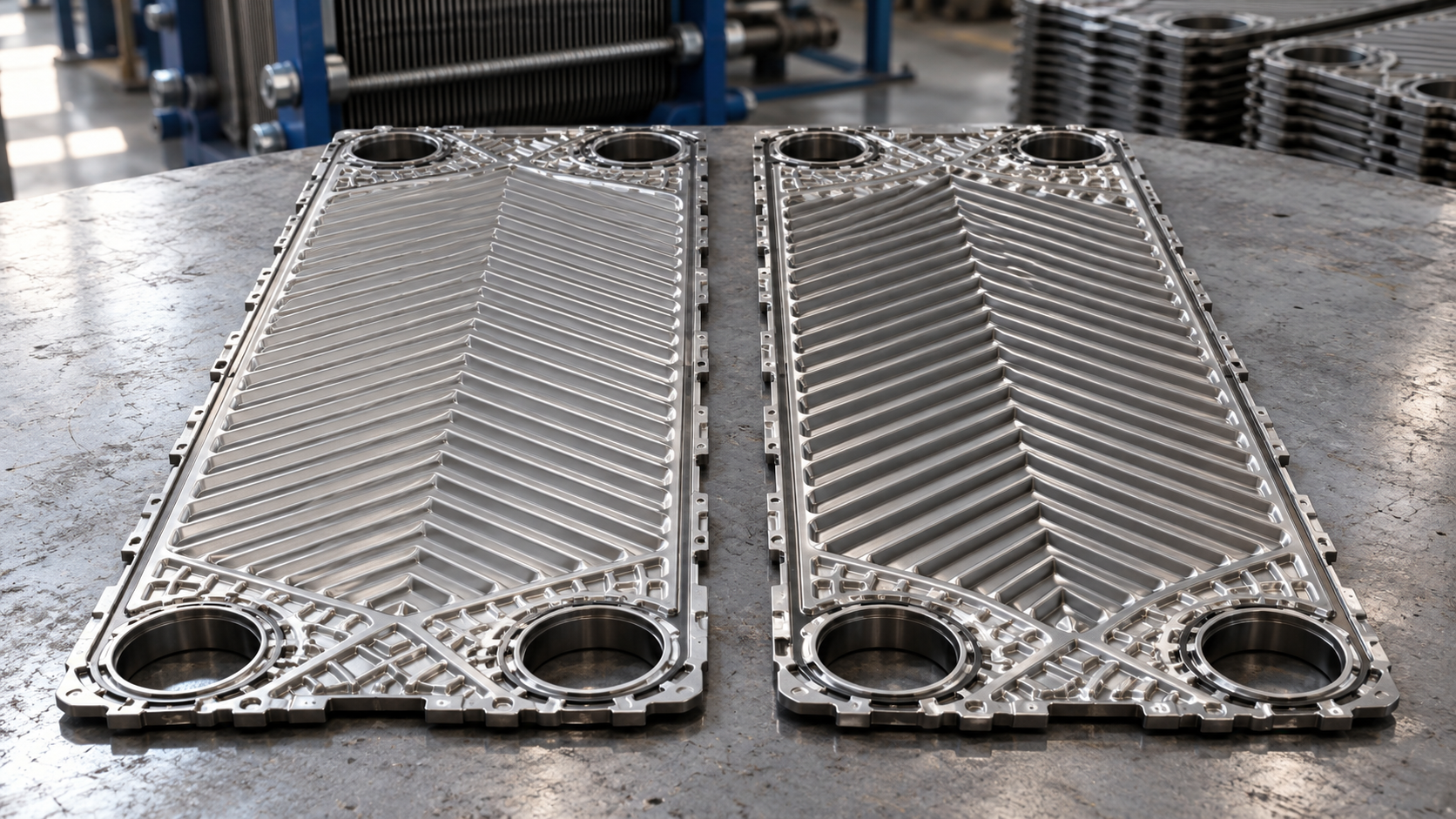
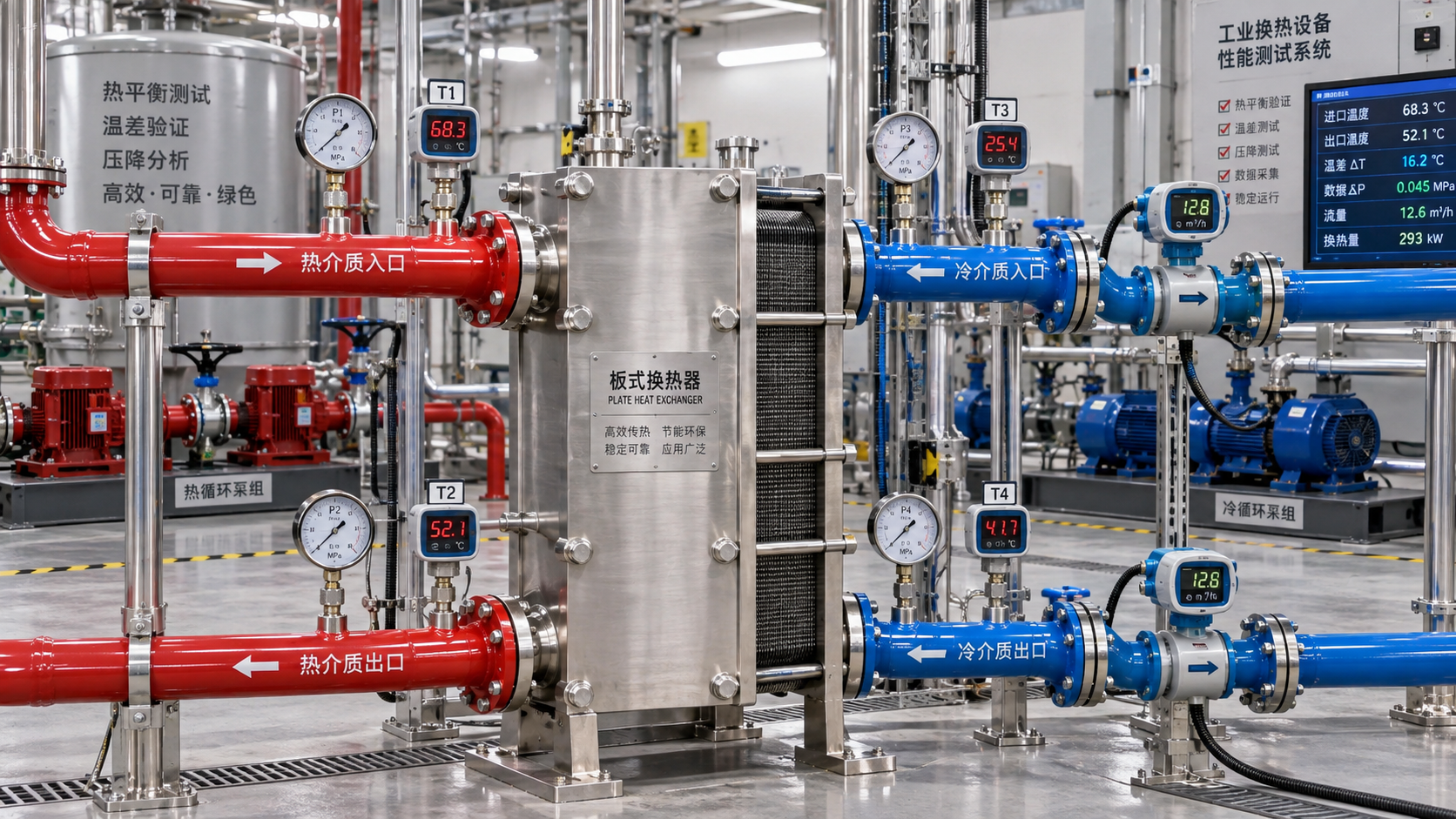
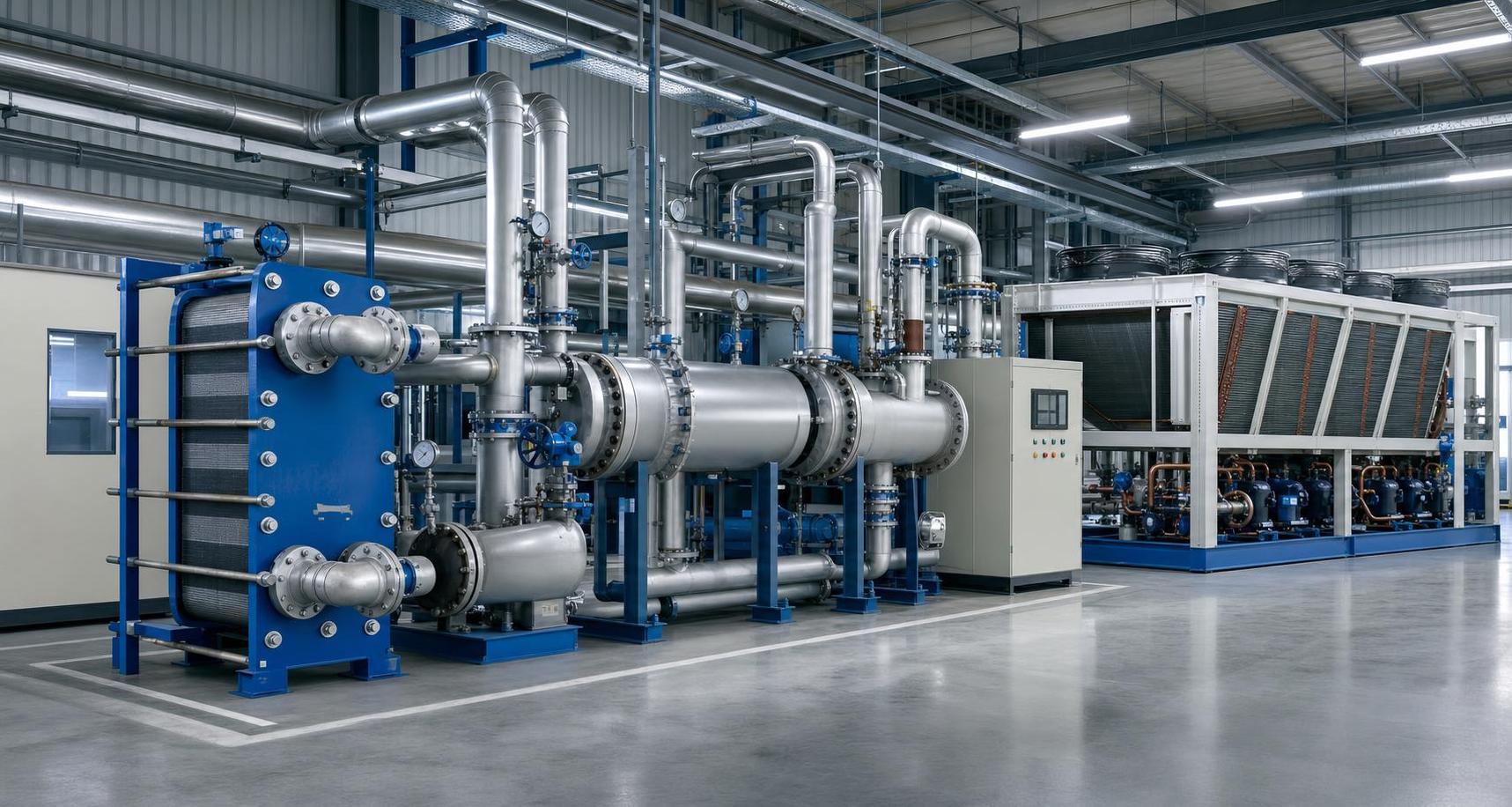
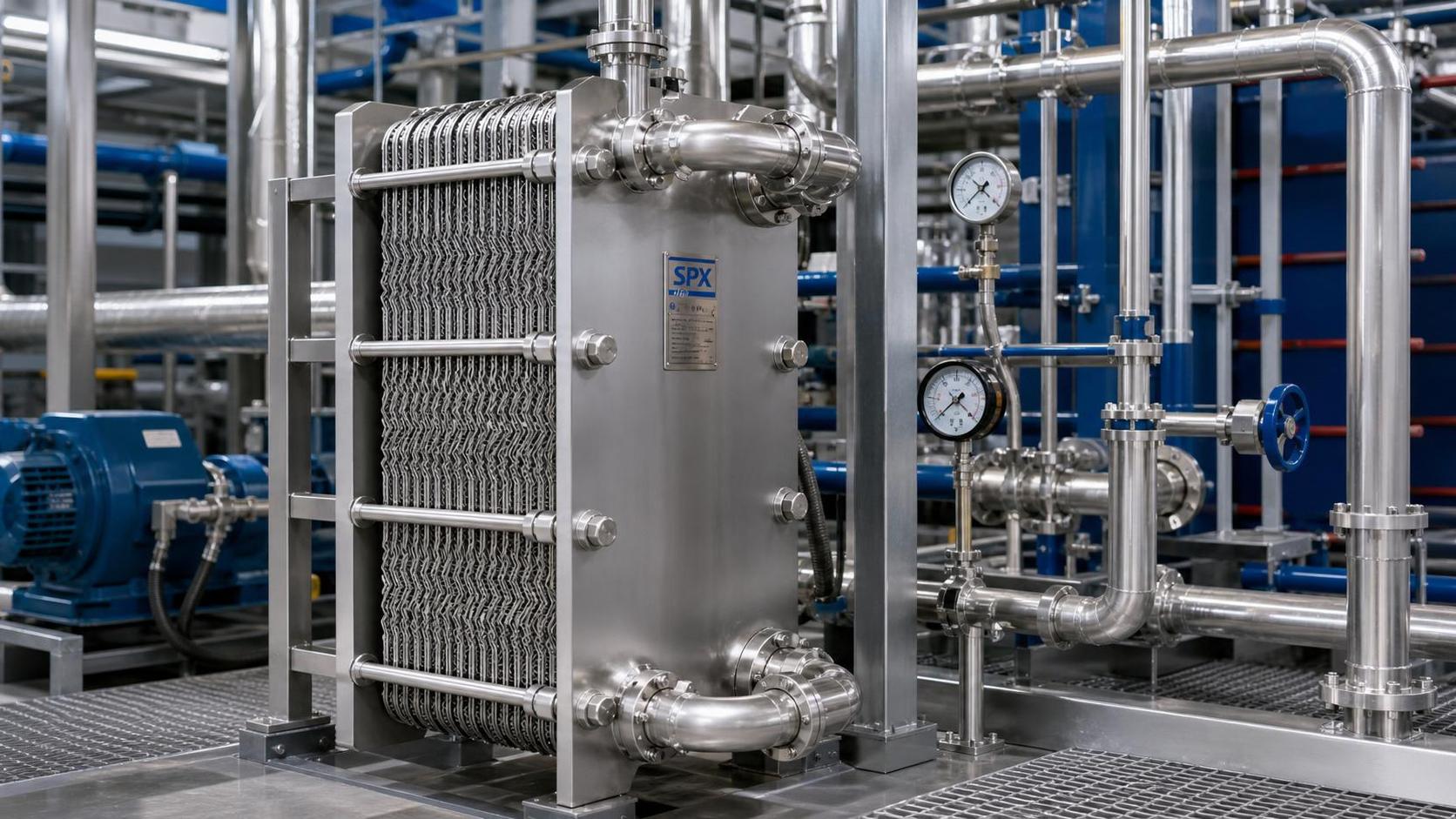
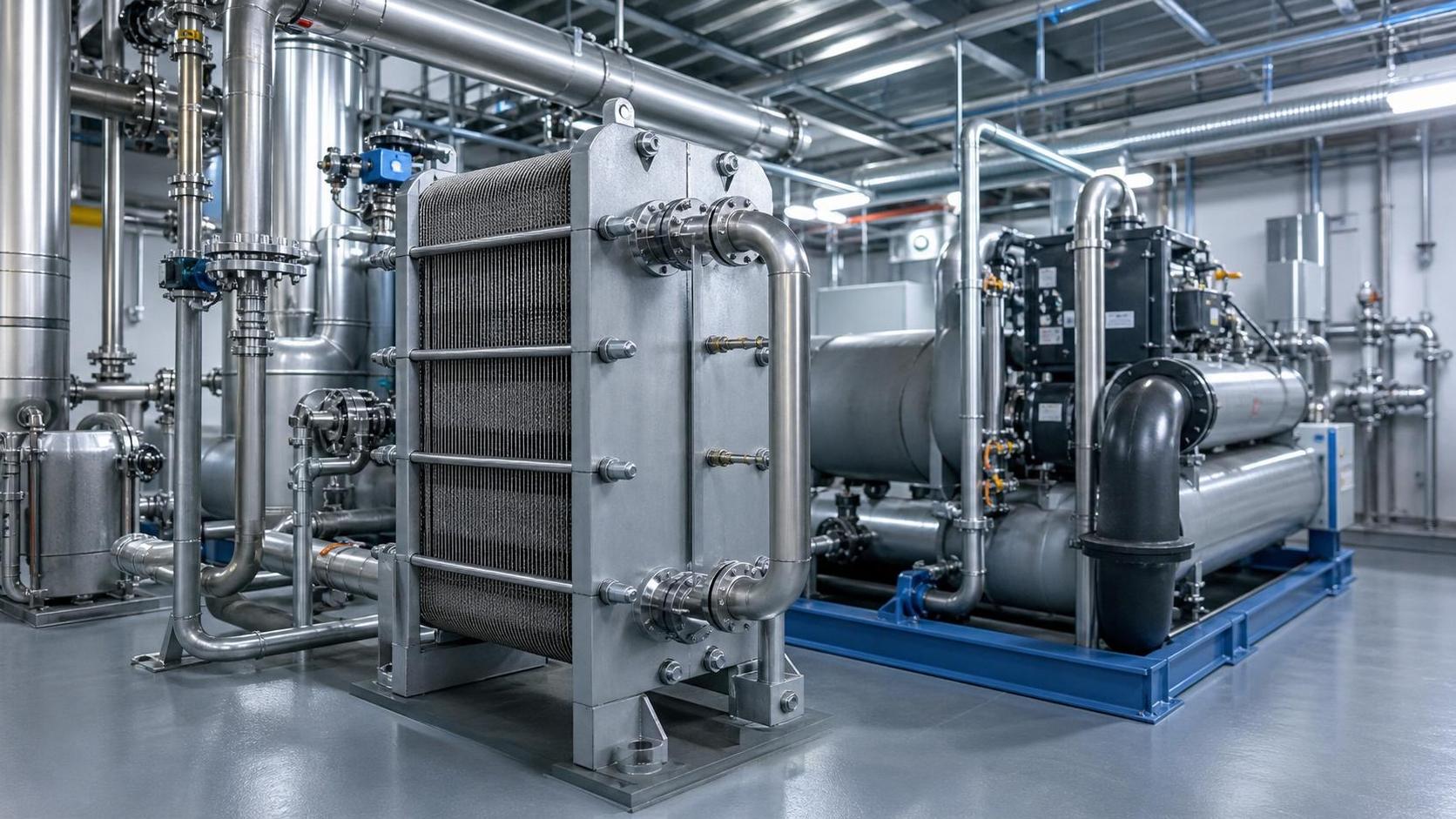
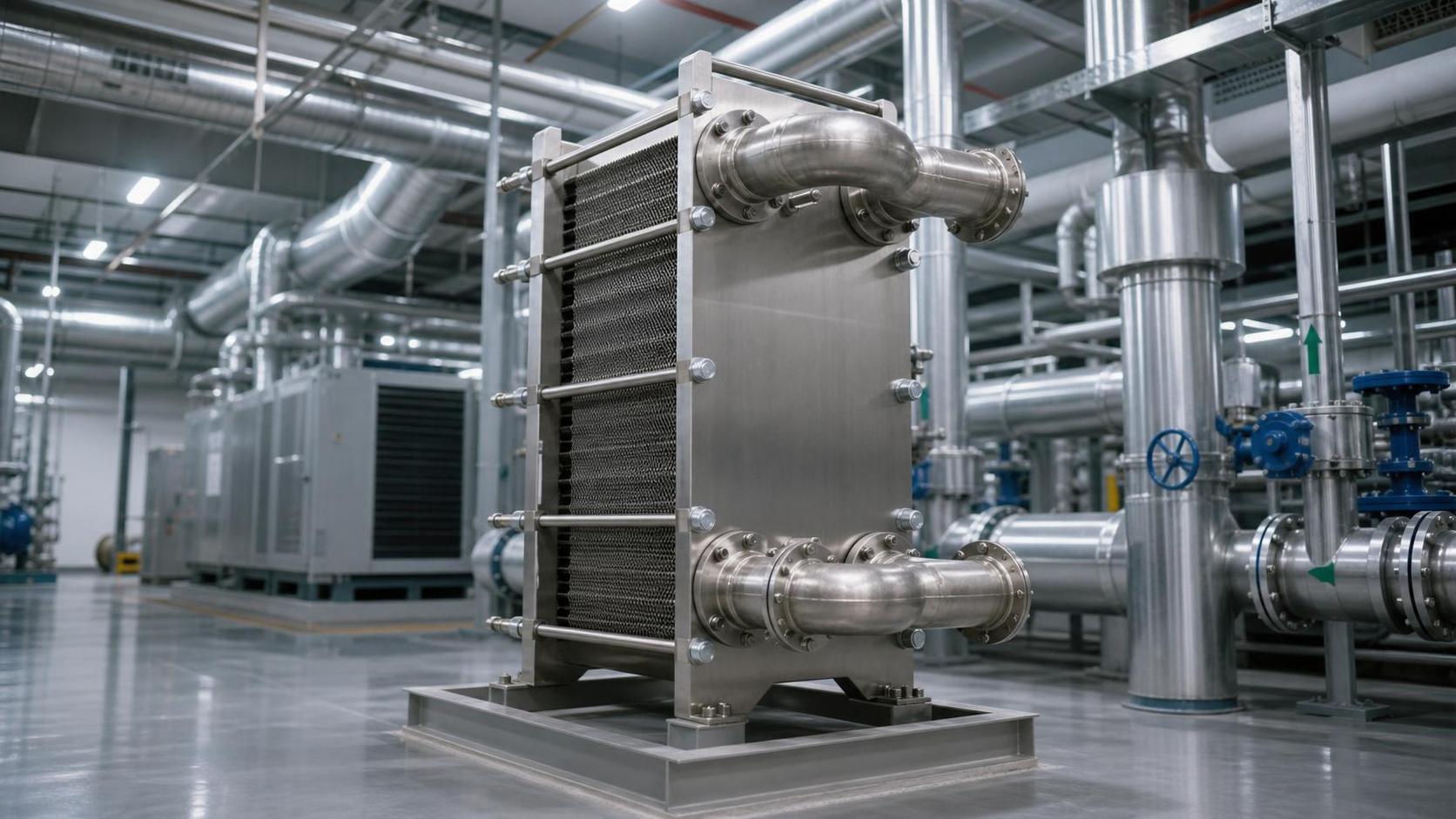
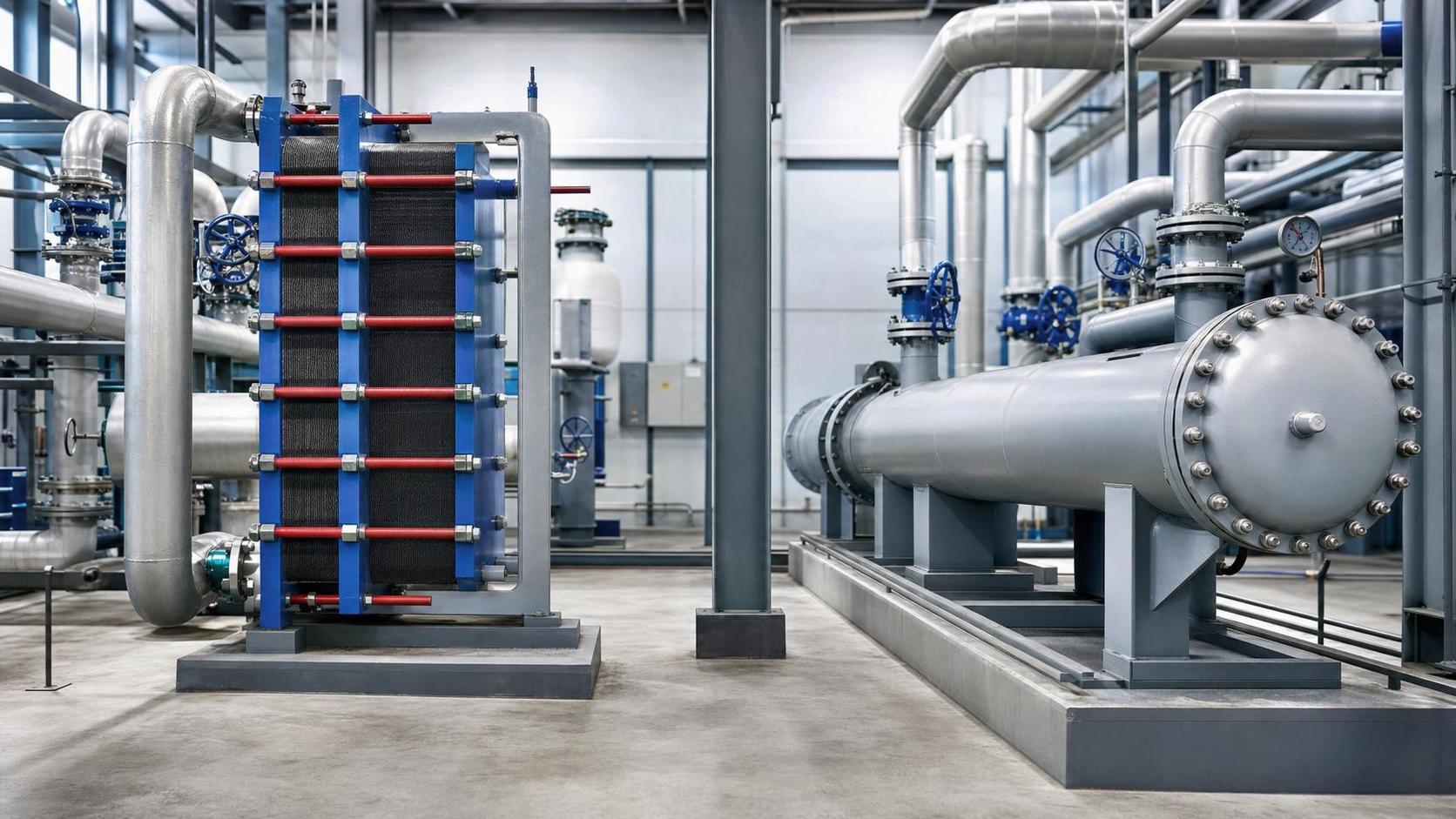
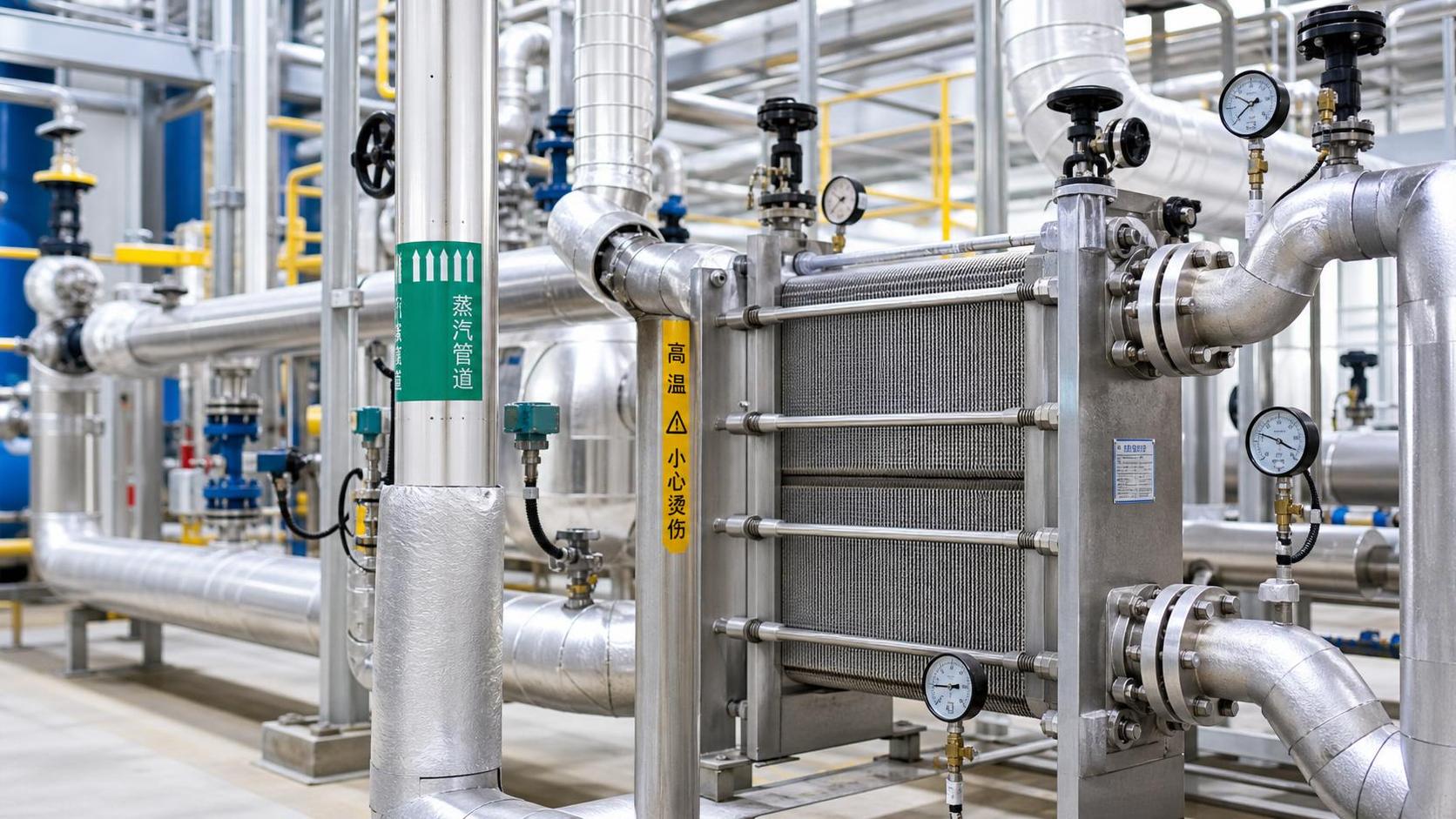
Plate heat exchanger technology uses a stack of thin, corrugated metal plates to transfer heat between two fluids. Compared with many shell-and-tube arrangements, this design creates a larger effective heat transfer area within a smaller installation footprint, often reducing occupied space by 30% to 60% in comparable duty ranges.
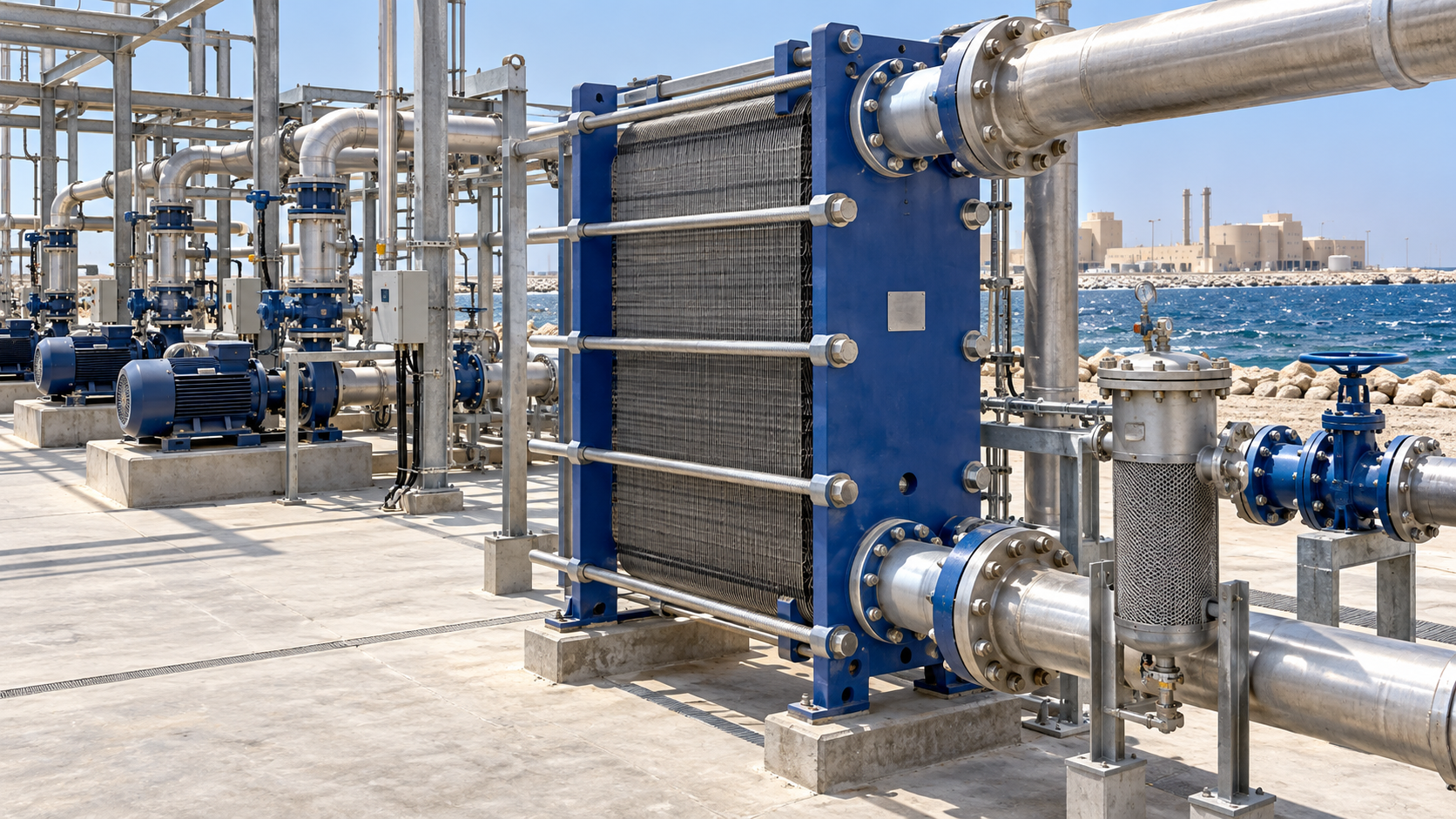
That compactness matters in retrofit projects, packaged skid systems, rooftop utility areas, food and beverage process rooms, and pharmaceutical utility corridors. In many plants, available installation space becomes a hard limit long before thermal demand does. A compact exchanger can delay or eliminate civil modifications, pipe rerouting, or costly equipment relocation.
What buyers gain beyond smaller dimensions
The procurement value of heat exchanger technology goes beyond footprint. Plate designs commonly support faster heat transfer due to turbulence across the plate channels. In practical terms, this can mean tighter approach temperatures, quicker process response, and lower pumping or utility demand when systems are properly engineered.
- Reduced installation space in constrained utility rooms
- High thermal efficiency for process cooling and heat recovery
- Modular capacity adjustment by adding or removing plates in some configurations
- Lower fluid hold-up volume, which can improve controllability
- Potential maintenance advantages in serviceable gasketed units
Typical procurement triggers
Industrial buyers usually start evaluating plate units when one of four triggers appears: a plant expansion with no spare floor area, rising energy cost above budget by 8% to 15%, repeated fouling in older equipment, or a sustainability target that requires heat recovery from warm process streams.
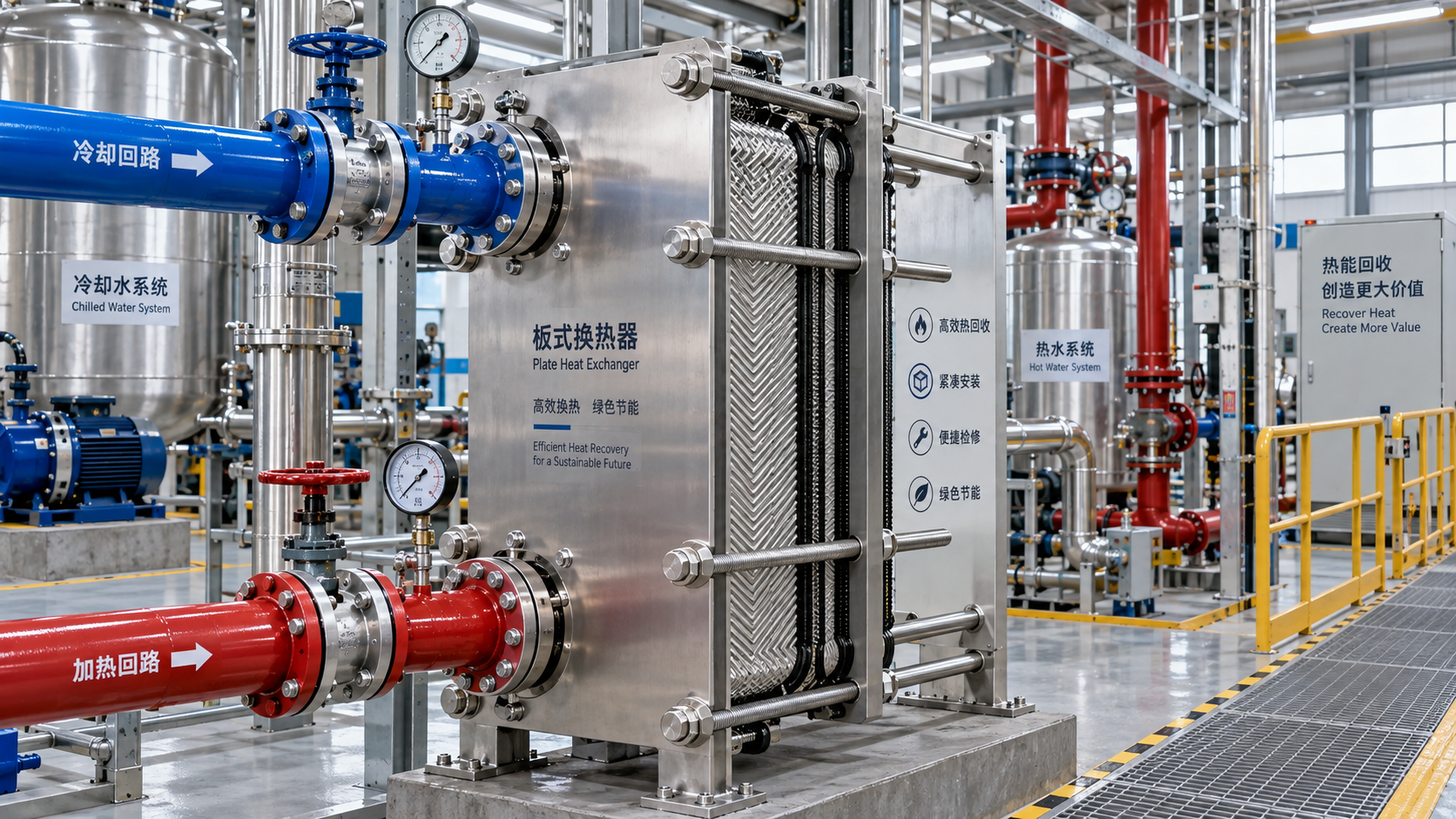
This is especially relevant in compressed air aftercooling, closed-loop process water systems, oil cooling circuits, evaporator and condenser duties, and hygienic heating applications. In each case, compact design is not a cosmetic benefit. It changes installation cost, line routing complexity, and future service access.
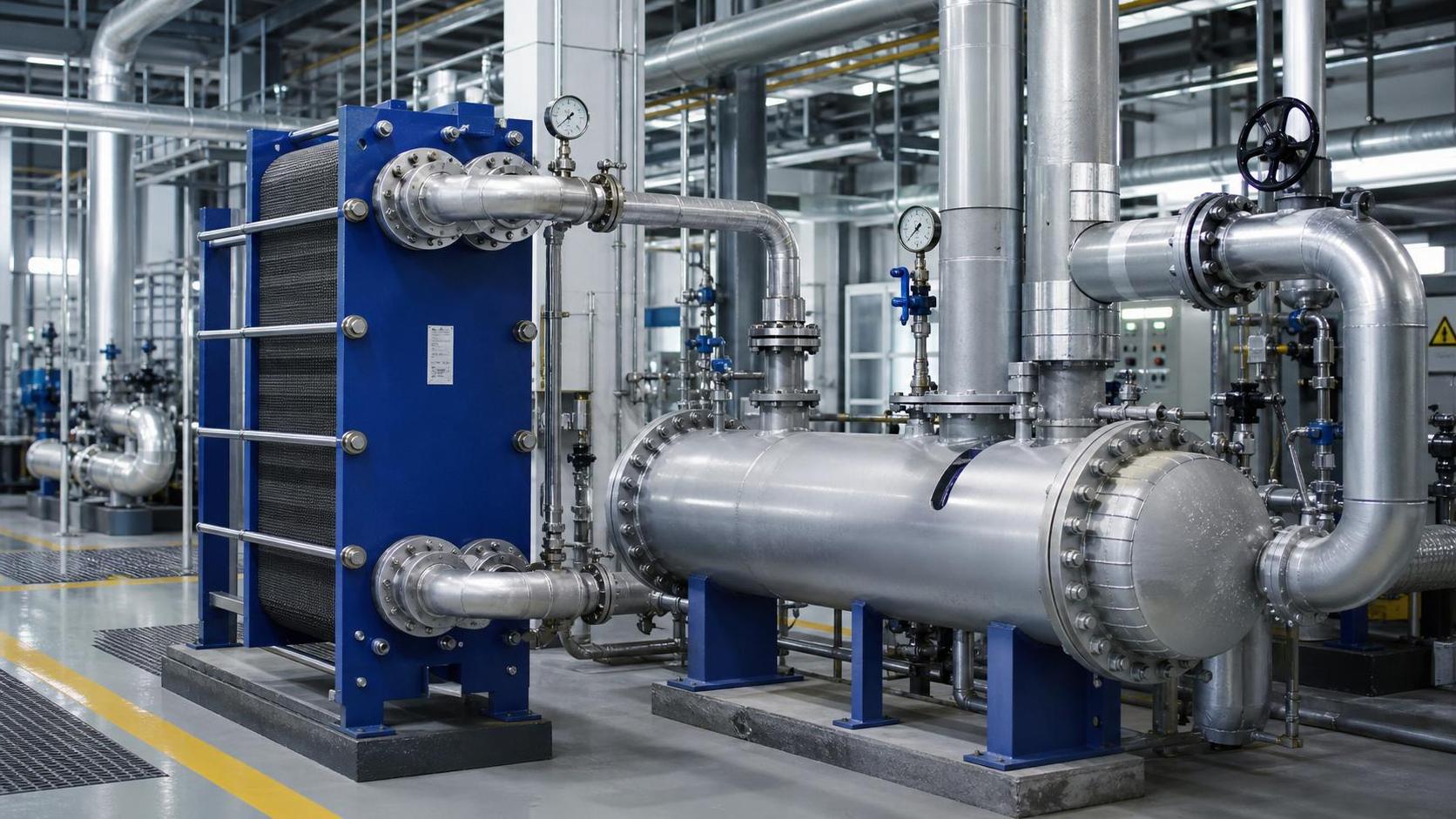
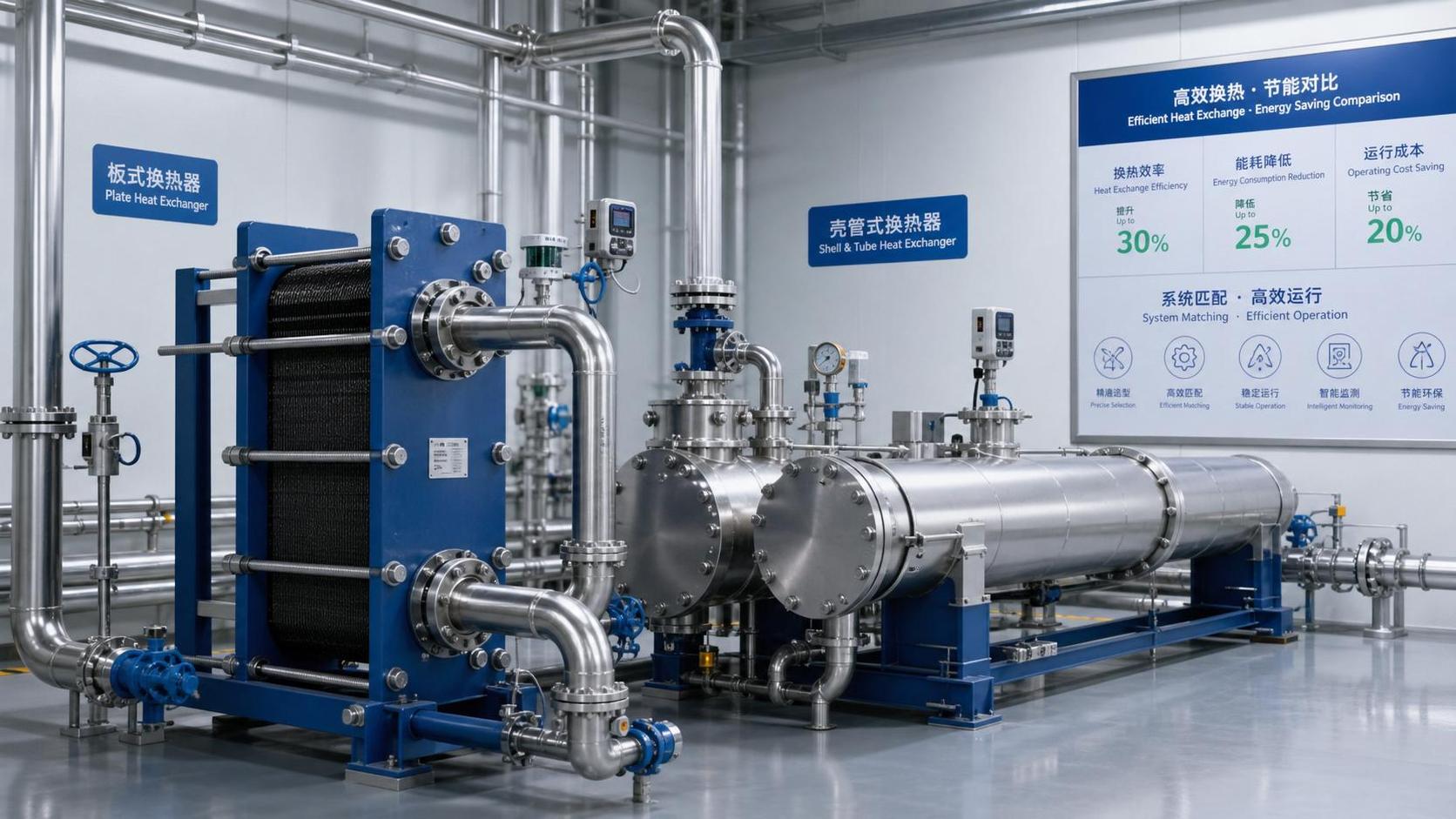
The comparison below helps procurement teams understand where plate heat exchanger technology fits best against another widely used option.
The key takeaway is not that one format replaces all others. Rather, plate heat exchanger technology tends to outperform when buyers need efficient heat transfer, limited footprint, and practical thermal flexibility, while shell-and-tube designs may remain stronger for very harsh fouling conditions or unusual mechanical requirements.
When Compact Design Pays Off Most: Use Cases and Cost Logic
Compact thermal equipment delivers the greatest procurement value when total project cost is influenced by more than the exchanger purchase price. In many industrial projects, the hidden cost drivers include piping length, steel support, equipment spacing, downtime during replacement, and utility consumption over 8,000 operating hours per year.
High-value application scenarios
In compressed air systems, plate units are often considered for aftercooling or heat recovery where tight skids and low approach temperatures matter. In food processing, they fit well in pasteurization, CIP loops, and secondary cooling where sanitary design and controllable temperature profiles are critical. In pharmaceuticals and semiconductors, precision and compact utility integration are often decisive.
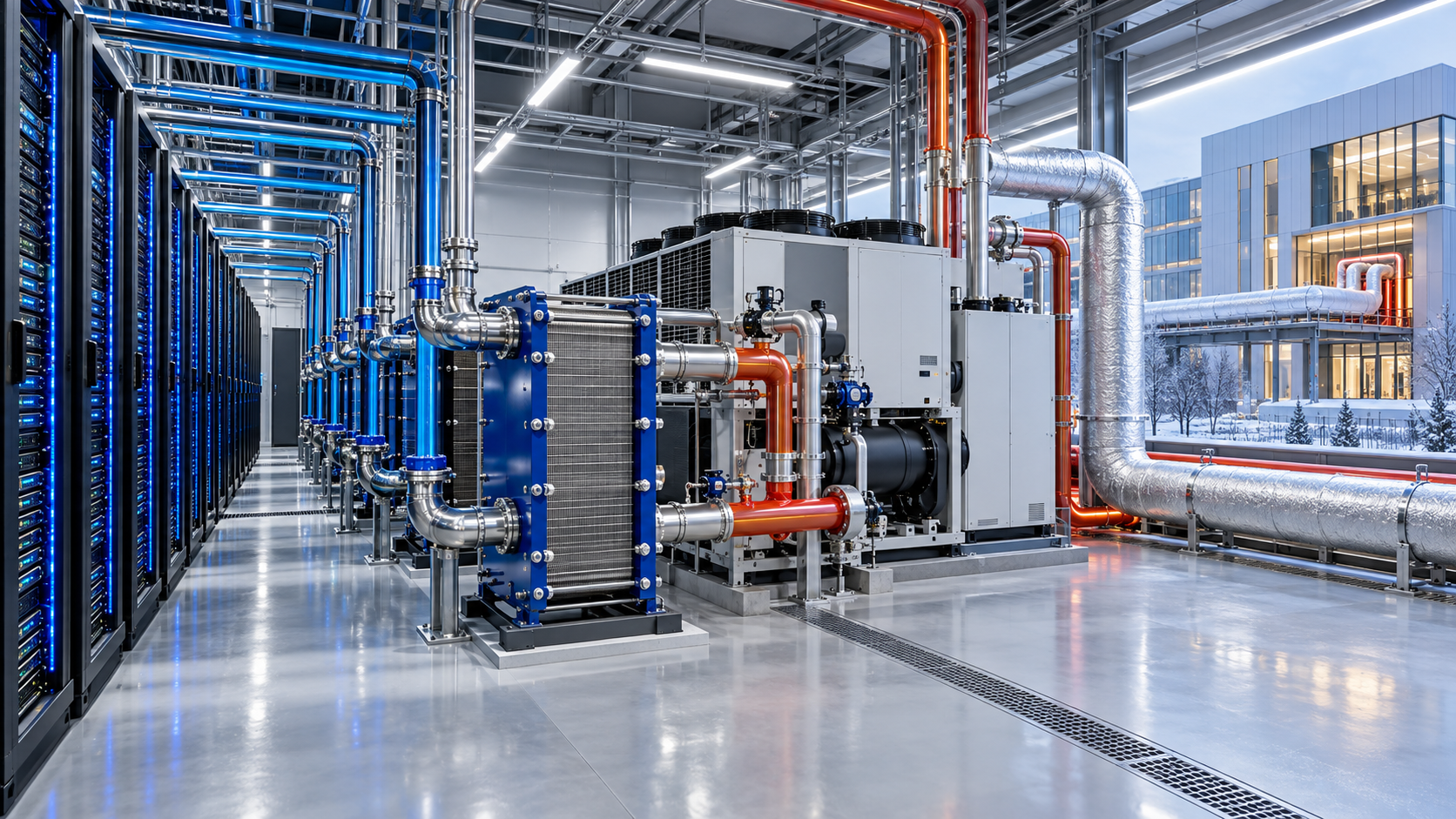
For HVAC and district energy support, plate exchangers can separate primary and secondary loops while maintaining strong thermal performance in limited plant rooms. In heat recovery, reclaiming low- to medium-grade heat from 35°C to 80°C streams can improve overall energy utilization without large structural expansion.
Where ROI appears fastest
- Retrofit projects with less than 2 square meters of available equipment footprint
- Plants facing annual energy cost pressure and pursuing 5% to 12% utility reduction
- Lines where every 1°C to 3°C of temperature control affects product yield or process stability
- Sites with scheduled shutdown windows limited to 24 to 72 hours
The following matrix translates common operating contexts into procurement implications.
For procurement teams, compactness becomes financially meaningful when it shortens installation time by even 1 to 3 days, reduces support steel, avoids wall relocation, or enables heat recovery that offsets a measurable part of fuel or chiller demand. The payback story is usually operational, not just mechanical.
How to Evaluate Plate Heat Exchanger Technology Before Purchase
A sound buying decision starts with a complete duty specification. Many procurement risks come from incomplete data rather than poor equipment quality. At minimum, buyers should confirm six items: fluid type, flow rate, inlet and outlet temperatures, pressure drop allowance, fouling tendency, and material compatibility.
Core technical checks
- Temperature range, such as 5°C chilled water service or 90°C hot water loops
- Operating pressure and design pressure, especially for packaged industrial systems
- Allowable pressure drop on both circuits, often a hidden system penalty
- Fluid cleanliness, solids level, and expected fouling frequency
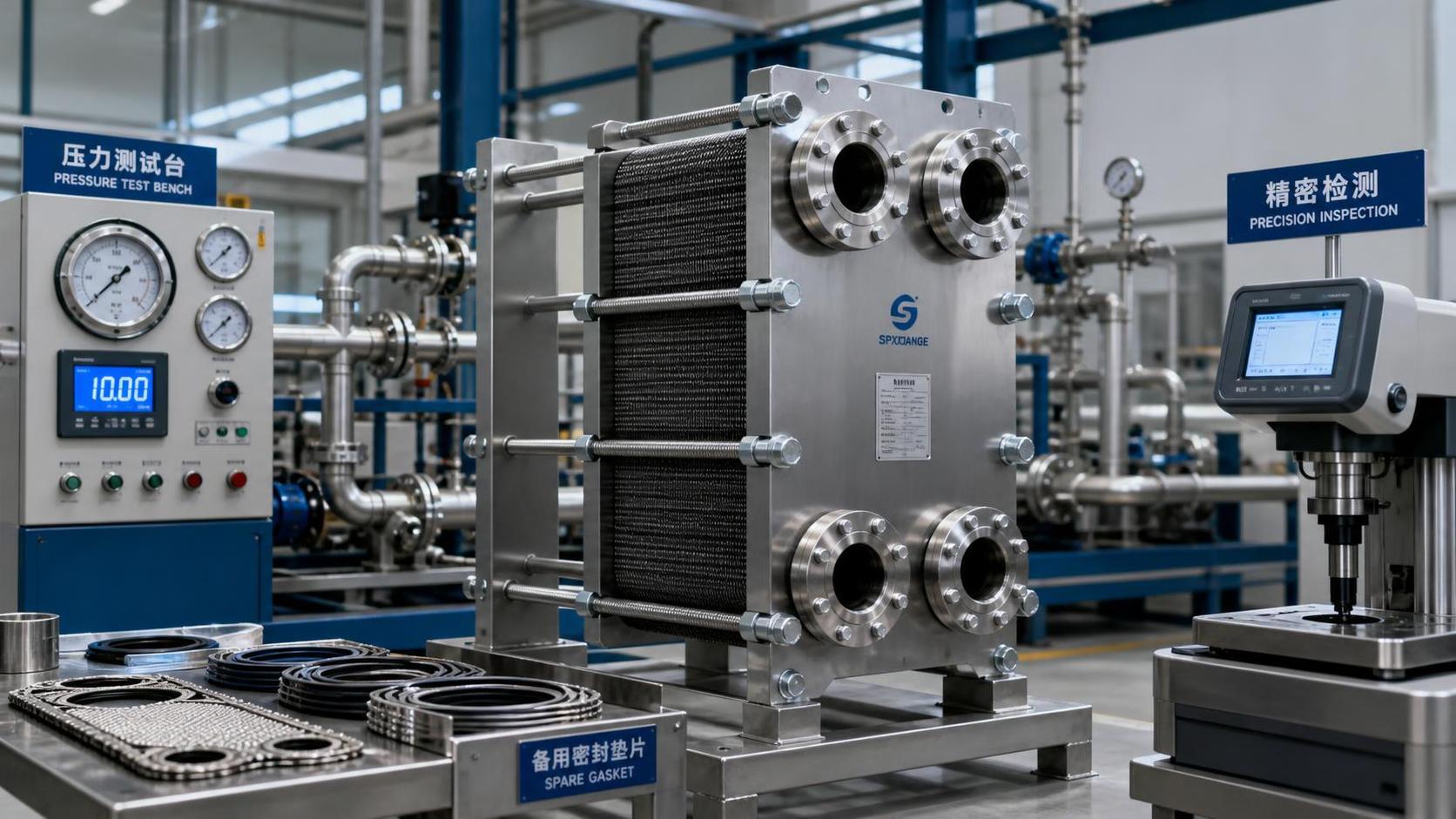
- Plate material and gasket compatibility with media, cleaning agents, and duty cycle
In practice, a smaller exchanger that creates excessive pressure drop can shift cost to pumps, fans, or compressor work. That is why procurement should not reward compactness alone. The right specification balances thermal duty, pressure loss, maintenance access, and expected service interval, often every 6, 12, or 18 months depending on the process.
Questions buyers should ask suppliers
Ask whether the offered unit is gasketed, brazed, welded, or semi-welded, and why that format suits the fluid pair. Request design assumptions for fouling margins, approach temperature, cleaning method, spare parts lead time, and whether future capacity increase by 10% to 20% is possible without full replacement.
It is also useful to clarify service space requirements around the unit. A compact exchanger that cannot be opened safely in the actual plant location may create avoidable downtime later. For maintenance-driven industries, front clearance and plate pack access are part of the procurement value equation.
A practical supplier comparison framework
The table below can be used during RFQ review to compare multiple offers using criteria that matter to plant performance and ownership cost.
This framework helps buyers move discussions away from unit price alone. In industrial procurement, the lowest quotation can become the highest-cost decision if thermal assumptions are weak, material compatibility is poor, or service support is limited during a production-critical failure window.
Common Risks, Maintenance Considerations, and Procurement Mistakes
Even strong heat exchanger technology can disappoint if it is applied without regard to fluid behavior or plant conditions. The most common issue is mismatch between exchanger channel design and fouling tendency. Fluids with solids, sticky residues, scaling minerals, or unstable viscosity can narrow channels and reduce thermal performance over time.
Frequent buying mistakes
- Choosing based on nominal capacity but ignoring actual pressure-drop limits
- Assuming all compact exchangers are equally easy to clean
- Skipping gasket material review for chemicals, oils, or cleaning agents
- Underestimating service clearance and shutdown planning needs
- Failing to define spare parts expectations for the first 12 to 24 months
For example, a brazed plate unit may look attractive for its size and lower initial complexity, but if the process requires routine mechanical cleaning, a gasketed design may deliver better lifecycle economics. Procurement should therefore link exchanger type to maintenance philosophy, not just to installation convenience.
Maintenance planning that protects ROI
A simple maintenance plan can preserve compact exchanger performance for years. Typical elements include inlet filtration where needed, trend monitoring of approach temperature and pressure drop, scheduled inspection during planned shutdowns, and documented cleaning procedures. In stable clean-water loops, inspection may be annual; in scaling or food-duty systems, intervals can be shorter.
Buyers should also ask for realistic lead times for plates, gaskets, and service kits. Depending on market conditions and material availability, standard supply may range from 2 to 6 weeks, while special materials or imported parts can take longer. This affects not only maintenance planning but also inventory strategy.
Why intelligence-led procurement matters
In an environment shaped by fluctuating energy prices, refrigerant policy shifts, and tighter decarbonization targets, thermal equipment procurement should be informed by broader system intelligence. That is where platforms such as GTC-Matrix add value: not by replacing engineering review, but by helping buyers connect technical choices with energy trends, process demand, and industry direction.
A plate heat exchanger may appear to be a single component purchase, yet it influences compressor loading, chiller efficiency, hot-water recovery, process stability, and maintenance scheduling. For procurement teams, that makes heat exchanger technology part of a larger strategy for thermal performance and operational resilience.
Turning Selection into a Smarter Purchase Decision
Plate heat exchanger technology pays off most when compact design solves a real plant constraint and supports measurable operating value. The strongest cases usually combine 3 benefits at once: efficient thermal transfer, reduced footprint, and manageable service requirements. For buyers, that means evaluating application fit, not chasing compactness for its own sake.
If your team is sourcing cooling, heat recovery, or process temperature-control equipment, define the duty clearly, compare lifecycle cost over at least 5 years, and verify service assumptions before final approval. That approach will improve vendor comparison quality and reduce downstream risk.
GTC-Matrix supports industrial decision-makers with intelligence across cooling, compression, vacuum, and thermal systems so procurement can move faster with better context. To explore application-specific guidance, request a tailored solution, consult product details, or contact us to discuss the right heat exchanger technology for your next project.
Ready when you are. Send us a message to get started.
Related News
- How corrugation angle affects heat transfer in plate heat exchangersAuthor :Thermodynamics Analyst

- When do plate heat exchangers suit Middle East seawater cooling?Author :Thermodynamics Analyst

- When does gasketed plate heat exchanger technology suit your process?Author :Thermodynamics Analyst

- When does heat recovery improve data center cooling efficiency?Author :Thermodynamics Analyst

- How Do I Verify Heat Transfer Calculations in a Supplier Quotation?Author :Thermodynamics Analyst

- How to evaluate a plate heat exchangers supplier before orderingAuthor :Thermodynamics Analyst

- EU Tightens Fatigue Checks for Plate Heat ExchangersAuthor :Thermodynamics Analyst

- EU PFAS Rule Adds New Export Filing for Cooling EquipmentAuthor :Thermodynamics Analyst

- EU EN 13445-4:2026 Adds Fatigue Report RequirementAuthor :Thermodynamics Analyst

- EU Updates EN 13445-4 for Plate ExchangersAuthor :Thermodynamics Analyst

- How to Compare Energy-Efficient Heat Exchange SolutionsAuthor :Thermodynamics Analyst

- Brazed Plate Exchanger Design: 7 Factors That Affect Heat TransferAuthor :Thermodynamics Analyst

- EU CBAM Pilot List Adds Plate ExchangersAuthor :Thermodynamics Analyst

- How Heat Exchange Systems Improve Temperature Control StabilityAuthor :Thermodynamics Analyst

- Japan to Require Efficiency Labels for Plate ExchangersAuthor :Thermodynamics Analyst

- EU REACH Adds PFAS Ban for Plate Heat ExchangersAuthor :Thermodynamics Analyst

- India Enforces BIS Rule for Plate Heat ExchangersAuthor :Thermodynamics Analyst

- DIN EN 13445-6:2026 Tightens Plate Exchanger CE RulesAuthor :Thermodynamics Analyst

- EU REACH Restricts PFAS Seals for Plate Heat ExchangersAuthor :Thermodynamics Analyst

- India Mandates BIS Certification for Imported Plate ExchangersAuthor :Thermodynamics Analyst

- Vietnam Requires QR Labels on Imported Plate Heat ExchangersAuthor :Thermodynamics Analyst

- EU EN 13445-4:2026 Tightens NDT Rules for Heat ExchangersAuthor :Thermodynamics Analyst

- EPA Clears R-1234ze(E) for Plate Exchanger SystemsAuthor :Thermodynamics Analyst
 for Plate Exchanger Systems")
- Heat Exchange Equipment Selection: Key Performance Checks Before You Compare ModelsAuthor :Thermodynamics Analyst

- ASHRAE 90.1-2026 Raises Plate Exchanger Efficiency ThresholdAuthor :Thermodynamics Analyst

- Heat Exchange Systems: How to Choose the Right SetupAuthor :Thermodynamics Analyst

- EPA SNAP 89 Takes Effect for Plate ExchangersAuthor :Thermodynamics Analyst

- How to Compare Heat Exchange Solutions for Lower Energy UseAuthor :Thermodynamics Analyst

- EPA SNAP 89 Expands Filing Rules for Plate Heat ExchangersAuthor :Thermodynamics Analyst

- EPA SNAP update adds filing rule for plate heat exchangersAuthor :Thermodynamics Analyst

- Industrial Heat Recovery: Where the Payback Is Fastest in 2026Author :Thermodynamics Analyst

- California EPR Deadline Nears for Cooling Equipment MakersAuthor :Thermodynamics Analyst

- Heat Exchanger Technology: Plate vs Shell and Tube for EfficiencyAuthor :Thermodynamics Analyst

- Industrial Heat Recovery Options for High-Temperature ProcessesAuthor :Thermodynamics Analyst

- Heat Transfer Problems in Process Lines: Causes and Practical FixesAuthor :Thermodynamics Analyst

- India Tightens Plate Exchanger Import Clearance RulesAuthor :Thermodynamics Analyst