ASHRAE 90.1-2025 Enforces Stricter Efficiency for Plate Exchangers




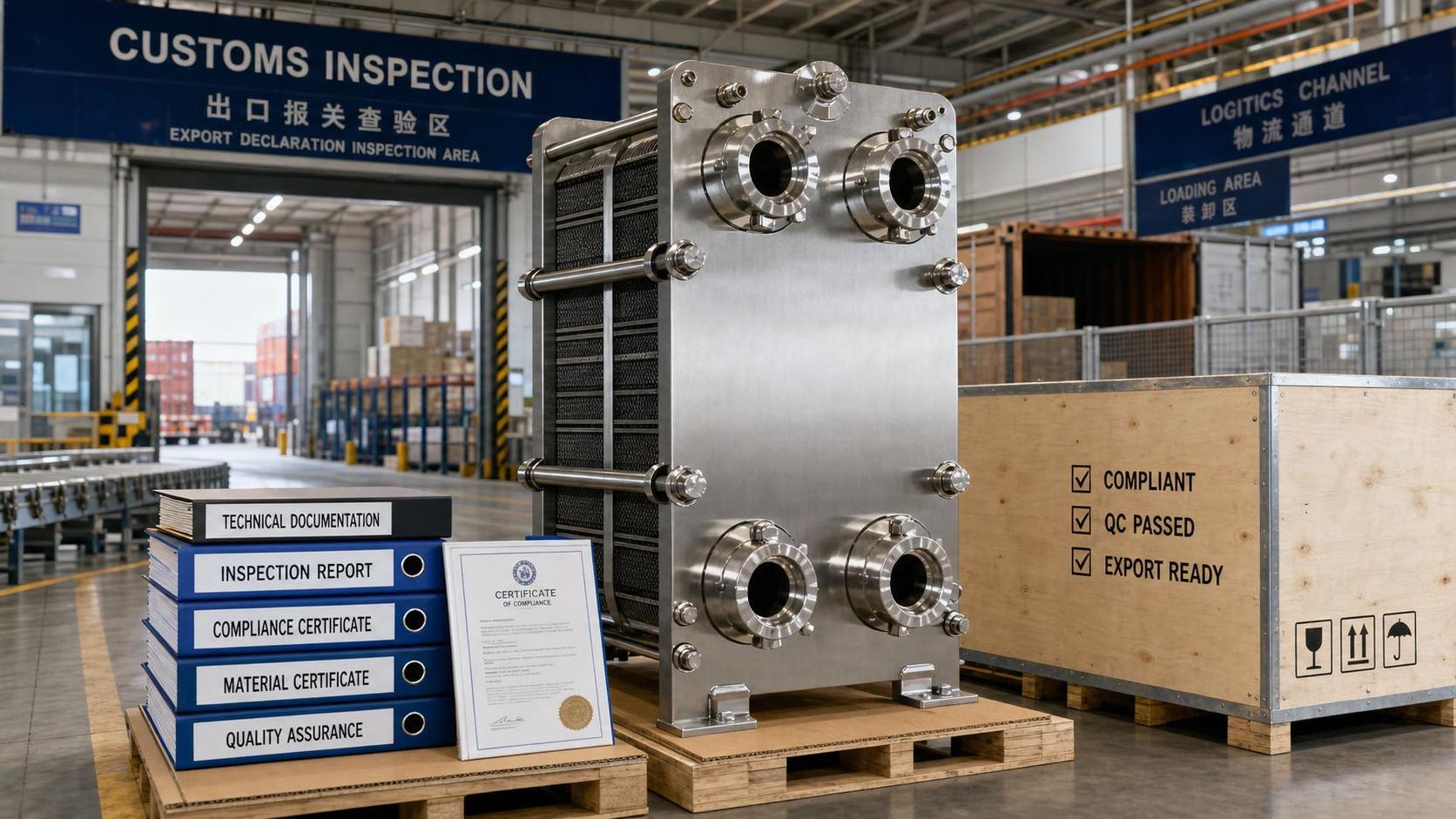
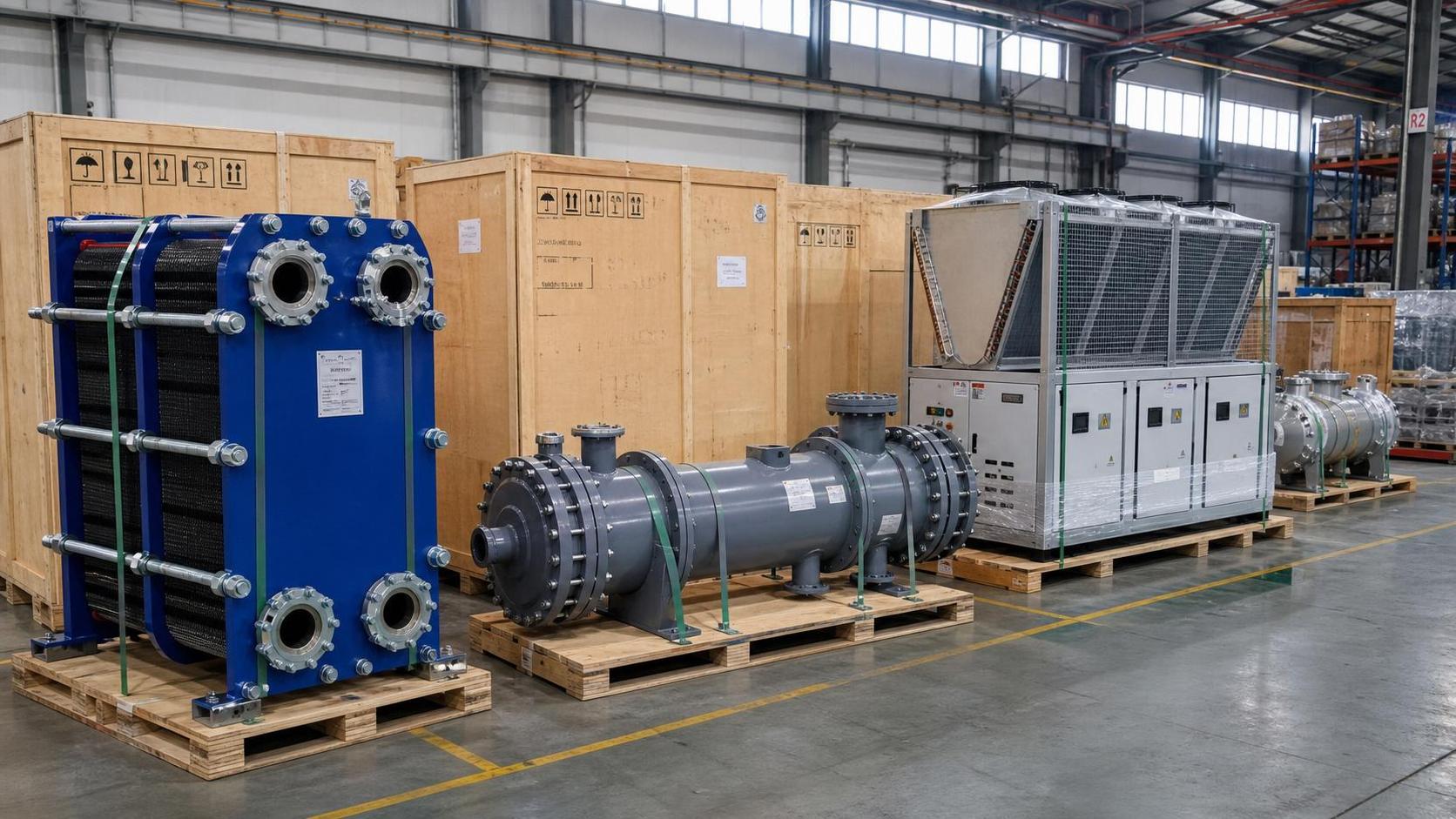
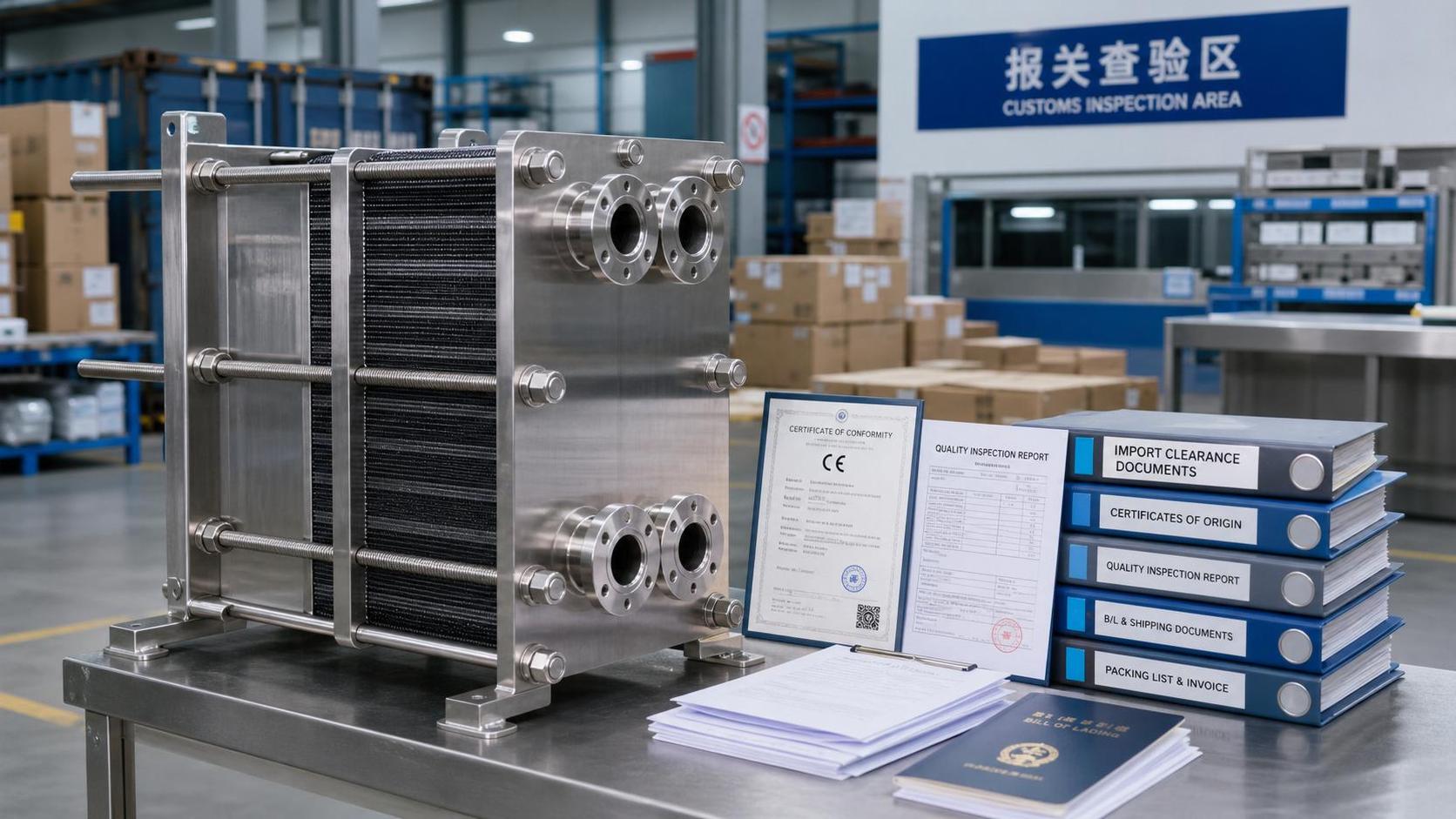
On May 12, 2026, the updated ASHRAE Standard 90.1-2025 entered full effect in the United States, raising minimum efficiency requirements for plate heat exchangers by 18% and mandating third-party laboratory verification for U.S., Canadian, and Mexican market access. Exporters—particularly manufacturers and trading firms supplying plate exchangers to North America—must now ensure compliance prior to customs clearance to avoid shipment rejection or additional compliance review fees.
Event Overview
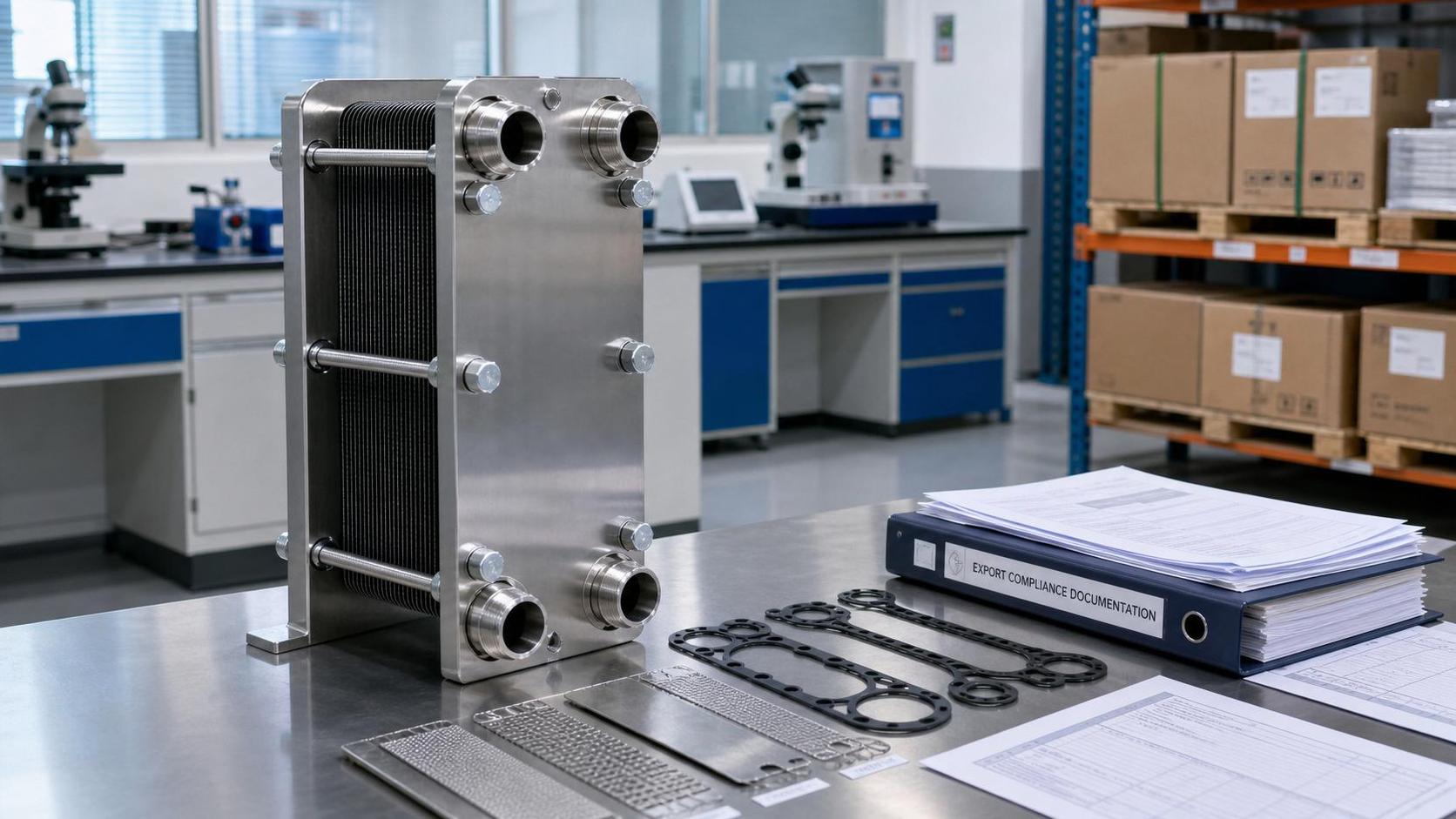
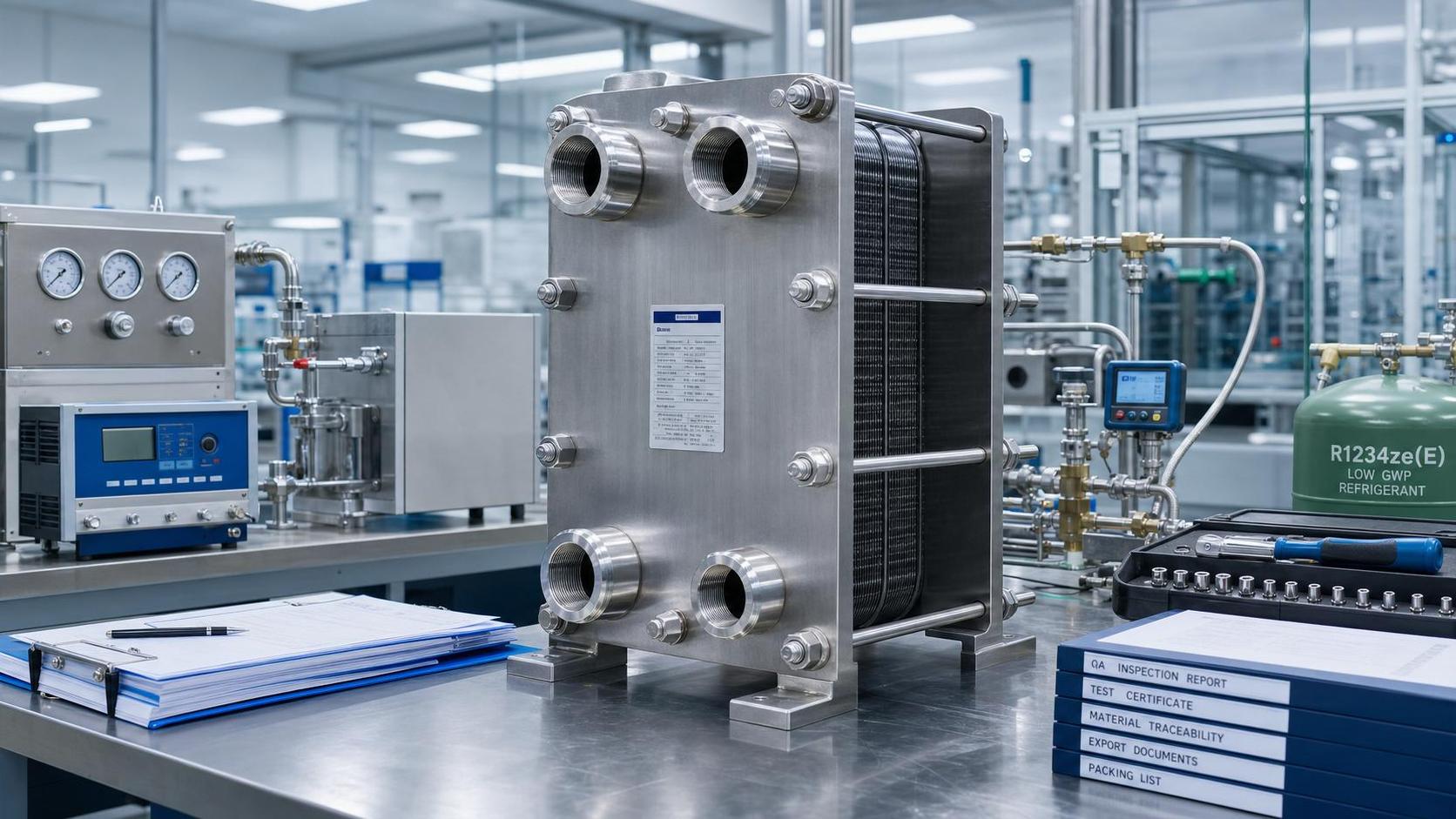
The U.S. Department of Energy confirmed that ASHRAE Standard 90.1-2025 became fully enforceable on May 12, 2026. Under this revision, plate heat exchangers imported into the U.S., Canada, and Mexico must meet an 18% higher energy efficiency threshold compared to the previous edition. Compliance requires a conformity test report issued by an accredited third-party laboratory. No further implementation phases or transitional allowances have been announced.
Industries Affected
Direct Export Trading Firms
These firms face immediate customs risk: shipments without validated ASHRAE 90.1-2025 compliance documentation may be detained, returned, or subjected to surcharges for regulatory review. The requirement applies regardless of shipment value or consignee type.
Manufacturers of Plate Heat Exchangers
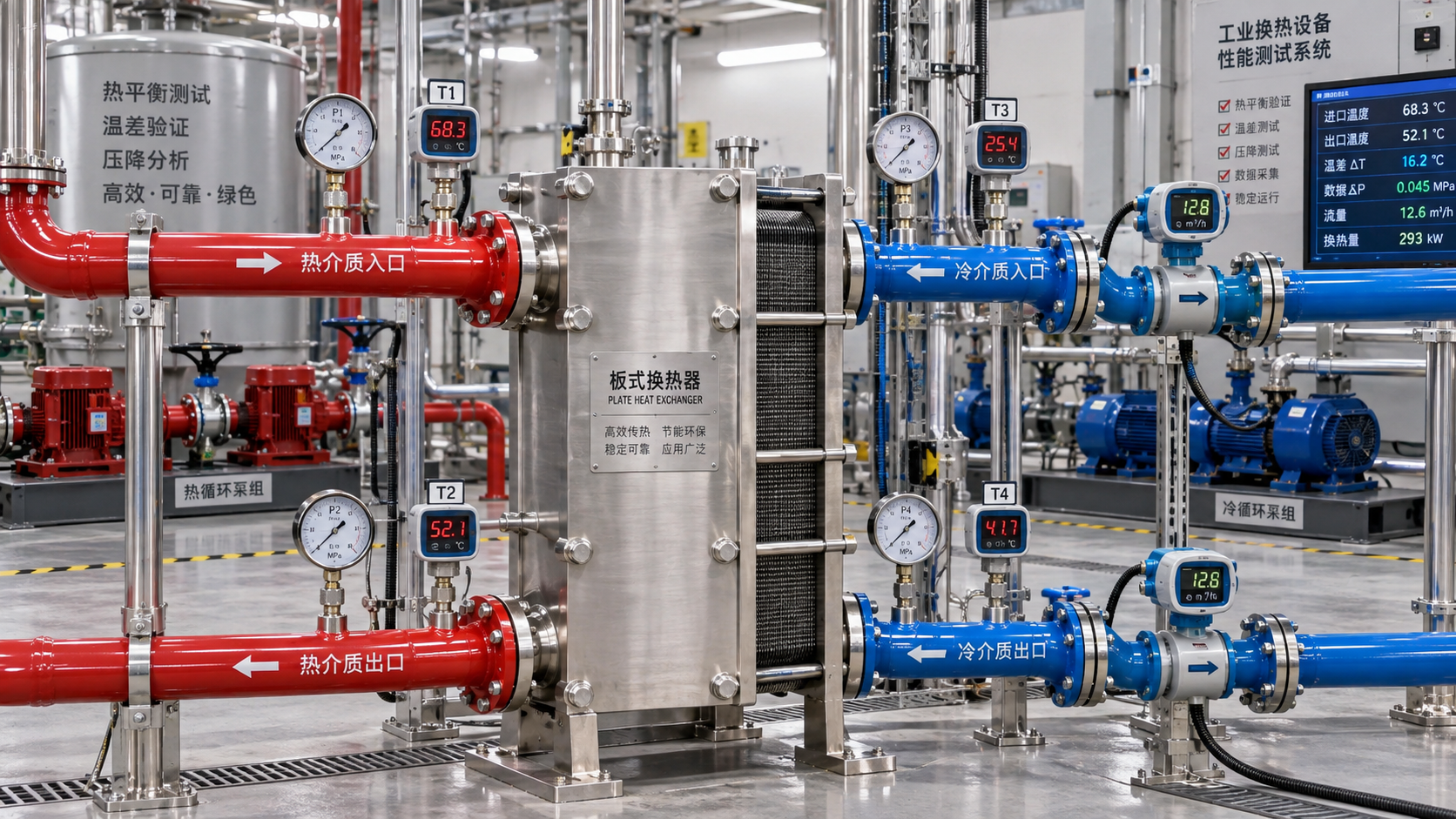
Manufacturers must revalidate product performance under the new efficiency metric—not just update labeling or documentation. Testing must reflect actual operating conditions defined in the standard, including specific flow rates, temperature differentials, and pressure drop parameters.
Supply Chain & Logistics Service Providers
Freight forwarders and customs brokers handling North American imports now bear increased due diligence responsibility. They are expected to verify the presence of valid third-party test reports before submission—failure to do so may delay clearance or trigger classification disputes.
Component & Raw Material Suppliers
Suppliers of gaskets, plates, frame materials, or sealing elements may see revised technical specifications from OEMs seeking to meet the higher efficiency target—e.g., tighter tolerances for plate surface finish or enhanced thermal conductivity requirements—though no direct certification obligation applies at this tier.
What Enterprises and Practitioners Should Focus On Now
Confirm Lab Accreditation Scope Before Testing
Not all third-party laboratories authorized for ASHRAE testing are accredited for the 2025 edition’s updated test procedures. Exporters should verify that the lab’s scope explicitly includes ASHRAE 90.1-2025 Annex G (plate exchanger testing methodology) before initiating tests.
Prioritize Product Lines with Highest U.S./Canada/Mexico Exposure
Given finite lab capacity and longer lead times for test reporting, companies should identify and submit for verification only those models actively sold—or scheduled for launch—in the three North American markets, rather than blanket-testing entire catalogs.
Update Documentation and Internal Compliance Workflows
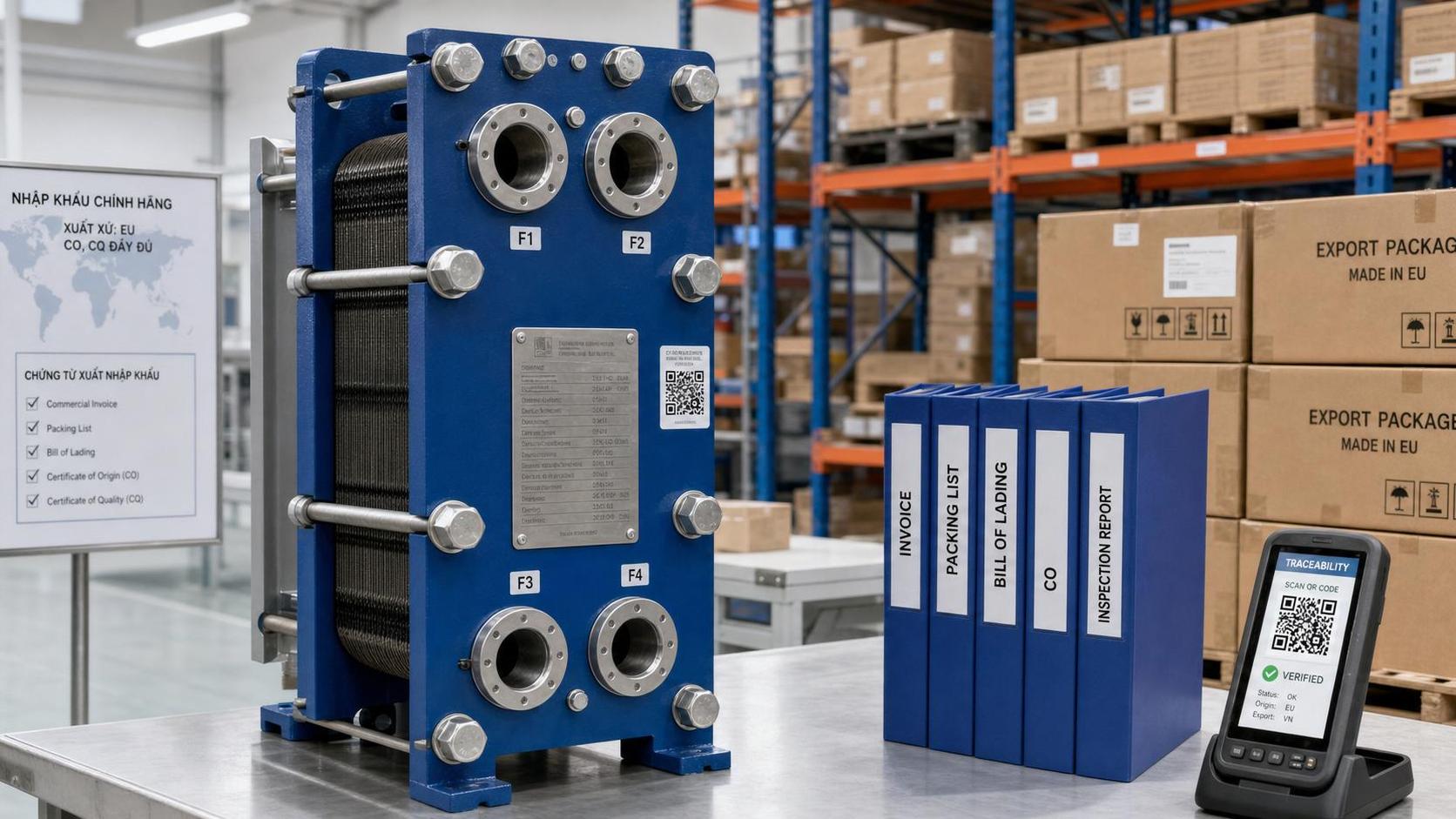
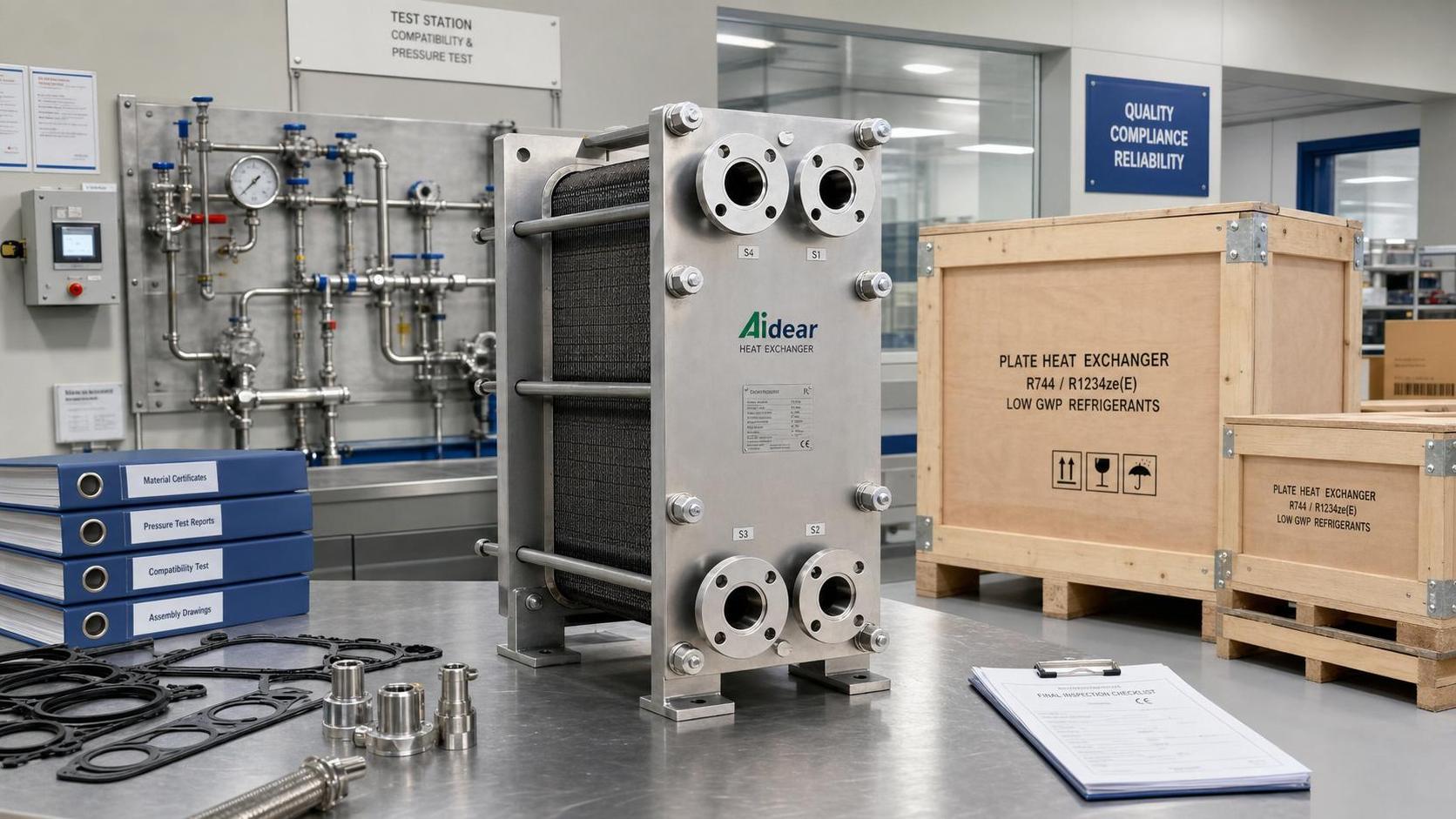
Commercial invoices, packing lists, and customs declarations must now reference the test report ID and issuing lab. Internal quality management systems should include checkpoints to prevent shipment without verified documentation.
Monitor State-Level Adoption Signals
While ASHRAE 90.1 serves as the baseline for federal energy code enforcement, individual U.S. states may adopt the 2025 version at different paces—and some may impose supplementary local requirements. Current adoption status is not yet publicly consolidated; tracking state energy office updates remains advisable.
Editorial Perspective / Industry Observation
Observably, ASHRAE 90.1-2025’s enforcement marks a shift from voluntary benchmarking to mandatory gatekeeping for plate exchanger imports into North America. Analysis shows this is less a signal of future intent and more an operational reality: non-compliant units cannot legally enter the market as of May 12, 2026. From an industry perspective, the 18% efficiency uplift reflects tightening alignment between building energy codes and equipment-level performance—not a standalone policy experiment. It is better understood as a codified escalation of existing trends in HVAC&R regulation, rather than a sudden departure. Continued attention is warranted because downstream enforcement practices (e.g., CBP sampling frequency, document scrutiny depth) remain unstandardized across ports and are still evolving.
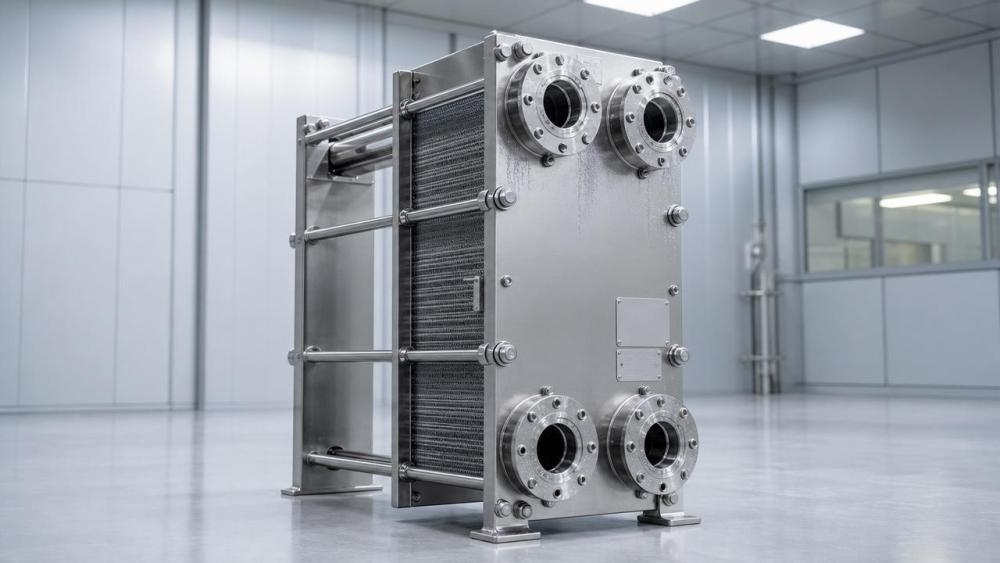
In summary, ASHRAE 90.1-2025 does not introduce new categories of regulated equipment but significantly raises the performance bar for an established category—plate heat exchangers—with immediate legal effect in key export markets. Its significance lies not in novelty, but in enforceability: it transforms a technical specification into a hard customs prerequisite. Currently, it is best understood as a binding operational requirement—not a proposal, pilot, or recommendation.
Source: U.S. Department of Energy official announcement (confirmed effective date and scope); ASHRAE Standard 90.1-2025 public edition (Section 6.4.3.1 and Annex G). Note: State-level adoption timelines and port-specific enforcement protocols remain under observation and are not yet publicly finalized.
Related News
- When does heat recovery improve data center cooling efficiency?Author :Thermodynamics Analyst

- How Do I Verify Heat Transfer Calculations in a Supplier Quotation?Author :Thermodynamics Analyst

- How to evaluate a plate heat exchangers supplier before orderingAuthor :Thermodynamics Analyst

- EU Tightens Fatigue Checks for Plate Heat ExchangersAuthor :Thermodynamics Analyst

- EU PFAS Rule Adds New Export Filing for Cooling EquipmentAuthor :Thermodynamics Analyst

- EU EN 13445-4:2026 Adds Fatigue Report RequirementAuthor :Thermodynamics Analyst

- EU Updates EN 13445-4 for Plate ExchangersAuthor :Thermodynamics Analyst

- How to Compare Energy-Efficient Heat Exchange SolutionsAuthor :Thermodynamics Analyst

- Brazed Plate Exchanger Design: 7 Factors That Affect Heat TransferAuthor :Thermodynamics Analyst

- EU CBAM Pilot List Adds Plate ExchangersAuthor :Thermodynamics Analyst

- How Heat Exchange Systems Improve Temperature Control StabilityAuthor :Thermodynamics Analyst

- Japan to Require Efficiency Labels for Plate ExchangersAuthor :Thermodynamics Analyst

- EU REACH Adds PFAS Ban for Plate Heat ExchangersAuthor :Thermodynamics Analyst

- India Enforces BIS Rule for Plate Heat ExchangersAuthor :Thermodynamics Analyst

- DIN EN 13445-6:2026 Tightens Plate Exchanger CE RulesAuthor :Thermodynamics Analyst

- EU REACH Restricts PFAS Seals for Plate Heat ExchangersAuthor :Thermodynamics Analyst

- India Mandates BIS Certification for Imported Plate ExchangersAuthor :Thermodynamics Analyst

- Vietnam Requires QR Labels on Imported Plate Heat ExchangersAuthor :Thermodynamics Analyst

- EU EN 13445-4:2026 Tightens NDT Rules for Heat ExchangersAuthor :Thermodynamics Analyst

- EPA Clears R-1234ze(E) for Plate Exchanger SystemsAuthor :Thermodynamics Analyst
 for Plate Exchanger Systems")
- Heat Exchange Equipment Selection: Key Performance Checks Before You Compare ModelsAuthor :Thermodynamics Analyst

- ASHRAE 90.1-2026 Raises Plate Exchanger Efficiency ThresholdAuthor :Thermodynamics Analyst

- Heat Exchange Systems: How to Choose the Right SetupAuthor :Thermodynamics Analyst

- EPA SNAP 89 Takes Effect for Plate ExchangersAuthor :Thermodynamics Analyst

- How to Compare Heat Exchange Solutions for Lower Energy UseAuthor :Thermodynamics Analyst

- EPA SNAP 89 Expands Filing Rules for Plate Heat ExchangersAuthor :Thermodynamics Analyst

- EPA SNAP update adds filing rule for plate heat exchangersAuthor :Thermodynamics Analyst

- Industrial Heat Recovery: Where the Payback Is Fastest in 2026Author :Thermodynamics Analyst

- California EPR Deadline Nears for Cooling Equipment MakersAuthor :Thermodynamics Analyst

- Heat Exchanger Technology: Plate vs Shell and Tube for EfficiencyAuthor :Thermodynamics Analyst

- Industrial Heat Recovery Options for High-Temperature ProcessesAuthor :Thermodynamics Analyst

- Heat Transfer Problems in Process Lines: Causes and Practical FixesAuthor :Thermodynamics Analyst

- India Tightens Plate Exchanger Import Clearance RulesAuthor :Thermodynamics Analyst

- SABIC Methanol Force Majeure Extended to Q4 2026Author :Thermodynamics Analyst

- How to Improve Heat Exchanger Efficiency Without Major RetrofitAuthor :Thermodynamics Analyst

- Plate Heat Exchange vs Shell & Tube: Which Fits Your Process Better?Author :Thermodynamics Analyst