How Heat Exchanger Efficiency Impacts Energy Bills




For finance-led energy planning, heat exchanger efficiency is not a minor technical detail. It is a direct driver of utility spend, equipment stress, and capital allocation quality.
When thermal transfer weakens, systems consume more fuel or electricity to achieve the same output. That gap appears quickly in monthly bills and slowly in asset degradation.
Across industrial cooling, compressed air, vacuum support, and process heating, heat exchanger efficiency shapes cost stability. It also affects decarbonization targets and the credibility of long-term efficiency forecasts.
For platforms such as GTC-Matrix, this topic sits at the center of thermal performance intelligence. Better decisions start with a clear understanding of how efficiency losses turn into financial losses.
Heat Exchanger Efficiency and Its Cost Logic
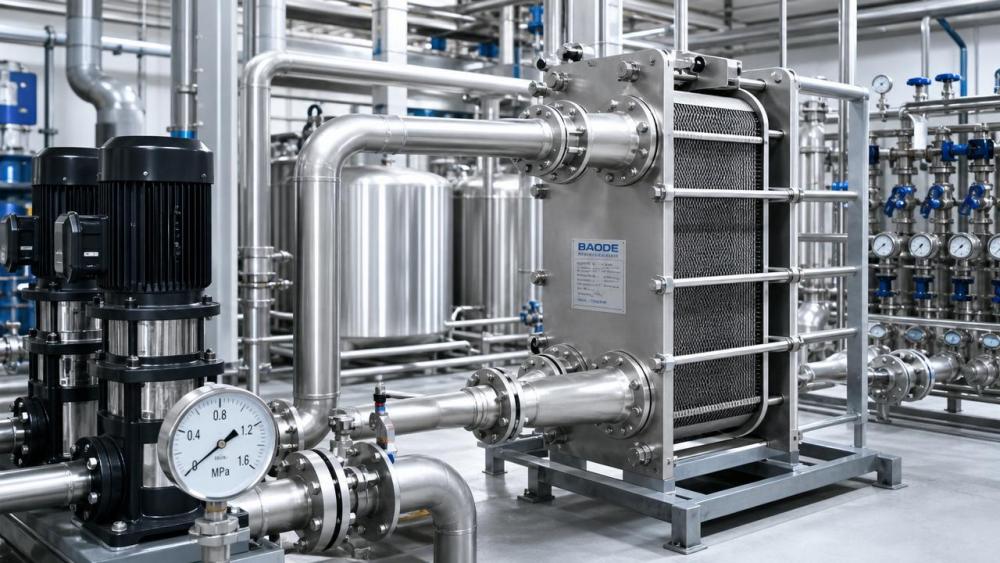
Heat exchanger efficiency describes how effectively thermal energy moves from one medium to another. High heat exchanger efficiency means less wasted energy and lower demand on supporting equipment.
In practical terms, efficient thermal transfer reduces the workload on chillers, boilers, compressors, pumps, and fans. Every avoided kilowatt-hour lowers direct operating expense.
A drop in heat exchanger efficiency often comes from fouling, scaling, corrosion, airflow restriction, poor refrigerant management, or unsuitable flow design. These issues reduce transfer effectiveness and increase approach temperature.
As approach temperature rises, the system needs more energy to meet process requirements. That increase can look small per hour, but it compounds across continuous industrial operations.
This is why heat exchanger efficiency belongs in both engineering reviews and financial reviews. It links thermal physics to utility contracts, maintenance budgets, and return-on-investment calculations.
Core performance indicators
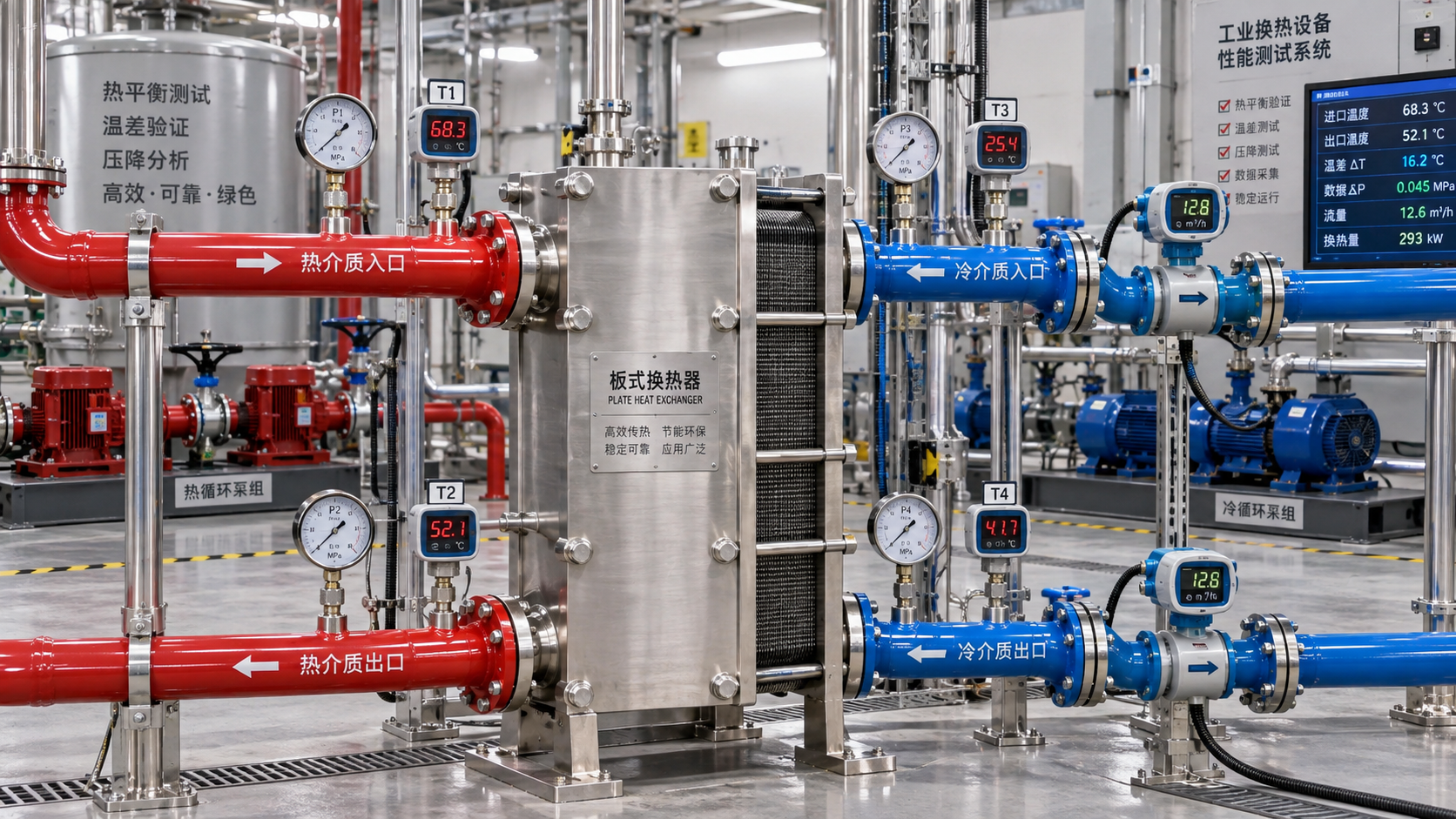
- Temperature approach between hot and cold streams
- Pressure drop and resulting pumping or fan energy
- Overall heat transfer coefficient over time
- Fouling rate and cleaning frequency
- Energy consumed per unit of cooling or heating delivered
Why Industry Is Paying Closer Attention
Heat exchanger efficiency has become more visible because energy prices are volatile, carbon reporting is stricter, and uptime expectations are higher across many sectors.
A weak exchanger no longer affects only engineering performance. It now influences environmental compliance, cost forecasting, and competitiveness in energy-intensive production environments.
Industrial operators also face tighter thermal tolerances. Pharmaceutical lines, food processing, electronics cooling, and clean utilities require stable heat transfer with minimal drift.
GTC-Matrix tracks these signals because thermal systems sit between power input and production output. That position makes heat exchanger efficiency a strategic indicator, not just a maintenance metric.
How Heat Exchanger Efficiency Impacts Energy Bills
The relationship is simple. Lower heat exchanger efficiency forces the system to work harder to move the same amount of heat. Harder work means more electricity, more fuel, or both.
In chilled systems, poor heat exchanger efficiency can raise compressor runtime and condensing temperature. That increases power draw while reducing overall cooling effectiveness.
In heating systems, degraded transfer surfaces require boilers or burners to deliver more energy. Fuel consumption rises even if production volume stays unchanged.
Pressure drop adds another hidden cost. Fouled or poorly designed exchangers can increase pump or fan demand, causing a second layer of energy waste.
Typical cost pathways
- More power required to maintain target temperatures
- Longer equipment runtime and lower part-load efficiency
- Higher maintenance frequency caused by stress and fouling
- Unexpected shutdowns and production interruptions
- Reduced equipment life and earlier capital replacement
Even a modest decline in heat exchanger efficiency can produce a large annual cost increase in round-the-clock operations. Continuous systems magnify every thermal inefficiency.
This is why energy bills should be reviewed alongside exchanger performance trends. Utility anomalies often begin with heat transfer deterioration before failures become obvious.
Business Value Beyond Utility Savings
Heat exchanger efficiency improves more than monthly energy spending. It strengthens process consistency, budget predictability, and confidence in operational planning.
Higher efficiency often supports lower maintenance intensity. Clean, well-matched exchangers reduce thermal strain on compressors, pumps, seals, and related control components.
It also improves asset utilization. When heat exchanger efficiency is stable, systems can achieve design performance with less overcapacity and fewer emergency interventions.
From an investment perspective, efficient heat transfer improves lifecycle economics. It can shorten payback periods for retrofit projects and strengthen total cost of ownership models.
For sustainability reporting, better heat exchanger efficiency supports lower emissions intensity. That matters wherever energy reduction targets are tied to financing, disclosure, or contract qualification.
Typical Industrial Scenarios and Cost Sensitivity
Different applications experience heat exchanger efficiency losses in different ways. The common result is still the same: rising energy cost and declining system effectiveness.
Practical Measures to Protect Heat Exchanger Efficiency
Protecting heat exchanger efficiency requires both monitoring and disciplined operating practice. Waiting for visible failure usually means energy waste has already accumulated.
Recommended actions
- Track approach temperature, flow rate, and pressure drop routinely
- Compare real performance with design or commissioning baselines
- Strengthen water treatment and contamination control programs
- Clean transfer surfaces before severe fouling develops
- Review exchanger sizing against current process loads
- Use digital trend analysis to identify degradation early
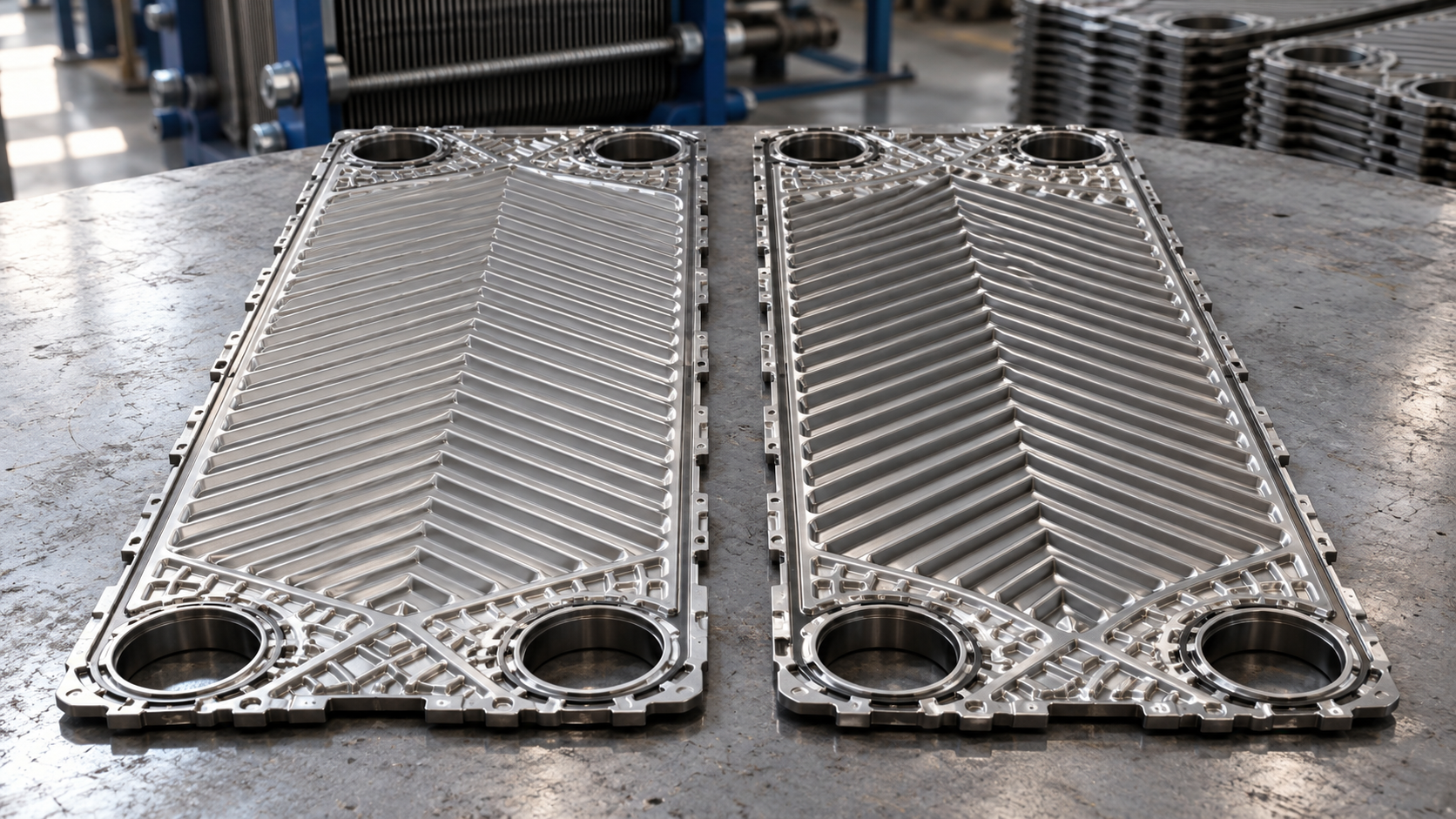
- Evaluate retrofit options such as improved plate or microchannel designs
It is also important to connect thermal data with financial data. A maintenance event should be evaluated not only by repair cost, but also by avoided energy waste.
Where multiple utilities interact, a full-system view is essential. Heat exchanger efficiency can affect compressed air drying, refrigeration load, process stability, and waste heat recovery at once.
A Clear Next Step for Better Energy Decisions
A practical next step is to treat heat exchanger efficiency as a tracked cost variable. Build a simple review framework using energy bills, thermal approach trends, and cleaning history.
Then rank assets by energy intensity, runtime, and sensitivity to temperature drift. This helps identify where efficiency improvements will produce the strongest financial return.
For organizations navigating industrial cooling, compressed air, vacuum, and thermal conversion challenges, intelligence-led benchmarking adds value. It clarifies where design upgrades or operational corrections matter most.
Heat exchanger efficiency is one of the clearest links between thermodynamic performance and energy bills. Better visibility today supports lower costs, stronger assets, and smarter capital decisions tomorrow.
Ready when you are. Send us a message to get started.
Related News
- How corrugation angle affects heat transfer in plate heat exchangersAuthor :Thermodynamics Analyst

- When do plate heat exchangers suit Middle East seawater cooling?Author :Thermodynamics Analyst

- When does gasketed plate heat exchanger technology suit your process?Author :Thermodynamics Analyst

- When does heat recovery improve data center cooling efficiency?Author :Thermodynamics Analyst

- How Do I Verify Heat Transfer Calculations in a Supplier Quotation?Author :Thermodynamics Analyst

- How to evaluate a plate heat exchangers supplier before orderingAuthor :Thermodynamics Analyst

- EU Tightens Fatigue Checks for Plate Heat ExchangersAuthor :Thermodynamics Analyst

- EU PFAS Rule Adds New Export Filing for Cooling EquipmentAuthor :Thermodynamics Analyst

- EU EN 13445-4:2026 Adds Fatigue Report RequirementAuthor :Thermodynamics Analyst

- EU Updates EN 13445-4 for Plate ExchangersAuthor :Thermodynamics Analyst

- How to Compare Energy-Efficient Heat Exchange SolutionsAuthor :Thermodynamics Analyst

- Brazed Plate Exchanger Design: 7 Factors That Affect Heat TransferAuthor :Thermodynamics Analyst

- EU CBAM Pilot List Adds Plate ExchangersAuthor :Thermodynamics Analyst

- How Heat Exchange Systems Improve Temperature Control StabilityAuthor :Thermodynamics Analyst

- Japan to Require Efficiency Labels for Plate ExchangersAuthor :Thermodynamics Analyst

- EU REACH Adds PFAS Ban for Plate Heat ExchangersAuthor :Thermodynamics Analyst

- India Enforces BIS Rule for Plate Heat ExchangersAuthor :Thermodynamics Analyst

- DIN EN 13445-6:2026 Tightens Plate Exchanger CE RulesAuthor :Thermodynamics Analyst

- EU REACH Restricts PFAS Seals for Plate Heat ExchangersAuthor :Thermodynamics Analyst

- India Mandates BIS Certification for Imported Plate ExchangersAuthor :Thermodynamics Analyst

- Vietnam Requires QR Labels on Imported Plate Heat ExchangersAuthor :Thermodynamics Analyst

- EU EN 13445-4:2026 Tightens NDT Rules for Heat ExchangersAuthor :Thermodynamics Analyst

- EPA Clears R-1234ze(E) for Plate Exchanger SystemsAuthor :Thermodynamics Analyst
 for Plate Exchanger Systems")
- Heat Exchange Equipment Selection: Key Performance Checks Before You Compare ModelsAuthor :Thermodynamics Analyst

- ASHRAE 90.1-2026 Raises Plate Exchanger Efficiency ThresholdAuthor :Thermodynamics Analyst

- Heat Exchange Systems: How to Choose the Right SetupAuthor :Thermodynamics Analyst

- EPA SNAP 89 Takes Effect for Plate ExchangersAuthor :Thermodynamics Analyst

- How to Compare Heat Exchange Solutions for Lower Energy UseAuthor :Thermodynamics Analyst

- EPA SNAP 89 Expands Filing Rules for Plate Heat ExchangersAuthor :Thermodynamics Analyst

- EPA SNAP update adds filing rule for plate heat exchangersAuthor :Thermodynamics Analyst

- Industrial Heat Recovery: Where the Payback Is Fastest in 2026Author :Thermodynamics Analyst

- California EPR Deadline Nears for Cooling Equipment MakersAuthor :Thermodynamics Analyst

- Heat Exchanger Technology: Plate vs Shell and Tube for EfficiencyAuthor :Thermodynamics Analyst

- Industrial Heat Recovery Options for High-Temperature ProcessesAuthor :Thermodynamics Analyst

- Heat Transfer Problems in Process Lines: Causes and Practical FixesAuthor :Thermodynamics Analyst

- India Tightens Plate Exchanger Import Clearance RulesAuthor :Thermodynamics Analyst