Industrial Heat Recovery: When the Payback Really Works




For financial decision-makers, industrial heat recovery succeeds only when heat has a stable source, a useful destination, and a realistic payback window. In many facilities, waste heat looks abundant on paper but underperforms in practice because temperatures are too low, operating hours are too short, or integration costs are underestimated.
This article explains when industrial heat recovery creates measurable value, which operating scenarios justify capital spending, and how to separate bankable efficiency projects from attractive but weak proposals. It also reflects the broader GTC-Matrix view that thermal intelligence matters most when technical logic and business outcomes are evaluated together.
When industrial heat recovery becomes a financially credible project
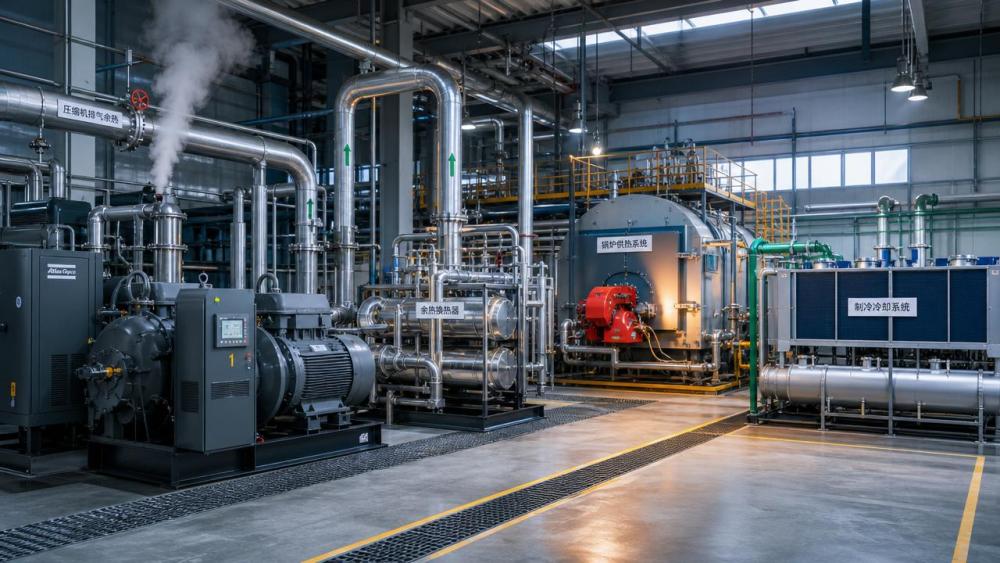
Industrial heat recovery works best where wasted thermal energy is continuous, predictable, and close to a process that needs heat. Distance, temperature mismatch, and unstable loads often destroy project economics before equipment efficiency becomes relevant.
A simple rule helps. The stronger the overlap between waste heat availability and heat demand, the stronger the payback case. If one side varies sharply, the return becomes harder to secure.
Three conditions that usually support real payback
- High annual operating hours, often above 4,000 to 6,000 hours.
- A usable temperature level that matches water heating, drying, preheating, or space heating.
- Rising fuel or electricity costs that increase the value of recovered energy.
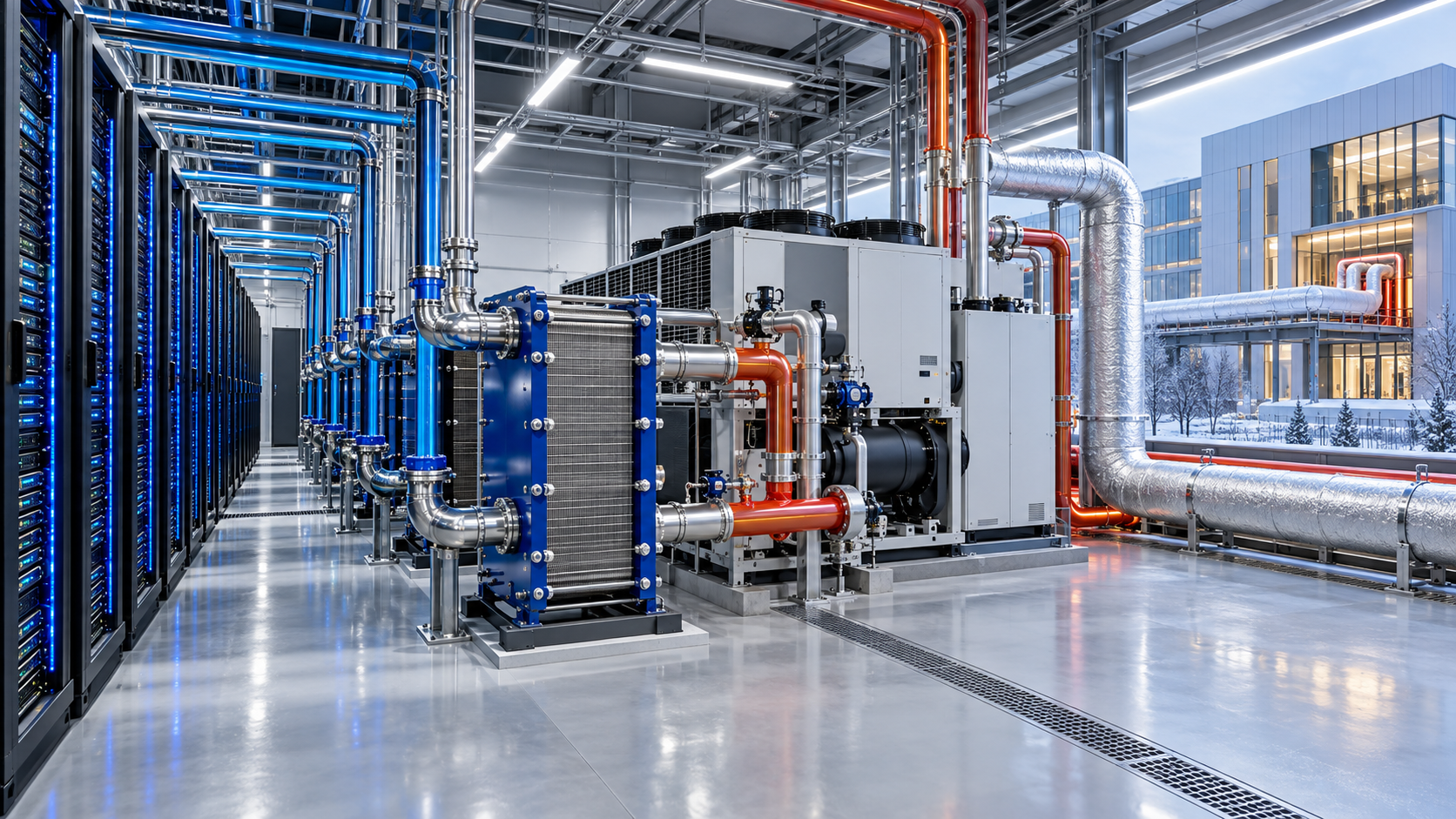
Industrial heat recovery is especially attractive when a site already runs boilers, chillers, compressors, ovens, or furnaces. These systems often reject energy continuously, creating a practical source for recovery.
Which operating scenarios make industrial heat recovery pay back faster
Not every facility benefits equally. The strongest opportunities appear in scenarios where thermal waste is steady and heat demand is unavoidable. Below are the most common high-potential cases across the broader industrial landscape.
Scenario 1: Compressed air systems with year-round operation
Air compressors convert much of their input energy into heat. In continuous-duty operations, that heat can be recovered for hot water, washdown, process preheating, or building heating.
This industrial heat recovery scenario performs well when compressor load remains stable and there is year-round demand for moderate-temperature heat. Payback often improves where electricity prices are high.
Scenario 2: Refrigeration and cooling plants rejecting heat daily
Industrial cooling systems reject heat as part of normal operation. That rejected heat can support domestic hot water, cleaning processes, or low-temperature process loops.
Industrial heat recovery here becomes compelling when cooling runs all year, especially in food processing, cold chain support, pharmaceuticals, and mixed-use industrial campuses.
Scenario 3: Boilers, ovens, and exhaust-heavy thermal processes
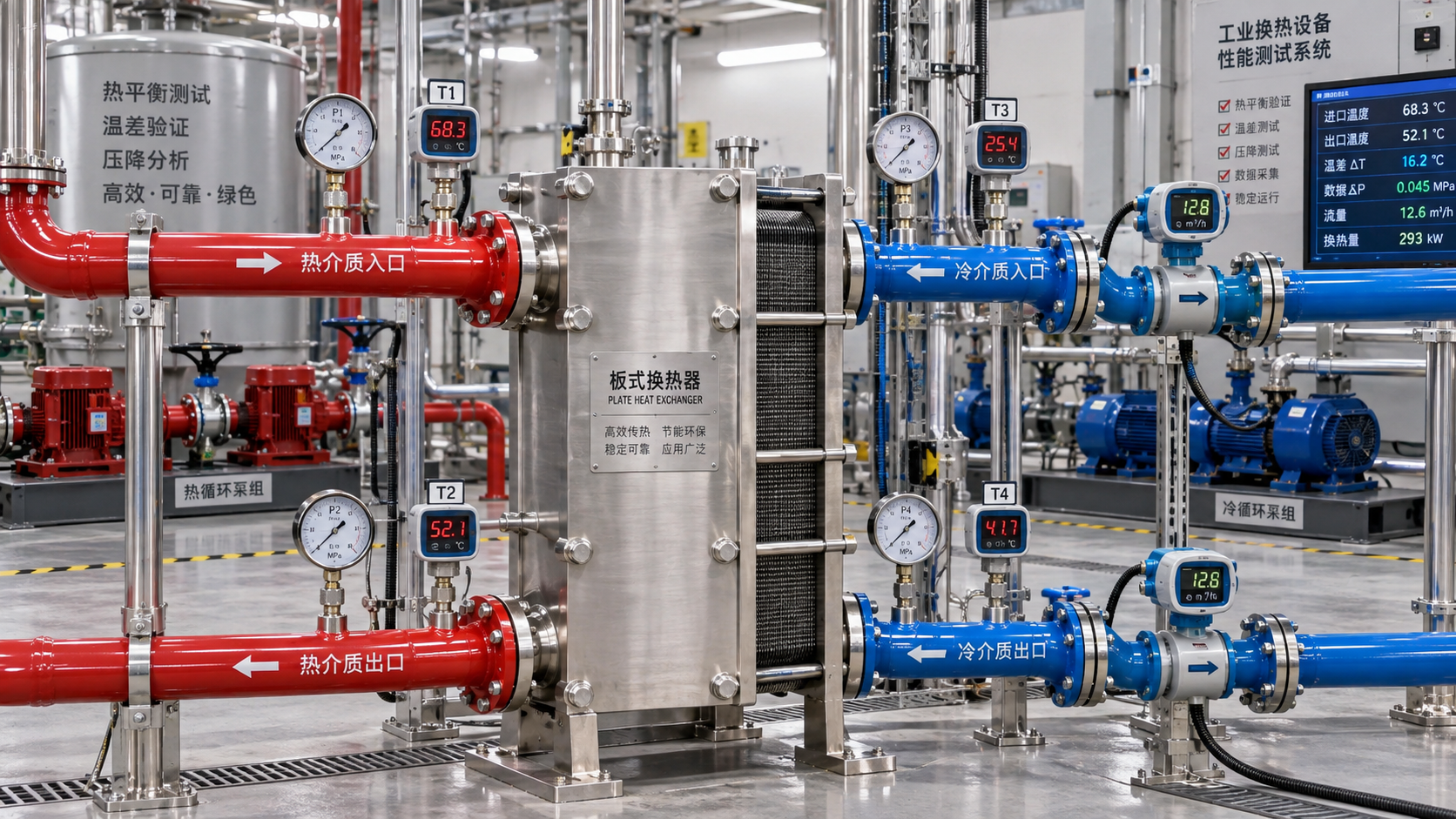
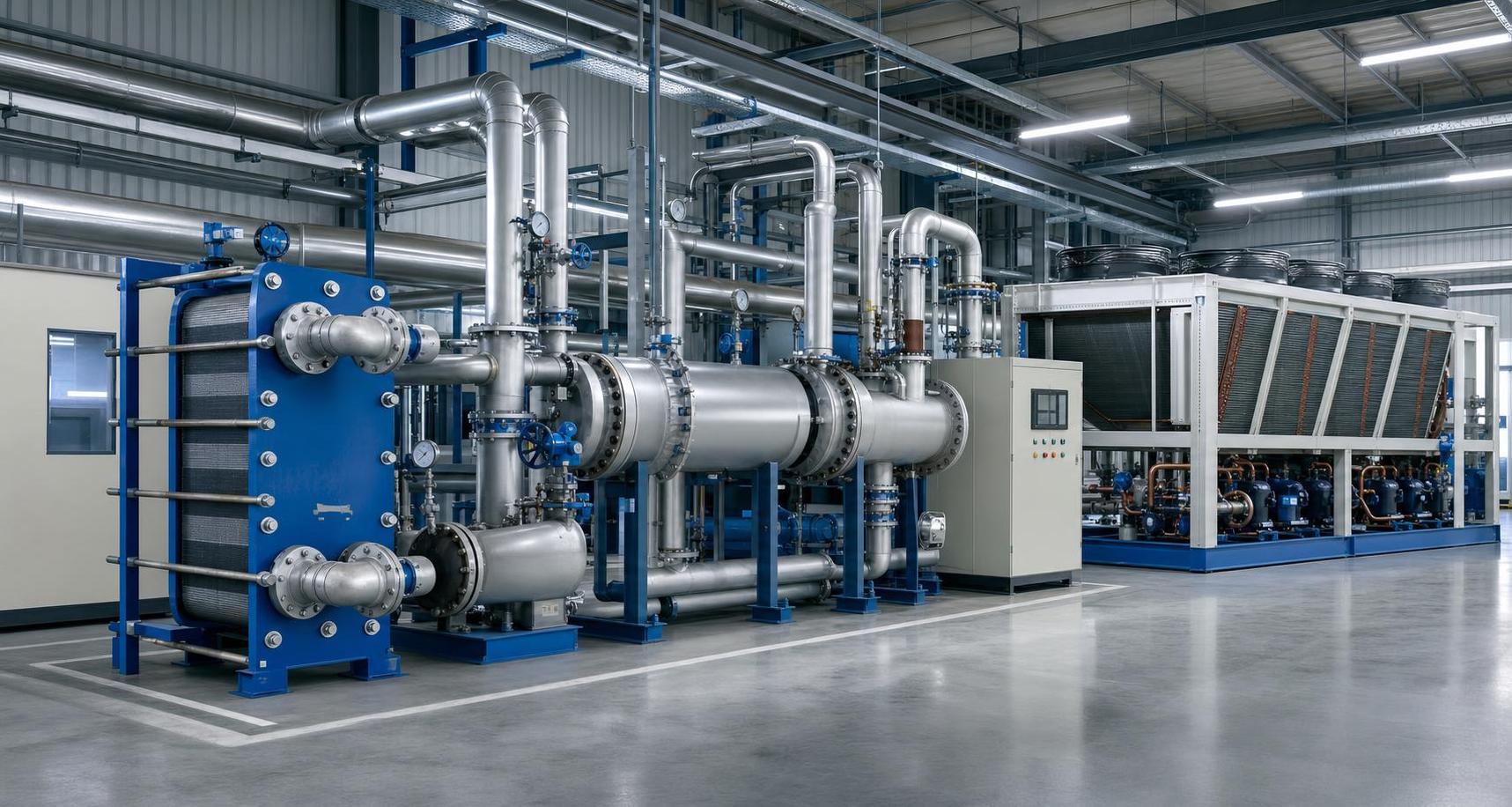
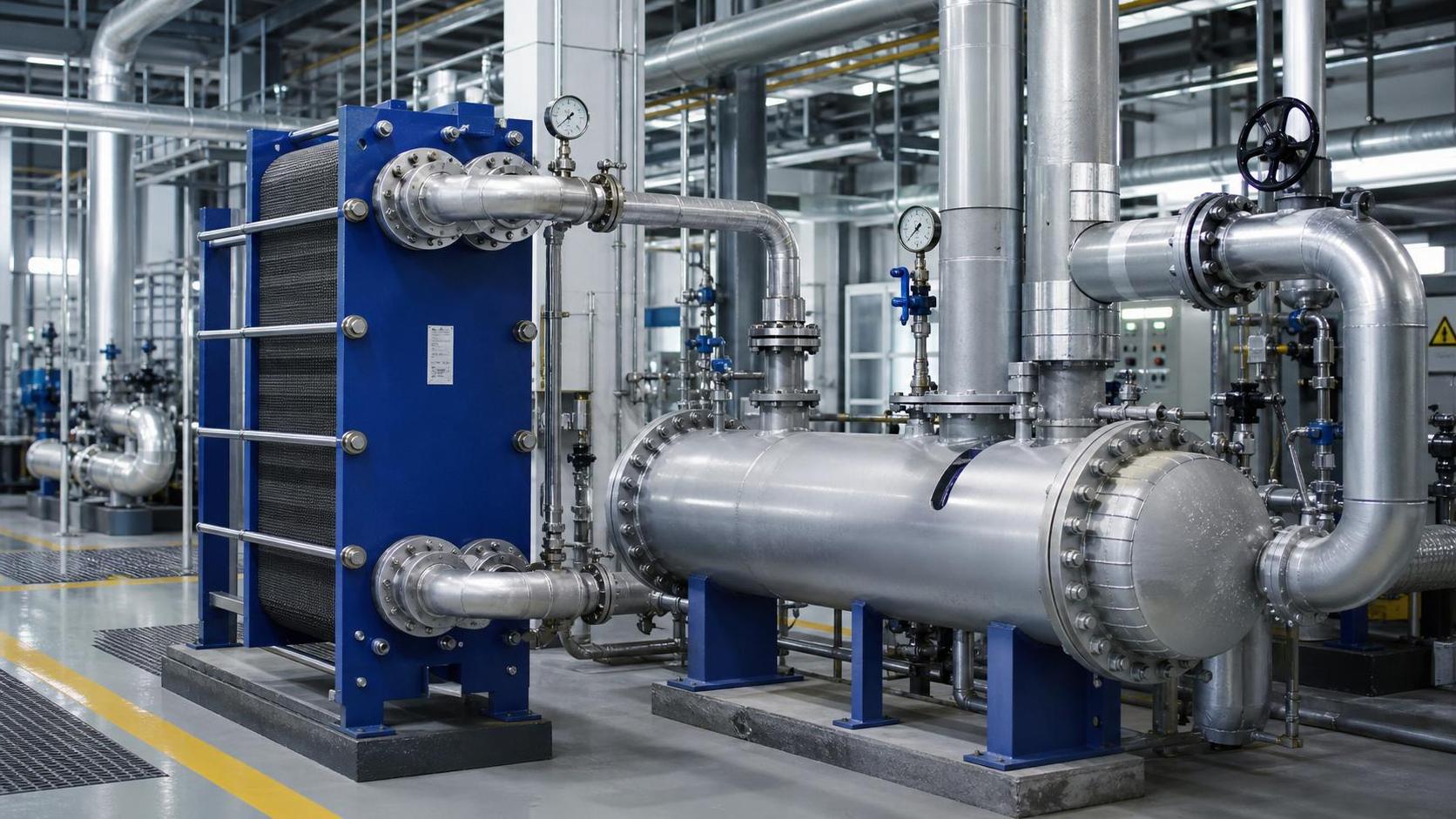
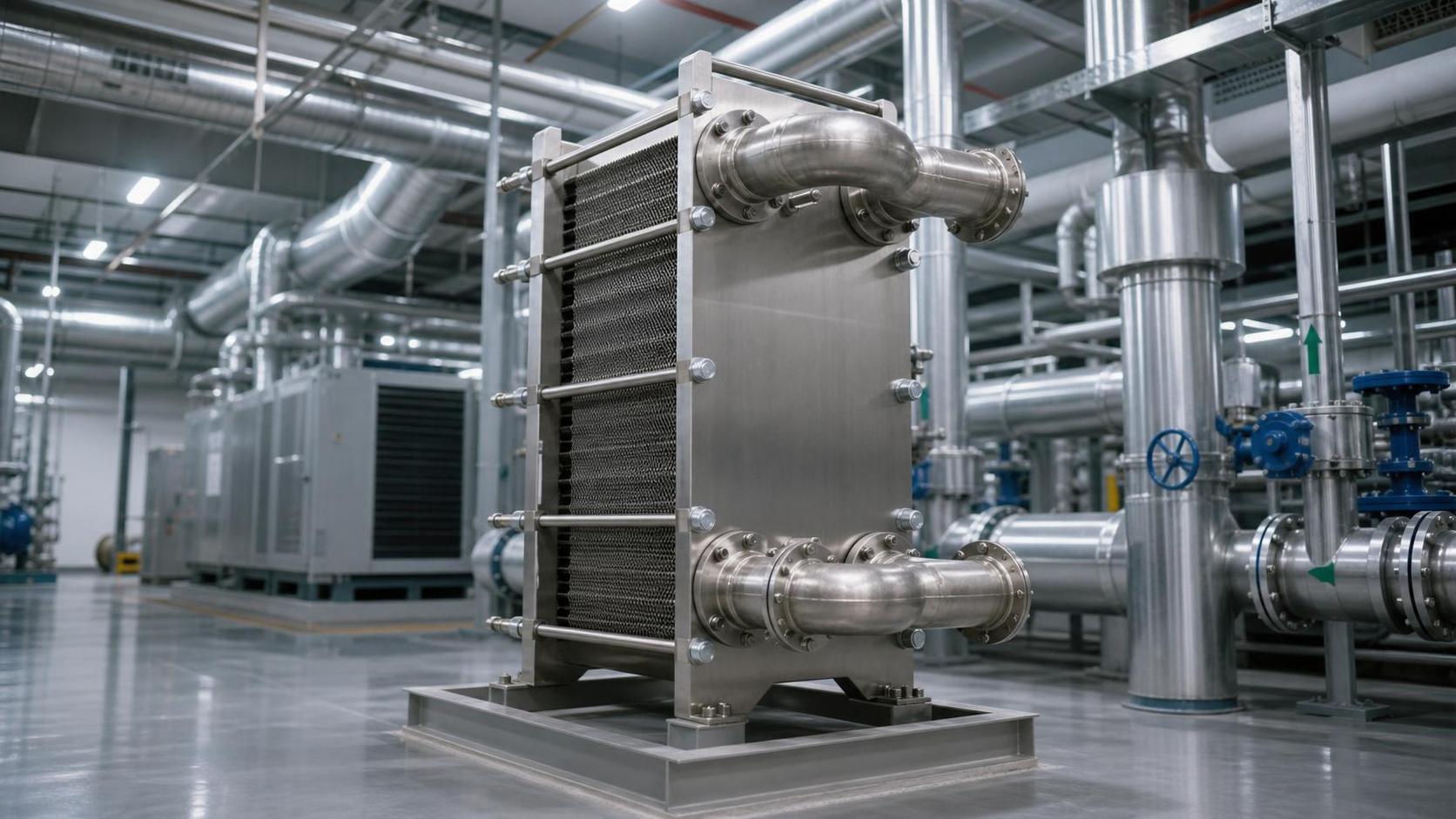
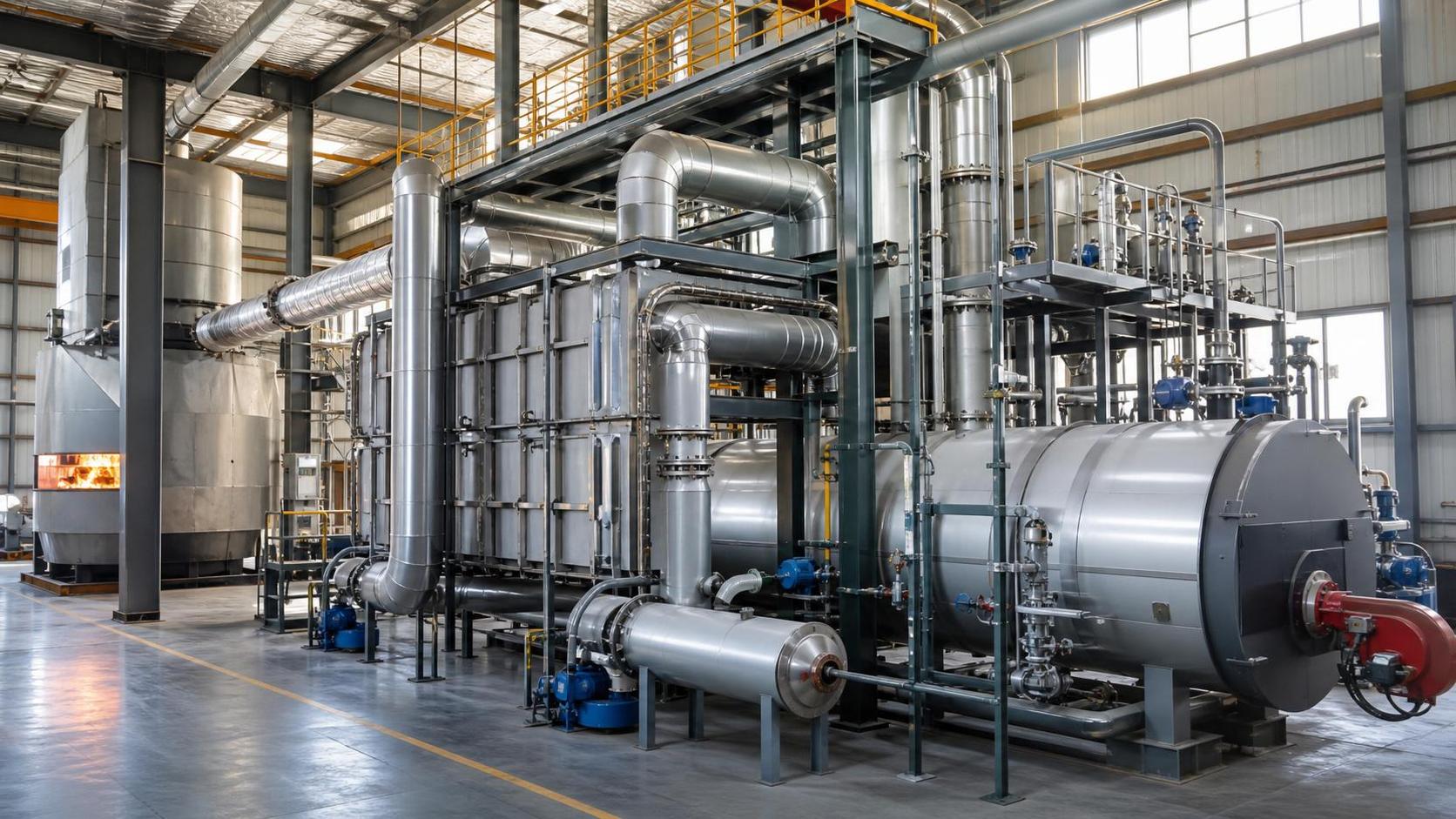
Flue gas and hot exhaust streams can carry major energy losses. Economizers, air preheaters, and heat exchangers can capture part of that energy for feedwater heating or combustion air preheat.
This industrial heat recovery route often delivers strong returns when fuel prices are elevated and combustion systems already run near baseload conditions.
Scenario 4: Facilities with simultaneous heating and cooling loads
Some sites cool one process while heating another. In these environments, industrial heat recovery can reduce both purchased heating energy and rejected cooling energy at the same time.
This is one of the most efficient scenarios because one system’s loss becomes another system’s input without long transport paths or large storage requirements.
How to judge industrial heat recovery by demand pattern, not by theory
Good projects are built on profile matching, not nameplate estimates. The right question is not “How much heat is available?” It is “How much usable heat is available when it is actually needed?”
This framework helps compare industrial heat recovery opportunities across different plants and utility systems. It also reduces the risk of approving projects based on gross savings rather than usable savings.
The cost drivers that decide whether industrial heat recovery really works
Many proposals focus on recovered kilowatt-hours but ignore installed cost. Real-world payback depends on the total project burden, including integration, controls, and production disruption.
Key cost elements to quantify
- Heat exchangers, pumps, piping, valves, and control upgrades.
- Downtime during installation or connection.
- Water treatment, fouling management, and maintenance access.
- Thermal storage if supply and demand profiles do not align.
- Heat pumps if waste heat temperature is too low for direct use.
Industrial heat recovery often looks better in greenfield layouts than in congested retrofits. Existing infrastructure can either support low-cost integration or turn a good thermal concept into a difficult construction project.
Typical payback ranges by project simplicity
Simple compressor heat recovery projects may return capital within one to three years. More complex exhaust recovery or boosted low-grade heat projects may need three to six years or longer.
That does not make slower projects unattractive. It means industrial heat recovery should be tested against site energy strategy, carbon goals, and expected utility price trends.
How different industrial heat recovery needs vary by scenario
Each scenario has its own success criteria. A project that works in a high-hour utility room may fail in a batch process hall with irregular operation.
Practical recommendations for selecting the right industrial heat recovery path
A sound evaluation process reduces surprises and helps prioritize high-confidence projects first. The best approach is usually staged, starting with clear operating data rather than broad assumptions.
- Map heat sources by temperature, flow, and annual operating hours.
- Map heat demands by timing, required temperature, and reliability needs.
- Identify direct-use options before considering boosted or stored heat.
- Estimate installed cost, downtime risk, and maintenance burden.
- Test the business case against energy price sensitivity and carbon value.
In many cases, the first industrial heat recovery project should be the simplest one. Fast, visible savings build confidence and create a stronger foundation for larger system integration later.
Common industrial heat recovery mistakes that weaken returns
Several recurring errors distort project expectations. Most are not technical failures. They are decision failures caused by incomplete boundary definitions.
- Counting all waste heat as usable heat.
- Ignoring seasonal variation in heat demand.
- Overlooking control complexity and operator workload.
- Assuming high temperatures when only low-grade heat exists.
- Using average loads instead of hourly or shift-based profiles.
Industrial heat recovery should also be judged against alternative investments. Sometimes leak reduction, insulation, controls optimization, or motor upgrades deliver faster savings with lower implementation risk.
A clear next step for evaluating industrial heat recovery opportunities
The most reliable next move is a site-specific thermal balance. That means measuring where heat is generated, where it is lost, and where it could replace purchased energy without harming operations.
When industrial heat recovery is screened through operating hours, temperature fit, integration cost, and demand overlap, the payback story becomes clearer. Strong projects emerge quickly, weak projects fade early, and capital can be directed toward efficiency measures that genuinely perform.
That disciplined approach aligns with the GTC-Matrix perspective: thermal systems create value not through theoretical efficiency alone, but through intelligent matching of power, heat, timing, and industrial reality.
Related News
- When does heat recovery improve data center cooling efficiency?Author :Thermodynamics Analyst

- How Do I Verify Heat Transfer Calculations in a Supplier Quotation?Author :Thermodynamics Analyst

- How to evaluate a plate heat exchangers supplier before orderingAuthor :Thermodynamics Analyst

- EU Tightens Fatigue Checks for Plate Heat ExchangersAuthor :Thermodynamics Analyst

- EU PFAS Rule Adds New Export Filing for Cooling EquipmentAuthor :Thermodynamics Analyst

- EU EN 13445-4:2026 Adds Fatigue Report RequirementAuthor :Thermodynamics Analyst

- EU Updates EN 13445-4 for Plate ExchangersAuthor :Thermodynamics Analyst

- How to Compare Energy-Efficient Heat Exchange SolutionsAuthor :Thermodynamics Analyst

- Brazed Plate Exchanger Design: 7 Factors That Affect Heat TransferAuthor :Thermodynamics Analyst

- EU CBAM Pilot List Adds Plate ExchangersAuthor :Thermodynamics Analyst

- How Heat Exchange Systems Improve Temperature Control StabilityAuthor :Thermodynamics Analyst

- Japan to Require Efficiency Labels for Plate ExchangersAuthor :Thermodynamics Analyst

- EU REACH Adds PFAS Ban for Plate Heat ExchangersAuthor :Thermodynamics Analyst

- India Enforces BIS Rule for Plate Heat ExchangersAuthor :Thermodynamics Analyst

- DIN EN 13445-6:2026 Tightens Plate Exchanger CE RulesAuthor :Thermodynamics Analyst

- EU REACH Restricts PFAS Seals for Plate Heat ExchangersAuthor :Thermodynamics Analyst

- India Mandates BIS Certification for Imported Plate ExchangersAuthor :Thermodynamics Analyst

- Vietnam Requires QR Labels on Imported Plate Heat ExchangersAuthor :Thermodynamics Analyst

- EU EN 13445-4:2026 Tightens NDT Rules for Heat ExchangersAuthor :Thermodynamics Analyst

- EPA Clears R-1234ze(E) for Plate Exchanger SystemsAuthor :Thermodynamics Analyst
 for Plate Exchanger Systems")
- Heat Exchange Equipment Selection: Key Performance Checks Before You Compare ModelsAuthor :Thermodynamics Analyst

- ASHRAE 90.1-2026 Raises Plate Exchanger Efficiency ThresholdAuthor :Thermodynamics Analyst

- Heat Exchange Systems: How to Choose the Right SetupAuthor :Thermodynamics Analyst

- EPA SNAP 89 Takes Effect for Plate ExchangersAuthor :Thermodynamics Analyst

- How to Compare Heat Exchange Solutions for Lower Energy UseAuthor :Thermodynamics Analyst

- EPA SNAP 89 Expands Filing Rules for Plate Heat ExchangersAuthor :Thermodynamics Analyst

- EPA SNAP update adds filing rule for plate heat exchangersAuthor :Thermodynamics Analyst

- Industrial Heat Recovery: Where the Payback Is Fastest in 2026Author :Thermodynamics Analyst

- California EPR Deadline Nears for Cooling Equipment MakersAuthor :Thermodynamics Analyst

- Heat Exchanger Technology: Plate vs Shell and Tube for EfficiencyAuthor :Thermodynamics Analyst

- Industrial Heat Recovery Options for High-Temperature ProcessesAuthor :Thermodynamics Analyst

- Heat Transfer Problems in Process Lines: Causes and Practical FixesAuthor :Thermodynamics Analyst

- India Tightens Plate Exchanger Import Clearance RulesAuthor :Thermodynamics Analyst

- SABIC Methanol Force Majeure Extended to Q4 2026Author :Thermodynamics Analyst

- How to Improve Heat Exchanger Efficiency Without Major RetrofitAuthor :Thermodynamics Analyst

- Plate Heat Exchange vs Shell & Tube: Which Fits Your Process Better?Author :Thermodynamics Analyst