EU Cuts 2026 Growth Forecast to 1.1%, Pressuring Export Pricing




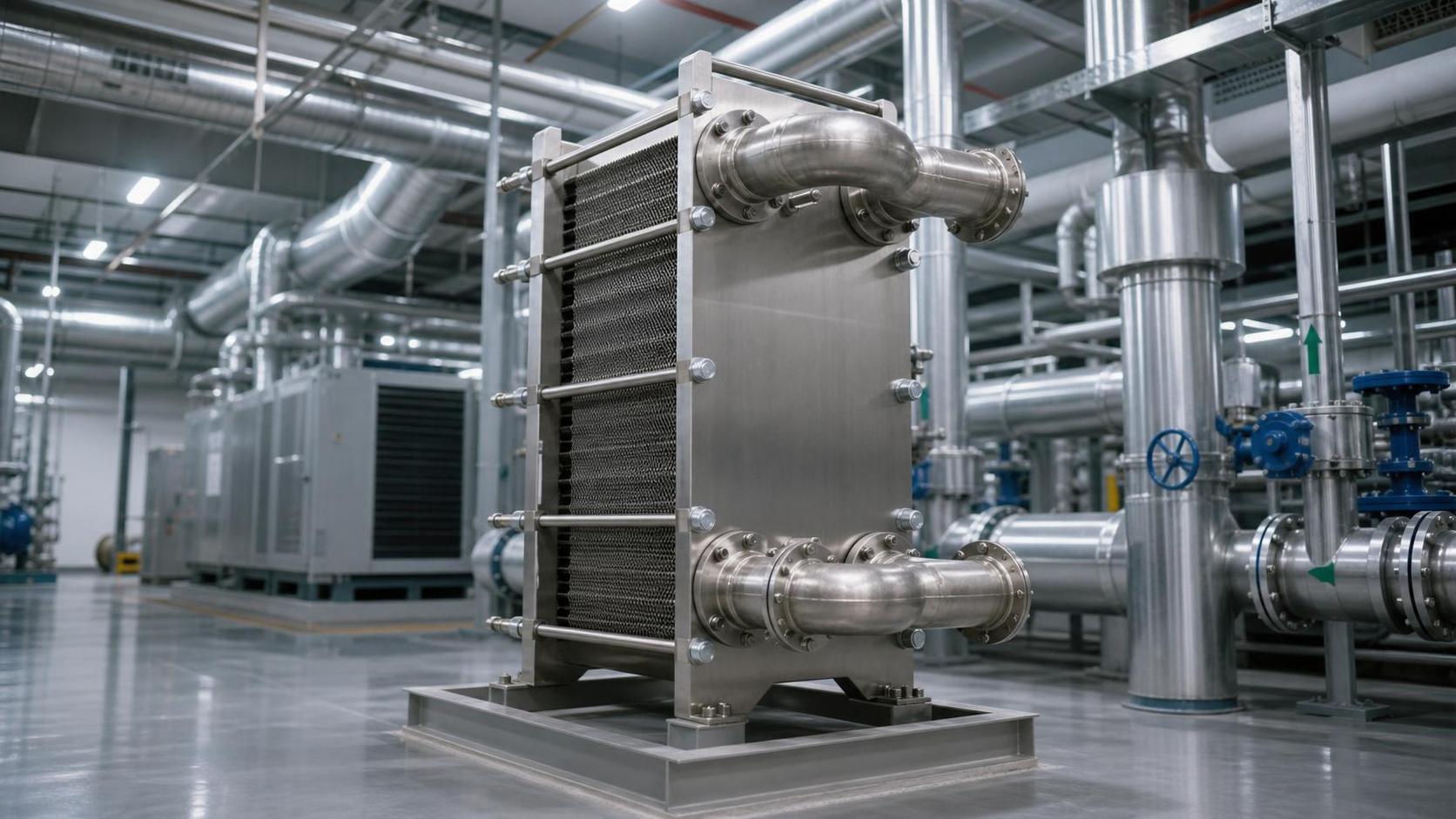
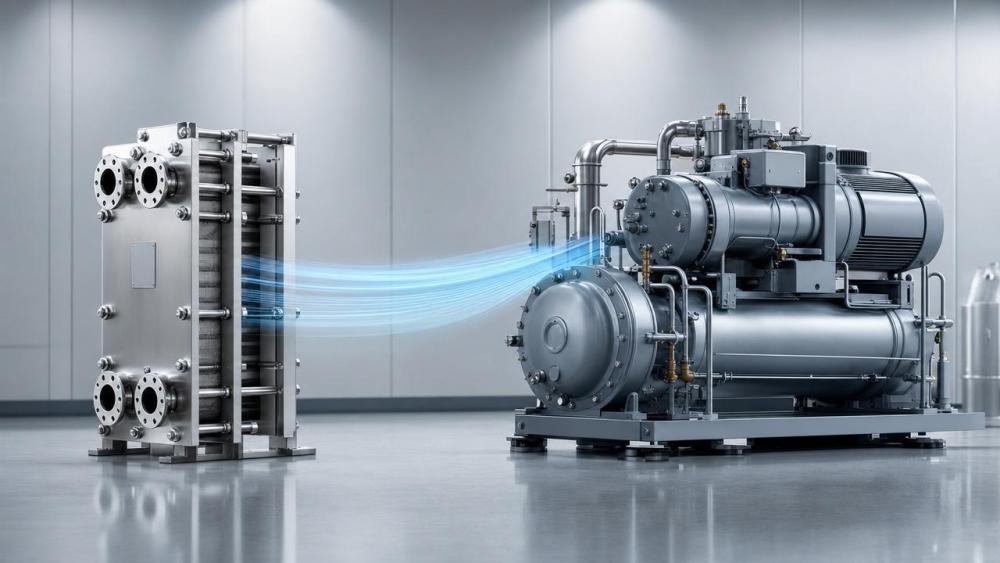
On May 22, 2026, the European Commission revised its GDP growth forecast for the EU downward—from 1.2% to 1.1%—citing elevated energy prices driven by prolonged Middle East tensions as a key drag on investment and demand. This macroeconomic recalibration is expected to reshape procurement behavior across industrial equipment segments, particularly for energy-efficient components such as plate heat exchangers and screw compressors, where total cost of ownership (TCO) sensitivity is intensifying.
Event Overview
The European Commission officially announced on May 22, 2026, that its 2026 real GDP growth projection for the EU has been lowered from 1.2% to 1.1%. The revision attributes the downgrade primarily to sustained upward pressure on energy costs stemming from regional geopolitical instability in the Middle East, which is dampening business investment sentiment and consumer spending momentum.
Industries Affected
Direct Exporters: Chinese manufacturers exporting plate heat exchangers and screw compressors into EU markets face narrowing pricing autonomy. As end-users extend procurement timelines and prioritize TCO over upfront cost, price negotiations are becoming more protracted and data-intensive—reducing margin flexibility for exporters relying on volume-driven or discount-based strategies.
Raw Material Procurement Firms: Suppliers sourcing high-grade stainless steel, titanium alloys, or precision-machined components for heat exchanger plates or compressor rotors may experience softer order volumes or delayed contract renewals. Downward pressure on EU capex plans implies reduced near-term demand visibility, increasing inventory holding risk and complicating hedging decisions for commodity-linked inputs.
Contract Manufacturers & OEMs: Domestic Chinese firms assembling or integrating these components for EU-bound systems—including HVAC, refrigeration, and industrial process lines—face tighter specification scrutiny. Buyers increasingly request full lifecycle cost (LCC) documentation, including energy consumption modeling, maintenance intervals, and component replacement forecasts—capabilities many mid-tier manufacturers have not yet institutionalized.
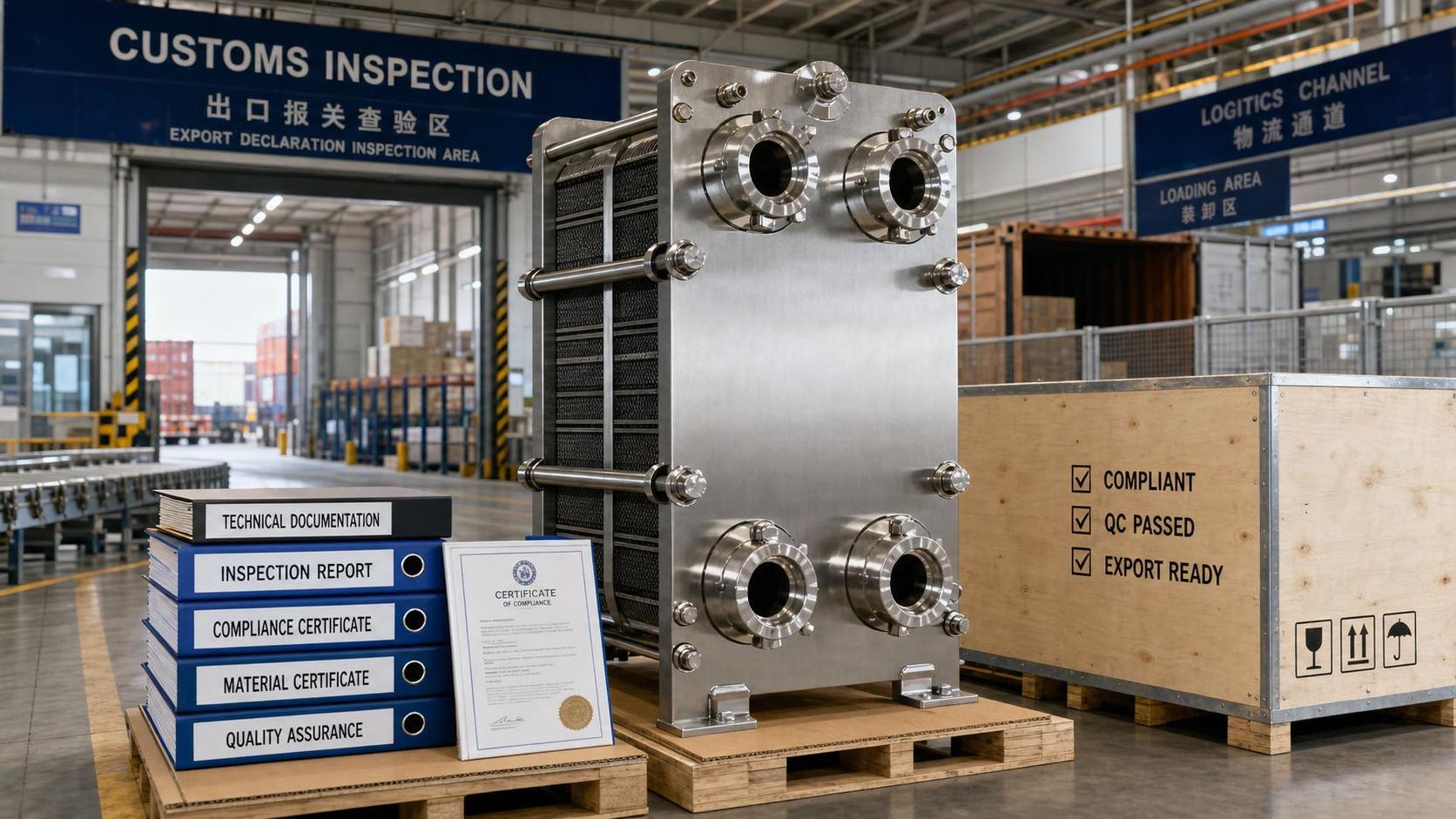
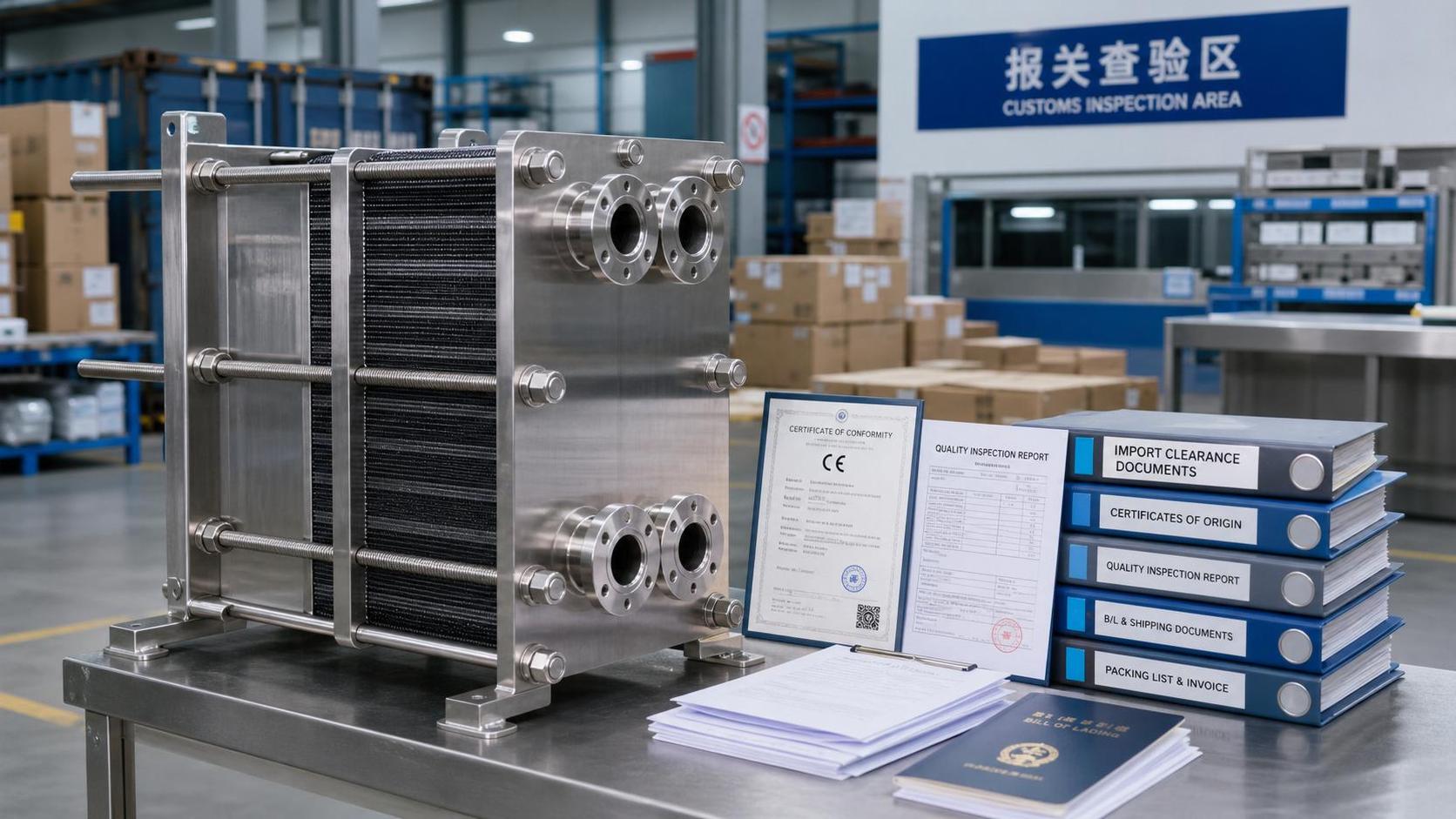
Logistics & Trade Services Providers: Freight forwarders, customs brokers, and certification support agencies servicing this trade corridor may observe longer lead time expectations and higher documentation demands. Increased emphasis on energy performance compliance (e.g., Ecodesign Regulation Annexes) raises the complexity—and cost—of pre-shipment technical validation and CE marking coordination.
Key Focus Areas & Recommended Actions
Strengthen LCC Modeling Capabilities
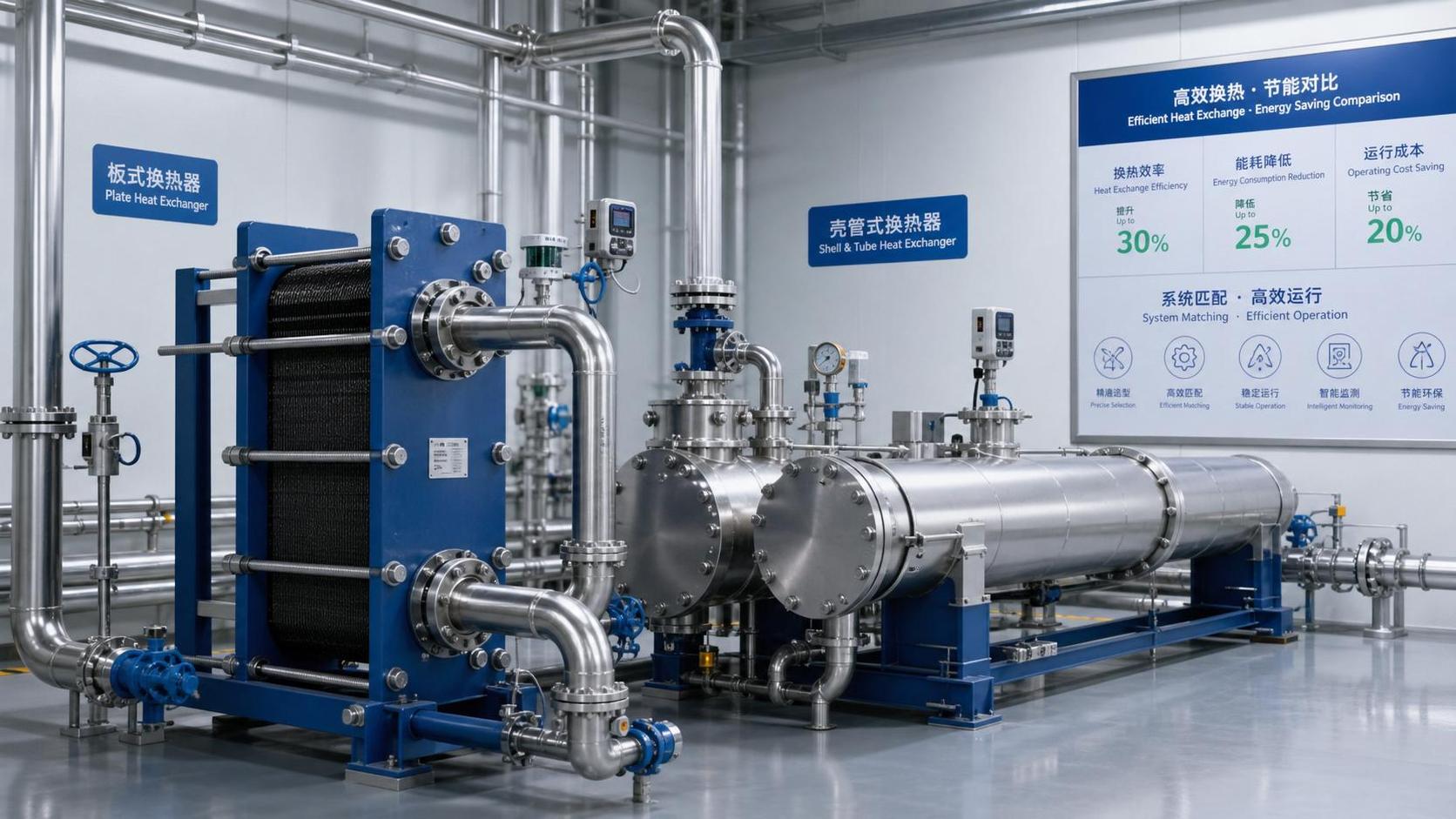
Chinese suppliers should invest in validated, standardized LCC calculators aligned with EN 15316-4-5 and ISO 50001 frameworks—not just for marketing, but as embedded tools in sales engineering workflows. This supports evidence-based dialogue during extended procurement cycles.
Refine Pricing Architecture Beyond Unit Cost
Shift from transactional list pricing to tiered, value-based models—for example, bundling predictive maintenance services or energy-savings guarantees. This mitigates direct price comparison pressure while reinforcing differentiation in a softening demand environment.
Pre-qualify Technical Documentation for EU Market Access
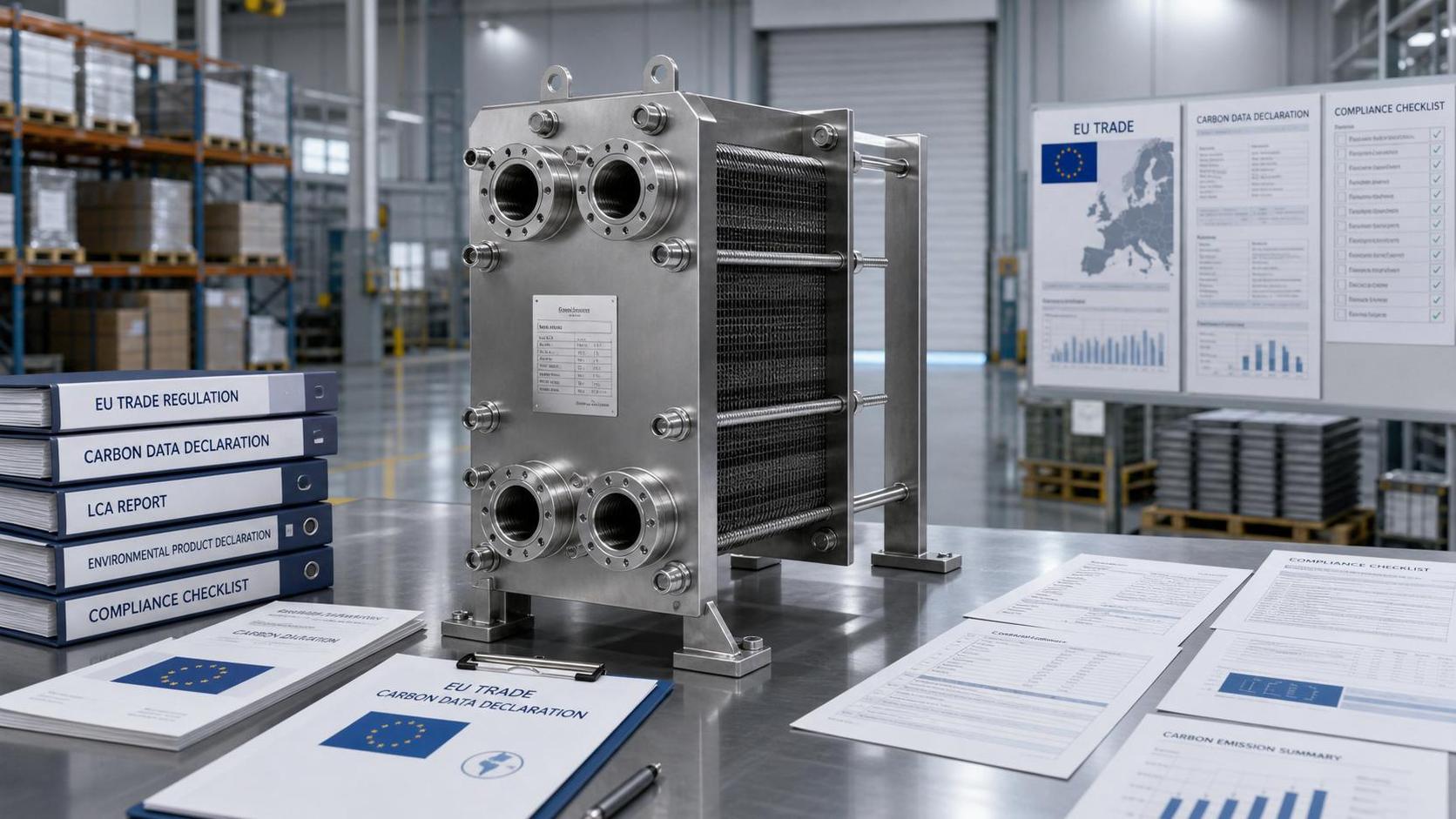
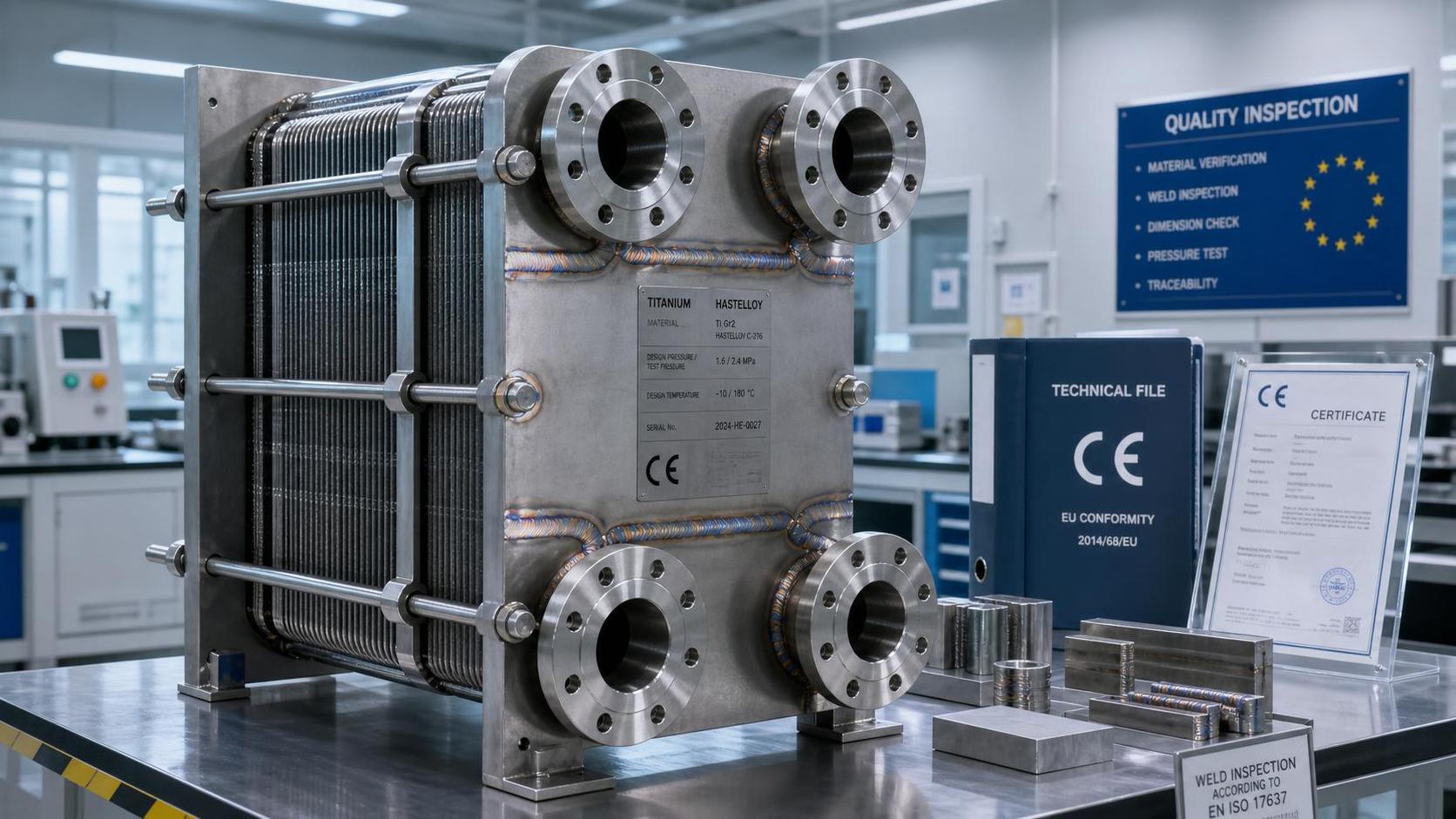
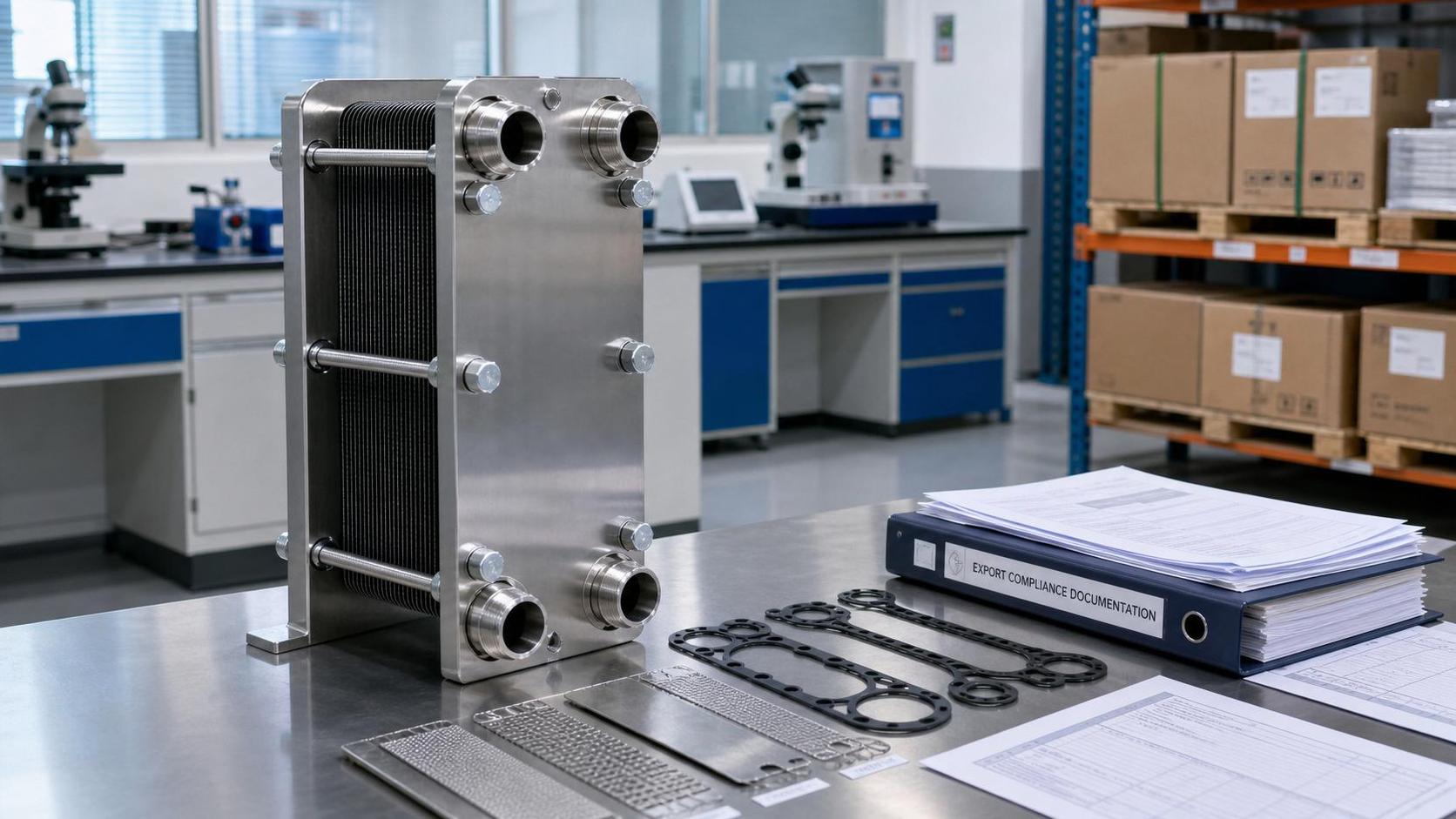
Ensure all product datasheets, test reports (e.g., AHRI 10, EN 13278), and conformity declarations explicitly reference applicable EU regulatory thresholds—including updated Ecodesign requirements effective Q3 2026—to avoid customs delays or post-entry audits.
Editorial Perspective / Industry Observation
Observably, the 0.1 percentage point revision itself is modest—but its timing and framing matter. The Commission’s explicit linkage of energy cost inflation to investment hesitation signals a structural shift: EU industrial buyers are no longer treating efficiency upgrades as discretionary, but as essential risk-mitigation tools against volatile input costs. From an industry perspective, this makes LCC transparency less a competitive advantage and more a baseline market access requirement. Analysis shows that firms already embedding energy simulation tools into their quoting process report 22–28% shorter sales cycles in EU B2B tenders—even amid broader economic uncertainty.
Conclusion
This forecast adjustment does not indicate imminent recession—but it does mark a pivot toward cost discipline grounded in long-horizon operational economics. For global suppliers of thermal and compression equipment, the implication is clear: competitiveness will be measured less by price per unit and more by credibility in quantifying value across the asset lifetime. A rational interpretation is that resilience now hinges on data readiness—not just production capacity.
Source Attribution
European Commission, Spring 2026 Economic Forecast, published May 22, 2026 (available at ec.europa.eu/economy_finance/publications). Additional context drawn from EN 13278:2023 (screw compressors), EN 13779:2023 (heat exchangers), and the EU Ecodesign Working Plan 2024–2026. Continued monitoring is advised for upcoming revisions to Commission Delegated Regulation (EU) 2023/1729 on energy-related products.
Ready when you are. Send us a message to get started.
Related News
- How corrugation angle affects heat transfer in plate heat exchangersAuthor :Thermodynamics Analyst

- When do plate heat exchangers suit Middle East seawater cooling?Author :Thermodynamics Analyst

- When does gasketed plate heat exchanger technology suit your process?Author :Thermodynamics Analyst

- When does heat recovery improve data center cooling efficiency?Author :Thermodynamics Analyst

- How Do I Verify Heat Transfer Calculations in a Supplier Quotation?Author :Thermodynamics Analyst

- How to evaluate a plate heat exchangers supplier before orderingAuthor :Thermodynamics Analyst

- EU Tightens Fatigue Checks for Plate Heat ExchangersAuthor :Thermodynamics Analyst

- EU PFAS Rule Adds New Export Filing for Cooling EquipmentAuthor :Thermodynamics Analyst

- EU EN 13445-4:2026 Adds Fatigue Report RequirementAuthor :Thermodynamics Analyst

- EU Updates EN 13445-4 for Plate ExchangersAuthor :Thermodynamics Analyst

- How to Compare Energy-Efficient Heat Exchange SolutionsAuthor :Thermodynamics Analyst

- Brazed Plate Exchanger Design: 7 Factors That Affect Heat TransferAuthor :Thermodynamics Analyst

- EU CBAM Pilot List Adds Plate ExchangersAuthor :Thermodynamics Analyst

- How Heat Exchange Systems Improve Temperature Control StabilityAuthor :Thermodynamics Analyst

- Japan to Require Efficiency Labels for Plate ExchangersAuthor :Thermodynamics Analyst

- EU REACH Adds PFAS Ban for Plate Heat ExchangersAuthor :Thermodynamics Analyst

- India Enforces BIS Rule for Plate Heat ExchangersAuthor :Thermodynamics Analyst

- DIN EN 13445-6:2026 Tightens Plate Exchanger CE RulesAuthor :Thermodynamics Analyst

- EU REACH Restricts PFAS Seals for Plate Heat ExchangersAuthor :Thermodynamics Analyst

- India Mandates BIS Certification for Imported Plate ExchangersAuthor :Thermodynamics Analyst

- Vietnam Requires QR Labels on Imported Plate Heat ExchangersAuthor :Thermodynamics Analyst

- EU EN 13445-4:2026 Tightens NDT Rules for Heat ExchangersAuthor :Thermodynamics Analyst

- EPA Clears R-1234ze(E) for Plate Exchanger SystemsAuthor :Thermodynamics Analyst
 for Plate Exchanger Systems")
- Heat Exchange Equipment Selection: Key Performance Checks Before You Compare ModelsAuthor :Thermodynamics Analyst

- ASHRAE 90.1-2026 Raises Plate Exchanger Efficiency ThresholdAuthor :Thermodynamics Analyst

- Heat Exchange Systems: How to Choose the Right SetupAuthor :Thermodynamics Analyst

- EPA SNAP 89 Takes Effect for Plate ExchangersAuthor :Thermodynamics Analyst

- How to Compare Heat Exchange Solutions for Lower Energy UseAuthor :Thermodynamics Analyst

- EPA SNAP 89 Expands Filing Rules for Plate Heat ExchangersAuthor :Thermodynamics Analyst

- EPA SNAP update adds filing rule for plate heat exchangersAuthor :Thermodynamics Analyst

- Industrial Heat Recovery: Where the Payback Is Fastest in 2026Author :Thermodynamics Analyst

- California EPR Deadline Nears for Cooling Equipment MakersAuthor :Thermodynamics Analyst

- Heat Exchanger Technology: Plate vs Shell and Tube for EfficiencyAuthor :Thermodynamics Analyst

- Industrial Heat Recovery Options for High-Temperature ProcessesAuthor :Thermodynamics Analyst

- Heat Transfer Problems in Process Lines: Causes and Practical FixesAuthor :Thermodynamics Analyst

- India Tightens Plate Exchanger Import Clearance RulesAuthor :Thermodynamics Analyst