ASHRAE 90.1-2025 Enforces Transient Thermal Response for Plate Exchangers




On May 6, 2026, the American Society of Heating, Refrigerating and Air-Conditioning Engineers (ASHRAE) confirmed the mandatory enforcement of ASHRAE Standard 90.1-2025 across the United States and Canada. This marks the first time plate heat exchangers are formally included in the standard’s ‘mandatory performance path’, introducing a new compliance requirement — transient thermal response time ≤ 120 seconds — as defined in Annex G of ANSI/ASHRAE 135-2025. The change directly affects manufacturers, exporters, and specifiers serving high-performance building markets, particularly those targeting LEED-certified projects or U.S. federal government construction procurement.
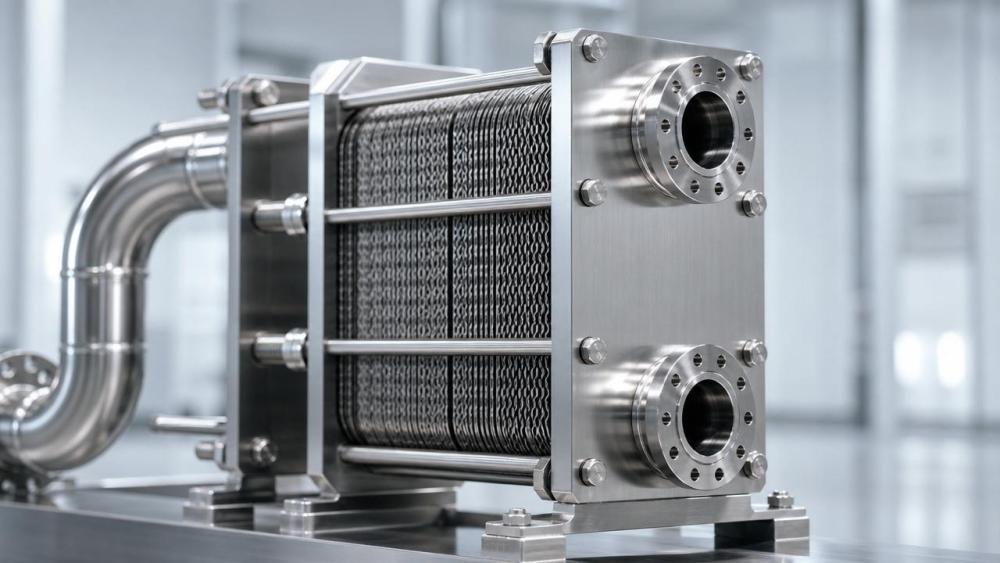
Event Overview
On May 6, 2026, ASHRAE officially confirmed that ASHRAE 90.1-2025 entered mandatory enforcement in all U.S. states and Canadian provinces. The standard now explicitly includes plate heat exchangers under its mandatory performance compliance pathway. A newly codified test — transient thermal response time — must be conducted per Annex G of ANSI/ASHRAE 135-2025, with a pass threshold of ≤120 seconds. Products failing this test are ineligible for use in LEED-certified buildings and excluded from U.S. federal government new construction procurement programs.
Industries Affected
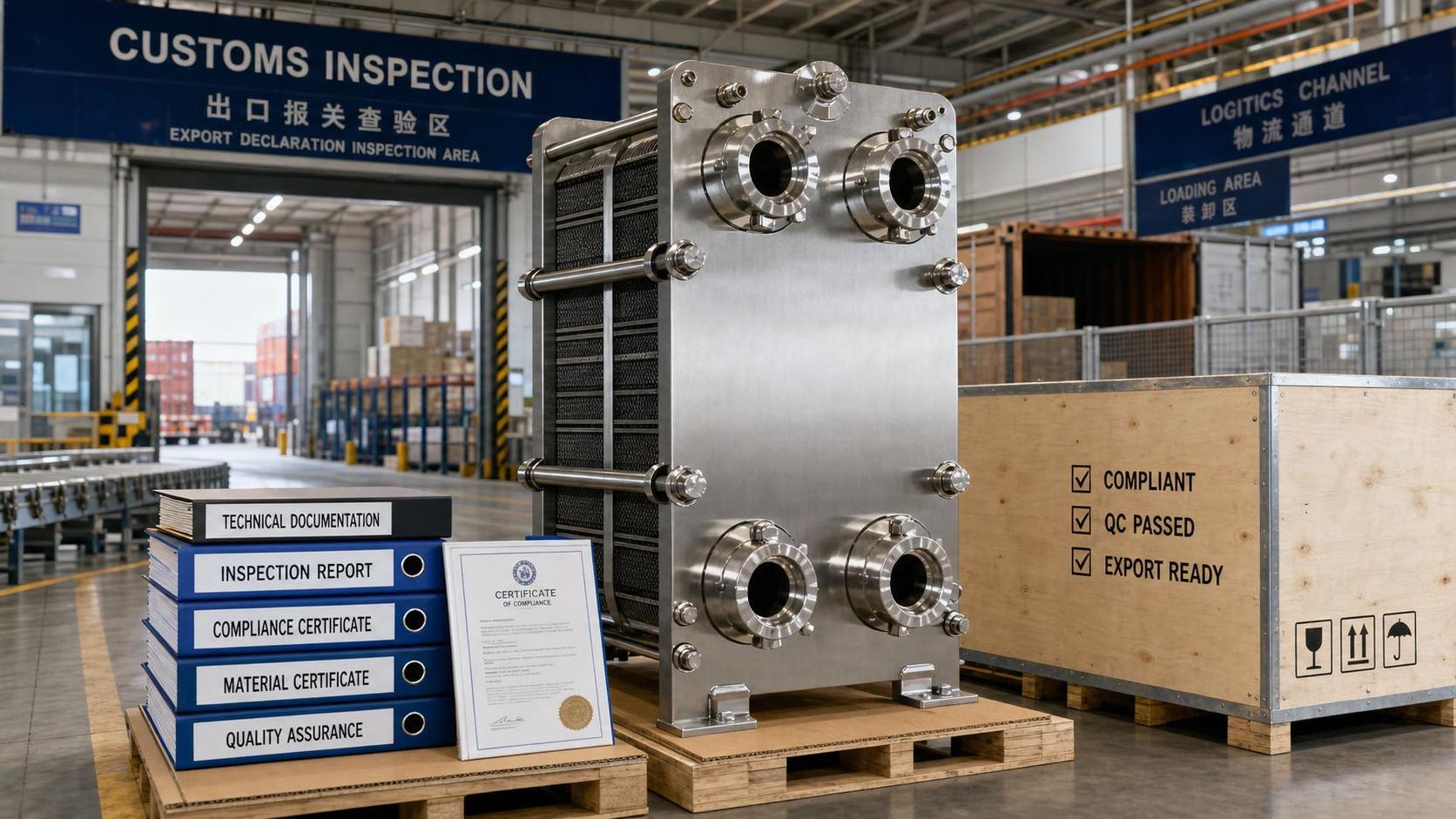
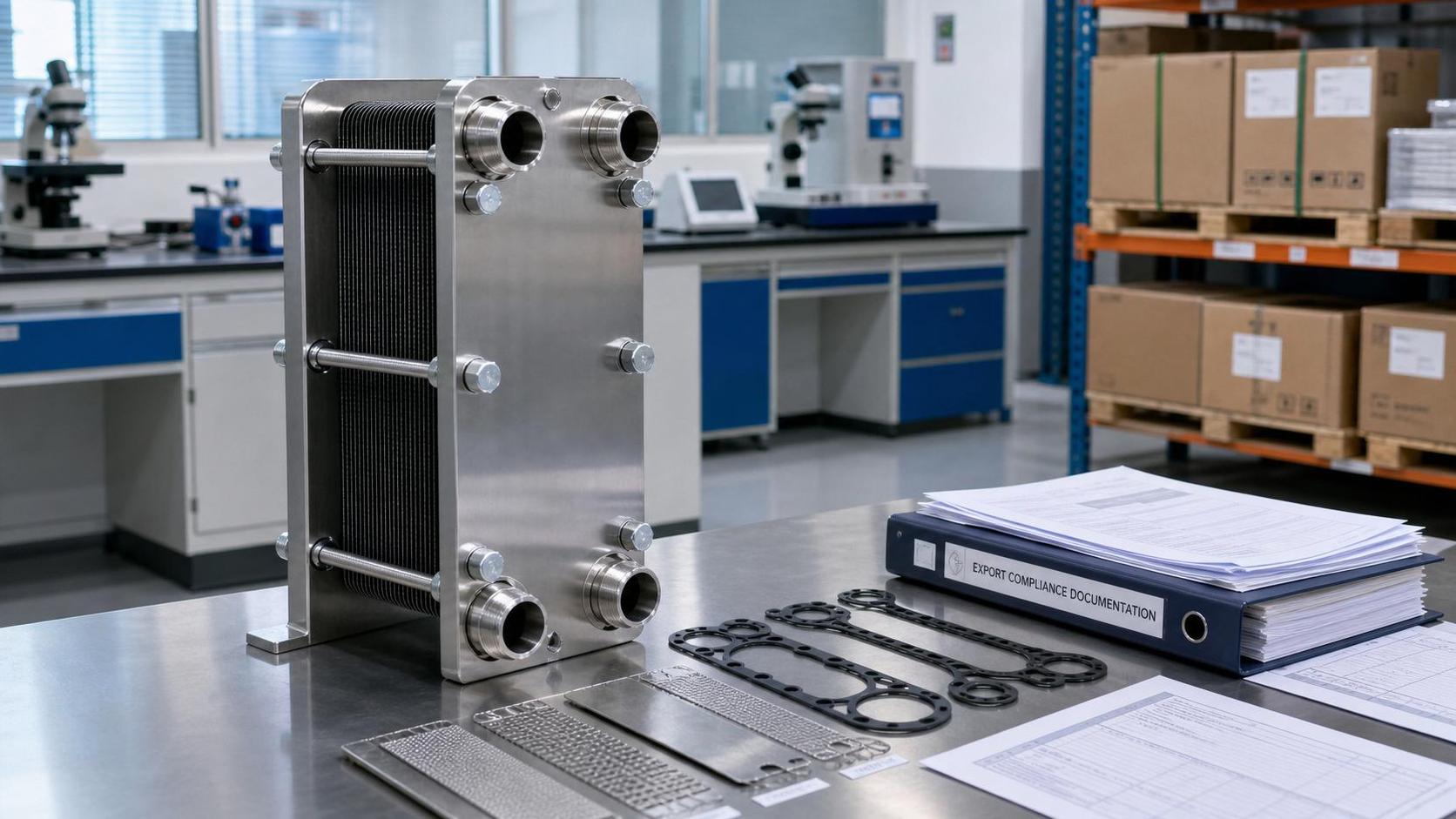
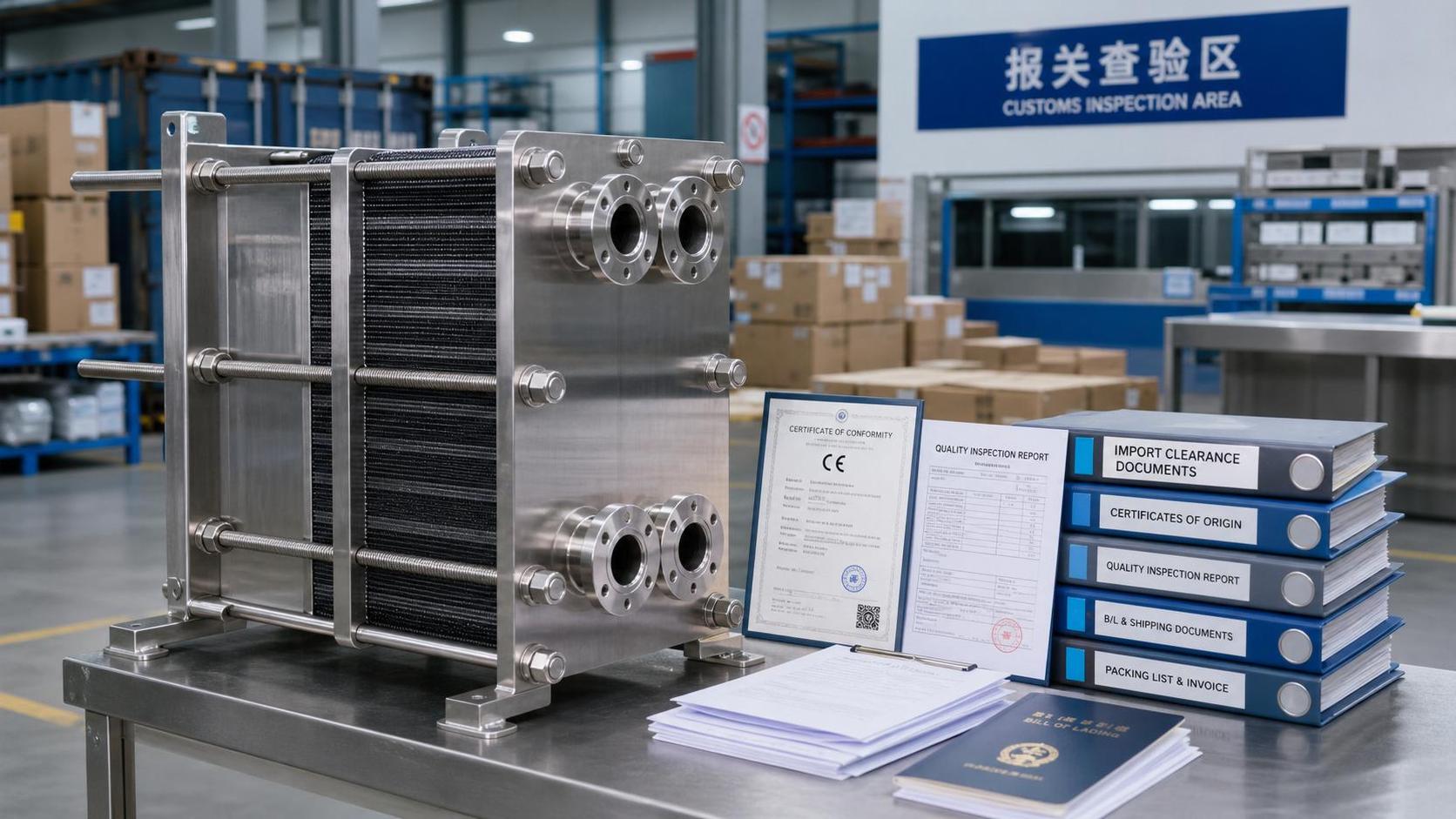
Direct trading enterprises: Exporters of plate heat exchangers to the U.S. and Canada must now provide certified test reports verifying compliance with the transient thermal response requirement. Non-compliant units risk customs rejection, project-level disqualification, and loss of eligibility for LEED documentation support — potentially triggering contract penalties or order cancellations.
Raw material procurement enterprises: Suppliers of gasket materials, stainless steel grades (e.g., AISI 316), and brazing alloys face increased demand for traceable, thermally stable components. Variability in thermal mass or interfacial resistance of raw materials may impact transient response — prompting buyers to request material-specific thermal inertia data and tighter supplier qualification protocols.
Manufacturing enterprises: Plate exchanger fabricators must integrate transient thermal response validation into their design verification process. This includes revising flow channel geometry, optimizing plate surface enhancement patterns, and selecting appropriate sealing configurations — all of which affect thermal inertia and response dynamics. Re-validation cycles may delay time-to-market for legacy models.
Supply chain service enterprises: Third-party testing labs, certification bodies (e.g., UL, CSA), and technical documentation providers must now offer Annex G-compliant testing, reporting, and labeling services. Capacity constraints and lack of standardized calibration procedures for transient thermal measurement have already been reported by several North American test facilities.
Key Focus Areas and Recommended Actions
Verify current product portfolio against Annex G test criteria
Manufacturers should conduct gap assessments using representative units — especially those with large hydraulic diameters or high thermal mass gaskets — to identify models requiring redesign or retesting. Prioritize units designated for federal or LEED-targeted projects.
Engage accredited laboratories early for test method alignment
ANSI/ASHRAE 135-2025 Annex G specifies ramp-rate, sensor placement, and boundary condition requirements that differ from steady-state efficiency testing. Early coordination with labs helps avoid misinterpretation of test setup, reducing retest risk and timeline uncertainty.
Update technical documentation and marketing claims
Product datasheets, submittal packages, and LEED MR credit templates must now include verified transient thermal response time (in seconds) and reference the test standard. Claims such as “fast-response” or “dynamic-ready” without Annex G validation may constitute misleading representation under FTC and Canadian Competition Bureau guidelines.
Review supply agreements for compliance liability clauses
Export contracts signed prior to May 2026 may not allocate responsibility for Annex G compliance failure. Trading firms should proactively renegotiate warranty, testing cost allocation, and non-conformance resolution terms with both suppliers and end customers.
Editorial Perspective / Industry Observation
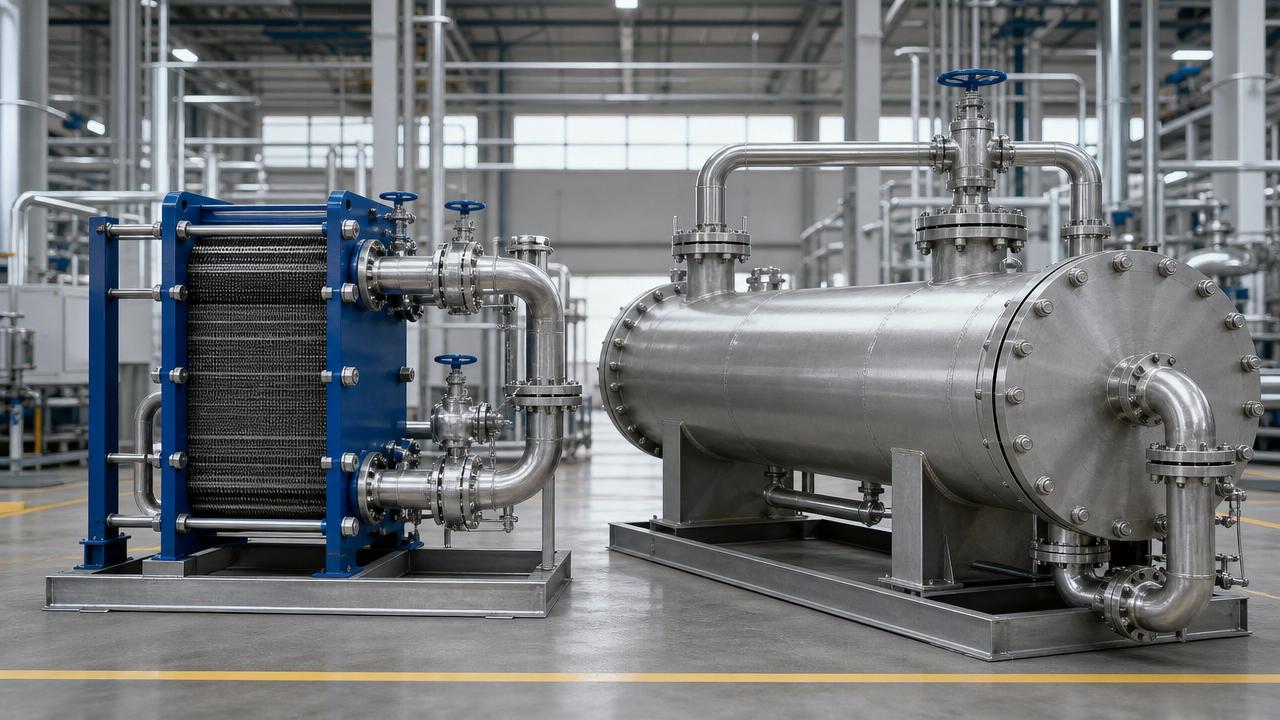
Analysis shows this is not merely an incremental update but a structural shift toward dynamic performance accountability in HVAC&R equipment regulation. Historically, standards emphasized steady-state efficiency; the inclusion of transient thermal response signals growing recognition that real-world building loads — especially in electrified, demand-responsive, and grid-interactive designs — depend critically on equipment responsiveness. Observably, this aligns with broader trends in DOE’s Building Technologies Office and Natural Resources Canada’s Net-Zero Energy Ready initiatives. From an industry perspective, the 120-second threshold appears calibrated to exclude conventional gasketed units with thick elastomers or heavy frame assemblies — suggesting a de facto preference for laser-welded or semi-welded configurations. Current more critical question is whether Annex G will serve as a precedent for future revisions of ISO 5151 or EN 13771.
Conclusion
This enforcement represents a meaningful inflection point for the global plate heat exchanger sector — moving beyond energy efficiency alone to encompass system-level agility and integration readiness. It does not eliminate non-compliant products from general commercial use, but it effectively segments the market: one tier for code-mandated, high-performance applications; another for cost-sensitive, non-regulated installations. A rational interpretation is that compliance is becoming less about ‘meeting a number’ and more about demonstrating verifiable thermal behavior under realistic operating transients.
Source Attribution
Official confirmation issued by ASHRAE via ASHRAE News Release #2026-05-06; technical specifications drawn from ANSI/ASHRAE Standard 90.1-2025 (Section 6.4.3.2.2) and ANSI/ASHRAE Standard 135-2025 (Annex G). Testing protocol details remain subject to clarification by the ASHRAE Standing Standard Project Committee 90.1 — updates to be monitored through ASHRAE’s SSPC 90.1 public comment portal and NIST’s Building Energy Codes Program bulletins.
Related News
- When does heat recovery improve data center cooling efficiency?Author :Thermodynamics Analyst

- How Do I Verify Heat Transfer Calculations in a Supplier Quotation?Author :Thermodynamics Analyst

- How to evaluate a plate heat exchangers supplier before orderingAuthor :Thermodynamics Analyst

- EU Tightens Fatigue Checks for Plate Heat ExchangersAuthor :Thermodynamics Analyst

- EU PFAS Rule Adds New Export Filing for Cooling EquipmentAuthor :Thermodynamics Analyst

- EU EN 13445-4:2026 Adds Fatigue Report RequirementAuthor :Thermodynamics Analyst

- EU Updates EN 13445-4 for Plate ExchangersAuthor :Thermodynamics Analyst

- How to Compare Energy-Efficient Heat Exchange SolutionsAuthor :Thermodynamics Analyst

- Brazed Plate Exchanger Design: 7 Factors That Affect Heat TransferAuthor :Thermodynamics Analyst

- EU CBAM Pilot List Adds Plate ExchangersAuthor :Thermodynamics Analyst

- How Heat Exchange Systems Improve Temperature Control StabilityAuthor :Thermodynamics Analyst

- Japan to Require Efficiency Labels for Plate ExchangersAuthor :Thermodynamics Analyst

- EU REACH Adds PFAS Ban for Plate Heat ExchangersAuthor :Thermodynamics Analyst

- India Enforces BIS Rule for Plate Heat ExchangersAuthor :Thermodynamics Analyst

- DIN EN 13445-6:2026 Tightens Plate Exchanger CE RulesAuthor :Thermodynamics Analyst

- EU REACH Restricts PFAS Seals for Plate Heat ExchangersAuthor :Thermodynamics Analyst

- India Mandates BIS Certification for Imported Plate ExchangersAuthor :Thermodynamics Analyst

- Vietnam Requires QR Labels on Imported Plate Heat ExchangersAuthor :Thermodynamics Analyst

- EU EN 13445-4:2026 Tightens NDT Rules for Heat ExchangersAuthor :Thermodynamics Analyst

- EPA Clears R-1234ze(E) for Plate Exchanger SystemsAuthor :Thermodynamics Analyst
 for Plate Exchanger Systems")
- Heat Exchange Equipment Selection: Key Performance Checks Before You Compare ModelsAuthor :Thermodynamics Analyst

- ASHRAE 90.1-2026 Raises Plate Exchanger Efficiency ThresholdAuthor :Thermodynamics Analyst

- Heat Exchange Systems: How to Choose the Right SetupAuthor :Thermodynamics Analyst

- EPA SNAP 89 Takes Effect for Plate ExchangersAuthor :Thermodynamics Analyst

- How to Compare Heat Exchange Solutions for Lower Energy UseAuthor :Thermodynamics Analyst

- EPA SNAP 89 Expands Filing Rules for Plate Heat ExchangersAuthor :Thermodynamics Analyst

- EPA SNAP update adds filing rule for plate heat exchangersAuthor :Thermodynamics Analyst

- Industrial Heat Recovery: Where the Payback Is Fastest in 2026Author :Thermodynamics Analyst

- California EPR Deadline Nears for Cooling Equipment MakersAuthor :Thermodynamics Analyst

- Heat Exchanger Technology: Plate vs Shell and Tube for EfficiencyAuthor :Thermodynamics Analyst

- Industrial Heat Recovery Options for High-Temperature ProcessesAuthor :Thermodynamics Analyst

- Heat Transfer Problems in Process Lines: Causes and Practical FixesAuthor :Thermodynamics Analyst

- India Tightens Plate Exchanger Import Clearance RulesAuthor :Thermodynamics Analyst

- SABIC Methanol Force Majeure Extended to Q4 2026Author :Thermodynamics Analyst

- How to Improve Heat Exchanger Efficiency Without Major RetrofitAuthor :Thermodynamics Analyst

- Plate Heat Exchange vs Shell & Tube: Which Fits Your Process Better?Author :Thermodynamics Analyst