Industrial Heat Recovery with Plate Exchangers: Common Sizing Mistakes to Avoid




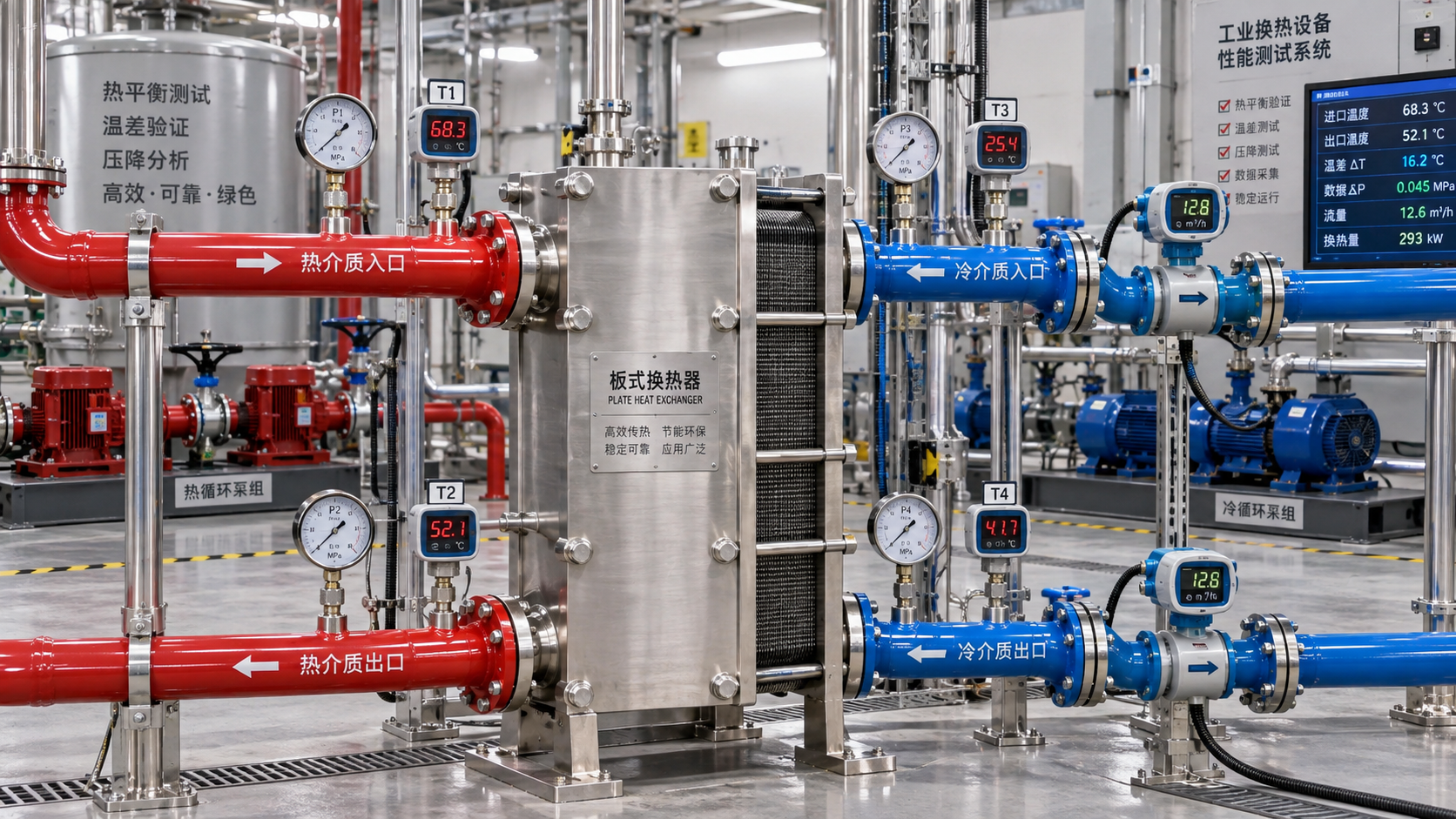
In industrial heat recovery projects, even a high-quality plate exchanger can fail to deliver expected savings when sizing logic is weak. Small errors in heat duty, fouling allowance, or temperature approach assumptions often become large operating problems later. In practice, these mistakes reduce thermal efficiency, increase cleaning frequency, create unstable process control, and raise safety exposure. Avoiding them is essential for reliable industrial heat recovery performance.
Why a checklist matters in industrial heat recovery sizing
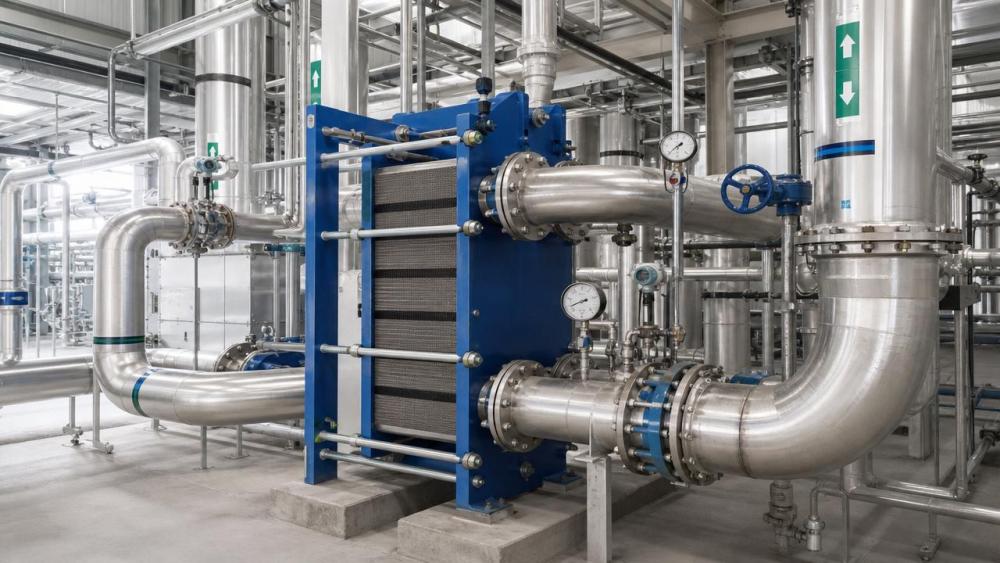
Plate exchangers are compact and efficient, but that efficiency depends on accurate sizing inputs. A design that looks correct on paper may still underperform if the process data are incomplete, averaged, or unrealistic for real operating conditions.
A checklist-based review helps verify thermal, hydraulic, and operational assumptions before equipment selection. In broad industrial environments, this method supports energy recovery targets, uptime, compliance, and safer integration with existing thermal systems.
Core checklist: common sizing mistakes to avoid
- Confirm heat duty with measured flow, inlet temperature, outlet target, and fluid properties instead of using nameplate values, rounded estimates, or seasonal averages that hide process variability.
- Check whether the design point reflects normal, minimum, and peak operation, because industrial heat recovery systems rarely run at one stable load for the entire year.
- Validate fluid properties at actual operating temperature, especially viscosity, density, and specific heat, since incorrect data can distort thermal transfer and pressure drop predictions.
- Include realistic fouling factors based on water quality, suspended solids, process contamination, and cleaning intervals rather than assuming permanently clean heat transfer surfaces.
- Set a practical temperature approach and avoid overaggressive pinch targets that require excessive area, high pressure losses, or unstable control under partial-load conditions.
- Review allowable pressure drop on both sides early, because chasing maximum industrial heat recovery can create pumping penalties that erase the net energy benefit.
- Match plate material and gasket compatibility to the fluid chemistry, temperature range, and cleaning method to prevent corrosion, swelling, leakage, and shortened exchanger life.
- Assess flow arrangement and channel velocity carefully, since very low velocity promotes fouling while very high velocity raises erosion risk and unnecessary pressure drop.
- Verify control strategy during sizing, including startup, shutdown, bypass logic, and variable flow scenarios, so the exchanger performs across real operating transitions.
- Reserve service margin for future process drift, but avoid oversized equipment that reduces turbulence, weakens heat transfer, and makes industrial heat recovery less stable.
Sizing mistakes explained in practical terms
Using inaccurate duty calculations
The most common sizing error starts with incorrect heat duty. Designers sometimes use production targets instead of actual operating records. Others rely on one-time measurements taken during unusually steady conditions.
For industrial heat recovery, duty should be checked against several operating windows. Batch cycles, seasonal utility changes, and raw material variation can shift both available waste heat and useful heat demand.
Ignoring fouling until after commissioning
Clean-surface calculations make exchangers appear smaller and cheaper. However, actual fluids may contain scale-forming salts, fibers, oils, biological residue, or process fines that reduce thermal performance quickly.
When fouling is underestimated, the exchanger misses outlet temperature targets long before the planned maintenance interval. That often forces emergency cleaning, production disturbance, or excessive utility backup.
Assuming impossible temperature approaches
A tight approach temperature can improve industrial heat recovery on paper, but only if hydraulic limits and control stability still work. Very narrow approaches often require more area and more precise flow balance.
In real plants, inlet temperatures fluctuate. A design with almost no thermal buffer may fail whenever upstream conditions drift, making operators depend on bypasses or secondary heating.
Forgetting pressure drop as an economic variable
Heat recovery is not only about thermal gain. If pressure drop is too high, pump or fan energy rises. In compressed utilities and thermal loops, this hidden cost can offset the recovered energy value.
A sound industrial heat recovery design balances outlet temperature targets with acceptable hydraulic resistance. Net system efficiency matters more than exchanger performance viewed in isolation.
Application notes across different industrial scenarios
Boiler and hot water loops
In boiler-related industrial heat recovery, water chemistry is critical. Hardness, oxygen content, and treatment quality strongly affect fouling assumptions and material selection for plate exchangers.
Sizing should also reflect load swings between startup and full operation. Condensing behavior, return temperature variation, and control valve authority all influence exchanger performance.
Compressed air and compressor heat recovery
Recovering heat from compressors can be highly effective, but lubricant carryover, intermittent operation, and varying compression ratios change the thermal profile. These factors must be built into sizing assumptions.
Where recovered heat supports water preheating or space heating, low-load seasons should be evaluated carefully. Oversized exchangers may struggle with control and low-velocity fouling.
Food, pharmaceutical, and clean-process utilities
These environments demand strict hygiene, stable temperatures, and validated cleaning routines. Industrial heat recovery sizing must consider CIP conditions, gasket compatibility, and the thermal effect of sanitation cycles.
A unit sized only for production duty may fail during cleaning transitions. Sanitary systems often need a broader review of peak temperature, flow reversals, and drainability.
Often-overlooked risks that deserve attention
- Part-load instability can appear even when full-load calculations look perfect, especially in systems with variable-speed pumps, bypass valves, or batch heat demand.
- Thermal expansion and cycling stress can shorten gasket life if startup temperatures rise too fast or if exchanger frames are not checked for repeated duty swings.
- Contamination risk between circuits becomes more serious when pressure relationships are not reviewed, particularly in clean utilities or regulated process environments.
- Maintenance access is often ignored during selection, yet plate pack opening space, isolation points, and cleaning method strongly affect long-term industrial heat recovery availability.
How to execute a better sizing review
Start with logged process data, not assumptions. Gather minimum, normal, and maximum temperatures, flows, pressures, and utility costs. Use that data to define the real recovery window.
Next, test the design against fouled and clean conditions. Compare thermal performance, pressure drop, and net energy value. If the economics only work under ideal conditions, revise the sizing basis.
Then review controls together with mechanical selection. Confirm that valves, pumps, bypasses, and sensors can support the exchanger across startup, low-load, and upset conditions.
Finally, document assumptions clearly. A well-documented industrial heat recovery calculation makes future troubleshooting easier and improves consistency across expansion or retrofit projects.
Summary and next steps
Successful industrial heat recovery depends less on exchanger type alone and more on sizing discipline. Errors in duty, fouling, approach temperature, pressure drop, and control logic can turn a promising project into an inefficient one.
Use a structured checklist before final selection. Validate real operating data, challenge optimistic assumptions, and evaluate net system performance instead of headline heat recovery alone.
For organizations tracking energy efficiency, process reliability, and thermal system trends, GTC-Matrix supports stronger decisions through focused intelligence on heat exchange, compression, and industrial energy optimization.
Ready when you are. Send us a message to get started.
Related News
- How corrugation angle affects heat transfer in plate heat exchangersAuthor :Thermodynamics Analyst

- When do plate heat exchangers suit Middle East seawater cooling?Author :Thermodynamics Analyst

- When does gasketed plate heat exchanger technology suit your process?Author :Thermodynamics Analyst

- When does heat recovery improve data center cooling efficiency?Author :Thermodynamics Analyst

- How Do I Verify Heat Transfer Calculations in a Supplier Quotation?Author :Thermodynamics Analyst

- How to evaluate a plate heat exchangers supplier before orderingAuthor :Thermodynamics Analyst

- EU Tightens Fatigue Checks for Plate Heat ExchangersAuthor :Thermodynamics Analyst

- EU PFAS Rule Adds New Export Filing for Cooling EquipmentAuthor :Thermodynamics Analyst

- EU EN 13445-4:2026 Adds Fatigue Report RequirementAuthor :Thermodynamics Analyst

- EU Updates EN 13445-4 for Plate ExchangersAuthor :Thermodynamics Analyst

- How to Compare Energy-Efficient Heat Exchange SolutionsAuthor :Thermodynamics Analyst

- Brazed Plate Exchanger Design: 7 Factors That Affect Heat TransferAuthor :Thermodynamics Analyst

- EU CBAM Pilot List Adds Plate ExchangersAuthor :Thermodynamics Analyst

- How Heat Exchange Systems Improve Temperature Control StabilityAuthor :Thermodynamics Analyst

- Japan to Require Efficiency Labels for Plate ExchangersAuthor :Thermodynamics Analyst

- EU REACH Adds PFAS Ban for Plate Heat ExchangersAuthor :Thermodynamics Analyst

- India Enforces BIS Rule for Plate Heat ExchangersAuthor :Thermodynamics Analyst

- DIN EN 13445-6:2026 Tightens Plate Exchanger CE RulesAuthor :Thermodynamics Analyst

- EU REACH Restricts PFAS Seals for Plate Heat ExchangersAuthor :Thermodynamics Analyst

- India Mandates BIS Certification for Imported Plate ExchangersAuthor :Thermodynamics Analyst

- Vietnam Requires QR Labels on Imported Plate Heat ExchangersAuthor :Thermodynamics Analyst

- EU EN 13445-4:2026 Tightens NDT Rules for Heat ExchangersAuthor :Thermodynamics Analyst

- EPA Clears R-1234ze(E) for Plate Exchanger SystemsAuthor :Thermodynamics Analyst
 for Plate Exchanger Systems")
- Heat Exchange Equipment Selection: Key Performance Checks Before You Compare ModelsAuthor :Thermodynamics Analyst

- ASHRAE 90.1-2026 Raises Plate Exchanger Efficiency ThresholdAuthor :Thermodynamics Analyst

- Heat Exchange Systems: How to Choose the Right SetupAuthor :Thermodynamics Analyst

- EPA SNAP 89 Takes Effect for Plate ExchangersAuthor :Thermodynamics Analyst

- How to Compare Heat Exchange Solutions for Lower Energy UseAuthor :Thermodynamics Analyst

- EPA SNAP 89 Expands Filing Rules for Plate Heat ExchangersAuthor :Thermodynamics Analyst

- EPA SNAP update adds filing rule for plate heat exchangersAuthor :Thermodynamics Analyst

- Industrial Heat Recovery: Where the Payback Is Fastest in 2026Author :Thermodynamics Analyst

- California EPR Deadline Nears for Cooling Equipment MakersAuthor :Thermodynamics Analyst

- Heat Exchanger Technology: Plate vs Shell and Tube for EfficiencyAuthor :Thermodynamics Analyst

- Industrial Heat Recovery Options for High-Temperature ProcessesAuthor :Thermodynamics Analyst

- Heat Transfer Problems in Process Lines: Causes and Practical FixesAuthor :Thermodynamics Analyst

- India Tightens Plate Exchanger Import Clearance RulesAuthor :Thermodynamics Analyst