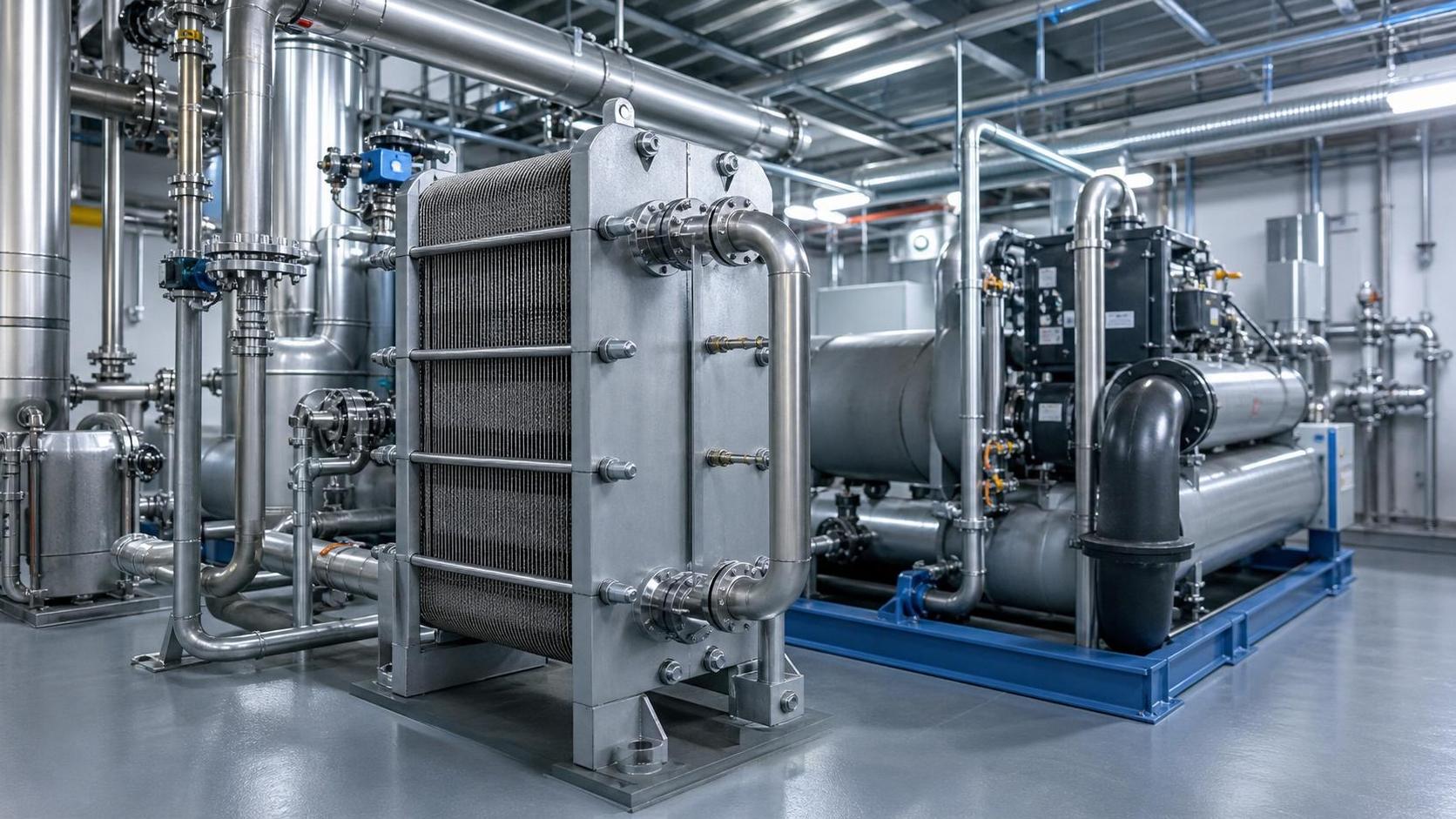
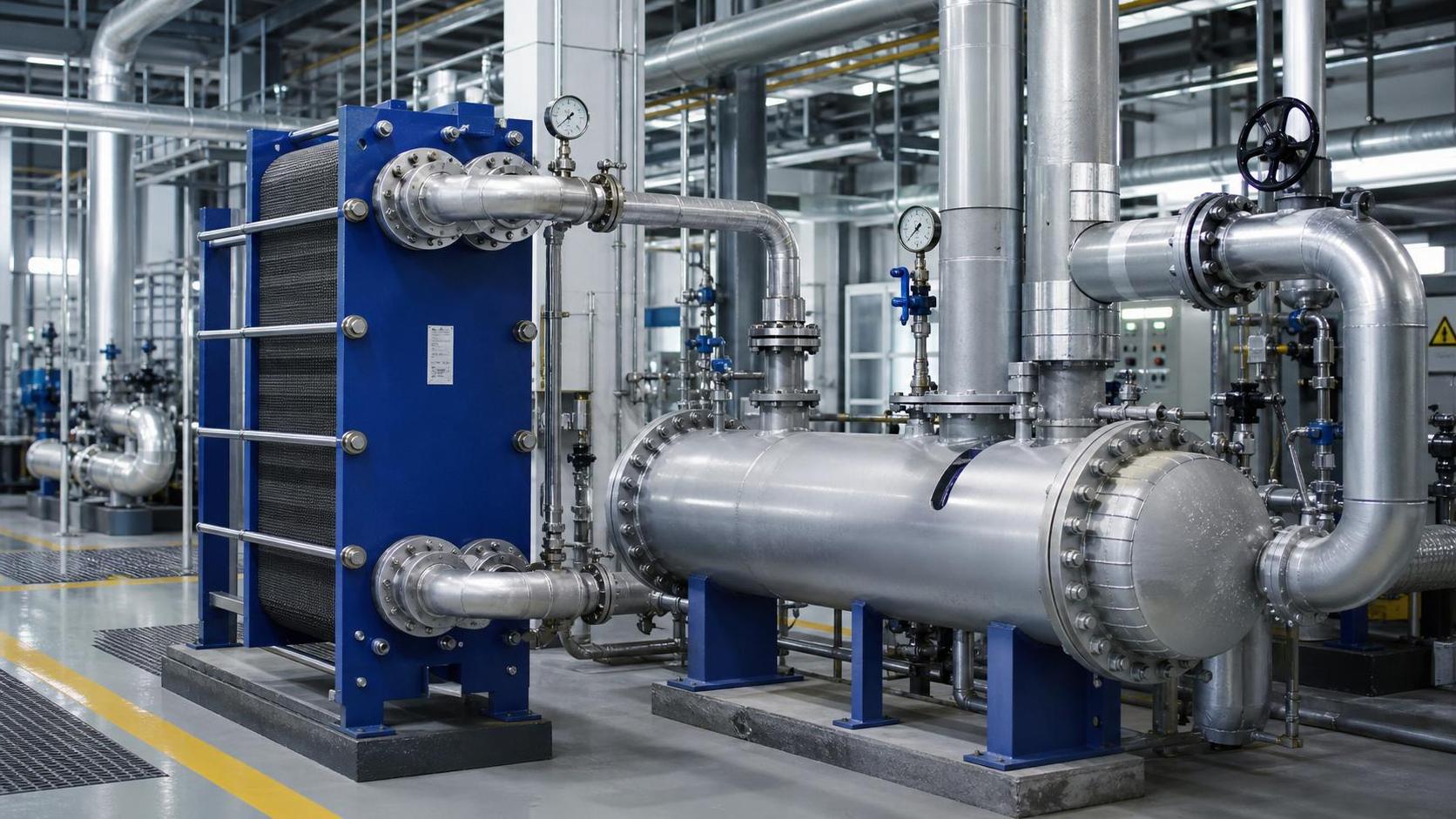
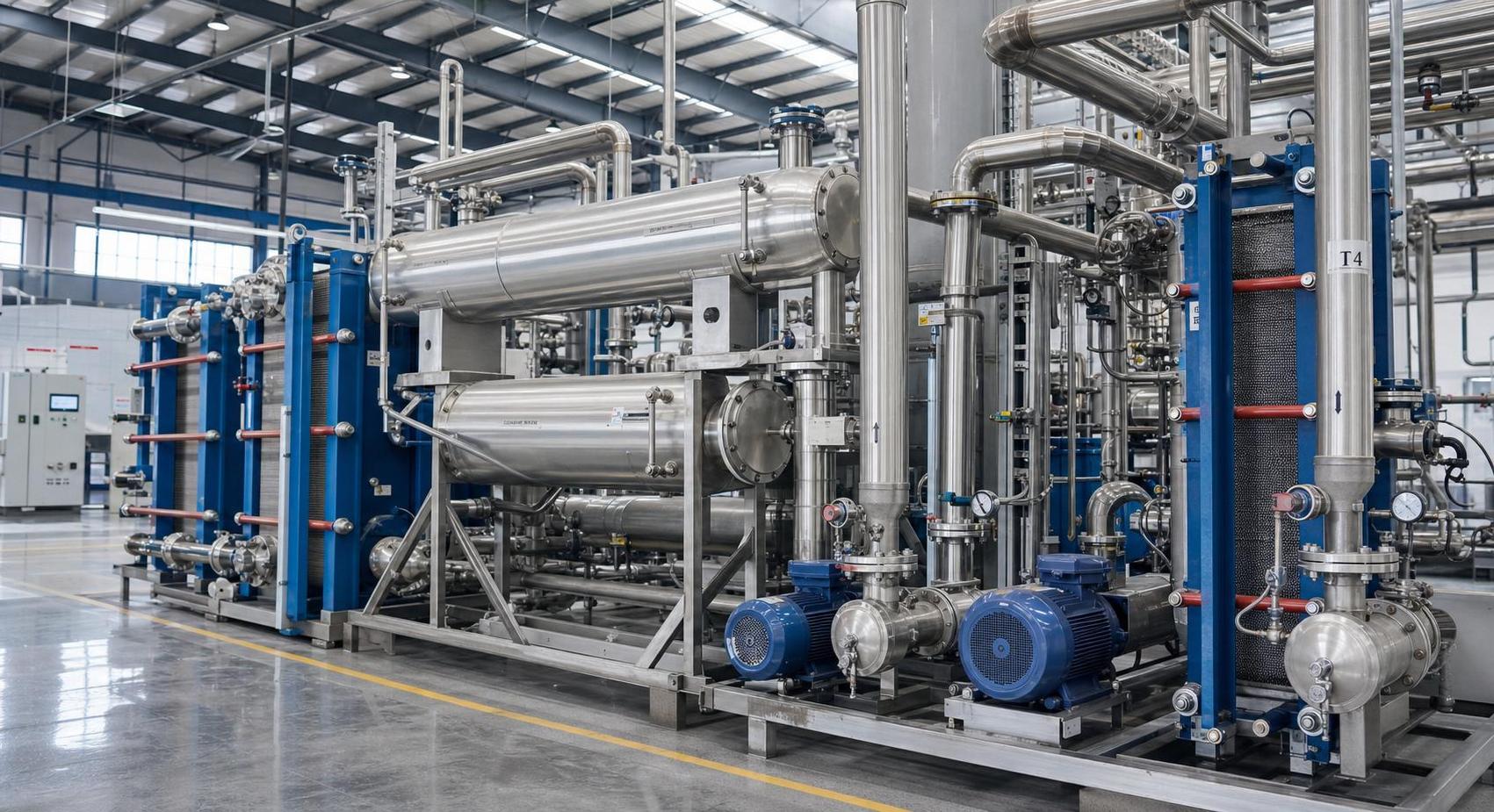
Heat Exchanger Technology: Plate or Shell & Tube?




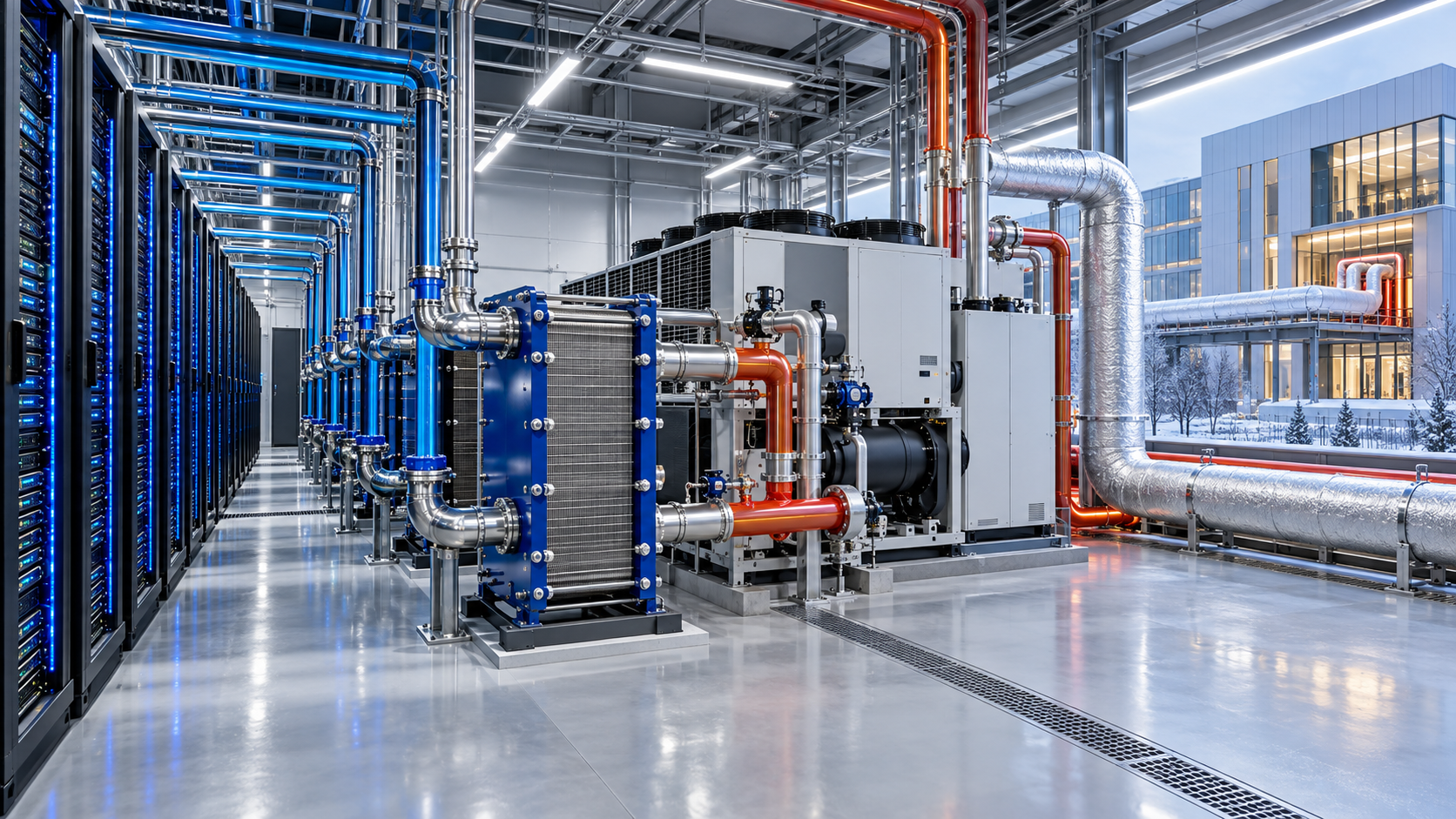
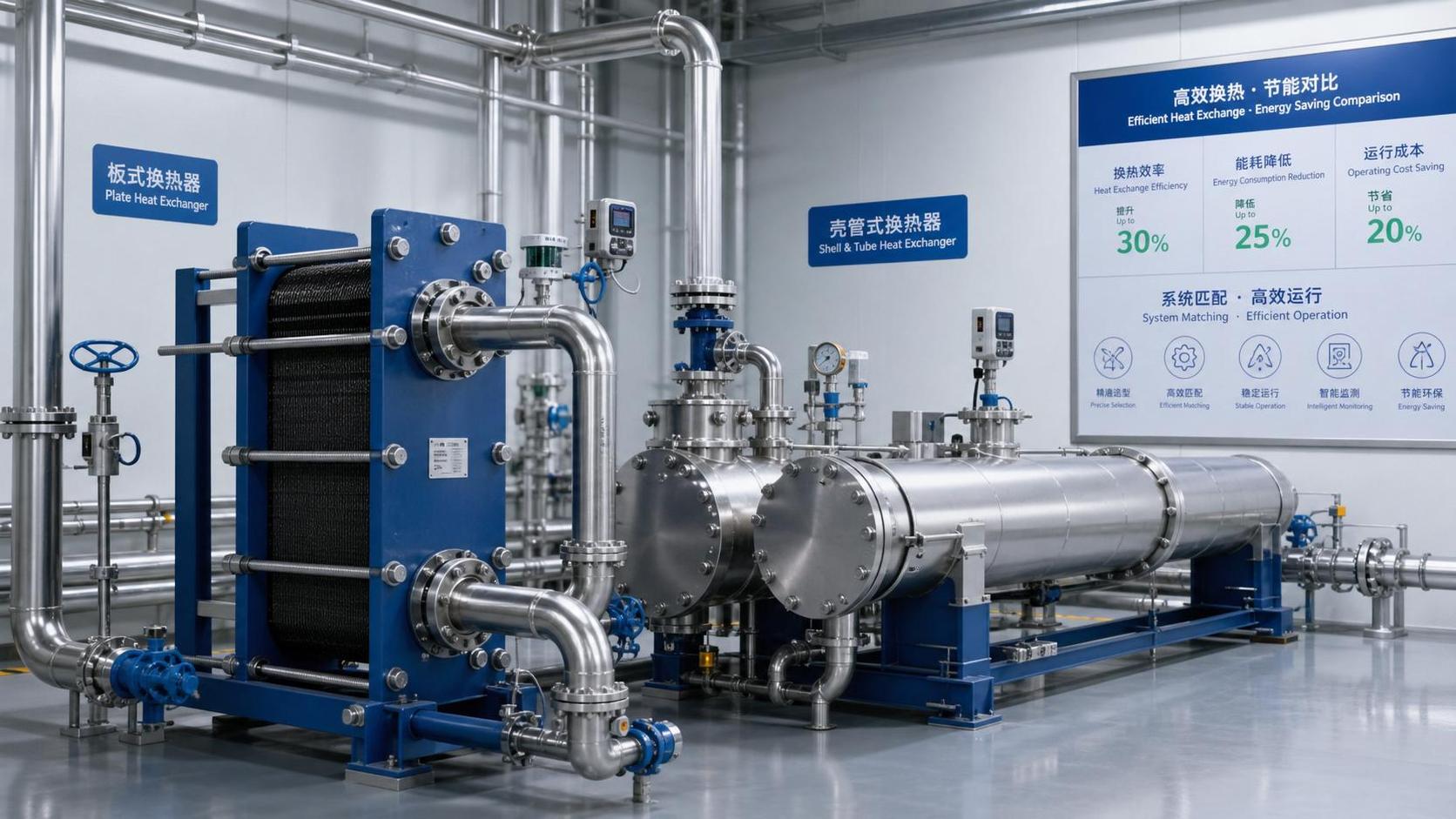
Choosing between plate and shell & tube designs can reshape operating cost, uptime, and thermal performance. In industrial sourcing, heat exchanger technology affects energy use, cleaning frequency, footprint, and future expansion.
This guide explains how to compare both options with a practical decision framework. It focuses on application fit, lifecycle cost, and performance stability, helping better decisions under real plant conditions.
Why a structured heat exchanger technology comparison matters
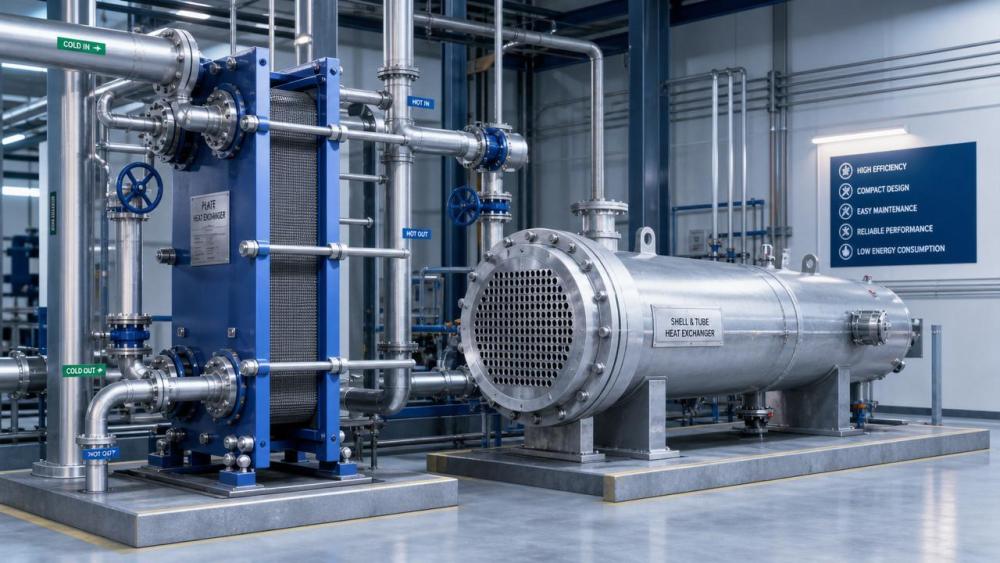
A heat exchanger is rarely selected by price alone. Thermal duty, fluid quality, pressure drop, service access, and regulatory constraints often decide whether a compact unit or a rugged unit creates better value.
Without a checklist, buyers may compare nameplate capacity only. That misses hidden factors such as fouling sensitivity, gasket replacement, material compatibility, or downtime during inspection and cleaning.
For industries tracked by GTC-Matrix, heat exchanger technology links directly to energy conversion efficiency. Better selection improves thermal balance, supports decarbonization goals, and reduces avoidable maintenance events.
Core decision points when comparing plate and shell & tube
Use the following points before requesting quotations. Each one strengthens technical alignment and reduces the chance of buying a system that performs well only under ideal conditions.
- Define thermal duty clearly, including inlet temperatures, outlet targets, seasonal variation, and future load growth, because heat exchanger technology must match real operating ranges, not single-point design assumptions.
- Check fluid cleanliness and fouling tendency early, since plate units often deliver high efficiency with clean media, while shell & tube designs usually tolerate dirtier process streams better.
- Review allowable pressure and temperature limits, because gasketed plate exchangers can face material constraints, while shell & tube models often suit higher-pressure and harsher-duty environments.
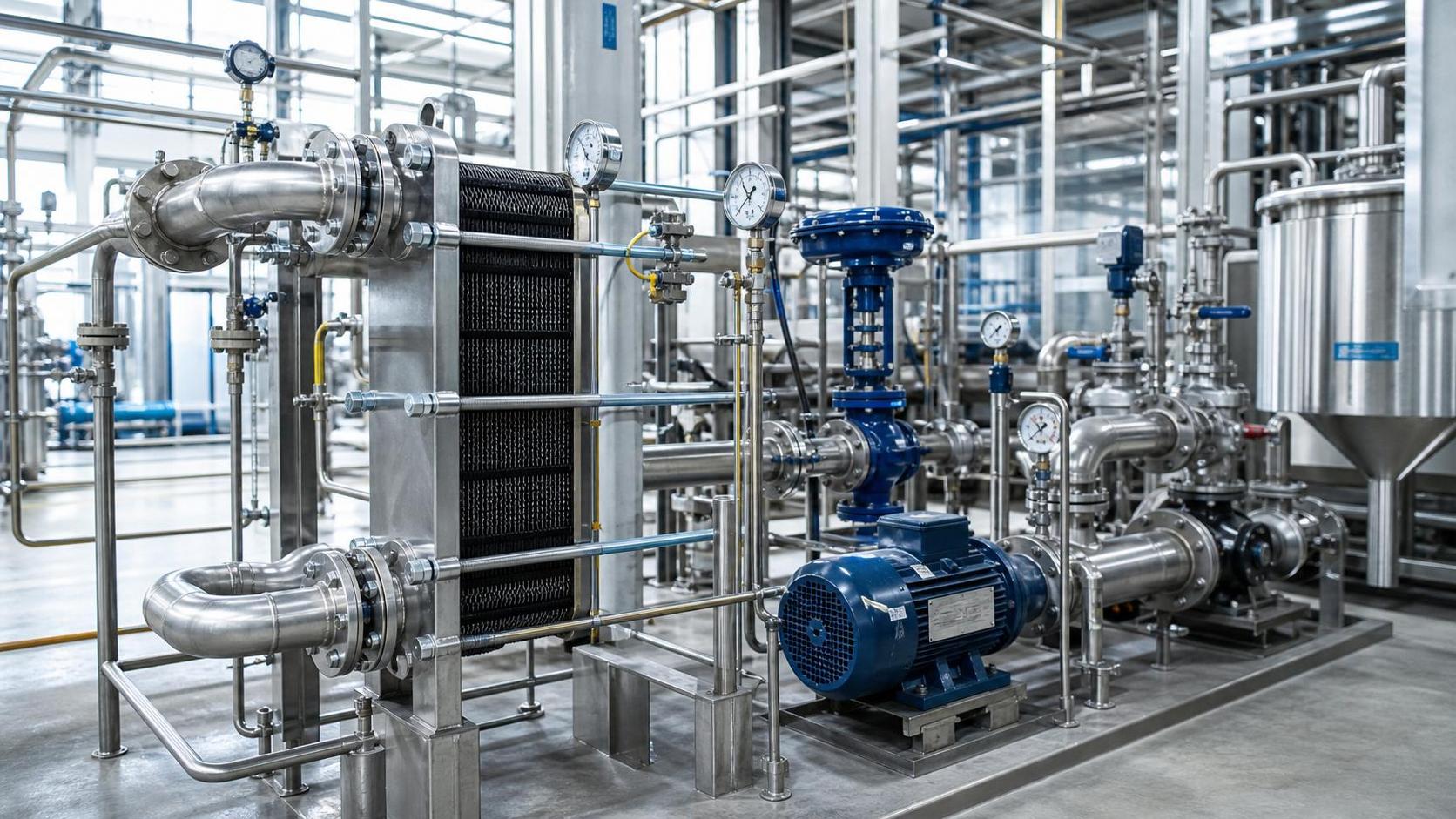
- Measure footprint and installation access, as compact plate designs save space in crowded plants, whereas shell & tube units may need more clearance for bundle removal and service operations.
- Evaluate pressure drop tolerance on both sides, because high-efficiency heat exchanger technology can improve heat transfer yet still create pumping penalties if hydraulic resistance is underestimated.
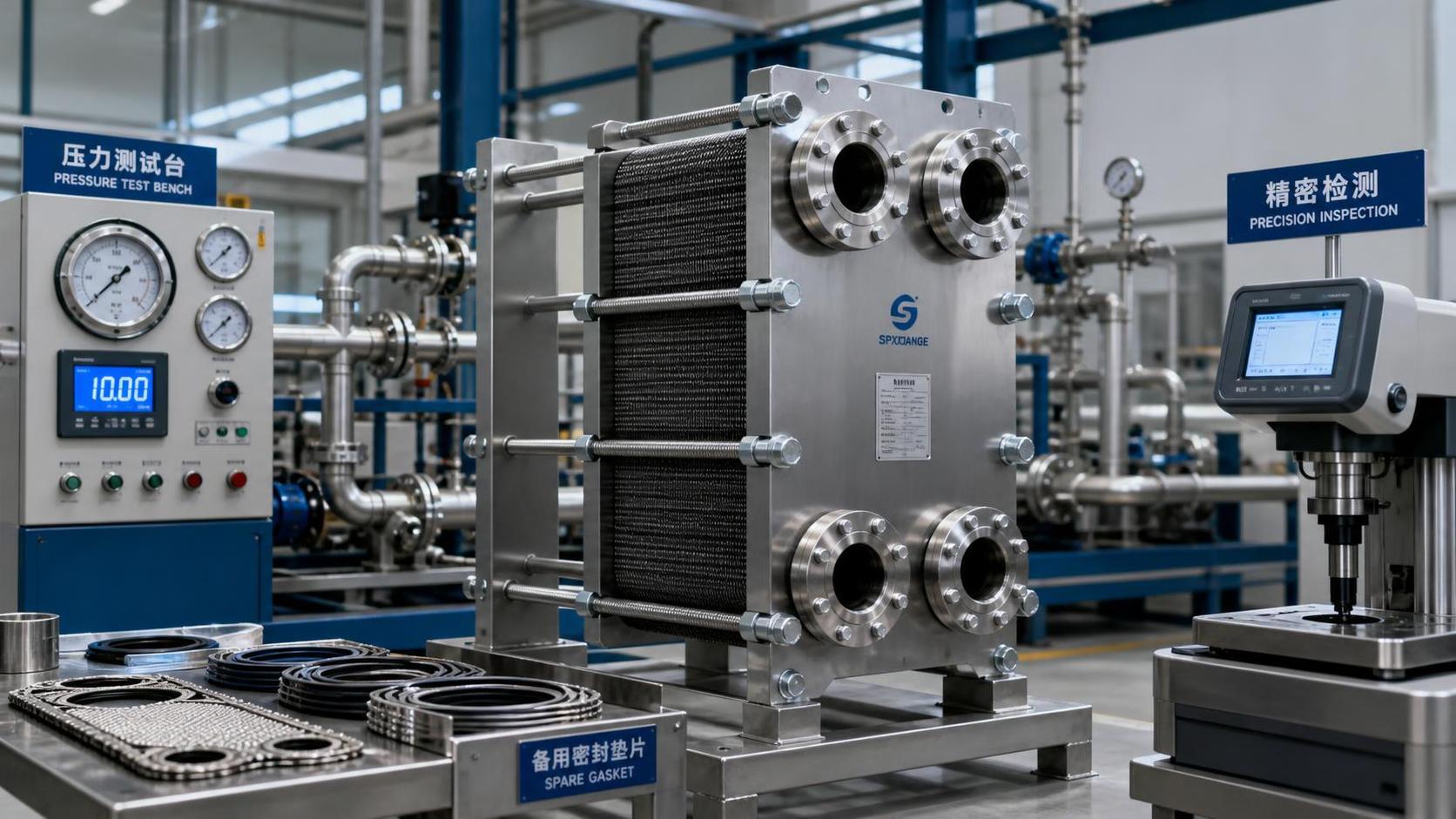
- Confirm maintenance strategy and spare-part availability, including cleaning method, gasket replacement intervals, tube plugging practices, and service labor capability within the operating site.
- Match metallurgy to corrosion risks, especially when handling chlorides, aggressive chemicals, or mixed water quality, since material errors can erase any initial savings through rapid asset degradation.
- Compare total lifecycle cost instead of purchase price, adding energy consumption, downtime exposure, cleaning frequency, consumables, and expected service life to the evaluation model.
- Ask about expandability and retrofit options, because some plate exchangers allow capacity changes by adding plates, while shell & tube upgrades may require more extensive redesign.
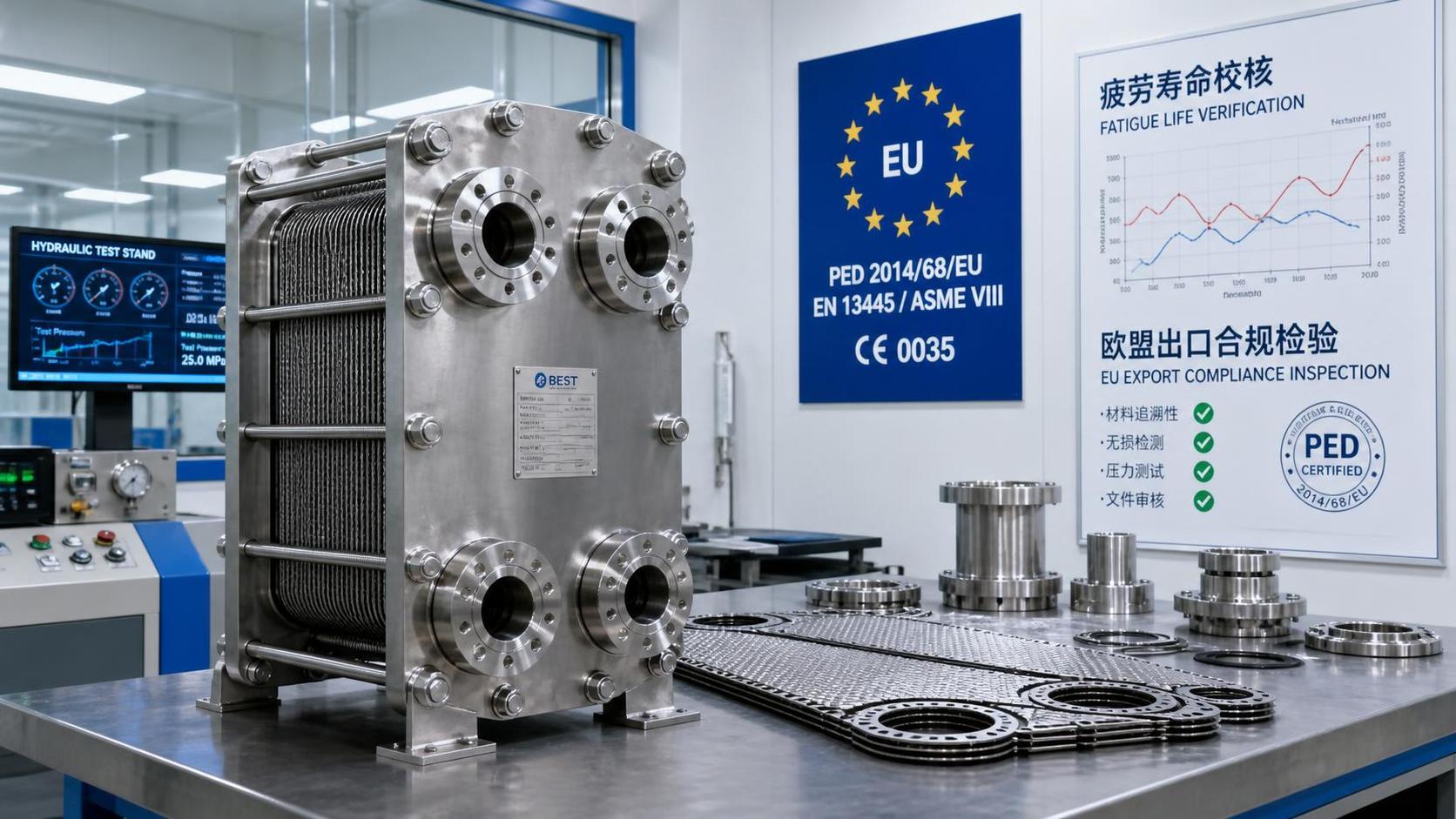
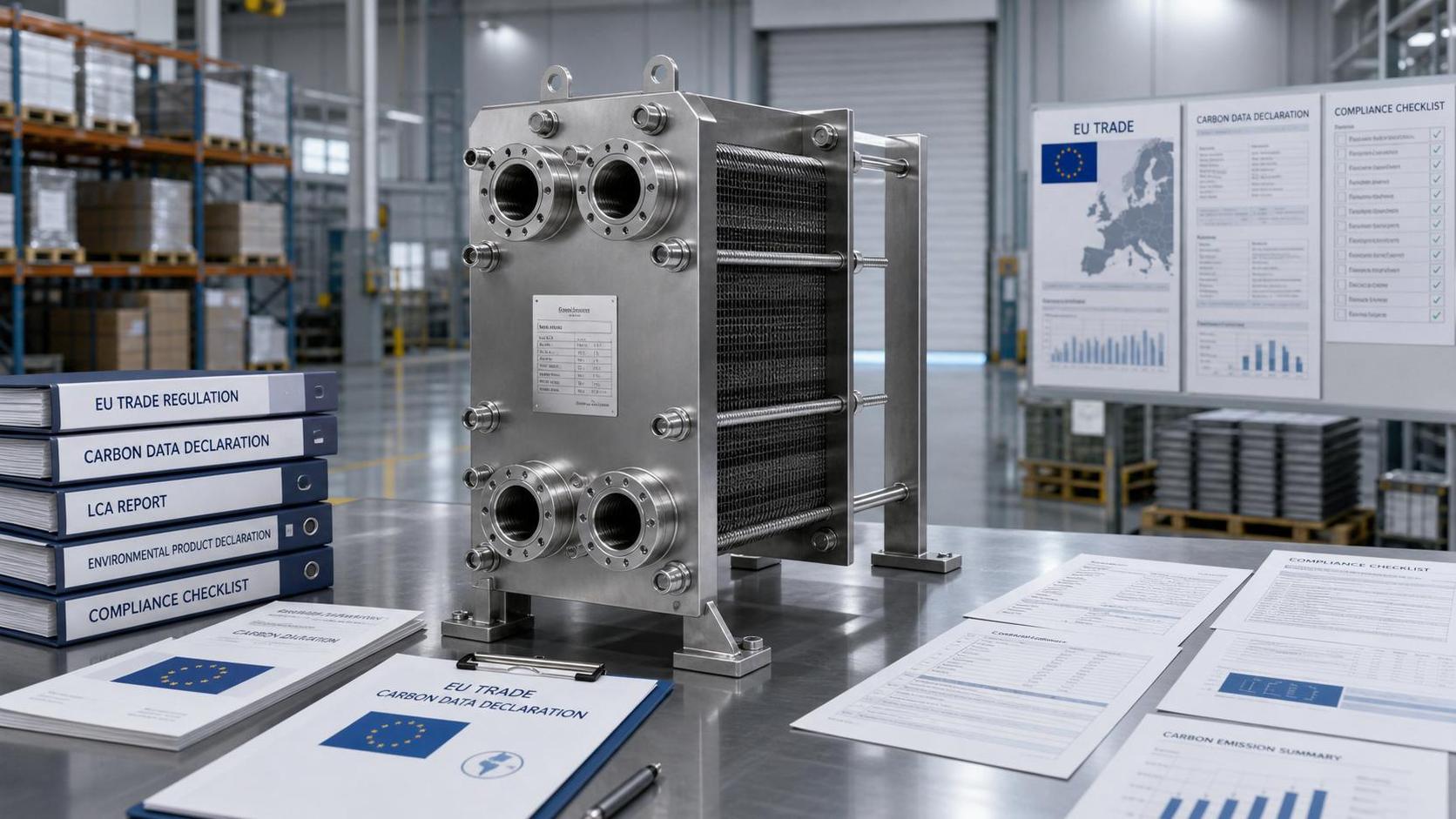
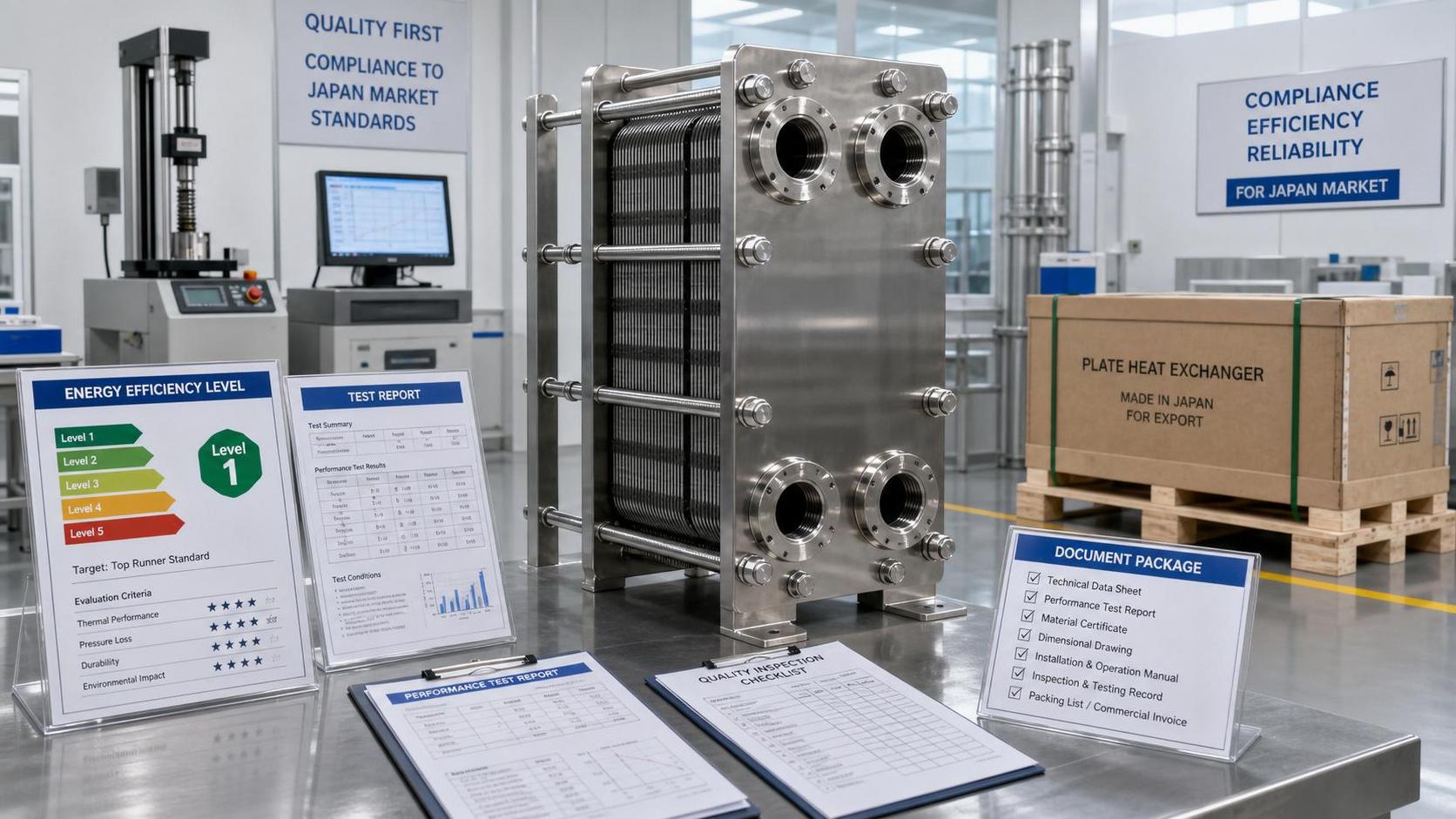
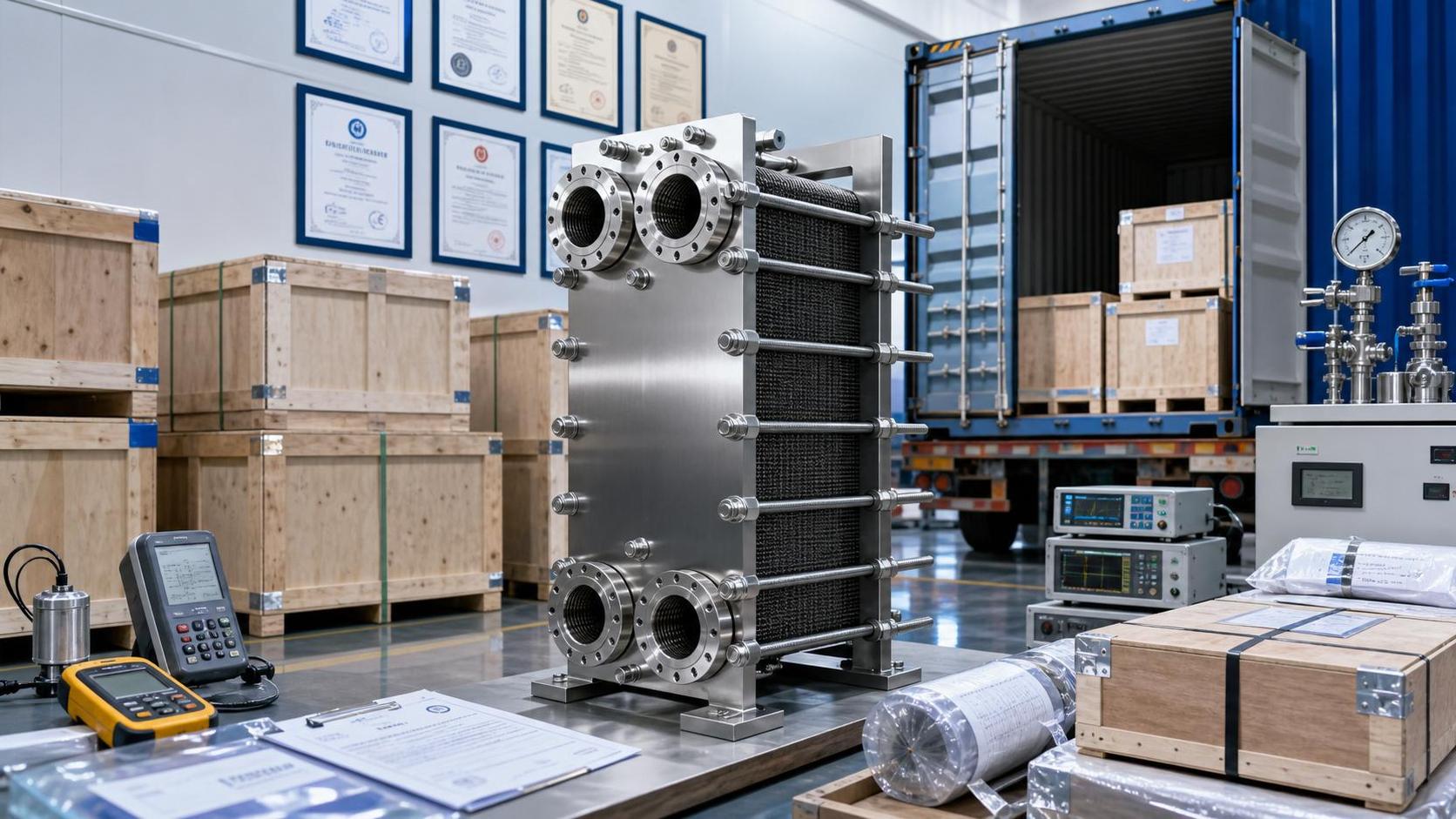
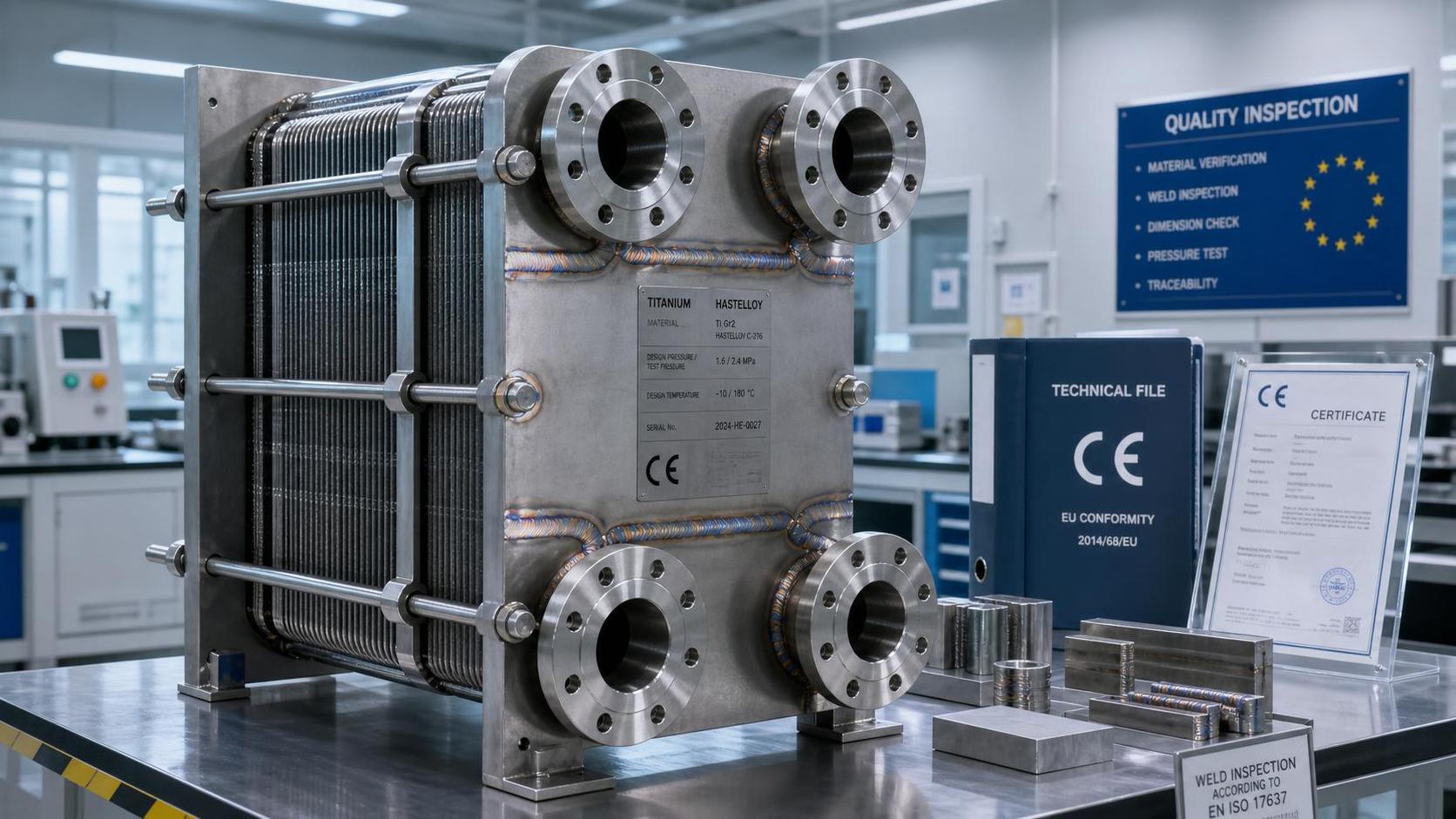
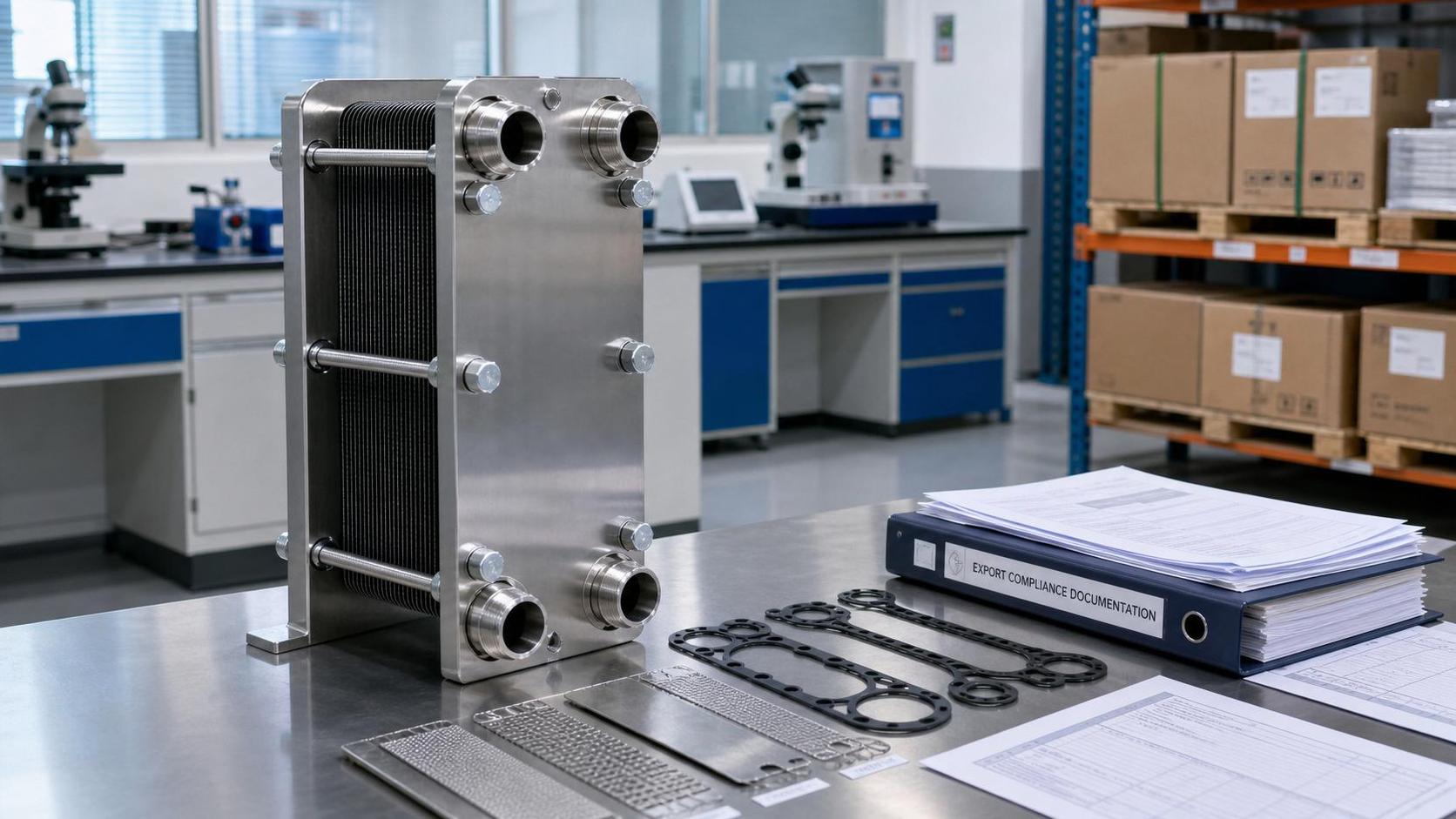
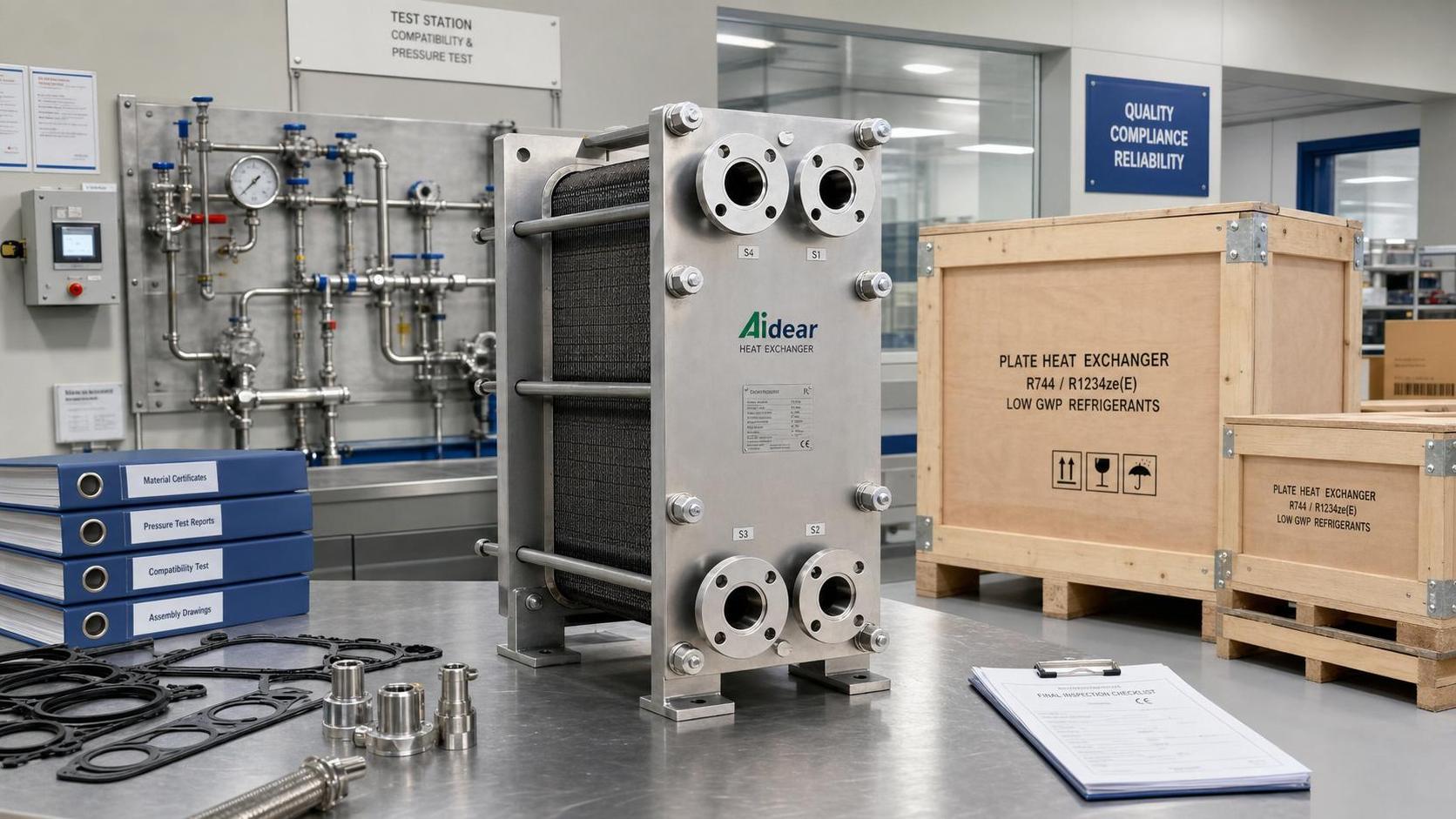
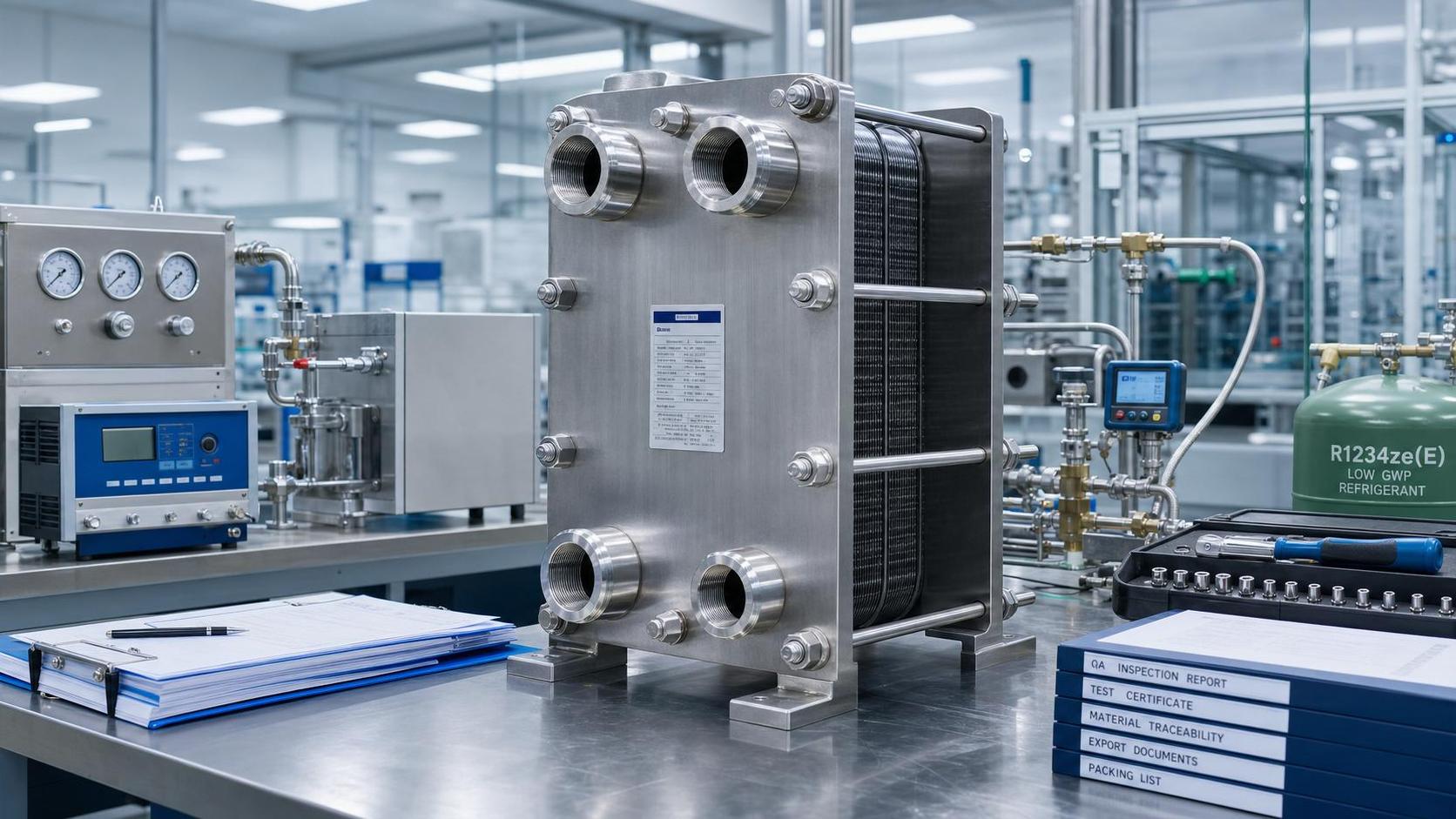
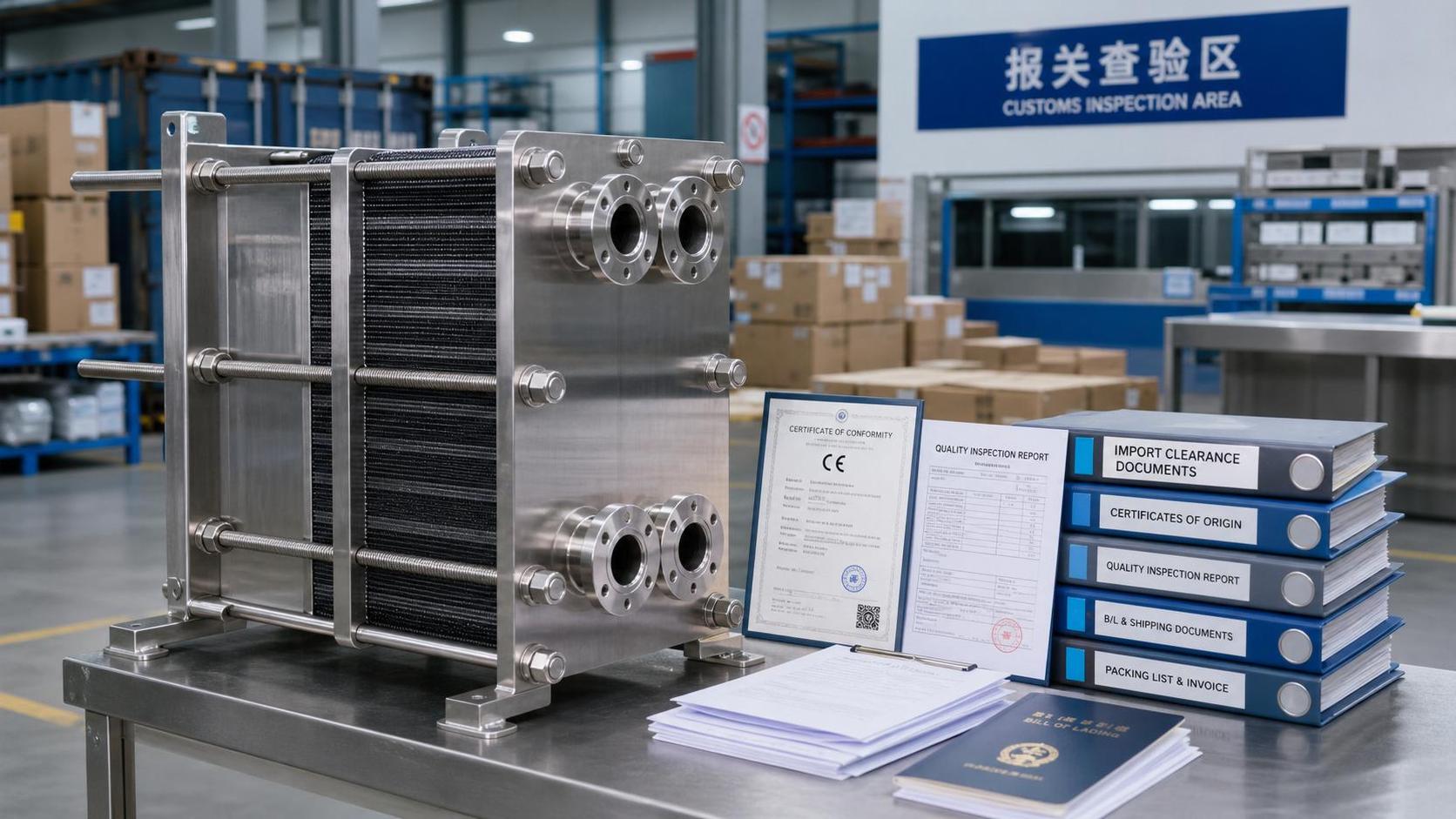
- Verify standards, test certificates, and performance guarantees, ensuring the selected heat exchanger technology aligns with site safety rules, industry codes, and procurement documentation requirements.
When plate heat exchangers are often the better fit
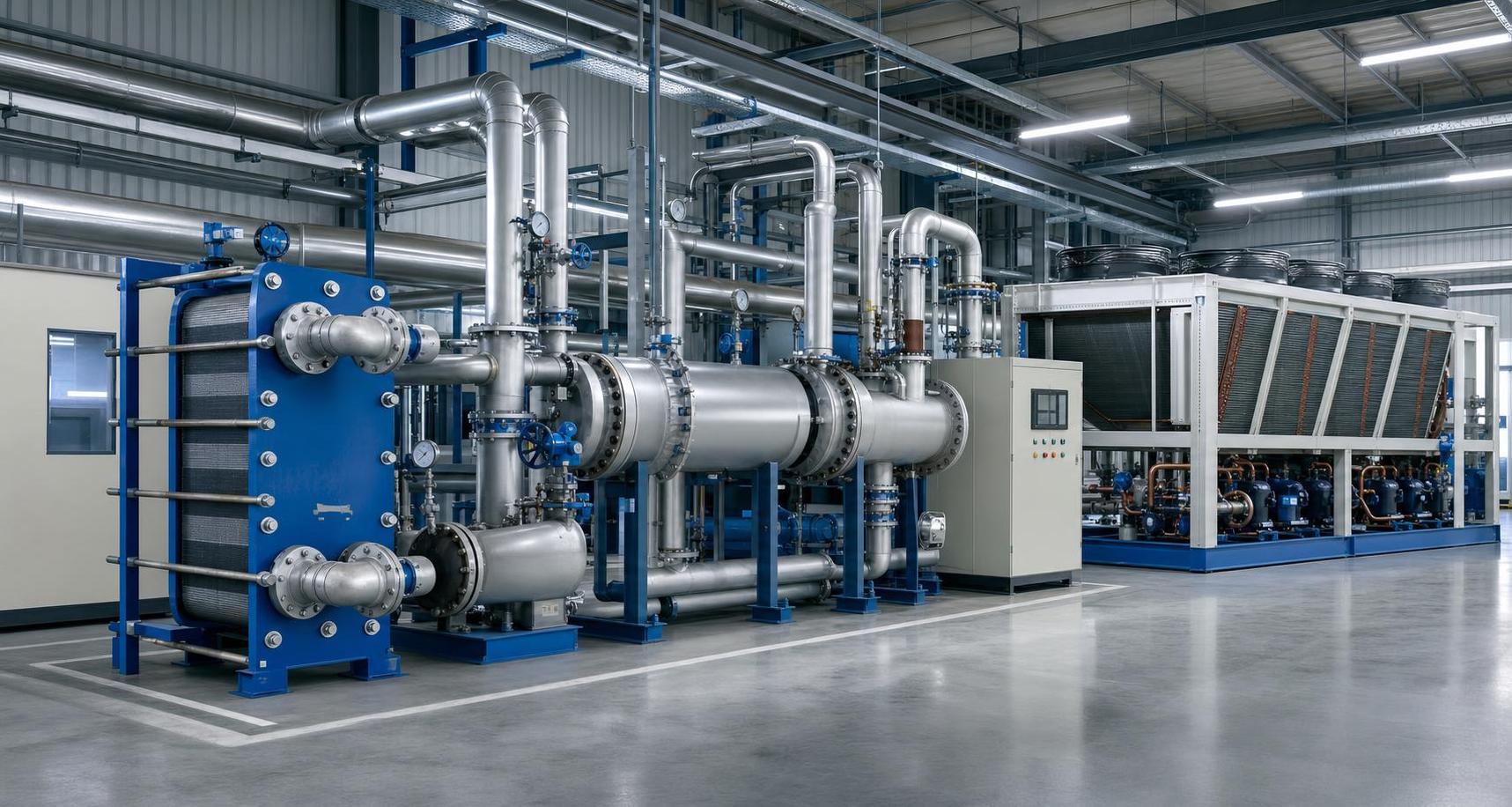
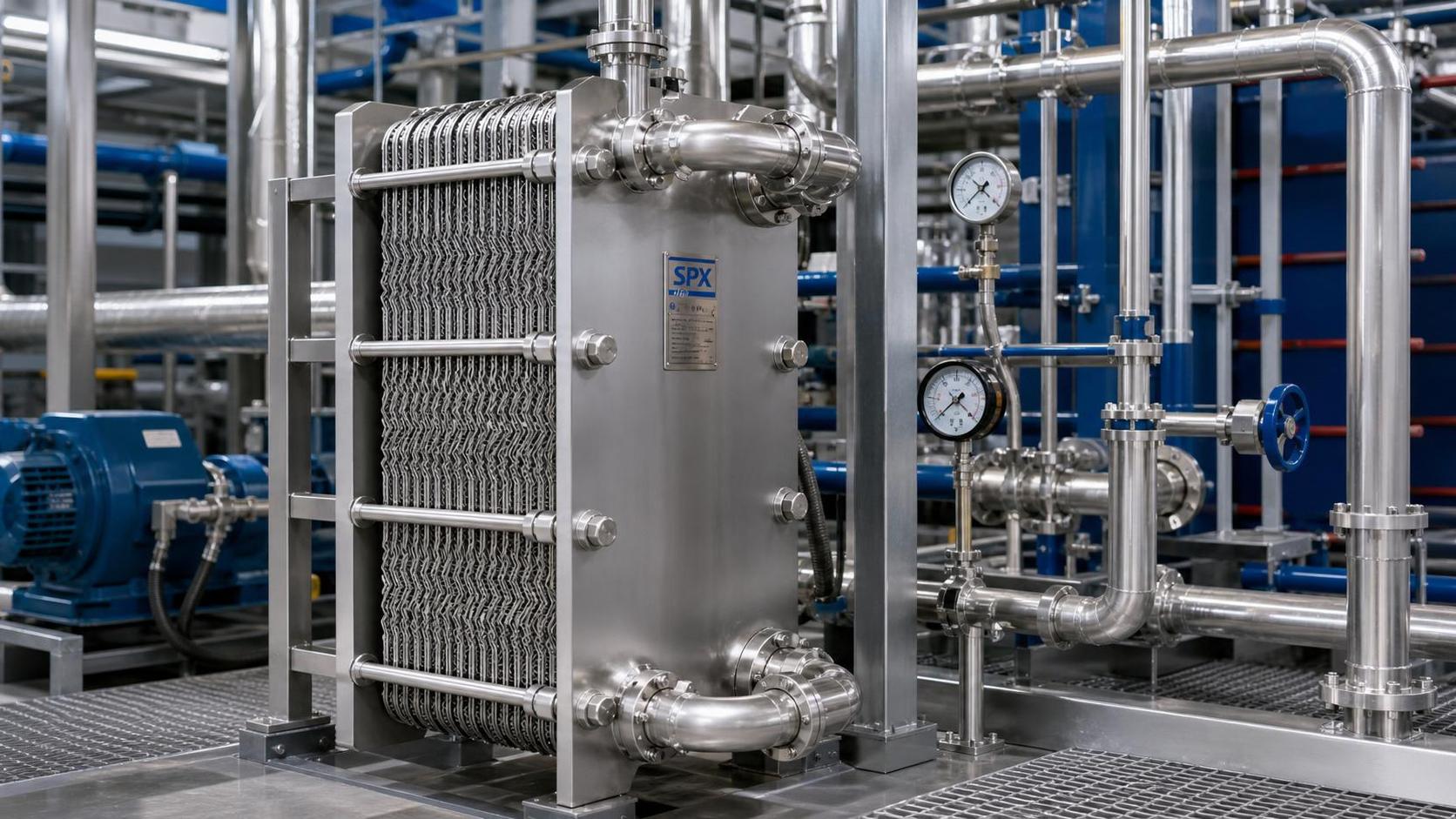
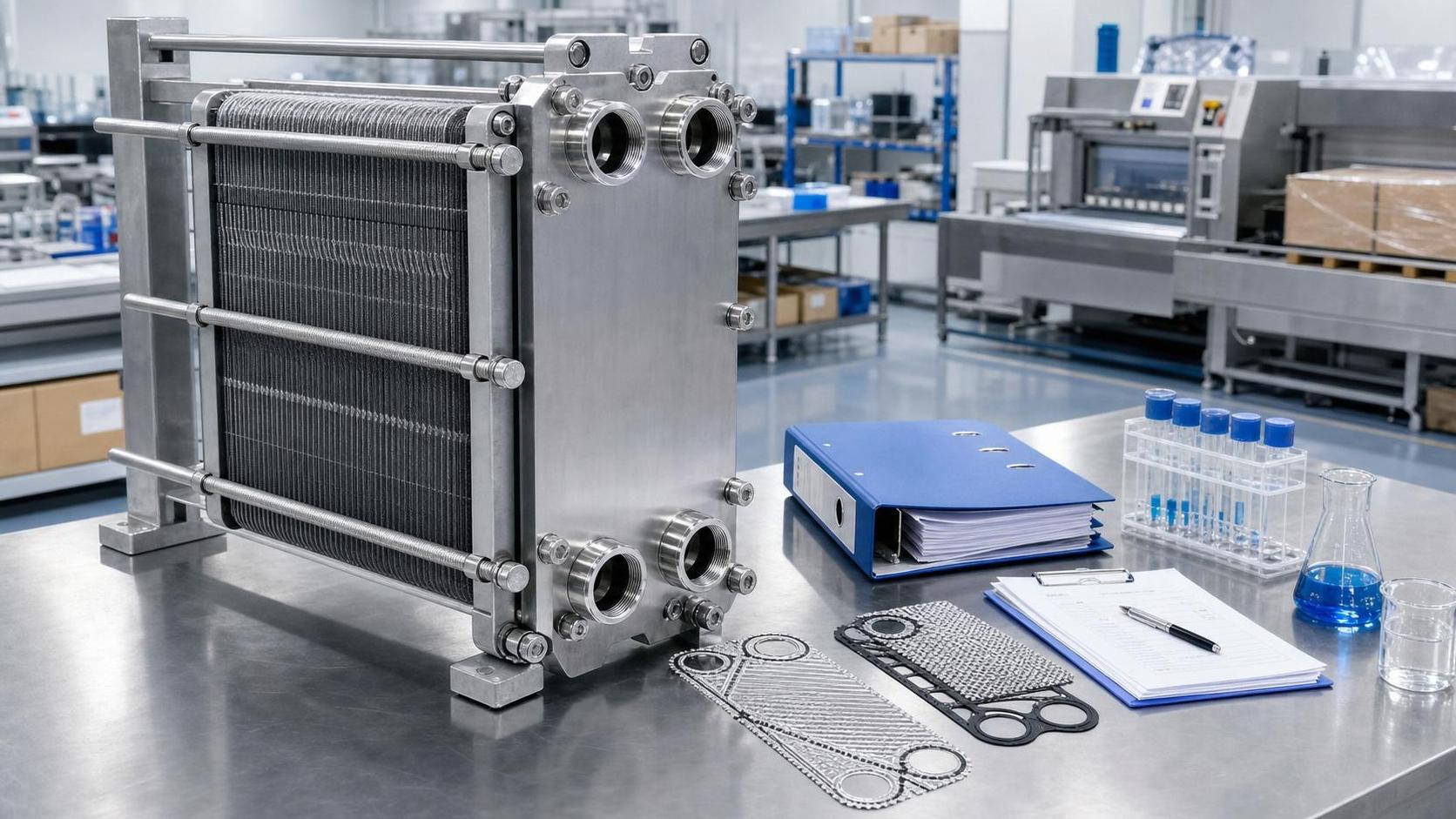
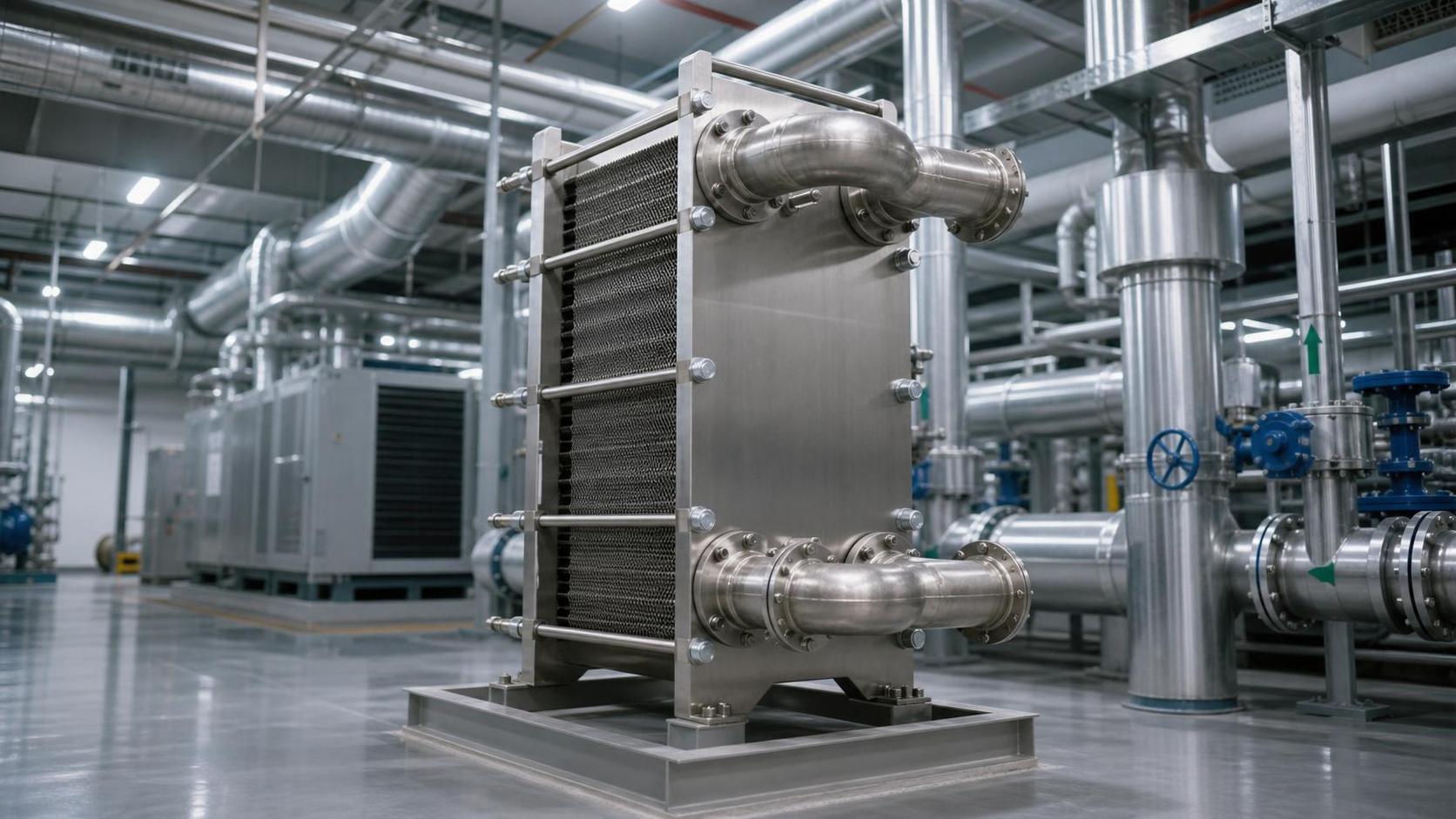
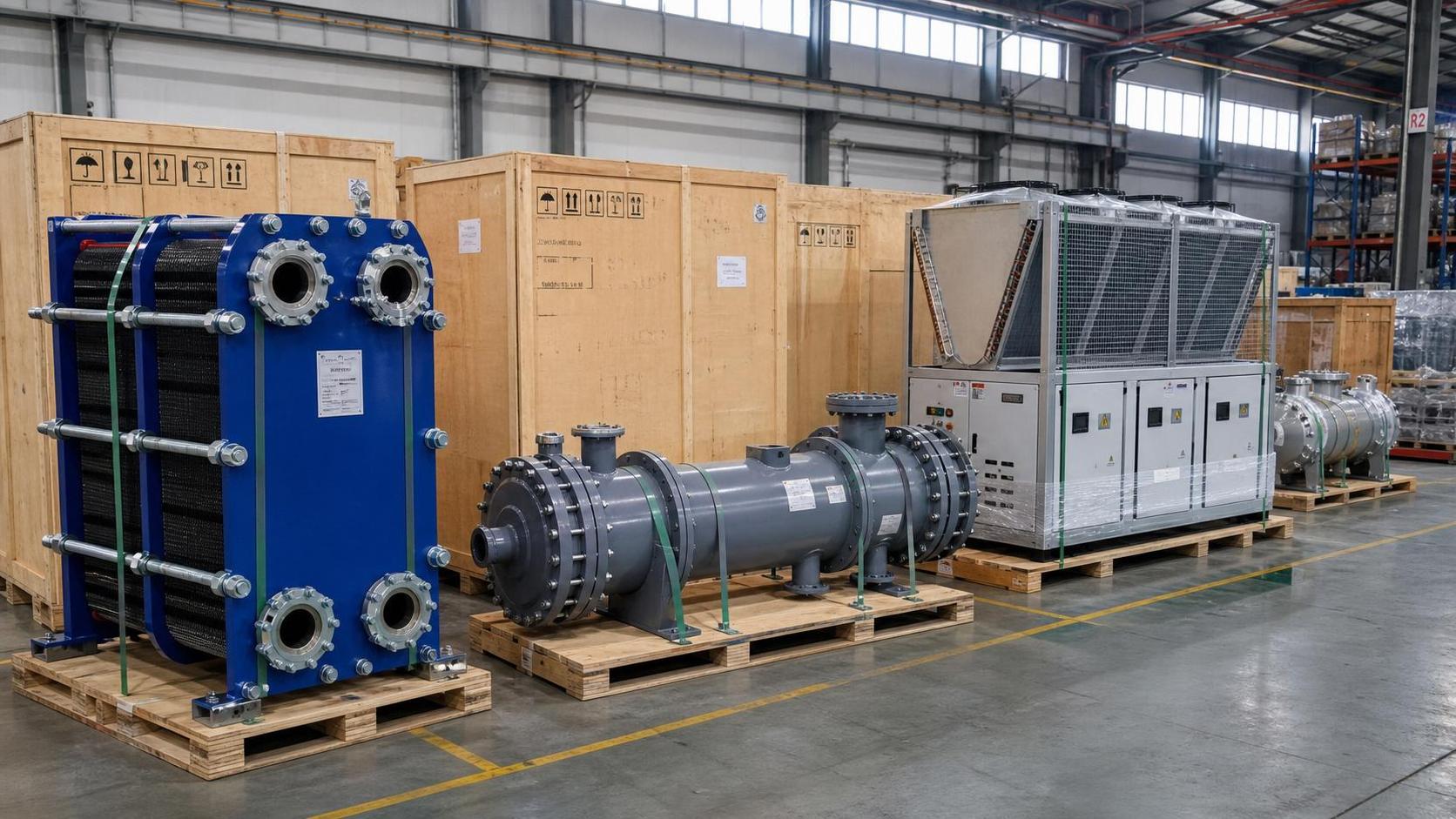
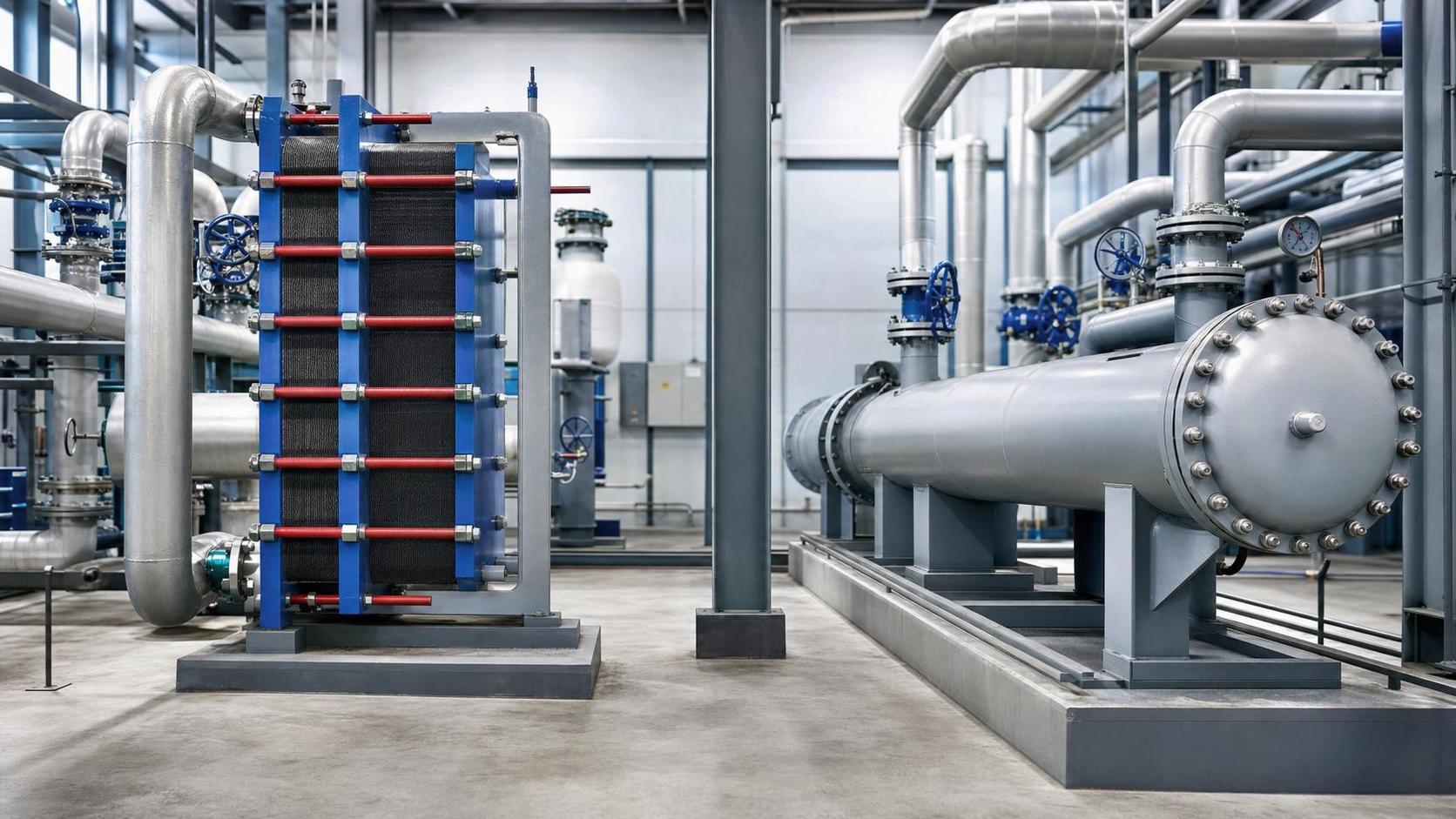
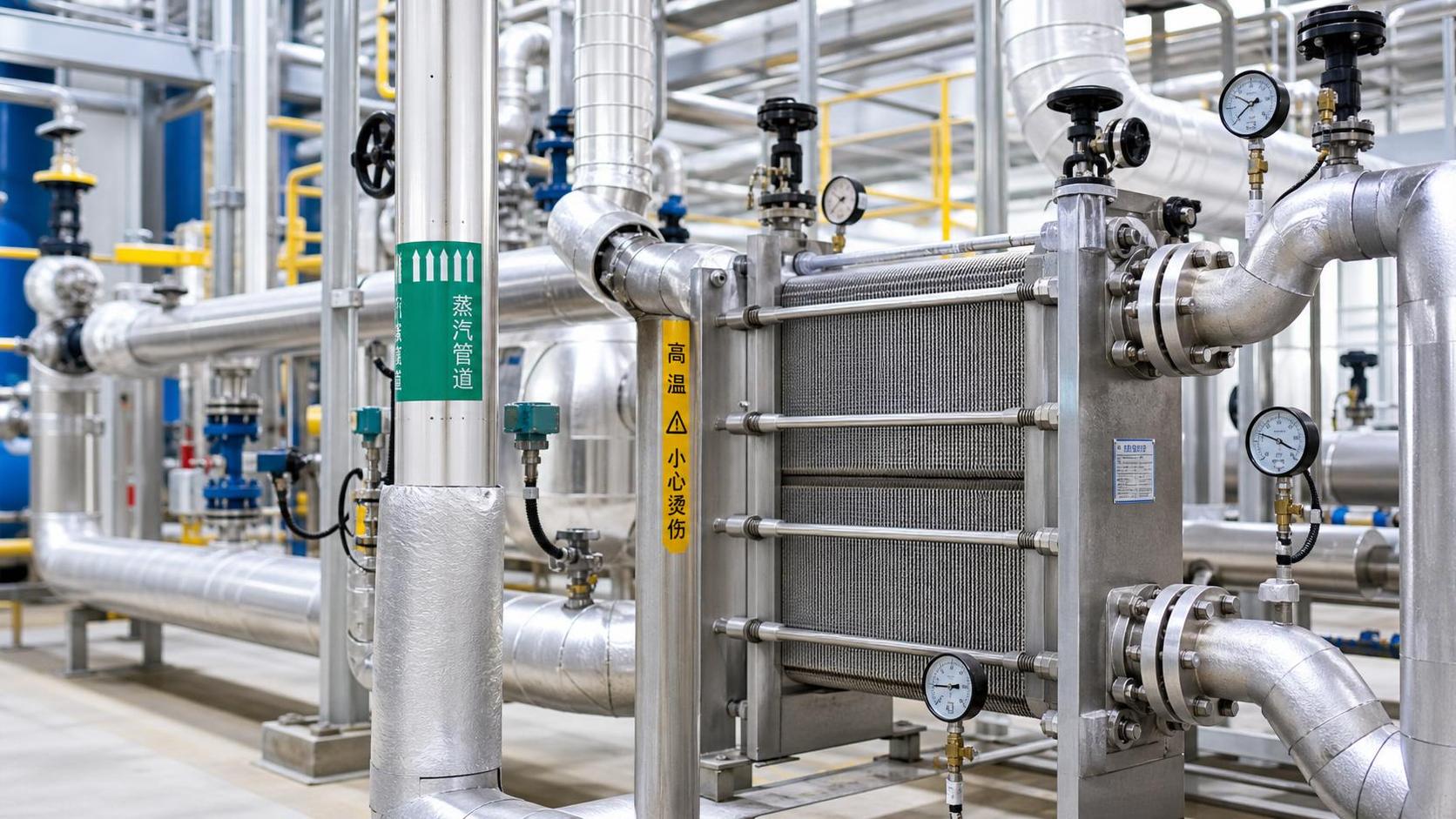
Plate units are known for compact size and high thermal efficiency. Their corrugated plates create turbulence, which improves heat transfer even with relatively small temperature differences.
This heat exchanger technology often works well for HVAC loops, clean water circuits, food processes, district energy interfaces, and temperature-sensitive applications needing tight thermal control.
They also support modular capacity adjustment in many cases. That helps when facility loads change, or when phased expansion is more realistic than a single oversized investment.
When shell & tube heat exchangers are often the safer choice
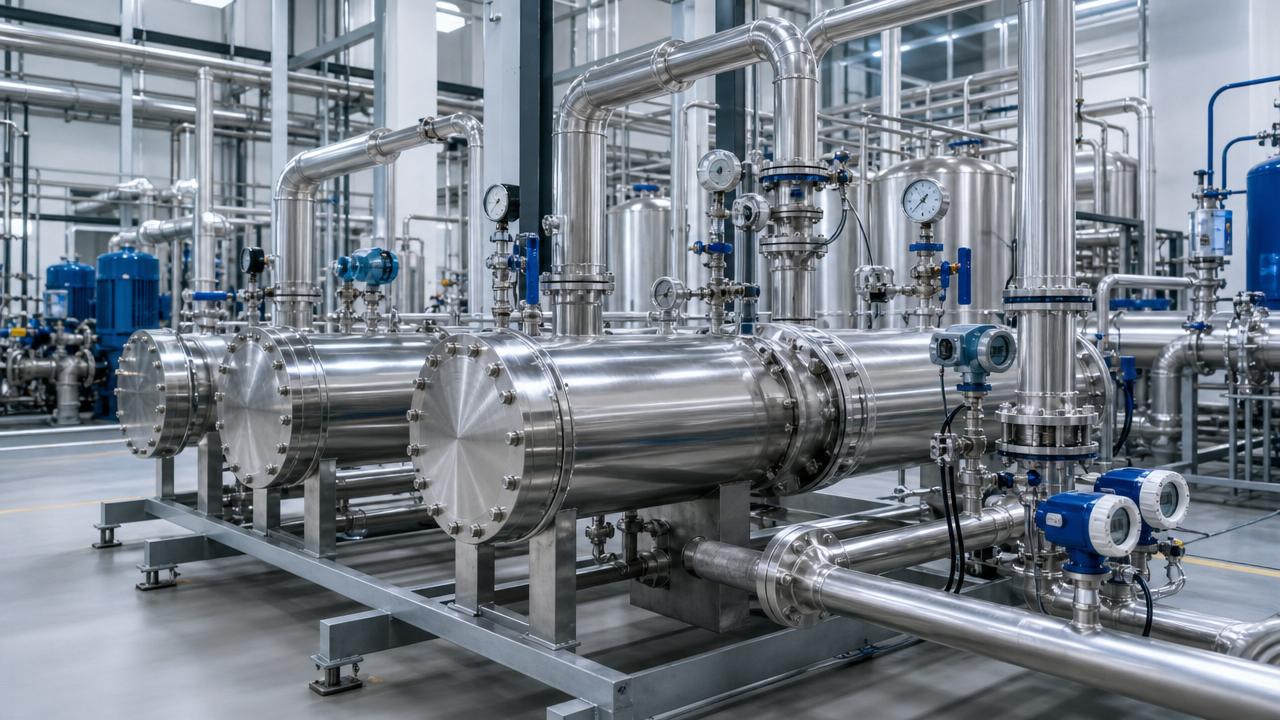
Shell & tube units remain a proven solution for severe operating conditions. They commonly handle higher pressures, higher temperatures, contaminated fluids, and more demanding industrial process duties.
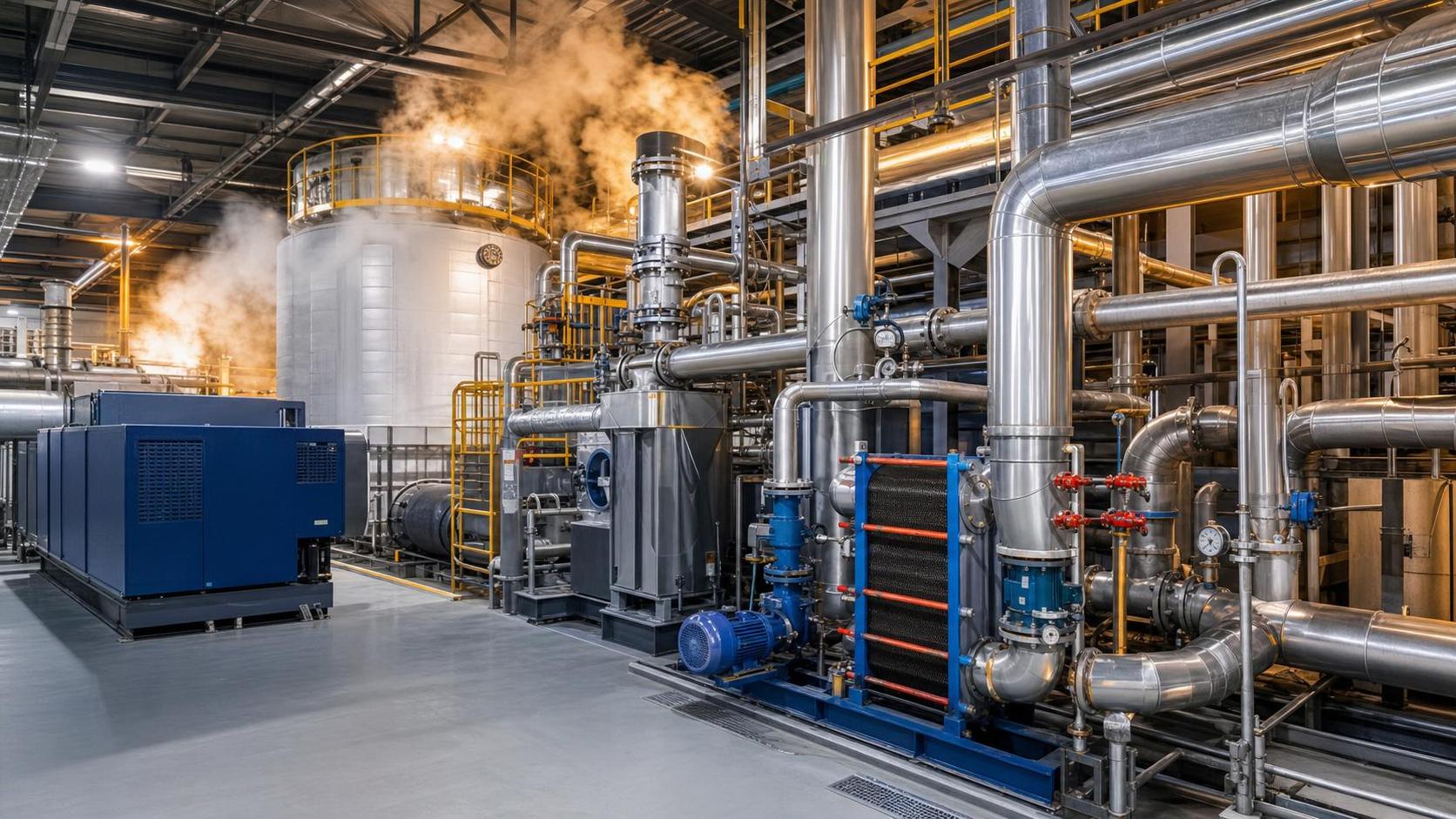
This heat exchanger technology is frequently preferred in petrochemical plants, heavy manufacturing, power generation, marine systems, and process lines where fluid quality is less predictable.
Mechanical robustness is a major advantage. Tube bundles can be cleaned or repaired, and some failures can be managed through tube plugging rather than full unit replacement.
Application-specific factors that change the answer
Clean utility systems and building services
For chilled water, heating water, and secondary loops, plate models often outperform on footprint and approach temperature. Their compact design suits mechanical rooms with strict space constraints.
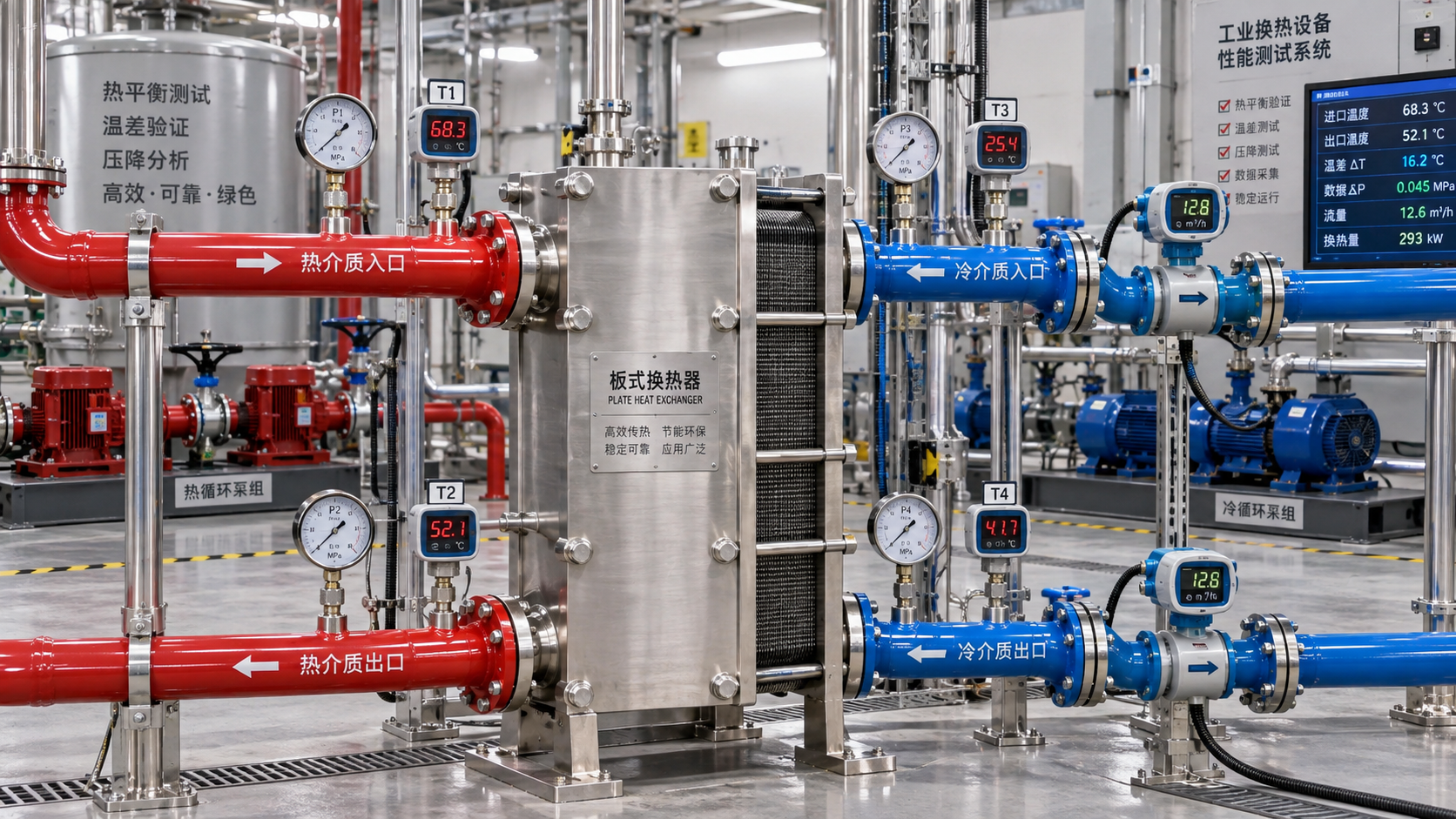
Key checks include water chemistry, gasket compatibility, and maintenance access. If the media stays clean, plate heat exchanger technology usually offers strong efficiency and easier scaling.
Food, beverage, and hygienic processing
Cleanability and product integrity lead the decision. Plate units are common where fast heat transfer and controlled temperature profiles are essential during pasteurization or product cooling.
However, viscosity, solids content, and cleaning chemicals must be reviewed carefully. For heavy fouling or particle-rich streams, shell & tube designs may offer more stable long-term service.
Chemical, oil, and heavy industrial processes
Harsh media, pressure extremes, and reliability demands often favor shell & tube units. These environments value durability, material flexibility, and tolerance for operational upset conditions.
The critical checks are corrosion resistance, inspection intervals, and cleaning method. In these settings, conservative heat exchanger technology selection often protects uptime better than compactness alone.
Pharma, semiconductor, and precision cooling
These sectors often demand exact temperature stability, low contamination risk, and predictable thermal response. Plate systems can be highly attractive when media quality and operating limits are tightly controlled.
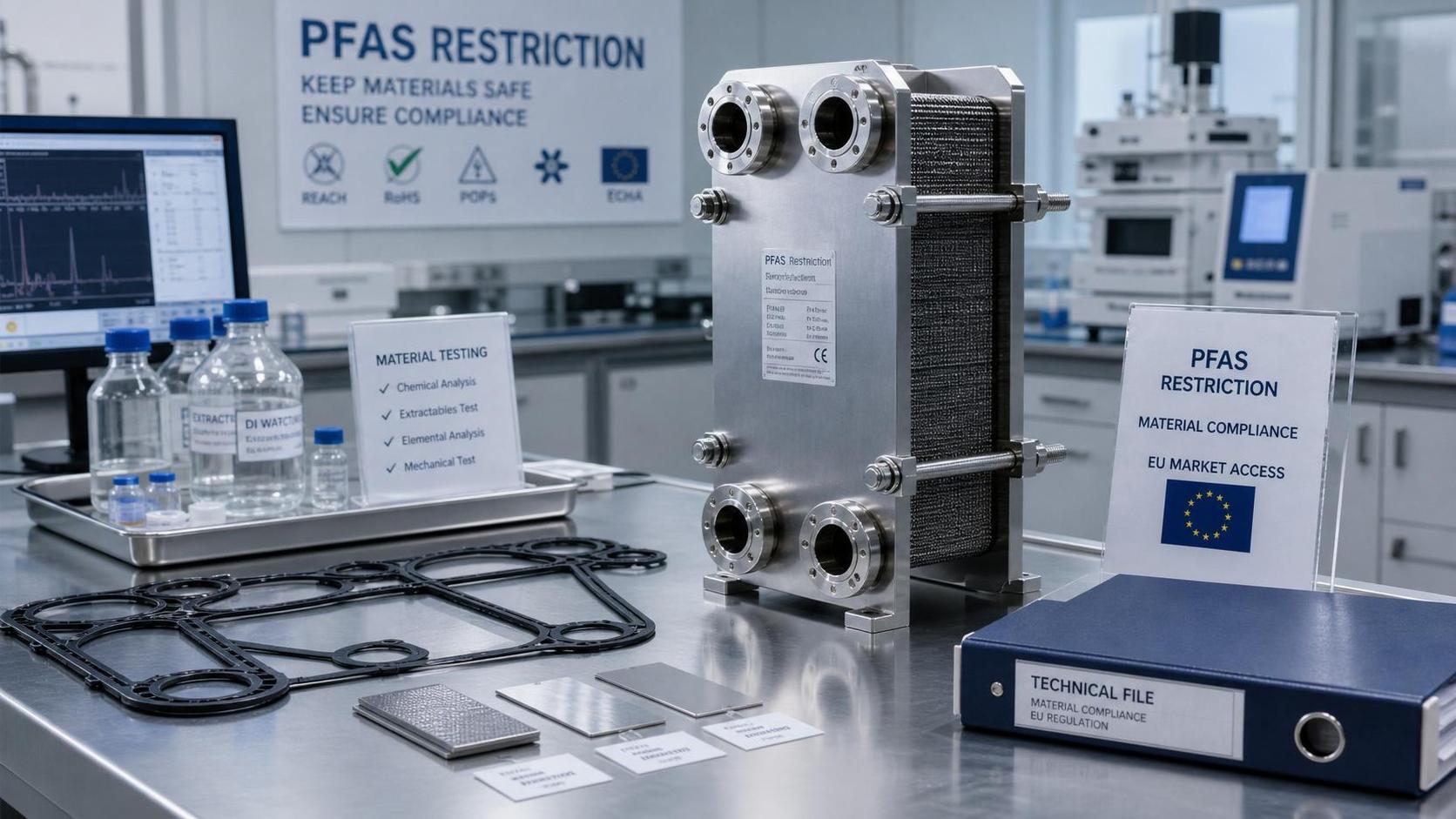
Still, documentation, traceability, and material compliance matter as much as thermal efficiency. Heat exchanger technology must support process validation, not just heat duty calculations.
Commonly overlooked risks before final selection
Fouling assumptions are too optimistic
Lab-clean conditions rarely match field reality. Suspended solids, scale, oil carryover, or biofilm can reduce performance quickly, especially in compact channels with high turbulence.
Pressure drop is treated as a secondary issue
Excellent thermal performance can still increase pump energy or disturb upstream process balance. Hydraulic penalties should be included in any serious heat exchanger technology comparison.
Maintenance access is ignored during layout review
A unit may fit on paper but fail in service if technicians cannot remove covers, extract bundles, or open frames safely. Service clearance is part of true installed cost.
Material selection focuses only on the main fluid
Corrosion often starts from cleaning agents, standby water chemistry, or mixed operating states. Plate material, gasket compound, tube metallurgy, and shell compatibility all need equal attention.
Expansion plans are not reflected in the specification
If future loads rise, the cheapest initial design may become the most expensive path. Heat exchanger technology should support the plant roadmap, not only current minimum demand.
Practical steps for a stronger buying decision
- Build a data sheet with temperatures, flow rates, fluid properties, fouling expectations, pressure limits, and utility costs.
- Request both thermal and hydraulic calculations, not just nominal capacity values.
- Ask suppliers to explain cleaning procedures, service intervals, and recommended spare parts.
- Model lifecycle cost over several years, including power, maintenance, shutdowns, and replacement risk.
- Compare references from similar operating conditions, not just similar industries.
- Confirm whether the chosen heat exchanger technology supports future expansion or process changes.
For strategic market tracking, GTC-Matrix highlights why this method matters. Energy pricing volatility, low-carbon targets, and process quality demands are pushing thermal equipment decisions toward deeper technical due diligence.
Final decision: plate or shell & tube?
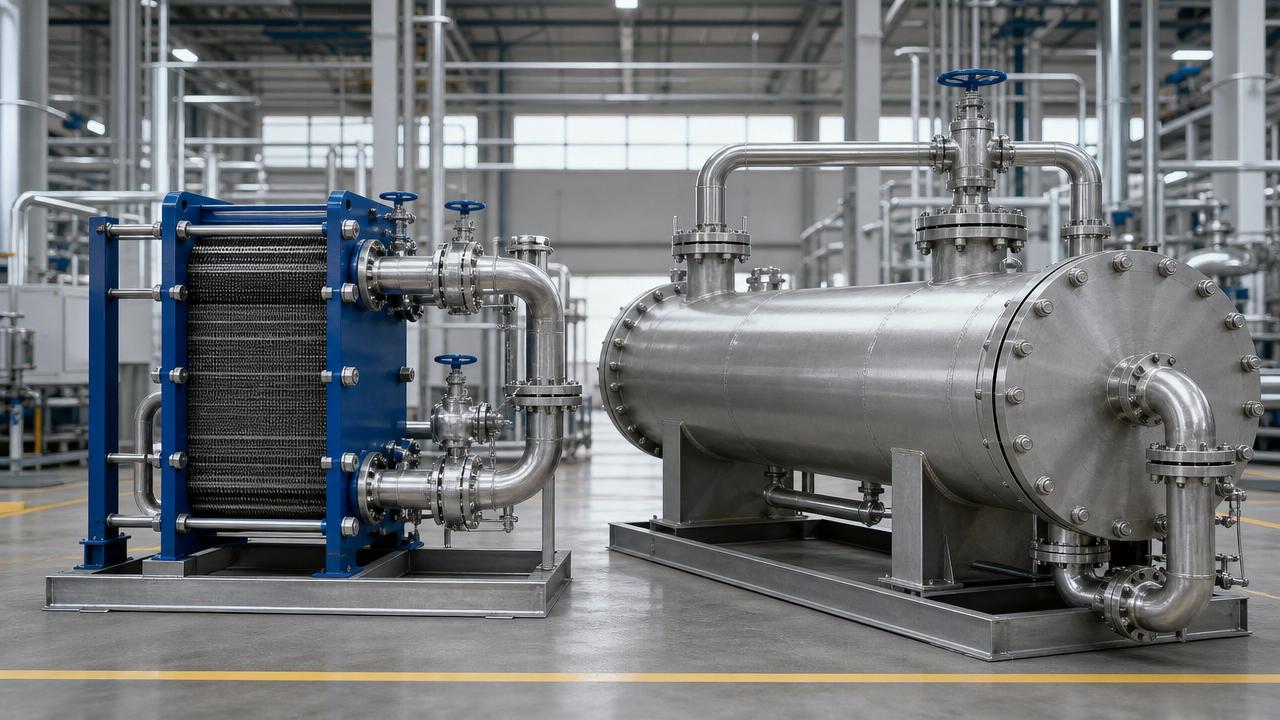
There is no universal winner in heat exchanger technology. Plate units often lead in compactness and efficiency for clean, controlled duties. Shell & tube units often lead in durability and tolerance for harsh service.
The best choice comes from structured comparison, not habit or headline price. Start with duty, fluid condition, pressure limits, service strategy, and lifecycle economics.
Use this framework to shortlist options, tighten specifications, and ask sharper technical questions. Better heat exchanger technology decisions usually begin before the first quotation arrives.
Related News
- When does heat recovery improve data center cooling efficiency?Author :Thermodynamics Analyst

- How Do I Verify Heat Transfer Calculations in a Supplier Quotation?Author :Thermodynamics Analyst

- How to evaluate a plate heat exchangers supplier before orderingAuthor :Thermodynamics Analyst

- EU Tightens Fatigue Checks for Plate Heat ExchangersAuthor :Thermodynamics Analyst

- EU PFAS Rule Adds New Export Filing for Cooling EquipmentAuthor :Thermodynamics Analyst

- EU EN 13445-4:2026 Adds Fatigue Report RequirementAuthor :Thermodynamics Analyst

- EU Updates EN 13445-4 for Plate ExchangersAuthor :Thermodynamics Analyst

- How to Compare Energy-Efficient Heat Exchange SolutionsAuthor :Thermodynamics Analyst

- Brazed Plate Exchanger Design: 7 Factors That Affect Heat TransferAuthor :Thermodynamics Analyst

- EU CBAM Pilot List Adds Plate ExchangersAuthor :Thermodynamics Analyst

- How Heat Exchange Systems Improve Temperature Control StabilityAuthor :Thermodynamics Analyst

- Japan to Require Efficiency Labels for Plate ExchangersAuthor :Thermodynamics Analyst

- EU REACH Adds PFAS Ban for Plate Heat ExchangersAuthor :Thermodynamics Analyst

- India Enforces BIS Rule for Plate Heat ExchangersAuthor :Thermodynamics Analyst

- DIN EN 13445-6:2026 Tightens Plate Exchanger CE RulesAuthor :Thermodynamics Analyst

- EU REACH Restricts PFAS Seals for Plate Heat ExchangersAuthor :Thermodynamics Analyst

- India Mandates BIS Certification for Imported Plate ExchangersAuthor :Thermodynamics Analyst

- Vietnam Requires QR Labels on Imported Plate Heat ExchangersAuthor :Thermodynamics Analyst

- EU EN 13445-4:2026 Tightens NDT Rules for Heat ExchangersAuthor :Thermodynamics Analyst

- EPA Clears R-1234ze(E) for Plate Exchanger SystemsAuthor :Thermodynamics Analyst
 for Plate Exchanger Systems")
- Heat Exchange Equipment Selection: Key Performance Checks Before You Compare ModelsAuthor :Thermodynamics Analyst

- ASHRAE 90.1-2026 Raises Plate Exchanger Efficiency ThresholdAuthor :Thermodynamics Analyst

- Heat Exchange Systems: How to Choose the Right SetupAuthor :Thermodynamics Analyst

- EPA SNAP 89 Takes Effect for Plate ExchangersAuthor :Thermodynamics Analyst

- How to Compare Heat Exchange Solutions for Lower Energy UseAuthor :Thermodynamics Analyst

- EPA SNAP 89 Expands Filing Rules for Plate Heat ExchangersAuthor :Thermodynamics Analyst

- EPA SNAP update adds filing rule for plate heat exchangersAuthor :Thermodynamics Analyst

- Industrial Heat Recovery: Where the Payback Is Fastest in 2026Author :Thermodynamics Analyst

- California EPR Deadline Nears for Cooling Equipment MakersAuthor :Thermodynamics Analyst

- Heat Exchanger Technology: Plate vs Shell and Tube for EfficiencyAuthor :Thermodynamics Analyst

- Industrial Heat Recovery Options for High-Temperature ProcessesAuthor :Thermodynamics Analyst

- Heat Transfer Problems in Process Lines: Causes and Practical FixesAuthor :Thermodynamics Analyst

- India Tightens Plate Exchanger Import Clearance RulesAuthor :Thermodynamics Analyst

- SABIC Methanol Force Majeure Extended to Q4 2026Author :Thermodynamics Analyst

- How to Improve Heat Exchanger Efficiency Without Major RetrofitAuthor :Thermodynamics Analyst

- Plate Heat Exchange vs Shell & Tube: Which Fits Your Process Better?Author :Thermodynamics Analyst