Heat Exchanger Technology: Plate vs Shell & Tube for Fouling Risk




In heat exchanger technology, selecting between plate and shell & tube designs is critical when fouling risk affects efficiency, maintenance, and lifecycle cost. For technical evaluators, the right choice depends on fluid characteristics, cleaning requirements, thermal performance, and operating stability. This article examines how each design responds to fouling challenges, helping decision-makers identify the most reliable solution for demanding industrial applications.
For buyers, plant engineers, and technical assessment teams, fouling is rarely a minor maintenance issue. A thin deposit layer of only 0.5–1.0 mm can reduce heat transfer, raise pumping energy, and shorten cleaning intervals from 12 months to 3–6 months in difficult services.
That is why the comparison between plate heat exchangers and shell & tube heat exchangers should not be based on footprint or initial cost alone. In practical industrial duty, the wrong configuration can increase downtime, chemical cleaning demand, spare parts consumption, and total lifecycle exposure.
Within sectors such as food processing, pharmaceuticals, HVAC utilities, chemicals, semiconductors, and general manufacturing, fouling behavior varies with solids content, viscosity, scaling tendency, thermal sensitivity, and cleaning access. A sound evaluation method must connect thermal performance with maintenance reality.
Why Fouling Changes the Heat Exchanger Decision
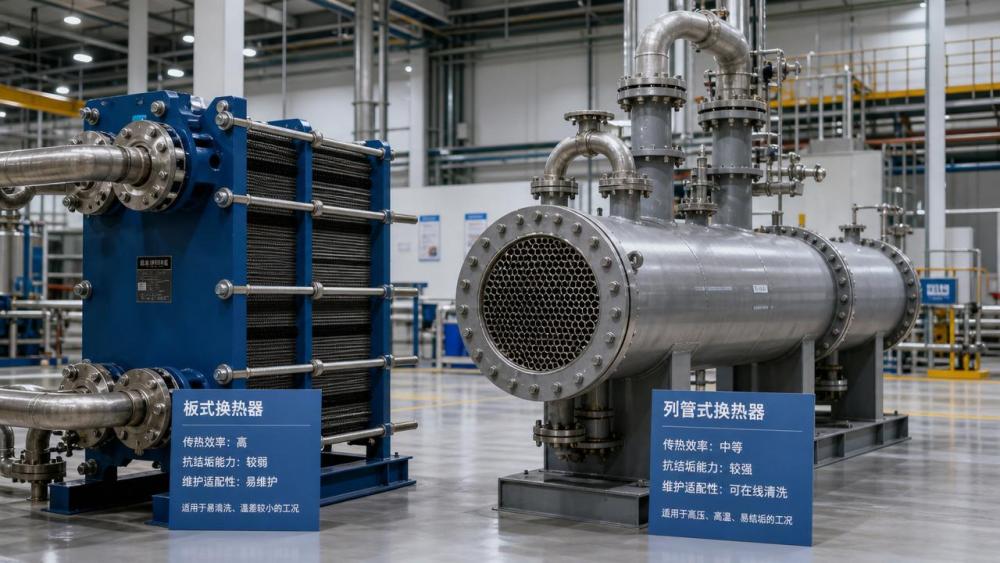
In heat exchanger technology, fouling refers to the accumulation of unwanted material on heat transfer surfaces. Typical deposits include scale, biofilm, corrosion products, polymer residues, fibers, sludge, and crystallized salts. The severity depends on temperature approach, velocity, surface geometry, and operating duration.
Technical evaluators usually review 4 core impacts: thermal resistance, pressure drop, cleanability, and production interruption. If one side experiences rapid deposition, the exchanger may still meet design duty on day 1 but fail operating targets after 30–90 days.
Main mechanisms behind industrial fouling
Different processes foul in different ways, and that directly affects equipment choice. Cooling water often creates mineral scaling and biofouling. Viscous process fluids may form boundary-layer deposits. Protein, sugar, or starch services can generate sticky films that require frequent CIP or manual cleaning.
- Scaling: common in hard water, brine, and evaporation-related duties
- Particulate fouling: typical where solids exceed roughly 100–300 ppm
- Biological fouling: frequent in open-loop water systems at 20–40°C
- Chemical reaction fouling: seen in polymerizing or thermally unstable streams
Why geometry matters
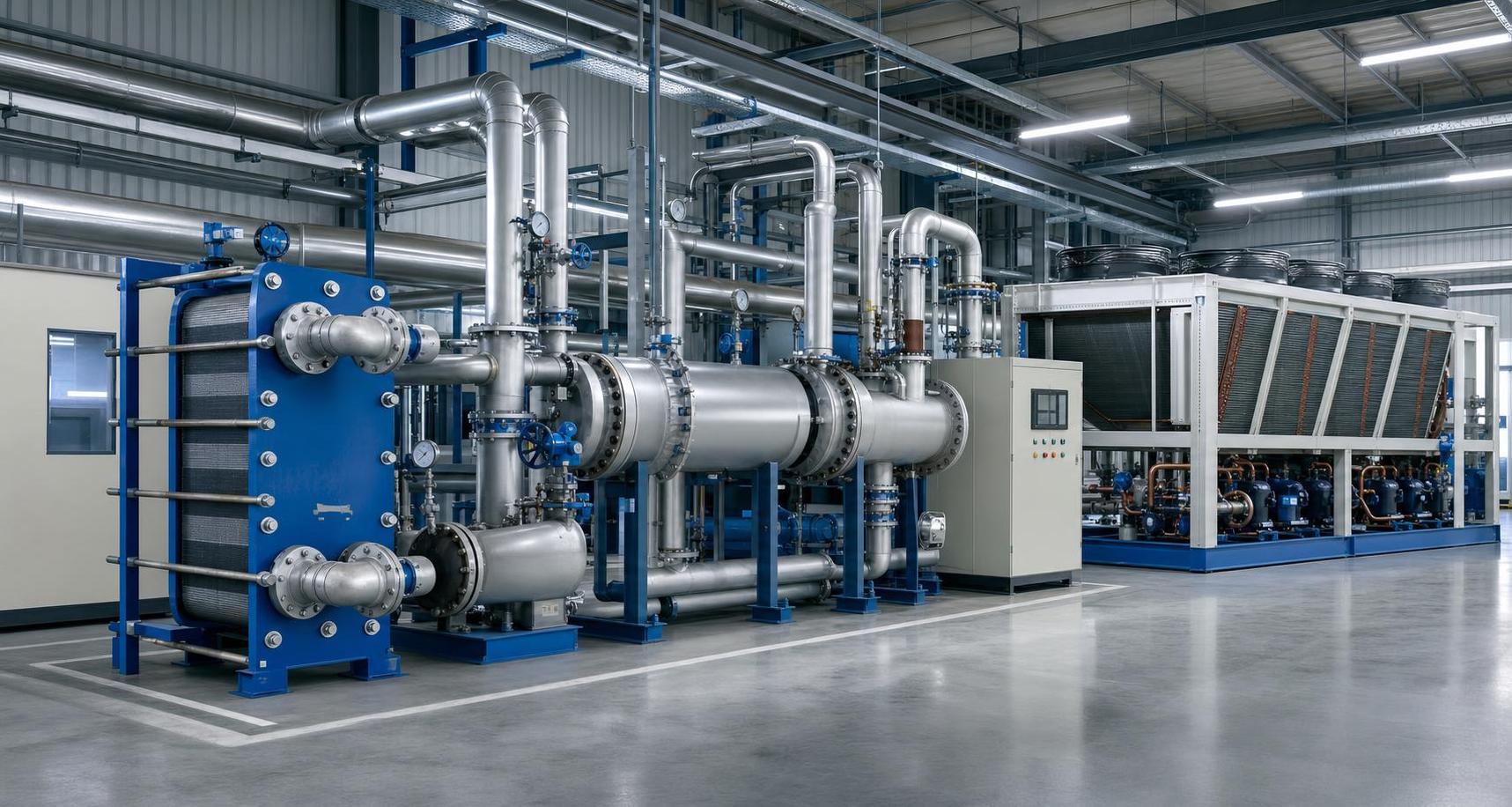
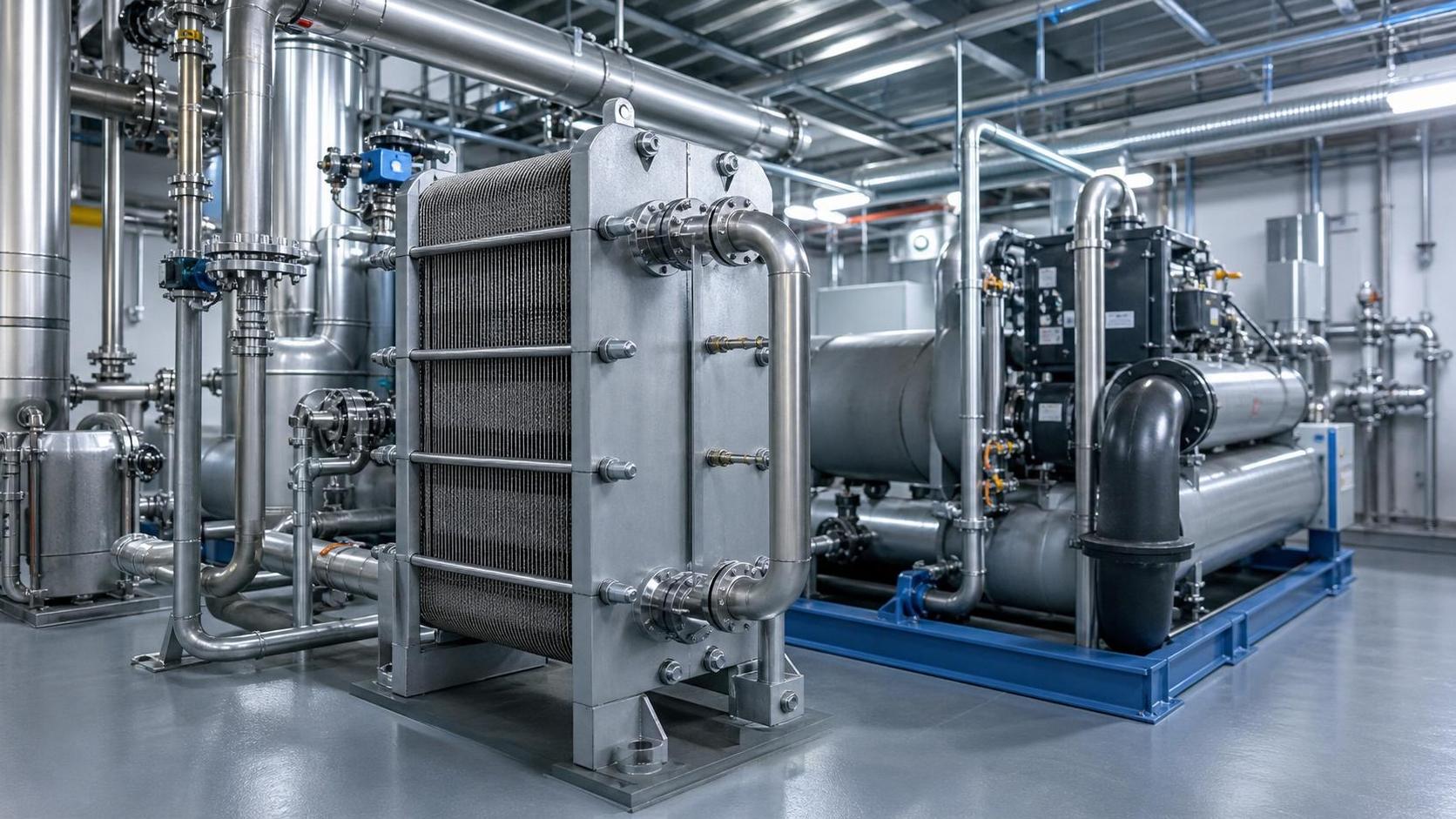
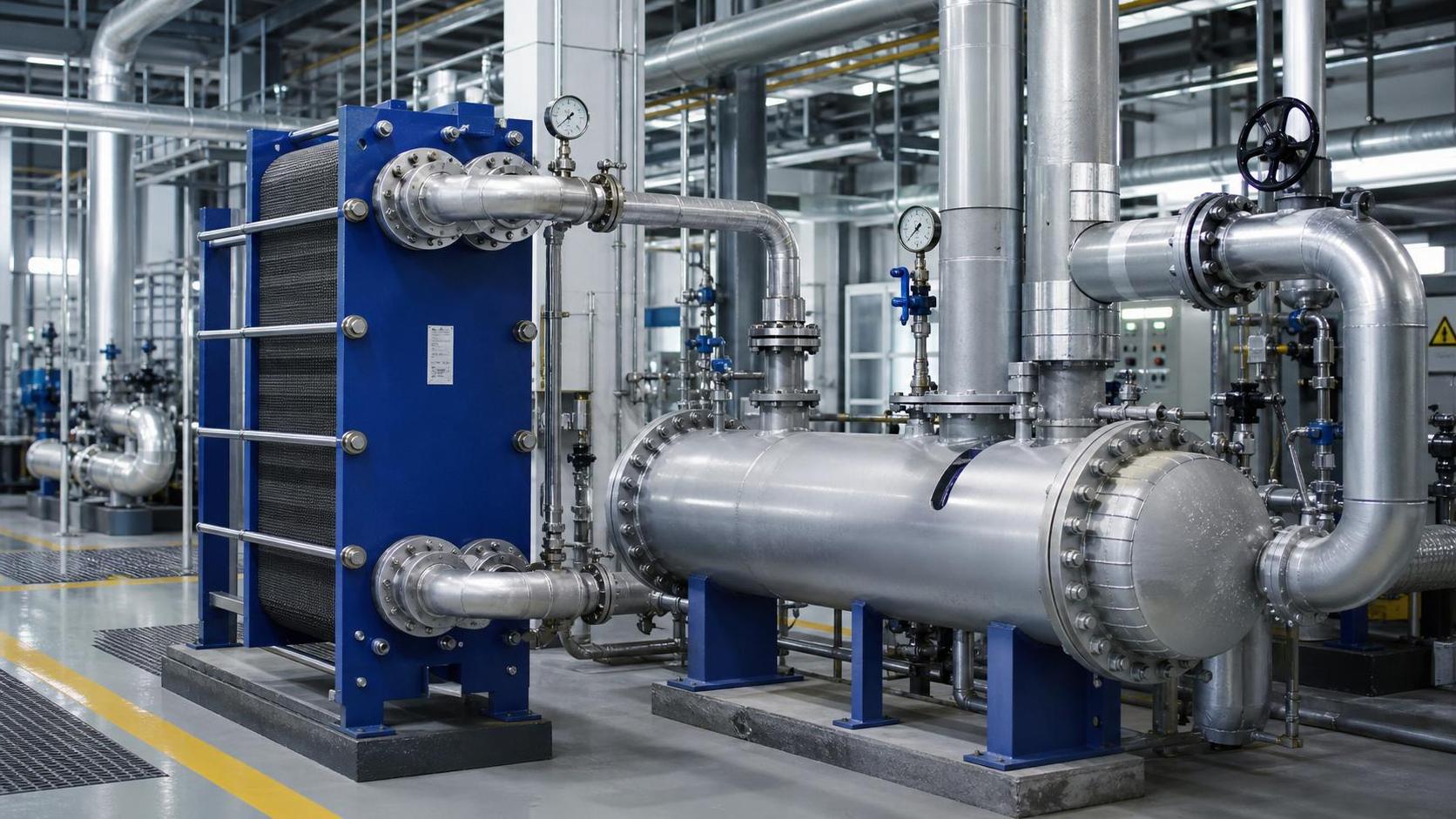
The internal channel geometry of a heat exchanger influences shear rate, residence time, dead zones, and cleaning access. Plate designs usually create high turbulence at lower temperature approaches, while shell & tube designs offer larger passages and stronger tolerance for solids, shock, and high-pressure service.
This tradeoff explains why a compact unit can outperform in clean service yet become maintenance-intensive in dirty service. A larger shell & tube exchanger may appear less efficient per square meter, but it can remain operable longer when fluid quality is inconsistent.
Typical warning signs during evaluation
- Pressure drop rising by more than 15–20% within one operating quarter
- Outlet temperature drifting outside process tolerance by 2–5°C
- Cleaning frequency shorter than the planned shutdown cycle
- Repeated gasket, tube-side, or channel blockage incidents
Plate vs Shell & Tube: Fouling Risk Comparison
For technical evaluators, the most useful comparison is not which exchanger is universally better, but which design is more forgiving under a specific fouling profile. The table below highlights the decision variables that most often influence industrial selection.
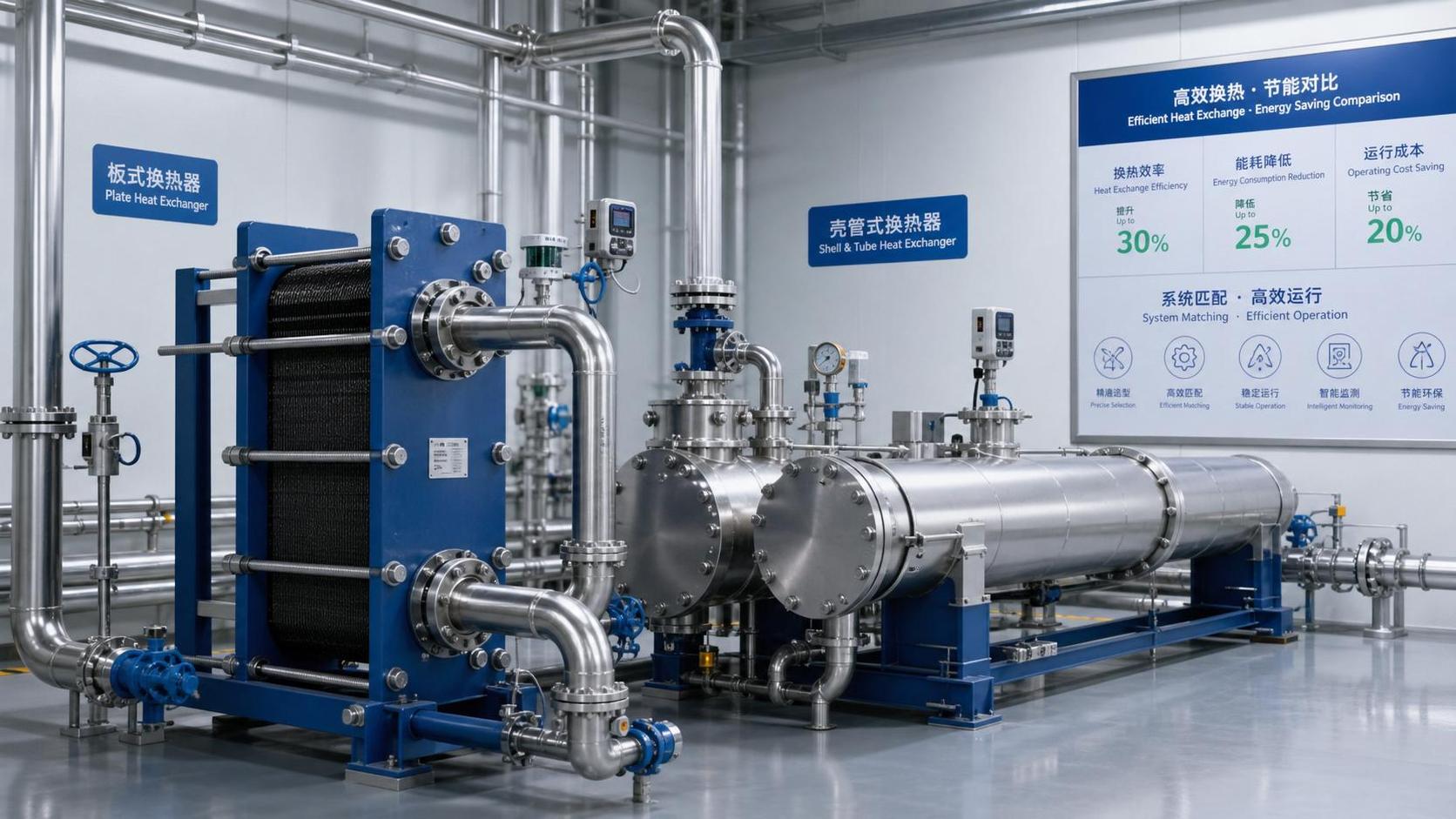
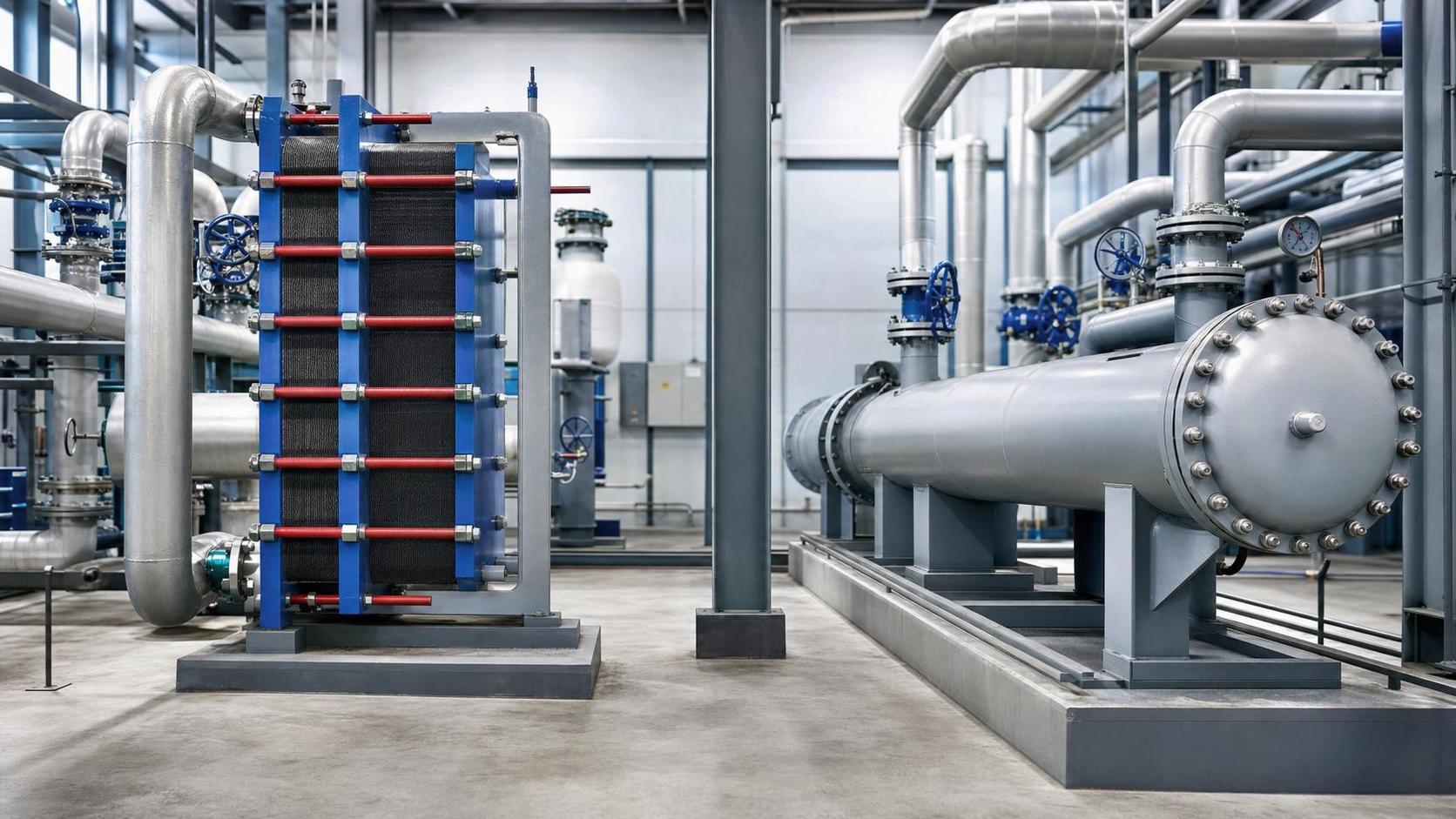
The key takeaway is that plate units excel when fluids are relatively clean and temperature efficiency matters. Shell & tube units become more attractive when streams are unstable, contaminated, viscous, or difficult to pre-filter. In high-fouling conditions, maintainability often outweighs compactness.
Where plate heat exchangers perform well
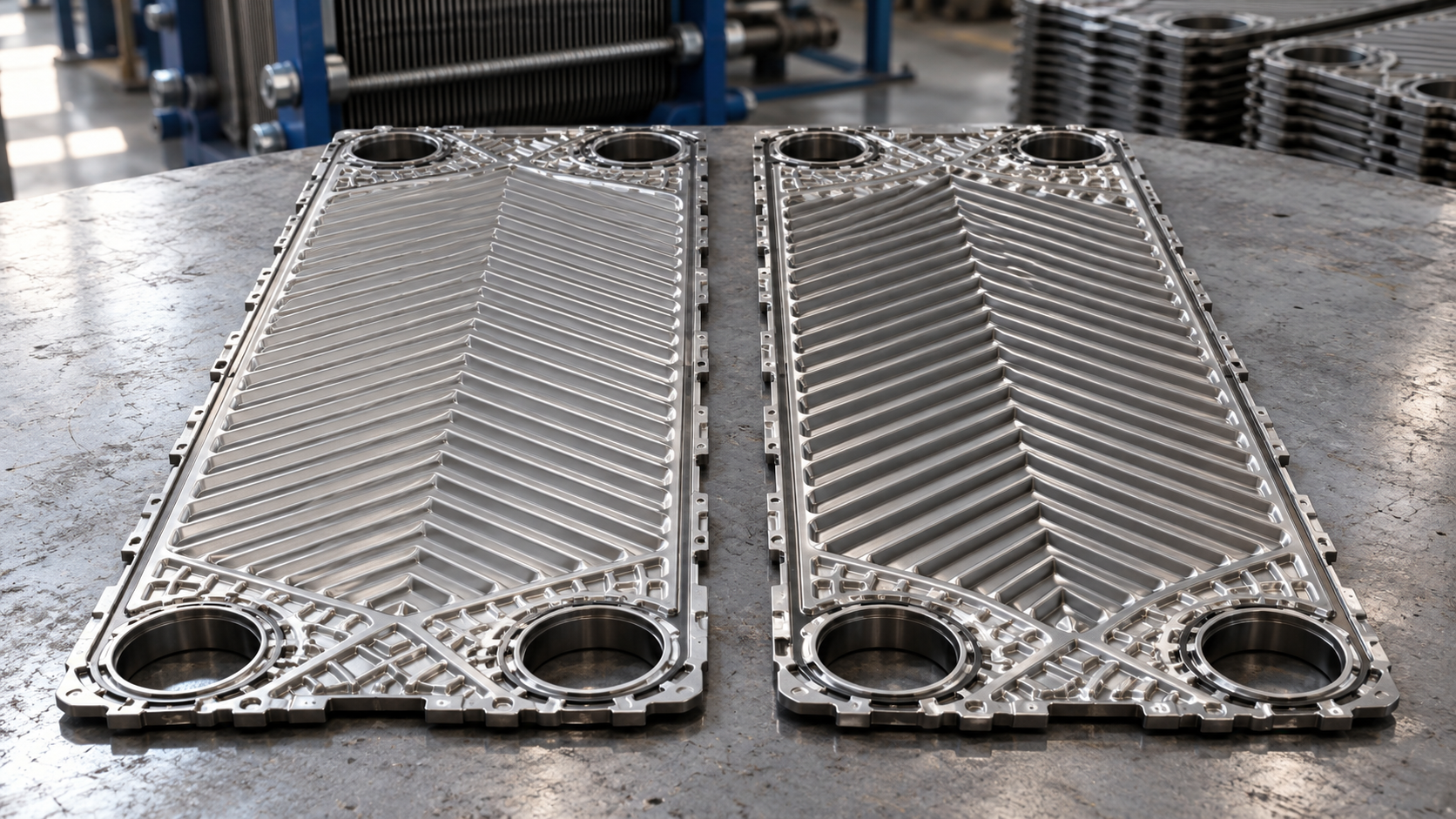
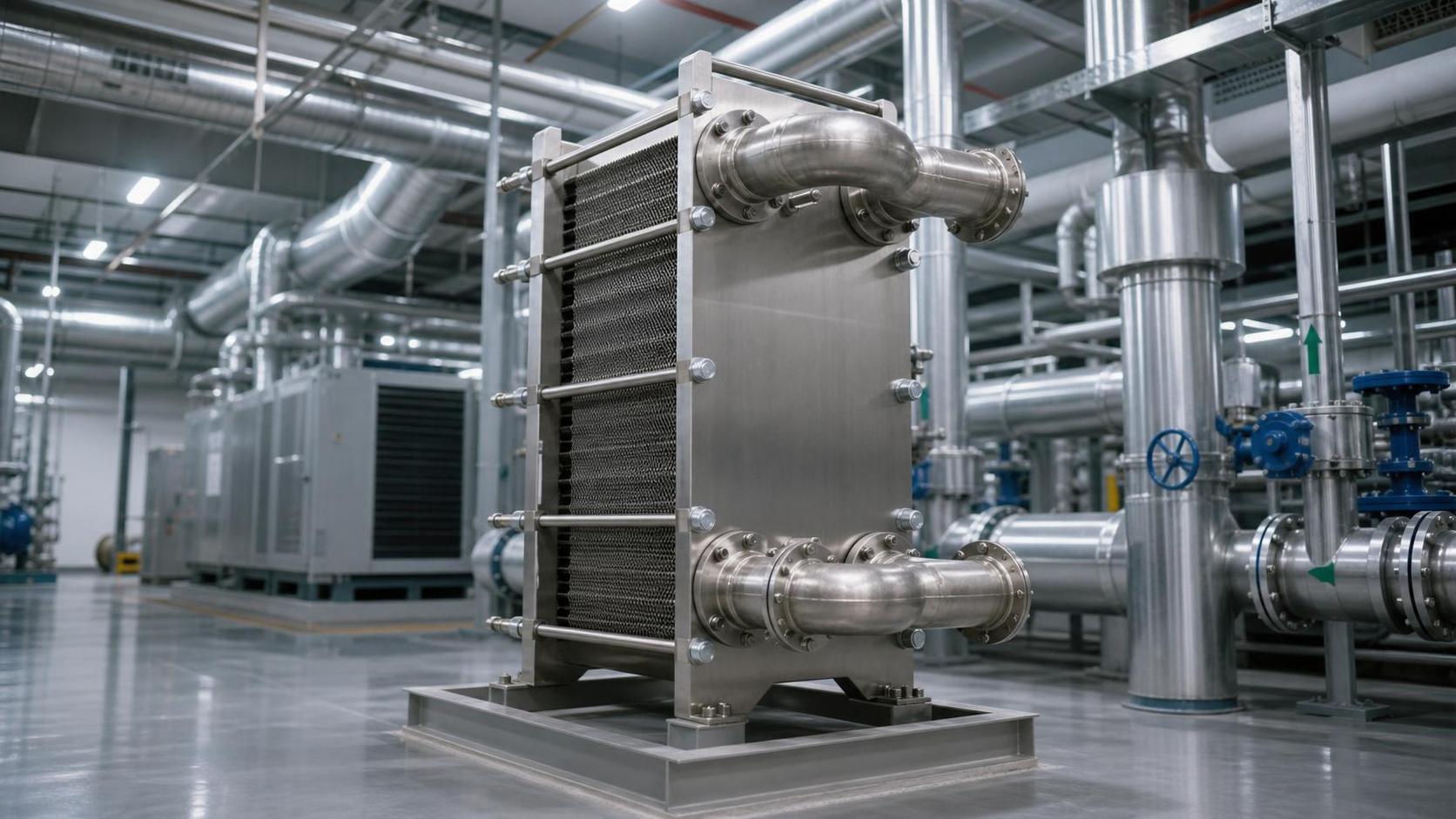
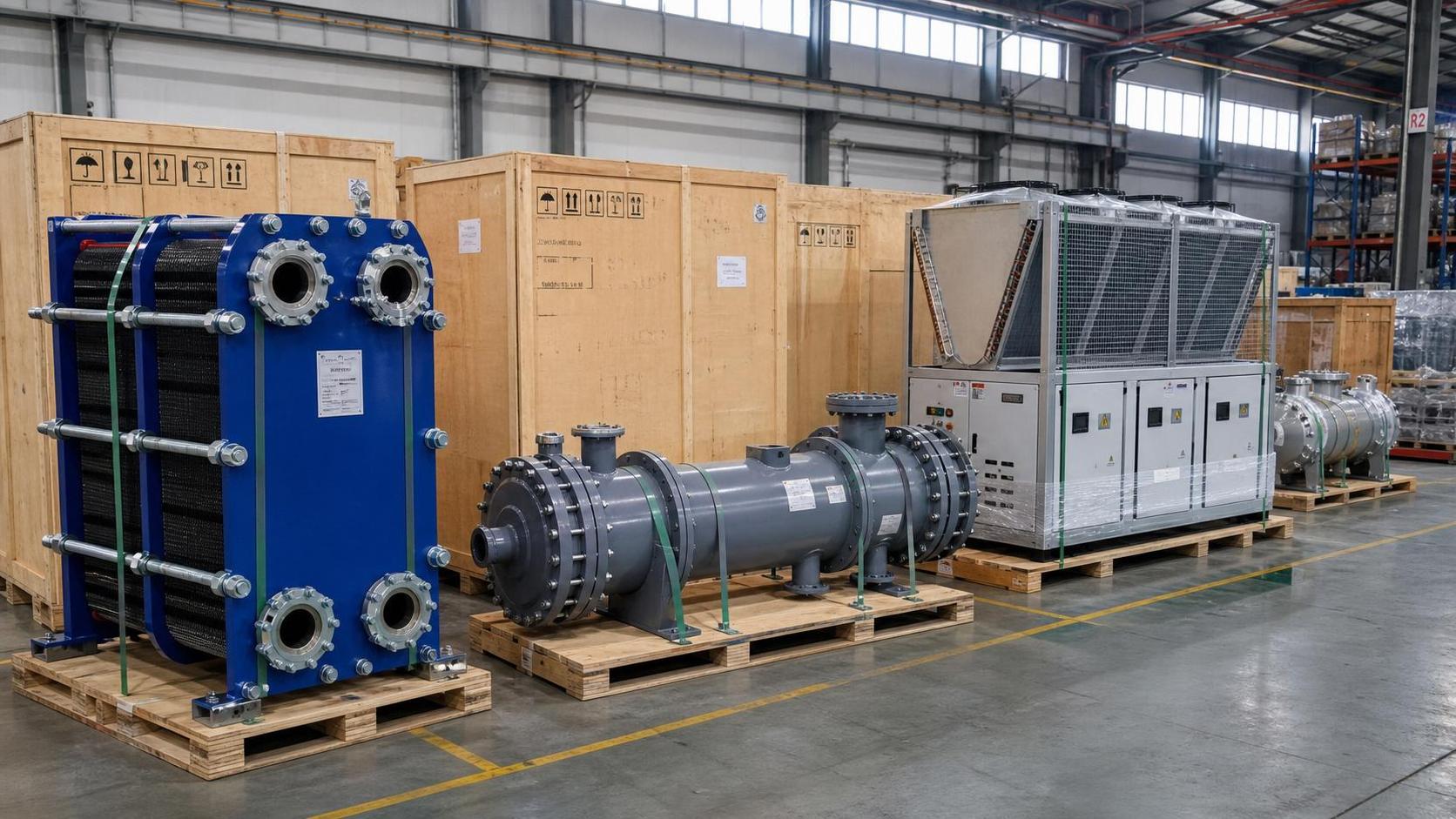
Plate heat exchanger technology is often preferred where space is limited, thermal approach is tight, and cleaning can be standardized through CIP. In utility loops, treated water systems, and hygienic process lines, these units may reduce footprint by 30–50% compared with larger shell & tube configurations.
Their corrugated channels create turbulence at relatively modest flow rates, which helps reduce fouling in clean liquids. However, if the duty includes fibers, crystals, coarse solids, or unstable organic residues, narrow passages can become the limiting factor within a single production cycle.
Best-fit scenarios for plate designs
- Clean water-to-water heat recovery
- Pharma and food applications with validated CIP routines every 24–72 hours
- HVAC energy transfer with filtered secondary loops
- Processes needing close temperature approach and low hold-up volume
Where shell & tube designs reduce operational risk
Shell & tube heat exchanger technology remains a practical default in many dirty services because it accepts wider passages, multiple material options, and more direct inspection methods. Tube diameters, baffle spacing, and pass arrangement can be adjusted to balance heat transfer against fouling tolerance.
For cooling water with seasonal quality swings, slurry traces, oil contamination, or scaling tendencies, shell & tube exchangers can often sustain longer runs before intervention. In plants that schedule shutdowns every 6 or 12 months, this predictability is valuable for maintenance planning and spare inventory control.
Selection Criteria for Technical Evaluators
A disciplined review process helps avoid overemphasis on nameplate performance. Before selecting a configuration, evaluators should compare fluid behavior, allowable pressure drop, cleaning method, downtime cost, and utility quality. A 5-step screening model can simplify decisions across multiple departments.
A practical 5-step screening model
- Define fluid condition: solids level, viscosity, scaling index, and thermal sensitivity
- Set operating envelope: flow rate, pressure, temperature, and cycling frequency
- Estimate fouling behavior over 30, 90, and 180 days
- Match cleaning method: CIP, backflush, manual opening, or mechanical tube cleaning
- Compare total cost: energy, maintenance labor, chemicals, downtime, and spares
This process is especially useful where procurement teams focus on capital cost while operations teams prioritize service reliability. In many industrial projects, a unit that costs 10–20% more upfront may still deliver lower lifecycle cost if it reduces one unplanned shutdown per year.
Decision matrix by process condition
The following matrix gives a practical view of how heat exchanger technology aligns with common fouling-related process conditions. It is not a substitute for thermal design, but it helps narrow the shortlist before detailed engineering starts.
The matrix shows a common pattern: plate designs win on thermal compactness and process efficiency, while shell & tube designs win on fouling resilience and maintenance access. The correct choice depends on whether the process penalty comes more from energy loss or from cleaning-related interruption.
Parameters that deserve special attention
- Allowable pressure drop on each side, often limited to 20–80 kPa in utility systems
- Cleaning cycle target, such as every 3 months, 6 months, or annual turnaround
- Fluid solids size distribution, not just total ppm
- Material compatibility with chlorides, caustics, acids, and cleaning agents
- Expected future load increase of 10–25% over current capacity
Maintenance, Reliability, and Lifecycle Cost
Heat exchanger technology should always be assessed beyond first cost. In fouling-prone applications, lifecycle cost is shaped by cleaning frequency, labor hours, production losses, consumables, and mean time to restore duty. Two exchangers with similar duty can create very different maintenance burdens over a 5–10 year horizon.
What maintenance teams usually prefer
Maintenance preference often depends on plant capability. If a site has trained crews, mechanical tube cleaning tools, and outage windows, shell & tube designs fit established routines. If a site is optimized for automated CIP, fast disassembly, and compact utility skids, plate units may offer lower intervention time.
A practical benchmark is total cleaning time. A gasketed plate exchanger may be chemically cleaned in place within 2–6 hours when deposits are manageable. A shell & tube unit may require longer shutdown time, but the cleaning result can be more reliable when deposits are thick or physically bonded.
Common evaluation mistakes
Mistake 1: assuming higher turbulence always solves fouling
Higher shear can help, but not when the deposit source is crystallization, thermal degradation, or coarse solids bridging. In those cases, channel openness and cleanout accessibility matter more than heat transfer coefficient alone.
Mistake 2: using clean duty data for dirty service decisions
A thermal rating based only on clean fluids can mislead procurement. Evaluators should apply realistic fouling margins, review historical water quality, and estimate duty decay over at least 1 full maintenance cycle.
Mistake 3: ignoring cleaning chemistry and spare strategy
Cleaning chemicals, gasket replacement frequency, tube plugging strategy, and spare plate or bundle availability all affect long-term cost. A seemingly efficient exchanger can become expensive if spares lead time reaches 8–12 weeks during peak demand periods.
How to reduce fouling-related risk before purchase
- Request fluid analysis from at least 2 seasonal or production conditions
- Confirm whether CIP alone is sufficient or manual cleaning must be planned
- Review worst-case solids events, upset conditions, and utility contamination history
- Ask for a maintenance access review, not only a thermal performance review
- Align exchanger choice with plant shutdown intervals and labor capability
For organizations evaluating multiple options across plants, a structured intelligence approach is valuable. Platforms such as GTC-Matrix support technical evaluators by connecting thermodynamic logic, maintenance implications, and sector-specific operating realities into decision-ready insight.
Which Design Is More Reliable for Fouling Risk?
There is no single answer for every service. In heat exchanger technology, plate designs are often the stronger choice for clean, controlled, and efficiency-driven applications. Shell & tube designs are often the safer choice where fouling is frequent, fluid quality changes, or physical cleaning access is essential.
For technical evaluators, the best decision usually comes from ranking 3 priorities: thermal efficiency, fouling tolerance, and maintenance practicality. When these priorities are quantified early, the selection process becomes faster, more defensible, and less vulnerable to costly retrofit decisions later.
If your team is comparing exchanger options for cooling, process heat recovery, or utility optimization, a deeper review of fluid behavior and cleaning strategy can prevent years of avoidable operating loss. Contact us to discuss your application, request a customized evaluation framework, or explore more solutions through GTC-Matrix.
Ready when you are. Send us a message to get started.
Related News
- How corrugation angle affects heat transfer in plate heat exchangersAuthor :Thermodynamics Analyst

- When do plate heat exchangers suit Middle East seawater cooling?Author :Thermodynamics Analyst

- When does gasketed plate heat exchanger technology suit your process?Author :Thermodynamics Analyst

- When does heat recovery improve data center cooling efficiency?Author :Thermodynamics Analyst

- How Do I Verify Heat Transfer Calculations in a Supplier Quotation?Author :Thermodynamics Analyst

- How to evaluate a plate heat exchangers supplier before orderingAuthor :Thermodynamics Analyst

- EU Tightens Fatigue Checks for Plate Heat ExchangersAuthor :Thermodynamics Analyst

- EU PFAS Rule Adds New Export Filing for Cooling EquipmentAuthor :Thermodynamics Analyst

- EU EN 13445-4:2026 Adds Fatigue Report RequirementAuthor :Thermodynamics Analyst

- EU Updates EN 13445-4 for Plate ExchangersAuthor :Thermodynamics Analyst

- How to Compare Energy-Efficient Heat Exchange SolutionsAuthor :Thermodynamics Analyst

- Brazed Plate Exchanger Design: 7 Factors That Affect Heat TransferAuthor :Thermodynamics Analyst

- EU CBAM Pilot List Adds Plate ExchangersAuthor :Thermodynamics Analyst

- How Heat Exchange Systems Improve Temperature Control StabilityAuthor :Thermodynamics Analyst

- Japan to Require Efficiency Labels for Plate ExchangersAuthor :Thermodynamics Analyst

- EU REACH Adds PFAS Ban for Plate Heat ExchangersAuthor :Thermodynamics Analyst

- India Enforces BIS Rule for Plate Heat ExchangersAuthor :Thermodynamics Analyst

- DIN EN 13445-6:2026 Tightens Plate Exchanger CE RulesAuthor :Thermodynamics Analyst

- EU REACH Restricts PFAS Seals for Plate Heat ExchangersAuthor :Thermodynamics Analyst

- India Mandates BIS Certification for Imported Plate ExchangersAuthor :Thermodynamics Analyst

- Vietnam Requires QR Labels on Imported Plate Heat ExchangersAuthor :Thermodynamics Analyst

- EU EN 13445-4:2026 Tightens NDT Rules for Heat ExchangersAuthor :Thermodynamics Analyst

- EPA Clears R-1234ze(E) for Plate Exchanger SystemsAuthor :Thermodynamics Analyst
 for Plate Exchanger Systems")
- Heat Exchange Equipment Selection: Key Performance Checks Before You Compare ModelsAuthor :Thermodynamics Analyst

- ASHRAE 90.1-2026 Raises Plate Exchanger Efficiency ThresholdAuthor :Thermodynamics Analyst

- Heat Exchange Systems: How to Choose the Right SetupAuthor :Thermodynamics Analyst

- EPA SNAP 89 Takes Effect for Plate ExchangersAuthor :Thermodynamics Analyst

- How to Compare Heat Exchange Solutions for Lower Energy UseAuthor :Thermodynamics Analyst

- EPA SNAP 89 Expands Filing Rules for Plate Heat ExchangersAuthor :Thermodynamics Analyst

- EPA SNAP update adds filing rule for plate heat exchangersAuthor :Thermodynamics Analyst

- Industrial Heat Recovery: Where the Payback Is Fastest in 2026Author :Thermodynamics Analyst

- California EPR Deadline Nears for Cooling Equipment MakersAuthor :Thermodynamics Analyst

- Heat Exchanger Technology: Plate vs Shell and Tube for EfficiencyAuthor :Thermodynamics Analyst

- Industrial Heat Recovery Options for High-Temperature ProcessesAuthor :Thermodynamics Analyst

- Heat Transfer Problems in Process Lines: Causes and Practical FixesAuthor :Thermodynamics Analyst

- India Tightens Plate Exchanger Import Clearance RulesAuthor :Thermodynamics Analyst