



How to Improve Heat Exchanger Efficiency Without Major Retrofit




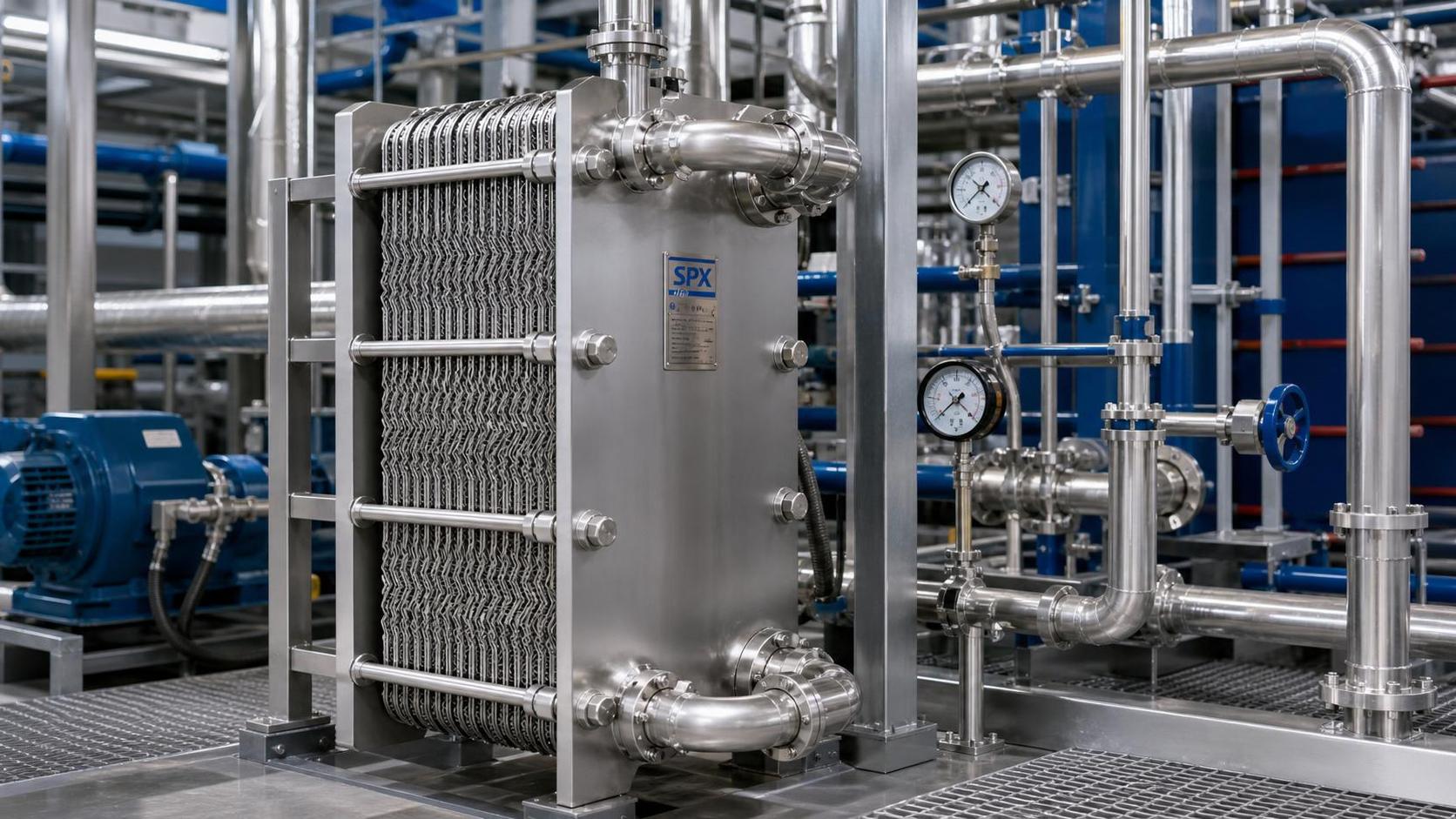
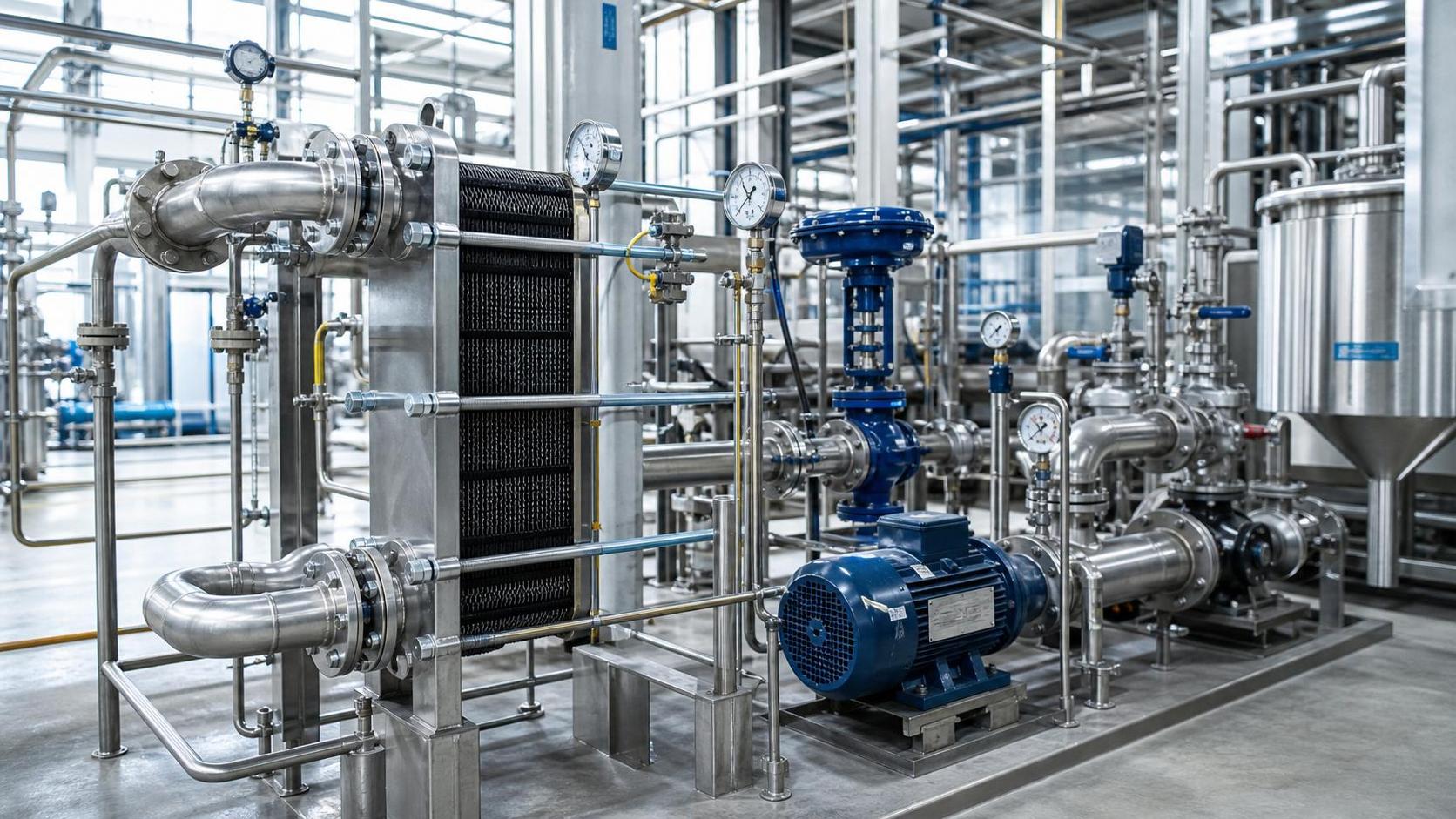
Improving heat exchanger efficiency does not always require a costly retrofit or full system replacement. For operators and maintenance teams, small changes in cleaning routines, flow control, fouling management, and operating conditions can deliver measurable performance gains. This guide explains practical ways to improve heat exchanger efficiency, reduce energy waste, and support more stable thermal performance with minimal disruption to daily operations.
Heat Exchanger Efficiency Basics and Performance Drivers
Heat exchanger efficiency describes how effectively a unit transfers heat between fluids while limiting pressure loss, energy waste, and thermal instability.
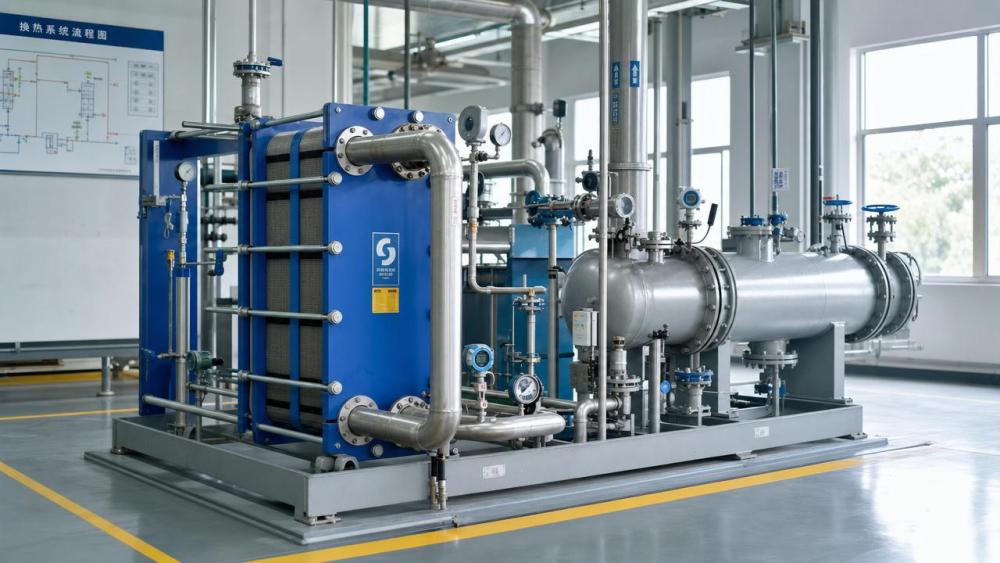
In general industry, performance depends on temperature approach, flow balance, surface cleanliness, fluid properties, and operating load.
Many sites focus on replacement first. Yet practical optimization often starts with maintenance discipline and operating control.
When heat exchanger efficiency declines, utilities rise, product temperatures drift, cycle times increase, and upstream equipment works harder.
These effects can spread across chilled water loops, process cooling systems, compressed air aftercoolers, condensers, evaporators, and waste heat recovery units.
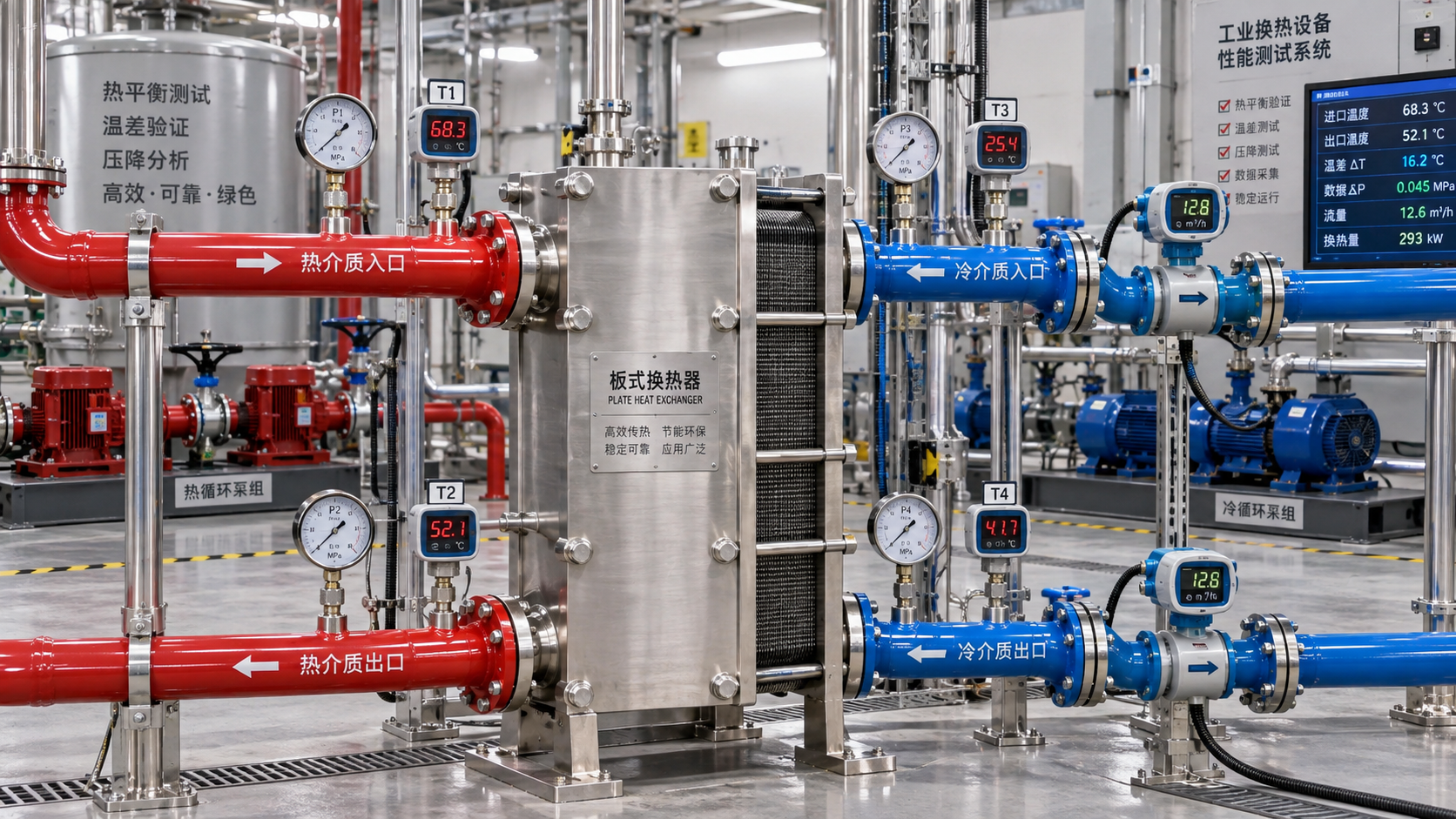
Key indicators to monitor
- Inlet and outlet temperature difference
- Approach temperature to target process conditions
- Pressure drop across each side
- Flow rate stability and control valve position
- Fouling trend and cleaning interval history
- Energy use of pumps, fans, and associated compressors
A consistent baseline makes heat exchanger efficiency visible. Without it, small losses remain hidden until energy costs become obvious.
Why Heat Exchanger Efficiency Matters Across Industry
Heat exchanger efficiency is now linked to wider industrial priorities, including carbon reduction, utility volatility, water stewardship, and production resilience.
As energy prices move unpredictably, operators need low-cost methods that improve thermal performance without major shutdowns.
This is especially relevant where cooling, compressed air, vacuum, and process heat interact in shared utility systems.
For intelligence platforms such as GTC-Matrix, these trends confirm that thermal optimization is now a strategic operating issue, not only a maintenance topic.
Practical Methods to Improve Heat Exchanger Efficiency
The fastest path to better heat exchanger efficiency usually comes from process discipline rather than mechanical reconstruction.
1. Strengthen cleaning routines
Fouling is often the biggest reason heat exchanger efficiency falls. Even thin deposits can sharply reduce thermal transfer.
Use trend-based cleaning intervals instead of fixed calendar schedules. Temperature approach and pressure drop data help identify the right timing.
2. Improve water and fluid quality
Poor water chemistry accelerates scale, corrosion, and biological growth. Cleaner fluids preserve heat exchanger efficiency and lower maintenance frequency.
Review filtration, chemical treatment, conductivity, pH, and suspended solids. Minor water-side control changes often create lasting benefits.
3. Correct flow imbalance
An exchanger may appear undersized when actual flow is unstable or badly distributed. Valve position, pump performance, and bypass leakage deserve review.
Balanced flow can improve heat exchanger efficiency without touching the core unit. It also reduces unnecessary pressure penalties.
4. Optimize operating temperature windows
Small setpoint adjustments can improve thermal driving force. This is useful where chillers, cooling towers, boilers, or compressors share the same loop.
Avoid excessive approach targets that force other equipment to overwork. System efficiency matters more than one isolated reading.
5. Minimize air, vapor, or non-condensable issues
Trapped air and non-condensable gases reduce effective surface area. In condensers and vacuum-related systems, this can severely weaken heat exchanger efficiency.
Check venting practices, seal integrity, and purge performance. These steps are often inexpensive and highly effective.
6. Restore insulation and eliminate heat loss
Damaged insulation does not change exchanger design, but it hurts overall thermal balance. Surface losses can distort control and waste energy.
Operational Value and Business Impact
Better heat exchanger efficiency creates value far beyond energy savings. It supports uptime, process consistency, and equipment protection.
- Reduced utility consumption across cooling and heating networks
- Lower stress on pumps, fans, chillers, and compressors
- More stable product or process temperatures
- Less unplanned downtime caused by fouling or thermal alarms
- Extended service life of exchangers and related components
In broad industrial settings, small thermal losses multiply quickly. One exchanger running below target can burden an entire utility chain.
That is why heat exchanger efficiency should be reviewed with compressors, cooling equipment, and process loads as one connected system.
Typical Scenarios for Non-Retrofit Improvement
Not every asset responds the same way. The most effective actions depend on exchanger type, fluid condition, and thermal duty.
Implementation Priorities and Common Mistakes
A structured review avoids wasted effort. Start with the simplest causes before assuming design limitations.
Recommended sequence
- Confirm sensor accuracy for temperature, pressure, and flow.
- Compare current performance with historical baseline data.
- Inspect fouling, leaks, insulation condition, and venting points.
- Check valve behavior, pump output, and bypass conditions.
- Adjust cleaning intervals and operating setpoints carefully.
- Document results to sustain heat exchanger efficiency over time.
Mistakes that reduce results
- Relying on one temperature reading without flow context
- Cleaning too late after fouling has hardened
- Ignoring pressure drop because outlet temperature still looks acceptable
- Overcorrecting setpoints and harming whole-system efficiency
- Separating exchanger review from compressor or cooling system behavior
The best gains are usually cumulative. Several small fixes often outperform one expensive intervention.
Next-Step Focus for Sustained Heat Exchanger Efficiency
To improve heat exchanger efficiency without major retrofit, begin with data, cleanliness, flow discipline, and fluid quality.
Build a short review sheet for every critical exchanger. Track approach temperature, pressure drop, cleaning date, and operating deviations.
Where thermal systems connect with compressed air, vacuum, and process cooling, evaluate performance as one energy network.
This system view aligns with the GTC-Matrix mission of optimizing thermal performance through practical intelligence and better energy conversion decisions.
Consistent monitoring and targeted maintenance can raise heat exchanger efficiency, reduce waste, and delay the need for major capital work.
Related News
- When does heat recovery improve data center cooling efficiency?Author :Thermodynamics Analyst

- How Do I Verify Heat Transfer Calculations in a Supplier Quotation?Author :Thermodynamics Analyst

- How to evaluate a plate heat exchangers supplier before orderingAuthor :Thermodynamics Analyst

- EU Tightens Fatigue Checks for Plate Heat ExchangersAuthor :Thermodynamics Analyst

- EU PFAS Rule Adds New Export Filing for Cooling EquipmentAuthor :Thermodynamics Analyst

- EU EN 13445-4:2026 Adds Fatigue Report RequirementAuthor :Thermodynamics Analyst

- EU Updates EN 13445-4 for Plate ExchangersAuthor :Thermodynamics Analyst

- How to Compare Energy-Efficient Heat Exchange SolutionsAuthor :Thermodynamics Analyst

- Brazed Plate Exchanger Design: 7 Factors That Affect Heat TransferAuthor :Thermodynamics Analyst

- EU CBAM Pilot List Adds Plate ExchangersAuthor :Thermodynamics Analyst

- How Heat Exchange Systems Improve Temperature Control StabilityAuthor :Thermodynamics Analyst

- Japan to Require Efficiency Labels for Plate ExchangersAuthor :Thermodynamics Analyst

- EU REACH Adds PFAS Ban for Plate Heat ExchangersAuthor :Thermodynamics Analyst

- India Enforces BIS Rule for Plate Heat ExchangersAuthor :Thermodynamics Analyst

- DIN EN 13445-6:2026 Tightens Plate Exchanger CE RulesAuthor :Thermodynamics Analyst

- EU REACH Restricts PFAS Seals for Plate Heat ExchangersAuthor :Thermodynamics Analyst

- India Mandates BIS Certification for Imported Plate ExchangersAuthor :Thermodynamics Analyst

- Vietnam Requires QR Labels on Imported Plate Heat ExchangersAuthor :Thermodynamics Analyst

- EU EN 13445-4:2026 Tightens NDT Rules for Heat ExchangersAuthor :Thermodynamics Analyst

- EPA Clears R-1234ze(E) for Plate Exchanger SystemsAuthor :Thermodynamics Analyst
 for Plate Exchanger Systems")
- Heat Exchange Equipment Selection: Key Performance Checks Before You Compare ModelsAuthor :Thermodynamics Analyst

- ASHRAE 90.1-2026 Raises Plate Exchanger Efficiency ThresholdAuthor :Thermodynamics Analyst

- Heat Exchange Systems: How to Choose the Right SetupAuthor :Thermodynamics Analyst

- EPA SNAP 89 Takes Effect for Plate ExchangersAuthor :Thermodynamics Analyst

- How to Compare Heat Exchange Solutions for Lower Energy UseAuthor :Thermodynamics Analyst

- EPA SNAP 89 Expands Filing Rules for Plate Heat ExchangersAuthor :Thermodynamics Analyst

- EPA SNAP update adds filing rule for plate heat exchangersAuthor :Thermodynamics Analyst

- Industrial Heat Recovery: Where the Payback Is Fastest in 2026Author :Thermodynamics Analyst

- California EPR Deadline Nears for Cooling Equipment MakersAuthor :Thermodynamics Analyst

- Heat Exchanger Technology: Plate vs Shell and Tube for EfficiencyAuthor :Thermodynamics Analyst

- Industrial Heat Recovery Options for High-Temperature ProcessesAuthor :Thermodynamics Analyst

- Heat Transfer Problems in Process Lines: Causes and Practical FixesAuthor :Thermodynamics Analyst

- India Tightens Plate Exchanger Import Clearance RulesAuthor :Thermodynamics Analyst

- SABIC Methanol Force Majeure Extended to Q4 2026Author :Thermodynamics Analyst

- How to Improve Heat Exchanger Efficiency Without Major RetrofitAuthor :Thermodynamics Analyst

- Plate Heat Exchange vs Shell & Tube: Which Fits Your Process Better?Author :Thermodynamics Analyst