



Heat Exchanger Technology: Plate or Shell & Tube?




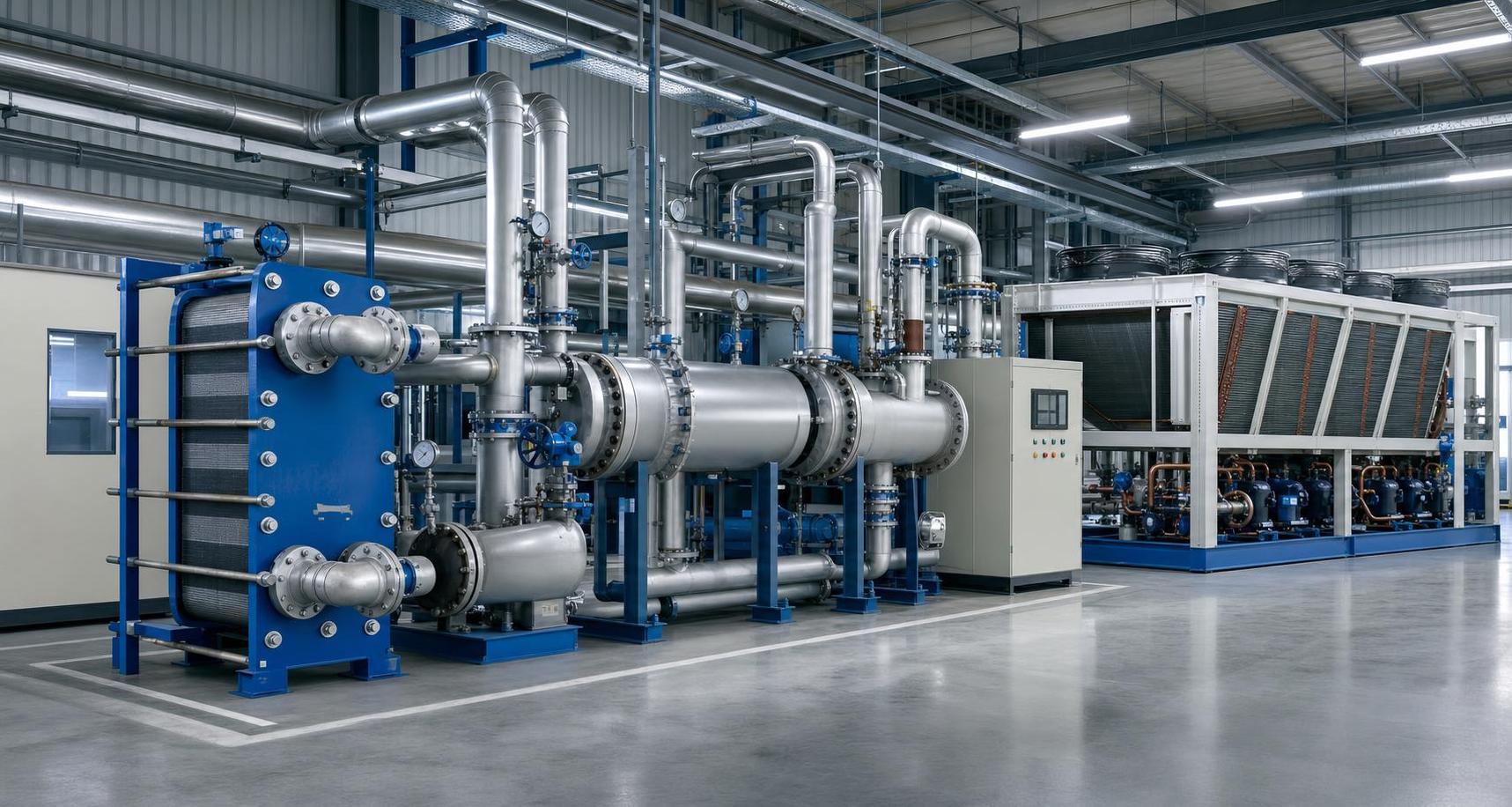
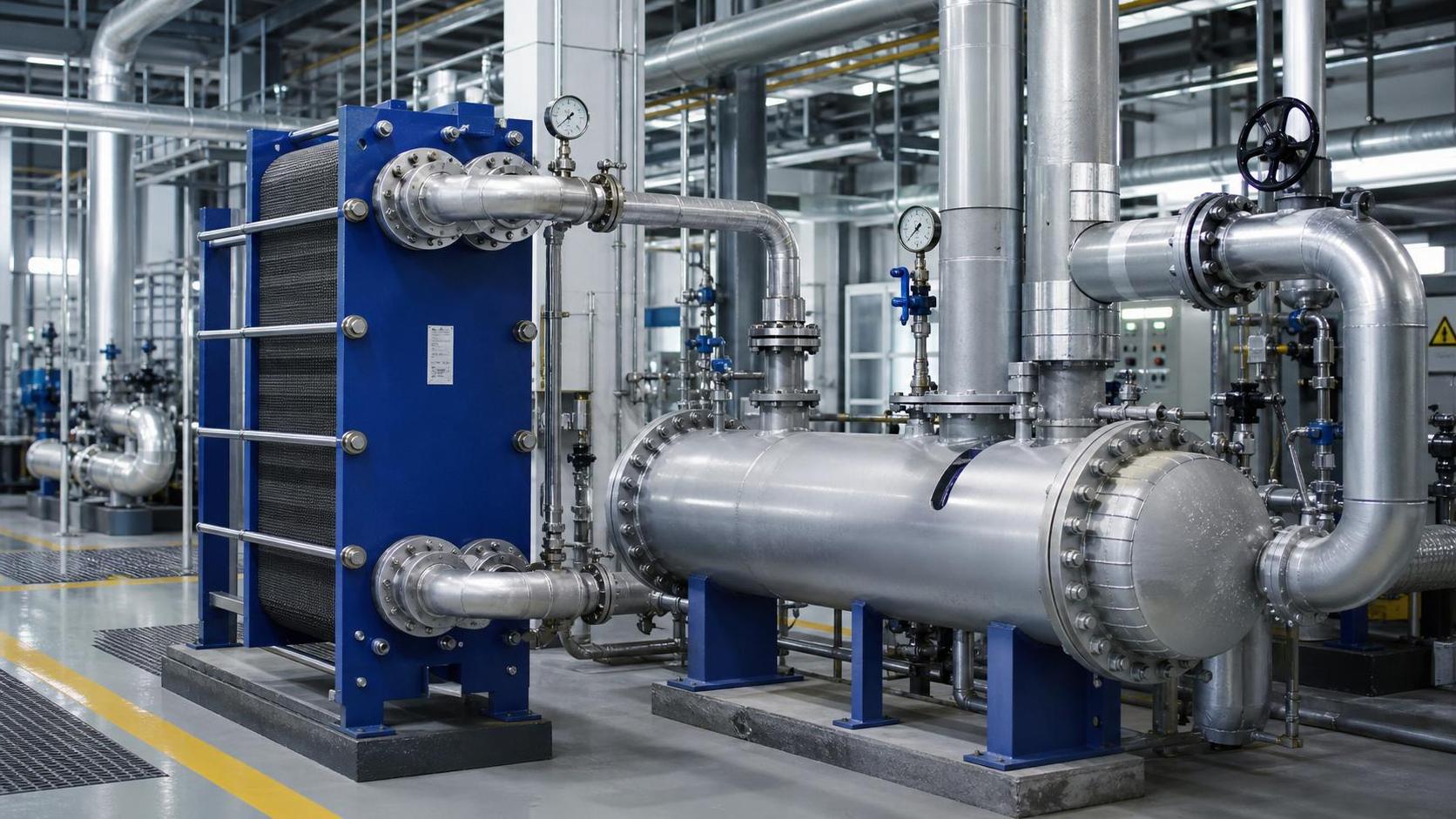
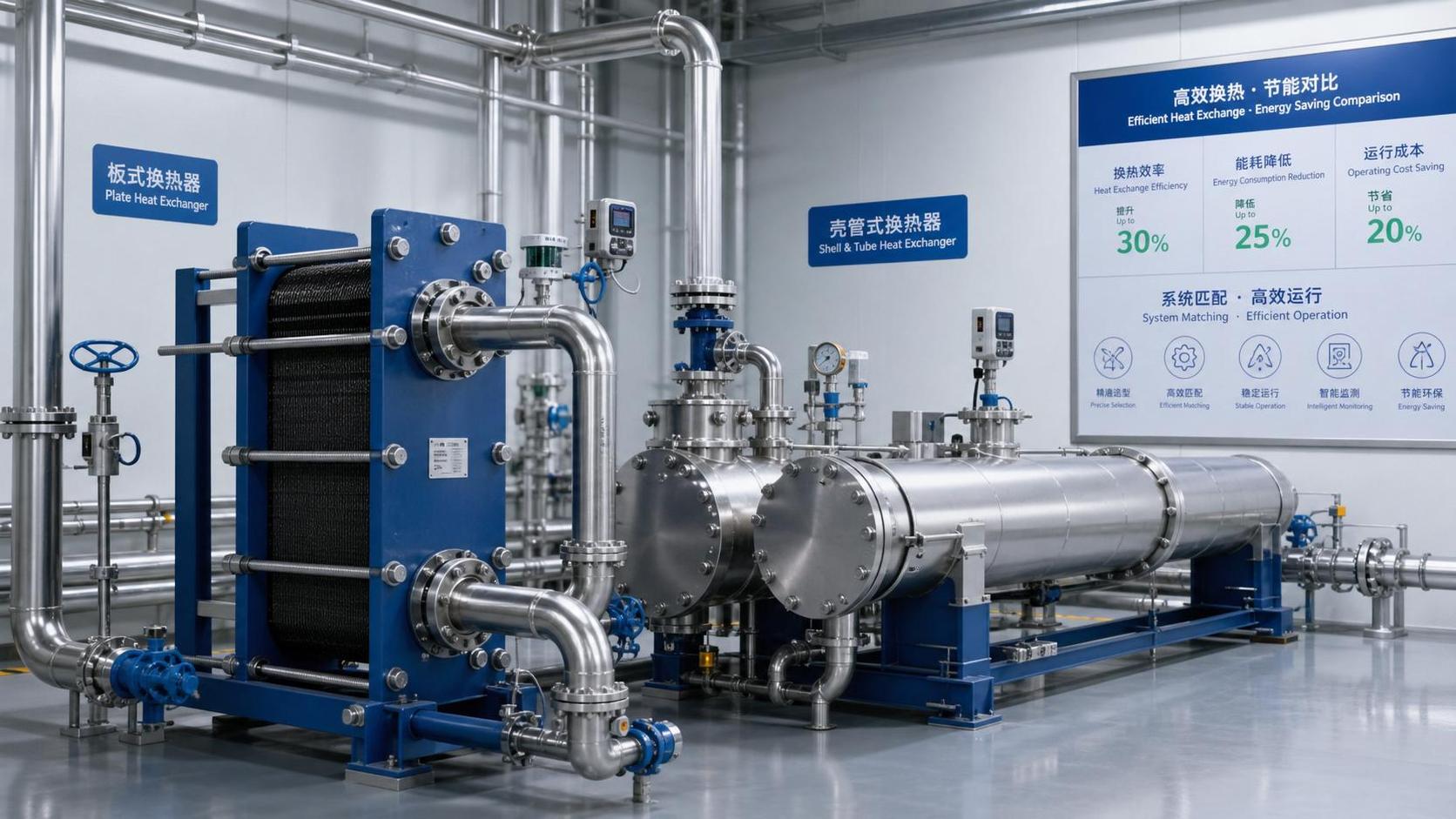
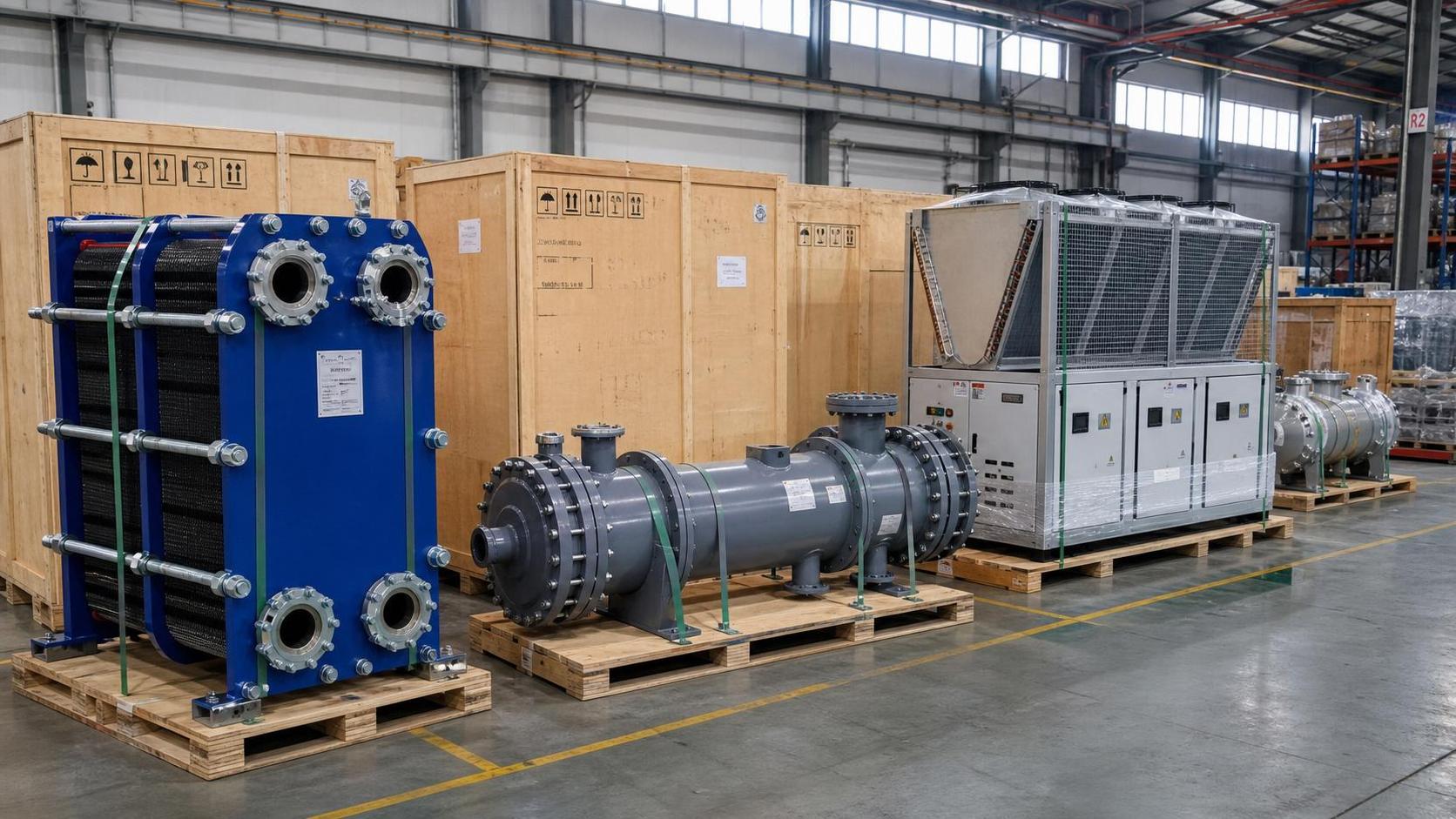
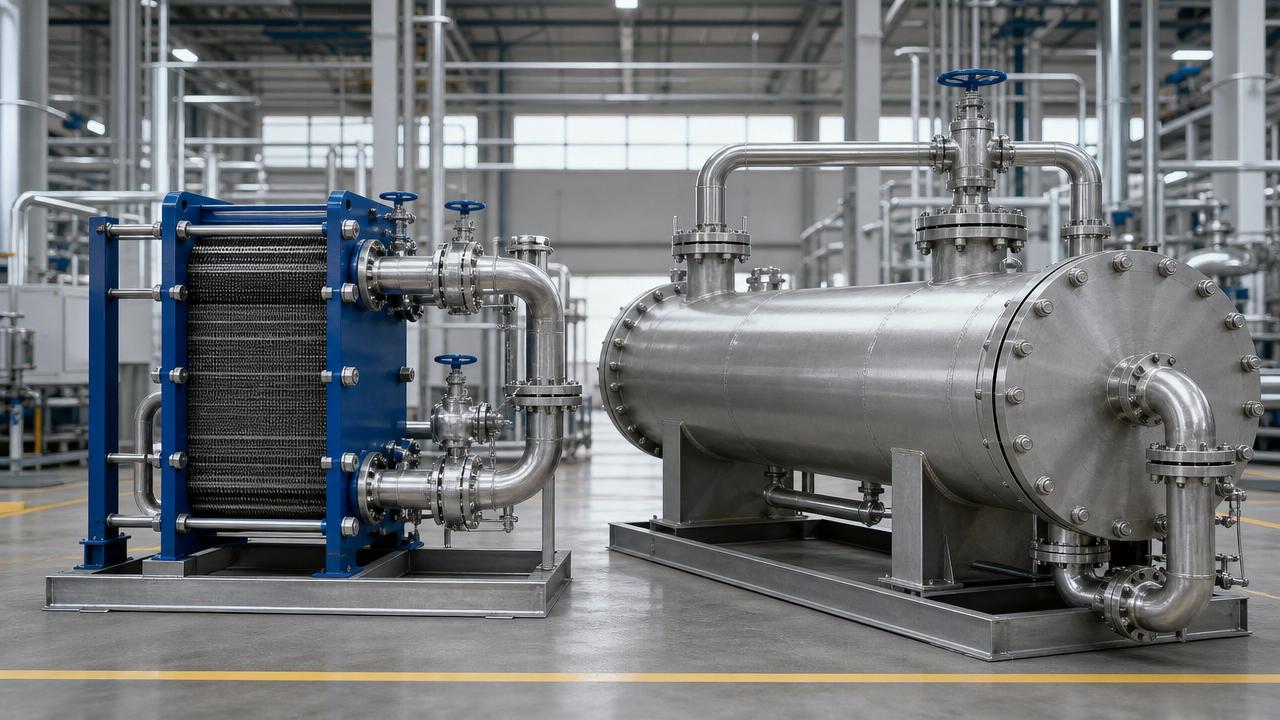
Choosing between plate and shell & tube designs is one of the most important decisions in heat exchanger technology. The right choice affects thermal efficiency, uptime, cleaning routines, installed footprint, and total lifecycle cost. In many industrial systems, a poor match creates energy waste, pressure loss, maintenance delays, or premature replacement.
This guide compares both options in practical terms. It focuses on selection factors, application fit, and risk points so heat exchanger technology decisions support long-term operational value rather than short-term purchase price alone.
Why a checklist matters in heat exchanger technology
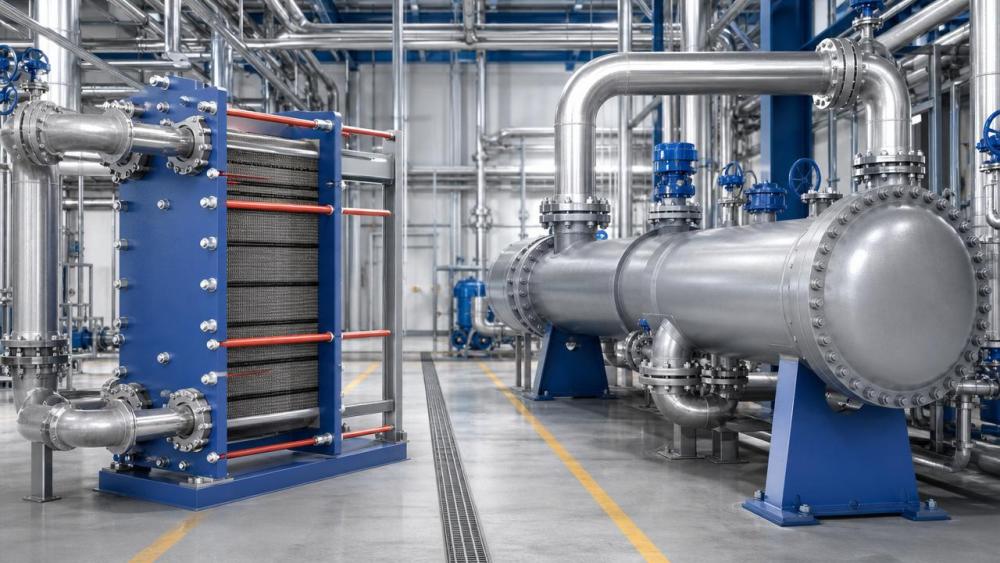
Heat exchanger technology is not only about heat transfer coefficients. It also involves fluid quality, fouling tendency, temperature approach, allowable pressure drop, code requirements, cleaning access, and future expansion plans.
A checklist approach reduces selection errors. It helps compare compact plate units and robust shell & tube units against the same operating reality, especially in mixed industrial environments where process conditions change over time.
Core checklist: Plate or shell & tube?
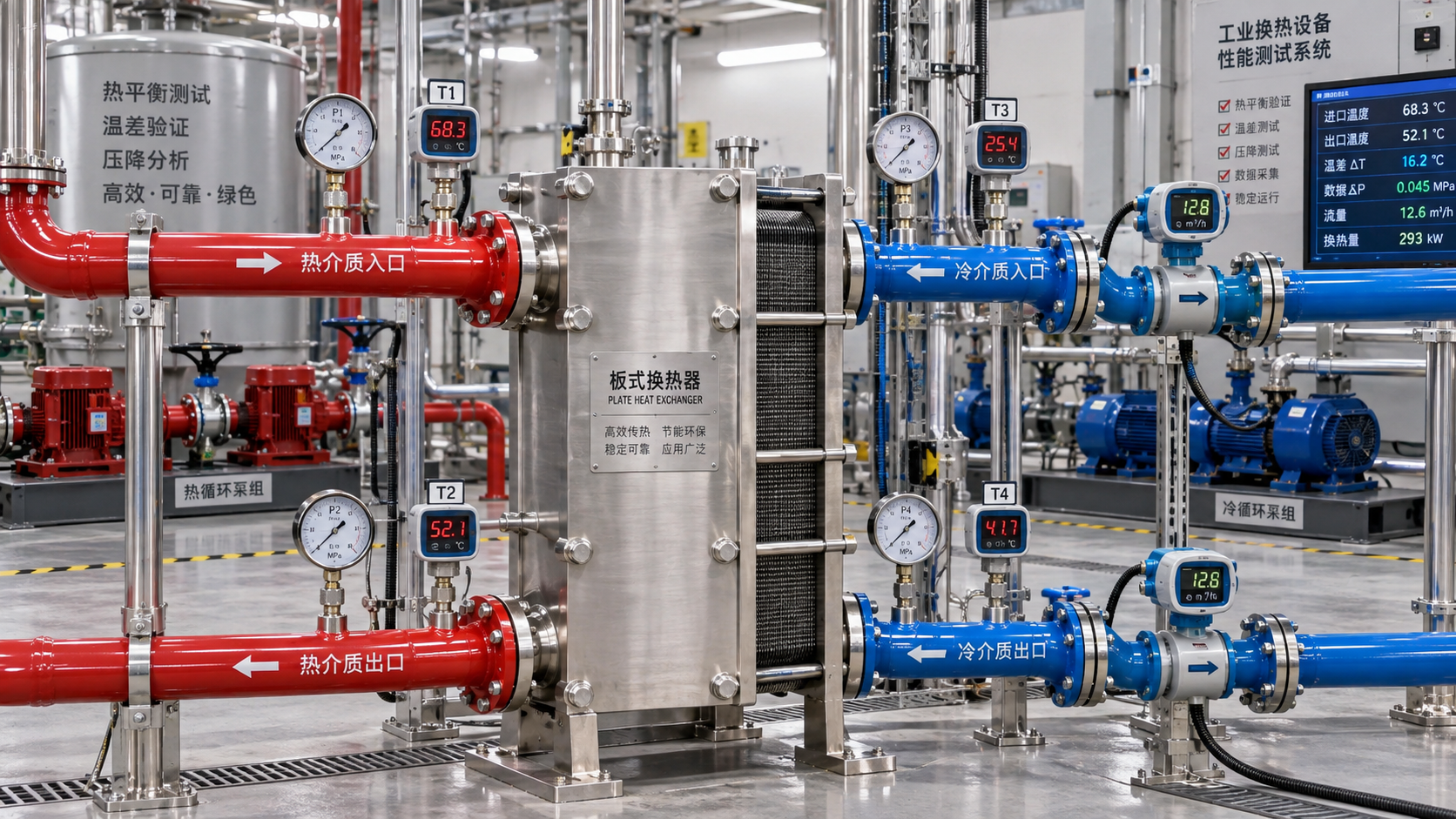
- Define the duty first. Record inlet and outlet temperatures, flow rates, fouling allowances, design pressure, design temperature, and required approach temperature before reviewing any exchanger format.
- Check fluid cleanliness. Choose plate heat exchanger technology for cleaner liquids; shift toward shell & tube when solids, fibers, sludge, or unstable process contamination are likely.
- Compare thermal efficiency. Favor plate designs when close temperature approach and high heat transfer coefficients are critical for energy recovery or compact utility systems.
- Review pressure limits. Use shell & tube equipment when operating pressure, thermal shock, or cyclic duty exceeds the comfortable range of many gasketed plate configurations.
- Assess maintenance access. Select plate units when quick disassembly, visual inspection, and modular capacity adjustment are valuable in routine service planning.
- Measure space constraints. Install plate heat exchanger technology where plant footprint is tight, pipe rack loads are sensitive, or retrofits must fit existing utility corridors.
- Estimate fouling behavior. Prioritize shell & tube designs for harsh streams that require mechanical cleaning, tube rodding, or more forgiving passage geometry.
- Examine material compatibility. Match plates, tubes, gaskets, and shell materials to chlorides, acids, solvents, refrigerants, and cleaning chemicals across normal and upset conditions.
- Calculate total cost, not unit price. Include pumping energy, downtime risk, spare parts, cleaning labor, and expected service life in every heat exchanger technology comparison.
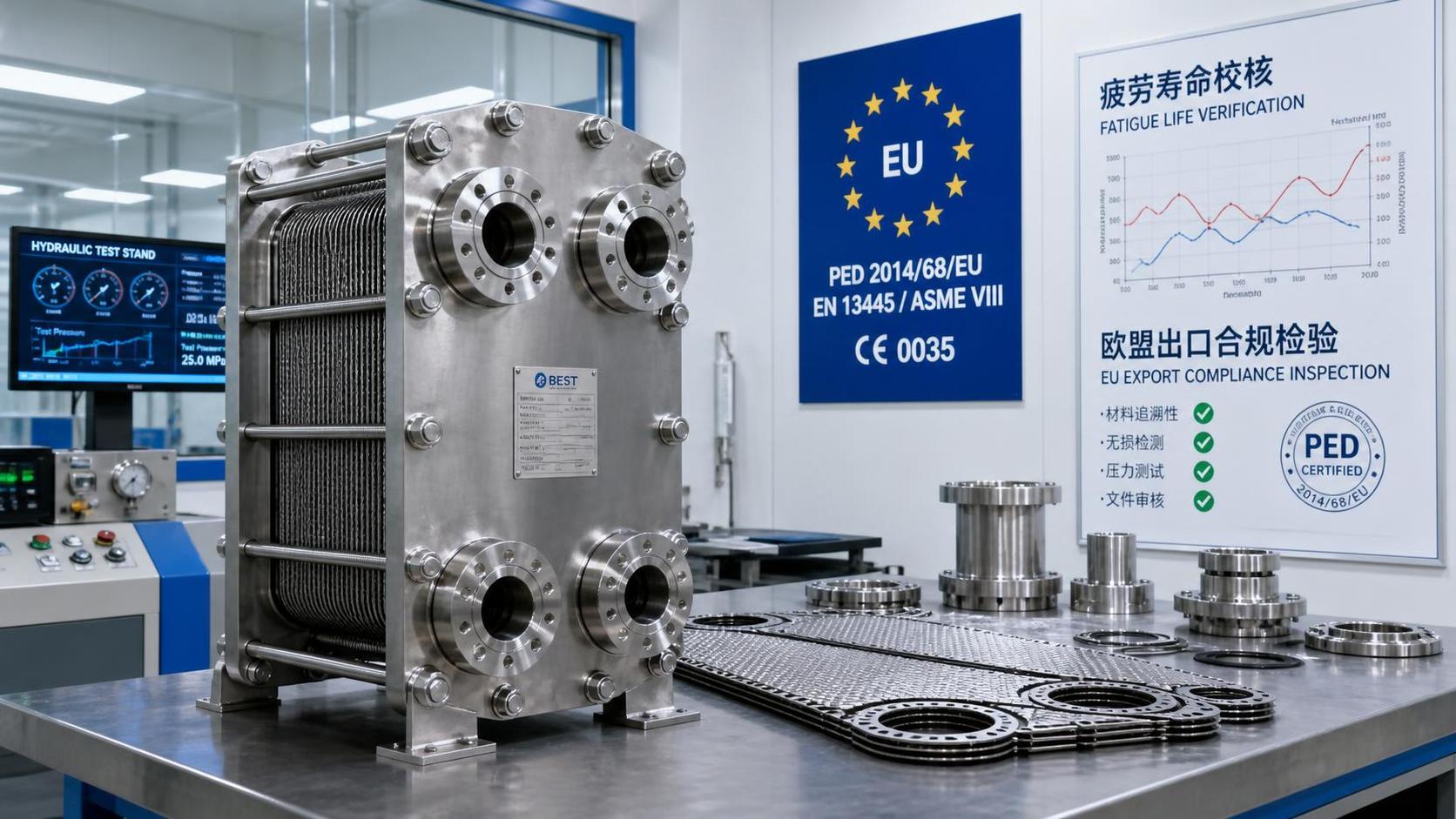
- Verify standards and future needs. Confirm code compliance, spare capacity, expandability, and local service support before finalizing the selected exchanger platform.
What plate heat exchanger technology does best
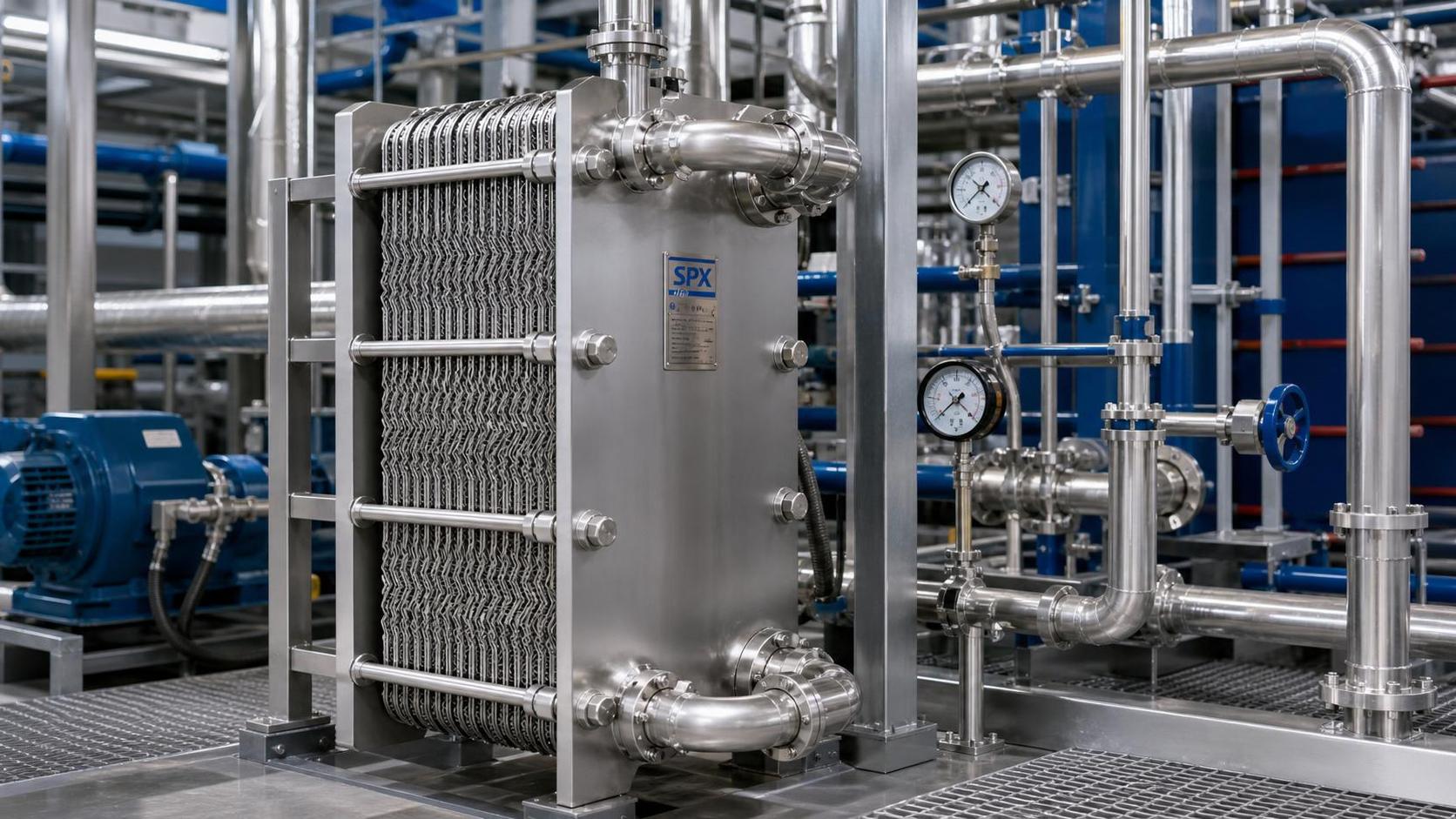
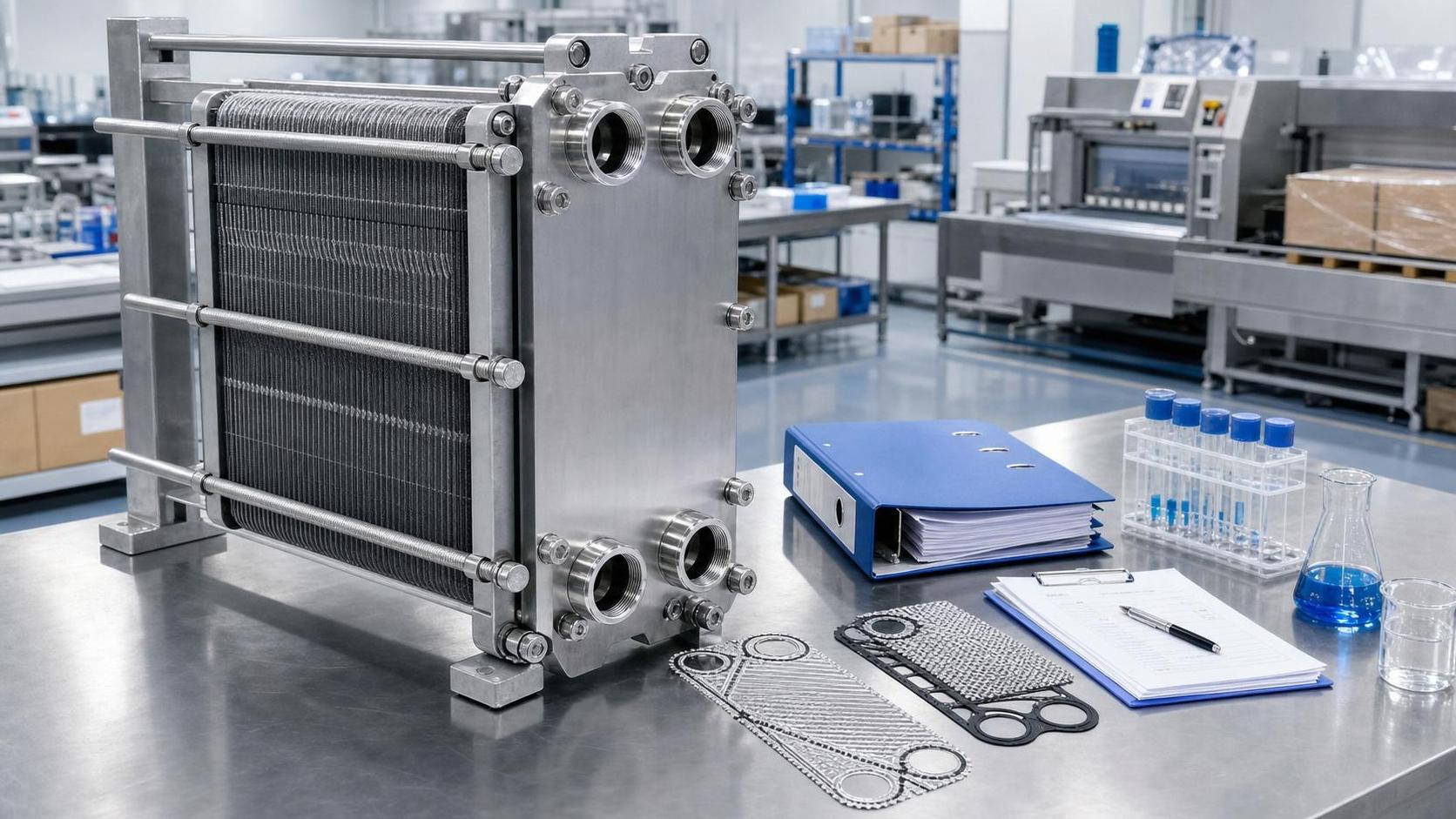
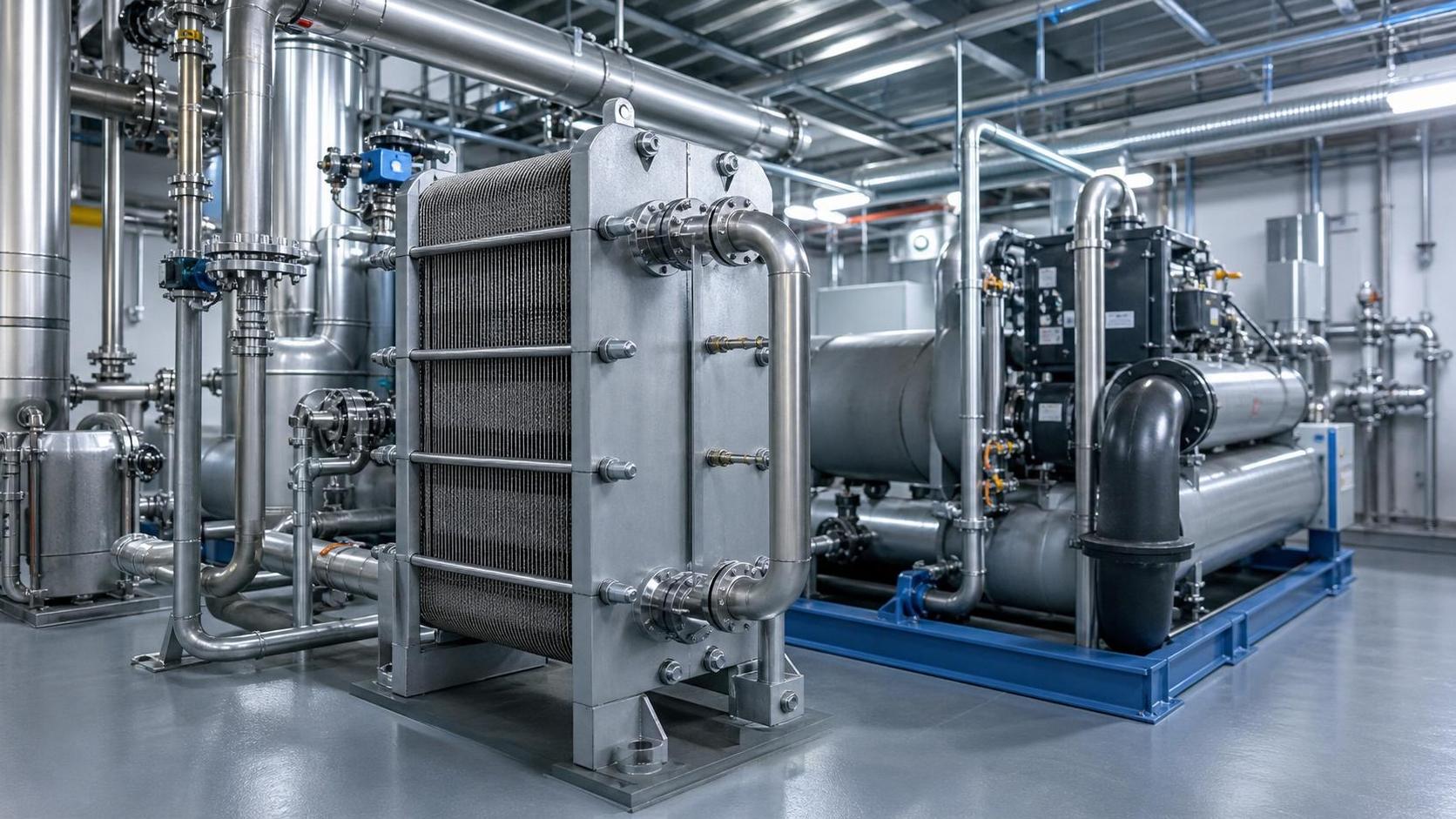
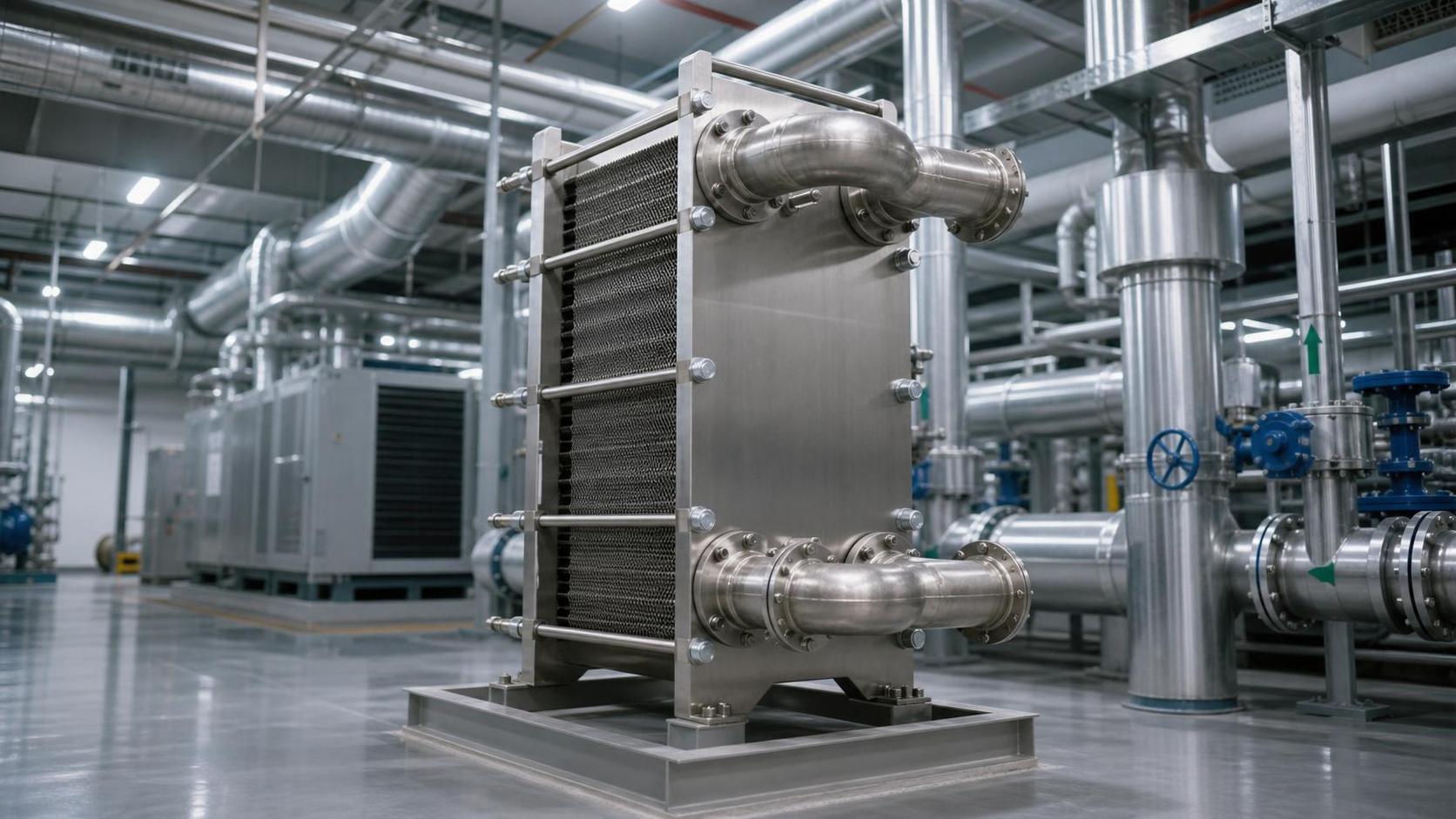
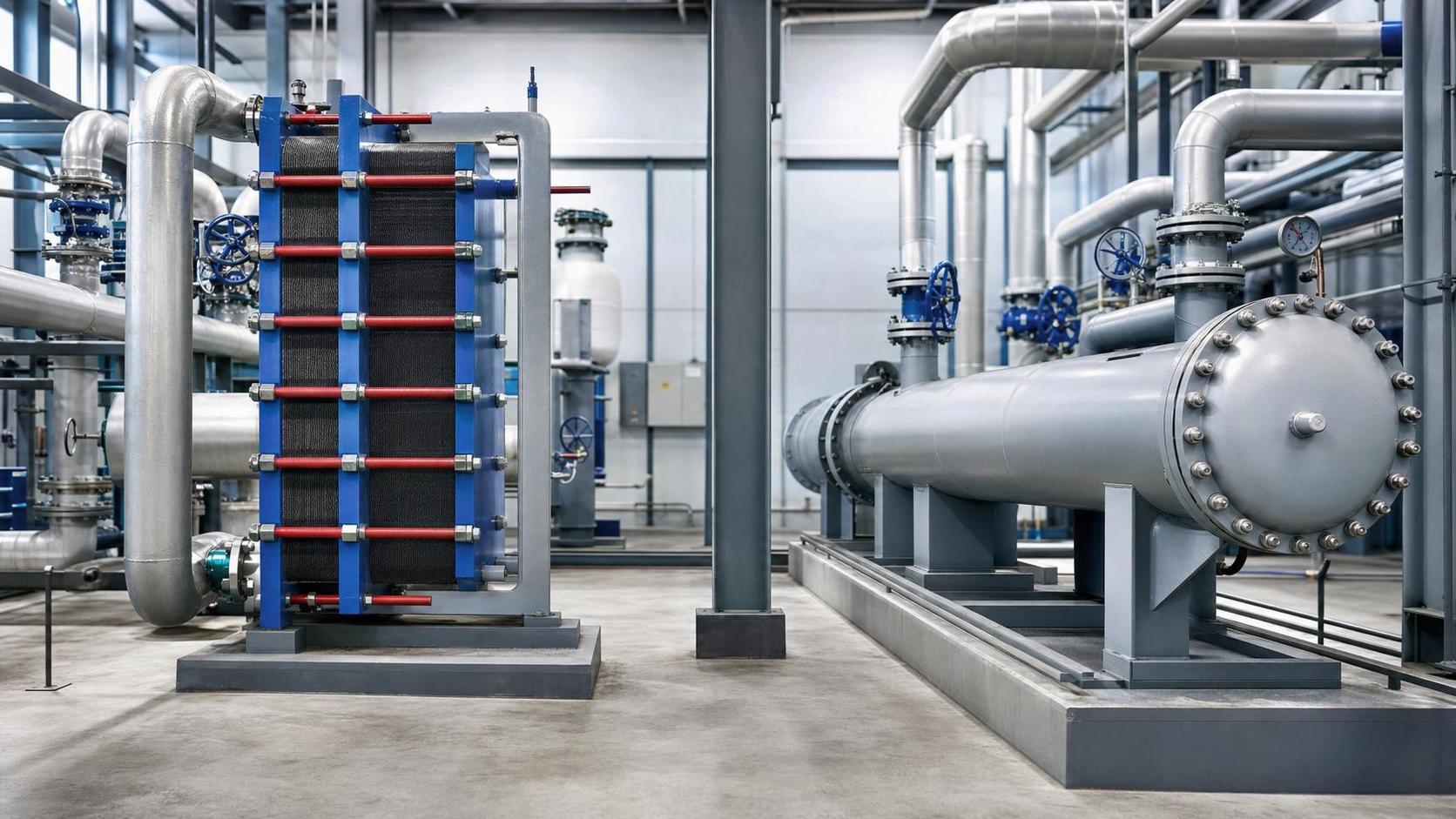
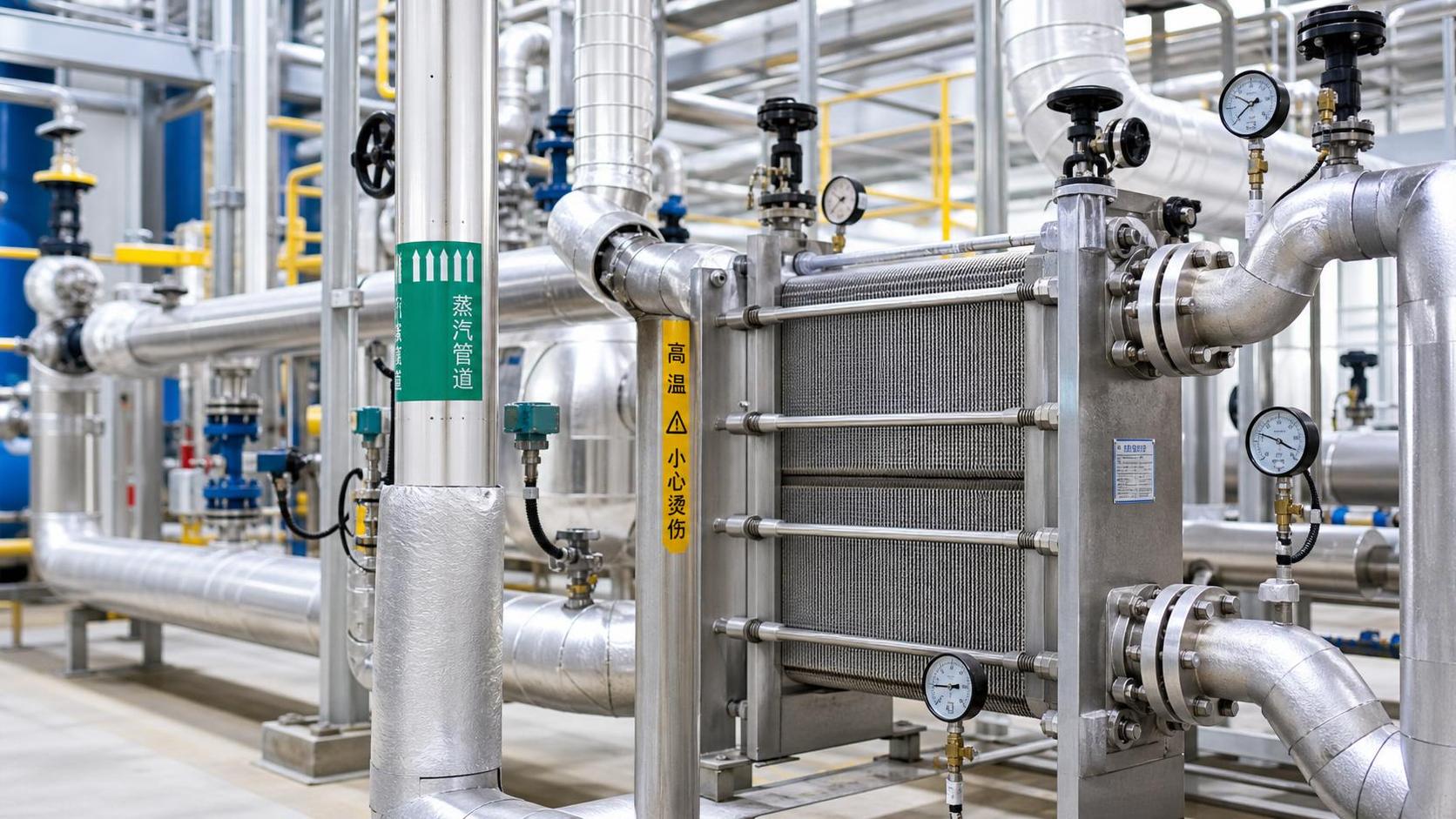
Plate heat exchanger technology is known for compact size and strong thermal performance. Corrugated plates generate turbulence at relatively low flow rates, improving heat transfer and supporting close temperature approaches.
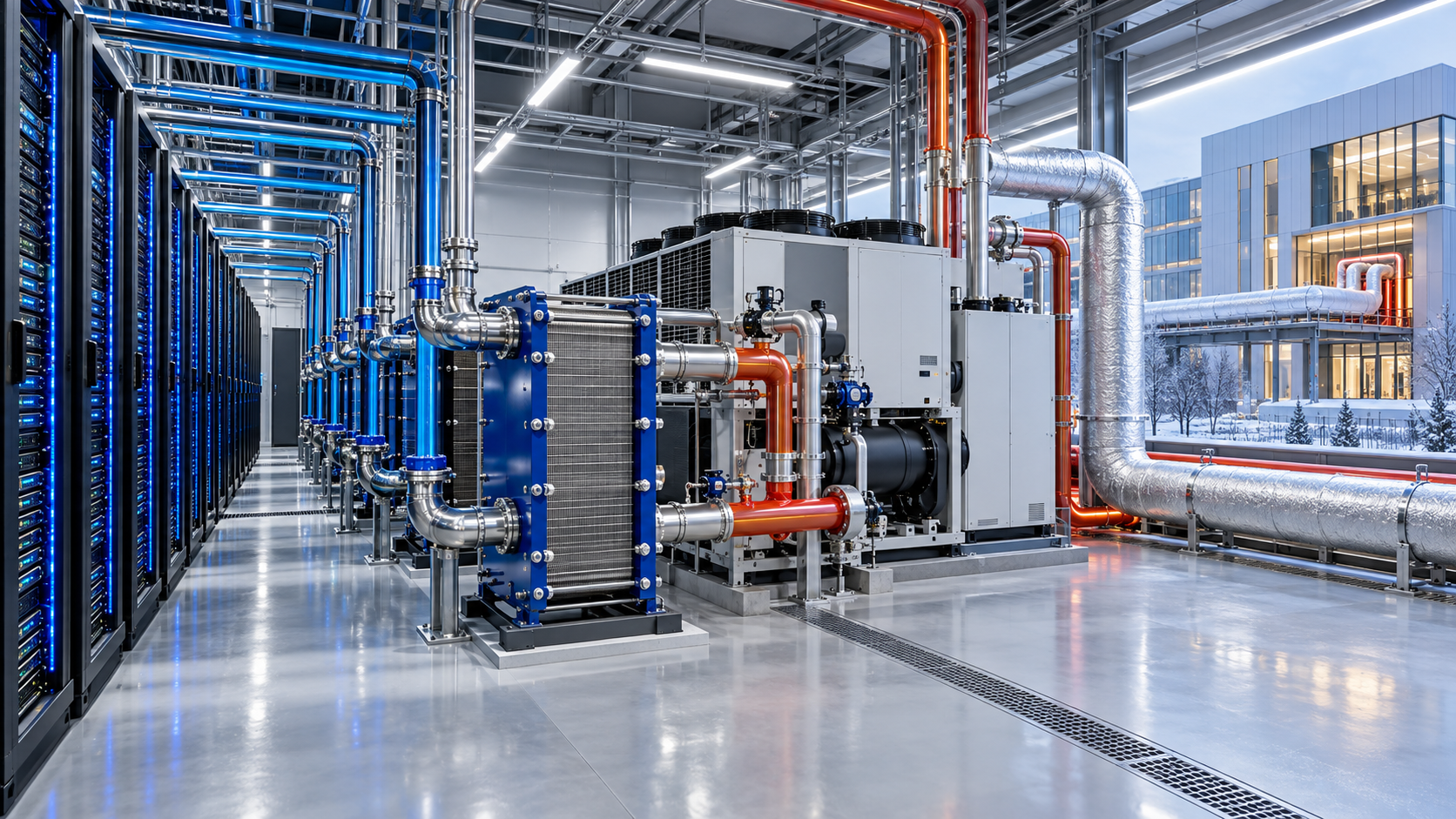
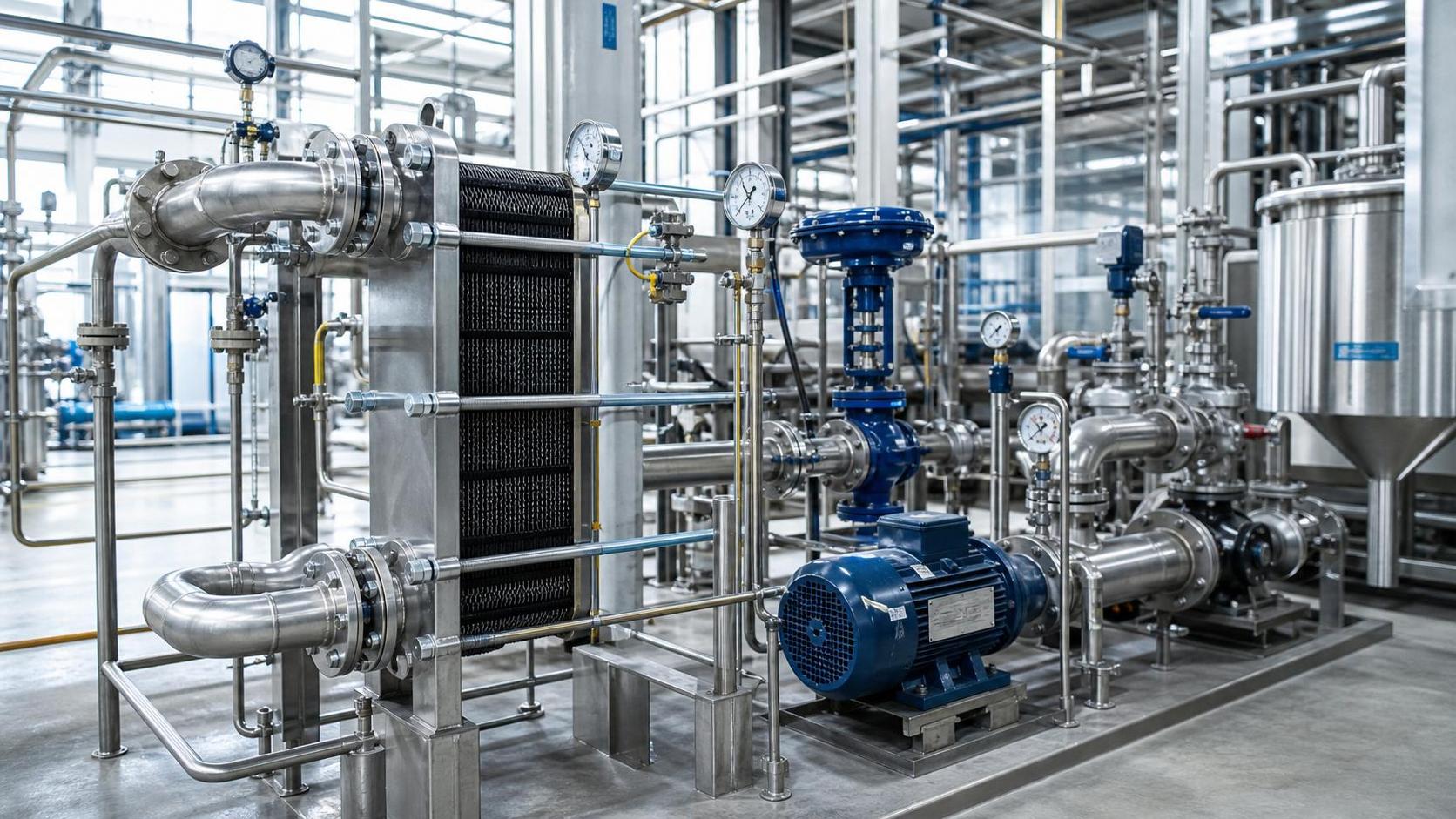
This design often performs well in HVAC, district energy, food processing, pharmaceutical utilities, clean water loops, and heat recovery skids. When space is limited, plate units can deliver high duty with a much smaller footprint than shell & tube alternatives.
Plate units also support flexible capacity changes. Additional plates can sometimes be added, making this heat exchanger technology attractive where process loads may grow after installation.
Best-fit conditions for plate designs
- Clean or moderately clean liquids with limited suspended solids.
- Applications needing high efficiency and tight temperature approach.
- Retrofit projects with restricted floor area or equipment height.
- Systems where low refrigerant or fluid inventory is preferred.
Where shell & tube heat exchanger technology remains stronger
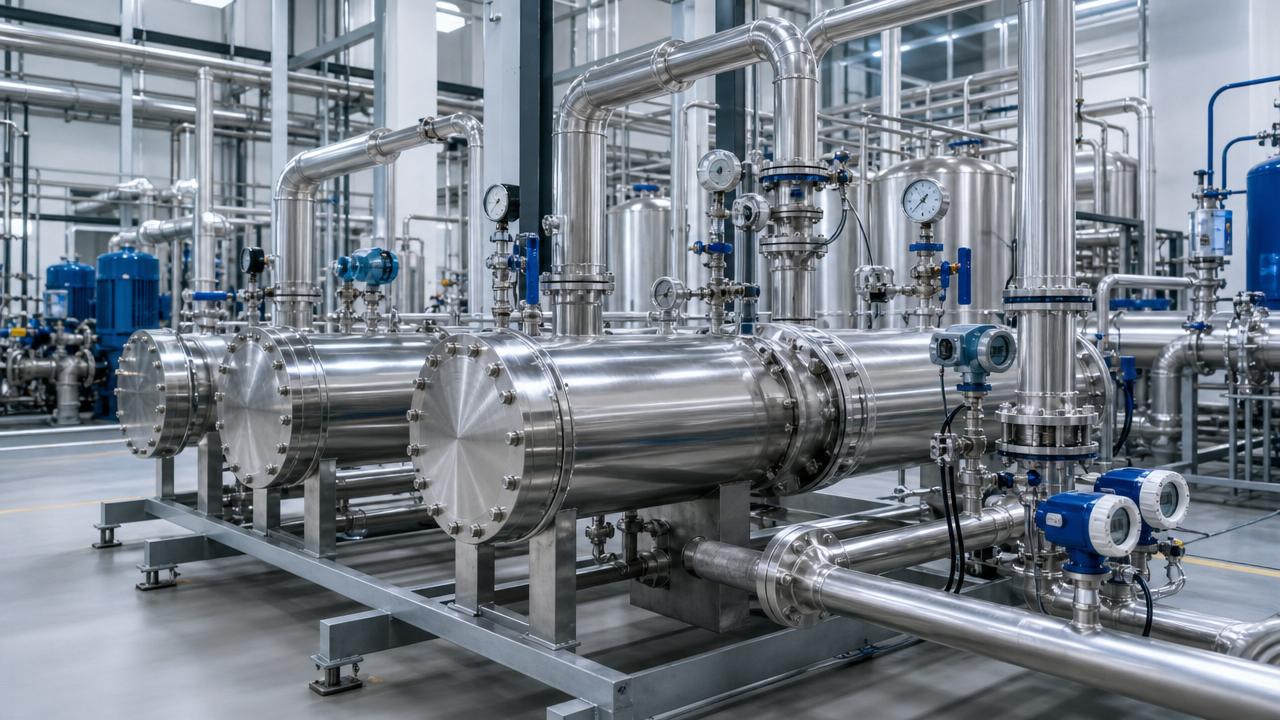
Shell & tube heat exchanger technology remains the standard for many heavy-duty industrial services. It handles high pressure, high temperature, thermal cycling, and difficult fluids with proven mechanical strength.
It is widely used in refineries, chemical plants, power generation, marine systems, mining, pulp and paper, and process cooling circuits with variable fluid quality. For services requiring robust construction and broad code familiarity, shell & tube is often the safer route.
Mechanical cleaning is another major advantage. Tubes can be cleaned by rodding, hydroblasting, or chemical circulation, which is essential when deposits are hard, sticky, or frequent.
Best-fit conditions for shell & tube designs
- Dirty process streams or fluids carrying particulates and fibers.
- High-pressure or high-temperature industrial duty.
- Applications requiring mechanical cleaning and rugged serviceability.
- Operations with severe thermal shock or cyclic load variation.
Application notes across common industrial scenarios
Clean utility cooling and closed loops
For closed water loops, glycol circuits, and clean utility transfer, plate heat exchanger technology usually offers better efficiency per square meter. It also supports compact skid integration and lower installed volume.
Chemical and aggressive process services
When corrosion risk is high, both designs can work with suitable metallurgy. The deciding factor is often fouling, pressure, and cleaning method. Shell & tube usually gains preference when service variability is significant.
Food, beverage, and hygienic systems
Plate heat exchanger technology is common in hygienic systems because of efficient transfer and compact design. However, gasket material, clean-in-place compatibility, and sanitation protocols must be validated carefully.
Energy recovery and decarbonization projects
For waste heat recovery, the best heat exchanger technology is usually the one that achieves the closest thermal approach without creating unacceptable fouling or pumping penalties. Plate units often lead, but only when fluid quality supports them.
Commonly overlooked risks
Ignore actual fouling chemistry, and thermal calculations quickly lose value. A highly efficient exchanger on paper can become an operational bottleneck if deposits form faster than the maintenance schedule allows.
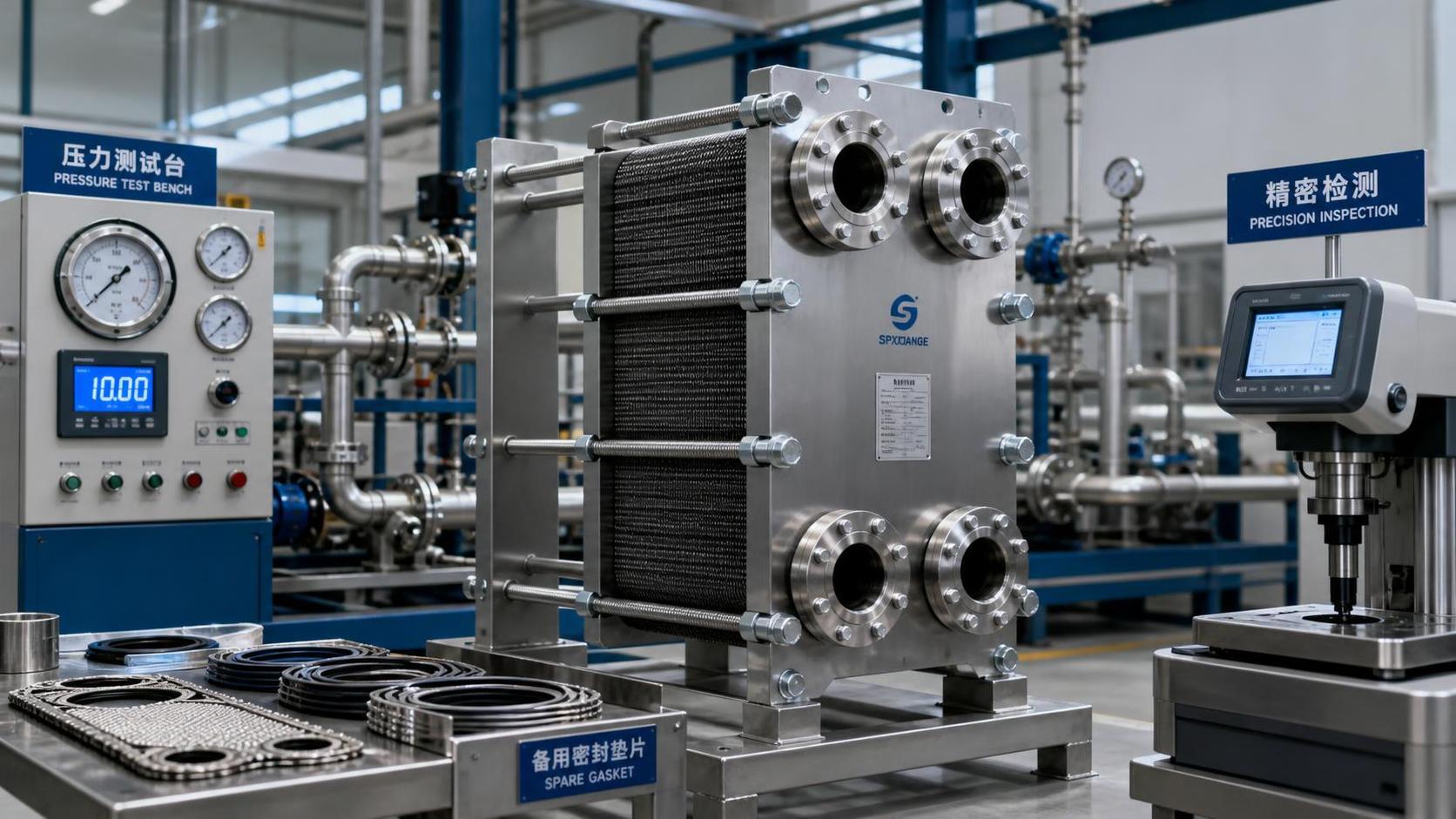
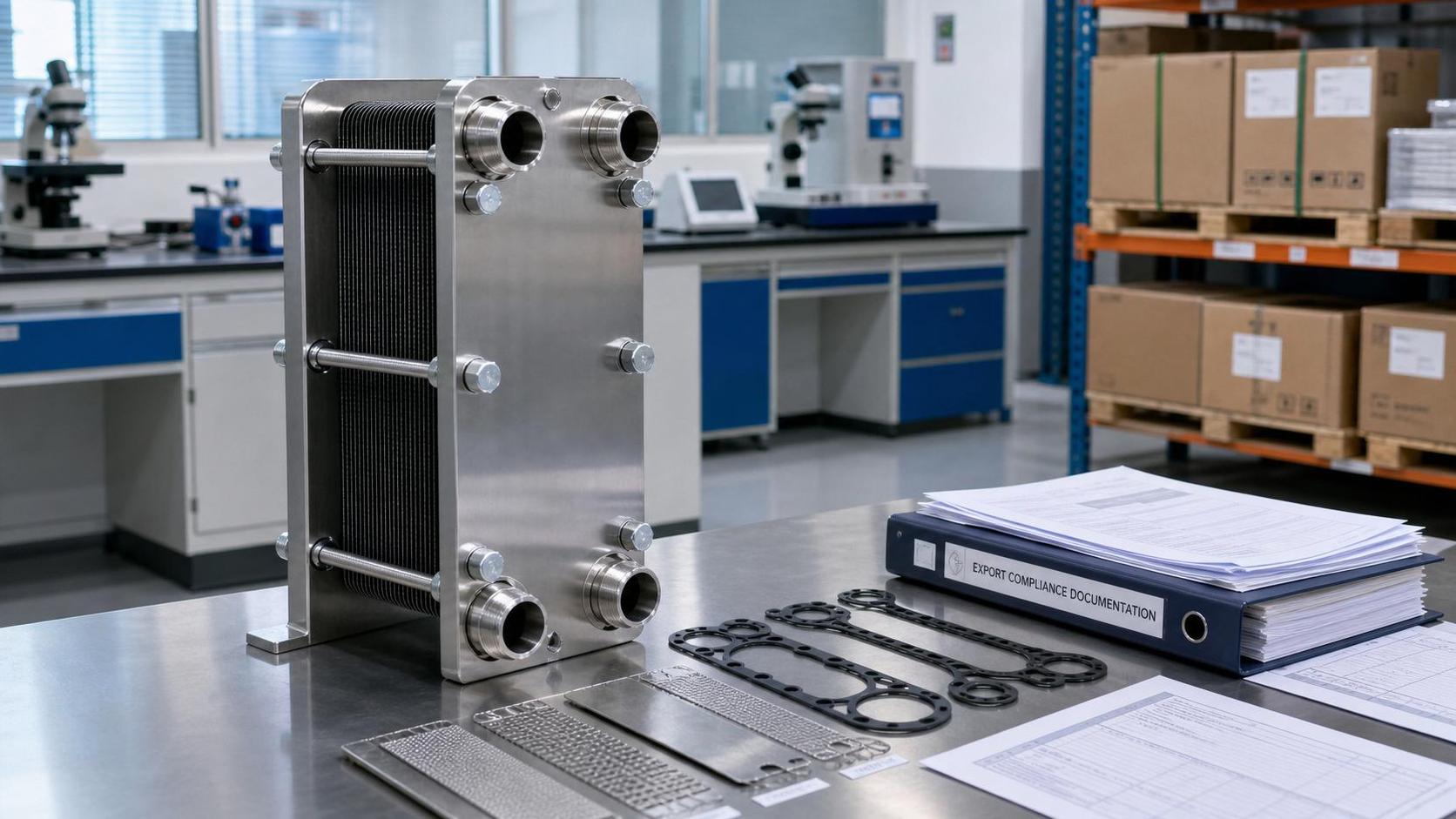
Underestimate gasket limitations, and plate heat exchanger technology may suffer leakage, material swelling, or shortened service life. Seal selection must reflect temperature spikes, cleaning agents, and chemical exposure.
Overlook pressure drop, and energy savings disappear into higher pump demand. Heat exchanger technology should always be evaluated as part of the full hydraulic system, not as an isolated thermal component.
Assume future duty will stay constant, and installed equipment may become undersized or inefficient. Capacity flexibility, spare area, and process expansion potential should be reviewed early.
Focus only on purchase price, and lifecycle cost can rise sharply. Cleaning frequency, outage duration, parts availability, and field support often matter more than the initial quotation.
Practical execution steps
- Build a duty sheet using verified operating and design conditions.
- Classify fluids by cleanliness, corrosion tendency, and cleaning method.
- Request both plate and shell & tube options where technically feasible.
- Compare thermal approach, pressure drop, footprint, and maintenance downtime.
- Review gasket, plate, tube, and shell materials against upset scenarios.
- Score each heat exchanger technology option by lifecycle value, not headline cost.
Final decision guide
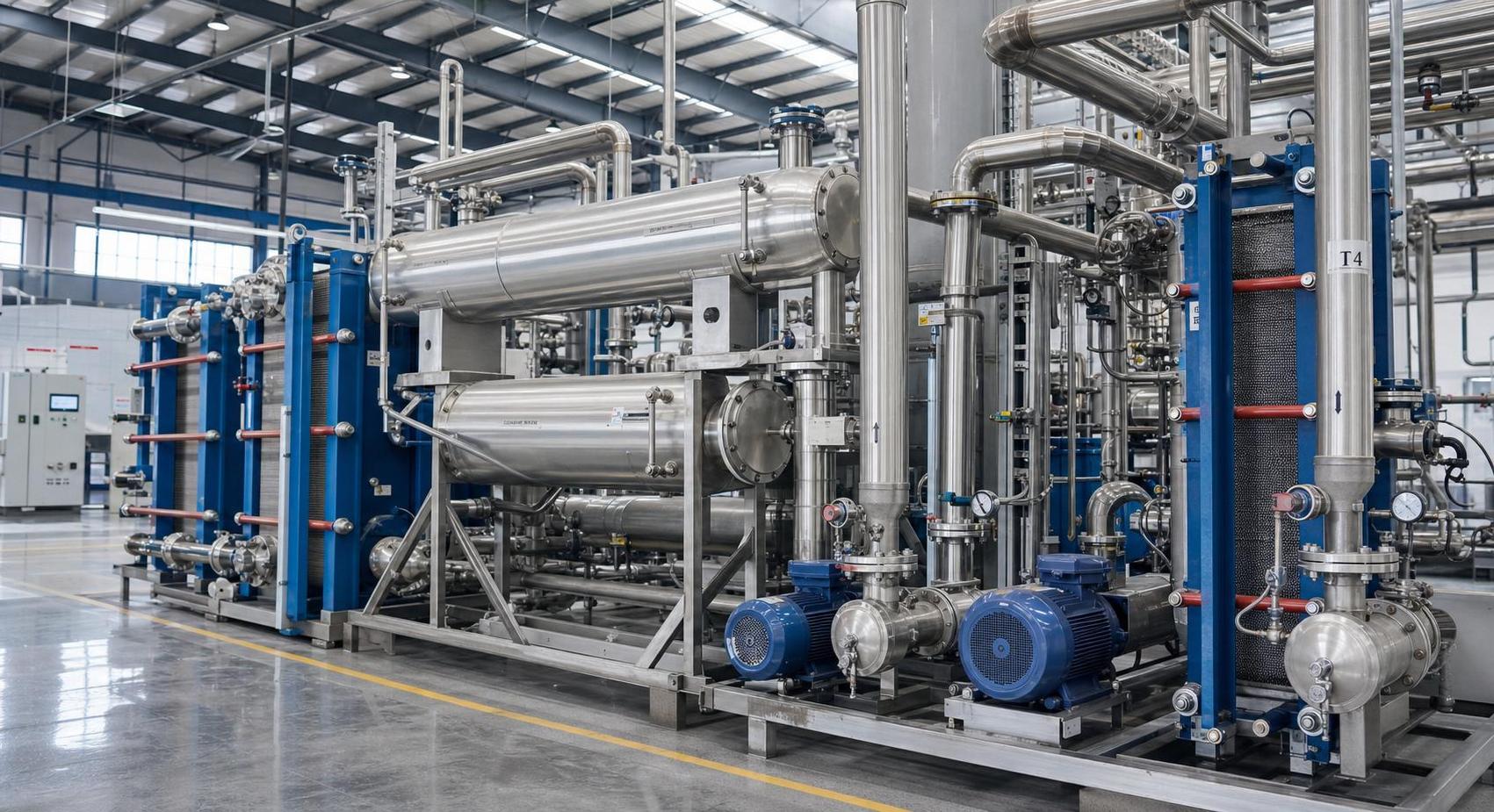
If the service is clean, space is limited, and efficiency is the top priority, plate heat exchanger technology is often the stronger choice. If the service is dirty, mechanically demanding, or subject to high pressure and severe cycling, shell & tube usually delivers better durability.
The best heat exchanger technology is the one aligned with real process behavior, maintenance capability, and energy strategy. A disciplined checklist creates a more reliable comparison and supports better thermal system performance across the full asset life.
For industrial intelligence teams tracking cooling, compression, vacuum, and heat transfer trends, a structured selection method also improves investment timing and supports stronger decarbonization results. The next step is simple: validate the duty, rank the risks, and compare both designs on lifecycle evidence.
Related News
- When does heat recovery improve data center cooling efficiency?Author :Thermodynamics Analyst

- How Do I Verify Heat Transfer Calculations in a Supplier Quotation?Author :Thermodynamics Analyst

- How to evaluate a plate heat exchangers supplier before orderingAuthor :Thermodynamics Analyst

- EU Tightens Fatigue Checks for Plate Heat ExchangersAuthor :Thermodynamics Analyst

- EU PFAS Rule Adds New Export Filing for Cooling EquipmentAuthor :Thermodynamics Analyst

- EU EN 13445-4:2026 Adds Fatigue Report RequirementAuthor :Thermodynamics Analyst

- EU Updates EN 13445-4 for Plate ExchangersAuthor :Thermodynamics Analyst

- How to Compare Energy-Efficient Heat Exchange SolutionsAuthor :Thermodynamics Analyst

- Brazed Plate Exchanger Design: 7 Factors That Affect Heat TransferAuthor :Thermodynamics Analyst

- EU CBAM Pilot List Adds Plate ExchangersAuthor :Thermodynamics Analyst

- How Heat Exchange Systems Improve Temperature Control StabilityAuthor :Thermodynamics Analyst

- Japan to Require Efficiency Labels for Plate ExchangersAuthor :Thermodynamics Analyst

- EU REACH Adds PFAS Ban for Plate Heat ExchangersAuthor :Thermodynamics Analyst

- India Enforces BIS Rule for Plate Heat ExchangersAuthor :Thermodynamics Analyst

- DIN EN 13445-6:2026 Tightens Plate Exchanger CE RulesAuthor :Thermodynamics Analyst

- EU REACH Restricts PFAS Seals for Plate Heat ExchangersAuthor :Thermodynamics Analyst

- India Mandates BIS Certification for Imported Plate ExchangersAuthor :Thermodynamics Analyst

- Vietnam Requires QR Labels on Imported Plate Heat ExchangersAuthor :Thermodynamics Analyst

- EU EN 13445-4:2026 Tightens NDT Rules for Heat ExchangersAuthor :Thermodynamics Analyst

- EPA Clears R-1234ze(E) for Plate Exchanger SystemsAuthor :Thermodynamics Analyst
 for Plate Exchanger Systems")
- Heat Exchange Equipment Selection: Key Performance Checks Before You Compare ModelsAuthor :Thermodynamics Analyst

- ASHRAE 90.1-2026 Raises Plate Exchanger Efficiency ThresholdAuthor :Thermodynamics Analyst

- Heat Exchange Systems: How to Choose the Right SetupAuthor :Thermodynamics Analyst

- EPA SNAP 89 Takes Effect for Plate ExchangersAuthor :Thermodynamics Analyst

- How to Compare Heat Exchange Solutions for Lower Energy UseAuthor :Thermodynamics Analyst

- EPA SNAP 89 Expands Filing Rules for Plate Heat ExchangersAuthor :Thermodynamics Analyst

- EPA SNAP update adds filing rule for plate heat exchangersAuthor :Thermodynamics Analyst

- Industrial Heat Recovery: Where the Payback Is Fastest in 2026Author :Thermodynamics Analyst

- California EPR Deadline Nears for Cooling Equipment MakersAuthor :Thermodynamics Analyst

- Heat Exchanger Technology: Plate vs Shell and Tube for EfficiencyAuthor :Thermodynamics Analyst

- Industrial Heat Recovery Options for High-Temperature ProcessesAuthor :Thermodynamics Analyst

- Heat Transfer Problems in Process Lines: Causes and Practical FixesAuthor :Thermodynamics Analyst

- India Tightens Plate Exchanger Import Clearance RulesAuthor :Thermodynamics Analyst

- SABIC Methanol Force Majeure Extended to Q4 2026Author :Thermodynamics Analyst

- How to Improve Heat Exchanger Efficiency Without Major RetrofitAuthor :Thermodynamics Analyst

- Plate Heat Exchange vs Shell & Tube: Which Fits Your Process Better?Author :Thermodynamics Analyst