Vietnam Mandates QR Traceability for Imported Heat Exchangers




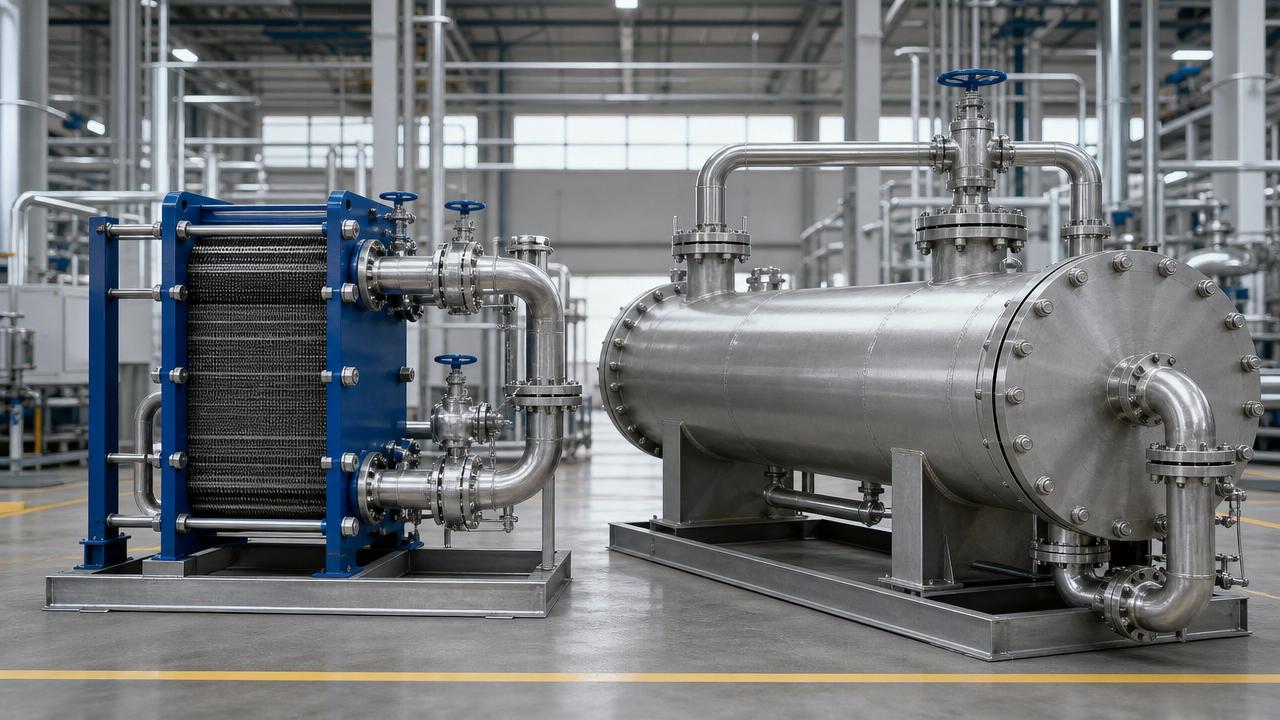
Vietnam’s Ministry of Industry and Trade (MOIT) issued Circular No. 22/2026/TT-BCT on May 3, 2026, requiring all imported plate and shell-and-tube heat exchangers to carry a unique QR code and transmit real-time energy performance data to the Vietnam National Energy Efficiency Platform (VNEEP) — effective August 1, 2026. This measure directly affects manufacturers, exporters, and importers in the thermal equipment supply chain, especially those based in China supplying to the Vietnamese market. Its significance lies not only in regulatory compliance but also in its implications for cross-border logistics, digital integration readiness, and long-term market access.
Event Overview
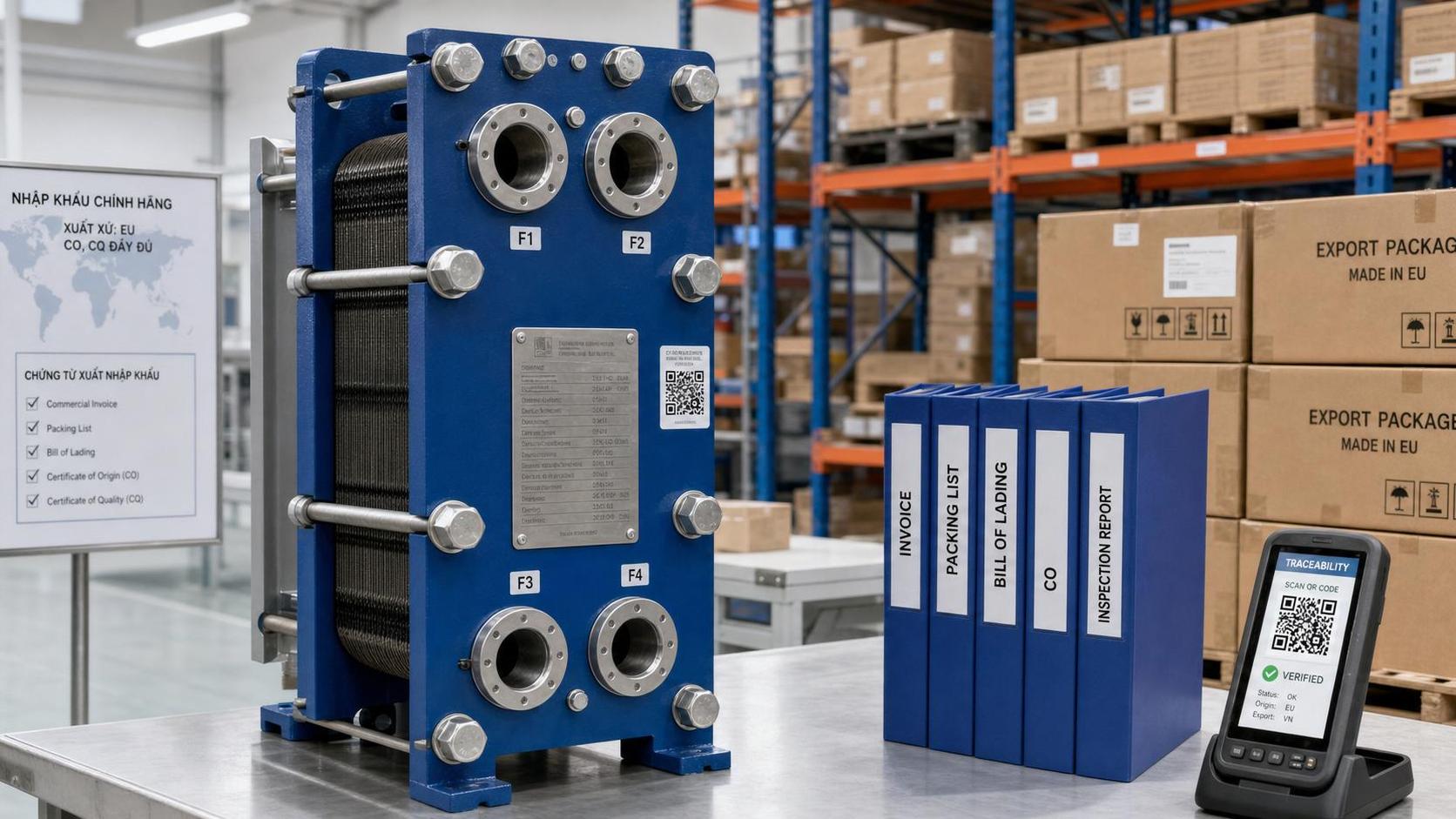
On May 3, 2026, Vietnam’s Ministry of Industry and Trade published Circular No. 22/2026/TT-BCT. It stipulates that, starting August 1, 2026, all imported plate heat exchangers and shell-and-tube heat exchangers must be affixed with a unique QR code traceability label and must be capable of uploading operational energy efficiency data in real time to the Vietnam National Energy Efficiency Platform (VNEEP). Chinese suppliers are required to complete VNEEP platform registration and develop compatible data interface solutions prior to shipment; failure to do so will result in customs clearance denial.
Industries Affected by Segment
Direct Exporters and Trading Enterprises
These entities face immediate operational impact because they bear primary responsibility for pre-shipment compliance. The requirement to register on VNEEP and integrate data interfaces shifts part of technical compliance from end-users or local importers to upstream exporters — particularly relevant for Chinese firms acting as OEM/ODM suppliers. Impact manifests in delayed shipments, increased documentation burden, and potential liability for non-compliant consignments.
Manufacturers of Plate and Shell-and-Tube Heat Exchangers
Manufacturers must now embed data collection capability (e.g., embedded sensors or communication modules) and ensure firmware/software compatibility with VNEEP’s API specifications. This introduces new design, testing, and certification considerations — especially for units previously sold without connectivity features. Product lines without standardized digital outputs may require retrofitting or version segmentation for the Vietnamese market.
Supply Chain and Logistics Service Providers
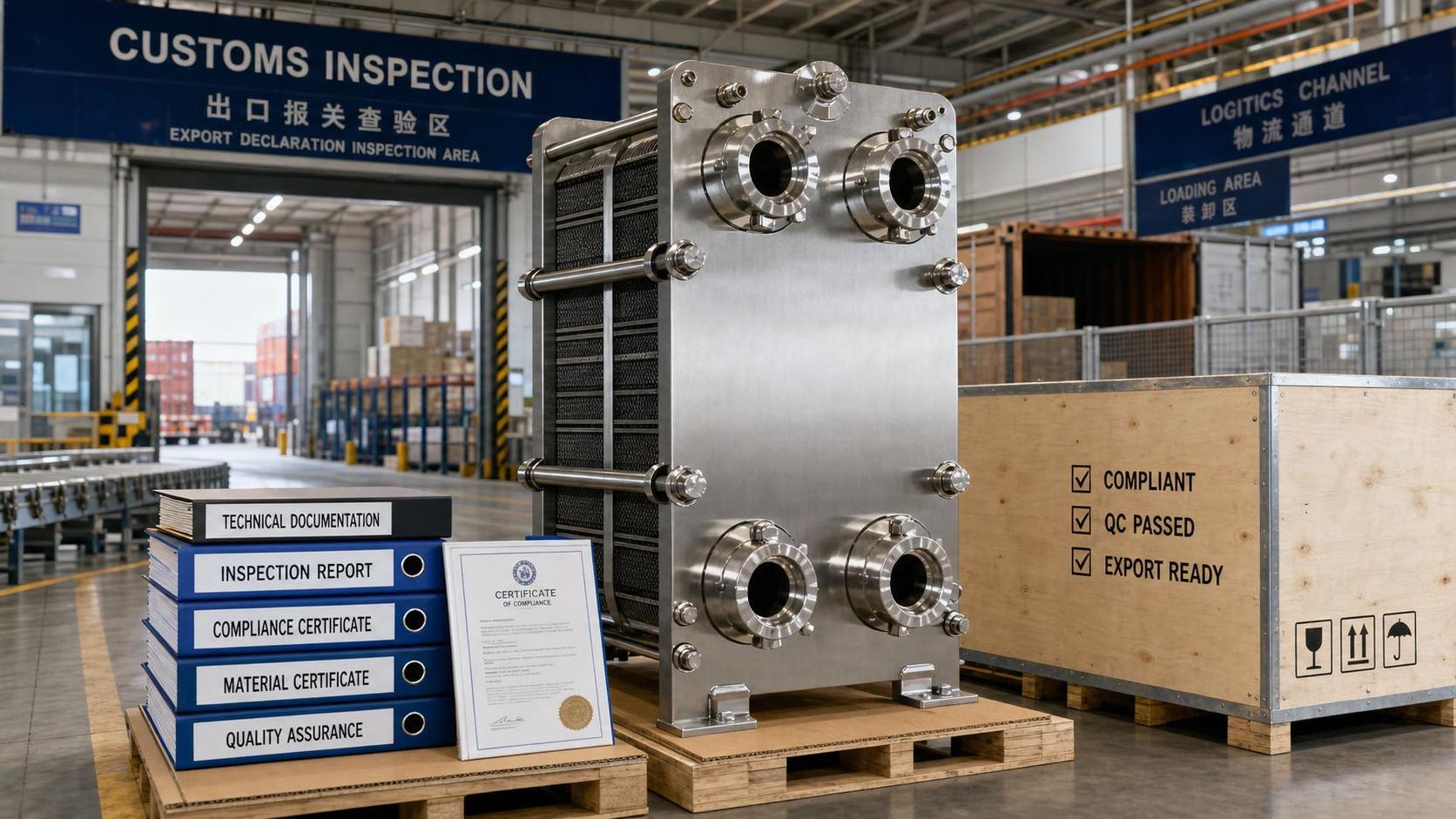
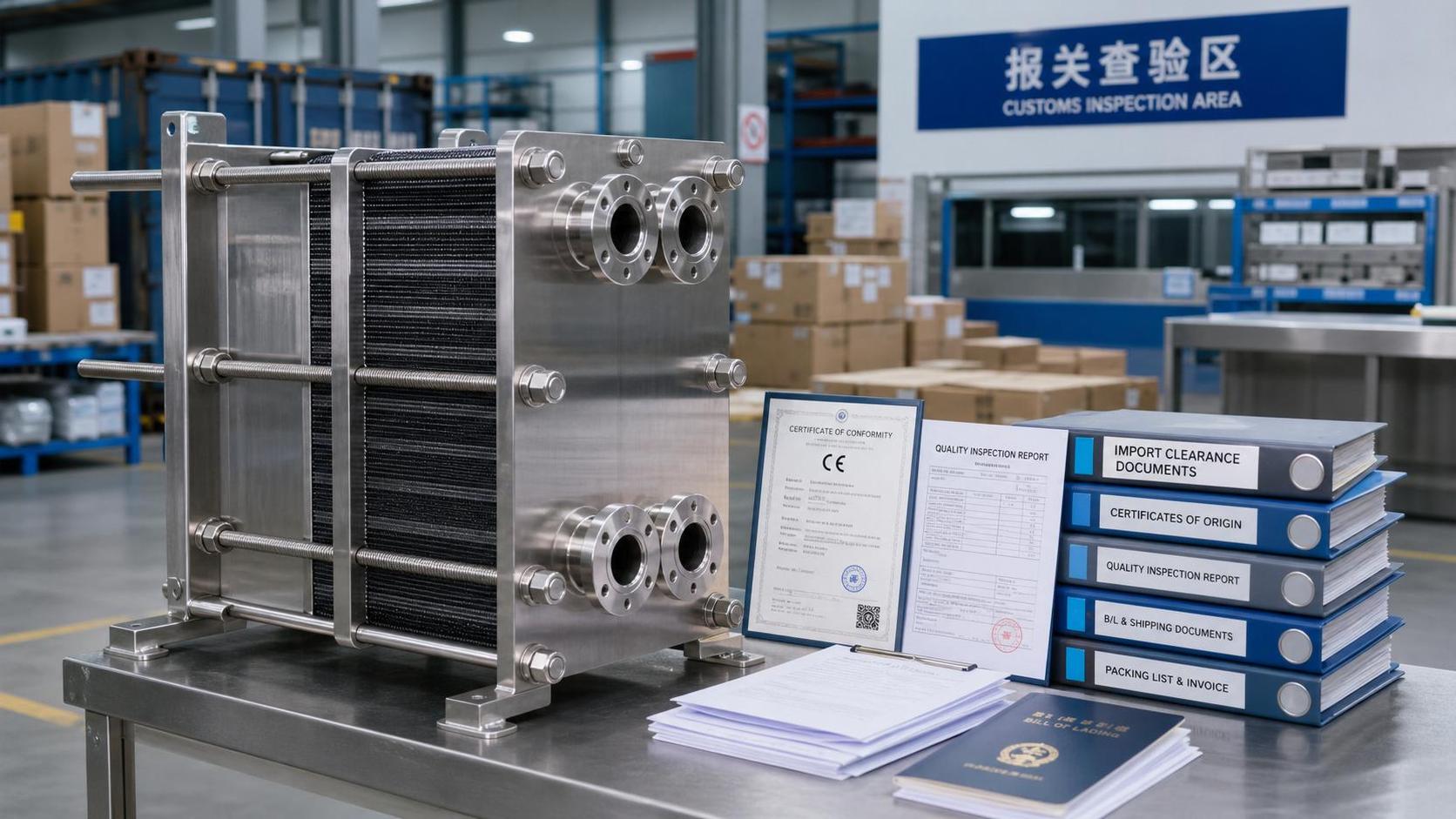
Freight forwarders, customs brokers, and third-party compliance consultants handling Vietnam-bound shipments must update their pre-clearance checklists to include QR label verification and VNEEP registration confirmation. Absence of either may trigger customs holds. Their role evolves from document processing to technical validation support — increasing demand for bilingual, regulation-aware coordination capacity.
What Relevant Enterprises Should Focus On and How to Respond Now
Monitor official VNEEP technical documentation and API specifications
The MOIT circular references VNEEP as the mandatory platform but does not publish full interface requirements within the notice itself. Enterprises should track updates from the Vietnam General Department of Energy (under MOIT), particularly release notes on data fields, transmission frequency, authentication protocols, and QR format standards — expected to be finalized before July 2026.
Prioritize product lines and customer contracts with imminent Vietnam shipments
Compliance is tied to shipment date, not order date or invoice date. Firms should identify all orders scheduled for dispatch after August 1, 2026, and assess whether current models meet hardware/software prerequisites. For legacy products lacking telemetry capability, evaluate feasibility of firmware upgrades versus dedicated compliant SKUs — rather than applying blanket solutions across portfolios.
Distinguish between policy signal and implementation readiness
While the regulation takes effect August 1, 2026, VNEEP’s capacity to onboard thousands of foreign suppliers remains unconfirmed. Analysis shows early adopters may encounter system latency, registration bottlenecks, or ambiguous error messages during initial API testing. Treat the first quarter post-launch as a de facto pilot phase — allocate internal IT resources for iterative troubleshooting, not one-time integration.
Initiate cross-departmental alignment on labeling, packaging, and documentation workflows
QR label placement, durability, scannability under warehouse conditions, and multilingual labeling (Vietnamese + English minimum) must be coordinated across production, QA, and export departments. Also verify that commercial invoices and packing lists explicitly reference VNEEP registration numbers and QR identifiers — as these may become mandatory fields in Vietnam’s electronic customs system (VNACCS).
Editorial Perspective / Industry Observation
Observably, this regulation marks Vietnam’s shift from voluntary energy labeling toward enforceable, digitally monitored equipment performance tracking — aligning with broader ASEAN energy efficiency harmonization efforts. It is less a standalone trade barrier and more a structural signal: digital traceability is becoming a baseline condition for industrial equipment market access in emerging Southeast Asian economies. From an industry perspective, it reflects growing emphasis on lifecycle energy accountability — where manufacturers are held responsible not just for product efficiency at point of sale, but for verifiable in-use performance. Current implementation timelines suggest it functions primarily as a medium-term readiness benchmark rather than an immediate enforcement hammer — yet delay in preparation carries tangible operational risk.
Conclusion
This circular represents a procedural inflection point for exporters of thermal exchange equipment to Vietnam — not a market exit, but a compliance threshold requiring technical and operational adaptation. It is best understood not as a sudden restriction, but as an early indicator of Vietnam’s broader digital infrastructure integration agenda for industrial imports. Enterprises should treat it as a test case for scalable, platform-agnostic data compliance frameworks — applicable beyond Vietnam as similar systems emerge regionally.
Source Attribution
Main source: Vietnam Ministry of Industry and Trade (MOIT), Circular No. 22/2026/TT-BCT, issued May 3, 2026.
Points requiring ongoing observation: Final VNEEP API documentation, official guidance on QR label specifications, and confirmation of phased enforcement rollout (if any) post-August 2026.
Related News
- How to evaluate a plate heat exchangers supplier before orderingAuthor :Thermodynamics Analyst

- EU Tightens Fatigue Checks for Plate Heat ExchangersAuthor :Thermodynamics Analyst

- EU PFAS Rule Adds New Export Filing for Cooling EquipmentAuthor :Thermodynamics Analyst

- EU EN 13445-4:2026 Adds Fatigue Report RequirementAuthor :Thermodynamics Analyst

- EU Updates EN 13445-4 for Plate ExchangersAuthor :Thermodynamics Analyst

- How to Compare Energy-Efficient Heat Exchange SolutionsAuthor :Thermodynamics Analyst

- Brazed Plate Exchanger Design: 7 Factors That Affect Heat TransferAuthor :Thermodynamics Analyst

- EU CBAM Pilot List Adds Plate ExchangersAuthor :Thermodynamics Analyst

- How Heat Exchange Systems Improve Temperature Control StabilityAuthor :Thermodynamics Analyst

- Japan to Require Efficiency Labels for Plate ExchangersAuthor :Thermodynamics Analyst

- EU REACH Adds PFAS Ban for Plate Heat ExchangersAuthor :Thermodynamics Analyst

- India Enforces BIS Rule for Plate Heat ExchangersAuthor :Thermodynamics Analyst

- DIN EN 13445-6:2026 Tightens Plate Exchanger CE RulesAuthor :Thermodynamics Analyst

- EU REACH Restricts PFAS Seals for Plate Heat ExchangersAuthor :Thermodynamics Analyst

- India Mandates BIS Certification for Imported Plate ExchangersAuthor :Thermodynamics Analyst

- Vietnam Requires QR Labels on Imported Plate Heat ExchangersAuthor :Thermodynamics Analyst

- EU EN 13445-4:2026 Tightens NDT Rules for Heat ExchangersAuthor :Thermodynamics Analyst

- EPA Clears R-1234ze(E) for Plate Exchanger SystemsAuthor :Thermodynamics Analyst
 for Plate Exchanger Systems")
- Heat Exchange Equipment Selection: Key Performance Checks Before You Compare ModelsAuthor :Thermodynamics Analyst

- ASHRAE 90.1-2026 Raises Plate Exchanger Efficiency ThresholdAuthor :Thermodynamics Analyst

- Heat Exchange Systems: How to Choose the Right SetupAuthor :Thermodynamics Analyst

- EPA SNAP 89 Takes Effect for Plate ExchangersAuthor :Thermodynamics Analyst

- How to Compare Heat Exchange Solutions for Lower Energy UseAuthor :Thermodynamics Analyst

- EPA SNAP 89 Expands Filing Rules for Plate Heat ExchangersAuthor :Thermodynamics Analyst

- EPA SNAP update adds filing rule for plate heat exchangersAuthor :Thermodynamics Analyst

- Industrial Heat Recovery: Where the Payback Is Fastest in 2026Author :Thermodynamics Analyst

- California EPR Deadline Nears for Cooling Equipment MakersAuthor :Thermodynamics Analyst

- Heat Exchanger Technology: Plate vs Shell and Tube for EfficiencyAuthor :Thermodynamics Analyst

- Industrial Heat Recovery Options for High-Temperature ProcessesAuthor :Thermodynamics Analyst

- Heat Transfer Problems in Process Lines: Causes and Practical FixesAuthor :Thermodynamics Analyst

- India Tightens Plate Exchanger Import Clearance RulesAuthor :Thermodynamics Analyst

- SABIC Methanol Force Majeure Extended to Q4 2026Author :Thermodynamics Analyst

- How to Improve Heat Exchanger Efficiency Without Major RetrofitAuthor :Thermodynamics Analyst

- Plate Heat Exchange vs Shell & Tube: Which Fits Your Process Better?Author :Thermodynamics Analyst

- Heat Transfer Basics: What Affects Efficiency Most?Author :Thermodynamics Analyst
![]()
- Microchannel Heat Exchangers vs Plate Exchangers: Key Trade-OffsAuthor :Thermodynamics Analyst