4th Chain Expo to Be Held in Beijing, Australia as Guest Country




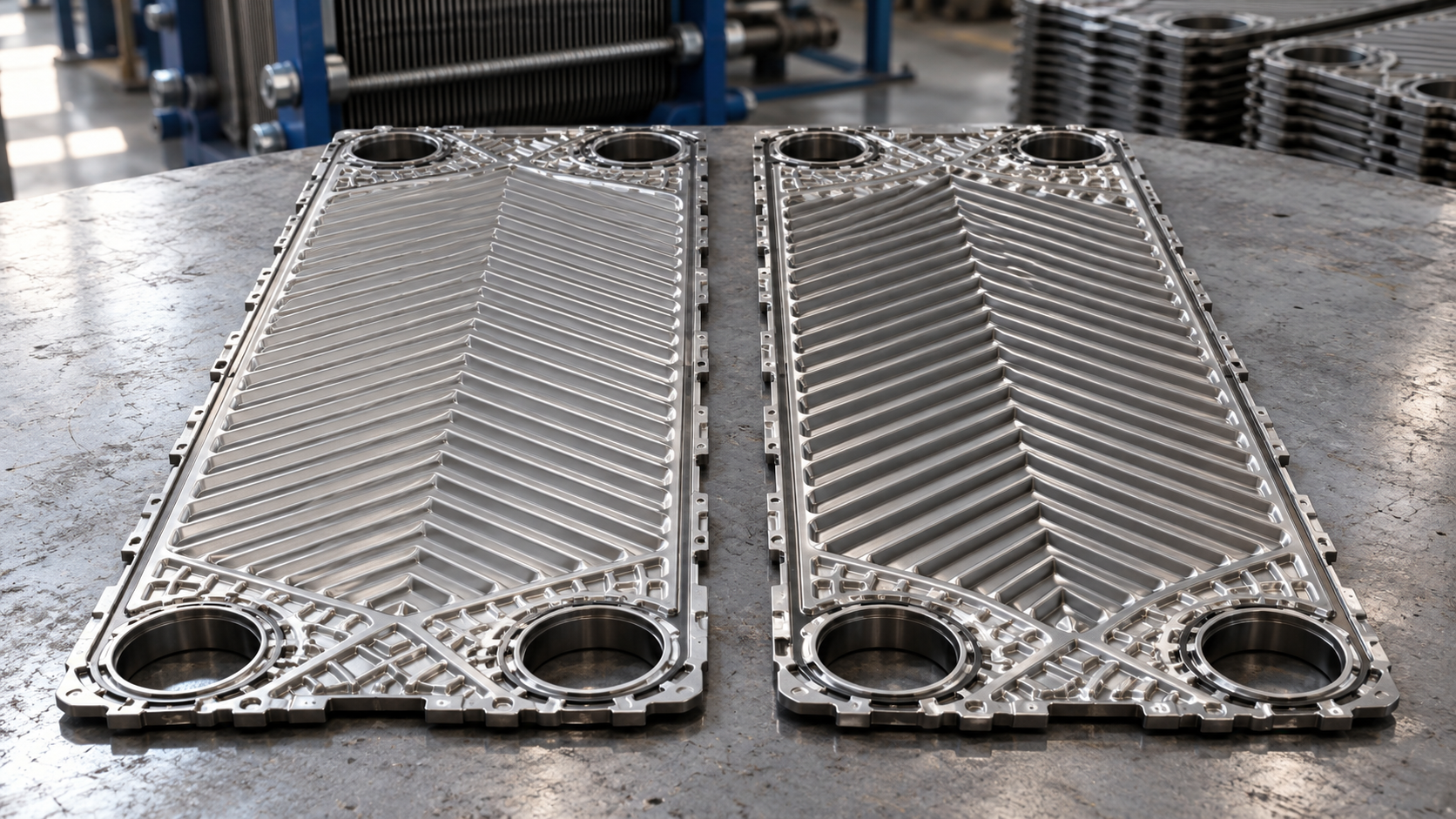
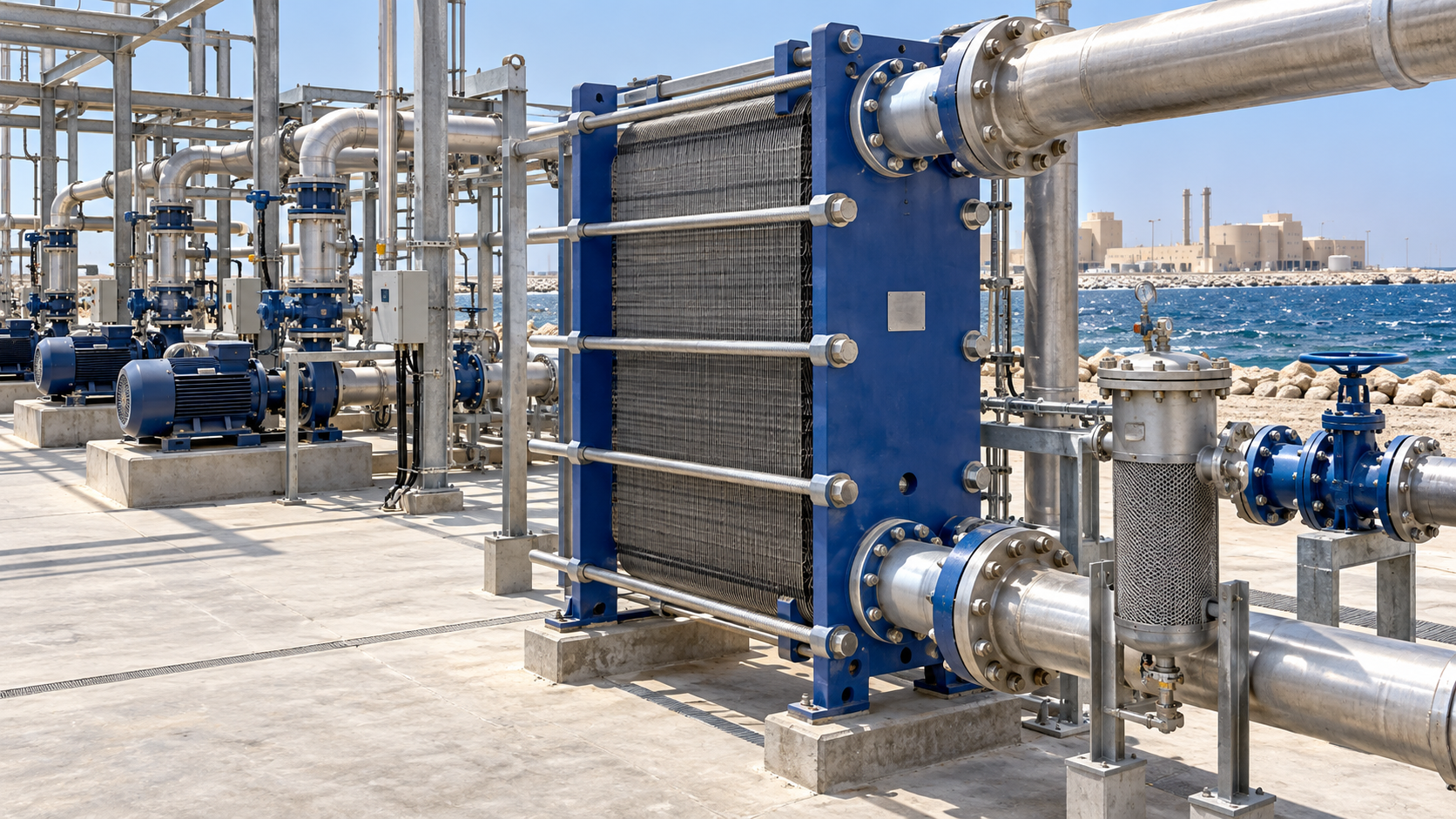
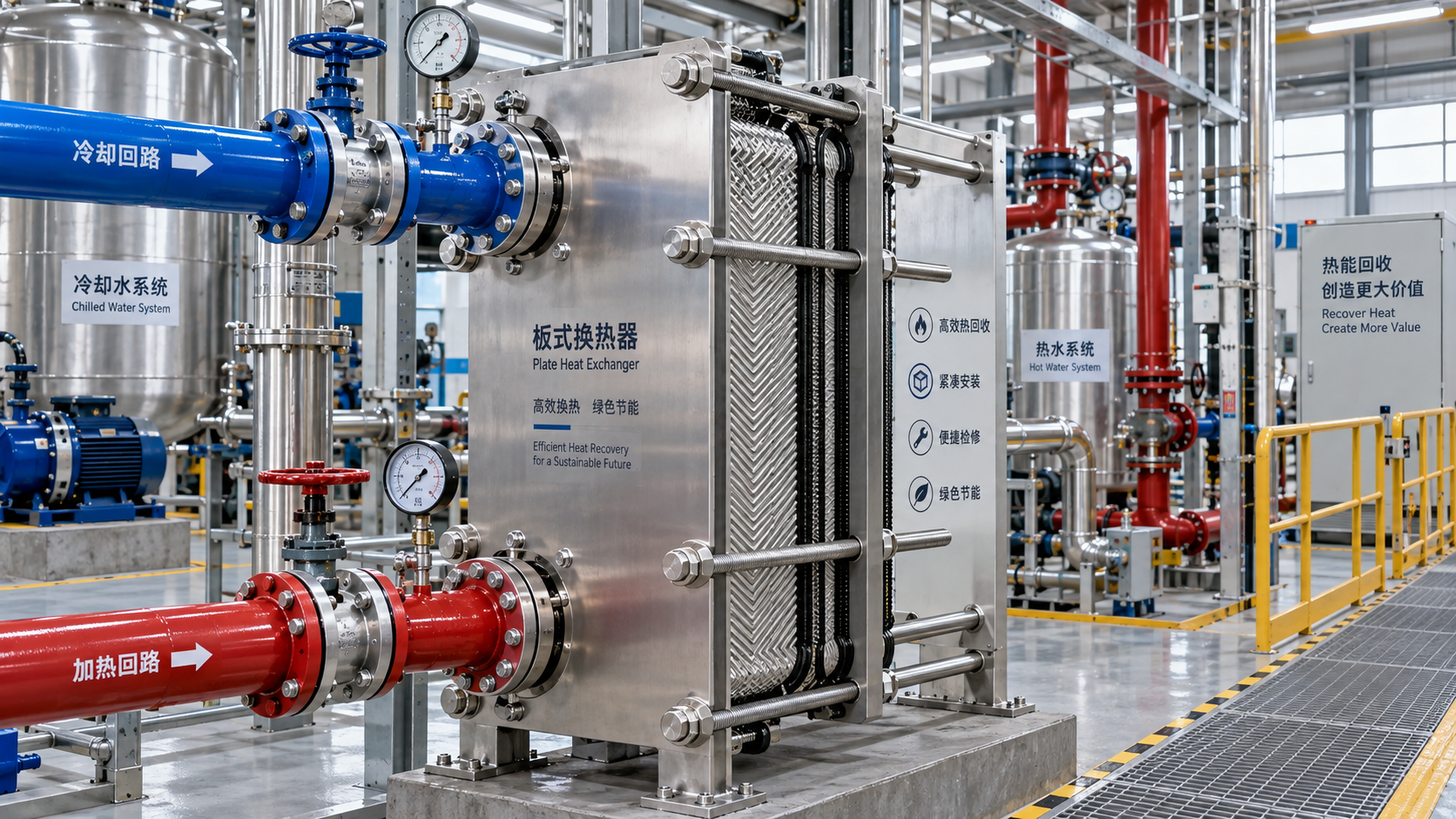
The Fourth China International Supply Chain Expo (CISCE), scheduled for June 22–26, 2026 in Beijing, was officially announced by the State Council Information Office on May 22, 2026. With the theme “Connecting the World, Co-Creating the Future,” the event places strong emphasis on green supply chain advancement—particularly microchannel plate heat exchangers and low-carbon hydrogen equipment—with Australia serving as the guest country. This development carries direct implications for thermal equipment manufacturing, clean energy system integration, industrial heat recovery, and international standards alignment—making it especially relevant for enterprises engaged in cross-border technology trade, precision component sourcing, and sustainability-compliant production.
Event Overview
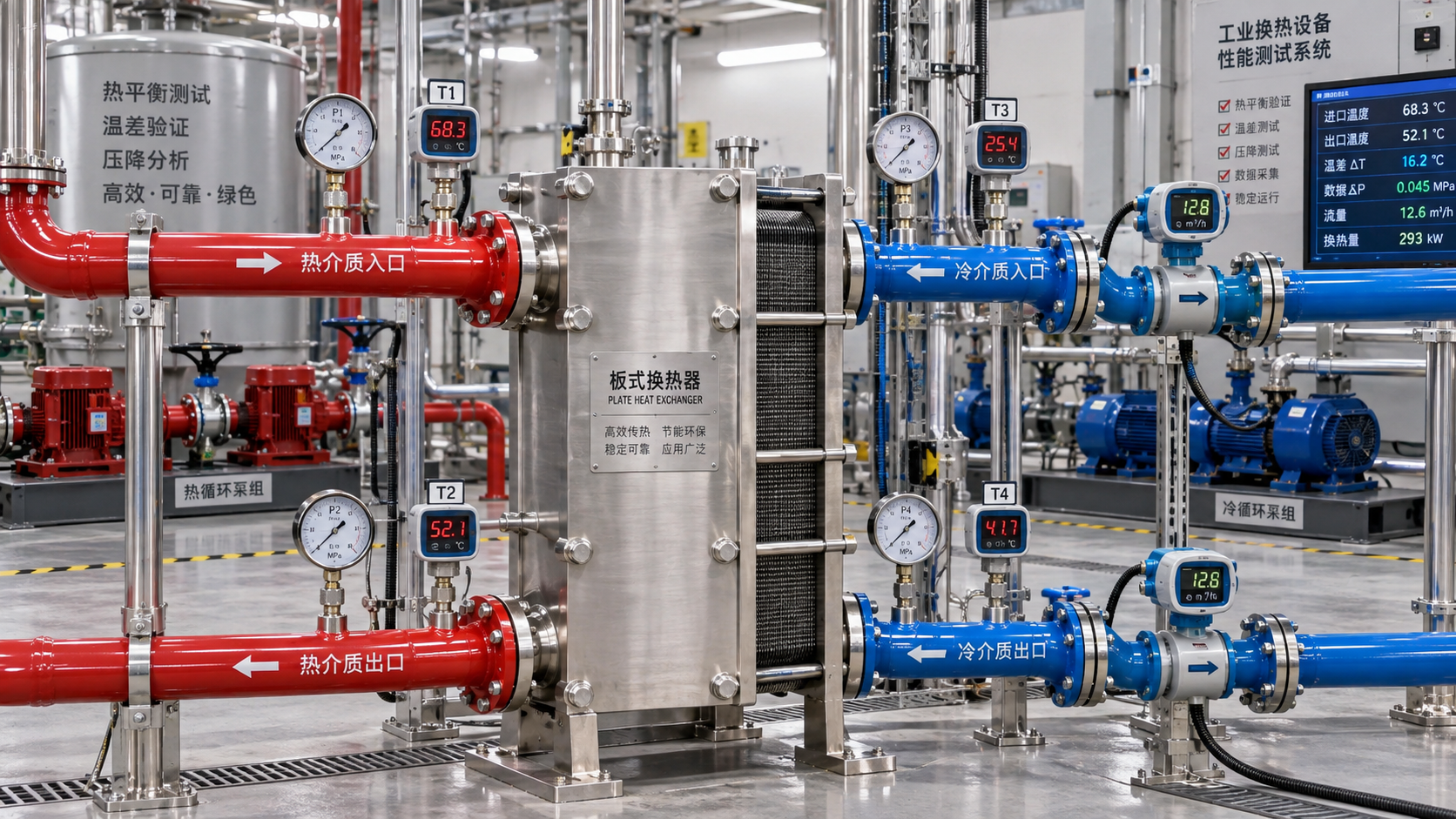
The State Council Information Office confirmed on May 22, 2026 that the Fourth China International Supply Chain Expo will take place in Beijing from June 22 to 26, 2026. Australia is designated as the guest country and will spotlight low-carbon hydrogen equipment and microchannel plate exchangers. The Chinese side will release the Green Supply Chain Technology Adaptation Guidelines, which—for the first time—incorporate the Sino-Australian mutually recognized thermal efficiency testing method for microchannel heat exchangers, based on the revised ISO 18737:2025 standard.
Industries Affected by This Development
Direct Trade Enterprises (Export/Import Firms)
These firms face immediate implications due to the inclusion of a jointly recognized test method in official guidelines. As ISO 18737:2025 (revised) becomes a referenced benchmark in Chinese policy documents, export-oriented suppliers of plate heat exchangers—including those from Australia, Germany, Japan, and South Korea—may encounter new conformity expectations when entering or maintaining access to the Chinese market.
Raw Material & Component Procurement Entities
Procurement teams sourcing thermal interface materials, brazed aluminum alloys, or microchannel substrates may see tightening specification alignment requirements. The adoption of a harmonized test protocol signals growing demand for traceable, standardized performance data—not just material certifications—especially where heat transfer efficiency directly affects end-product compliance.
Manufacturing Enterprises (Thermal Equipment & Energy Systems)
Firms producing hydrogen compressors, fuel cell cooling modules, or industrial waste-heat recovery units must now consider whether their current design validation protocols align with the ISO 18737:2025 revision. Deviations may require retesting or third-party verification ahead of product registration or tender submissions in China-related projects.
Supply Chain Service Providers (Testing Labs, Certification Bodies, Logistics)
Laboratories accredited under older versions of ISO 18737 may need to verify scope extension for the 2025 revision. Certification bodies may begin updating audit checklists; logistics providers handling temperature-sensitive or high-precision thermal components should anticipate more frequent documentation requests related to thermal performance validation reports.
What Relevant Enterprises or Practitioners Should Focus On and How to Respond
Monitor Official Implementation Timelines and Interpretive Guidance
The Green Supply Chain Technology Adaptation Guidelines are newly released, but formal enforcement mechanisms—such as mandatory referencing in GB standards or customs technical barriers—are not yet confirmed. Enterprises should track announcements from SAMR (State Administration for Market Regulation) and CNCA (China National Certification and Accreditation Administration) over Q3 2026.
Verify Alignment of Current Product Documentation with ISO 18737:2025 (Revised)
Manufacturers and exporters should review existing test reports and declarations against the updated clauses in ISO 18737:2025—particularly those covering flow distribution uniformity, pressure drop tolerance under transient conditions, and surface fouling resistance metrics. Where gaps exist, targeted retesting may be advisable before major procurement cycles begin post-Chain Expo.
Distinguish Between Policy Signal and Operational Requirement
Inclusion in the Guidelines reflects a directional signal—not an immediate regulatory mandate. Analysis shows this step primarily supports interoperability in bilateral green infrastructure cooperation (e.g., Australia-China hydrogen pilot projects), rather than triggering across-the-board import restrictions. Companies should avoid overreacting with full-scale redesigns unless tied to specific tenders or partnerships announced during or after the Expo.
Prepare Technical Documentation for Cross-Border Traceability
Enterprises supplying to Chinese OEMs or EPC contractors should compile test reports, calibration records, and material traceability logs in English and simplified Chinese—and ensure they explicitly reference ISO 18737:2025 (revised edition). Early preparation reduces delays in technical review phases during project bidding or customs clearance.
Editorial Perspective / Industry Observation
Observably, this announcement functions less as an immediate regulatory shift and more as a coordinated alignment signal between China and Australia on measurement credibility for critical green thermal components. The joint recognition of a test method—rather than promotion of a proprietary technology—is notable: it suggests priority is placed on verifiable performance comparability, not market access favoritism. From an industry perspective, the move reinforces that standards harmonization is becoming a non-negotiable layer of supply chain resilience—especially where climate-linked infrastructure projects involve multinational stakeholders. However, actual adoption velocity will depend on whether downstream sectors (e.g., hydrogen refueling station developers or district heating operators) begin citing the Guidelines in procurement specifications—a development requiring sustained observation beyond June 2026.
Conclusion: This initiative marks a procedural milestone—not a market inflection point—in Sino-Australian green tech collaboration. It confirms growing institutional attention to measurement integrity in thermal systems, but does not yet represent binding technical regulation. For industry participants, it is better understood as an early-stage framework-setting action, warranting technical due diligence and documentation readiness—not operational overhaul.
Source: State Council Information Office press briefing, May 22, 2026. Note: Implementation timelines, sectoral adoption patterns, and enforcement scope remain subject to further official clarification and are therefore under ongoing observation.
Ready when you are. Send us a message to get started.
Related News
- How corrugation angle affects heat transfer in plate heat exchangersAuthor :Thermodynamics Analyst

- When do plate heat exchangers suit Middle East seawater cooling?Author :Thermodynamics Analyst

- When does gasketed plate heat exchanger technology suit your process?Author :Thermodynamics Analyst

- When does heat recovery improve data center cooling efficiency?Author :Thermodynamics Analyst

- How Do I Verify Heat Transfer Calculations in a Supplier Quotation?Author :Thermodynamics Analyst

- How to evaluate a plate heat exchangers supplier before orderingAuthor :Thermodynamics Analyst

- EU Tightens Fatigue Checks for Plate Heat ExchangersAuthor :Thermodynamics Analyst

- EU PFAS Rule Adds New Export Filing for Cooling EquipmentAuthor :Thermodynamics Analyst

- EU EN 13445-4:2026 Adds Fatigue Report RequirementAuthor :Thermodynamics Analyst

- EU Updates EN 13445-4 for Plate ExchangersAuthor :Thermodynamics Analyst

- How to Compare Energy-Efficient Heat Exchange SolutionsAuthor :Thermodynamics Analyst

- Brazed Plate Exchanger Design: 7 Factors That Affect Heat TransferAuthor :Thermodynamics Analyst

- EU CBAM Pilot List Adds Plate ExchangersAuthor :Thermodynamics Analyst

- How Heat Exchange Systems Improve Temperature Control StabilityAuthor :Thermodynamics Analyst

- Japan to Require Efficiency Labels for Plate ExchangersAuthor :Thermodynamics Analyst

- EU REACH Adds PFAS Ban for Plate Heat ExchangersAuthor :Thermodynamics Analyst

- India Enforces BIS Rule for Plate Heat ExchangersAuthor :Thermodynamics Analyst

- DIN EN 13445-6:2026 Tightens Plate Exchanger CE RulesAuthor :Thermodynamics Analyst

- EU REACH Restricts PFAS Seals for Plate Heat ExchangersAuthor :Thermodynamics Analyst

- India Mandates BIS Certification for Imported Plate ExchangersAuthor :Thermodynamics Analyst

- Vietnam Requires QR Labels on Imported Plate Heat ExchangersAuthor :Thermodynamics Analyst

- EU EN 13445-4:2026 Tightens NDT Rules for Heat ExchangersAuthor :Thermodynamics Analyst

- EPA Clears R-1234ze(E) for Plate Exchanger SystemsAuthor :Thermodynamics Analyst
 for Plate Exchanger Systems")
- Heat Exchange Equipment Selection: Key Performance Checks Before You Compare ModelsAuthor :Thermodynamics Analyst

- ASHRAE 90.1-2026 Raises Plate Exchanger Efficiency ThresholdAuthor :Thermodynamics Analyst

- Heat Exchange Systems: How to Choose the Right SetupAuthor :Thermodynamics Analyst

- EPA SNAP 89 Takes Effect for Plate ExchangersAuthor :Thermodynamics Analyst

- How to Compare Heat Exchange Solutions for Lower Energy UseAuthor :Thermodynamics Analyst

- EPA SNAP 89 Expands Filing Rules for Plate Heat ExchangersAuthor :Thermodynamics Analyst

- EPA SNAP update adds filing rule for plate heat exchangersAuthor :Thermodynamics Analyst

- Industrial Heat Recovery: Where the Payback Is Fastest in 2026Author :Thermodynamics Analyst

- California EPR Deadline Nears for Cooling Equipment MakersAuthor :Thermodynamics Analyst

- Heat Exchanger Technology: Plate vs Shell and Tube for EfficiencyAuthor :Thermodynamics Analyst

- Industrial Heat Recovery Options for High-Temperature ProcessesAuthor :Thermodynamics Analyst

- Heat Transfer Problems in Process Lines: Causes and Practical FixesAuthor :Thermodynamics Analyst

- India Tightens Plate Exchanger Import Clearance RulesAuthor :Thermodynamics Analyst