Vietnam Mandates QR Traceability & Energy Platform for Plate Heat Exchangers




Vietnam’s Ministry of Industry and Trade has mandated that all imported plate heat exchangers must be registered on the national Vietnam Energy Efficiency Platform (VN-EEP) and carry a unique QR code embedded on the equipment nameplate, effective 1 May 2026. This requirement directly affects exporters, manufacturers, and distributors in the thermal equipment supply chain—particularly those based in China supplying to the Vietnamese market—and signals a tightening of energy-related import compliance standards.
Event Overview
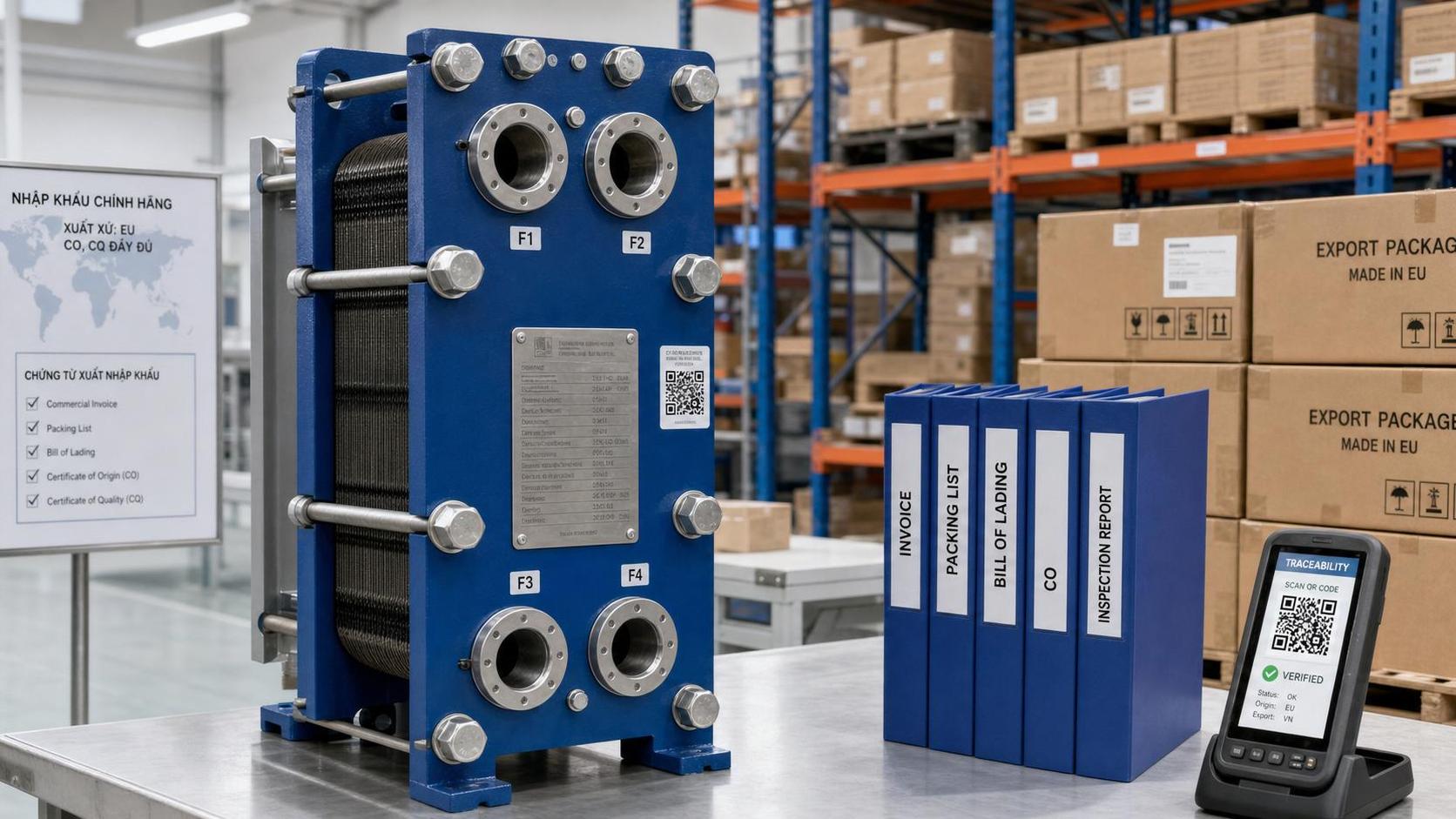
Under Circular No. 12/2026/TT-BCT issued by Vietnam’s Ministry of Industry and Trade, mandatory registration on the Vietnam Energy Efficiency Platform (VN-EEP) and physical QR code embedding on the nameplate of all imported plate heat exchangers take effect on 1 May 2026. The QR code must enable full lifecycle energy performance data traceability—from Chinese manufacturing facilities to end users in Vietnam. On 9 May 2026, the first list of regulated Chinese suppliers was published, comprising 38 export-oriented enterprises headquartered in Jiangsu and Zhejiang provinces.
Industries Affected
Direct Trading Enterprises (Exporters)
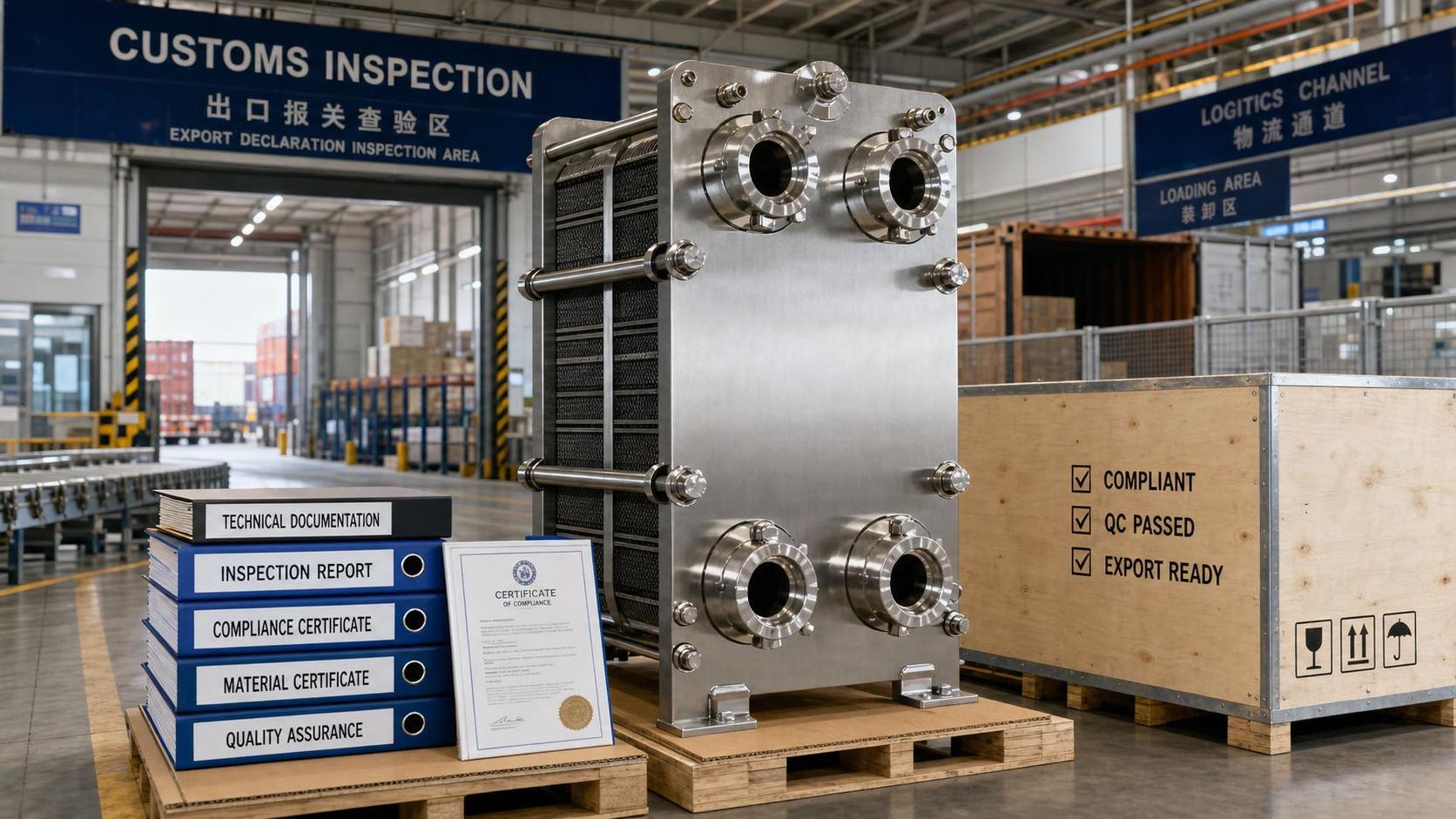
Exporters of plate heat exchangers from China to Vietnam are directly subject to the new requirements. Compliance is now a prerequisite for customs clearance and market access. Non-compliant shipments may face rejection, delays, or mandatory rework—including retroactive QR coding and VN-EEP registration—adding cost and lead time uncertainty.
Manufacturing Enterprises (OEM/ODM Producers)
Chinese manufacturers producing plate heat exchangers—even if not named on the initial supplier list—must adapt production workflows to embed compliant QR codes and generate standardized energy data files. This requires integration with VN-EEP’s technical specifications (e.g., data schema, encryption, upload frequency), potentially necessitating firmware updates or labeling system adjustments.
Supply Chain & Logistics Service Providers
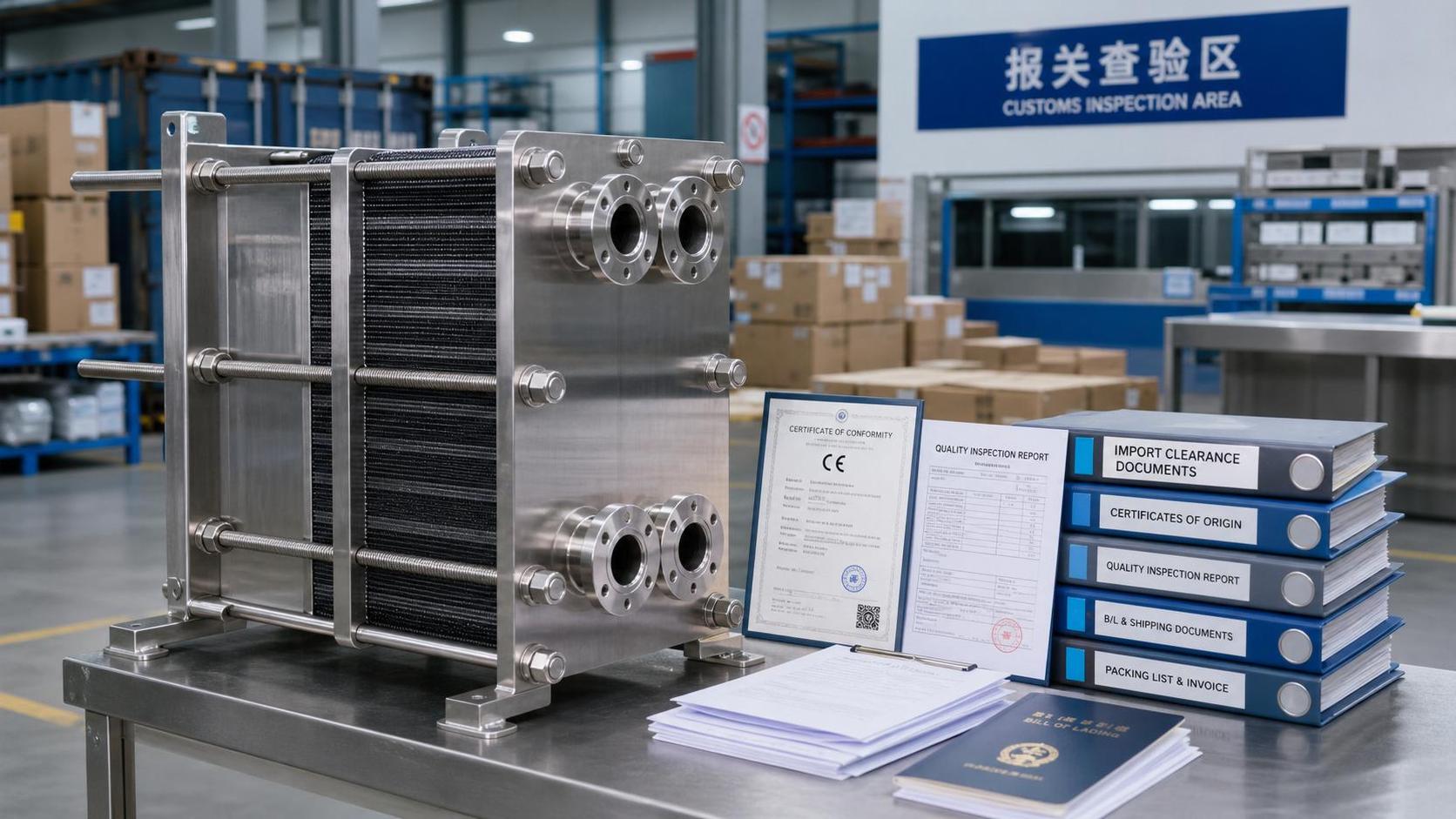
Cargo forwarders, customs brokers, and certification agents handling plate heat exchanger imports into Vietnam must verify pre-shipment compliance documentation: VN-EEP registration confirmation, QR code validation reports, and energy data submission records. Absence of these may trigger port-side inspections or document rejections.
Distribution & Aftermarket Channel Operators
Local Vietnamese distributors and system integrators receiving imported units must ensure incoming stock carries valid QR codes linked to active VN-EEP registrations. Resale or installation without verified traceability could expose them to regulatory liability, especially during post-market audits or energy efficiency verification campaigns.
Key Focus Areas and Recommended Actions
Monitor official VN-EEP technical guidelines and registration procedures
The VN-EEP platform’s API specifications, QR code format requirements (e.g., encoding standard, size, durability), and acceptable energy data fields have not yet been publicly detailed. Enterprises should track updates from Vietnam’s General Department of Standards, Metrology and Quality (STAMEQ) and the VN-EEP portal—particularly any deadlines for test registration or sandbox environment access.
Verify inclusion status and prepare for phased enforcement
Although 38 enterprises were listed on 9 May 2026, the regulation applies universally to all plate heat exchanger imports—not just those from named firms. Companies not on the initial list should treat this as a signal of broader rollout, not exemption. Prioritize internal inventory mapping: identify SKUs, production batches, and shipment schedules falling after 1 May 2026.
Distinguish between policy issuance and operational readiness
The circular is effective 1 May 2026, but VN-EEP’s capacity to process bulk registrations, validate QR-linked data streams, and coordinate with Vietnamese customs remains unconfirmed. Enterprises should avoid assuming seamless implementation; instead, plan for parallel documentation (e.g., paper-based energy declarations alongside QR uploads) until platform stability is verified through early adopter feedback.
Initiate cross-departmental alignment on labeling and data workflows
Manufacturers must align production, quality control, IT, and export departments to embed QR codes consistently and link them to verifiable energy test reports. This includes updating label printers, revising QC checklists to include QR scan verification, and assigning responsibility for periodic data uploads to VN-EEP—especially for units installed at multiple sites over time.
Editorial Perspective / Industry Observation
Observably, this measure is less about immediate enforcement and more about institutionalizing energy data accountability across Vietnam’s import-dependent thermal equipment sector. Analysis shows the QR+platform linkage mirrors similar frameworks in the EU (Ecodesign) and South Korea (MEPS digital reporting), suggesting Vietnam is building infrastructure for future energy labeling, procurement preferences, or carbon-intensity tracking. From an industry perspective, it is better understood as a structural signal—not yet a fully operationalized barrier—indicating growing convergence between trade compliance and energy governance. Continuous monitoring is warranted, particularly as VN-EEP expands to cover additional HVAC&R equipment categories beyond plate heat exchangers.
This regulation marks a formal step toward integrating energy performance transparency into Vietnam’s import regime for thermal equipment. It does not introduce new energy efficiency limits, but rather establishes traceability as a foundational requirement for market access. For affected stakeholders, the current phase is best interpreted as a preparation window—not a compliance cliff—where procedural readiness matters more than immediate technical perfection.
Source: Vietnam Ministry of Industry and Trade (MOIT), Circular No. 12/2026/TT-BCT; Publicly released supplier list dated 9 May 2026. Ongoing observation is recommended regarding VN-EEP technical documentation, customs implementation guidance, and potential expansion to other heat transfer equipment categories.
Related News
- How Do I Verify Heat Transfer Calculations in a Supplier Quotation?Author :Thermodynamics Analyst

- How to evaluate a plate heat exchangers supplier before orderingAuthor :Thermodynamics Analyst

- EU Tightens Fatigue Checks for Plate Heat ExchangersAuthor :Thermodynamics Analyst

- EU PFAS Rule Adds New Export Filing for Cooling EquipmentAuthor :Thermodynamics Analyst

- EU EN 13445-4:2026 Adds Fatigue Report RequirementAuthor :Thermodynamics Analyst

- EU Updates EN 13445-4 for Plate ExchangersAuthor :Thermodynamics Analyst

- How to Compare Energy-Efficient Heat Exchange SolutionsAuthor :Thermodynamics Analyst

- Brazed Plate Exchanger Design: 7 Factors That Affect Heat TransferAuthor :Thermodynamics Analyst

- EU CBAM Pilot List Adds Plate ExchangersAuthor :Thermodynamics Analyst

- How Heat Exchange Systems Improve Temperature Control StabilityAuthor :Thermodynamics Analyst

- Japan to Require Efficiency Labels for Plate ExchangersAuthor :Thermodynamics Analyst

- EU REACH Adds PFAS Ban for Plate Heat ExchangersAuthor :Thermodynamics Analyst

- India Enforces BIS Rule for Plate Heat ExchangersAuthor :Thermodynamics Analyst

- DIN EN 13445-6:2026 Tightens Plate Exchanger CE RulesAuthor :Thermodynamics Analyst

- EU REACH Restricts PFAS Seals for Plate Heat ExchangersAuthor :Thermodynamics Analyst

- India Mandates BIS Certification for Imported Plate ExchangersAuthor :Thermodynamics Analyst

- Vietnam Requires QR Labels on Imported Plate Heat ExchangersAuthor :Thermodynamics Analyst

- EU EN 13445-4:2026 Tightens NDT Rules for Heat ExchangersAuthor :Thermodynamics Analyst

- EPA Clears R-1234ze(E) for Plate Exchanger SystemsAuthor :Thermodynamics Analyst
 for Plate Exchanger Systems")
- Heat Exchange Equipment Selection: Key Performance Checks Before You Compare ModelsAuthor :Thermodynamics Analyst

- ASHRAE 90.1-2026 Raises Plate Exchanger Efficiency ThresholdAuthor :Thermodynamics Analyst

- Heat Exchange Systems: How to Choose the Right SetupAuthor :Thermodynamics Analyst

- EPA SNAP 89 Takes Effect for Plate ExchangersAuthor :Thermodynamics Analyst

- How to Compare Heat Exchange Solutions for Lower Energy UseAuthor :Thermodynamics Analyst

- EPA SNAP 89 Expands Filing Rules for Plate Heat ExchangersAuthor :Thermodynamics Analyst

- EPA SNAP update adds filing rule for plate heat exchangersAuthor :Thermodynamics Analyst

- Industrial Heat Recovery: Where the Payback Is Fastest in 2026Author :Thermodynamics Analyst

- California EPR Deadline Nears for Cooling Equipment MakersAuthor :Thermodynamics Analyst

- Heat Exchanger Technology: Plate vs Shell and Tube for EfficiencyAuthor :Thermodynamics Analyst

- Industrial Heat Recovery Options for High-Temperature ProcessesAuthor :Thermodynamics Analyst

- Heat Transfer Problems in Process Lines: Causes and Practical FixesAuthor :Thermodynamics Analyst

- India Tightens Plate Exchanger Import Clearance RulesAuthor :Thermodynamics Analyst

- SABIC Methanol Force Majeure Extended to Q4 2026Author :Thermodynamics Analyst

- How to Improve Heat Exchanger Efficiency Without Major RetrofitAuthor :Thermodynamics Analyst

- Plate Heat Exchange vs Shell & Tube: Which Fits Your Process Better?Author :Thermodynamics Analyst

- Heat Transfer Basics: What Affects Efficiency Most?Author :Thermodynamics Analyst
![]()