EU PFAS Curbs Raise Compliance Review for Cooling Exports




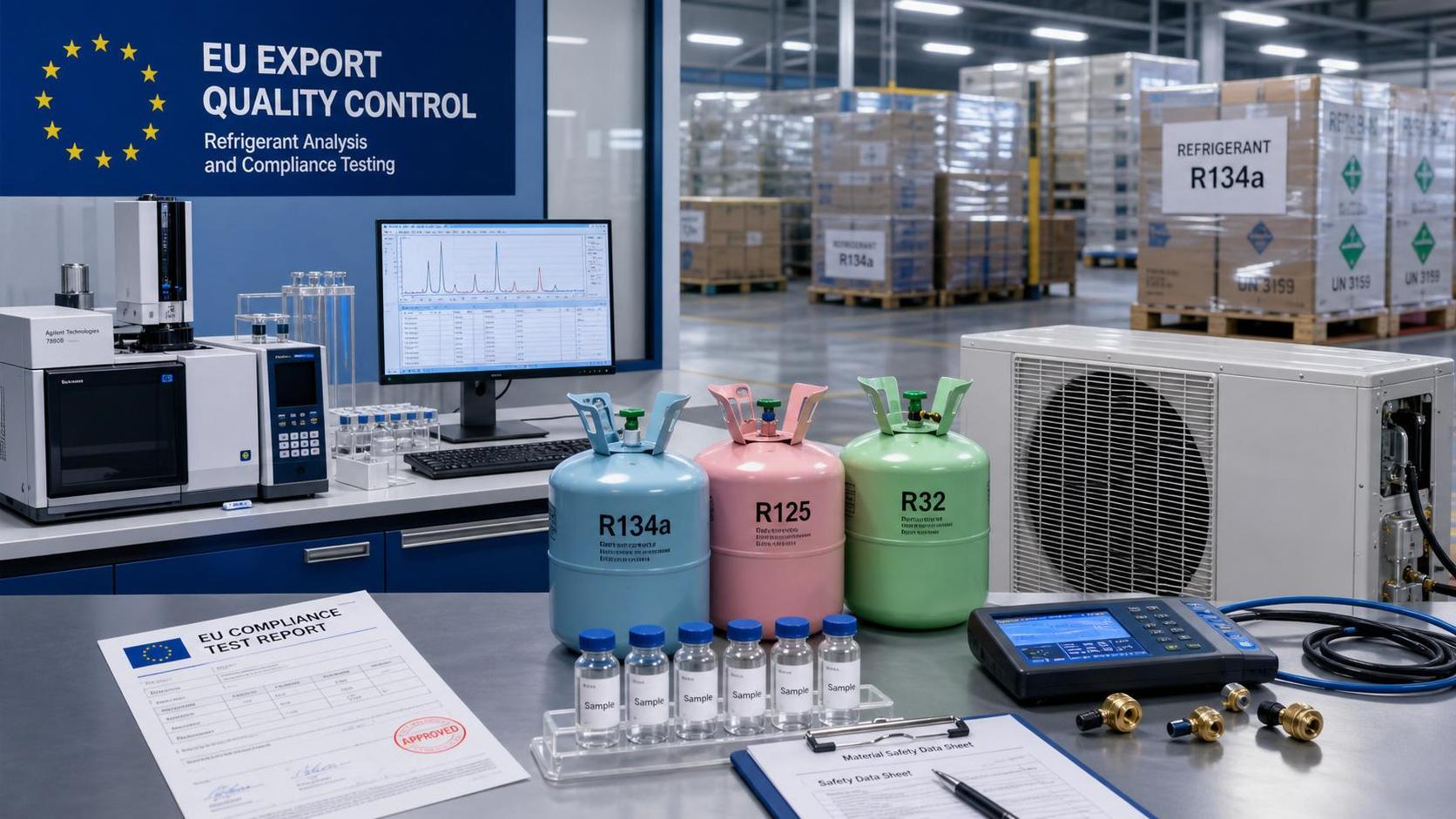
On August 6, 2026, the European Commission formally issued Regulation (EU) 2026/1422, adding PFAS to the restriction list under REACH Annex XVII, with phased implementation starting in February 2027. For companies shipping industrial chillers, cold storage systems, refrigerants, and related condensation equipment to the EU, this is not a routine regulatory update. It directly puts product composition, charged refrigerants, coatings, sealing materials, and export documentation back under review, especially where PFAS-linked substances or materials may be involved.
What the New Restriction Covers
The confirmed change is that PFAS have been fully incorporated into the REACH Annex XVII restriction list through Regulation (EU) 2026/1422, published by the European Commission on August 6, 2026. According to the provided information, the restriction will be implemented in stages from February 2027.
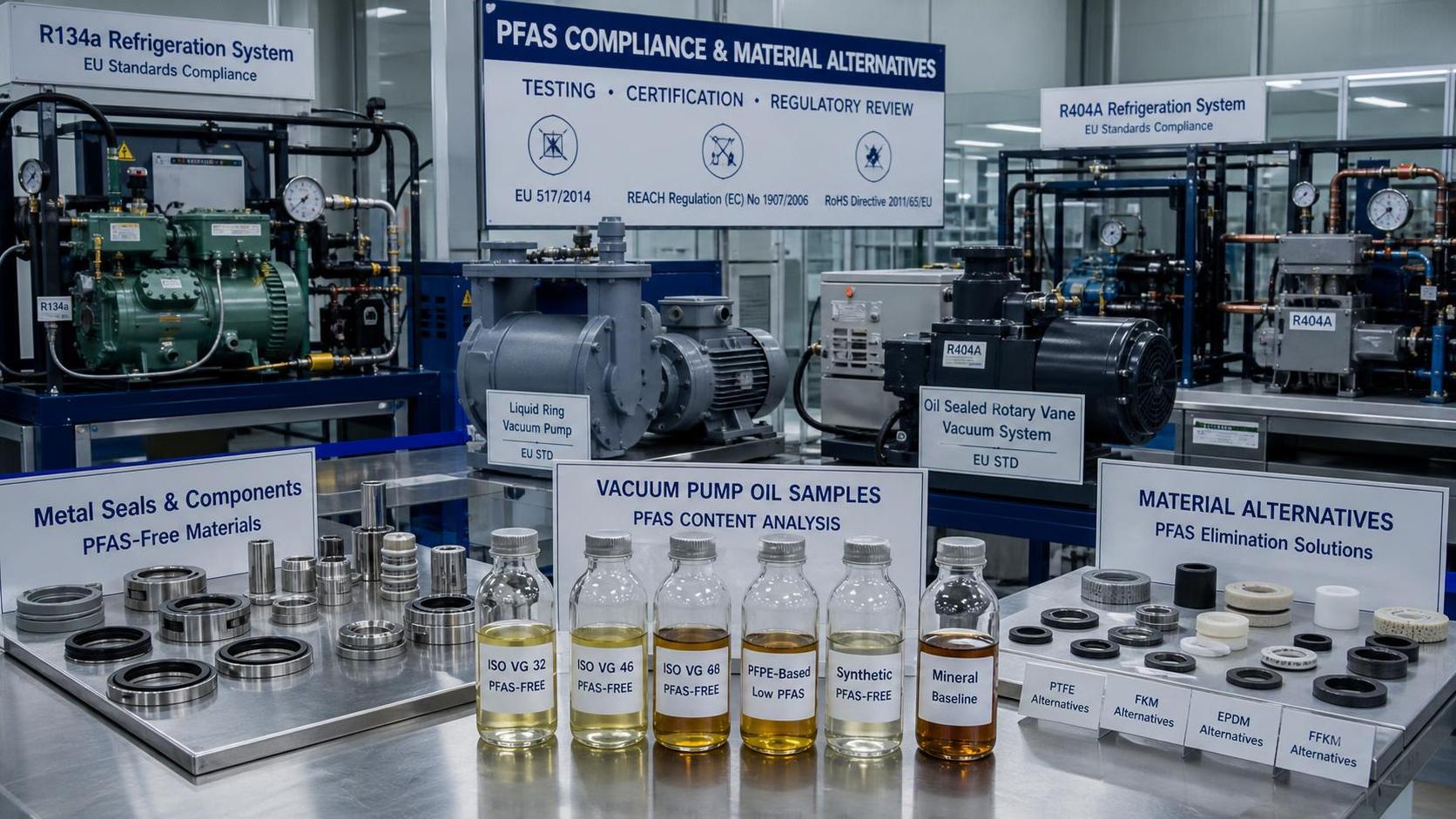
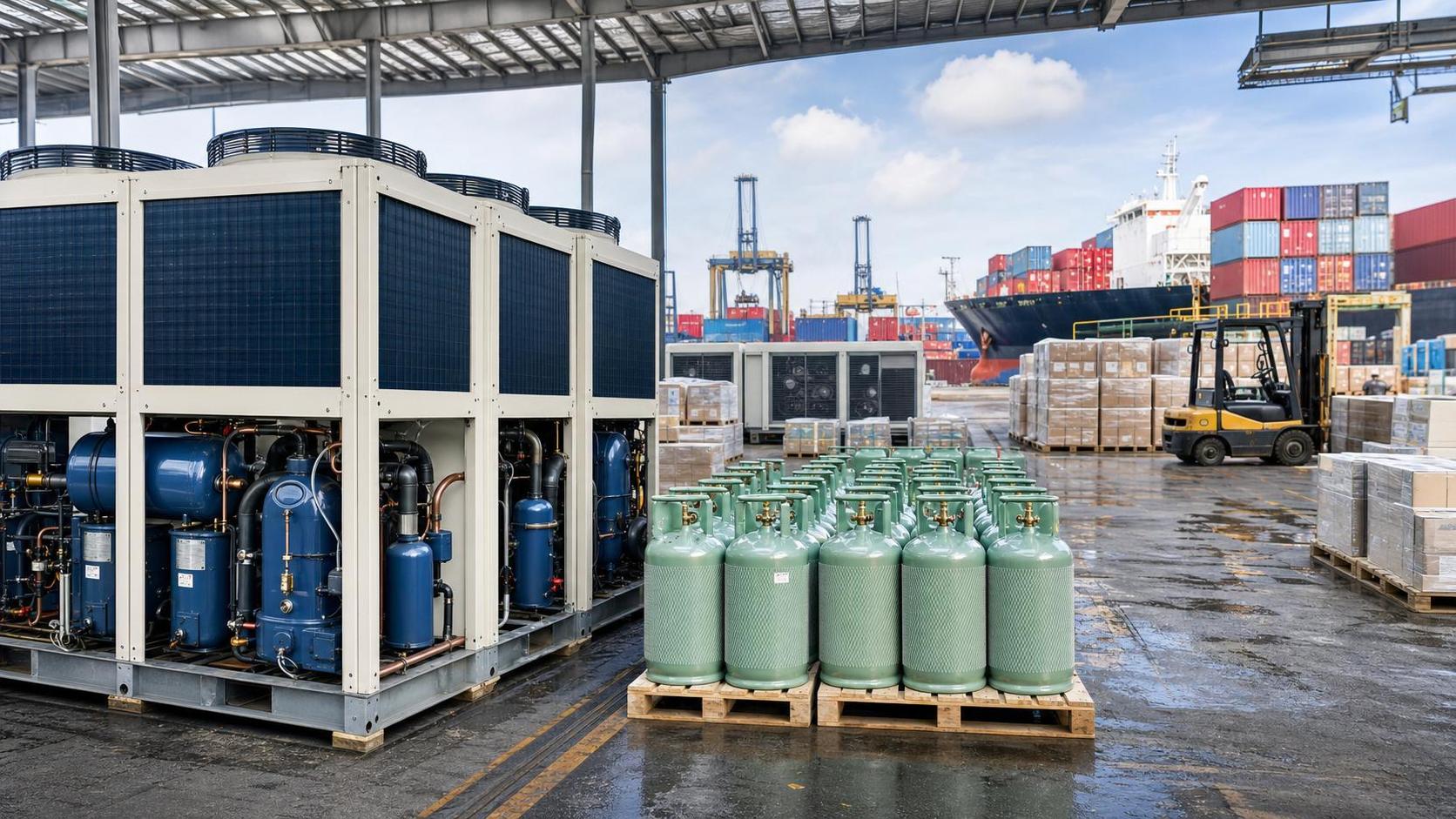
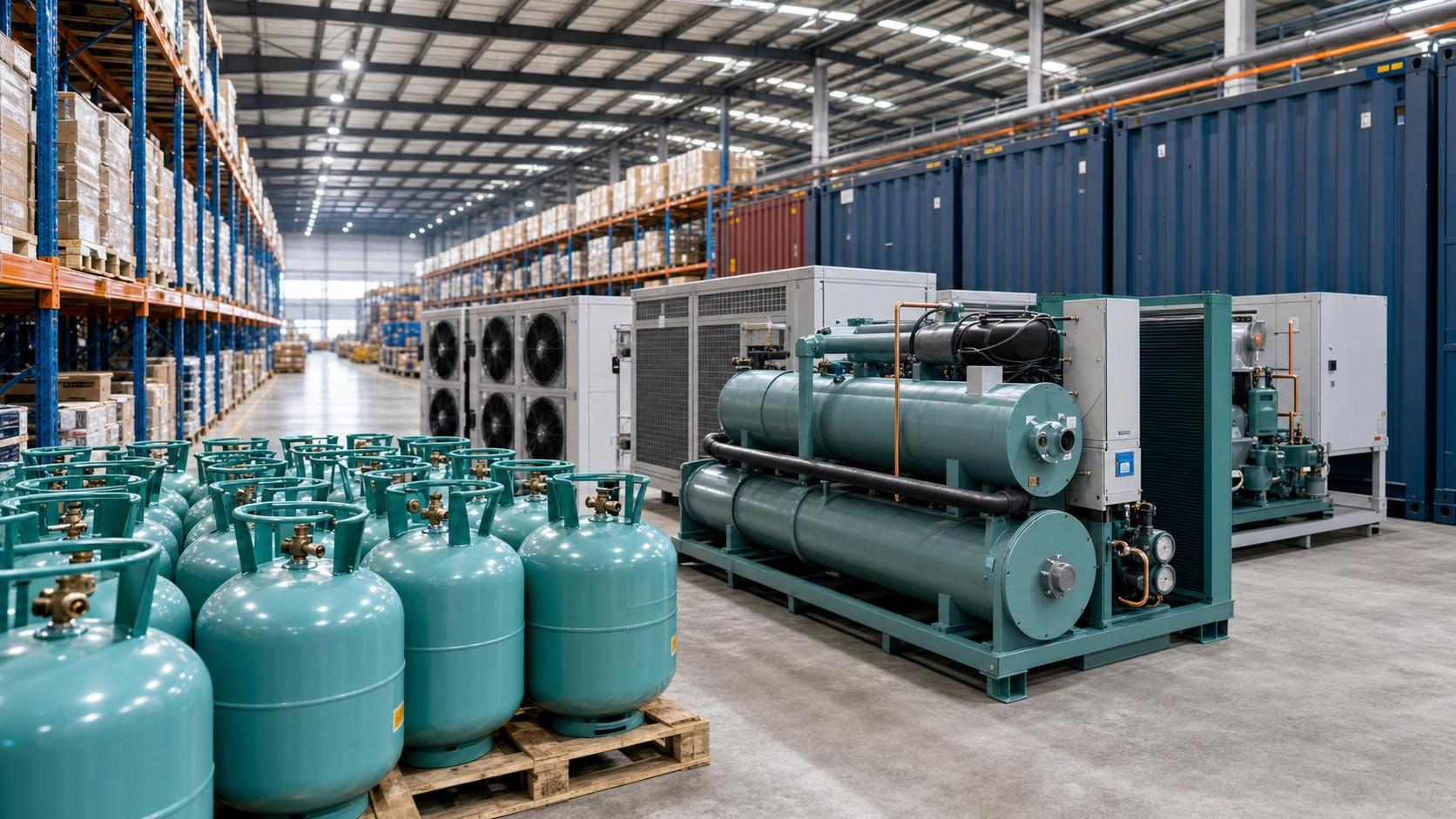
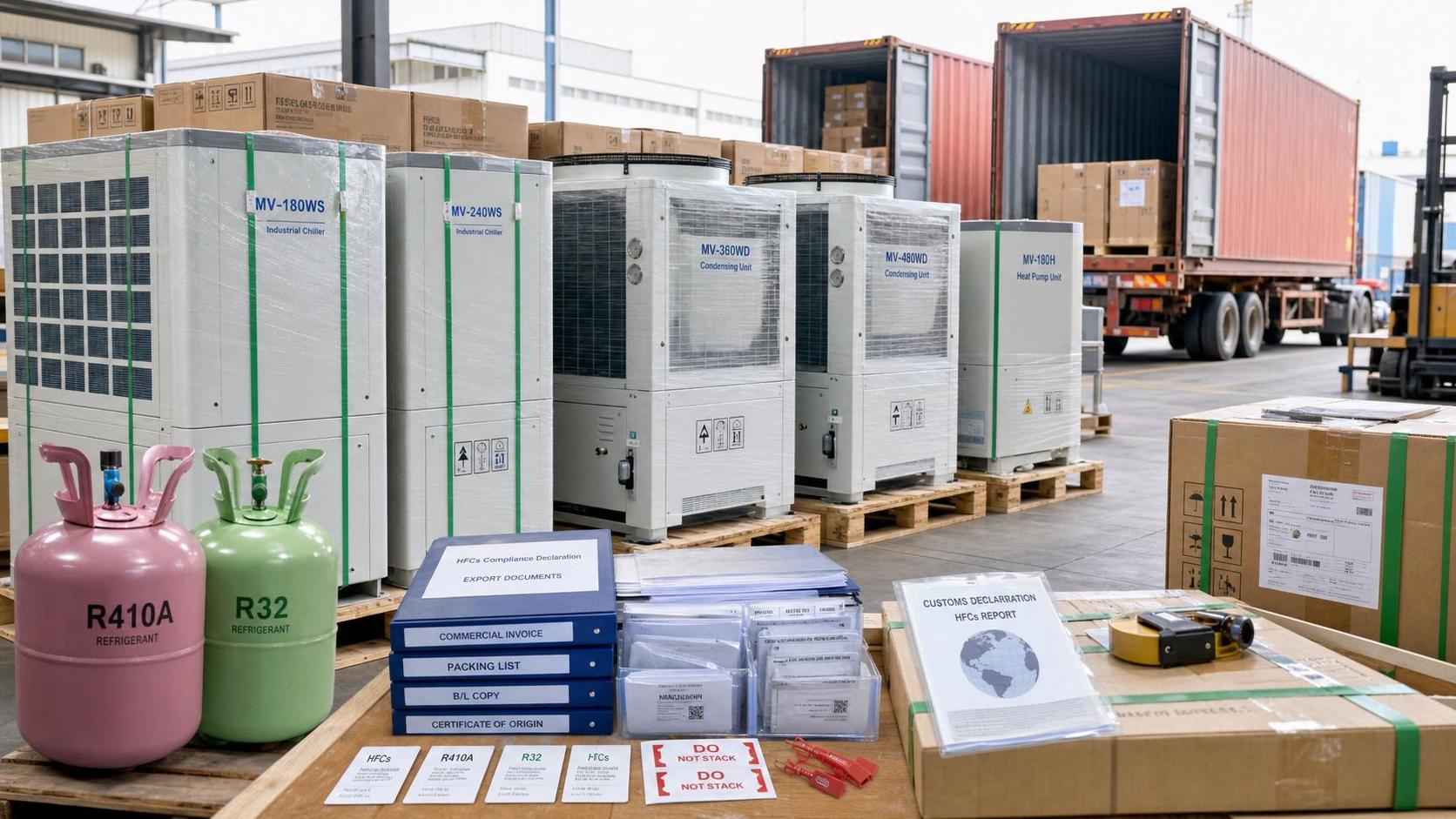
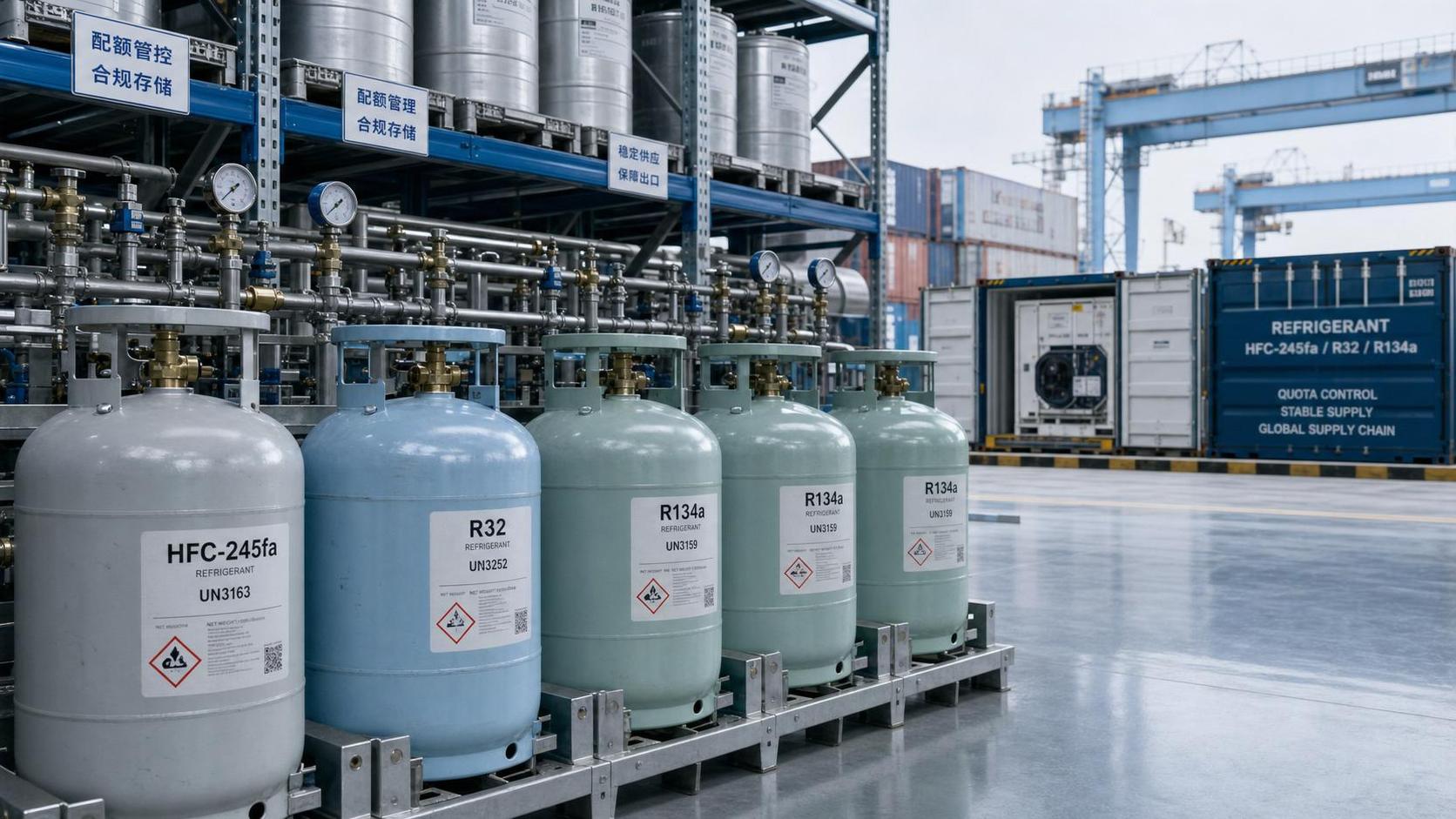
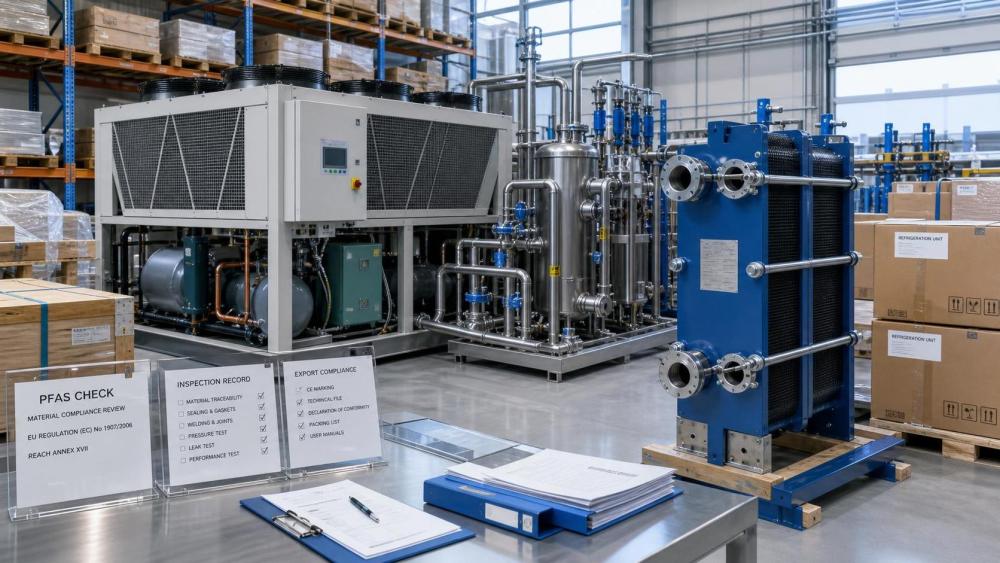
The restriction directly affects charged equipment containing PFAS-related refrigerants, including examples such as HFC-245fa and HFE-347pc-f. It also applies to industrial condensers, plate heat exchangers, and cold storage systems that use PFAS coatings or sealing materials.
Based on the confirmed event summary, exports to the EU in the categories of Industrial Chillers, Cold Storage, and Refrigerants now face a substantive compliance threshold under this regulatory update.
Where the Pressure Appears Across the Supply Chain
Export-facing equipment suppliers will need a narrower product review
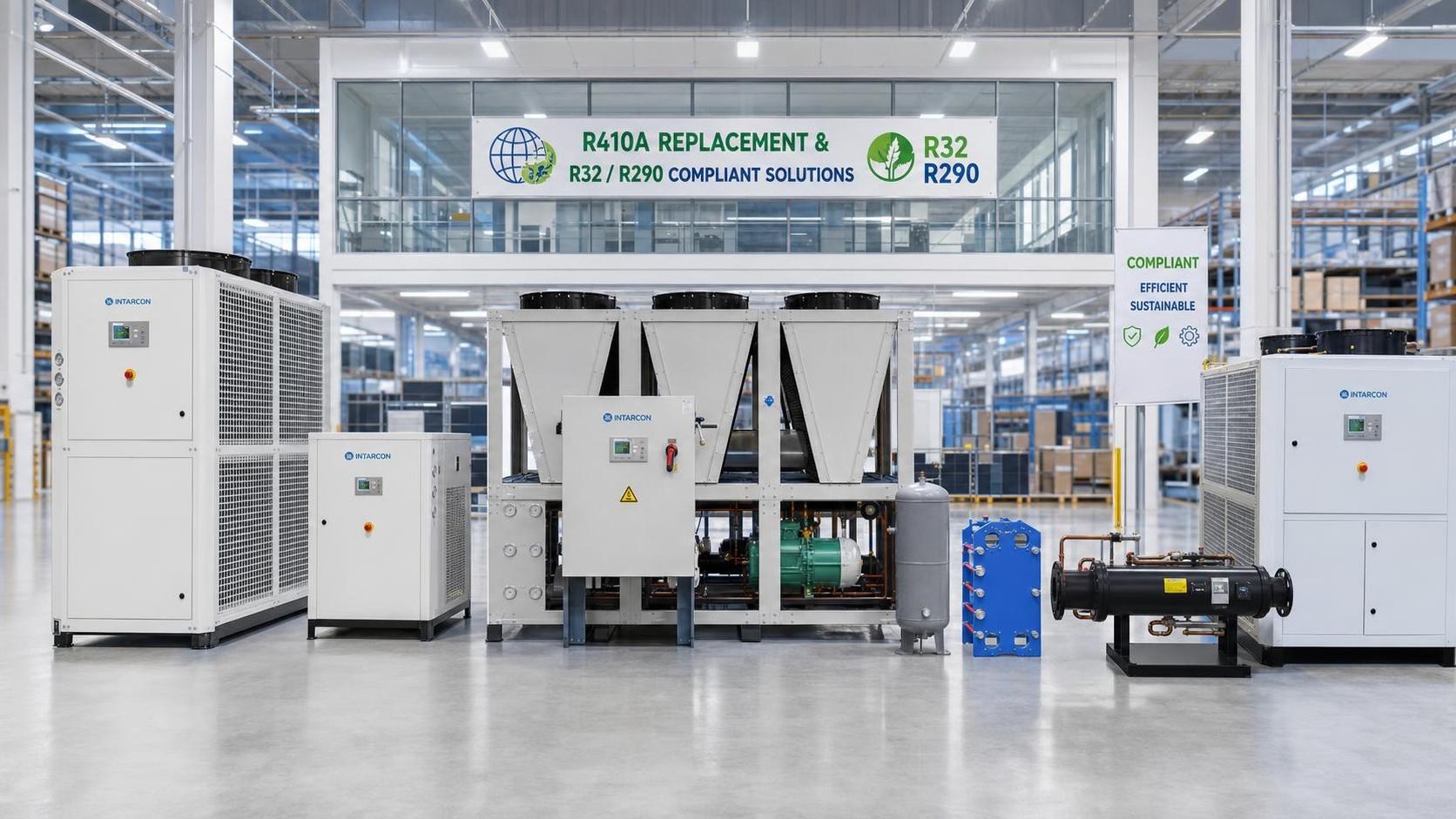
From an industry perspective, manufacturers and exporters of industrial chillers, cold storage systems, industrial condensers, and plate heat exchangers may be affected first because the restriction reaches both the refrigerant side and the material side of the product. The immediate business impact is likely to center on product screening, model-by-model confirmation, and EU-bound shipment eligibility.
Refrigerant-related businesses face direct product compliance questions
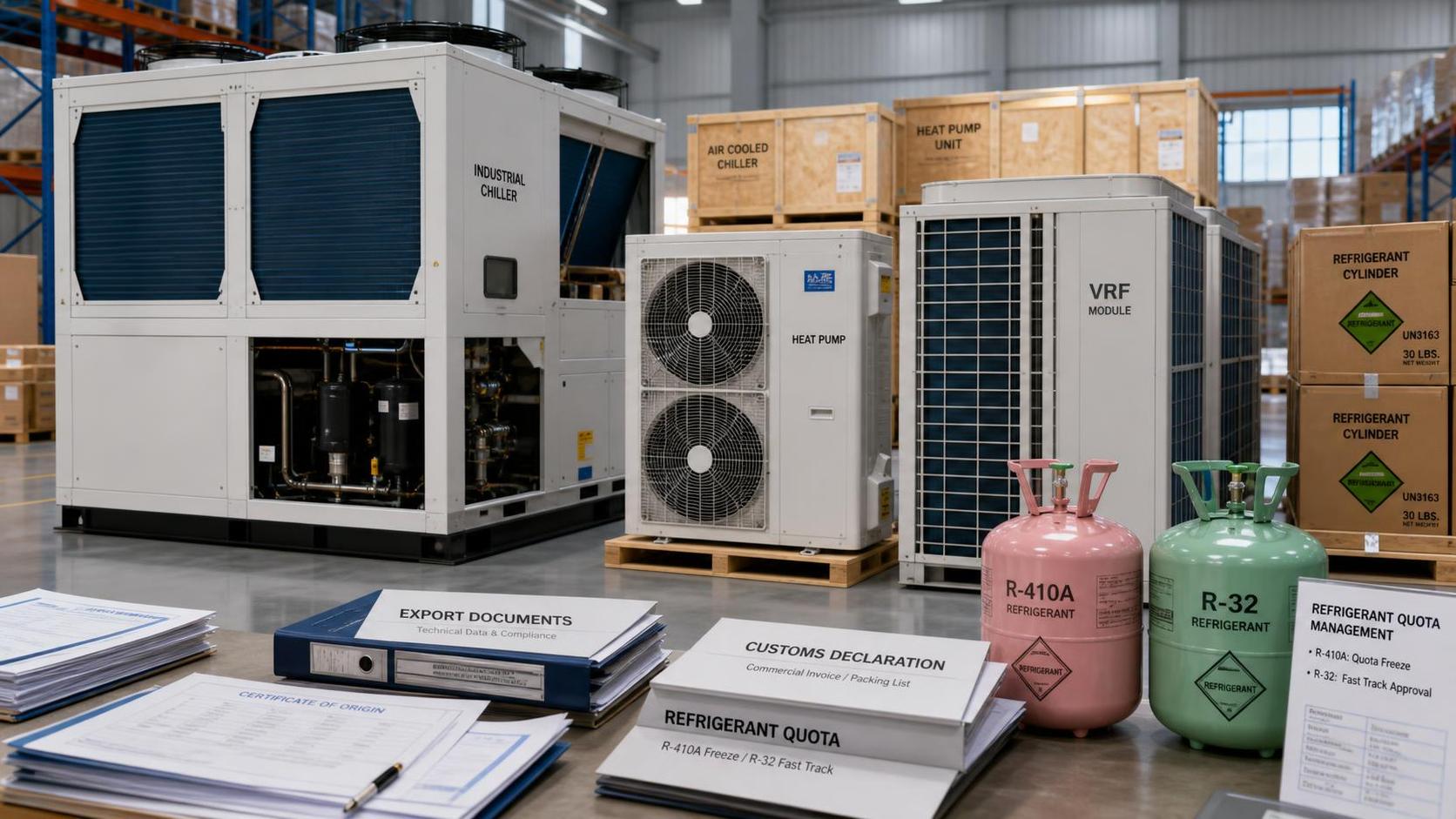
Companies handling refrigerants or charged equipment may face closer scrutiny because the restriction explicitly touches products containing PFAS-related refrigerants. What deserves closer attention is whether compliance review will need to cover not only standalone refrigerants, but also finished or pre-charged equipment destined for the EU market.
Procurement and sourcing teams may be drawn into material verification
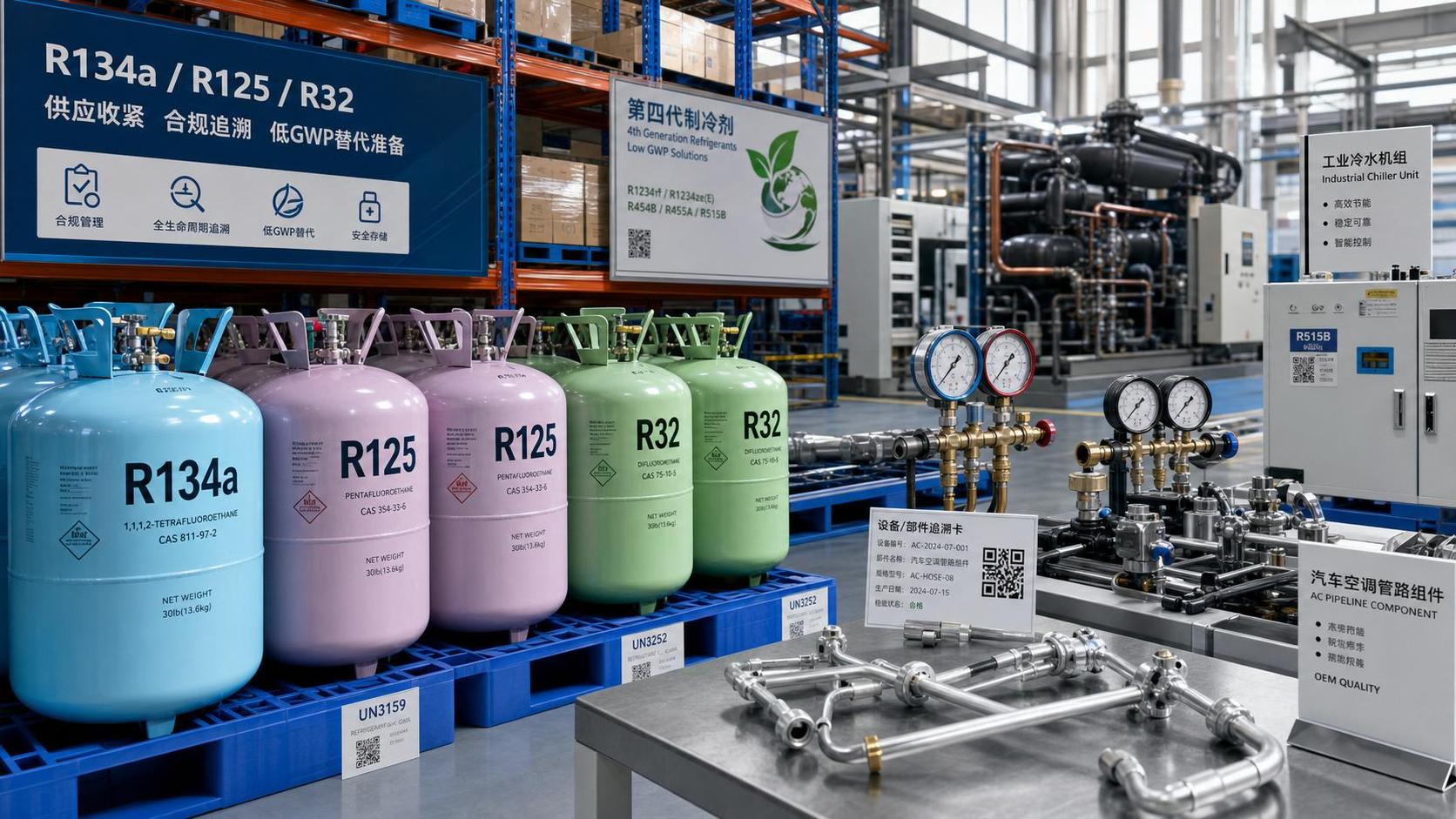
Observably, the impact is not limited to finished-goods exporters. Procurement teams and sourcing managers may need to revisit coatings, seals, and related component materials used in condensers, heat exchangers, and cold storage systems. The pressure point here is upstream verification: if PFAS-linked materials are present in purchased parts, the downstream exporter may still face the compliance burden.
Channel partners and delivery service providers may need clearer documentation
Distributors, traders, and supply chain service providers serving EU orders may also be affected because compliance barriers often surface at the transaction and delivery stage. In practical terms, the issue is less about production itself and more about whether product declarations, material statements, and shipment files can support EU-facing compliance review.
What Companies Should Watch Now
Separate confirmed rules from operational interpretation
Analysis shows that the confirmed fact is the publication of the regulation and the phased implementation timetable from February 2027. What still requires close attention in practice is how businesses interpret product scope in day-to-day export operations, especially for charged equipment and assemblies that combine refrigerants with PFAS-related coatings or seals.
Recheck priority product lines bound for the EU
For companies with EU exposure, the most immediate focus should be on the product groups named in the provided information: Industrial Chillers, Cold Storage, and Refrigerants, along with industrial condensers and plate heat exchangers. The practical question is which EU-bound models, configurations, or deliveries may require a fresh compliance review before the phased restrictions begin to apply.
Look upstream at supplier declarations and material visibility
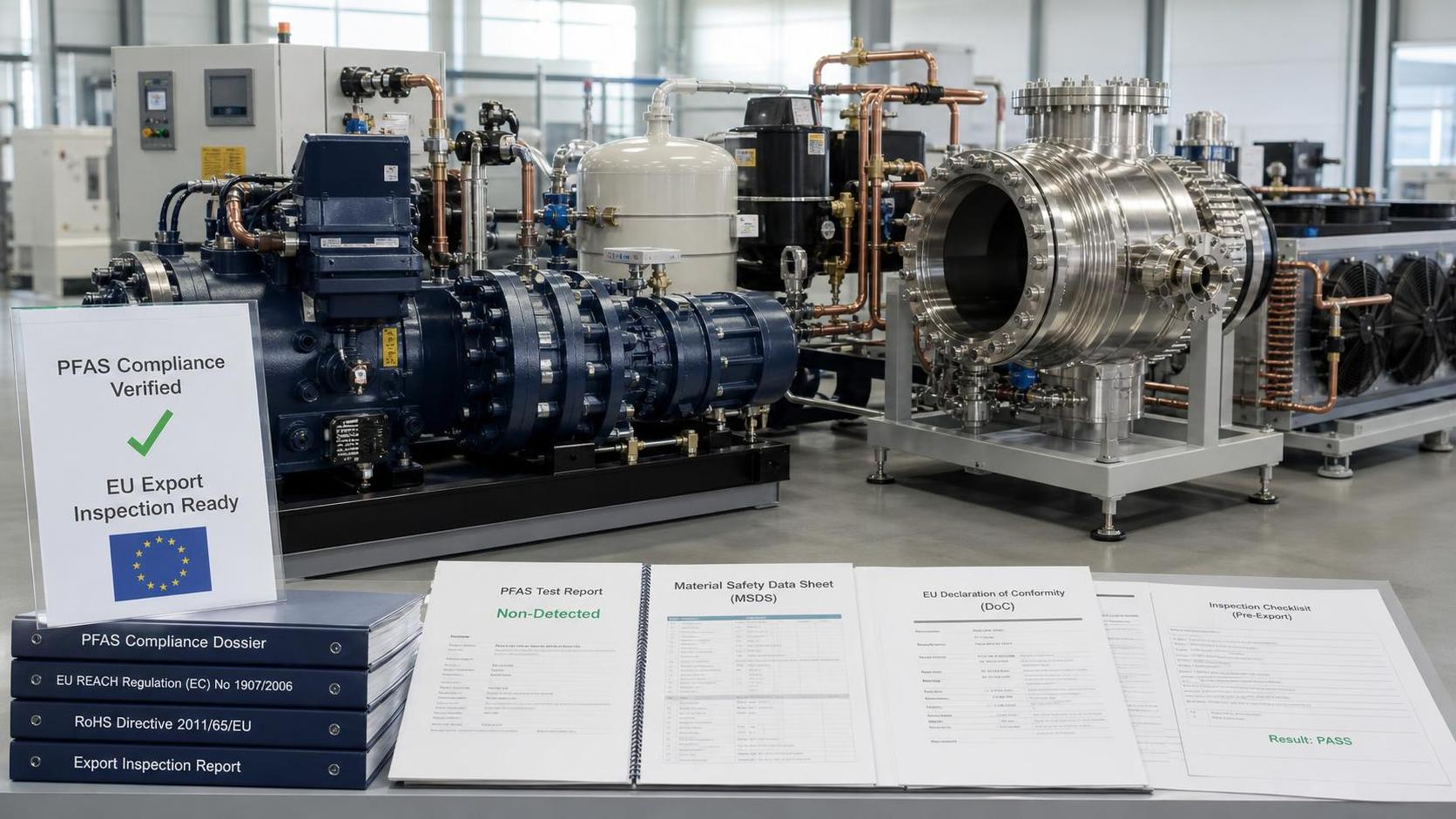
What deserves closer attention is supplier-side transparency. Where coatings, sealing materials, or charged refrigerants are sourced from third parties, exporters may need clearer supporting information to assess whether a product is exposed to the new restriction. This is as much a documentation issue as a technical one.
Prepare customer communication and delivery planning early
Analysis shows that this development may affect delivery planning and customer communication for EU business. Companies may need to prepare for questions on product composition, compliance status, and documentation readiness, particularly where orders involve pre-charged systems or components with specialty coatings and seals.
Why This Looks Like More Than a Short-Term Notice
Observably, this development is better understood as a regulatory signal with practical consequences rather than a brief policy headline. The reason is straightforward: the restriction does not target only one isolated product type. It reaches into refrigerants, charged equipment, coatings, and sealing materials that can appear across multiple industrial cooling and storage applications.
At the same time, it would be premature to treat every commercial outcome as already fixed. Analysis shows that the confirmed event establishes a clear compliance direction, but the full operational effect for different exporters, suppliers, and buyers will still depend on how product-specific reviews are carried out against the restriction as implementation approaches.
How the Sector May Need to Read This Development
In practical terms, the August 6, 2026 update matters because it turns PFAS from a background materials issue into a concrete export compliance checkpoint for parts of the industrial cooling supply chain serving the EU. For affected businesses, the issue is not only whether a product performs technically, but whether its refrigerant charge, coatings, sealing materials, and supporting records can withstand renewed compliance review.
It is more appropriate to understand this as a defined regulatory change with longer-tail business implications, rather than as a one-week market reaction. The current stage calls for careful product mapping and rule tracking, while leaving room for continued observation as implementation moves closer.
Basis of This Article and What Still Needs Verification
This article is based on the user-provided news title, event date, and event summary concerning the August 6, 2026 publication of Regulation (EU) 2026/1422 and the addition of PFAS restrictions under REACH Annex XVII.
For this type of development, commonly relevant source categories include official regulatory notices, company disclosures, industry association updates, authoritative media reporting, and standards-related documents. No specific official source link was provided in the input, so the exact official publication path still needs to be continuously verified.
What remains worth following includes any later official wording, implementation clarifications, and product-scope interpretation affecting Industrial Chillers, Cold Storage, Refrigerants, and related condensation equipment for the EU market.
Related News
- EU PFAS Curbs Raise Compliance Review for Cooling ExportsAuthor :Cryogenic Systems Expert

- EU PFAS Proposal Puts Refrigerant and Vacuum Exports Under ReviewAuthor :Cryogenic Systems Expert

- EU REACH PFAS Draft Raises New Export ChecksAuthor :Cryogenic Systems Expert

- EU Cuts High-GWP Refrigerant Import Quotas by 35%Author :Cryogenic Systems Expert

- EU Cuts Q4 2026 Quotas for High-GWP RefrigerantsAuthor :Cryogenic Systems Expert

- EU F-Gas Revision Cuts R410A Quotas 40%Author :Cryogenic Systems Expert

- EPA Freezes R-410A Quotas, Fast-Tracks R-32Author :Cryogenic Systems Expert

- Low GWP Refrigerants HFO Blends: Key Stability and Safety FactorsAuthor :Cryogenic Systems Expert

- R-32 Price Spike Reshapes Chiller ProcurementAuthor :Cryogenic Systems Expert

- How to Compare Environmentally Friendly Refrigerants by GWP, Safety, and CostAuthor :Cryogenic Systems Expert

- R-454B Export Quota Cut 18% as Lead Times DoubleAuthor :Cryogenic Systems Expert

- Japan Cuts R32 and R290 Import Quotas From July 10Author :Cryogenic Systems Expert

- EPA Cuts R-134a Import Quotas 42% From July 2026Author :Cryogenic Systems Expert
![]()
- Low GWP Refrigerants HFO Blends: Performance and Compliance in 2026Author :Cryogenic Systems Expert

- R-513A Jumps 23% as China Tightens Export QuotasAuthor :Cryogenic Systems Expert

- Environmentally Friendly Refrigerants in 2026: Compliance Risks and Upgrade PrioritiesAuthor :Cryogenic Systems Expert

- Pharmaceutical Temperature Control Systems: Common Compliance RisksAuthor :Cryogenic Systems Expert

- China Tightens Q3 R32 Export QuotasAuthor :Cryogenic Systems Expert

- California EPR Deadline Nears for Refrigeration MakersAuthor :Cryogenic Systems Expert

- Resource Circularity Trends Reshaping Refrigerants and Cooling SystemsAuthor :Cryogenic Systems Expert

- HFCs Filing Rules Enter Full EnforcementAuthor :Cryogenic Systems Expert

- How Environmentally Friendly Refrigerants Affect Chiller ComplianceAuthor :Cryogenic Systems Expert

- EU REACH Tightens Refrigerant Impurity Limits for R134a ExportsAuthor :Cryogenic Systems Expert

- China Seeks Feedback on 2027 Refrigerant QuotasAuthor :Cryogenic Systems Expert

- EU to Ban High-GWP ACs in 2029 as R410A Exits HomesAuthor :Cryogenic Systems Expert

- US, UK Delay HFC Phaseout, Extending R32/R134a Export WindowAuthor :Cryogenic Systems Expert

- EU HFC Cut Tightens by 2029 as Gen-3 Output Falls 10%Author :Cryogenic Systems Expert

- Kuwait Bans HCFC AC Imports as Shift to R32/R290 Speeds UpAuthor :Cryogenic Systems Expert

- Saudi SASO Rules Tighten AC Imports in DecemberAuthor :Cryogenic Systems Expert

- Environmentally Friendly Refrigerants: Compliance, Safety, and Retrofit RisksAuthor :Cryogenic Systems Expert

- SABIC Force Majeure Keeps Chiller Refrigerant Supply TightAuthor :Cryogenic Systems Expert

- SABIC Force Majeure Tightens Refrigerant FeedstocksAuthor :Cryogenic Systems Expert

- UL 60335-2-89 Tightens R290 Leak Test RulesAuthor :Cryogenic Systems Expert
![]()
- UL 60335-2-89 Adds R290 Vacuum Leak TestAuthor :Cryogenic Systems Expert

- Global Refrigerant Price Index Falls 8.3% MoM in MayAuthor :Cryogenic Systems Expert
![]()
- PSA Jurong Island Launches Mandatory Cold-Chain Traceability for RefrigerantsAuthor :Cryogenic Systems Expert
![]()