



EU Ends Duty-Free Small Parcels From July 1




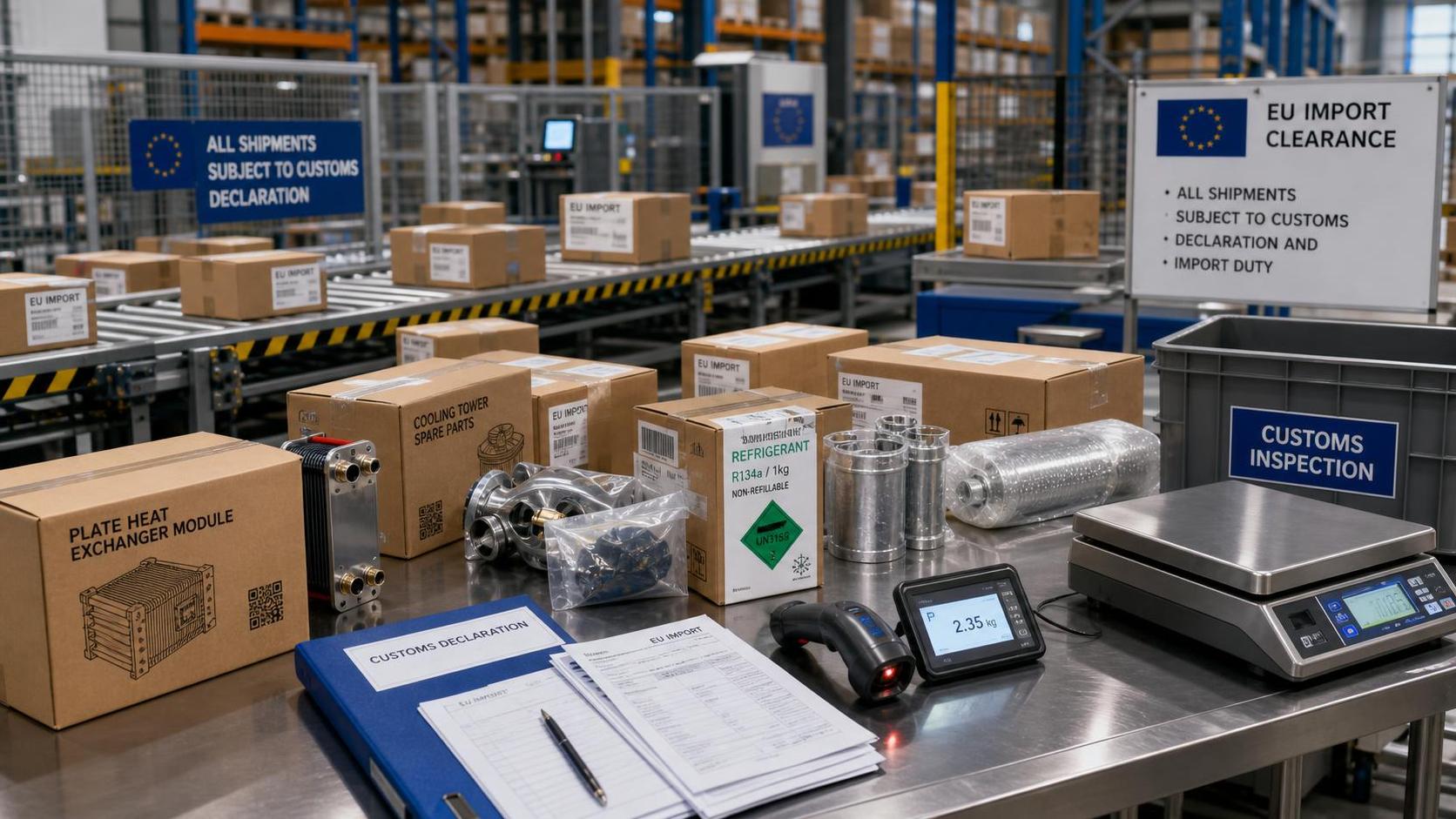
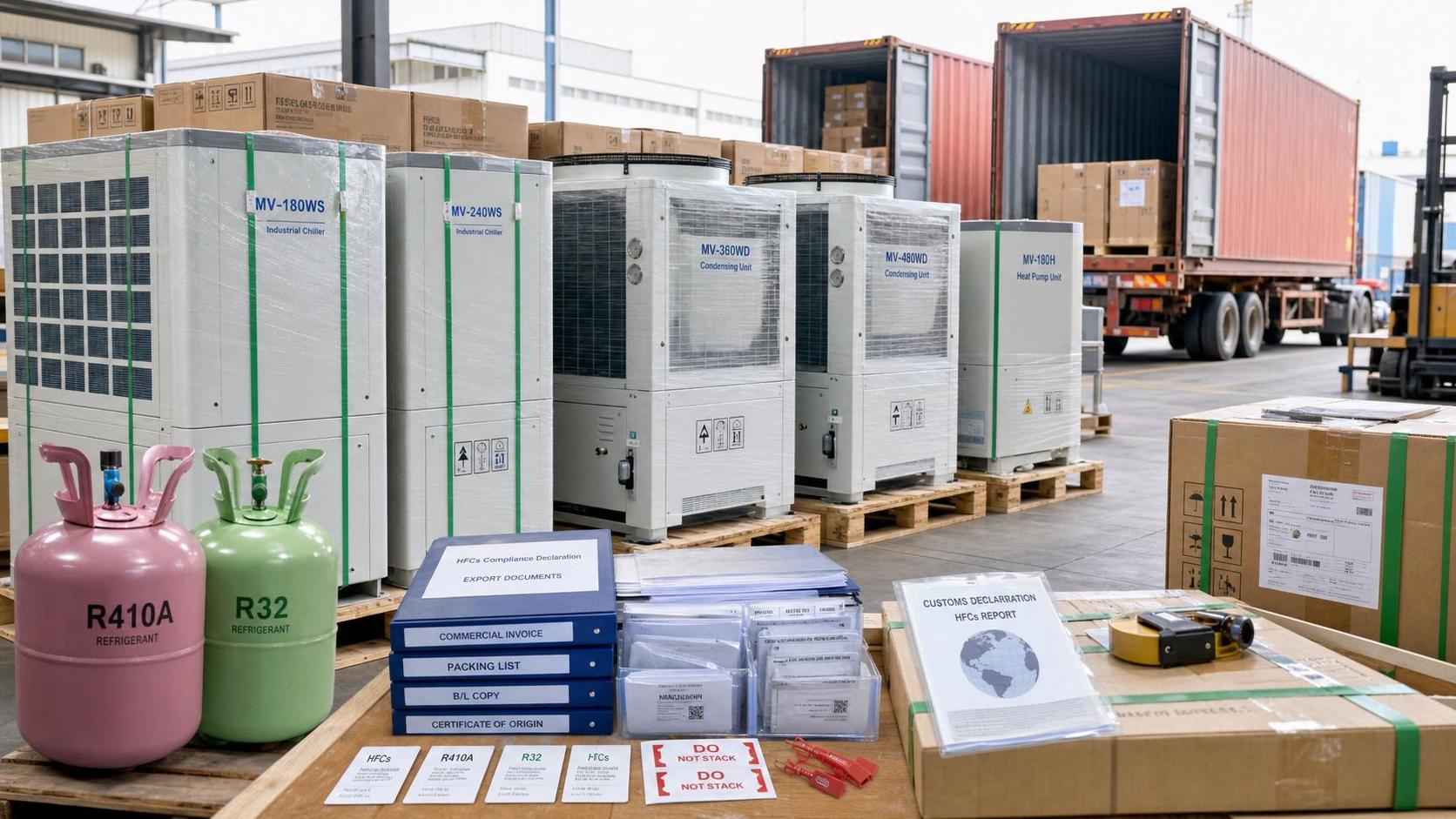
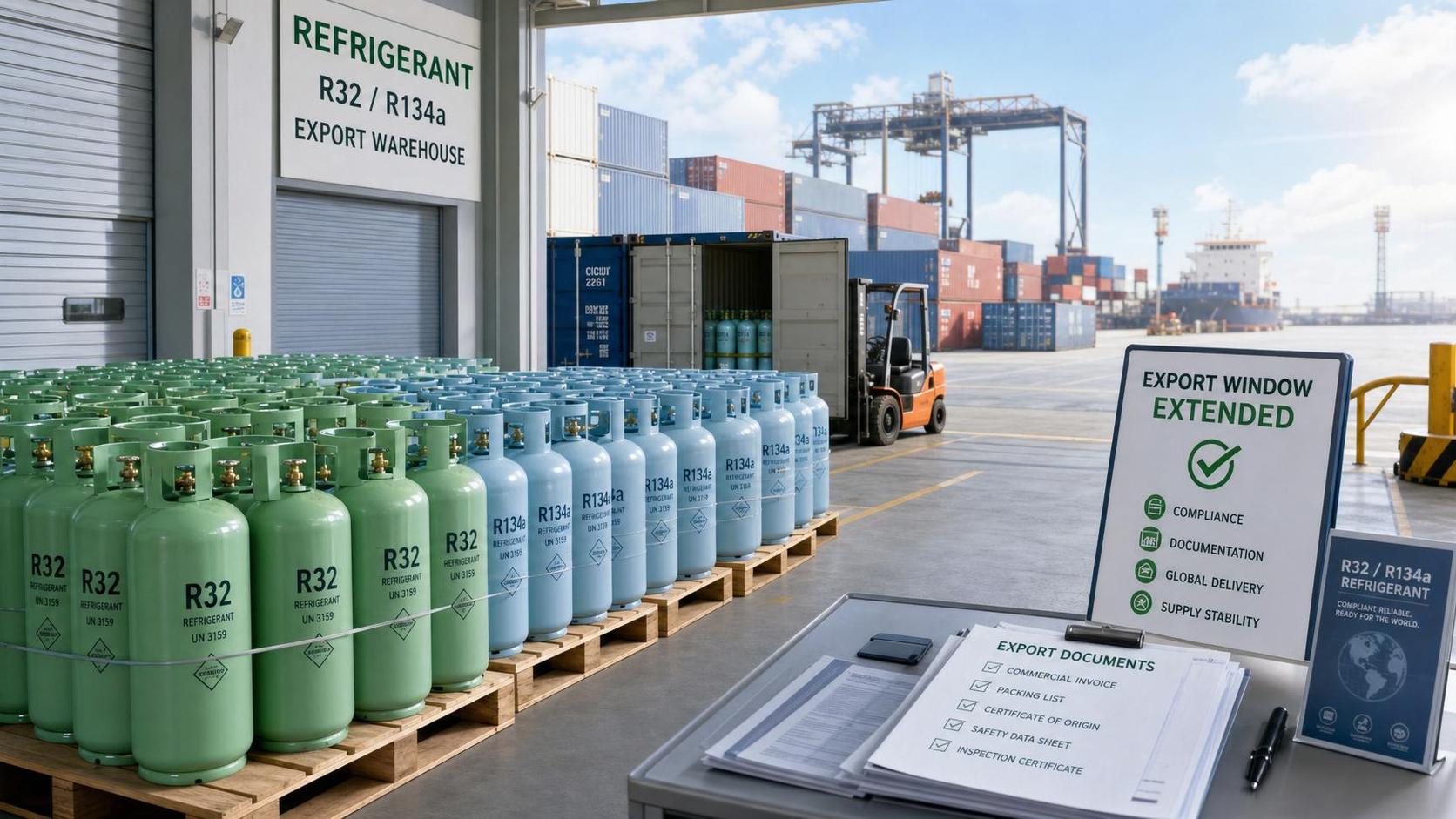
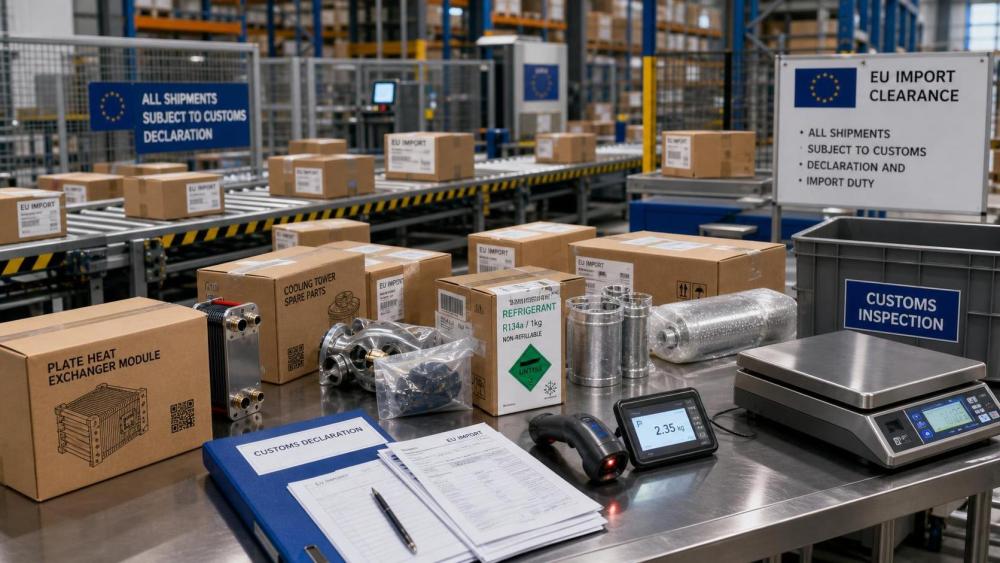
Effective July 1, 2026, the EU will remove the long-standing duty-free treatment for cross-border small parcels valued below EUR 150 and apply a flat EUR 3 customs clearance charge per item to all direct-mailed personal consumer goods entering the bloc. For companies using the EU as an end-distribution market, this is relevant not only to consumer platforms but also to the shipment economics and delivery timing of lightweight, higher-value B2B accessories such as industrial equipment parts, cooling tower spare parts, refrigerant filling packs, and plate heat exchanger modules.
What the new EU rule confirms
According to the provided information, the policy takes effect on July 1, 2026. From that date, the EU formally cancels the customs duty exemption that had applied for more than a decade to cross-border small parcels under EUR 150.
The same information states that all direct-mailed personal consumer goods shipped from outside the EU into the EU will be subject to a EUR 3 per-item customs clearance charge. It also identifies platforms including Temu, SHEIN, and AliExpress as the responsible import parties under the new rule, with full obligations for duty settlement and product compliance.
The policy is described as having direct relevance for B2B lightweight, high-value accessory categories that rely on the EU market as a final distribution channel, including industrial equipment accessories, cooling tower spare parts, refrigerant filling packs, and plate heat exchanger modules, particularly in terms of customs clearance cost and delivery lead time.
Where the operational pressure is likely to emerge
Direct sellers using parcel-based EU delivery
From an industry perspective, businesses that ship goods directly into the EU in single-piece or small-parcel formats may feel the effect first. The immediate pressure point is not only the added per-item charge, but also how that charge changes landed-cost calculations, order splitting practices, and delivery commitments for shipments that previously moved under a different cost structure.
Platforms and channel operators carrying import responsibility
Analysis shows that platforms named as import-responsible parties face a more concentrated compliance burden. The issue is not limited to paying duties; the rule also ties them to full product compliance obligations. That makes platform-side screening, documentation handling, and listing governance more important in the practical execution of cross-border EU orders.
Manufacturers and exporters of light industrial accessories
For suppliers of industrial equipment parts, cooling tower spare parts, refrigerant filling packs, and plate heat exchanger modules, the effect may appear in the last-mile commercial model rather than in manufacturing itself. When these products move through direct-mail channels into the EU, customs cost per item and possible changes in clearance timing can affect quote structure, shipment batching, and customer expectations around replenishment speed.
Supply chain and fulfillment service providers
Observably, logistics and customs service providers may need to adjust around a rule that applies at the item level and is tied to import responsibility and compliance execution. The key business concern is whether current workflows, document preparation, and handoff arrangements remain efficient once the new charge and responsibility framework are in force.
What companies should watch now
How the rule is expressed in practical execution
What deserves closer attention is the difference between the policy headline and day-to-day implementation. Companies should monitor how the per-item charge is reflected in order processing, customs handling, and delivery communication, especially where direct-mail fulfillment into the EU remains part of the sales model.
Product categories with time-sensitive or frequent replenishment needs
Businesses handling spare parts and modular components should pay particular attention to SKUs that depend on fast cross-border replenishment. Even where the unit value is relatively high, lightweight items often move in parcel form, which means clearance cost and timing can have an outsized effect on customer service performance.
Supplier documents and compliance readiness
Because the provided information links the new rule to full product compliance obligations for designated import-responsible platforms, exporters and suppliers should review whether product files, declarations, and shipment documents are consistently prepared for platform or channel requirements. The commercial issue here is not abstract compliance management, but whether missing or inconsistent documentation could slow order completion.
Customer communication and delivery commitments
Analysis shows that the most immediate commercial friction may come from mismatched expectations. Where EU buyers are used to direct-mail convenience, companies may need to reassess quoted lead times, order structure, and exception handling so that customs-related changes do not turn into avoidable service disputes.
Why this matters beyond a single tariff line
This article's observation is that the development should be read as more than a narrow customs adjustment. It points to a stricter operating environment for direct-to-EU parcel trade, where import responsibility, duty settlement, and product compliance are being treated in a more integrated way.
At the same time, it is more appropriate to understand this as a concrete rule change with broader operational implications, rather than as a fully settled end-state for every affected business model. The confirmed facts establish the new charge and responsibility framework, but the full business impact will depend on how each seller, platform, supplier, and logistics partner is positioned within that framework.
How the market is likely to read the change
In practical terms, the policy is best understood as an immediate compliance and fulfillment issue with longer-term signaling value. The short-term effect centers on customs cost per item and possible delivery-time adjustments. The longer-term signal is that parcel-based market access into the EU may require closer alignment between pricing, documentation, platform governance, and end-customer delivery promises.
For affected sectors, especially those moving lightweight industrial accessories through direct-mail channels, the issue is not whether the headline matters, but where in the operating chain the added cost and compliance responsibility will surface first. That is why the development deserves continued attention rather than a one-time policy reading.
Basis of this report and follow-up points
This article is based on the user-provided news title, event date, and event summary. No specific official source link was included in the input, so the exact official source documentation still requires ongoing verification.
For this type of policy development, source categories that are usually relevant include official announcements, company statements, industry association updates, authoritative media reporting, and standards-related documentation. Based on the provided information, the follow-up focus should remain on any further official wording, operational interpretation, and category-level execution details that may affect customs handling, compliance responsibility, and delivery timelines.
Related News
- EU Ends Duty-Free Small Parcels From July 1Author :Cryogenic Systems Expert

- China R410A Export Quotes Rise to RMB 60,000/TonAuthor :Cryogenic Systems Expert

- EU PFAS Curbs Raise Compliance Review for Cooling ExportsAuthor :Cryogenic Systems Expert

- EU PFAS Proposal Puts Refrigerant and Vacuum Exports Under ReviewAuthor :Cryogenic Systems Expert

- EU REACH PFAS Draft Raises New Export ChecksAuthor :Cryogenic Systems Expert

- EU Cuts High-GWP Refrigerant Import Quotas by 35%Author :Cryogenic Systems Expert

- EU Cuts Q4 2026 Quotas for High-GWP RefrigerantsAuthor :Cryogenic Systems Expert

- EU F-Gas Revision Cuts R410A Quotas 40%Author :Cryogenic Systems Expert

- EPA Freezes R-410A Quotas, Fast-Tracks R-32Author :Cryogenic Systems Expert

- Low GWP Refrigerants HFO Blends: Key Stability and Safety FactorsAuthor :Cryogenic Systems Expert

- R-32 Price Spike Reshapes Chiller ProcurementAuthor :Cryogenic Systems Expert

- How to Compare Environmentally Friendly Refrigerants by GWP, Safety, and CostAuthor :Cryogenic Systems Expert

- R-454B Export Quota Cut 18% as Lead Times DoubleAuthor :Cryogenic Systems Expert

- Japan Cuts R32 and R290 Import Quotas From July 10Author :Cryogenic Systems Expert

- EPA Cuts R-134a Import Quotas 42% From July 2026Author :Cryogenic Systems Expert
![]()
- Low GWP Refrigerants HFO Blends: Performance and Compliance in 2026Author :Cryogenic Systems Expert

- R-513A Jumps 23% as China Tightens Export QuotasAuthor :Cryogenic Systems Expert

- Environmentally Friendly Refrigerants in 2026: Compliance Risks and Upgrade PrioritiesAuthor :Cryogenic Systems Expert

- Pharmaceutical Temperature Control Systems: Common Compliance RisksAuthor :Cryogenic Systems Expert

- China Tightens Q3 R32 Export QuotasAuthor :Cryogenic Systems Expert

- California EPR Deadline Nears for Refrigeration MakersAuthor :Cryogenic Systems Expert

- Resource Circularity Trends Reshaping Refrigerants and Cooling SystemsAuthor :Cryogenic Systems Expert

- HFCs Filing Rules Enter Full EnforcementAuthor :Cryogenic Systems Expert

- How Environmentally Friendly Refrigerants Affect Chiller ComplianceAuthor :Cryogenic Systems Expert

- EU REACH Tightens Refrigerant Impurity Limits for R134a ExportsAuthor :Cryogenic Systems Expert

- China Seeks Feedback on 2027 Refrigerant QuotasAuthor :Cryogenic Systems Expert

- EU to Ban High-GWP ACs in 2029 as R410A Exits HomesAuthor :Cryogenic Systems Expert

- US, UK Delay HFC Phaseout, Extending R32/R134a Export WindowAuthor :Cryogenic Systems Expert

- EU HFC Cut Tightens by 2029 as Gen-3 Output Falls 10%Author :Cryogenic Systems Expert

- Kuwait Bans HCFC AC Imports as Shift to R32/R290 Speeds UpAuthor :Cryogenic Systems Expert

- Saudi SASO Rules Tighten AC Imports in DecemberAuthor :Cryogenic Systems Expert

- Environmentally Friendly Refrigerants: Compliance, Safety, and Retrofit RisksAuthor :Cryogenic Systems Expert

- SABIC Force Majeure Keeps Chiller Refrigerant Supply TightAuthor :Cryogenic Systems Expert

- SABIC Force Majeure Tightens Refrigerant FeedstocksAuthor :Cryogenic Systems Expert

- UL 60335-2-89 Tightens R290 Leak Test RulesAuthor :Cryogenic Systems Expert
![]()
- UL 60335-2-89 Adds R290 Vacuum Leak TestAuthor :Cryogenic Systems Expert