China R410A Export Quotes Rise to RMB 60,000/Ton




The timing of the underlying event was not specified in the provided information, but as of August 3, 2026, China’s third-quarter long-term contract quote for R410A refrigerant had risen to RMB 60,000 per ton on a cash basis, marking a clear increase from the second quarter. For refrigerant exporters, overseas importers, procurement teams, and downstream pricing managers, this is worth close attention because the move points to a higher export price baseline and more pressure on purchasing budgets, stocking rhythm, and end-market pricing decisions.

What Has Been Confirmed in the Latest R410A Pricing Move
Based on the provided information, China’s domestic third-quarter long-term contract quote for R410A reached RMB 60,000 per ton as of August 3, 2026, settled in cash, and stood noticeably above the second-quarter level.
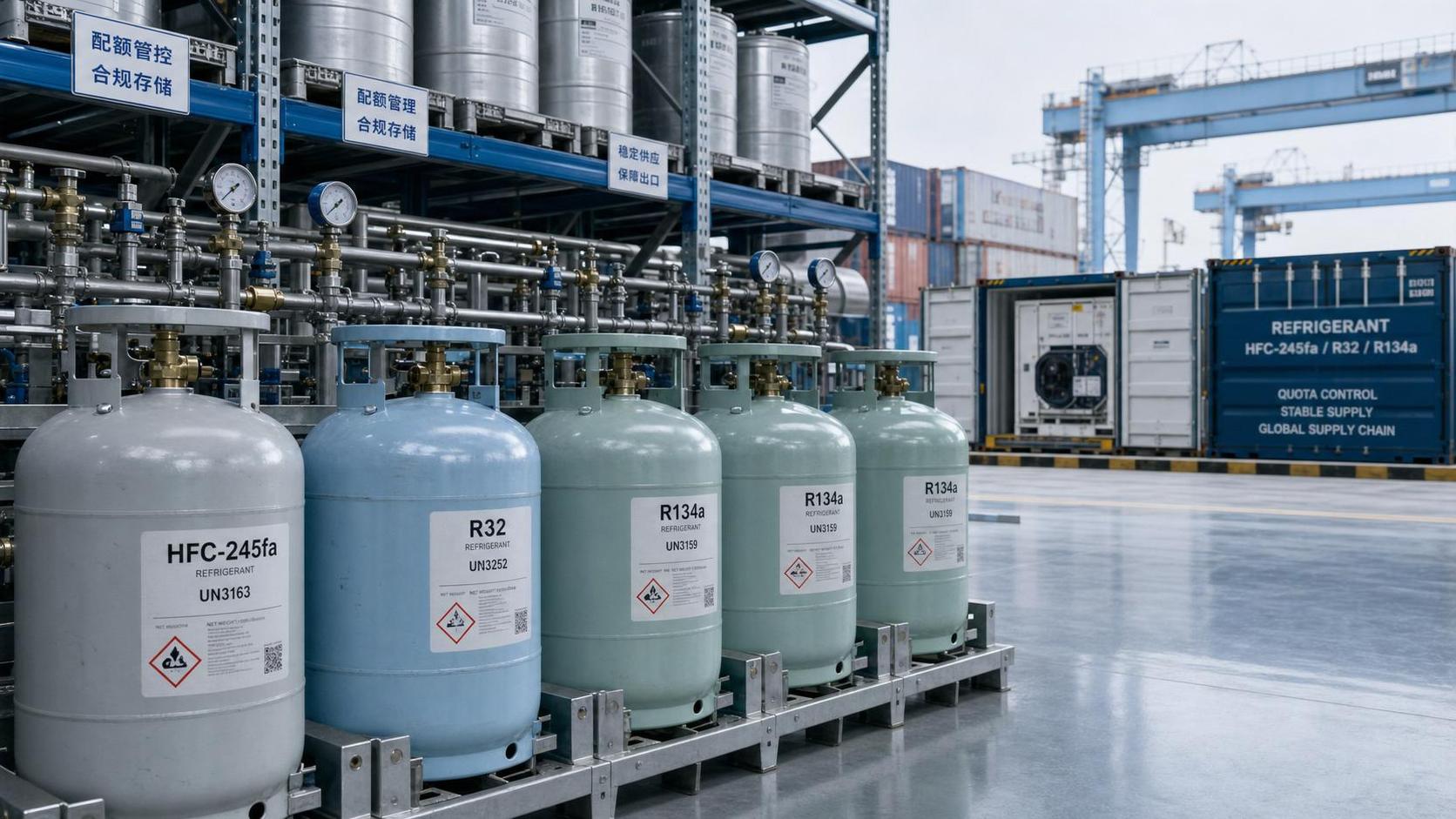
The provided summary attributes the higher price center to several confirmed factors. These include ongoing compliance with the Kigali Amendment, continued tightening under China’s HFCs quota management system, and an accelerated shift of R410A-related production capacity toward lower-GWP substitutes such as R32.
The same information also states that tighter supply, combined with Europe’s quota allocation fee and policy-related disturbance from inventory entering the market in the United States, has pushed the export pricing center upward. The direct effect identified in the source material is pressure on overseas importers’ procurement budgets, inventory preparation cycles, and end-pricing strategies.
Where the Pressure May Be Felt Across the Market
Export transactions are likely to face a higher pricing threshold
From an industry perspective, direct trading companies handling R410A exports may be among the first to feel the impact because the reported shift is not only about spot sentiment but about the export price center moving higher. The practical effect may appear in quotation management, contract discussions, and shipment timing. What deserves closer attention is whether customers begin asking for shorter validity windows, more frequent repricing, or revised delivery arrangements.
Overseas buyers may need to rethink procurement rhythm
For importers and procurement-side businesses in overseas markets, the stated impact is already clear in budget pressure and stocking cycles. Analysis shows that when pricing rises under quota-related supply constraints, buyers are more likely to focus on purchase timing, order splitting, and inventory planning rather than treating procurement as a routine replenishment task. The main issue to watch is whether cost pressure starts changing order cadence or customer willingness to lock in volume earlier.
Downstream pricing teams may face pass-through questions
For companies further down the chain, including processing, distribution, and end-application businesses that rely on imported refrigerant or components tied to refrigerant costs, the key issue is not only input cost but how quickly that cost can be reflected in quotations to customers. Observably, the reported move raises questions around margin management, customer communication, and the timing of price adjustments in end markets.
Supply-chain service providers may need tighter coordination
Service providers involved in delivery execution, trade documentation, and contract performance may also need to monitor the situation more closely. Analysis shows that when supply is tightening and procurement cycles are being adjusted, operational pressure often shifts into scheduling, documentation readiness, and delivery coordination. The practical concern is whether lead-time expectations and execution windows become less predictable.
What Companies Should Monitor Now
Watch policy signals separately from transaction reality
What deserves closer attention is the distinction between policy direction and immediate business execution. The provided information links the price move to Kigali Amendment compliance and tighter HFCs quota management in China, but companies still need to track how those signals translate into actual supply availability, contract offers, and customer acceptance in day-to-day transactions.
Review exposure by market and product mix
Analysis shows that firms with concentrated exposure to R410A-linked export business, or to overseas markets already affected by quota-related cost items and policy disturbance, should reassess where margin pressure may emerge first. This is less about broad strategy language and more about identifying which contracts, customer groups, and shipment plans are most sensitive to a higher export price baseline.
Prepare for changes in procurement and delivery cadence
For procurement and supply-chain teams, the immediate operational issue is whether existing replenishment assumptions still hold. Businesses may need to watch supplier availability, contract performance cycles, and delivery planning more closely. Customer-facing teams should also be prepared for more discussion around quote validity, lead time, and the basis for price adjustments.
Keep documentation and counterpart communication in order
Where supply conditions are tightening, counterpart risk often becomes more visible through execution details rather than headline prices alone. From an industry perspective, companies should pay close attention to supplier qualifications, supporting trade documents, performance timelines, and communication with customers on possible timing or pricing changes tied to the current market environment.
Why This Looks Like More Than a Single Price Move
This section is an observation rather than a statement of fact. It is more appropriate to understand this as a policy-linked market signal, not merely a short-lived quotation change. The information provided connects pricing with quota tightening, capacity switching toward lower-GWP alternatives, and external market disturbances in Europe and the United States. Taken together, that suggests the market is responding to a structural adjustment process as much as to near-term supply pressure.
At the same time, it would be premature to treat the current move as a fully settled long-term outcome. Observably, the summary points to several overlapping drivers rather than a single cause, which means further market verification is still necessary. For industry participants, the more useful reading is that cost assumptions for R410A-related cross-border business may need to become less static.
How the Market May Best Read This Stage
In practical terms, the latest R410A export pricing development matters because it links compliance pressure, supply-side adjustment, and overseas cost transmission into one visible market signal. The confirmed facts support the view that procurement, inventory planning, and downstream pricing are already under pressure.
Analysis shows this is best understood neither as a routine weekly fluctuation nor as a final long-term conclusion. It is more appropriate to treat it as an industry development that carries both immediate business implications and longer observation value, especially for companies exposed to refrigerant trade, overseas sourcing, and price-sensitive downstream contracts.
Basis of This Article and What Still Needs Verification
This article is based on the user-provided news title, event timing note, and event summary. It was written from the confirmed information that China’s R410A third-quarter long-term contract quote reached RMB 60,000 per ton as of August 3, 2026, alongside the stated drivers and impacts included in the input.
For this type of market development, commonly relevant source categories may include official notices, company disclosures, industry association information, authoritative media reporting, and documents from standards or regulatory bodies. No specific official source link was provided in the input, so the exact source chain still requires continued verification.
Further observation should focus on any subsequent official wording, quota-related rule signals, changes in actual transaction conditions, and whether procurement, delivery, and customer pricing practices continue to adjust in response to the higher R410A export price center.
Related News
- China R410A Export Quotes Rise to RMB 60,000/TonAuthor :Cryogenic Systems Expert

- EU PFAS Curbs Raise Compliance Review for Cooling ExportsAuthor :Cryogenic Systems Expert

- EU PFAS Proposal Puts Refrigerant and Vacuum Exports Under ReviewAuthor :Cryogenic Systems Expert

- EU REACH PFAS Draft Raises New Export ChecksAuthor :Cryogenic Systems Expert

- EU Cuts High-GWP Refrigerant Import Quotas by 35%Author :Cryogenic Systems Expert

- EU Cuts Q4 2026 Quotas for High-GWP RefrigerantsAuthor :Cryogenic Systems Expert

- EU F-Gas Revision Cuts R410A Quotas 40%Author :Cryogenic Systems Expert

- EPA Freezes R-410A Quotas, Fast-Tracks R-32Author :Cryogenic Systems Expert

- Low GWP Refrigerants HFO Blends: Key Stability and Safety FactorsAuthor :Cryogenic Systems Expert

- R-32 Price Spike Reshapes Chiller ProcurementAuthor :Cryogenic Systems Expert

- How to Compare Environmentally Friendly Refrigerants by GWP, Safety, and CostAuthor :Cryogenic Systems Expert

- R-454B Export Quota Cut 18% as Lead Times DoubleAuthor :Cryogenic Systems Expert

- Japan Cuts R32 and R290 Import Quotas From July 10Author :Cryogenic Systems Expert

- EPA Cuts R-134a Import Quotas 42% From July 2026Author :Cryogenic Systems Expert
![]()
- Low GWP Refrigerants HFO Blends: Performance and Compliance in 2026Author :Cryogenic Systems Expert

- R-513A Jumps 23% as China Tightens Export QuotasAuthor :Cryogenic Systems Expert

- Environmentally Friendly Refrigerants in 2026: Compliance Risks and Upgrade PrioritiesAuthor :Cryogenic Systems Expert

- Pharmaceutical Temperature Control Systems: Common Compliance RisksAuthor :Cryogenic Systems Expert

- China Tightens Q3 R32 Export QuotasAuthor :Cryogenic Systems Expert

- California EPR Deadline Nears for Refrigeration MakersAuthor :Cryogenic Systems Expert

- Resource Circularity Trends Reshaping Refrigerants and Cooling SystemsAuthor :Cryogenic Systems Expert

- HFCs Filing Rules Enter Full EnforcementAuthor :Cryogenic Systems Expert

- How Environmentally Friendly Refrigerants Affect Chiller ComplianceAuthor :Cryogenic Systems Expert

- EU REACH Tightens Refrigerant Impurity Limits for R134a ExportsAuthor :Cryogenic Systems Expert

- China Seeks Feedback on 2027 Refrigerant QuotasAuthor :Cryogenic Systems Expert

- EU to Ban High-GWP ACs in 2029 as R410A Exits HomesAuthor :Cryogenic Systems Expert

- US, UK Delay HFC Phaseout, Extending R32/R134a Export WindowAuthor :Cryogenic Systems Expert

- EU HFC Cut Tightens by 2029 as Gen-3 Output Falls 10%Author :Cryogenic Systems Expert

- Kuwait Bans HCFC AC Imports as Shift to R32/R290 Speeds UpAuthor :Cryogenic Systems Expert

- Saudi SASO Rules Tighten AC Imports in DecemberAuthor :Cryogenic Systems Expert

- Environmentally Friendly Refrigerants: Compliance, Safety, and Retrofit RisksAuthor :Cryogenic Systems Expert

- SABIC Force Majeure Keeps Chiller Refrigerant Supply TightAuthor :Cryogenic Systems Expert

- SABIC Force Majeure Tightens Refrigerant FeedstocksAuthor :Cryogenic Systems Expert

- UL 60335-2-89 Tightens R290 Leak Test RulesAuthor :Cryogenic Systems Expert
![]()
- UL 60335-2-89 Adds R290 Vacuum Leak TestAuthor :Cryogenic Systems Expert

- Global Refrigerant Price Index Falls 8.3% MoM in MayAuthor :Cryogenic Systems Expert
![]()