Manzhouli Rail Hub Sets Weekly Reefer Record




On June 14, 2026, the latest customs update from Manzhouli pointed to a notable shift in rail-based cold-chain exports on the China-Europe eastern corridor: outbound refrigerated containers reached a new weekly high in the second week of June. For exporters of industrial cold storage equipment, buyers serving European orders, and logistics providers managing cross-border delivery schedules, the development is worth tracking because it combines higher volume with stable customs efficiency and a shorter stated delivery cycle.
A record week at the Manzhouli gateway
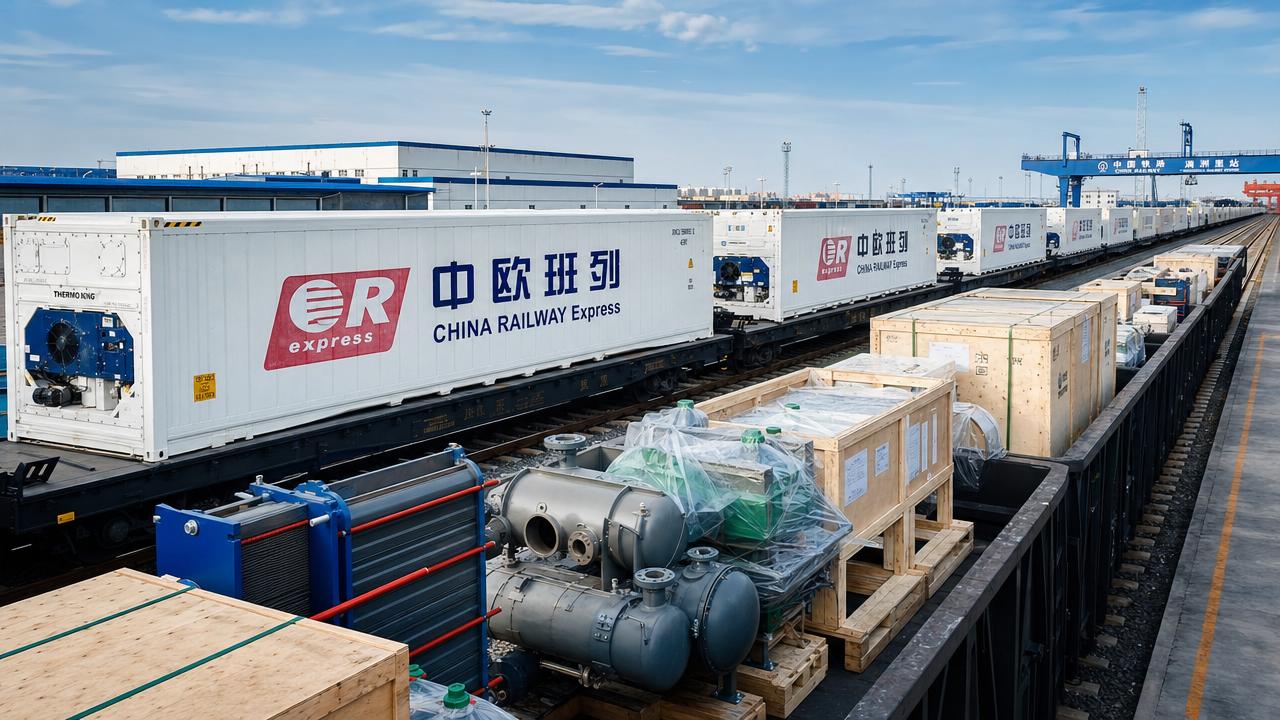
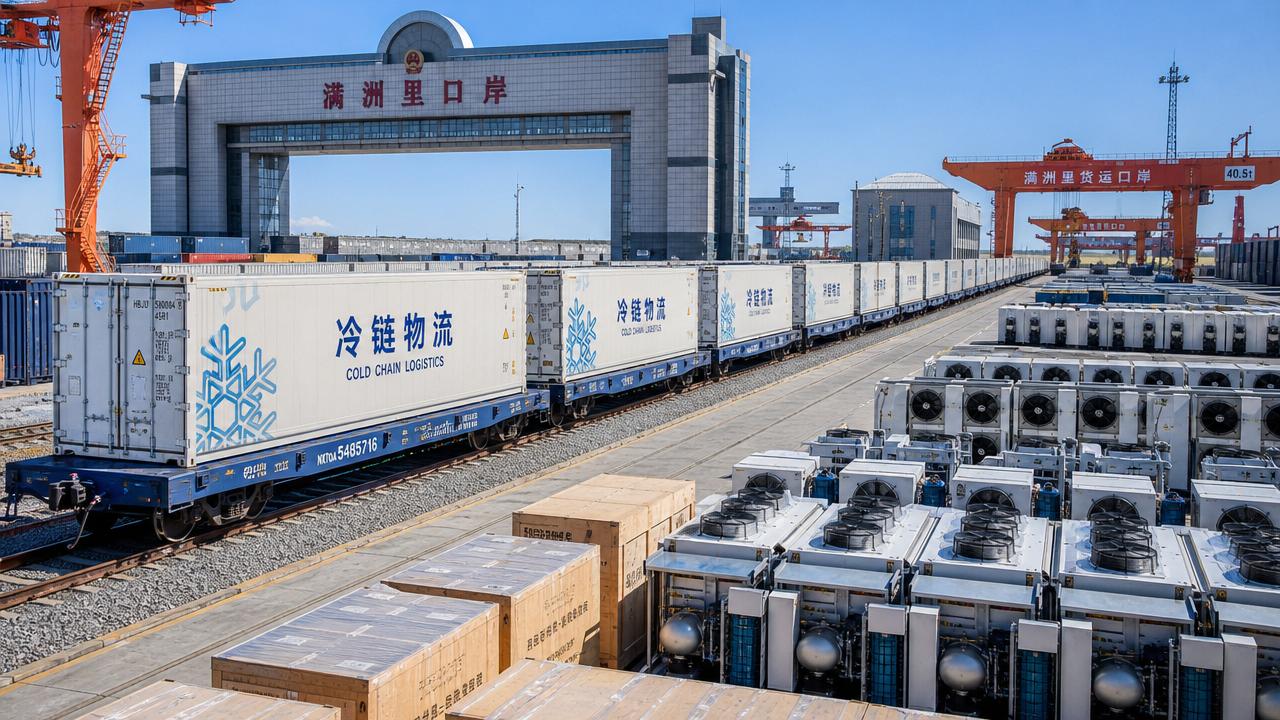
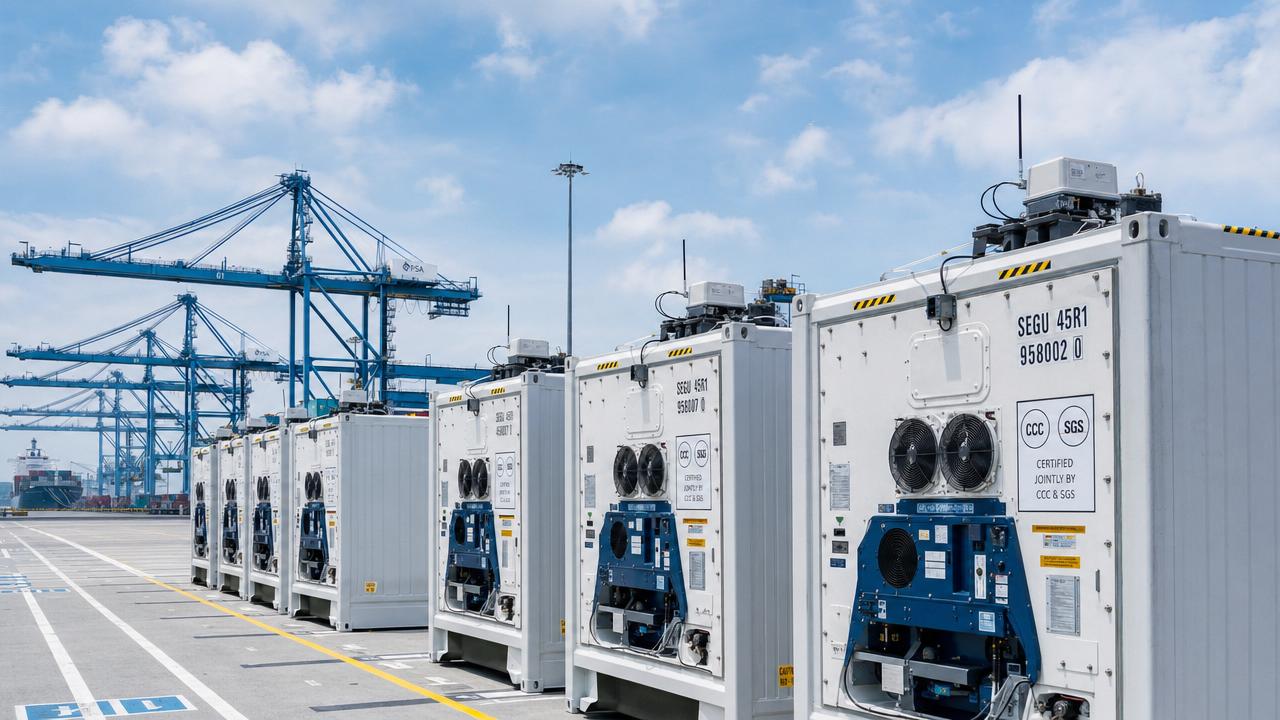
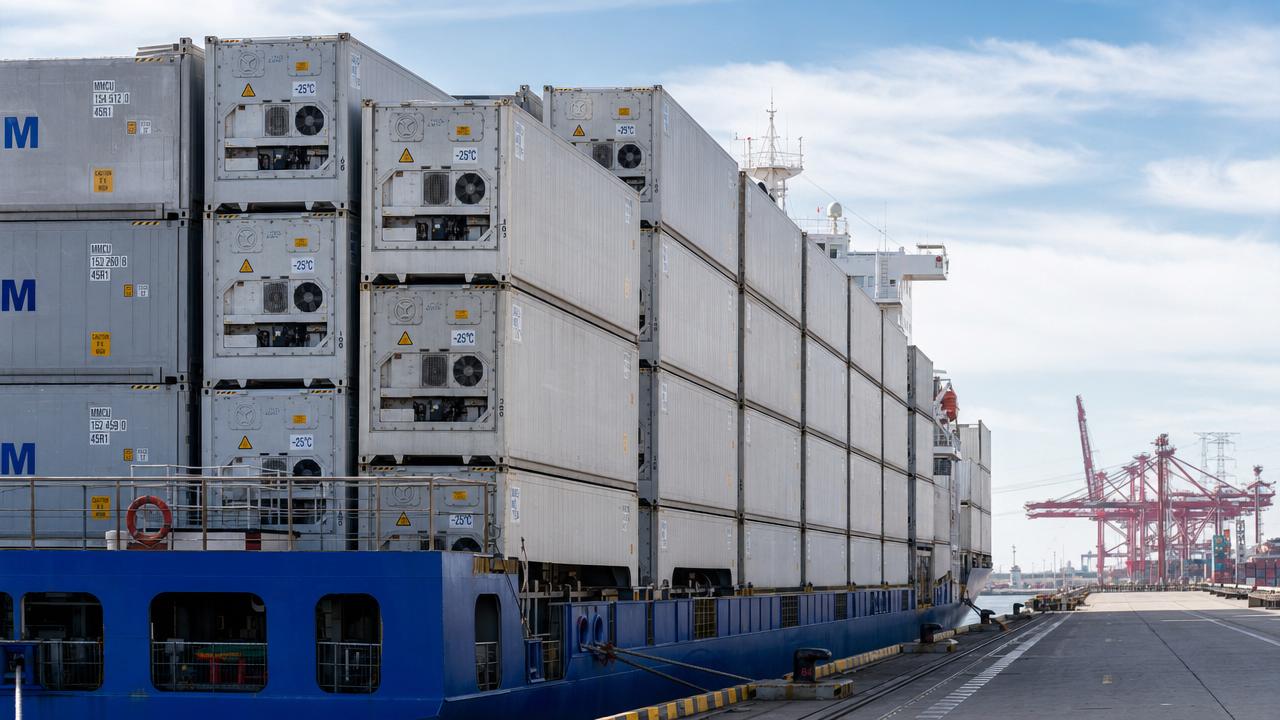
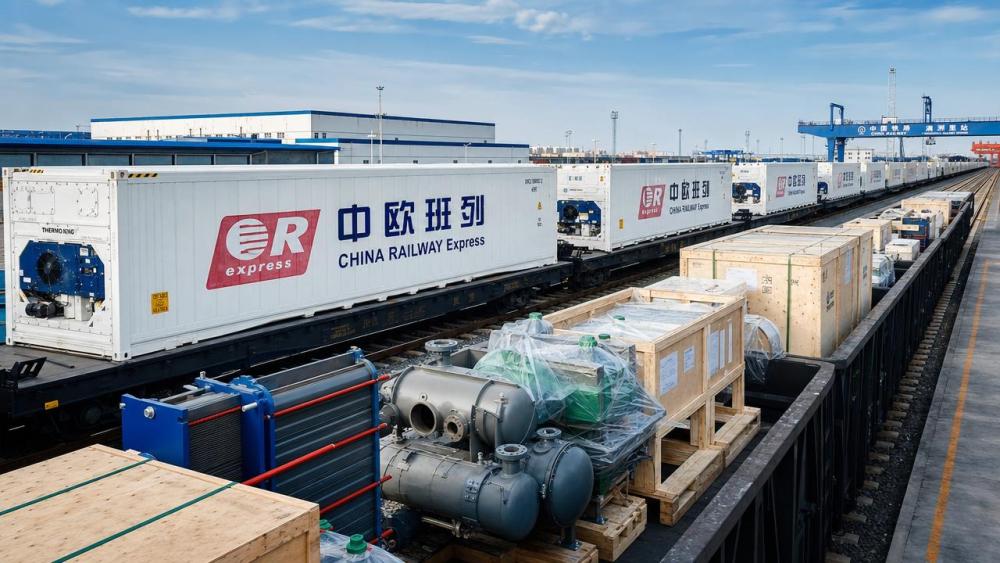
According to the latest notice from Manzhouli Customs, 1,286 TEUs of refrigerated containers were exported through the Manzhouli port during June 8–14, 2026, up 41% year on year and marking a record high for a single week.
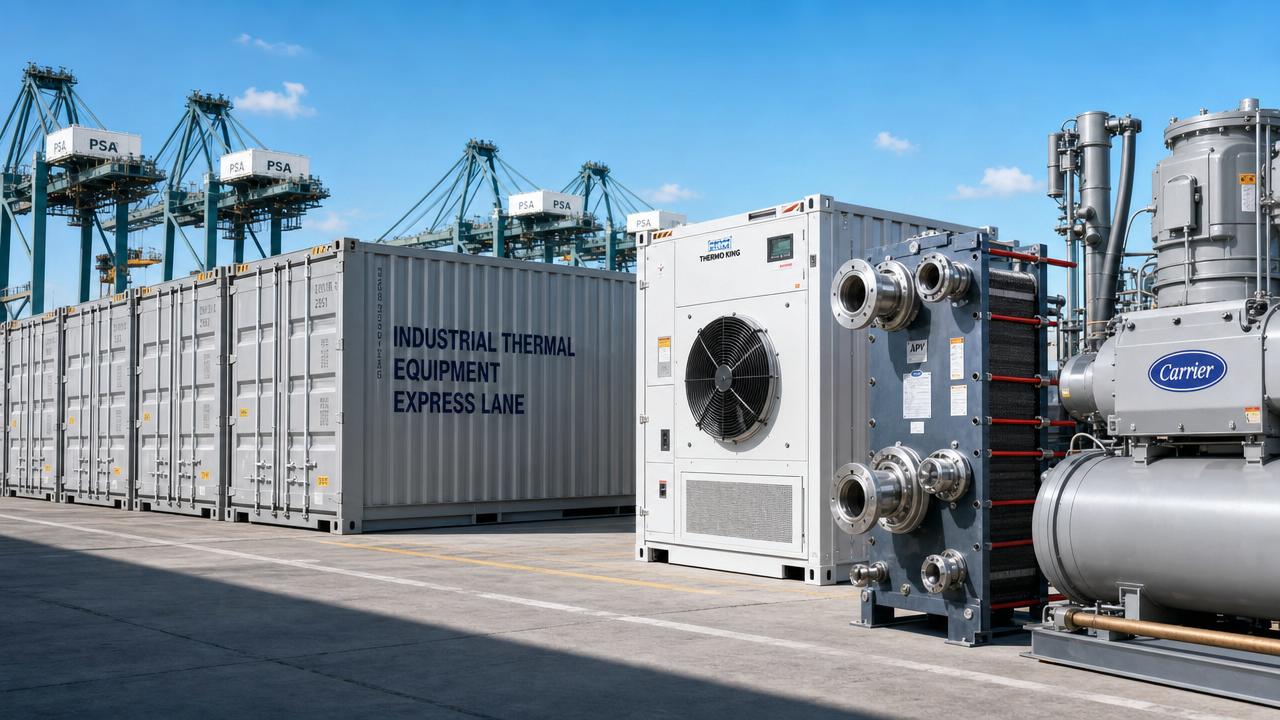
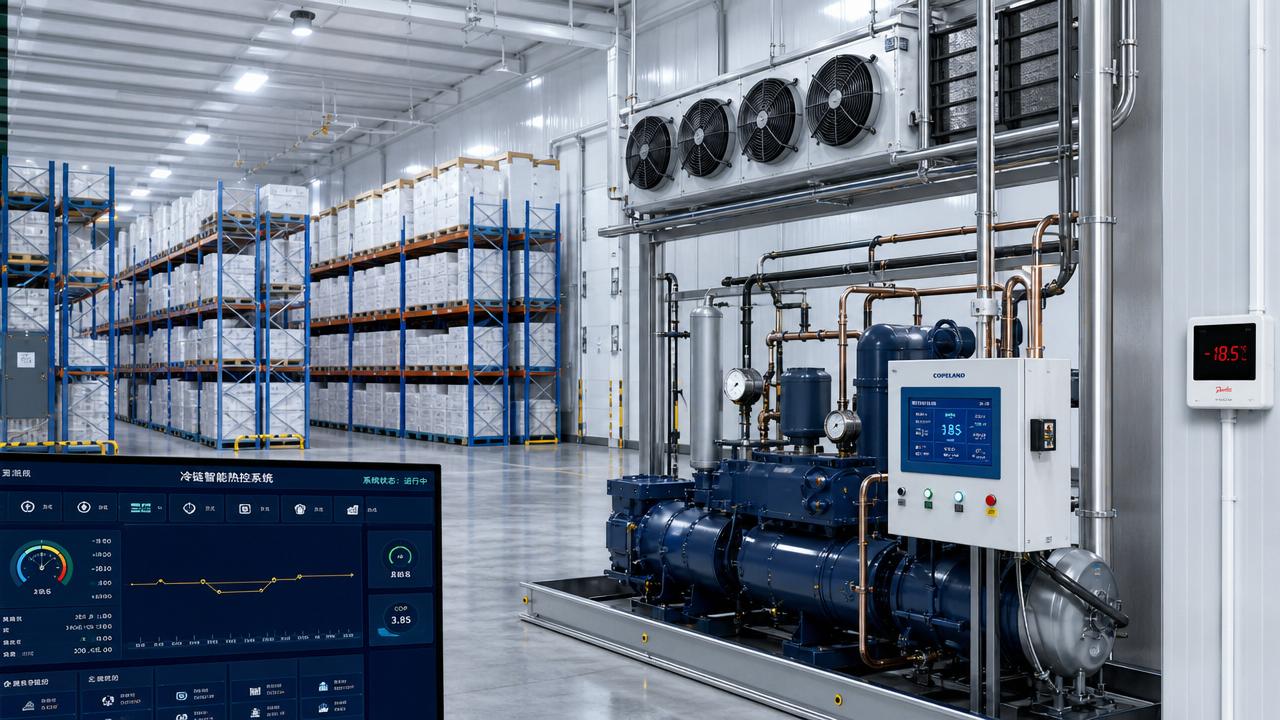
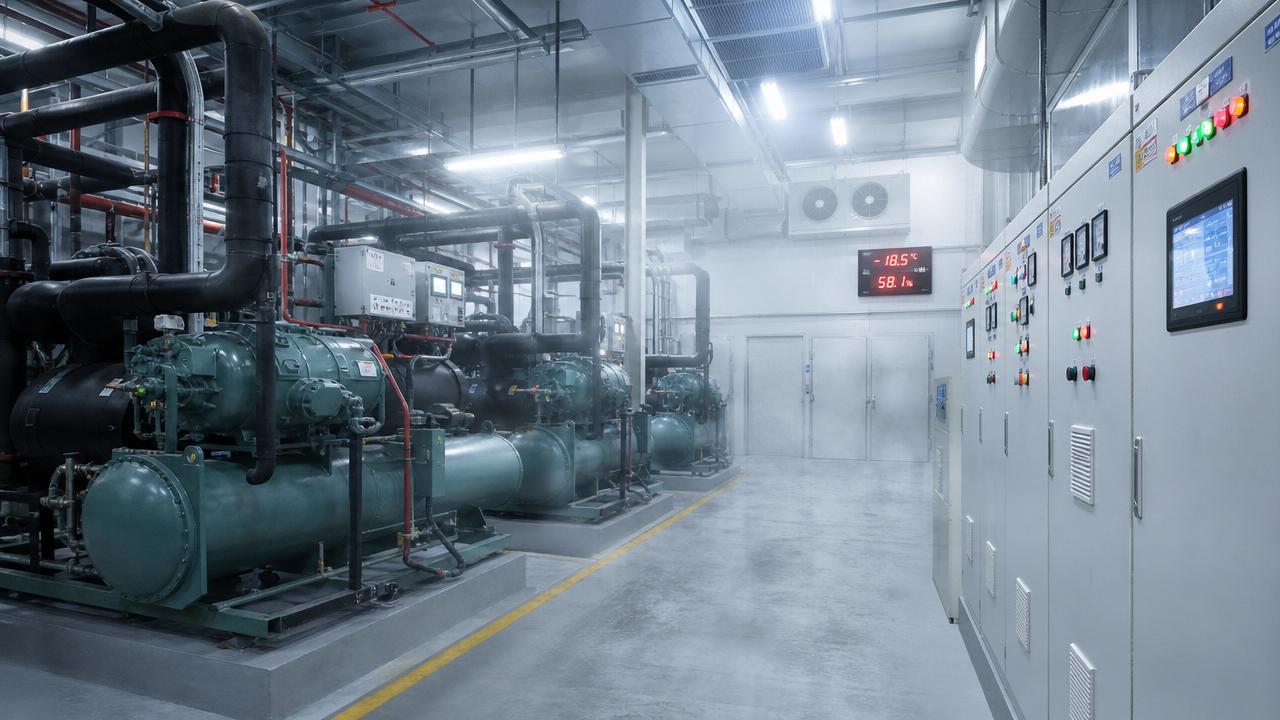
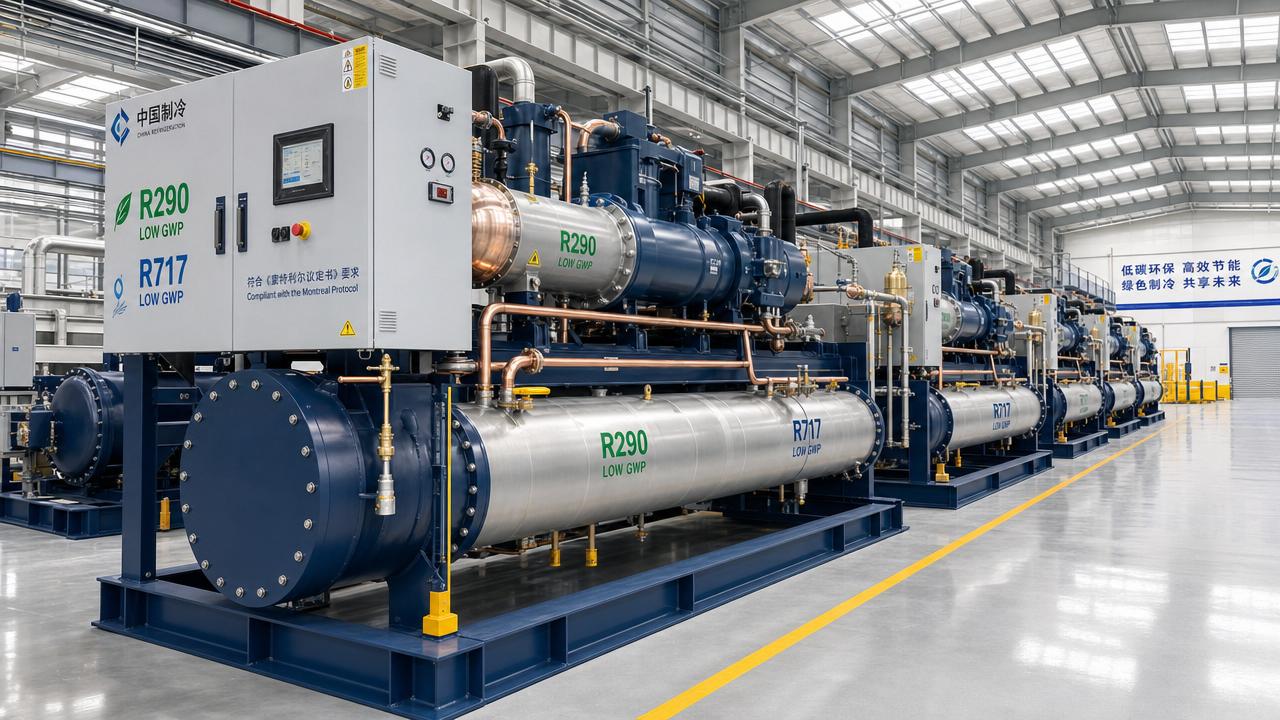
More than 73% of that volume consisted of industrial cold storage equipment, screw chiller units, and supporting plate exchanger components.
Customs clearance efficiency remained stable within 22 hours. Combined with self-service issuance of RCEP certificates of origin, the delivery cycle for cold storage equipment exports to Europe was shortened to 22 days.
Why this matters across the supply chain
Equipment exporters are seeing a clearer logistics window
From an industry perspective, exporters of industrial cold storage equipment are the most directly affected because the reported shipment mix is heavily concentrated in their product categories. The main business impact is likely to appear in order scheduling, shipment planning, and customer delivery commitments. What deserves closer attention is whether this combination of volume growth and clearance stability can be maintained beyond a single week.
Manufacturers need to watch component-linked delivery coordination
Manufacturers shipping screw chillers and plate exchanger-related assemblies may be affected through production-to-dispatch coordination. Analysis shows that when most weekly volume is concentrated in a narrow set of equipment categories, even a positive logistics update can shift pressure onto packing readiness, documentation accuracy, and shipment sequencing rather than factory output alone.
Logistics and customs service providers face execution pressure
For supply chain service providers, the significance lies less in the headline record and more in the reported operating rhythm: clearance within 22 hours and a shortened Europe-bound cycle. Observably, this raises the importance of booking coordination, reefer container management, customs document handling, and origin certificate processing in day-to-day execution.
European-side buyers may reassess lead-time expectations
Buyers and channel partners linked to Europe-bound cold storage equipment may also need to pay attention. The reported 22-day delivery cycle does not automatically reset all procurement assumptions, but it can influence near-term expectations around replenishment timing, project coordination, and order confirmation windows.
What companies should monitor now
Check whether the timing advantage holds beyond one reporting period
Analysis shows that the most practical issue is not the record itself, but whether the customs and transit efficiency reported for June 8–14 can be reproduced consistently. Companies should avoid treating one strong week as a permanent baseline without continued verification.
Review product and document readiness for the main exported categories
Because more than 73% of the reported volume was concentrated in industrial cold storage equipment, screw chiller units, and supporting plate exchanger components, firms in these categories should pay closer attention to product classification, shipment documentation, and certificate preparation tied to actual export execution.
Separate policy facilitation from operational delivery
The self-service issuance of RCEP certificates of origin is an important operational detail in the update, but companies should distinguish between available facilitation tools and realized delivery performance. What deserves closer attention is whether internal documentation, broker coordination, and customer communication are aligned well enough to convert that facilitation into measurable lead-time gains.
Prepare customer communication around delivery commitments
For sales, export, and account teams, the current signal is useful for discussing shorter delivery expectations, but commitments should still be framed carefully. Observably, the more prudent approach is to update customers based on confirmed routing and documentation readiness rather than on the weekly record alone.
How this signal should be read
Analysis shows that this development is best understood as a meaningful operating signal rather than a finished long-term trend. The combination of record reefer container volume, a concentrated equipment mix, stable customs timing, and a shorter stated Europe-bound cycle suggests stronger short-term efficiency at this port route. At the same time, one reporting window is not enough to confirm that the same pace will persist across future weeks or broader product groups.
A practical reading of the latest update
The latest Manzhouli data matters because it links export growth with execution speed in a product segment that depends heavily on timing, documentation, and coordinated logistics. It is more appropriate to understand this as a short-term but important industry signal: relevant for exporters, manufacturers, and service providers now, and worth continued observation before being treated as a settled long-term shift.
Basis of this article and follow-up points
This article is based on the user-provided news title, event date, and event summary. For this type of industry update, commonly relevant source categories include official notices, company statements, industry association releases, authoritative media coverage, and standards-related documents. A specific official source link was not provided in the input, so the precise source document still requires ongoing verification. Follow-up attention should remain on whether later official updates confirm continued volume strength, stable customs timing, and repeatable delivery-cycle performance.
Related News
- MPA Opens Fast-Track Cold Chain Inspections in SingaporeAuthor :Cryogenic Systems Expert

- GCC Cold Storage Imports Face GCC-CLIMAT 2026 RuleAuthor :Cryogenic Systems Expert

- Industrial Refrigeration Equipment Evaporator Selection: Capacity, Frost, and Energy TradeoffsAuthor :Cryogenic Systems Expert

- Industrial Refrigeration Equipment: Cost Factors to CompareAuthor :Cryogenic Systems Expert

- Manzhouli Rail Hub Sets Weekly Reefer RecordAuthor :Cryogenic Systems Expert

- Manzhouli Rail Cold-Chain Volume Hits Weekly HighAuthor :Cryogenic Systems Expert

- High-Precision Temperature Control for Stable Cold StorageAuthor :Cryogenic Systems Expert
![]()
- High-Precision Temperature Control in Cold StorageAuthor :Cryogenic Systems Expert

- Japan's METI Mandates AI Energy Models for Cold StorageAuthor :Cryogenic Systems Expert
![]()
- Fruit Attraction Madrid 2026 Booths 91% Booked; Smart Cold Storage Now EU Entry GateAuthor :Cryogenic Systems Expert

- Fruit Attraction Madrid: 90% Booths Booked; Smart Cold Storage Now EU Entry GateAuthor :Cryogenic Systems Expert
![]()
- How Global Energy Costs Are Changing Cold Storage PlanningAuthor :Cryogenic Systems Expert

- High-Precision Temperature Control in Cold StorageAuthor :Cryogenic Systems Expert

- Hema's Discount Brand 'Chao He Suan NB' Expands to Southeast AsiaAuthor :Cryogenic Systems Expert

- State Council Approves Urban Renewal '15th Five-Year' Plan, Boosting Cold Storage Retrofit DemandAuthor :Cryogenic Systems Expert

- Colombia Upholds Anti-Dumping Duties on Chinese Acrylic SheetsAuthor :Cryogenic Systems Expert

- PSA Launches Express Lane for Industrial Thermal EquipmentAuthor :Cryogenic Systems Expert

- Smart Thermal Systems for Cold Storage: Control Gains That Cut Energy WasteAuthor :Cryogenic Systems Expert

- PSA Launches Express Lane for Temperature-Critical CargoAuthor :Cryogenic Systems Expert

- Pure Power Sources: What Matters Most for Cold Storage ReliabilityAuthor :Cryogenic Systems Expert

- Brazil Grants Unilateral Visa-Free Access to Chinese CitizensAuthor :Cryogenic Systems Expert

- India BIS Proposes Mandatory Low-GWP Verification for R449A in Cold StorageAuthor :Cryogenic Systems Expert

- US BIS Adds 3 Cold Storage Controller Makers to Entity ListAuthor :Cryogenic Systems Expert

- High-Precision Temperature Control in Cold Storage OperationsAuthor :Cryogenic Systems Expert

- India BIS Proposes Mandatory Low-GWP Verification for R449A in Cold StorageAuthor :Cryogenic Systems Expert

- US BIS Adds 3 Chinese Cold Storage Controller Makers to Entity ListAuthor :Cryogenic Systems Expert

- China Expands HCFCs Phase-Out Verification for Cold Storage ExportsAuthor :Cryogenic Systems Expert

- Smart Thermal Systems for Cold Storage: What Delivers PaybackAuthor :Cryogenic Systems Expert

- China Expands HCFCs Phase-Out Checks to 127 Chiller PlantsAuthor :Cryogenic Systems Expert

- Shanghai Port Reefer FEU Rates Surge Past $12,800 Amid Red Sea DiversionAuthor :Cryogenic Systems Expert

- Red Sea Crisis Pushes Shanghai-Rotterdam Reefer Freight to $12,520/FEUAuthor :Cryogenic Systems Expert
![]()
- What Intellectualization Means for Smarter Cold Storage OperationsAuthor :Cryogenic Systems Expert