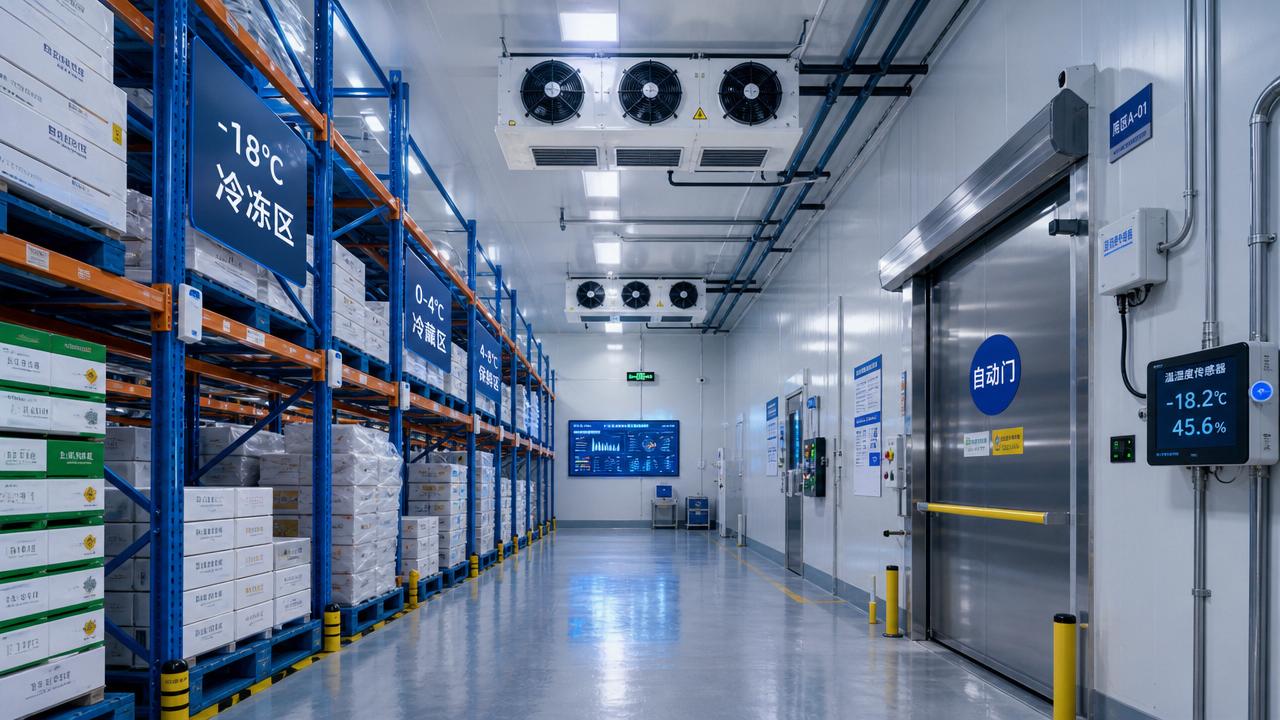
Smart Thermal Systems for Cold Storage: What Delivers Payback




For finance decision-makers in cold storage, smart thermal systems are now tied directly to margin protection. Energy costs remain volatile, while uptime, product quality, and compliance pressures keep rising.
That makes investment discipline more important than enthusiasm. The best smart thermal systems are not those with the most features, but those that reduce kWh, stabilize temperatures, and shorten payback.
In cold storage, payback depends on whole-system intelligence. Controls, compressors, evaporators, condensers, doors, airflow, and defrost must work as one economic engine.
Why smart thermal systems are moving from optional upgrade to financial priority
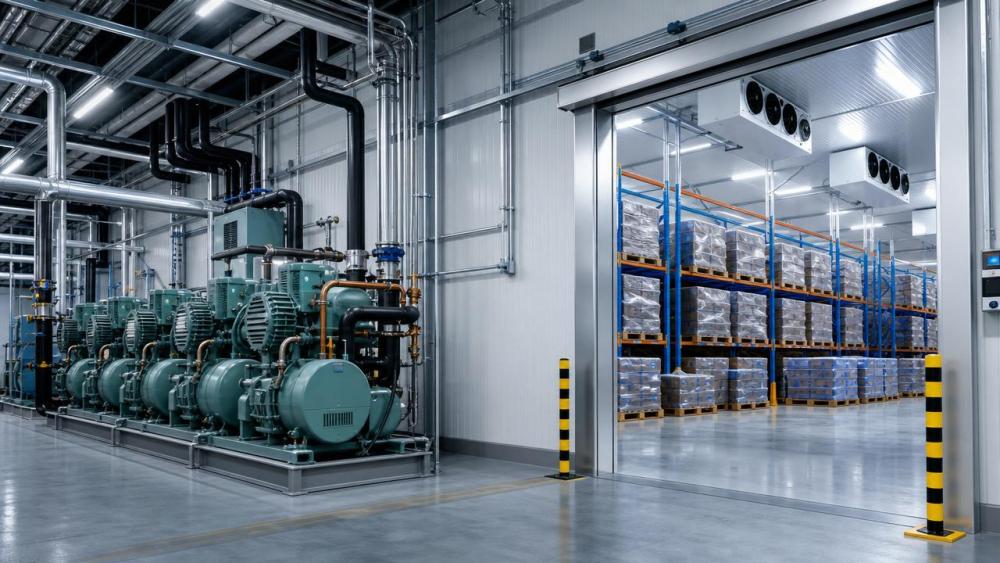
Several trend signals explain the shift. Electricity prices are less predictable. Refrigerant transitions are reshaping equipment choices. Data visibility is improving. Capital committees now expect measurable efficiency cases.
At the same time, cold storage loads are changing. More facilities face mixed temperature zones, faster inventory turns, and tighter tolerances for food, pharma, and specialty materials.
Traditional fixed-rule operation struggles under these conditions. Smart thermal systems respond better because they adapt capacity, airflow, head pressure, and defrost timing to real demand.
The strongest payback comes from system coordination, not isolated hardware
Many retrofit plans focus first on replacing a major machine. That can help, but the fastest payback often comes from coordinating multiple thermal assets through better controls and sensors.
In practice, smart thermal systems create value when they reduce avoidable runtime. They also cut temperature excursions, lower maintenance stress, and improve part-load performance across the day.
Key forces behind adoption
Which smart thermal systems usually deliver the clearest returns
Not every upgrade performs equally. The best candidates usually target part-load efficiency, heat transfer quality, and operating intelligence rather than only nameplate capacity.
1. Advanced supervisory controls
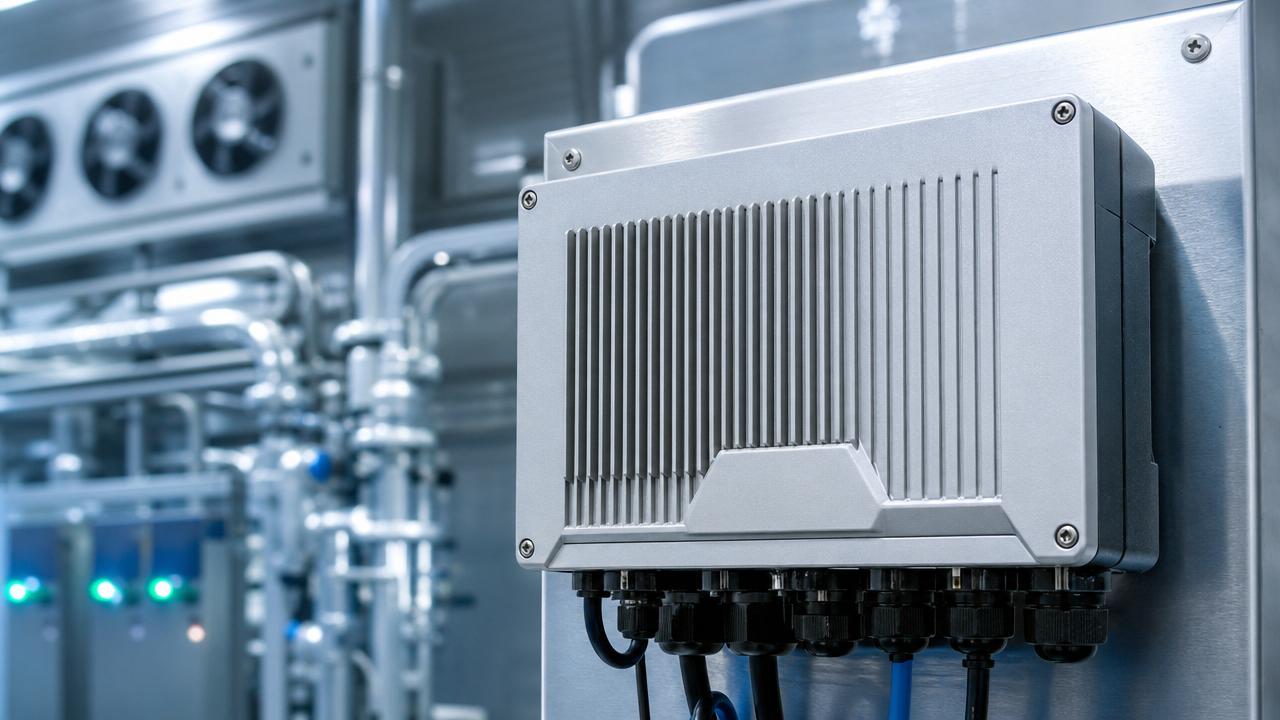
A modern control layer often creates the fastest return. It aligns compressor staging, suction pressure, condensing pressure, fan speed, and defrost with actual room conditions.
This avoids conflicting equipment behavior. It also reveals hidden waste, such as simultaneous heating and cooling, overly aggressive setpoints, or unnecessary fan operation.
2. Variable speed compression and fan control
Cold stores rarely operate at one steady load. Variable speed drives let smart thermal systems follow demand more precisely and reduce cycling losses.
The result is usually better part-load efficiency, smoother temperatures, and lower mechanical stress. Those gains support both energy savings and maintenance savings.
3. Demand-based defrost
Fixed defrost schedules often waste energy and interrupt stable operation. Smarter defrost uses coil conditions, runtime, humidity patterns, or pressure signals to trigger only when needed.
This improves evaporator performance while reducing unnecessary heat input. In many facilities, demand-based defrost is one of the most overlooked smart thermal systems opportunities.
4. Floating suction and floating head pressure
Many legacy plants run conservative settings year-round. Smart thermal systems can float pressure levels within safe limits, cutting compressor lift and lowering power draw.
These changes can produce strong returns without major structural reconstruction. Their value rises when weather conditions and storage loads vary widely.
5. Sensor networks and fault detection
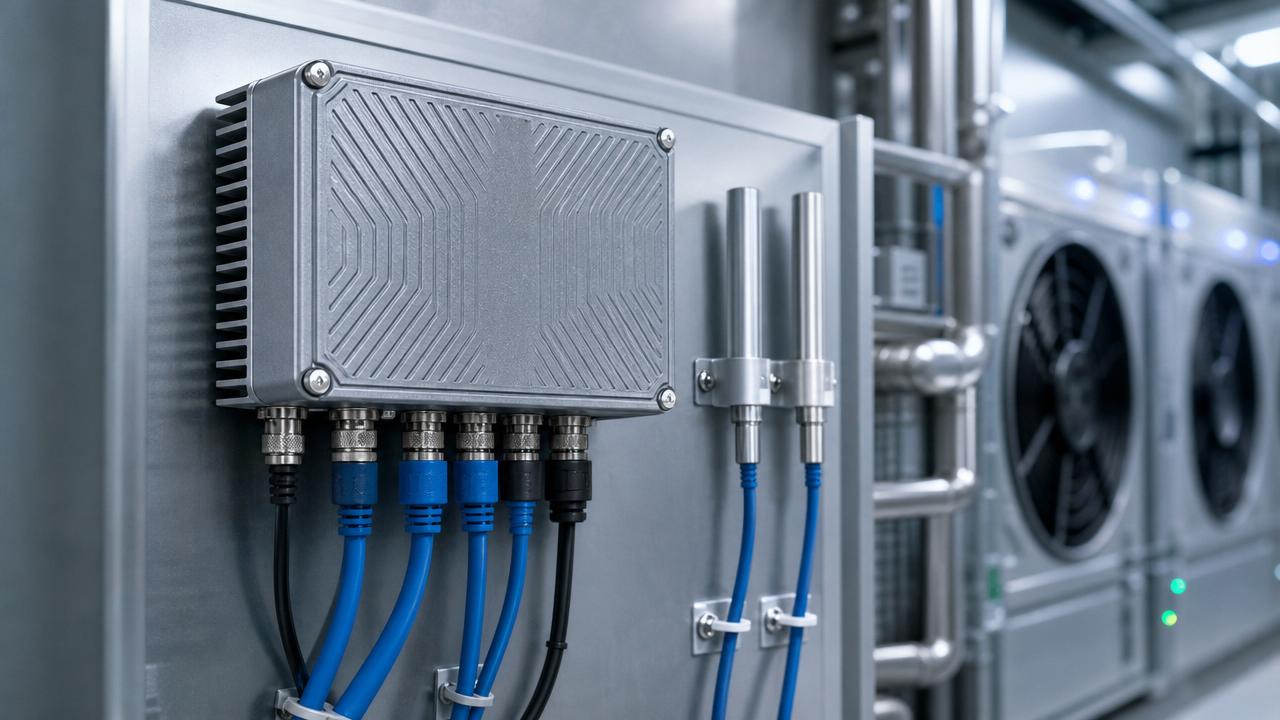
Good analytics depend on trustworthy data. Temperature, humidity, pressure, door-open events, power consumption, and airflow readings allow smart thermal systems to detect drift early.
That matters financially because small faults often become expensive slowly. Dirty coils, leaking doors, sensor bias, and failed valves can erode savings for months.
Where the business impact appears across cold storage operations
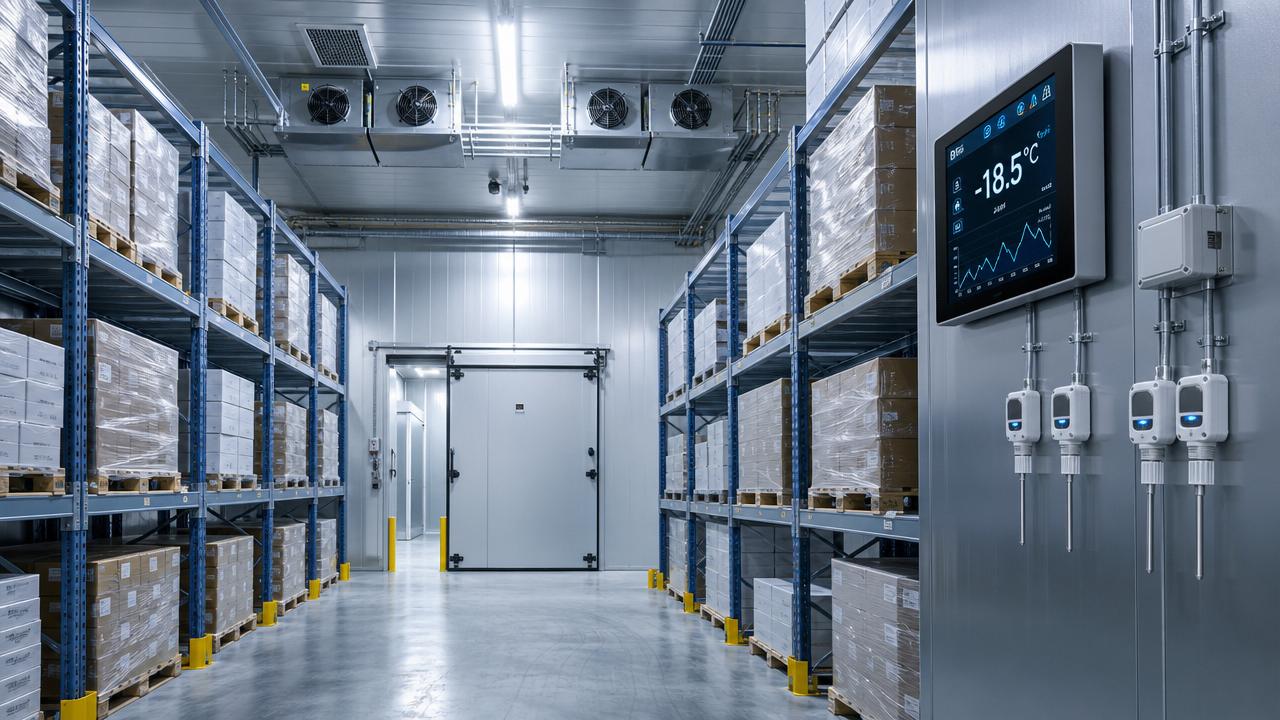
The impact of smart thermal systems extends beyond the utility bill. Financial performance improves across several operating layers, especially where temperature stability affects inventory value and service reliability.
- Energy: lower compressor, fan, and defrost electricity consumption
- Product quality: fewer temperature deviations and less spoilage risk
- Maintenance: less short cycling, fewer emergency calls, longer equipment life
- Compliance: stronger records for audit trails and storage verification
- Planning: clearer performance baselines for future capital decisions
For multi-site operators, the value can multiply quickly. Standardized smart thermal systems also make benchmarking easier across sites with similar product profiles and temperature bands.
What separates a credible payback case from an optimistic one
The strongest business cases start with a baseline. Without interval energy data, operating hours, and thermal performance trends, savings estimates become guesswork.
A credible payback model for smart thermal systems should evaluate both direct and indirect value. Direct savings are easier to see, but indirect gains often decide the final return.
Payback factors worth testing
It is also wise to separate quick wins from major capital projects. Controls and defrost optimization may pay back sooner than full plant replacement.
The priorities that deserve attention before any upgrade decision
- Verify data quality before trusting analytics outputs
- Map energy use by zone, process, and time of day
- Check whether current setpoints are operationally justified
- Measure door infiltration and airflow imbalances
- Review defrost frequency against real frost conditions
- Assess whether controls can integrate legacy equipment
- Include cybersecurity and remote access governance
- Model savings under both average and peak tariff scenarios
These checks help avoid one common mistake. Smart thermal systems cannot consistently outperform poor mechanical conditions, bad sensors, or unmanaged air leakage.
A practical path for judging which smart thermal systems will pay back fastest
- Build a 30 to 90 day operating baseline using interval data.
- Rank losses by cost impact, not by engineering visibility.
- Start with controls, sensors, and operating logic corrections.
- Then evaluate variable speed, pressure optimization, and defrost upgrades.
- Use pilot areas to confirm savings before broad rollout.
- Track post-installation performance against a verified baseline.
This staged method fits the current industry direction highlighted by GTC-Matrix. Better thermal intelligence now matters as much as equipment efficiency in delivering resilient industrial performance.
The bottom line is clear. Smart thermal systems deliver payback when they connect thermodynamic performance to financial outcomes, with measurable savings, lower risk, and better operating control.
The next step is practical: identify the largest thermal losses, validate data quality, and compare upgrade options using site-specific tariffs and runtime patterns. That is where smart thermal systems start becoming investable, not merely interesting.
Related News
- MPA Opens Fast-Track Cold Chain Inspections in SingaporeAuthor :Cryogenic Systems Expert

- GCC Cold Storage Imports Face GCC-CLIMAT 2026 RuleAuthor :Cryogenic Systems Expert

- Industrial Refrigeration Equipment Evaporator Selection: Capacity, Frost, and Energy TradeoffsAuthor :Cryogenic Systems Expert

- Industrial Refrigeration Equipment: Cost Factors to CompareAuthor :Cryogenic Systems Expert

- Manzhouli Rail Hub Sets Weekly Reefer RecordAuthor :Cryogenic Systems Expert

- Manzhouli Rail Cold-Chain Volume Hits Weekly HighAuthor :Cryogenic Systems Expert

- High-Precision Temperature Control for Stable Cold StorageAuthor :Cryogenic Systems Expert
![]()
- High-Precision Temperature Control in Cold StorageAuthor :Cryogenic Systems Expert

- Japan's METI Mandates AI Energy Models for Cold StorageAuthor :Cryogenic Systems Expert
![]()
- Fruit Attraction Madrid 2026 Booths 91% Booked; Smart Cold Storage Now EU Entry GateAuthor :Cryogenic Systems Expert

- Fruit Attraction Madrid: 90% Booths Booked; Smart Cold Storage Now EU Entry GateAuthor :Cryogenic Systems Expert
![]()
- How Global Energy Costs Are Changing Cold Storage PlanningAuthor :Cryogenic Systems Expert

- High-Precision Temperature Control in Cold StorageAuthor :Cryogenic Systems Expert

- Hema's Discount Brand 'Chao He Suan NB' Expands to Southeast AsiaAuthor :Cryogenic Systems Expert

- State Council Approves Urban Renewal '15th Five-Year' Plan, Boosting Cold Storage Retrofit DemandAuthor :Cryogenic Systems Expert

- Colombia Upholds Anti-Dumping Duties on Chinese Acrylic SheetsAuthor :Cryogenic Systems Expert

- PSA Launches Express Lane for Industrial Thermal EquipmentAuthor :Cryogenic Systems Expert

- Smart Thermal Systems for Cold Storage: Control Gains That Cut Energy WasteAuthor :Cryogenic Systems Expert

- PSA Launches Express Lane for Temperature-Critical CargoAuthor :Cryogenic Systems Expert

- Pure Power Sources: What Matters Most for Cold Storage ReliabilityAuthor :Cryogenic Systems Expert

- Brazil Grants Unilateral Visa-Free Access to Chinese CitizensAuthor :Cryogenic Systems Expert

- India BIS Proposes Mandatory Low-GWP Verification for R449A in Cold StorageAuthor :Cryogenic Systems Expert

- US BIS Adds 3 Cold Storage Controller Makers to Entity ListAuthor :Cryogenic Systems Expert

- High-Precision Temperature Control in Cold Storage OperationsAuthor :Cryogenic Systems Expert

- India BIS Proposes Mandatory Low-GWP Verification for R449A in Cold StorageAuthor :Cryogenic Systems Expert

- US BIS Adds 3 Chinese Cold Storage Controller Makers to Entity ListAuthor :Cryogenic Systems Expert

- China Expands HCFCs Phase-Out Verification for Cold Storage ExportsAuthor :Cryogenic Systems Expert

- Smart Thermal Systems for Cold Storage: What Delivers PaybackAuthor :Cryogenic Systems Expert

- China Expands HCFCs Phase-Out Checks to 127 Chiller PlantsAuthor :Cryogenic Systems Expert

- Shanghai Port Reefer FEU Rates Surge Past $12,800 Amid Red Sea DiversionAuthor :Cryogenic Systems Expert

- Red Sea Crisis Pushes Shanghai-Rotterdam Reefer Freight to $12,520/FEUAuthor :Cryogenic Systems Expert
![]()
- What Intellectualization Means for Smarter Cold Storage OperationsAuthor :Cryogenic Systems Expert