



Pure Power Sources: What Matters Most for Cold Storage Reliability




In cold storage operations, reliability starts with pure power sources that keep compressors, controls, and monitoring systems stable under demanding conditions. For operators, even brief power fluctuations can mean temperature drift, product loss, and rising maintenance costs. Understanding what truly supports consistent performance is essential to protecting assets, meeting compliance targets, and improving day-to-day efficiency.
What Pure Power Sources Mean in Cold Storage Systems
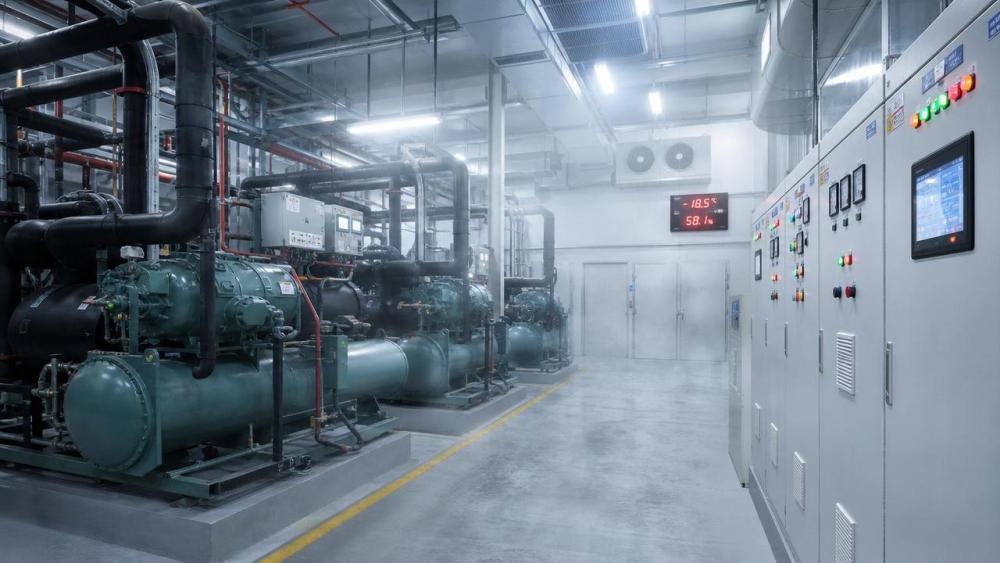
Pure power sources refer to electrical supply conditions that remain stable, clean, and predictable across refrigeration loads, control circuits, and digital monitoring devices.
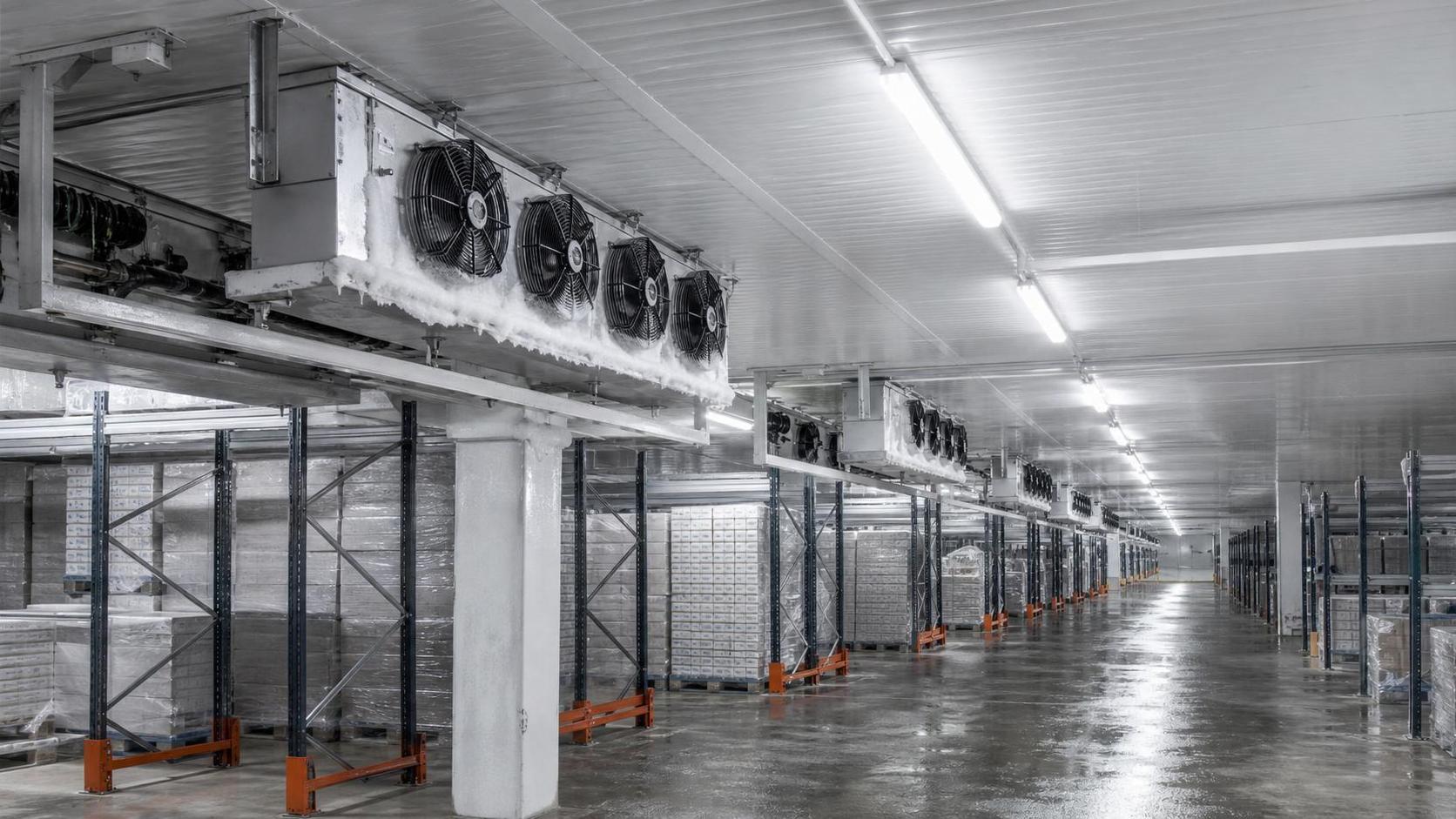
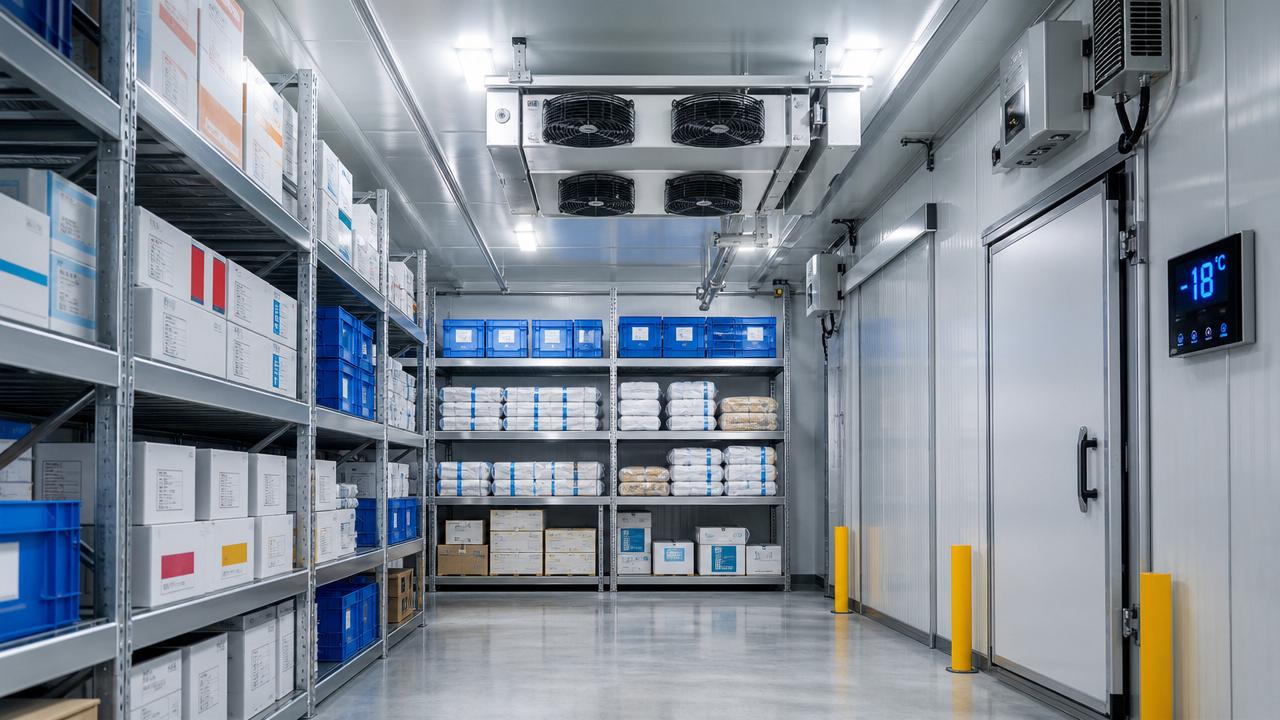
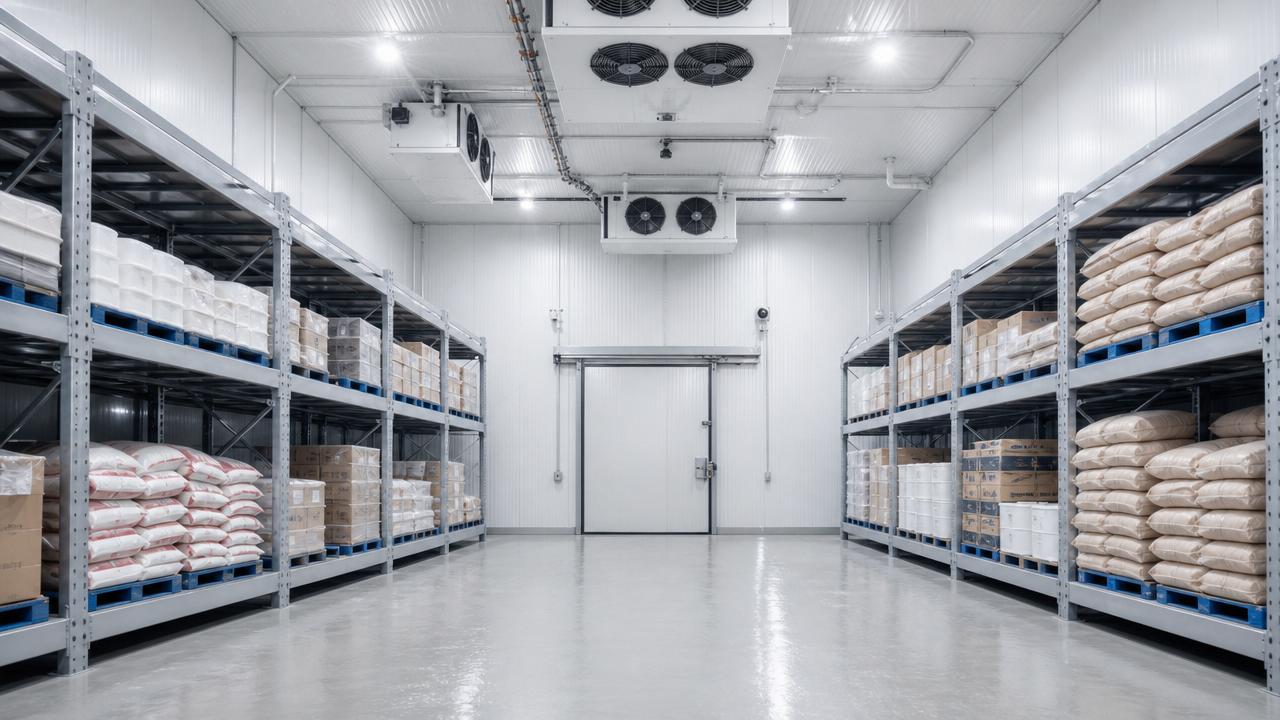
In cold rooms, freezers, blast chillers, and temperature-controlled warehouses, power quality directly affects compressor behavior and overall thermal consistency.
The term covers more than backup electricity. It includes voltage stability, harmonic control, frequency consistency, grounding integrity, and surge protection.
When pure power sources are weak, refrigeration equipment may still run, but hidden stress develops in motors, drives, sensors, and electronic boards.
That stress often appears later as nuisance alarms, shortened component life, unstable suction pressure, and unplanned service calls.
For facilities handling food, medicine, chemicals, or laboratory materials, pure power sources are tied to safety, traceability, and audit readiness.
Why Reliability Depends on Power Quality, Not Only Power Availability
Many sites focus on whether power is present. A more useful question is whether the supplied power remains clean under changing loads.
Cold storage systems cycle frequently. Compressors start, fans modulate, defrost heaters engage, and control networks communicate around the clock.
Each transition can expose weak electrical infrastructure. If pure power sources are not maintained, instability spreads across the refrigeration chain.
Key power quality risks in cold environments
- Voltage sags during compressor startup or grid disturbances
- Harmonic distortion from variable frequency drives and non-linear loads
- Phase imbalance affecting motor temperature and efficiency
- Power spikes damaging controllers, PLCs, and communication modules
- Poor grounding causing false readings and intermittent alarms
Pure power sources reduce these risks by supporting smoother starts, more accurate control logic, and better synchronization between refrigeration and monitoring assets.
This is especially important where remote supervision, data logging, and compliance reporting are part of normal operations.
Current Industry Signals Around Pure Power Sources
Across the broader industrial landscape, energy volatility and digitalization are making pure power sources more visible in cold storage decision-making.
Facilities now expect refrigeration assets to be efficient, connected, and resilient at the same time. That raises the importance of supply quality.
From the perspective of industrial intelligence, pure power sources are no longer a supporting issue. They are part of refrigeration performance strategy.
Business Value of Pure Power Sources in Cold Storage Operations
The value of pure power sources becomes clear when reliability is measured across uptime, product integrity, and maintenance economics.
1. Better temperature stability
Stable electrical input helps compressors and expansion controls respond consistently. That reduces drift during peak demand and door-open events.
2. Lower maintenance pressure
Pure power sources reduce repeated stress on contactors, motors, drives, and boards. Fewer faults usually mean less emergency intervention.
3. Longer asset life
Electrical irregularities increase heat, vibration, and insulation wear. Cleaner supply conditions help protect capital equipment over longer operating cycles.
4. Stronger data confidence
Monitoring systems need dependable power to capture valid records. Pure power sources support alarm continuity and trustworthy temperature histories.
5. Improved energy performance
Power distortion and imbalance waste energy. Better supply quality allows refrigeration equipment to operate closer to designed efficiency.
Typical Cold Storage Scenarios and Power Priorities
Different facilities need pure power sources for different reasons. The underlying goal remains the same: consistent thermal protection.
These examples show why pure power sources should be matched to both thermal load and operational risk, not treated as a generic utility issue.
Practical Measures That Strengthen Pure Power Sources
Reliable cold storage does not depend on one device alone. It comes from coordinated electrical design, monitoring, and maintenance discipline.
Build visibility first
- Track voltage events, harmonics, and phase conditions
- Compare electrical events with temperature deviations
- Review startup patterns of major compressor groups
Protect critical loads selectively
- Use UPS support for controls, gateways, and alarm systems
- Install surge protection for electronic refrigeration boards
- Apply filtering where harmonics threaten drive performance
Maintain electrical fundamentals
- Verify grounding integrity and panel connections regularly
- Check phase balance under real operating load
- Inspect cables and enclosures exposed to moisture or low temperatures
Pure power sources become more dependable when electrical data is linked with refrigeration behavior, service history, and site operating patterns.
Common Oversights That Reduce Reliability
Some facilities invest in refrigeration capacity but overlook the power conditions supporting it. That creates avoidable reliability gaps.
- Assuming a generator alone guarantees pure power sources
- Ignoring harmonics after adding VFDs or digital equipment
- Protecting compressors but not controls and monitoring points
- Reviewing alarms without analyzing electrical root causes
- Treating maintenance as reactive instead of trend-based
Correcting these oversights often improves cold storage reliability faster than adding more mechanical redundancy.
A Practical Next Step for More Reliable Cold Storage
A useful starting point is a site review that maps electrical quality against thermal performance, alarms, and maintenance events.
That review should identify where pure power sources matter most, including compressors, PLCs, remote monitoring devices, and compliance-critical sensors.
For organizations following industrial intelligence from GTC-Matrix, this approach aligns thermodynamic efficiency with stronger compression reliability and smarter power decisions.
In practice, pure power sources are not an abstract technical upgrade. They are a measurable foundation for stable temperatures, lower risk, and better long-term operating control.
Related News
- MPA Opens Fast-Track Cold Chain Inspections in SingaporeAuthor :Cryogenic Systems Expert

- GCC Cold Storage Imports Face GCC-CLIMAT 2026 RuleAuthor :Cryogenic Systems Expert

- Industrial Refrigeration Equipment Evaporator Selection: Capacity, Frost, and Energy TradeoffsAuthor :Cryogenic Systems Expert

- Industrial Refrigeration Equipment: Cost Factors to CompareAuthor :Cryogenic Systems Expert

- Manzhouli Rail Hub Sets Weekly Reefer RecordAuthor :Cryogenic Systems Expert

- Manzhouli Rail Cold-Chain Volume Hits Weekly HighAuthor :Cryogenic Systems Expert

- High-Precision Temperature Control for Stable Cold StorageAuthor :Cryogenic Systems Expert
![]()
- High-Precision Temperature Control in Cold StorageAuthor :Cryogenic Systems Expert

- Japan's METI Mandates AI Energy Models for Cold StorageAuthor :Cryogenic Systems Expert
![]()
- Fruit Attraction Madrid 2026 Booths 91% Booked; Smart Cold Storage Now EU Entry GateAuthor :Cryogenic Systems Expert

- Fruit Attraction Madrid: 90% Booths Booked; Smart Cold Storage Now EU Entry GateAuthor :Cryogenic Systems Expert
![]()
- How Global Energy Costs Are Changing Cold Storage PlanningAuthor :Cryogenic Systems Expert

- High-Precision Temperature Control in Cold StorageAuthor :Cryogenic Systems Expert

- Hema's Discount Brand 'Chao He Suan NB' Expands to Southeast AsiaAuthor :Cryogenic Systems Expert

- State Council Approves Urban Renewal '15th Five-Year' Plan, Boosting Cold Storage Retrofit DemandAuthor :Cryogenic Systems Expert

- Colombia Upholds Anti-Dumping Duties on Chinese Acrylic SheetsAuthor :Cryogenic Systems Expert

- PSA Launches Express Lane for Industrial Thermal EquipmentAuthor :Cryogenic Systems Expert

- Smart Thermal Systems for Cold Storage: Control Gains That Cut Energy WasteAuthor :Cryogenic Systems Expert

- PSA Launches Express Lane for Temperature-Critical CargoAuthor :Cryogenic Systems Expert

- Pure Power Sources: What Matters Most for Cold Storage ReliabilityAuthor :Cryogenic Systems Expert

- Brazil Grants Unilateral Visa-Free Access to Chinese CitizensAuthor :Cryogenic Systems Expert

- India BIS Proposes Mandatory Low-GWP Verification for R449A in Cold StorageAuthor :Cryogenic Systems Expert

- US BIS Adds 3 Cold Storage Controller Makers to Entity ListAuthor :Cryogenic Systems Expert

- High-Precision Temperature Control in Cold Storage OperationsAuthor :Cryogenic Systems Expert

- India BIS Proposes Mandatory Low-GWP Verification for R449A in Cold StorageAuthor :Cryogenic Systems Expert

- US BIS Adds 3 Chinese Cold Storage Controller Makers to Entity ListAuthor :Cryogenic Systems Expert

- China Expands HCFCs Phase-Out Verification for Cold Storage ExportsAuthor :Cryogenic Systems Expert

- Smart Thermal Systems for Cold Storage: What Delivers PaybackAuthor :Cryogenic Systems Expert

- China Expands HCFCs Phase-Out Checks to 127 Chiller PlantsAuthor :Cryogenic Systems Expert

- Shanghai Port Reefer FEU Rates Surge Past $12,800 Amid Red Sea DiversionAuthor :Cryogenic Systems Expert

- Red Sea Crisis Pushes Shanghai-Rotterdam Reefer Freight to $12,520/FEUAuthor :Cryogenic Systems Expert
![]()
- What Intellectualization Means for Smarter Cold Storage OperationsAuthor :Cryogenic Systems Expert