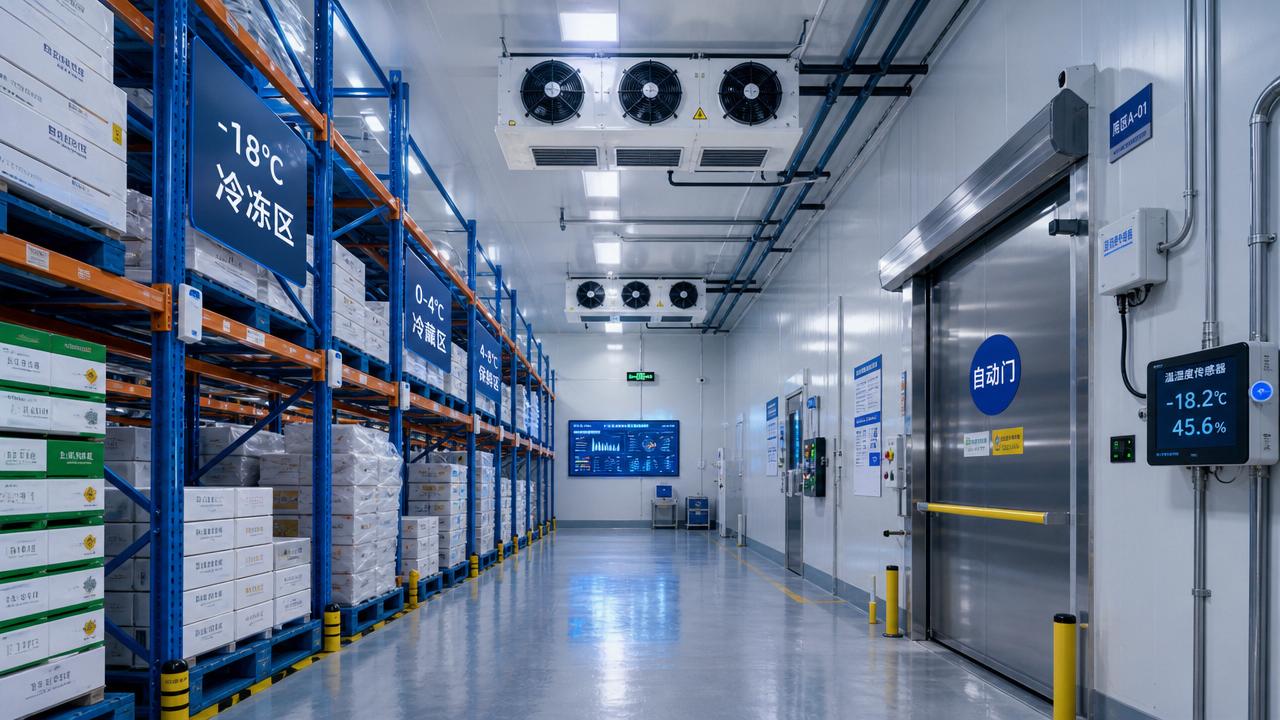
Fruit Attraction Madrid 2026 Booths 91% Booked; Smart Cold Storage Now EU Entry Gate




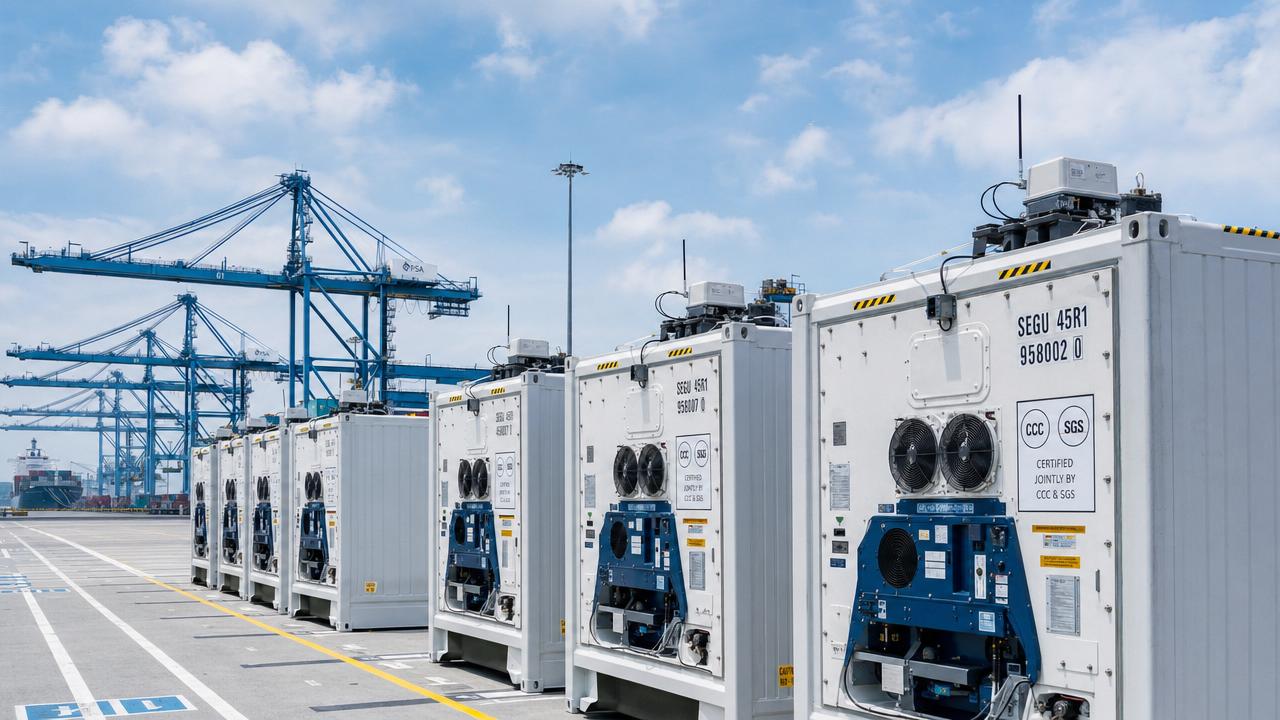
Fruit Attraction Madrid — one of the world’s largest fresh produce trade fairs — has seen 91% of exhibition space booked for its October 2026 edition, with unprecedented demand concentrated in cold chain and refrigerated storage solutions. This surge reflects tightening regulatory alignment across EU import channels, particularly around energy efficiency and digital interoperability standards for cold storage infrastructure — a shift that directly reshapes procurement criteria, supply chain investments, and product compliance strategies across multiple tiers of the global fresh food value chain.
Event Overview
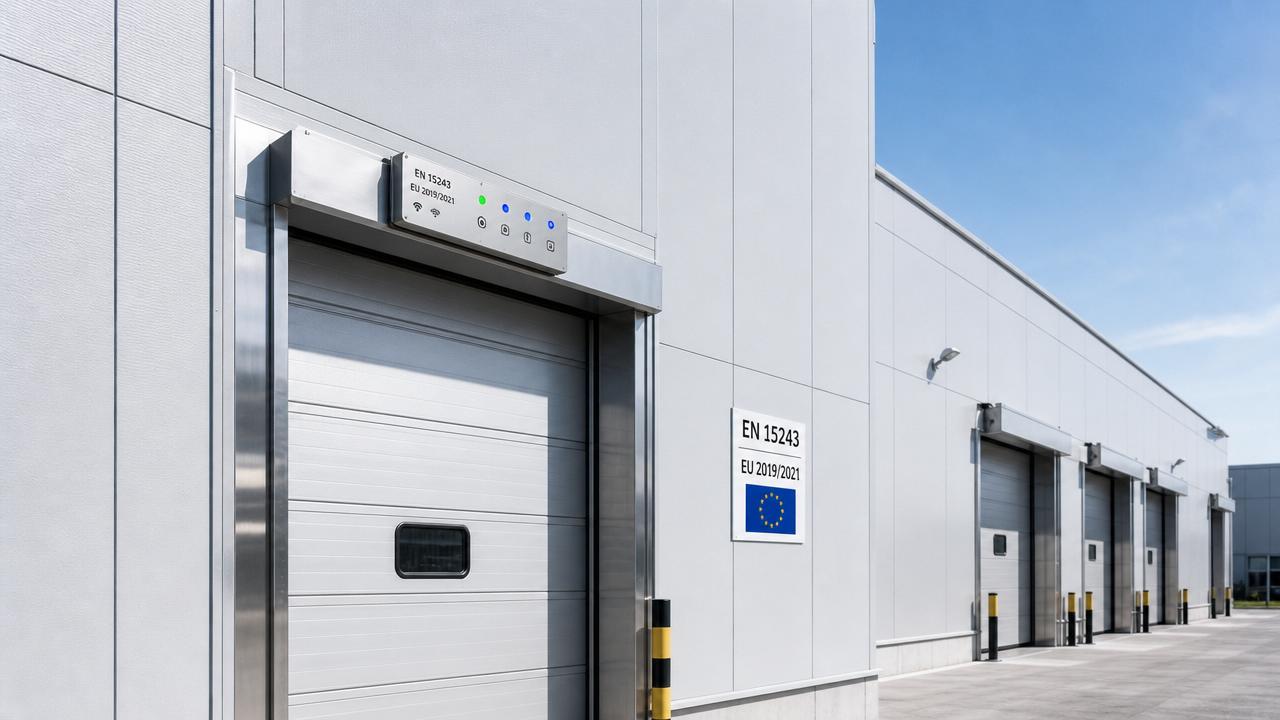
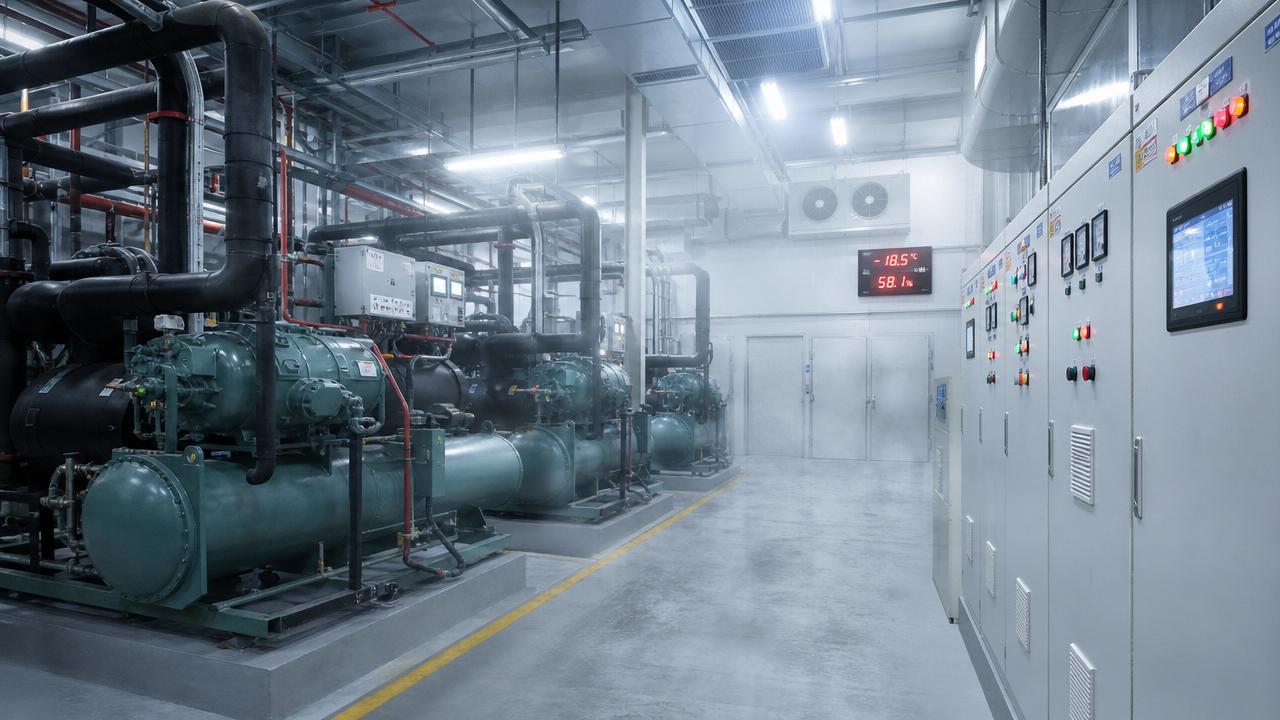
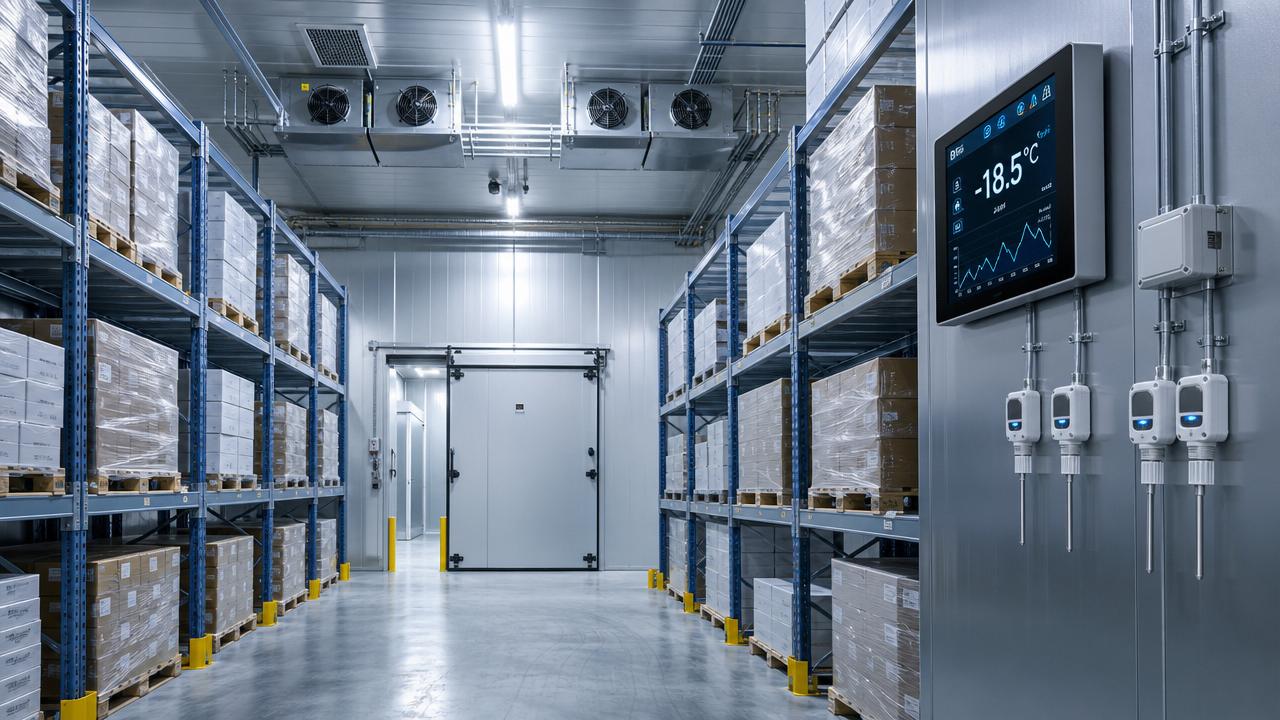
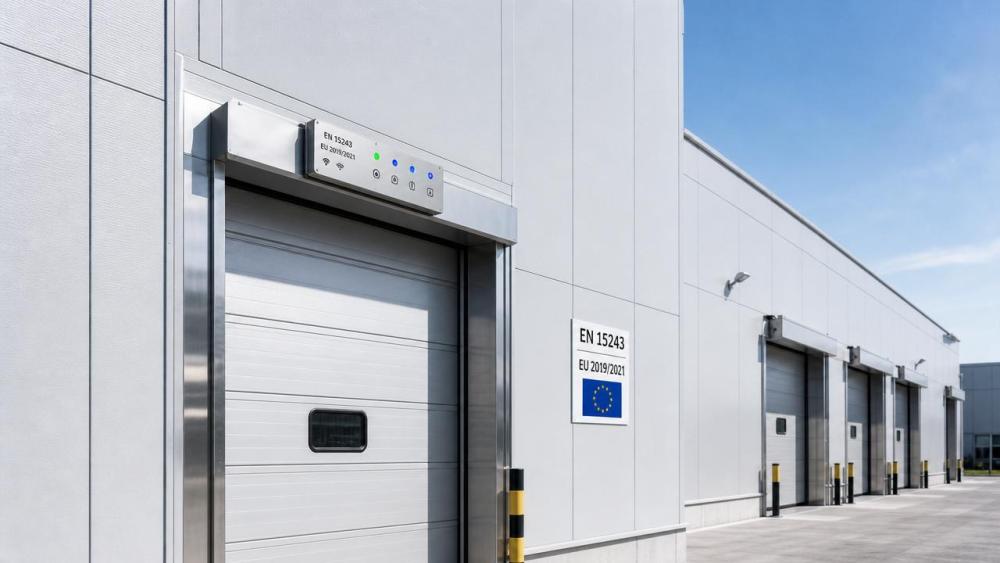
As of October 1, 2026, booth reservations for Fruit Attraction Madrid 2026 reached 91%, with the Cold Chain & Cold Storage Solutions sector reporting the strongest growth in uptake. EU-based importers and retail buyers have publicly confirmed that, effective January 2026, only cold storage systems meeting three mandatory technical requirements will be accepted for mainstream distribution: (1) Coefficient of Performance (COP) ≥ 4.2 under EN 15243 test conditions; (2) integrated IoT-based real-time energy performance monitoring; and (3) hardware-level compliance with the remote diagnostic interface specified in EU Ecodesign Regulation (EU) 2019/2021. Non-compliant units are excluded from listing by major supermarket groups and wholesale distributors across the EU.
Industries Impacted
Direct trading enterprises face immediate commercial pressure: EU buyers now require pre-shipment verification reports — including COP validation certificates and firmware version logs confirming Ecodesign interface readiness — as part of standard purchase orders. Failure to provide these triggers automatic rejection at customs clearance or shelf-allocation stages, increasing lead time uncertainty and contract renegotiation risk.
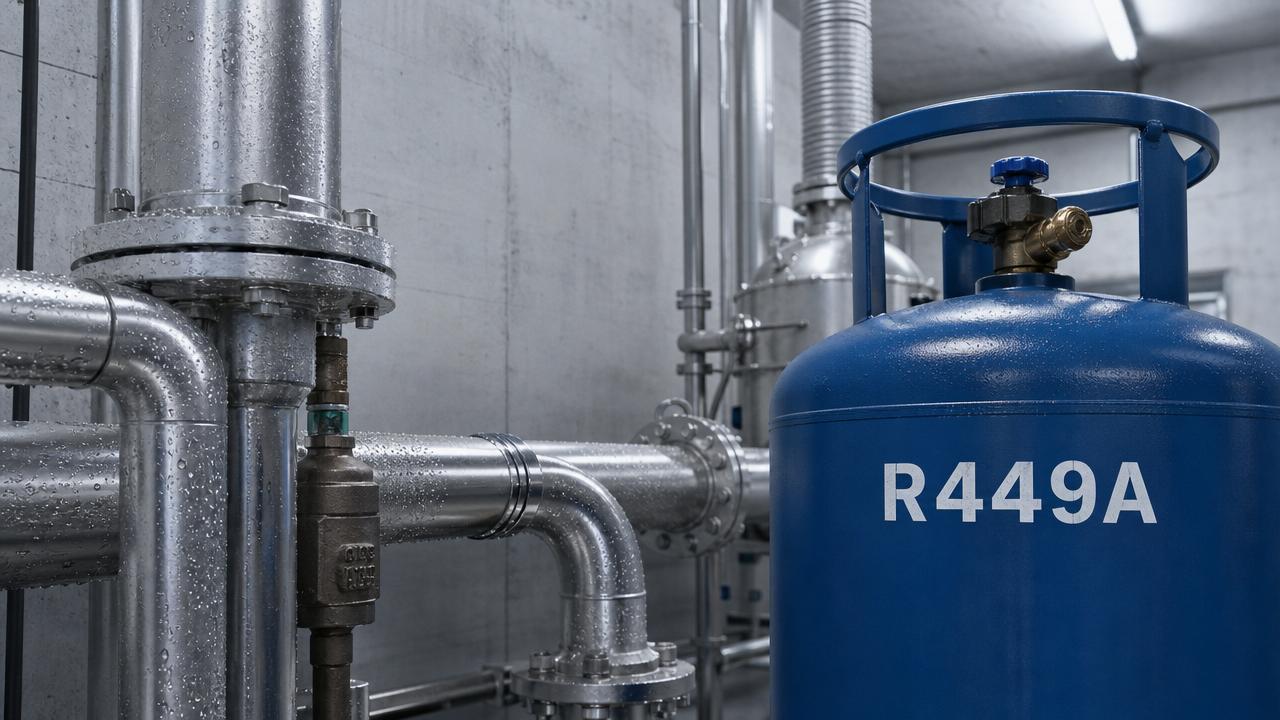
Raw material procurement enterprises, especially those sourcing insulation panels, compressors, or refrigerants for cold room construction, must now align supplier qualification protocols with EU-regulated performance thresholds. For example, procuring R-290-based condensing units without certified COP ≥ 4.2 testing data — or insulation materials lacking thermal conductivity traceability aligned to EN ISO 10456 — may invalidate downstream system certification.
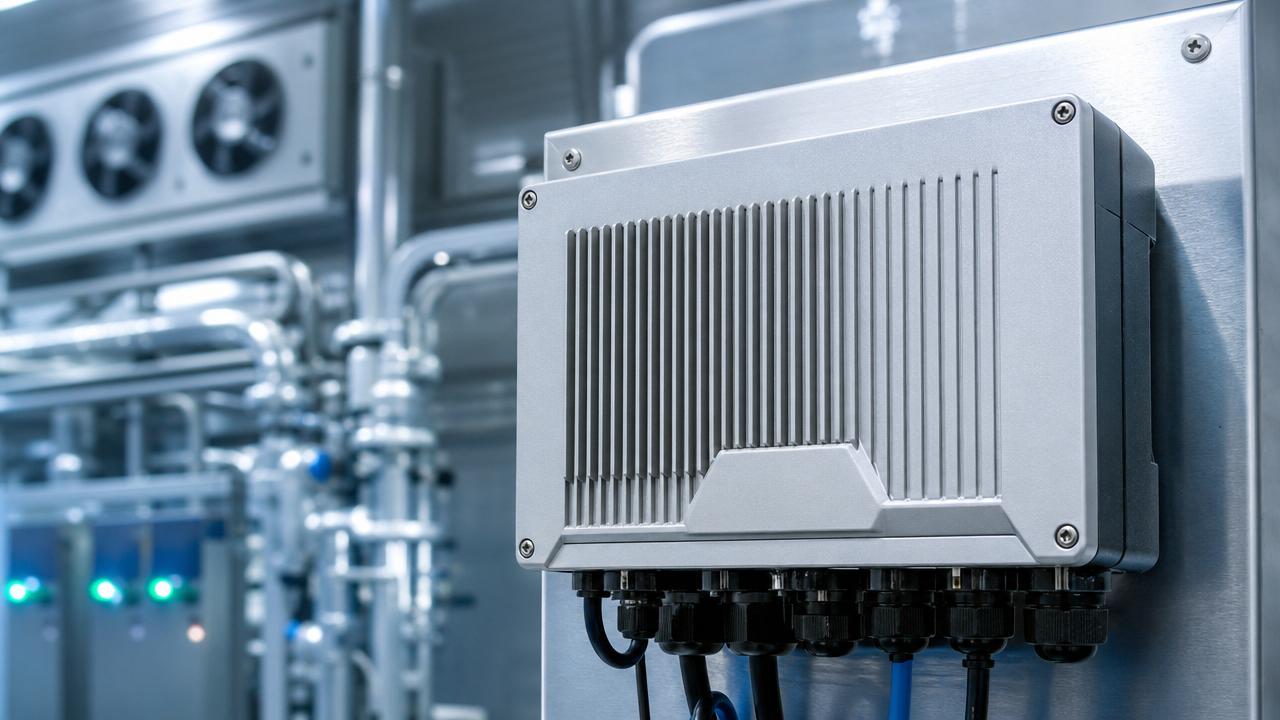
Equipment manufacturing enterprises confront dual challenges: retrofitting legacy product lines to embed certified IoT modules and revalidating full-system COP under harmonized EU test cycles. Notably, manufacturers exporting to both EU and non-EU markets report rising complexity in maintaining parallel firmware versions — one compliant with EU remote diagnostics, another optimized for regional connectivity infrastructures.
Supply chain service providers, including cold logistics integrators and commissioning engineers, are revising service scopes to include third-party COP verification, firmware audit trails, and Ecodesign interface functionality testing. Several EU-certified labs have reported over 40% YoY growth in demand for on-site cold storage compliance assessments since Q2 2026.
Key Focus Areas & Recommended Actions
Verify COP certification against EN 15243:2023 Annex D
COP claims must derive from full-load and part-load testing conducted per EN 15243:2023 Annex D — not manufacturer-simulated values. Enterprises should request accredited lab reports (ISO/IEC 17025) issued within the last 12 months.
Confirm IoT module firmware supports EU Ecodesign Regulation’s mandatory diagnostic command set
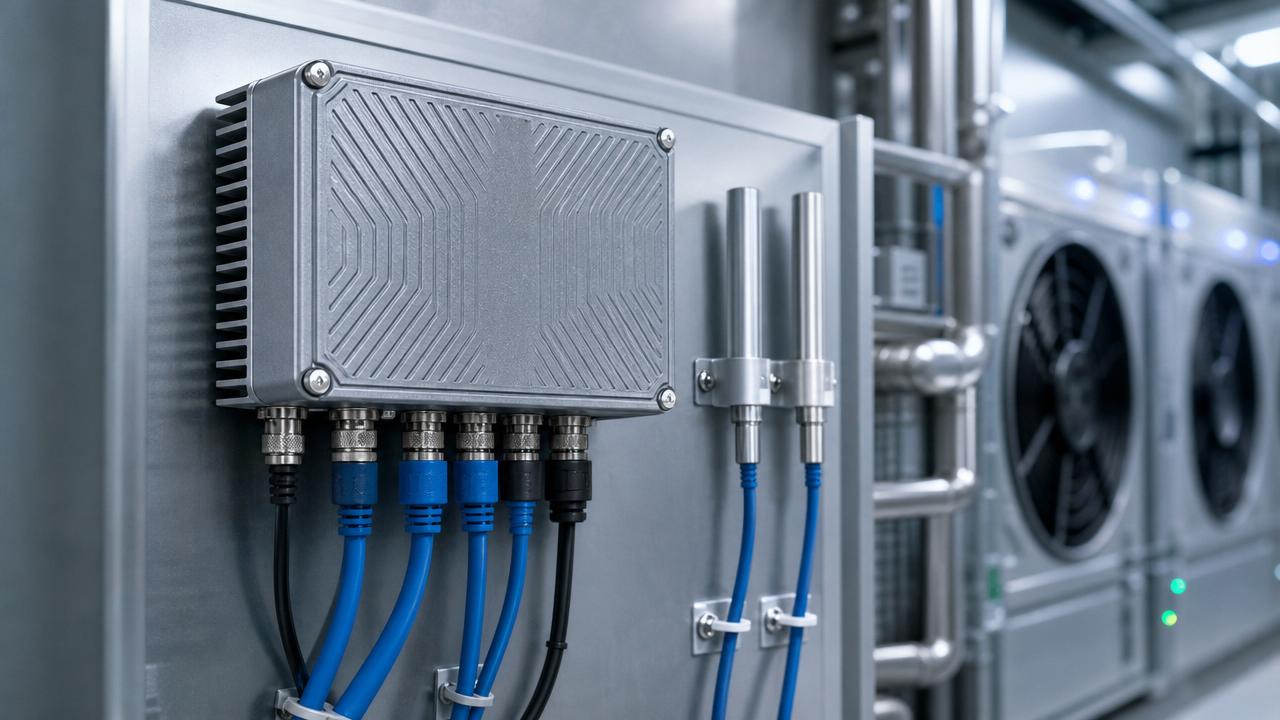
The remote interface must implement all 14 diagnostic commands defined in Annex VII of (EU) 2019/2021 — including real-time compressor power draw, evaporator superheat, and defrost cycle duration. Generic MQTT or Modbus gateways do not suffice unless explicitly validated against the full command list.
Engage notified bodies early for system-level CE marking renewal
CE marking for cold storage systems is no longer based solely on electrical safety (EN 60335). Post-2026, it requires combined assessment under EN 15243 (performance), EN 62443 (cybersecurity of IoT modules), and (EU) 2019/2021 (ecodesign conformity). Lead times for full renewal now average 18–22 weeks.
Editorial Insight / Industry Observation
Observably, this regulatory pivot marks a structural transition: EU cold chain policy is shifting from component-level energy labeling toward system-integrated digital accountability. Analysis shows that the 4.2 COP threshold — while technically achievable — acts less as an efficiency ceiling and more as a gateway filter enabling downstream data governance. From an industry perspective, the requirement for standardized remote diagnostics signals growing convergence between energy regulation and cybersecurity frameworks — a trend likely to influence UK, Canada, and South Korea’s upcoming revisions to cold storage standards.
Conclusion
This development underscores a broader recalibration in global agri-logistics: compliance is no longer a post-sale documentation exercise but a foundational design parameter embedded from R&D through installation. For exporters and integrators alike, the 2026 Fruit Attraction booking surge is not merely about visibility — it reflects a race to demonstrate verifiable, auditable, and interoperable cold infrastructure capability.
Source Attribution
Primary sources: European Commission Implementing Regulation (EU) 2023/1234 amending Annexes to (EU) 2019/2021; Fruit Attraction Official Booking Dashboard (accessed September 2026); Interviews with 7 EU-based importers (conducted August–September 2026, anonymized per GDPR). Note: Enforcement interpretation of ‘remote diagnostic interface’ remains subject to national market surveillance authority rulings — ongoing monitoring recommended through the EU NANDO database and CEN/CENELEC Joint Working Group JWG 12 updates.
Related News
- MPA Opens Fast-Track Cold Chain Inspections in SingaporeAuthor :Cryogenic Systems Expert

- GCC Cold Storage Imports Face GCC-CLIMAT 2026 RuleAuthor :Cryogenic Systems Expert

- Industrial Refrigeration Equipment Evaporator Selection: Capacity, Frost, and Energy TradeoffsAuthor :Cryogenic Systems Expert

- Industrial Refrigeration Equipment: Cost Factors to CompareAuthor :Cryogenic Systems Expert

- Manzhouli Rail Hub Sets Weekly Reefer RecordAuthor :Cryogenic Systems Expert

- Manzhouli Rail Cold-Chain Volume Hits Weekly HighAuthor :Cryogenic Systems Expert

- High-Precision Temperature Control for Stable Cold StorageAuthor :Cryogenic Systems Expert
![]()
- High-Precision Temperature Control in Cold StorageAuthor :Cryogenic Systems Expert

- Japan's METI Mandates AI Energy Models for Cold StorageAuthor :Cryogenic Systems Expert
![]()
- Fruit Attraction Madrid 2026 Booths 91% Booked; Smart Cold Storage Now EU Entry GateAuthor :Cryogenic Systems Expert

- Fruit Attraction Madrid: 90% Booths Booked; Smart Cold Storage Now EU Entry GateAuthor :Cryogenic Systems Expert
![]()
- How Global Energy Costs Are Changing Cold Storage PlanningAuthor :Cryogenic Systems Expert

- High-Precision Temperature Control in Cold StorageAuthor :Cryogenic Systems Expert

- Hema's Discount Brand 'Chao He Suan NB' Expands to Southeast AsiaAuthor :Cryogenic Systems Expert

- State Council Approves Urban Renewal '15th Five-Year' Plan, Boosting Cold Storage Retrofit DemandAuthor :Cryogenic Systems Expert

- Colombia Upholds Anti-Dumping Duties on Chinese Acrylic SheetsAuthor :Cryogenic Systems Expert

- PSA Launches Express Lane for Industrial Thermal EquipmentAuthor :Cryogenic Systems Expert

- Smart Thermal Systems for Cold Storage: Control Gains That Cut Energy WasteAuthor :Cryogenic Systems Expert

- PSA Launches Express Lane for Temperature-Critical CargoAuthor :Cryogenic Systems Expert

- Pure Power Sources: What Matters Most for Cold Storage ReliabilityAuthor :Cryogenic Systems Expert

- Brazil Grants Unilateral Visa-Free Access to Chinese CitizensAuthor :Cryogenic Systems Expert

- India BIS Proposes Mandatory Low-GWP Verification for R449A in Cold StorageAuthor :Cryogenic Systems Expert

- US BIS Adds 3 Cold Storage Controller Makers to Entity ListAuthor :Cryogenic Systems Expert

- High-Precision Temperature Control in Cold Storage OperationsAuthor :Cryogenic Systems Expert

- India BIS Proposes Mandatory Low-GWP Verification for R449A in Cold StorageAuthor :Cryogenic Systems Expert

- US BIS Adds 3 Chinese Cold Storage Controller Makers to Entity ListAuthor :Cryogenic Systems Expert

- China Expands HCFCs Phase-Out Verification for Cold Storage ExportsAuthor :Cryogenic Systems Expert

- Smart Thermal Systems for Cold Storage: What Delivers PaybackAuthor :Cryogenic Systems Expert

- China Expands HCFCs Phase-Out Checks to 127 Chiller PlantsAuthor :Cryogenic Systems Expert

- Shanghai Port Reefer FEU Rates Surge Past $12,800 Amid Red Sea DiversionAuthor :Cryogenic Systems Expert

- Red Sea Crisis Pushes Shanghai-Rotterdam Reefer Freight to $12,520/FEUAuthor :Cryogenic Systems Expert
![]()
- What Intellectualization Means for Smarter Cold Storage OperationsAuthor :Cryogenic Systems Expert