



US BIS Adds 3 Cold Storage Controller Makers to Entity List




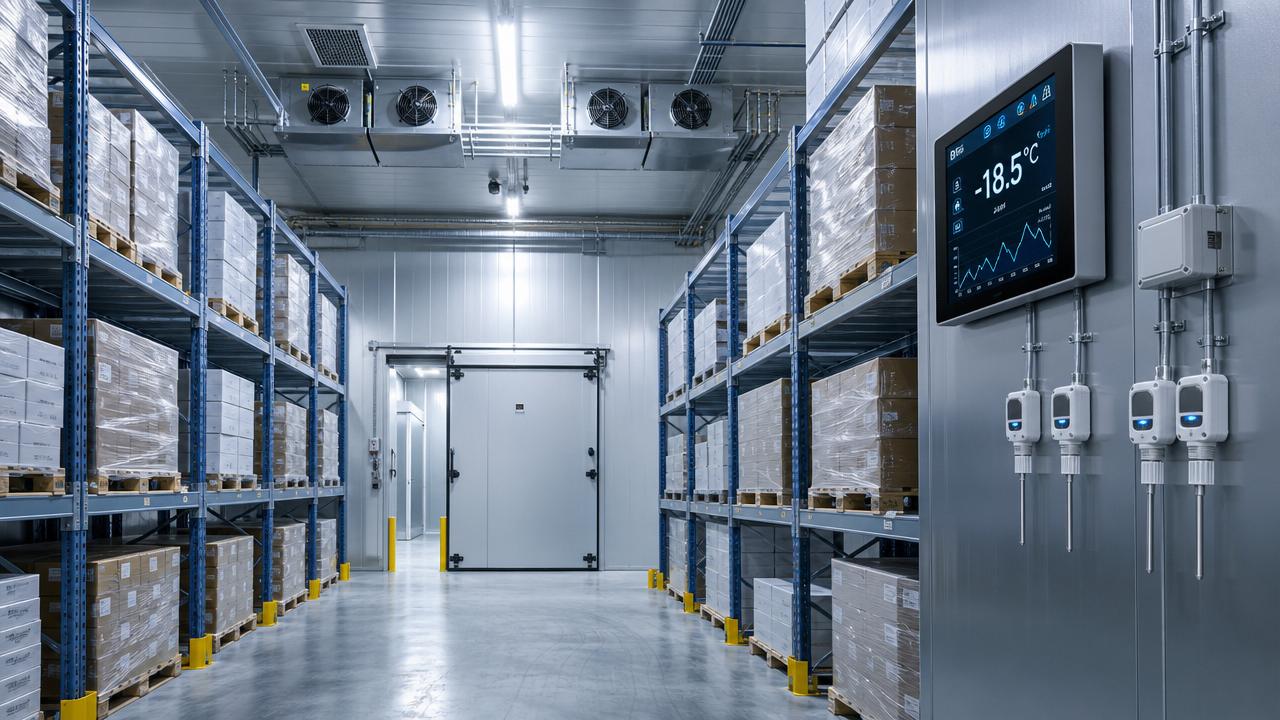
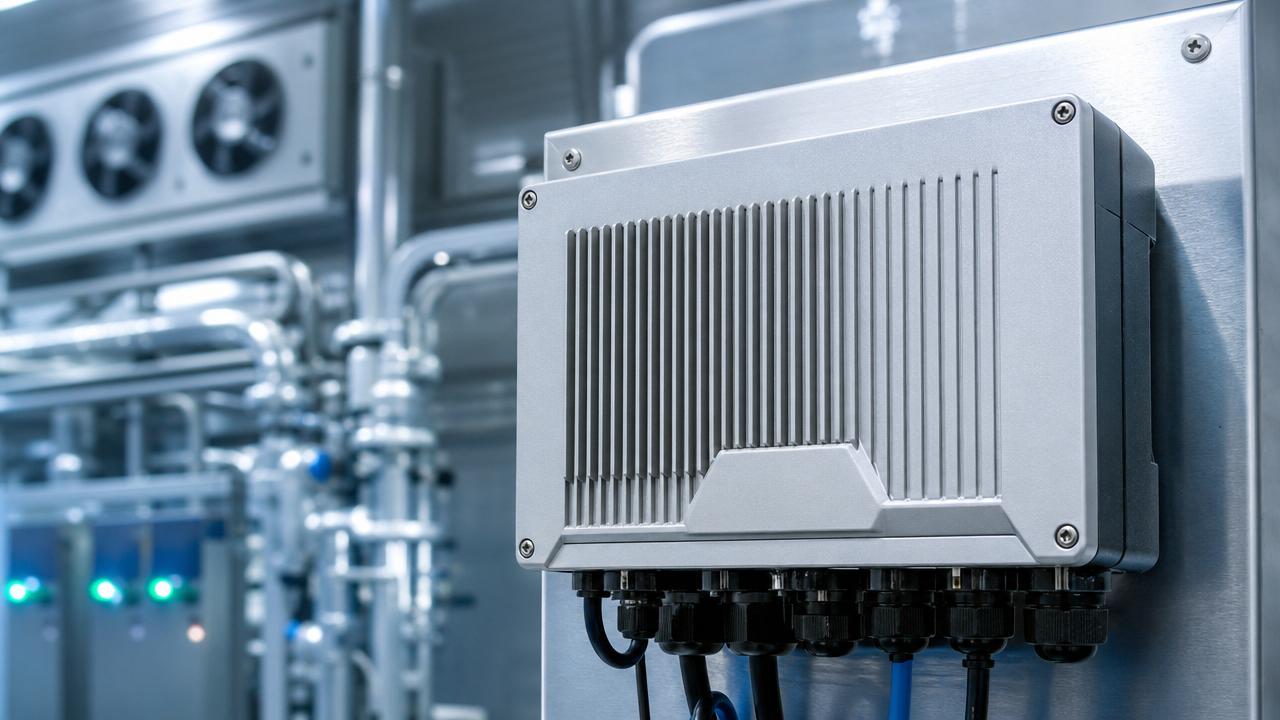
On May 13, 2026, the U.S. Department of Commerce’s Bureau of Industry and Security (BIS) updated its Entity List, adding three Chinese manufacturers of intelligent cold storage controllers. The move directly affects companies supplying programmable logic controller (PLC)-based temperature control modules and IoT-enabled remote monitoring platforms for refrigerated logistics and food/pharma cold chain infrastructure—triggering new export licensing requirements for shipments to the United States, Canada, and Mexico.
Event Overview
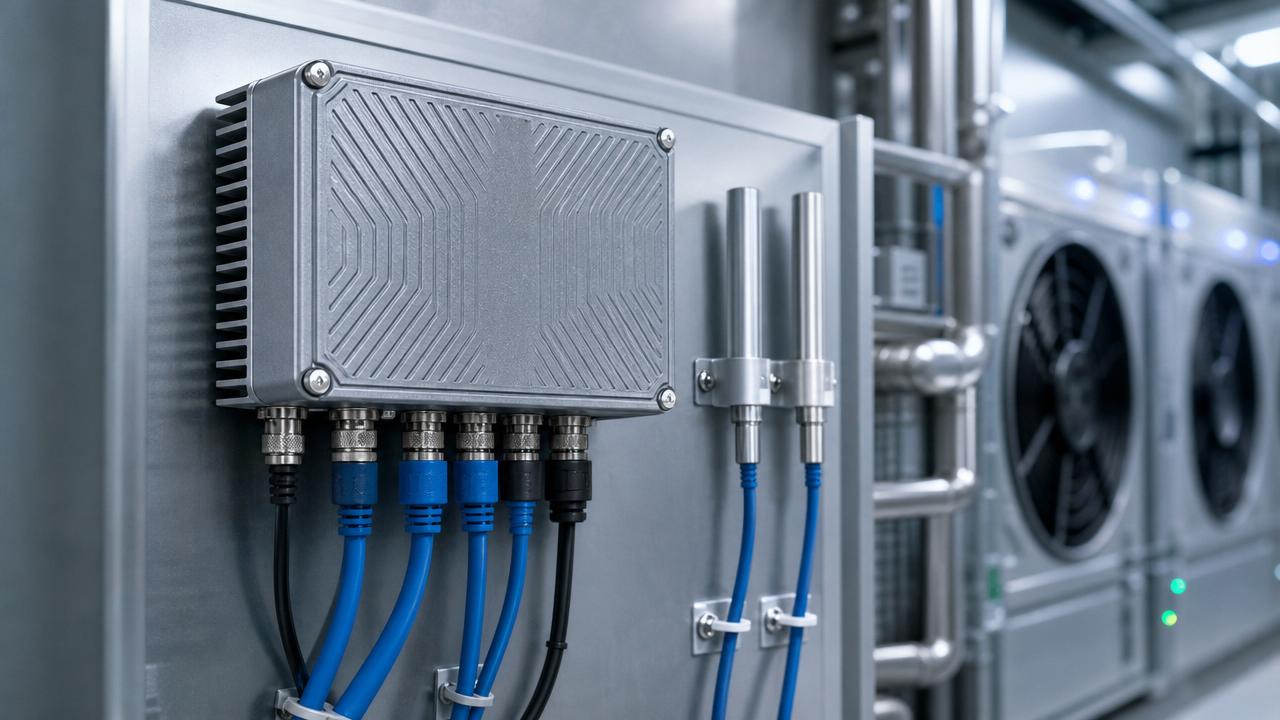
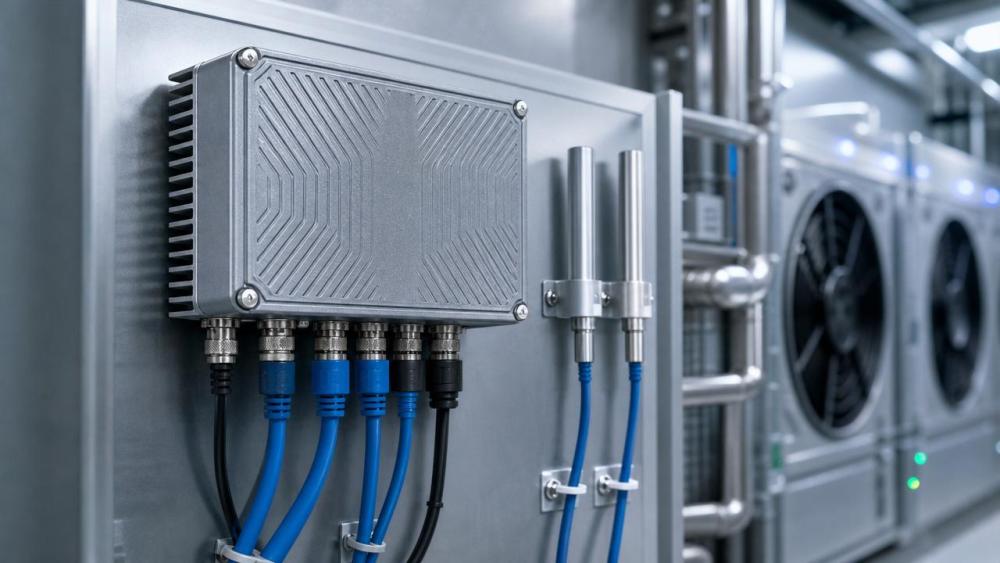
The U.S. Bureau of Industry and Security (BIS) added three China-based cold storage intelligent controller manufacturers to the Entity List on May 13, 2026. These entities produce core hardware and software components—including PLC-based thermal regulation modules and cloud-connected remote monitoring platforms—for industrial cold storage systems. As a result, all exports of their controller products to the United States, Canada, and Mexico now require a BIS license. Official guidance states that license applications will undergo enhanced review, with typical processing timelines extended to 90–120 days. Several North American customers have already initiated procurement shifts toward European and South Korean alternatives.
Industries Affected
Direct Exporters (Trade Enterprises): Companies exporting cold storage controllers from China to the USMCA region face immediate operational disruption. Licensing delays directly constrain order fulfillment cycles, increase working capital pressure, and erode contractual reliability—particularly for time-sensitive cold chain infrastructure projects tied to seasonal demand or regulatory compliance deadlines.
Raw Material Procurement Firms: Suppliers of microcontrollers, industrial-grade sensors, and secure communication chips used in these controllers may see reduced order volumes from affected manufacturers. While not directly sanctioned, their revenue exposure rises as lead times lengthen and design-in opportunities shrink due to customer risk-aversion and qualification delays.
Contract Manufacturing & System Integrators: Firms assembling complete cold chain control cabinets—or integrating controllers into larger HVAC/refrigeration systems—face dual pressures: supply constraints from sanctioned OEMs and increased scrutiny when shipping finished equipment containing listed components to USMCA markets. Some integrators report halting new project bids pending clarity on component traceability rules.
Supply Chain Service Providers: Logistics firms, customs brokers, and export compliance consultants servicing this sector are experiencing rising demand for license application support, EAR classification verification, and end-use attestation documentation. However, service capacity is strained by the complexity of IoT platform licensing—especially where firmware updates or cloud backend access fall under deemed export controls.
Key Considerations and Recommended Actions
Review EAR Classification of All Controller Variants
Affected manufacturers must verify whether each product model—including embedded firmware versions and cloud API interfaces—falls under ECCN 5A992.c or 5D992.c. Dual-use IoT functionality may trigger stricter controls than hardware-only units.
Map End-Use and End-User Exposure Across USMCA Markets
Exporters should audit existing customer contracts and distribution channels to identify direct sales, distributor resales, and OEM integrations involving USMCA-based end users. License requirements apply regardless of shipment origin if the ultimate destination is a listed jurisdiction.
Evaluate Alternative Certification Pathways
For non-sanctioned suppliers, pursuing IEC 62443 or ISO/IEC 27001 certification may accelerate trust-building with Western buyers seeking verifiable cybersecurity assurances—particularly for remote monitoring platforms handling sensitive environmental data.
Document and Validate Subcomponent Sourcing
Manufacturers should compile full bills of materials (BOMs) with country-of-origin and EAR99 status confirmation for all subcomponents—including third-party SDKs and open-source libraries—to preempt downstream compliance challenges during customer audits.
Editorial Perspective / Industry Observation
Observably, this action marks a strategic shift—from targeting discrete semiconductor producers or AI chip designers—to regulating integrated edge control systems embedded in critical infrastructure. Analysis shows BIS is increasingly treating industrial IoT platforms not as generic electronics, but as ‘cyber-physical enablers’ whose remote access capabilities warrant heightened scrutiny. From an industry perspective, the focus on cold storage controllers suggests growing attention on climate-controlled supply chains as both economic assets and national resilience nodes—especially amid tightening food safety regulations and pharmaceutical cold chain mandates in North America and the EU.
Conclusion
This listing does not signal a blanket restriction on cold chain technology trade, but rather reflects an evolving U.S. export control posture centered on system-level functionality, data sovereignty, and infrastructure dependency. For global stakeholders, the broader implication is clear: compliance readiness must now extend beyond hardware specifications to include firmware architecture, cloud backend governance, and real-time telemetry handling—making holistic technical documentation, not just product labeling, a strategic priority.
Source Attribution
Official notice published in the Federal Register (FR Doc. 2026-12389), effective May 13, 2026; BIS Entity List update available via bis.doc.gov/entity-list. Ongoing developments—including potential appeals by listed entities or revised license policy guidance—are subject to monitoring. No judicial or administrative challenge filings have been publicly confirmed as of May 20, 2026.
Related News
- Industrial Refrigeration Equipment: Cost Factors to CompareAuthor :Cryogenic Systems Expert

- Manzhouli Rail Hub Sets Weekly Reefer RecordAuthor :Cryogenic Systems Expert

- Manzhouli Rail Cold-Chain Volume Hits Weekly HighAuthor :Cryogenic Systems Expert

- High-Precision Temperature Control for Stable Cold StorageAuthor :Cryogenic Systems Expert
![]()
- High-Precision Temperature Control in Cold StorageAuthor :Cryogenic Systems Expert

- Japan's METI Mandates AI Energy Models for Cold StorageAuthor :Cryogenic Systems Expert
![]()
- Fruit Attraction Madrid 2026 Booths 91% Booked; Smart Cold Storage Now EU Entry GateAuthor :Cryogenic Systems Expert

- Fruit Attraction Madrid: 90% Booths Booked; Smart Cold Storage Now EU Entry GateAuthor :Cryogenic Systems Expert
![]()
- How Global Energy Costs Are Changing Cold Storage PlanningAuthor :Cryogenic Systems Expert

- High-Precision Temperature Control in Cold StorageAuthor :Cryogenic Systems Expert

- Hema's Discount Brand 'Chao He Suan NB' Expands to Southeast AsiaAuthor :Cryogenic Systems Expert

- State Council Approves Urban Renewal '15th Five-Year' Plan, Boosting Cold Storage Retrofit DemandAuthor :Cryogenic Systems Expert

- Colombia Upholds Anti-Dumping Duties on Chinese Acrylic SheetsAuthor :Cryogenic Systems Expert

- PSA Launches Express Lane for Industrial Thermal EquipmentAuthor :Cryogenic Systems Expert

- Smart Thermal Systems for Cold Storage: Control Gains That Cut Energy WasteAuthor :Cryogenic Systems Expert

- PSA Launches Express Lane for Temperature-Critical CargoAuthor :Cryogenic Systems Expert

- Pure Power Sources: What Matters Most for Cold Storage ReliabilityAuthor :Cryogenic Systems Expert

- Brazil Grants Unilateral Visa-Free Access to Chinese CitizensAuthor :Cryogenic Systems Expert

- India BIS Proposes Mandatory Low-GWP Verification for R449A in Cold StorageAuthor :Cryogenic Systems Expert

- US BIS Adds 3 Cold Storage Controller Makers to Entity ListAuthor :Cryogenic Systems Expert

- High-Precision Temperature Control in Cold Storage OperationsAuthor :Cryogenic Systems Expert

- India BIS Proposes Mandatory Low-GWP Verification for R449A in Cold StorageAuthor :Cryogenic Systems Expert

- US BIS Adds 3 Chinese Cold Storage Controller Makers to Entity ListAuthor :Cryogenic Systems Expert

- China Expands HCFCs Phase-Out Verification for Cold Storage ExportsAuthor :Cryogenic Systems Expert

- Smart Thermal Systems for Cold Storage: What Delivers PaybackAuthor :Cryogenic Systems Expert

- China Expands HCFCs Phase-Out Checks to 127 Chiller PlantsAuthor :Cryogenic Systems Expert

- Shanghai Port Reefer FEU Rates Surge Past $12,800 Amid Red Sea DiversionAuthor :Cryogenic Systems Expert

- Red Sea Crisis Pushes Shanghai-Rotterdam Reefer Freight to $12,520/FEUAuthor :Cryogenic Systems Expert
![]()
- What Intellectualization Means for Smarter Cold Storage OperationsAuthor :Cryogenic Systems Expert