



PSA Launches Express Lane for Industrial Thermal Equipment




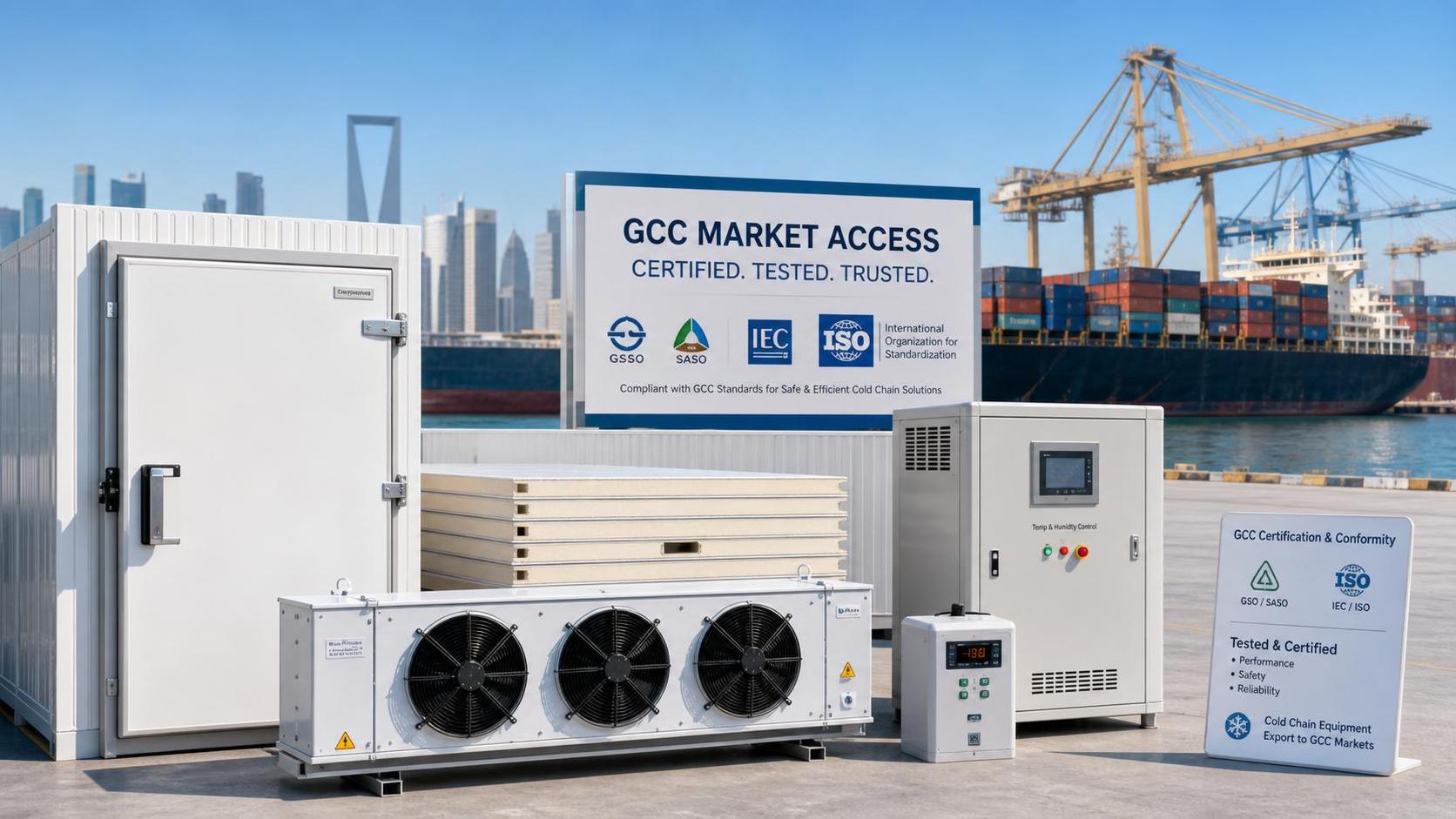
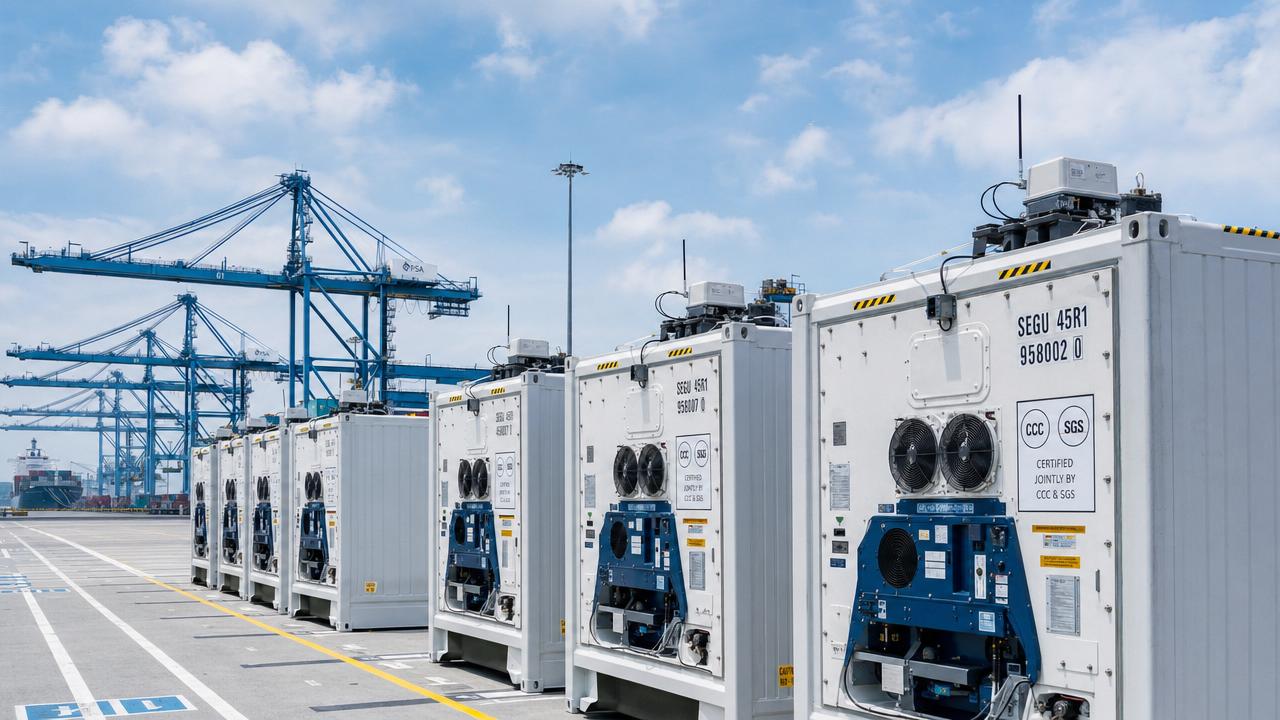
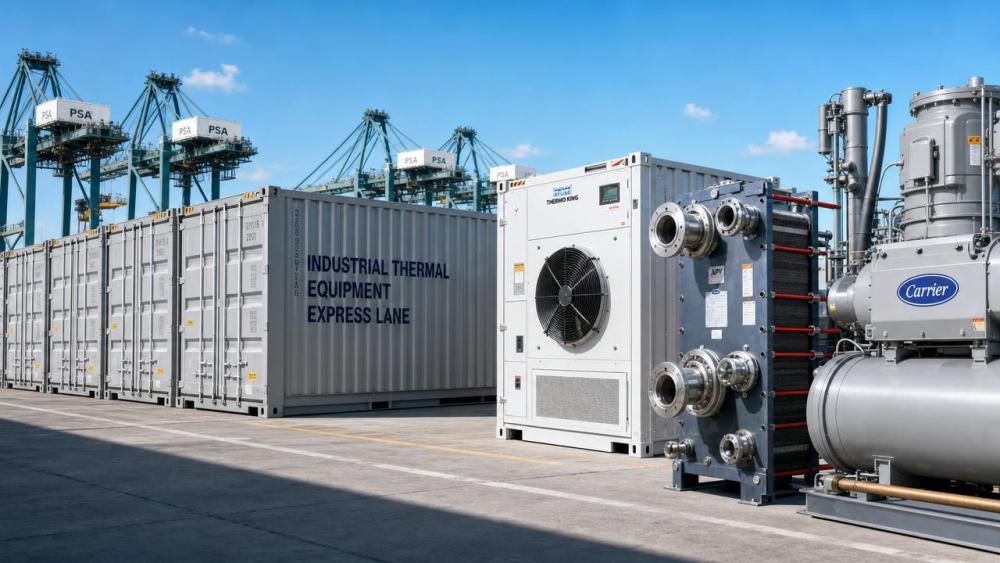
On May 16, 2026, PSA International activated an Industrial Thermal Equipment Express Lane at Tanjong Pagar and Brani Terminals in Singapore — a targeted customs facilitation measure aimed at accelerating clearance for temperature-sensitive industrial equipment. The initiative directly impacts global exporters, importers, and logistics providers engaged in the cold chain infrastructure, energy-efficient machinery, and industrial HVAC sectors, reflecting Singapore’s strategic pivot toward data-driven, standards-based port efficiency.
Event Overview
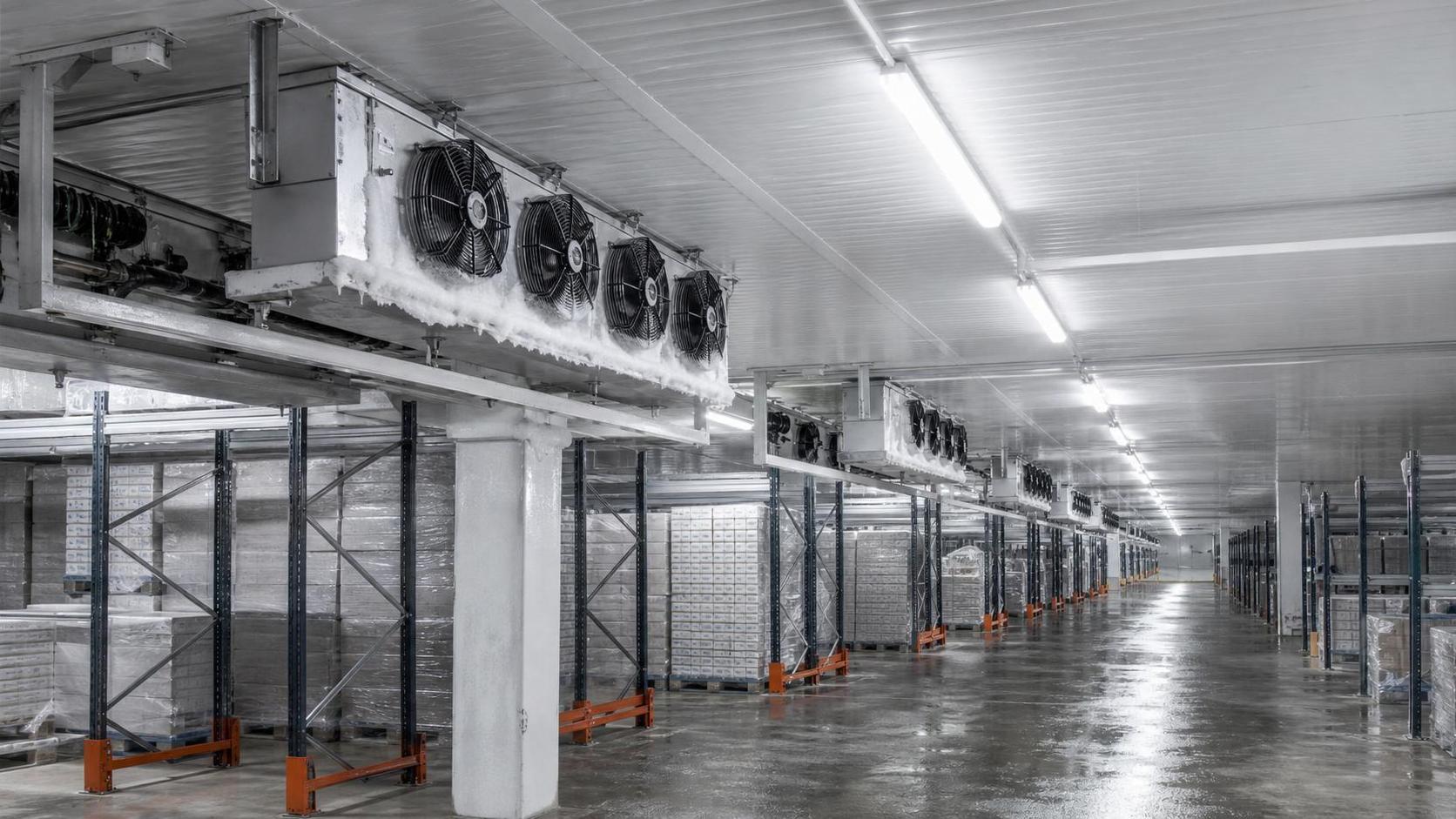
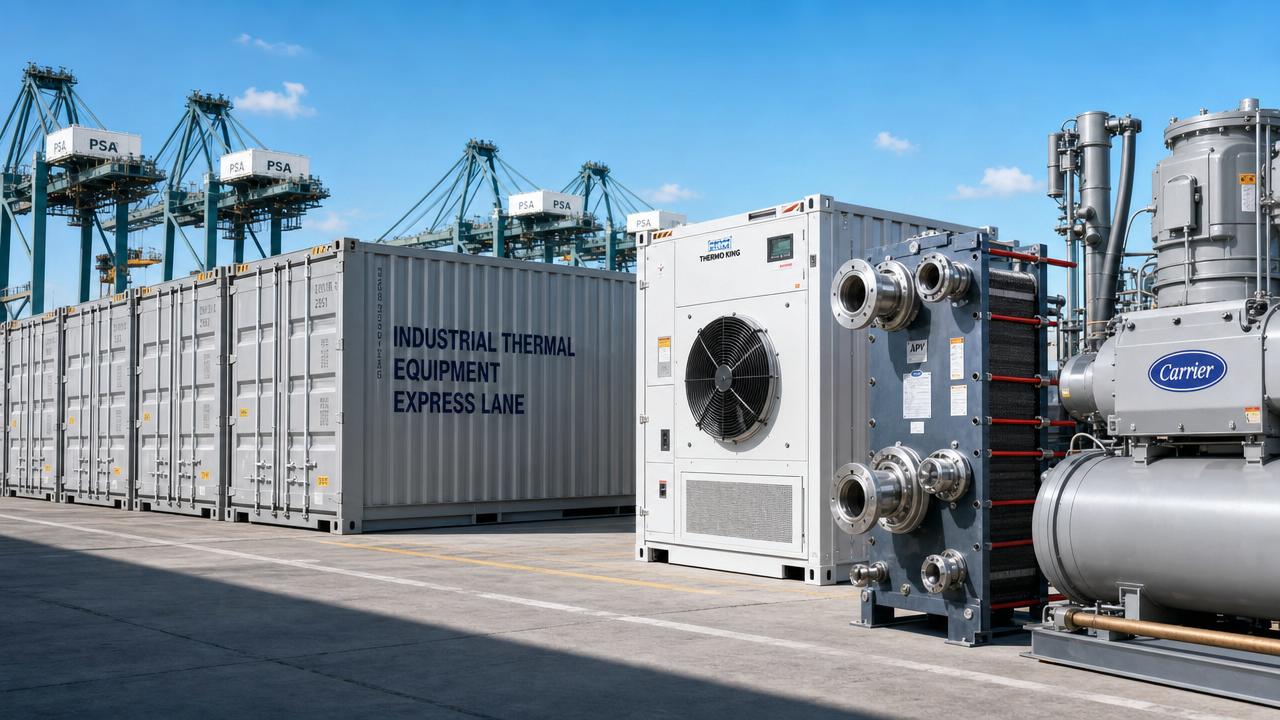
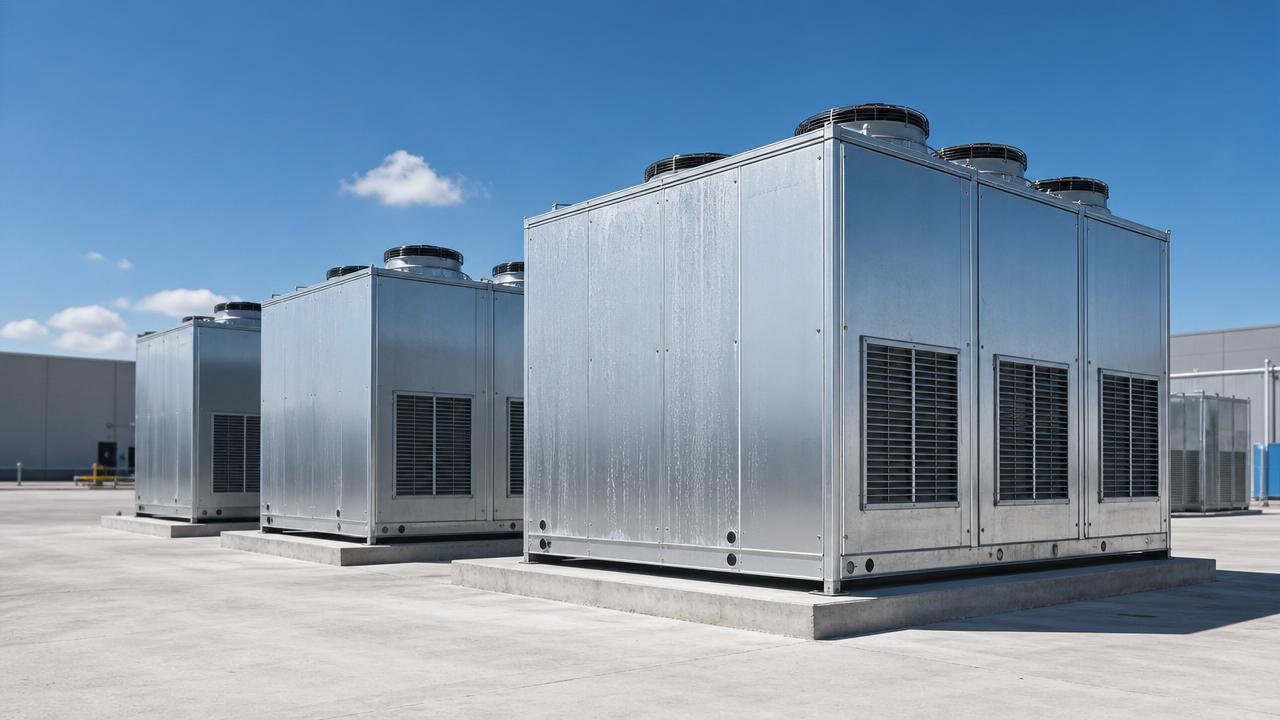
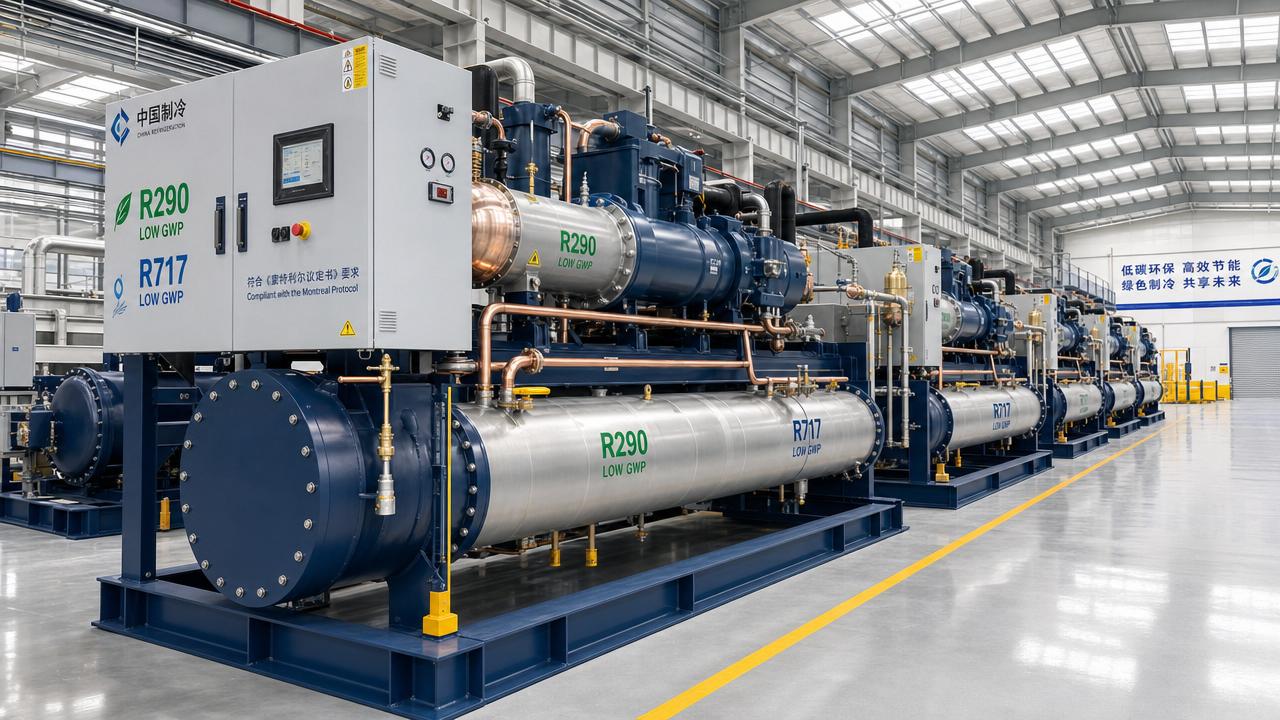
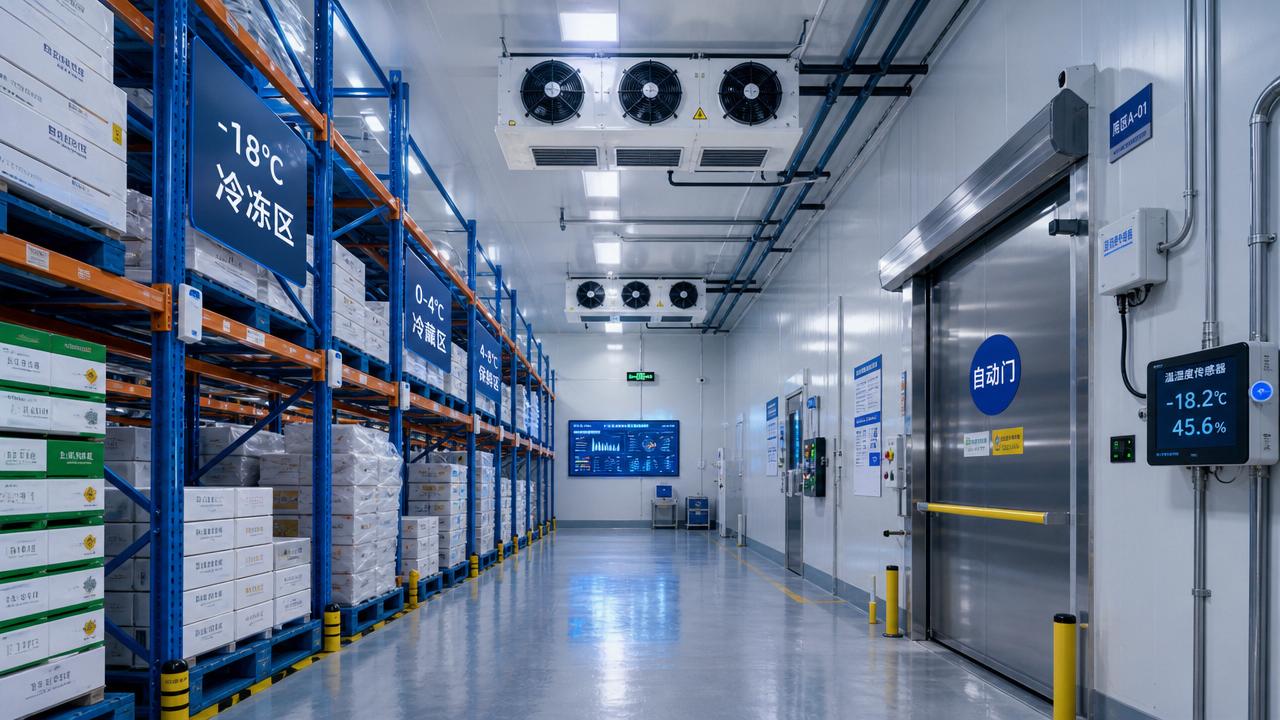
Effective May 16, 2026, PSA International Port Group launched the ‘Industrial Thermal Equipment Express Lane’ at Tanjong Pagar and Brani Terminals. The lane applies exclusively to containers carrying Cold Storage units, Industrial Chillers, and Plate Heat Exchangers. Under the scheme, smart pre-inspection and paperless release are enabled — reducing average container clearance time from 5.2 days to under 1.5 days. Physical container inspections are waived provided the shipment is accompanied by two mandatory documents: (1) an IEC 60034-30-2 energy efficiency test report issued by an accredited laboratory, and (2) a certified anti-condensation corrosion assessment report.
Industries Impacted
Direct Trading Enterprises
Exporters and importers of industrial thermal equipment face immediate operational shifts: eligibility for the Express Lane requires upfront compliance with international energy and corrosion testing standards. While lead times shrink significantly, non-compliant consignments revert to standard inspection protocols — introducing new pressure on documentation accuracy, lab coordination, and shipment scheduling. Delays now stem less from port congestion and more from certification readiness.
Raw Material Procurement Firms
Suppliers of core components — such as stainless steel plates for heat exchangers or high-efficiency compressors for chillers — may experience downstream demand volatility. Buyers increasingly prioritize vendors capable of delivering component-level test data traceable to IEC 60034-30-2, reshaping procurement due diligence. This raises the bar for material certifications and pushes upstream suppliers to invest in third-party verification capacity earlier in the supply chain.
Manufacturing Enterprises
OEMs producing Cold Storage systems or industrial chillers must re-evaluate their quality assurance workflows. The Express Lane does not relax technical requirements — it intensifies scrutiny on conformity evidence. Manufacturers now need to embed standardized test reporting into production handover processes, potentially requiring internal calibration upgrades or tighter collaboration with labs. For firms exporting globally, this sets a de facto benchmark that may influence future regulatory expectations beyond Singapore.
Supply Chain Service Providers
Freight forwarders, customs brokers, and cold-chain logistics integrators face dual implications: opportunity and complexity. On one hand, the Express Lane enables faster turnarounds and value-added compliance advisory services. On the other, it demands deeper technical literacy — staff must understand IEC 60034-30-2 scope, recognize valid accreditation bodies, and verify corrosion test methodology against PSA’s acceptance criteria. Training and documentation management systems become critical differentiators.
Key Considerations and Recommended Actions
Verify Laboratory Accreditation Status
Not all IEC 60034-30-2 reports qualify. PSA only accepts test certificates issued by laboratories accredited to ISO/IEC 17025 *and* listed in the Singapore Accreditation Council (SAC) directory. Firms should confirm SAC registration status before commissioning tests — retroactive validation is not permitted.
Align Corrosion Testing with PSA’s Technical Scope
The required anti-condensation corrosion certificate must explicitly cover cyclic humidity exposure per IEC 60068-2-30 or equivalent, including surface finish evaluation post-test. Generic salt-spray reports do not satisfy the requirement. Manufacturers should review test parameters with labs prior to submission.
Adopt Digital Documentation Protocols Early
The Express Lane operates fully on PSA’s TradeXchange platform. Paper-based or scanned copies of certificates are rejected. All supporting documents must be uploaded in PDF/A-2 format, digitally signed, and linked to the correct container reference via the TradeXchange API or portal interface.
Editorial Perspective / Industry Observation
Observably, PSA’s move signals a broader trend: ports are transitioning from gatekeepers to standards enforcers — leveraging automation not just to speed up clearance, but to embed regulatory compliance into logistics execution. Analysis shows this is less about convenience and more about risk mitigation: energy-inefficient or corrosion-prone thermal equipment poses long-term operational and environmental liabilities in tropical port environments. From an industry perspective, the Express Lane is better understood as a pilot for sector-specific digital trade corridors — where technical conformity becomes the primary passport for market access.
Conclusion
This initiative marks a calibrated step toward performance-based trade facilitation. It does not eliminate regulatory oversight — rather, it relocates assurance upstream, rewarding preparedness over reaction. For the thermal equipment ecosystem, the real impact lies not in faster transit, but in the accelerated convergence of product certification, digital documentation, and port policy — a shift that favors integrated, standards-aware players over transactional actors.
Source Attribution
Official announcement issued by PSA International on May 16, 2026, accessible via PSA Newsroom; technical specifications published in PSA Circular No. TC-2026-04 (Trade Compliance), effective May 16, 2026. Note: Acceptance criteria for corrosion test methodologies and SAC-accredited lab updates remain subject to revision — stakeholders are advised to monitor PSA’s TradeXchange system notices and SAC’s quarterly accreditation bulletins.
Related News
- MPA Opens Fast-Track Cold Chain Inspections in SingaporeAuthor :Cryogenic Systems Expert

- GCC Cold Storage Imports Face GCC-CLIMAT 2026 RuleAuthor :Cryogenic Systems Expert

- Industrial Refrigeration Equipment Evaporator Selection: Capacity, Frost, and Energy TradeoffsAuthor :Cryogenic Systems Expert

- Industrial Refrigeration Equipment: Cost Factors to CompareAuthor :Cryogenic Systems Expert

- Manzhouli Rail Hub Sets Weekly Reefer RecordAuthor :Cryogenic Systems Expert

- Manzhouli Rail Cold-Chain Volume Hits Weekly HighAuthor :Cryogenic Systems Expert

- High-Precision Temperature Control for Stable Cold StorageAuthor :Cryogenic Systems Expert
![]()
- High-Precision Temperature Control in Cold StorageAuthor :Cryogenic Systems Expert

- Japan's METI Mandates AI Energy Models for Cold StorageAuthor :Cryogenic Systems Expert
![]()
- Fruit Attraction Madrid 2026 Booths 91% Booked; Smart Cold Storage Now EU Entry GateAuthor :Cryogenic Systems Expert

- Fruit Attraction Madrid: 90% Booths Booked; Smart Cold Storage Now EU Entry GateAuthor :Cryogenic Systems Expert
![]()
- How Global Energy Costs Are Changing Cold Storage PlanningAuthor :Cryogenic Systems Expert

- High-Precision Temperature Control in Cold StorageAuthor :Cryogenic Systems Expert

- Hema's Discount Brand 'Chao He Suan NB' Expands to Southeast AsiaAuthor :Cryogenic Systems Expert

- State Council Approves Urban Renewal '15th Five-Year' Plan, Boosting Cold Storage Retrofit DemandAuthor :Cryogenic Systems Expert

- Colombia Upholds Anti-Dumping Duties on Chinese Acrylic SheetsAuthor :Cryogenic Systems Expert

- PSA Launches Express Lane for Industrial Thermal EquipmentAuthor :Cryogenic Systems Expert

- Smart Thermal Systems for Cold Storage: Control Gains That Cut Energy WasteAuthor :Cryogenic Systems Expert

- PSA Launches Express Lane for Temperature-Critical CargoAuthor :Cryogenic Systems Expert

- Pure Power Sources: What Matters Most for Cold Storage ReliabilityAuthor :Cryogenic Systems Expert

- Brazil Grants Unilateral Visa-Free Access to Chinese CitizensAuthor :Cryogenic Systems Expert

- India BIS Proposes Mandatory Low-GWP Verification for R449A in Cold StorageAuthor :Cryogenic Systems Expert

- US BIS Adds 3 Cold Storage Controller Makers to Entity ListAuthor :Cryogenic Systems Expert

- High-Precision Temperature Control in Cold Storage OperationsAuthor :Cryogenic Systems Expert

- India BIS Proposes Mandatory Low-GWP Verification for R449A in Cold StorageAuthor :Cryogenic Systems Expert

- US BIS Adds 3 Chinese Cold Storage Controller Makers to Entity ListAuthor :Cryogenic Systems Expert

- China Expands HCFCs Phase-Out Verification for Cold Storage ExportsAuthor :Cryogenic Systems Expert

- Smart Thermal Systems for Cold Storage: What Delivers PaybackAuthor :Cryogenic Systems Expert

- China Expands HCFCs Phase-Out Checks to 127 Chiller PlantsAuthor :Cryogenic Systems Expert

- Shanghai Port Reefer FEU Rates Surge Past $12,800 Amid Red Sea DiversionAuthor :Cryogenic Systems Expert

- Red Sea Crisis Pushes Shanghai-Rotterdam Reefer Freight to $12,520/FEUAuthor :Cryogenic Systems Expert
![]()
- What Intellectualization Means for Smarter Cold Storage OperationsAuthor :Cryogenic Systems Expert