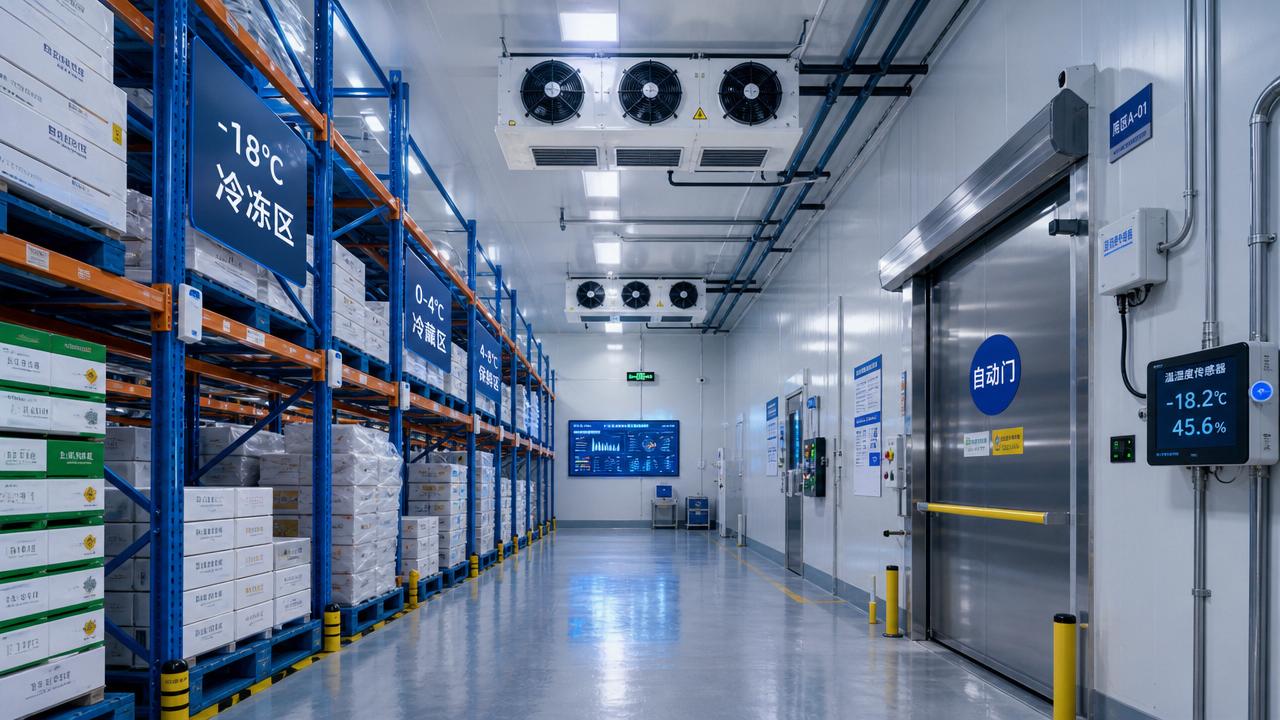
Industrial Refrigeration Equipment Evaporator Selection: Capacity, Frost, and Energy Tradeoffs




Selecting an industrial refrigeration equipment evaporator is rarely a simple matter of matching catalog capacity to room load.
In real plants, evaporator choices influence temperature stability, frost formation, fan energy, defrost interruptions, and compressor behavior.
That is why evaporator selection now sits closer to system strategy than component purchasing.
Across food processing, cold storage, pharmaceuticals, and precision manufacturing, the wrong balance often shows up as hidden lifecycle cost rather than immediate failure.
From the perspective of GTC-Matrix, this topic also reflects a broader shift.
Energy volatility, refrigerant policy changes, and tighter process tolerances are pushing heat exchange decisions into the center of project planning.
Why evaporator selection has become more sensitive
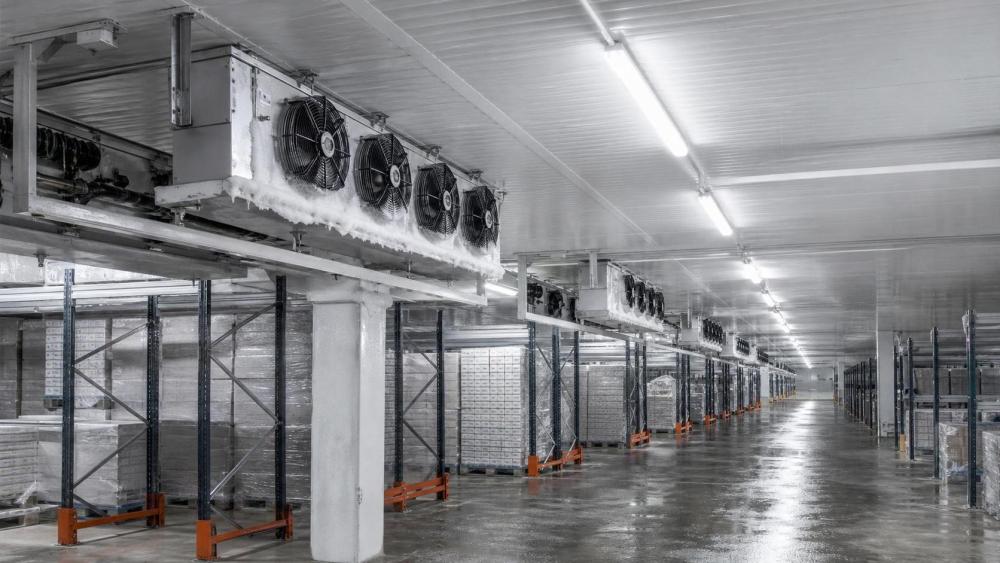
A modern industrial refrigeration equipment evaporator does more than absorb heat from a room or process stream.
It shapes airflow patterns, coil surface temperature, moisture behavior, maintenance frequency, and the usable capacity of the entire refrigeration circuit.
This matters because many industrial sites no longer operate under steady design conditions.
Door openings vary, production schedules shift, ambient humidity changes, and partial-load operation has become routine.
An evaporator sized only for peak duty may perform poorly under normal duty.
In practice, oversizing can reduce sensible control quality, increase fan power, and create unnecessary defrost complexity.
Undersizing creates a different problem.
Lower suction temperatures, longer runtime, and chronic coil icing often force the rest of the system to work harder.
Capacity is more than a nameplate number
Published evaporator capacity usually assumes specific refrigerant, air entering conditions, temperature difference, and frost-free coil condition.
Field performance rarely matches that clean baseline for long.
A better approach starts with separating three questions.
- What is the actual peak heat load?
- What load dominates during most operating hours?
- How much capacity is lost during frost buildup and defrost cycles?
For many facilities, the average operating profile deserves more attention than the design extreme.
A well-selected industrial refrigeration equipment evaporator should maintain stable performance across varying throughput, not just during commissioning tests.
That often means evaluating face area, tube spacing, fin density, and air throw together.
Simple capacity margin can be helpful, but excessive margin can distort the thermal balance of the plant.
The role of TD in practical selection
Temperature difference between room air and evaporating temperature is still one of the most useful decision tools.
A lower TD usually improves humidity retention and reduces dehydration in stored product.
It can also require larger coil surface and higher capital cost.
A higher TD allows a smaller coil, but it tends to intensify frost, increase product drying risk, and lower suction pressure.
This is where short-term equipment savings can quietly become long-term energy penalties.
Frost is a thermal problem and an operational problem
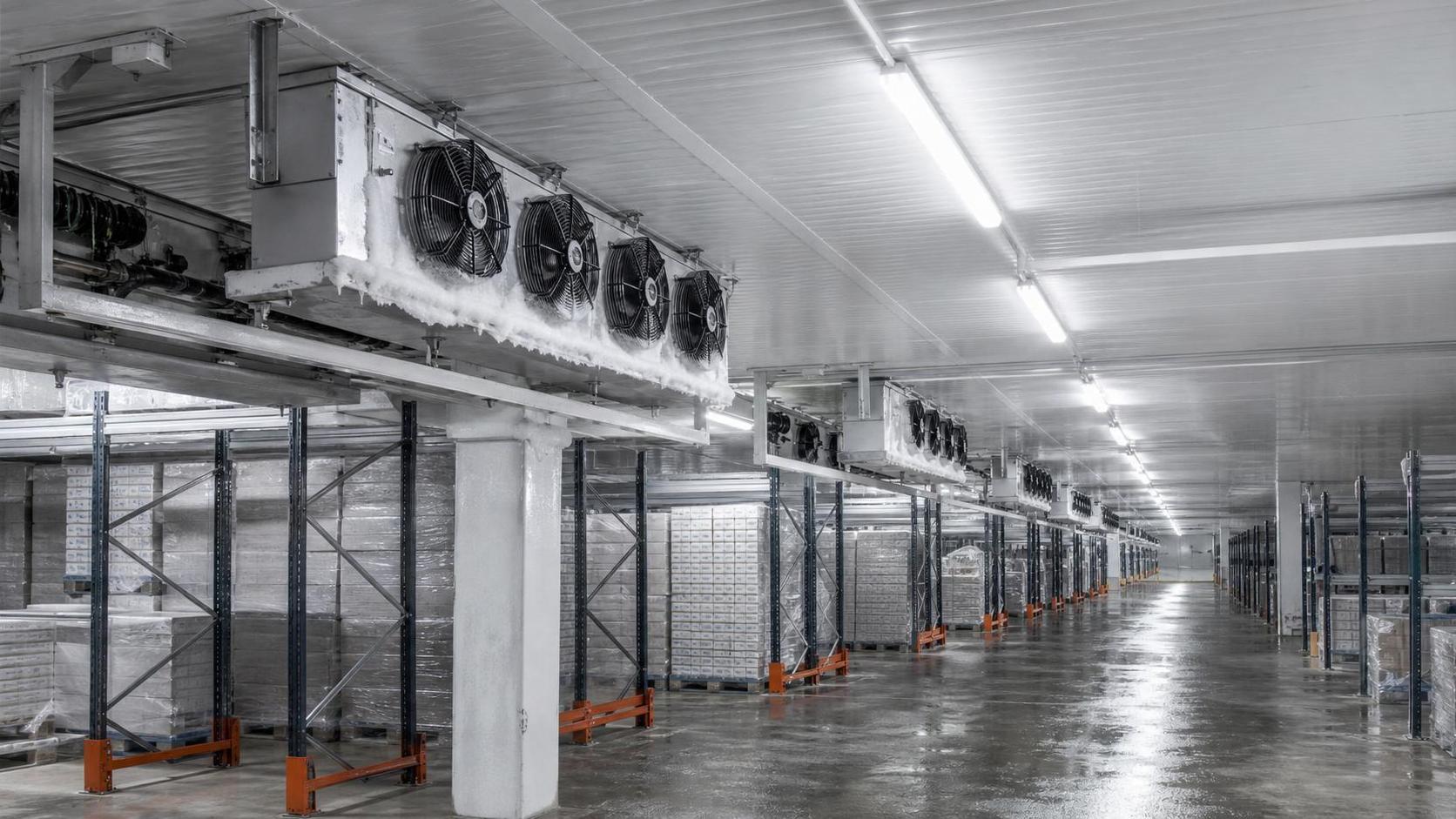
Frost forms when coil surfaces run below the freezing point of moisture carried by the air stream.
Once it begins, heat transfer drops and air resistance rises.
The system then spends more power to deliver less usable cooling.
In low-temperature storage, blast freezing, and high-humidity processing rooms, frost strategy should be part of initial evaporator selection, not an afterthought.
Coil geometry plays a major role here.
Tighter fin spacing may improve clean-coil capacity, but it usually loses performance faster in wet or icy service.
Wider fin spacing generally offers lower starting capacity per volume, yet it can produce better sustained duty between defrost events.
That tradeoff is especially relevant where downtime disrupts production windows.
Defrost method changes the economics
Electric defrost is easy to control, but it can impose a significant energy burden.
Hot gas defrost often improves efficiency at scale, though it requires better piping design and controls.
Water defrost may suit selected hygienic applications, but drainage and sanitation become critical.
The best industrial refrigeration equipment evaporator is therefore linked to the best defrost architecture for the site.
Looking only at coil price can hide the true cost of defrost energy, labor, and process interruption.
Airflow quality often decides whether the coil performs as expected
Evaporator performance depends as much on air movement as on refrigerant-side design.
Poor throw, dead zones, or excessive air velocity can all undermine the intended result.
In refrigerated warehouses, long air throw may be necessary to maintain uniformity across aisles.
In food rooms, too much velocity can damage exposed product surfaces or worsen moisture loss.
In pharmaceutical or electronics environments, stable temperature gradients may matter more than maximum fan circulation.
That is why fan selection, motor efficiency, air discharge pattern, and installation height all deserve early review.
EC fans and variable-speed control are increasingly relevant.
They allow the industrial refrigeration equipment evaporator to adapt to part-load conditions without wasting airflow energy.
Energy tradeoffs extend beyond the evaporator fans
It is easy to treat evaporator energy as fan motor power plus defrost input.
The larger energy consequence usually appears on the compressor side.
A coil that forces lower evaporating temperature raises compression ratio and annual electricity use.
That makes surface selection, refrigerant distribution, and pressure drop more financially important than they may first appear.
This point aligns with wider intelligence tracked by GTC-Matrix.
As energy costs fluctuate and low-carbon targets tighten, heat exchange performance becomes a strategic efficiency lever.
It also connects with refrigerant transitions.
Different refrigerants bring different pressure levels, glide behavior, charge considerations, and coil design implications.
An industrial refrigeration equipment evaporator selected for one refrigerant path may limit future flexibility.
Where lifecycle thinking changes the decision
- Lower coil TD can reduce compressor energy over many years.
- Better frost resistance can cut defrost frequency and labor intervention.
- Efficient fan control can improve part-load operation.
- Cleaner airflow design can support tighter process quality.
- Accessible coil arrangement can reduce maintenance time and hygiene risk.
None of these benefits is obvious from purchase price alone.
A practical framework for comparing options
When comparing evaporator alternatives, a short decision matrix is more useful than a generic specification sheet.
The key is to compare equipment under real operating assumptions.
- Define room temperature, humidity, infiltration pattern, and load profile.
- Check capacity at realistic evaporating temperature, not just rated conditions.
- Estimate frost accumulation rate and required defrost frequency.
- Review fan energy and air distribution at part load.
- Assess maintenance access, cleaning method, and sanitary constraints.
- Test the impact on compressor power across annual operating hours.
- Consider refrigerant roadmap and future compliance pressure.
This kind of structure helps separate useful design margin from expensive overdesign.
It also makes supplier discussions far more transparent.
What to review before locking the final choice
Before final approval, the most valuable step is often a cross-check between thermal design, controls logic, and site operation.
That review should confirm whether the industrial refrigeration equipment evaporator suits the way the facility actually runs.
A coil that looks efficient in isolation may be a poor fit for a room with variable occupancy or strict uptime requirements.
The strongest decisions usually come from linking equipment data with operating history, seasonal conditions, and future process plans.
For organizations following the market signals tracked by GTC-Matrix, that broader view is becoming standard practice.
The next step is straightforward.
Build a selection checklist around capacity at real conditions, frost behavior, airflow quality, defrost strategy, and full-system energy impact.
That creates a clearer basis for comparison and reduces the chance of paying for thermal compromises later.
Related News
- MPA Opens Fast-Track Cold Chain Inspections in SingaporeAuthor :Cryogenic Systems Expert

- GCC Cold Storage Imports Face GCC-CLIMAT 2026 RuleAuthor :Cryogenic Systems Expert

- Industrial Refrigeration Equipment Evaporator Selection: Capacity, Frost, and Energy TradeoffsAuthor :Cryogenic Systems Expert

- Industrial Refrigeration Equipment: Cost Factors to CompareAuthor :Cryogenic Systems Expert

- Manzhouli Rail Hub Sets Weekly Reefer RecordAuthor :Cryogenic Systems Expert

- Manzhouli Rail Cold-Chain Volume Hits Weekly HighAuthor :Cryogenic Systems Expert

- High-Precision Temperature Control for Stable Cold StorageAuthor :Cryogenic Systems Expert
![]()
- High-Precision Temperature Control in Cold StorageAuthor :Cryogenic Systems Expert

- Japan's METI Mandates AI Energy Models for Cold StorageAuthor :Cryogenic Systems Expert
![]()
- Fruit Attraction Madrid 2026 Booths 91% Booked; Smart Cold Storage Now EU Entry GateAuthor :Cryogenic Systems Expert

- Fruit Attraction Madrid: 90% Booths Booked; Smart Cold Storage Now EU Entry GateAuthor :Cryogenic Systems Expert
![]()
- How Global Energy Costs Are Changing Cold Storage PlanningAuthor :Cryogenic Systems Expert

- High-Precision Temperature Control in Cold StorageAuthor :Cryogenic Systems Expert

- Hema's Discount Brand 'Chao He Suan NB' Expands to Southeast AsiaAuthor :Cryogenic Systems Expert

- State Council Approves Urban Renewal '15th Five-Year' Plan, Boosting Cold Storage Retrofit DemandAuthor :Cryogenic Systems Expert

- Colombia Upholds Anti-Dumping Duties on Chinese Acrylic SheetsAuthor :Cryogenic Systems Expert

- PSA Launches Express Lane for Industrial Thermal EquipmentAuthor :Cryogenic Systems Expert

- Smart Thermal Systems for Cold Storage: Control Gains That Cut Energy WasteAuthor :Cryogenic Systems Expert

- PSA Launches Express Lane for Temperature-Critical CargoAuthor :Cryogenic Systems Expert

- Pure Power Sources: What Matters Most for Cold Storage ReliabilityAuthor :Cryogenic Systems Expert

- Brazil Grants Unilateral Visa-Free Access to Chinese CitizensAuthor :Cryogenic Systems Expert

- India BIS Proposes Mandatory Low-GWP Verification for R449A in Cold StorageAuthor :Cryogenic Systems Expert

- US BIS Adds 3 Cold Storage Controller Makers to Entity ListAuthor :Cryogenic Systems Expert

- High-Precision Temperature Control in Cold Storage OperationsAuthor :Cryogenic Systems Expert

- India BIS Proposes Mandatory Low-GWP Verification for R449A in Cold StorageAuthor :Cryogenic Systems Expert

- US BIS Adds 3 Chinese Cold Storage Controller Makers to Entity ListAuthor :Cryogenic Systems Expert

- China Expands HCFCs Phase-Out Verification for Cold Storage ExportsAuthor :Cryogenic Systems Expert

- Smart Thermal Systems for Cold Storage: What Delivers PaybackAuthor :Cryogenic Systems Expert

- China Expands HCFCs Phase-Out Checks to 127 Chiller PlantsAuthor :Cryogenic Systems Expert

- Shanghai Port Reefer FEU Rates Surge Past $12,800 Amid Red Sea DiversionAuthor :Cryogenic Systems Expert

- Red Sea Crisis Pushes Shanghai-Rotterdam Reefer Freight to $12,520/FEUAuthor :Cryogenic Systems Expert
![]()
- What Intellectualization Means for Smarter Cold Storage OperationsAuthor :Cryogenic Systems Expert