How Global Energy Costs Are Changing Cold Storage Planning




As global energy costs continue to reshape industrial economics, cold storage planning is no longer just a technical decision but a strategic one for business leaders. From system design and refrigerant choices to long-term operating efficiency, every variable now affects competitiveness, resilience, and sustainability. Understanding these shifts helps decision-makers build smarter cold storage strategies in an increasingly energy-sensitive global market.
Global energy costs are redefining cold storage from asset planning to lifetime performance
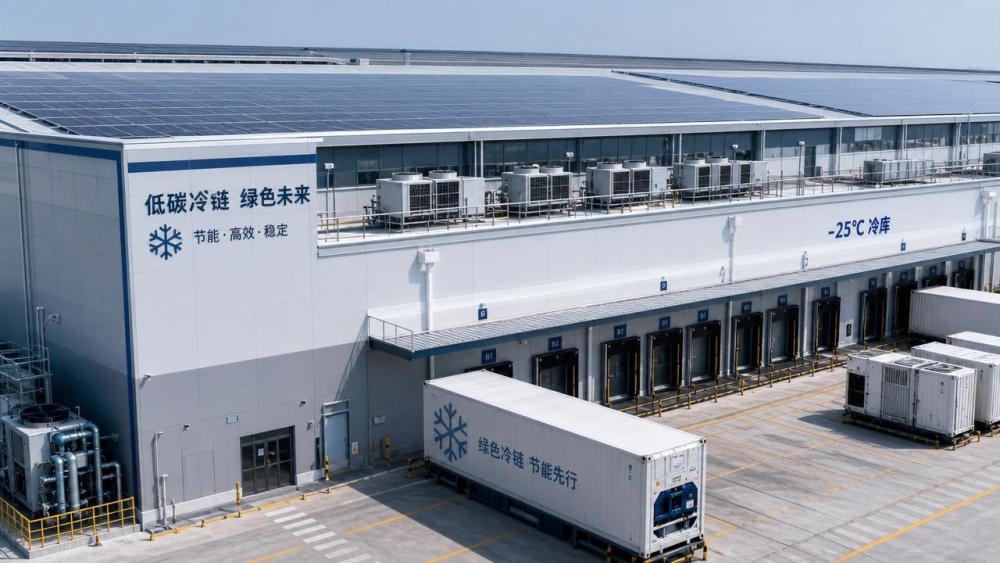
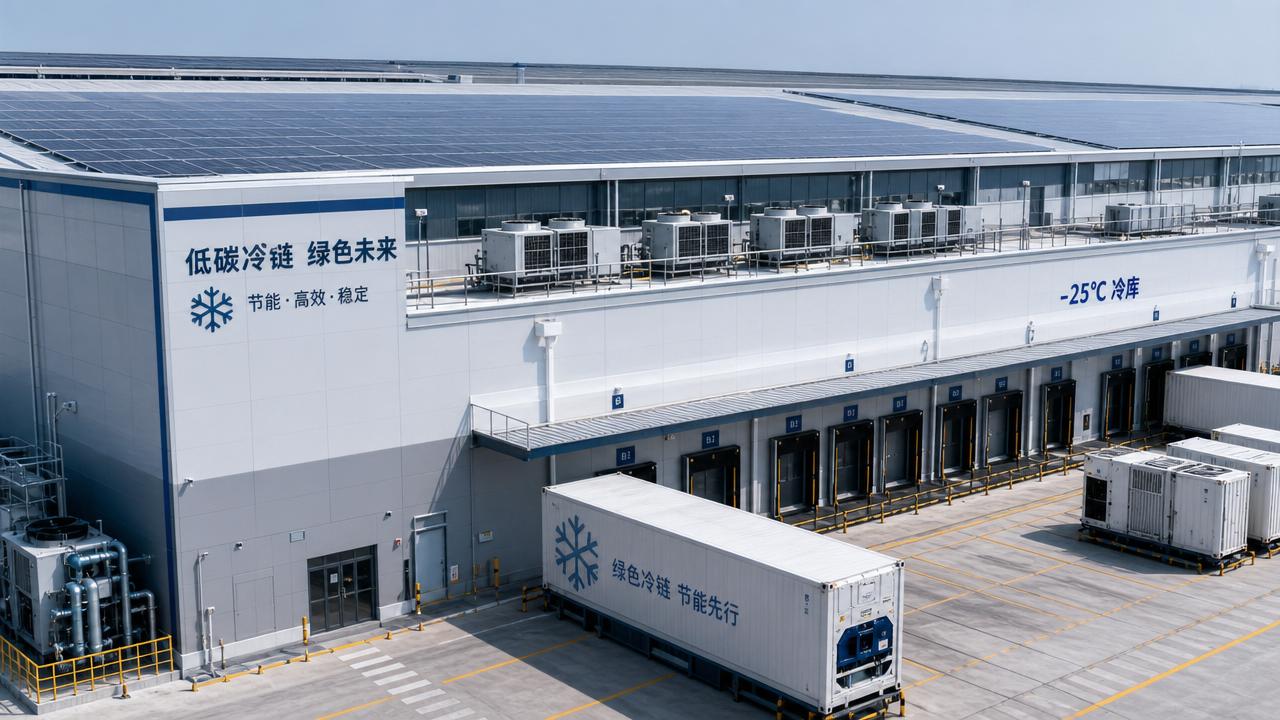
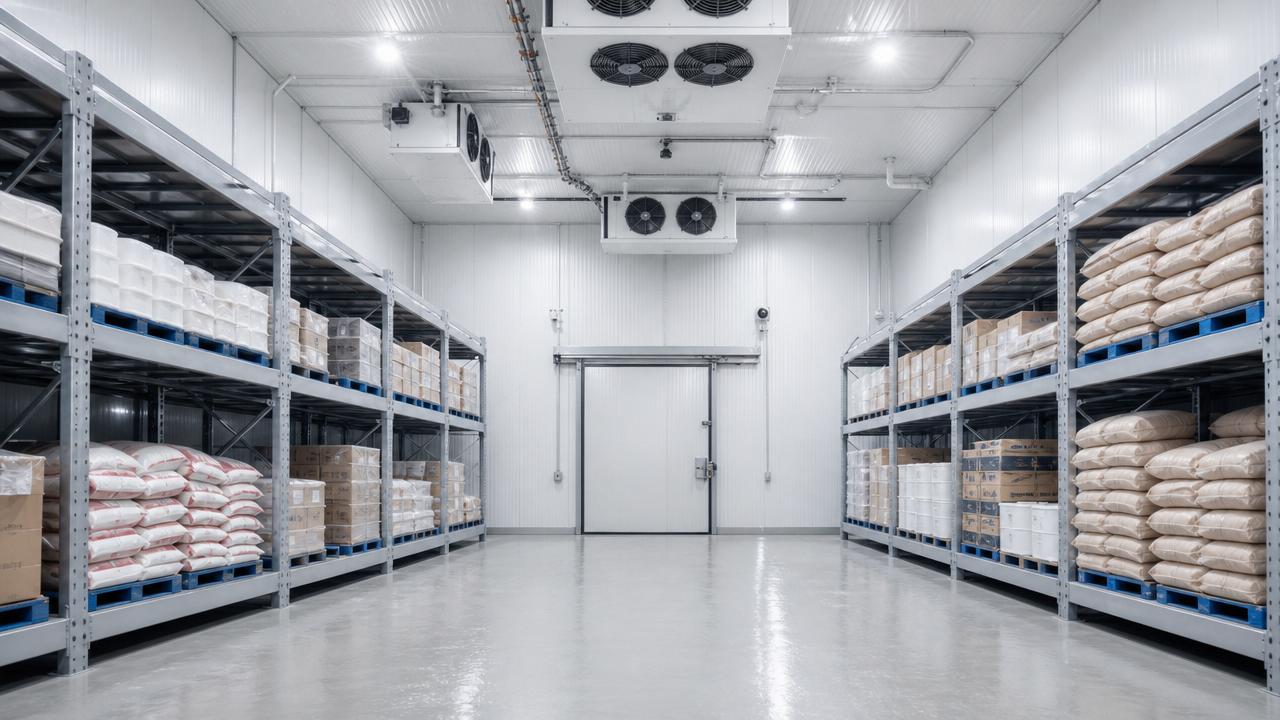
Cold storage once centered on capacity, location, and insulation quality. Today, global energy costs influence every planning decision from concept design to maintenance scheduling.
Electricity volatility, fuel price swings, and regional grid stress are pushing operators to rethink traditional refrigeration assumptions. Energy is now a strategic cost, not a fixed background expense.
This shift matters across food logistics, pharmaceuticals, retail distribution, chemicals, and advanced manufacturing. In each segment, cold storage reliability now depends on energy intelligence as much as engineering.
For a platform like GTC-Matrix, this trend confirms a broader reality. Thermal systems, compression power, and heat exchange design must now be evaluated through both thermodynamic efficiency and cost resilience.
Several market signals show why global energy costs now shape cold storage planning earlier
A few years ago, many projects optimized for lowest capital expenditure. That approach is weakening because operating costs can now outweigh early equipment savings far faster.
Power prices in many regions move with weather events, fuel imports, carbon regulation, and transmission limits. Cold storage facilities, with continuous cooling demand, feel these shifts immediately.
At the same time, cleaner refrigerant transitions and emissions targets are changing equipment selection. This makes global energy costs even more relevant during feasibility studies and system comparisons.
Developers are also seeing greater pressure for resilient supply chains. A cold storage site that cannot manage peak energy exposure may face operational disruptions and reduced service quality.
The strongest signals appearing across markets
- Higher electricity tariff complexity, including peak, shoulder, and demand charges.
- Greater volatility in natural gas and power-linked industrial utility contracts.
- Faster payback for premium compressors, controls, and heat recovery systems.
- Increased importance of site-specific energy modeling before construction.
- Stronger alignment between carbon reporting and refrigeration efficiency decisions.
The main forces behind this trend can be traced to cost, policy, and technology convergence
Cold storage planning is changing because several forces are moving at once. Global energy costs are only one variable, but they connect strongly with policy and technology decisions.
These converging forces explain why cold storage planning now starts with scenario analysis. The question is no longer only how much cooling is needed, but when and at what energy cost.
The impact of global energy costs reaches design choices, operating models, and investment timing
The first major impact appears in system sizing. Oversized systems may protect against demand spikes, but they can waste energy at part load.
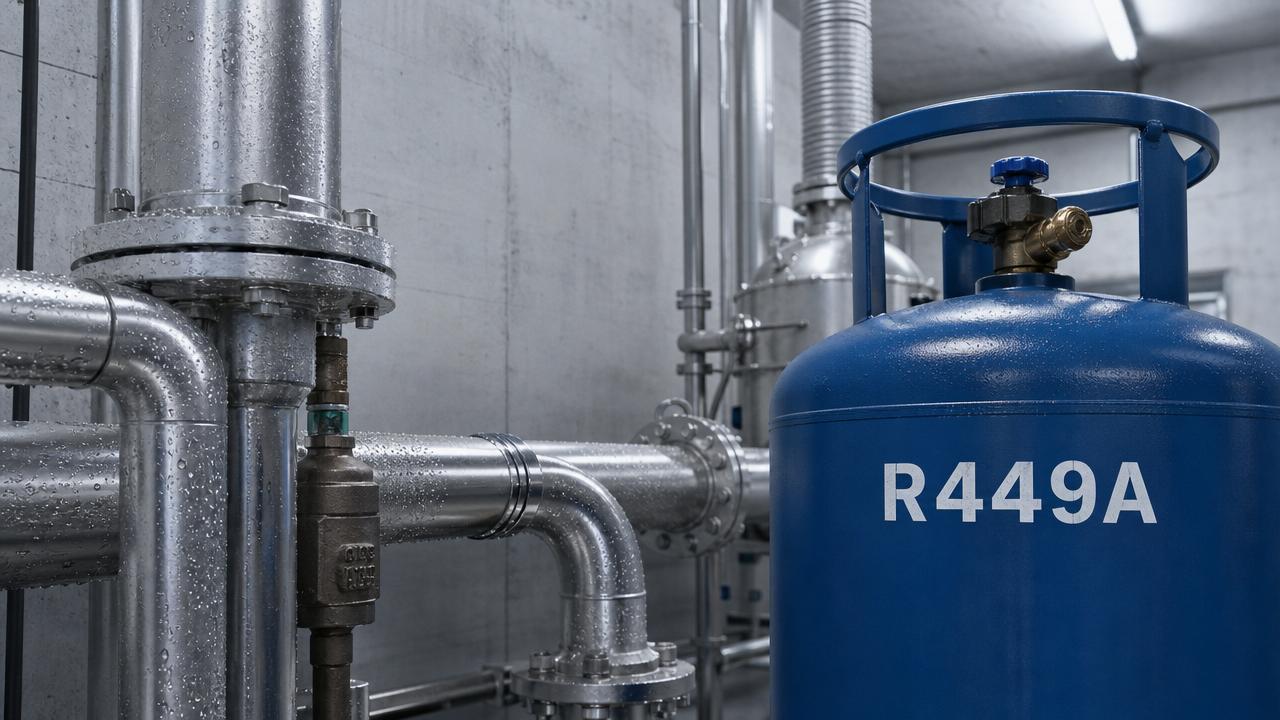
The second impact is on refrigeration technology choice. Ammonia, CO2, HFO blends, cascade systems, and hybrid layouts each respond differently to energy conditions and local regulations.
The third impact concerns insulation, door design, airflow management, and defrost strategy. These details once seemed secondary, yet they now shape exposure to global energy costs every day.
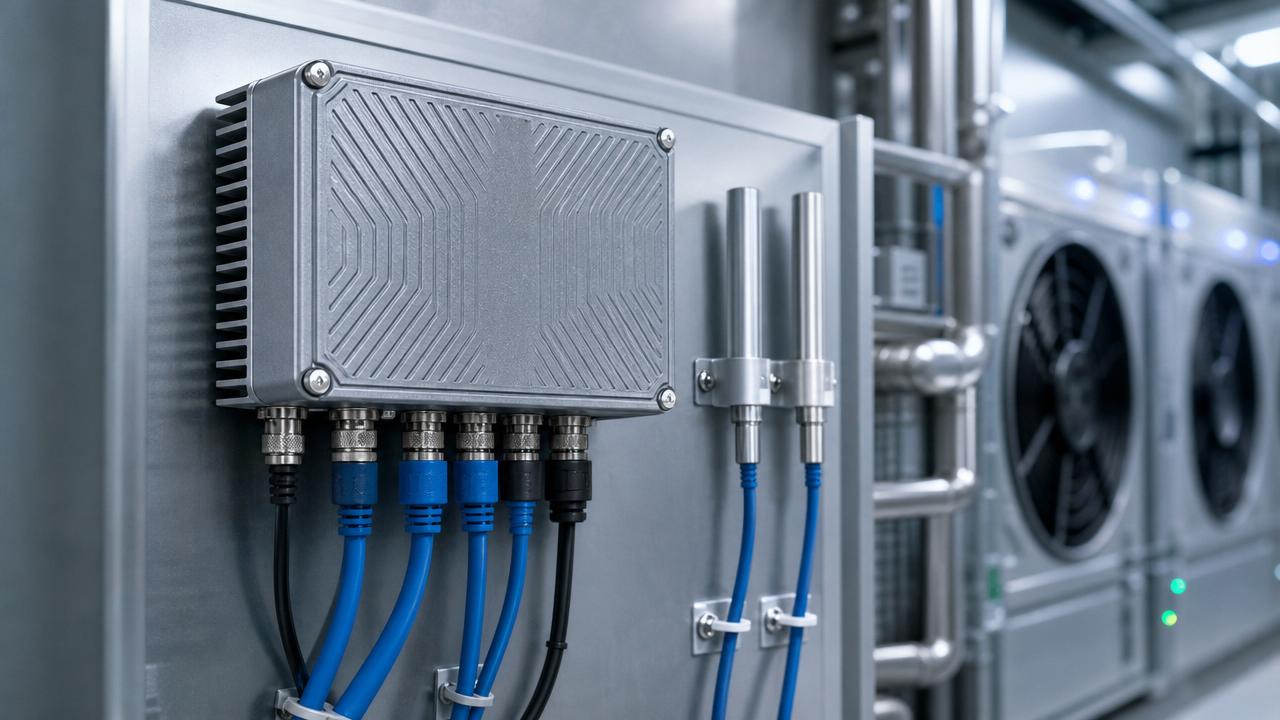
The fourth impact affects maintenance and controls. Sensors, variable-speed drives, leak detection, and predictive service routines reduce hidden energy waste and improve temperature consistency.
Where the pressure is most visible
- Urban cold rooms facing high power tariffs and limited expansion space.
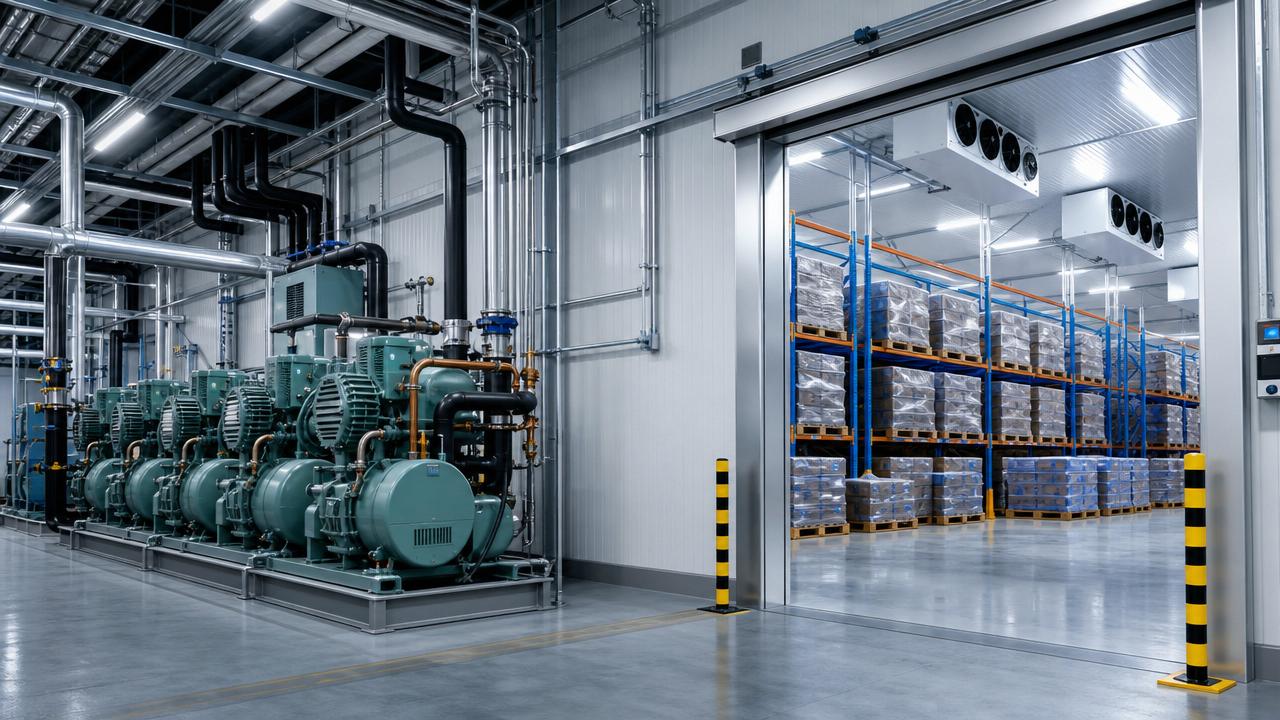
- Large logistics hubs with continuous compressor operation.
- Pharmaceutical storage requiring precise thermal stability.
- Food processing sites balancing hygiene, throughput, and energy intensity.
- Export-oriented facilities exposed to cross-border cost differences.
In practical terms, global energy costs can change the payback logic of an entire facility. A design that looked economical three years ago may now carry long-term cost risk.
Smarter cold storage planning now depends on a few high-priority decisions
Effective planning starts by treating energy as a design input, not a later operating issue. This is where strategic thermal intelligence creates measurable value.
Key issues that deserve close attention
- Load profile accuracy: Map daily, seasonal, and peak demand instead of relying on average assumptions.
- Part-load efficiency: Evaluate compressor and control performance beyond full-load nameplate ratings.
- Refrigerant pathway: Compare efficiency, safety, service capability, and compliance horizon together.
- Heat exchange quality: Better evaporators and condensers reduce compression work over time.
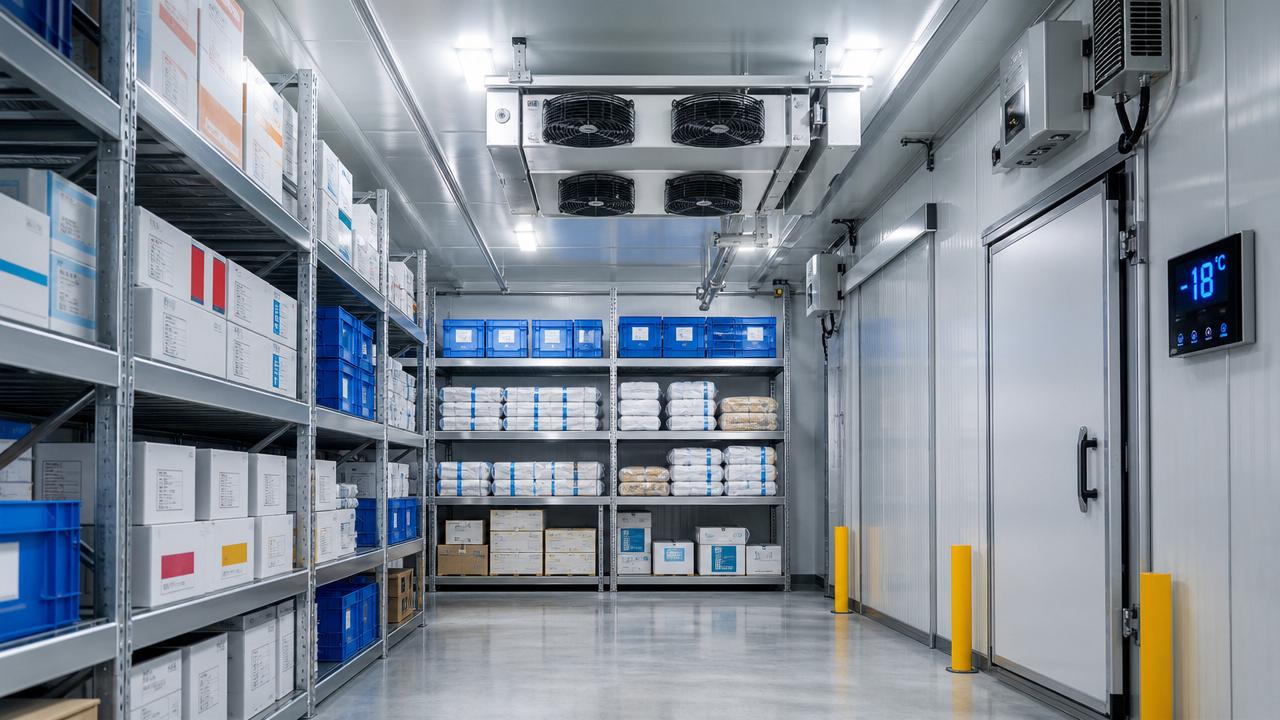
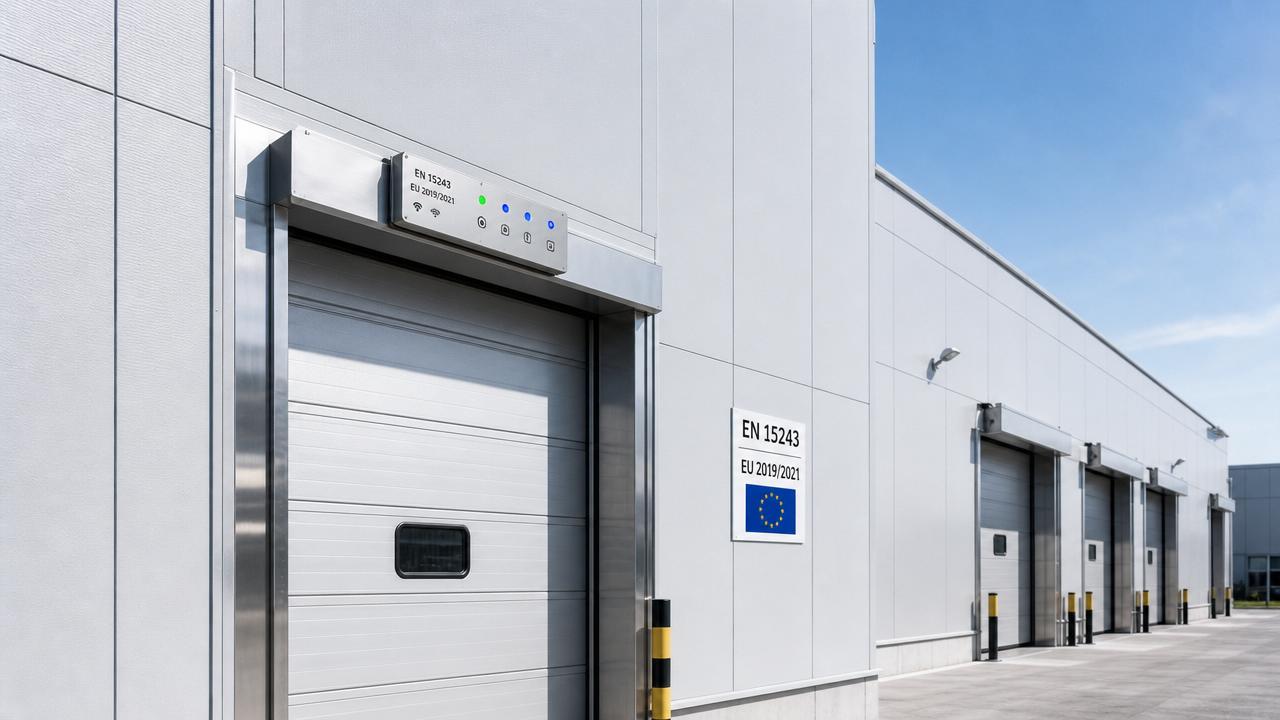
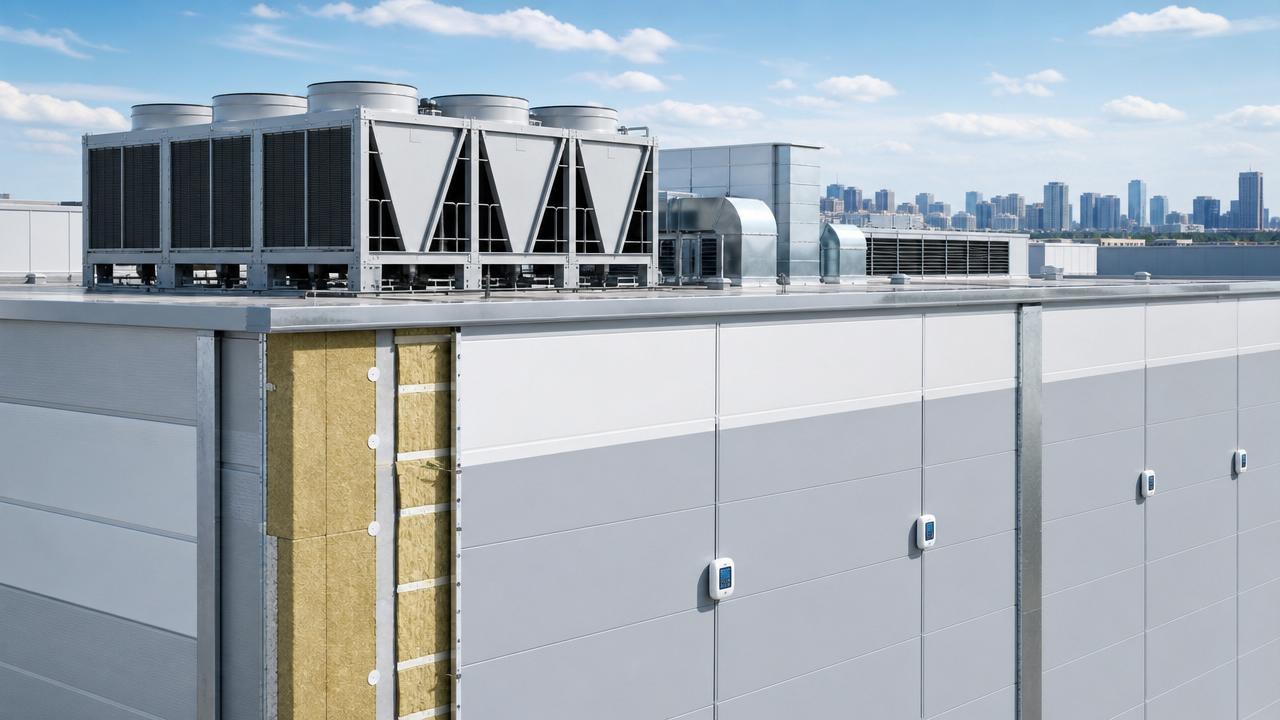
- Envelope performance: Insulation joints, doors, dock seals, and air curtains strongly affect energy leakage.
- Energy flexibility: Consider thermal storage, pre-cooling, and response to peak tariff periods.
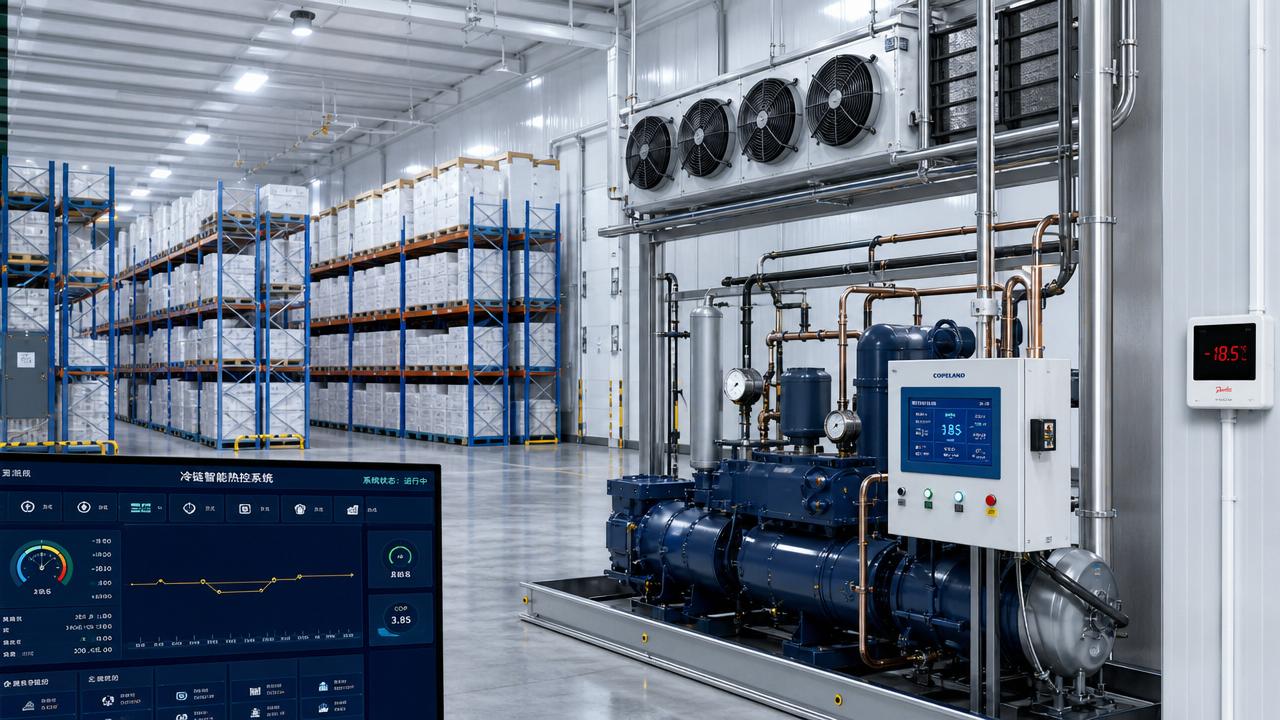
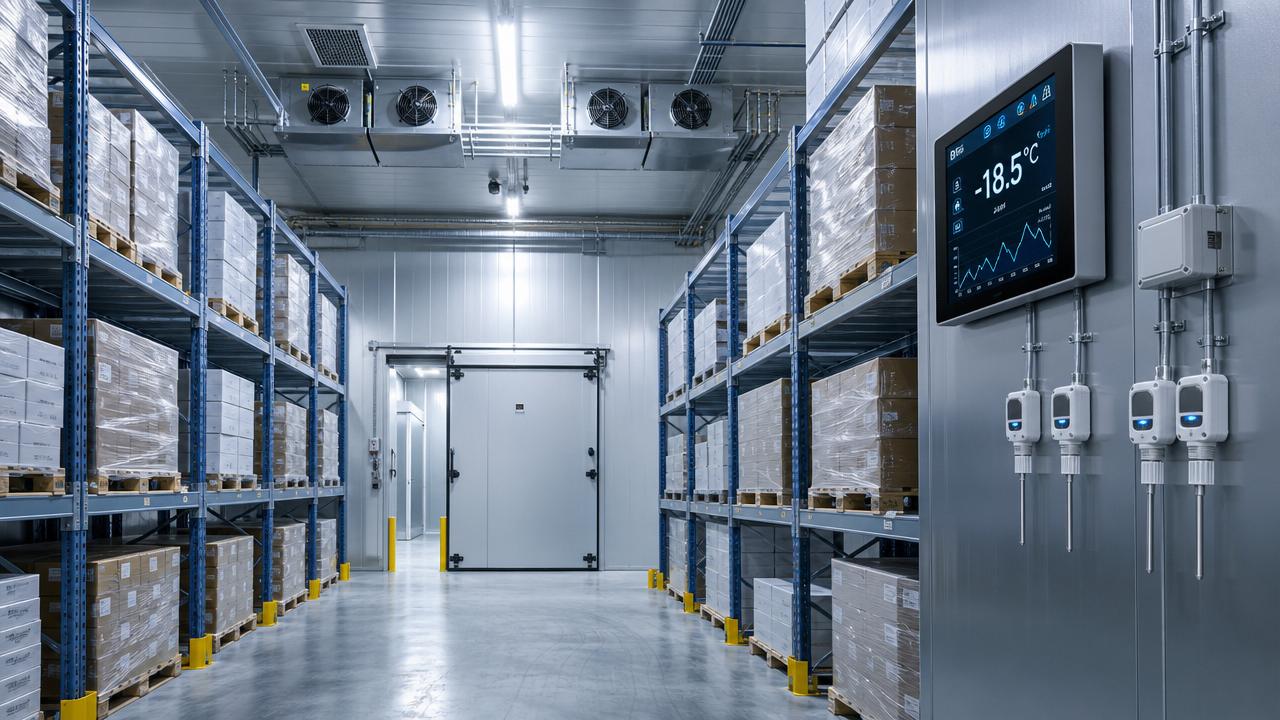
- Data visibility: Continuous monitoring helps reveal hidden losses and guide optimization.
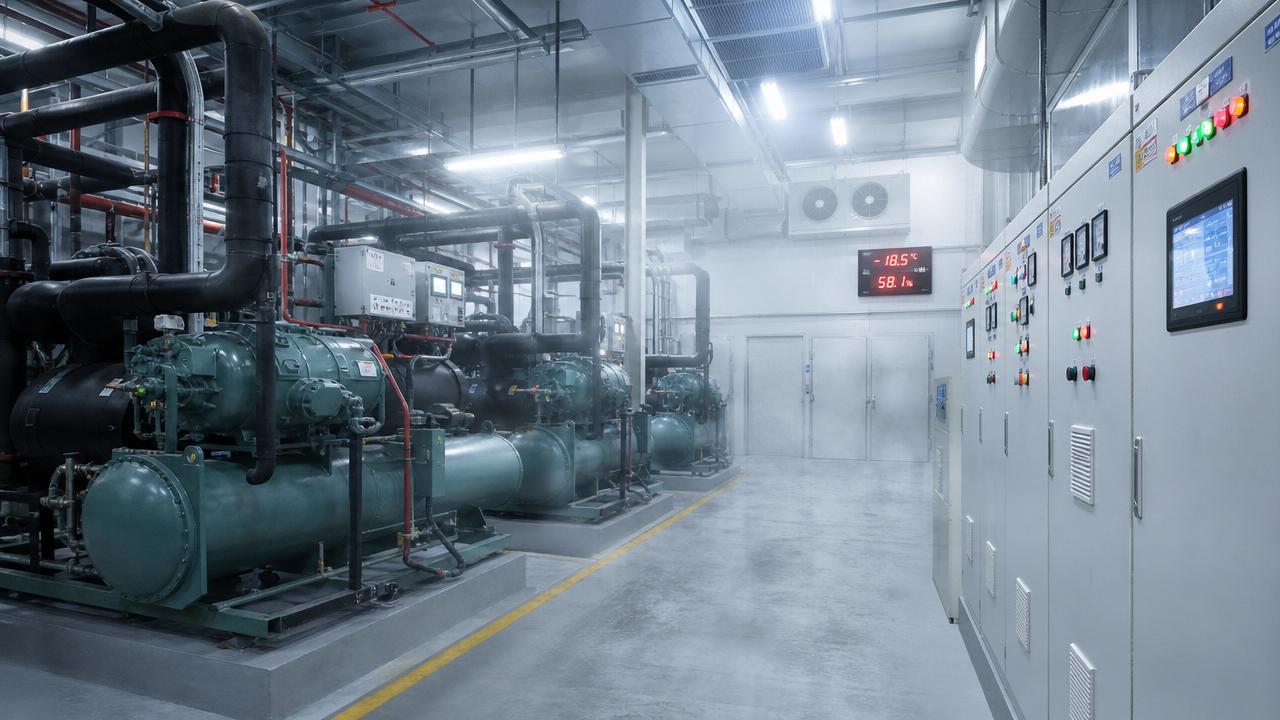
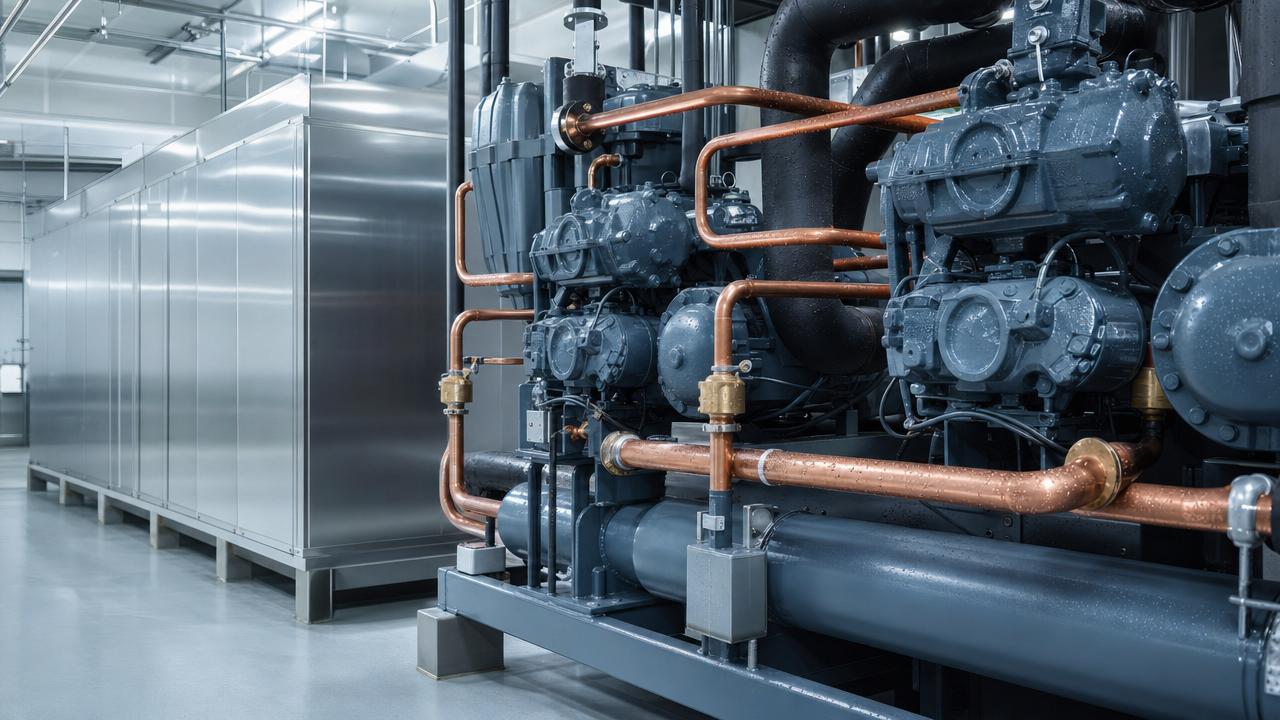
These priorities connect directly with the expertise represented by GTC-Matrix. Compression systems, heat exchangers, and thermal analytics must work together to control both performance and cost risk.
A practical response to global energy costs requires staged decisions rather than one-time fixes
Many organizations react to high bills after startup. A better approach is to build an energy-aware roadmap before final design, then update it during operation.
This staged method supports better capital allocation. It also helps avoid the common mistake of solving energy problems only after the facility begins to underperform.
The next competitive advantage will come from thermal intelligence, not cooling capacity alone
Cold storage planning is entering a more analytical phase. Global energy costs are forcing deeper evaluation of thermodynamic efficiency, compression strategy, heat exchange quality, and control logic.
Facilities that adapt early can improve operating resilience, protect margins, and align better with decarbonization goals. Those that delay may face rising costs embedded in fixed infrastructure decisions.
A useful next step is to review any current or planned project through an energy-scenario lens. Recheck load assumptions, tariff exposure, refrigerant strategy, and lifecycle economics before final commitments.
For deeper market observation, GTC-Matrix offers a clear framework: connect thermal performance, compression efficiency, and industrial intelligence to make cold storage planning stronger under changing global energy costs.
Related News
- MPA Opens Fast-Track Cold Chain Inspections in SingaporeAuthor :Cryogenic Systems Expert

- GCC Cold Storage Imports Face GCC-CLIMAT 2026 RuleAuthor :Cryogenic Systems Expert

- Industrial Refrigeration Equipment Evaporator Selection: Capacity, Frost, and Energy TradeoffsAuthor :Cryogenic Systems Expert

- Industrial Refrigeration Equipment: Cost Factors to CompareAuthor :Cryogenic Systems Expert

- Manzhouli Rail Hub Sets Weekly Reefer RecordAuthor :Cryogenic Systems Expert

- Manzhouli Rail Cold-Chain Volume Hits Weekly HighAuthor :Cryogenic Systems Expert

- High-Precision Temperature Control for Stable Cold StorageAuthor :Cryogenic Systems Expert
![]()
- High-Precision Temperature Control in Cold StorageAuthor :Cryogenic Systems Expert

- Japan's METI Mandates AI Energy Models for Cold StorageAuthor :Cryogenic Systems Expert
![]()
- Fruit Attraction Madrid 2026 Booths 91% Booked; Smart Cold Storage Now EU Entry GateAuthor :Cryogenic Systems Expert

- Fruit Attraction Madrid: 90% Booths Booked; Smart Cold Storage Now EU Entry GateAuthor :Cryogenic Systems Expert
![]()
- How Global Energy Costs Are Changing Cold Storage PlanningAuthor :Cryogenic Systems Expert

- High-Precision Temperature Control in Cold StorageAuthor :Cryogenic Systems Expert

- Hema's Discount Brand 'Chao He Suan NB' Expands to Southeast AsiaAuthor :Cryogenic Systems Expert

- State Council Approves Urban Renewal '15th Five-Year' Plan, Boosting Cold Storage Retrofit DemandAuthor :Cryogenic Systems Expert

- Colombia Upholds Anti-Dumping Duties on Chinese Acrylic SheetsAuthor :Cryogenic Systems Expert

- PSA Launches Express Lane for Industrial Thermal EquipmentAuthor :Cryogenic Systems Expert

- Smart Thermal Systems for Cold Storage: Control Gains That Cut Energy WasteAuthor :Cryogenic Systems Expert

- PSA Launches Express Lane for Temperature-Critical CargoAuthor :Cryogenic Systems Expert

- Pure Power Sources: What Matters Most for Cold Storage ReliabilityAuthor :Cryogenic Systems Expert

- Brazil Grants Unilateral Visa-Free Access to Chinese CitizensAuthor :Cryogenic Systems Expert

- India BIS Proposes Mandatory Low-GWP Verification for R449A in Cold StorageAuthor :Cryogenic Systems Expert

- US BIS Adds 3 Cold Storage Controller Makers to Entity ListAuthor :Cryogenic Systems Expert

- High-Precision Temperature Control in Cold Storage OperationsAuthor :Cryogenic Systems Expert

- India BIS Proposes Mandatory Low-GWP Verification for R449A in Cold StorageAuthor :Cryogenic Systems Expert

- US BIS Adds 3 Chinese Cold Storage Controller Makers to Entity ListAuthor :Cryogenic Systems Expert

- China Expands HCFCs Phase-Out Verification for Cold Storage ExportsAuthor :Cryogenic Systems Expert

- Smart Thermal Systems for Cold Storage: What Delivers PaybackAuthor :Cryogenic Systems Expert

- China Expands HCFCs Phase-Out Checks to 127 Chiller PlantsAuthor :Cryogenic Systems Expert

- Shanghai Port Reefer FEU Rates Surge Past $12,800 Amid Red Sea DiversionAuthor :Cryogenic Systems Expert

- Red Sea Crisis Pushes Shanghai-Rotterdam Reefer Freight to $12,520/FEUAuthor :Cryogenic Systems Expert
![]()
- What Intellectualization Means for Smarter Cold Storage OperationsAuthor :Cryogenic Systems Expert