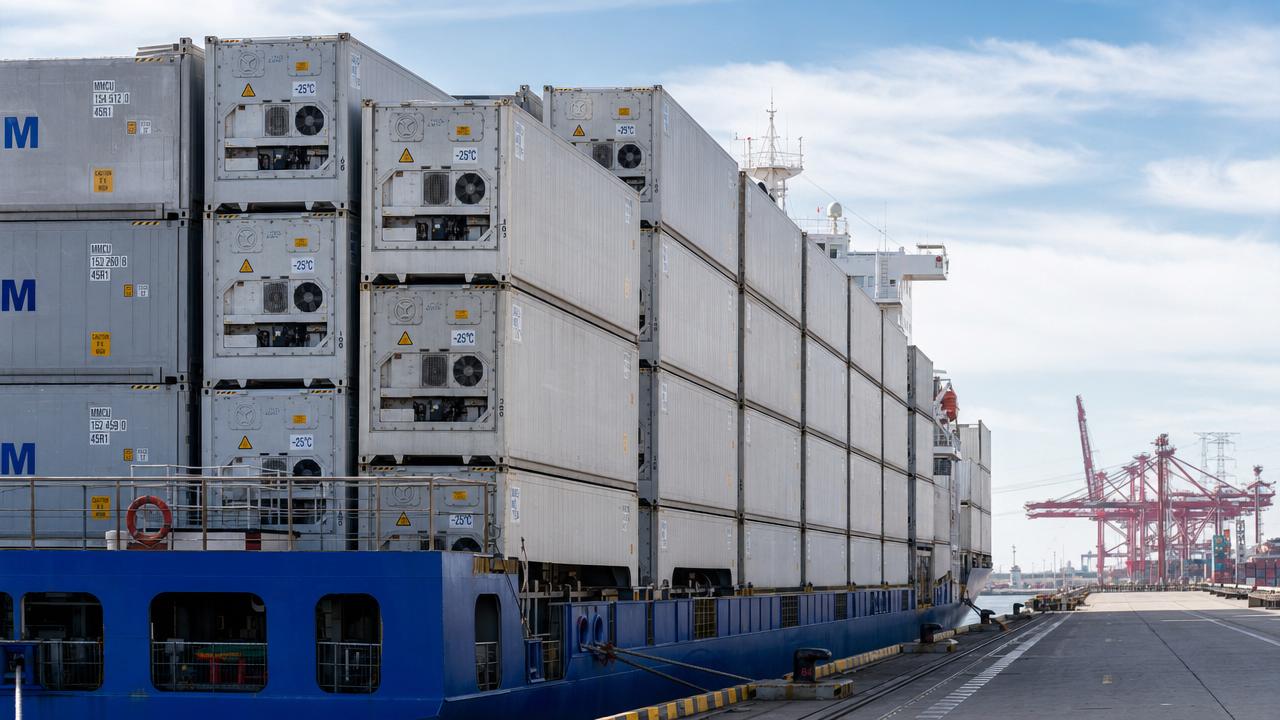
Shanghai Port Reefer FEU Rates Surge Past $12,800 Amid Red Sea Diversion




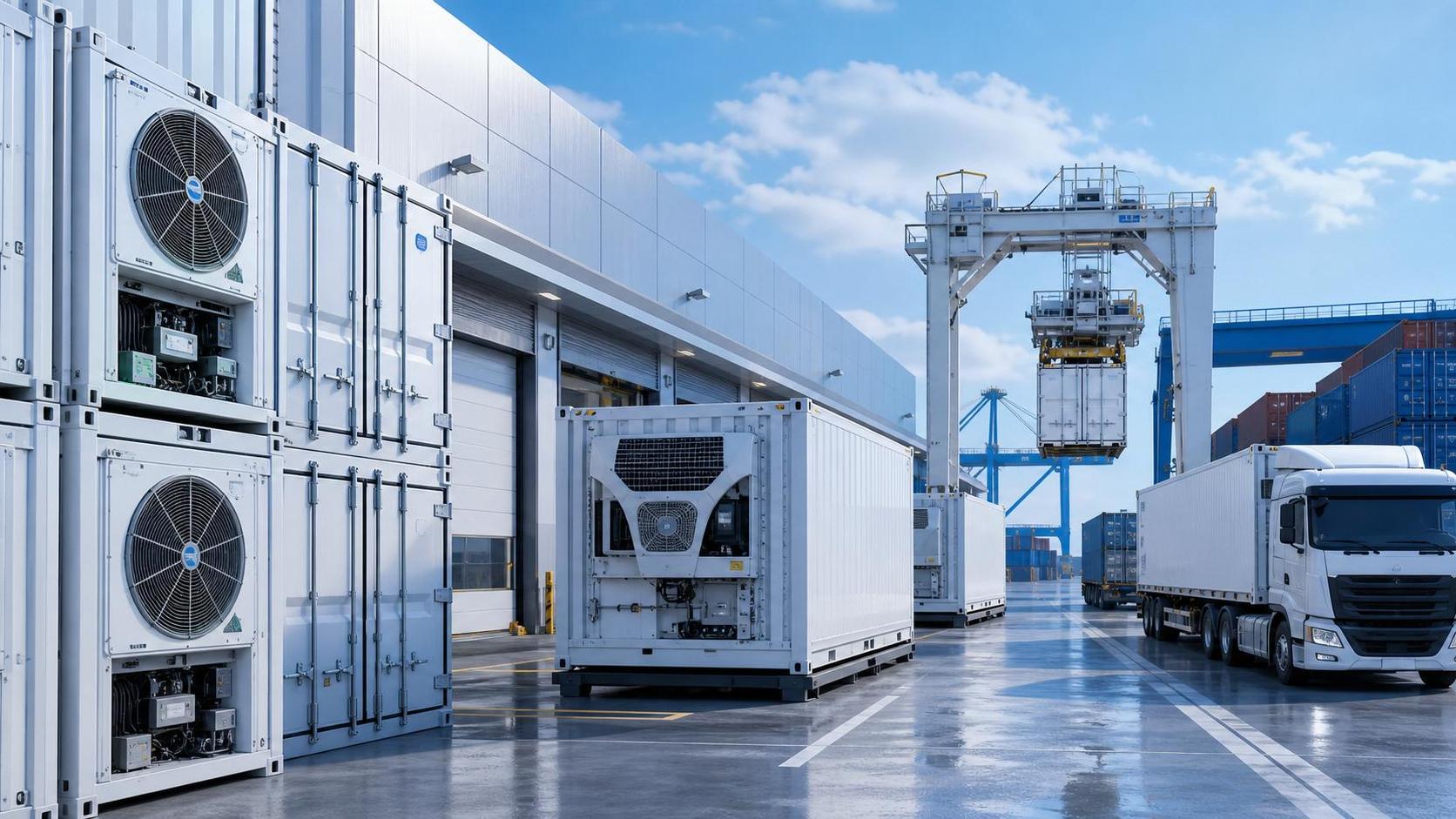
On May 8, Shanghai Shipping Exchange reported that the spot rate for refrigerated 40-foot equivalent units (Reefer FEU) from Shanghai Port to Rotterdam reached $12,850 — a new all-time high. This development warrants close attention from importers and exporters of temperature-sensitive goods, cold-chain logistics providers, European food & beverage distributors, and pharmaceutical shippers — as it signals acute capacity constraints and extended lead times across key Asia–Europe trade lanes.
Event Overview
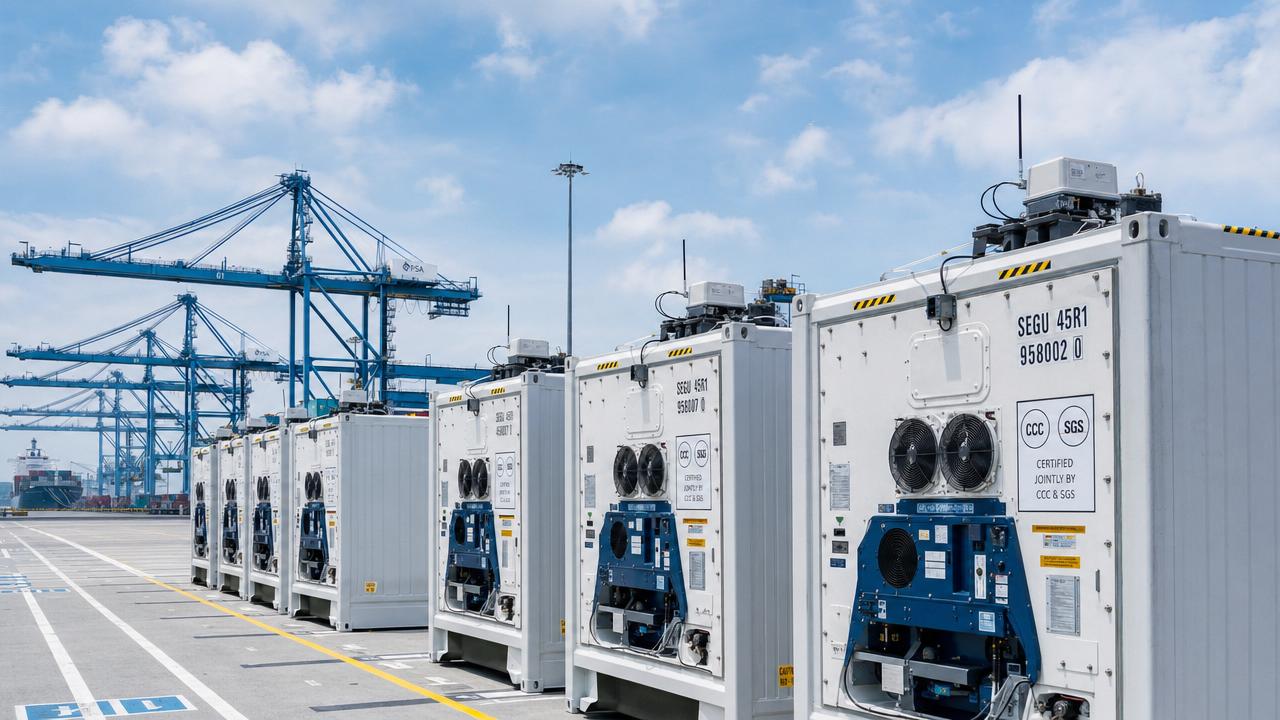
According to data published by the Shanghai Shipping Exchange on May 8, the spot freight rate for Reefer FEU shipments from Shanghai Port to Rotterdam stood at $12,850. This reflects a record level driven primarily by sustained disruption in the Red Sea, which has forced approximately 83% of Asia–Europe container services to divert via the Cape of Good Hope. The resulting voyage extension of 12–15 days, combined with peak-season cold storage replenishment demand in Europe, has severely tightened availability of refrigerated containers and refrigerant-dependent shipping capacity. Buyers are now advised to allow an additional 4–6 weeks of logistics buffer time.
Industries Affected
Direct Trading Enterprises (e.g., Fresh Produce, Seafood, Dairy Exporters)
These firms face immediate cost escalation and scheduling uncertainty. Reefer FEU rates directly impact landed cost and margin compression, especially for commodities with narrow price elasticity. Delivery delays also increase spoilage risk and complicate just-in-time inventory planning.
Raw Material Procurement Entities (e.g., Pharma Ingredients, Enzymes, Biologics Suppliers)
Temperature-controlled raw materials shipped from China to EU manufacturing sites encounter both higher freight costs and longer transit windows. Extended lead times may trigger production line slowdowns if safety stock levels are insufficient or if regulatory documentation (e.g., cold chain validation records) must be re-validated due to prolonged transit.
Processing & Manufacturing Firms (e.g., Frozen Food Processors, Vaccine Fill-Finish Facilities)
Such enterprises rely on consistent inbound flows of chilled or frozen inputs. Capacity scarcity and routing delays disrupt batch scheduling and increase working capital requirements tied up in in-transit inventory. Refrigerant-dependent equipment (e.g., glycol-cooled containers) is especially scarce, limiting viable alternatives.
Distribution & Retail Channel Operators (e.g., EU Grocery Wholesalers, E-commerce Cold-Chain Fulfillment Providers)
These players experience downstream pressure: delayed restocking during peak summer demand periods risks stockouts, promotional misalignment, and loss of shelf share. Shelf-life erosion en route further constrains sell-through windows and increases markdown exposure.
Supply Chain Service Providers (e.g., NVOCCs, Reefer Leasing Companies, Customs Brokers Specializing in Temperature-Sensitive Cargo)
Service providers face heightened operational complexity — including increased pre-booking lead times, tighter equipment release windows, and greater scrutiny on temperature log compliance. Reefer leasing firms report near-zero idle unit availability; NVOCCs observe significantly reduced booking acceptance rates for non-premium-rate tenders.
What Stakeholders Should Monitor and Do Now
Track official updates on Red Sea security developments and carrier rerouting announcements
Analysis shows that current rate levels reflect not only physical capacity shortage but also market anticipation of prolonged disruption. Any shift in maritime security posture — e.g., coalition naval deployment efficacy or Houthi targeting patterns — could materially influence carrier routing decisions and rate trajectory.
Review and prioritize critical SKUs and destination markets
Observably, not all reefer-dependent cargo faces equal pressure. High-value, low-volume items (e.g., specialty cheeses, diagnostic reagents) may justify premium pricing, while commodity-grade frozen vegetables may face volume rationing. Prioritization should align with gross margin per cubic meter and shelf-life sensitivity.
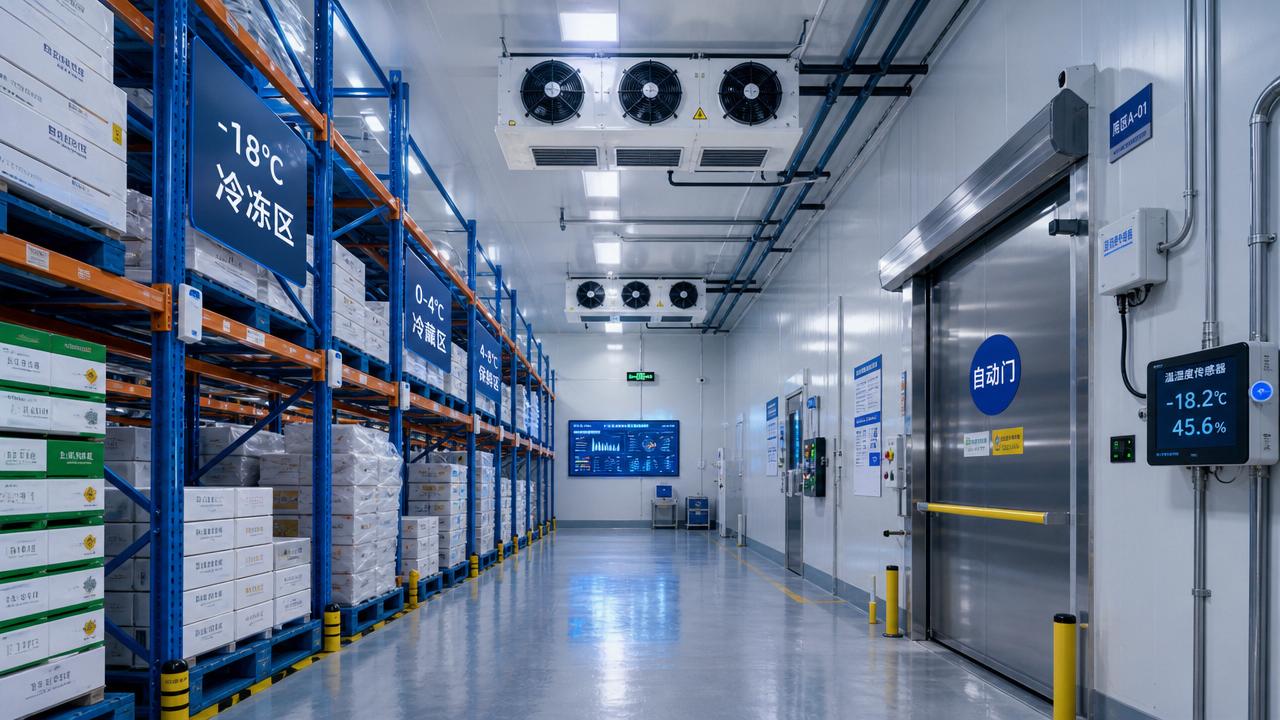
Validate cold chain contingency protocols — especially for extended transits
Current more suitable understanding is that 12–15-day voyages via Cape of Good Hope challenge standard refrigerant charge stability and sensor battery life. Shippers should confirm pre-trip validation of container setpoints, backup power readiness, and real-time telematics compatibility with EU import customs systems.
Adjust procurement and inventory planning cycles by minimum +4 weeks
From industry perspective, the 4–6 week logistics buffer cited by Shanghai Shipping Exchange is not advisory but operational necessity. Procurement teams should revise reorder points, safety stock formulas, and supplier payment terms to reflect extended cash conversion cycles — particularly where letters of credit tie disbursement to bill-of-lading dates.
Editorial Observation / Industry Insight
This surge is best understood as both a symptom and a signal: a symptom of structural strain in global reefer infrastructure under asymmetric geopolitical stress, and a signal that cold-chain resilience can no longer be treated as a secondary consideration in sourcing strategy. It is not yet a permanent condition — but until Red Sea transit normalizes or alternative routing capacity scales meaningfully, elevated rates and extended lead times will persist. What makes this event notable is its concentration: unlike generalized container rate inflation, this affects a narrow, mission-critical equipment segment with limited substitutability. Continued monitoring is warranted not for volatility alone, but for evidence of cascading effects — such as accelerated investment in EU-based cold storage or shifts toward air-freight substitution for high-margin perishables.
In summary, the $12,850 Reefer FEU rate from Shanghai to Rotterdam reflects acute, geographically concentrated supply–demand imbalance rather than broad-based market overheating. It underscores that cold-chain logistics performance is now a first-order determinant of trade feasibility for specific sectors — not merely a cost line item. Stakeholders should treat this as a durable constraint requiring tactical adaptation, not a transient spike awaiting correction.
Source: Shanghai Shipping Exchange (data published May 8). Note: Ongoing monitoring is required for updates on Red Sea navigation status, carrier routing adjustments, and European cold storage utilization trends — none of which are confirmed beyond current reporting.
Related News
- MPA Opens Fast-Track Cold Chain Inspections in SingaporeAuthor :Cryogenic Systems Expert

- GCC Cold Storage Imports Face GCC-CLIMAT 2026 RuleAuthor :Cryogenic Systems Expert

- Industrial Refrigeration Equipment Evaporator Selection: Capacity, Frost, and Energy TradeoffsAuthor :Cryogenic Systems Expert

- Industrial Refrigeration Equipment: Cost Factors to CompareAuthor :Cryogenic Systems Expert

- Manzhouli Rail Hub Sets Weekly Reefer RecordAuthor :Cryogenic Systems Expert

- Manzhouli Rail Cold-Chain Volume Hits Weekly HighAuthor :Cryogenic Systems Expert

- High-Precision Temperature Control for Stable Cold StorageAuthor :Cryogenic Systems Expert
![]()
- High-Precision Temperature Control in Cold StorageAuthor :Cryogenic Systems Expert

- Japan's METI Mandates AI Energy Models for Cold StorageAuthor :Cryogenic Systems Expert
![]()
- Fruit Attraction Madrid 2026 Booths 91% Booked; Smart Cold Storage Now EU Entry GateAuthor :Cryogenic Systems Expert

- Fruit Attraction Madrid: 90% Booths Booked; Smart Cold Storage Now EU Entry GateAuthor :Cryogenic Systems Expert
![]()
- How Global Energy Costs Are Changing Cold Storage PlanningAuthor :Cryogenic Systems Expert

- High-Precision Temperature Control in Cold StorageAuthor :Cryogenic Systems Expert

- Hema's Discount Brand 'Chao He Suan NB' Expands to Southeast AsiaAuthor :Cryogenic Systems Expert

- State Council Approves Urban Renewal '15th Five-Year' Plan, Boosting Cold Storage Retrofit DemandAuthor :Cryogenic Systems Expert

- Colombia Upholds Anti-Dumping Duties on Chinese Acrylic SheetsAuthor :Cryogenic Systems Expert

- PSA Launches Express Lane for Industrial Thermal EquipmentAuthor :Cryogenic Systems Expert

- Smart Thermal Systems for Cold Storage: Control Gains That Cut Energy WasteAuthor :Cryogenic Systems Expert

- PSA Launches Express Lane for Temperature-Critical CargoAuthor :Cryogenic Systems Expert

- Pure Power Sources: What Matters Most for Cold Storage ReliabilityAuthor :Cryogenic Systems Expert

- Brazil Grants Unilateral Visa-Free Access to Chinese CitizensAuthor :Cryogenic Systems Expert

- India BIS Proposes Mandatory Low-GWP Verification for R449A in Cold StorageAuthor :Cryogenic Systems Expert

- US BIS Adds 3 Cold Storage Controller Makers to Entity ListAuthor :Cryogenic Systems Expert

- High-Precision Temperature Control in Cold Storage OperationsAuthor :Cryogenic Systems Expert

- India BIS Proposes Mandatory Low-GWP Verification for R449A in Cold StorageAuthor :Cryogenic Systems Expert

- US BIS Adds 3 Chinese Cold Storage Controller Makers to Entity ListAuthor :Cryogenic Systems Expert

- China Expands HCFCs Phase-Out Verification for Cold Storage ExportsAuthor :Cryogenic Systems Expert

- Smart Thermal Systems for Cold Storage: What Delivers PaybackAuthor :Cryogenic Systems Expert

- China Expands HCFCs Phase-Out Checks to 127 Chiller PlantsAuthor :Cryogenic Systems Expert

- Shanghai Port Reefer FEU Rates Surge Past $12,800 Amid Red Sea DiversionAuthor :Cryogenic Systems Expert

- Red Sea Crisis Pushes Shanghai-Rotterdam Reefer Freight to $12,520/FEUAuthor :Cryogenic Systems Expert
![]()
- What Intellectualization Means for Smarter Cold Storage OperationsAuthor :Cryogenic Systems Expert