



Fruit Attraction Madrid: 90% Booths Booked; Smart Cold Storage Now EU Entry Gate




On May 23, 2026, the Fruit Attraction Madrid organizing committee announced that booth reservations for the 18th edition had reached 90%, with the cold chain equipment zone showing the strongest growth. This surge reflects tightening technical gateways for EU market access—particularly the rising enforcement of energy efficiency and digital audit requirements for cold storage systems. The shift signals a structural recalibration in how global suppliers engage with European procurement standards.
Event Overview
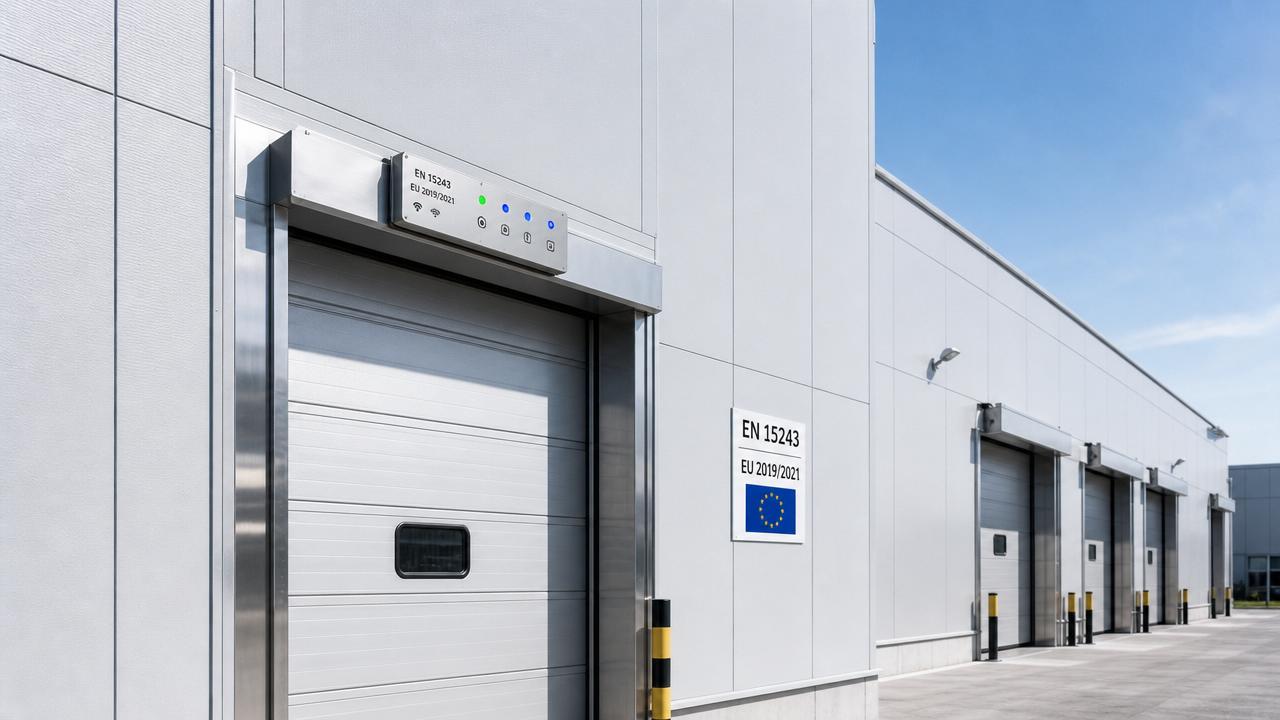
On May 23, 2026, the Fruit Attraction Madrid Organizing Committee reported a 90% booth reservation rate for the 2026 exhibition. Within this, the cold storage equipment sector recorded the highest year-on-year growth. EU importers now routinely require certified EN 15232 Class B energy efficiency compliance and built-in IoT-enabled remote energy performance auditing interfaces (e.g., Modbus-TCP-based telemetry) as mandatory conditions for inclusion on approved supplier shortlists. This requirement has already begun influencing sourcing decisions among Chinese exporting manufacturers.
Industries Affected
Direct Trading Enterprises: Export-oriented trading firms face heightened pre-qualification barriers when bidding for EU distribution contracts. Non-compliant cold storage units—regardless of price or capacity—are excluded from tender evaluations. Impact manifests in delayed contract awards, increased pre-audit costs, and growing reliance on third-party certification bodies for documentation validation.
Raw Material Procurement Enterprises: Companies procuring refrigerants, insulation materials, or compressors for cold chain infrastructure are seeing demand shift toward components compatible with high-efficiency control architectures (e.g., variable-speed drives, low-GWP refrigerants, sensor-grade insulation). Suppliers lacking EN 15232-aligned design documentation risk losing OEM engagement opportunities.
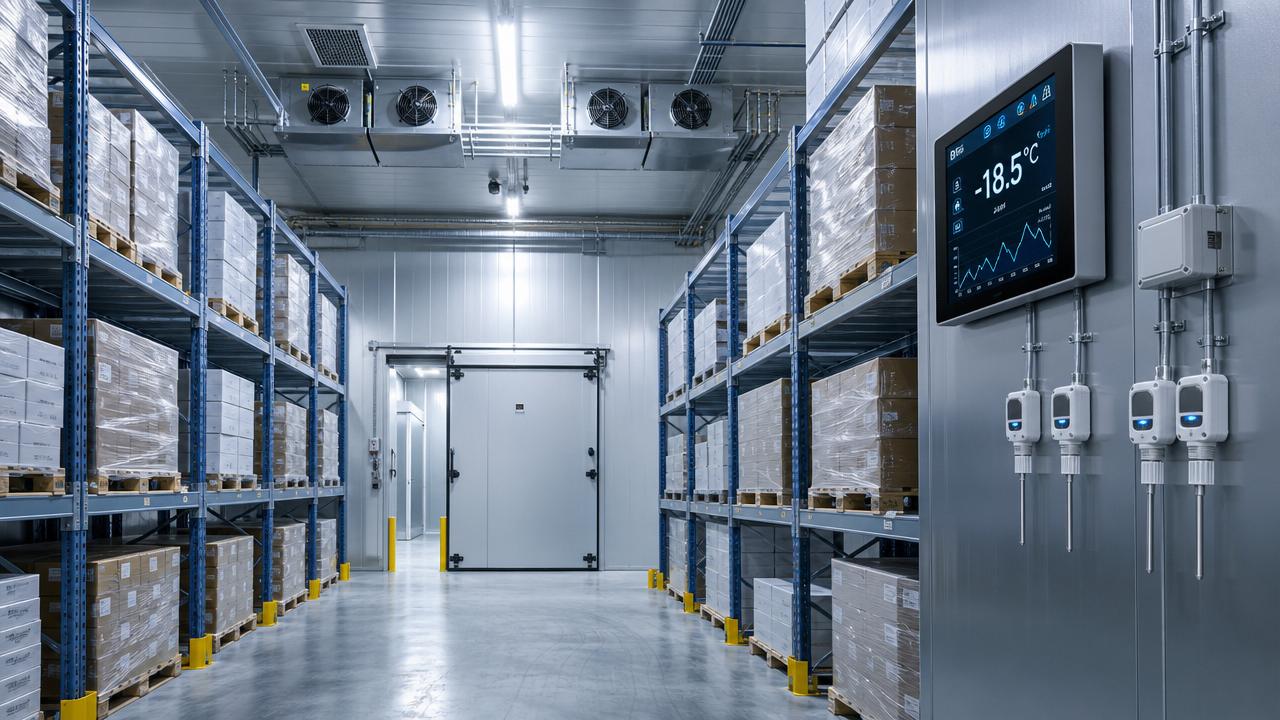
Processing & Manufacturing Enterprises: Manufacturers of walk-in cold rooms, blast freezers, and refrigerated transport units must revise PLC firmware logic to support real-time energy KPI calculation and secure Modbus-TCP data export. Legacy control systems without audit-ready communication stacks now require retrofitting—not just hardware upgrades—to meet tender specifications.
Supply Chain Service Providers: Third-party logistics operators, certification agencies, and IoT integration partners report surging inquiries for EN 15232-B gap assessments, protocol stack validation, and remote audit interface commissioning. Demand for bilingual (EN/zh) technical documentation support and EU-notified body coordination has risen notably since Q1 2026.
Key Focus Areas & Recommended Actions
Verify EN 15232-B Certification Pathway
Confirm whether existing cold storage products are assessed under EN 15232’s Class B (‘advanced automation with energy optimization’) tier—not just Class A. Engage EU-notified bodies early; self-declaration is insufficient for shortlist eligibility.
Integrate Secure Modbus-TCP Audit Interface
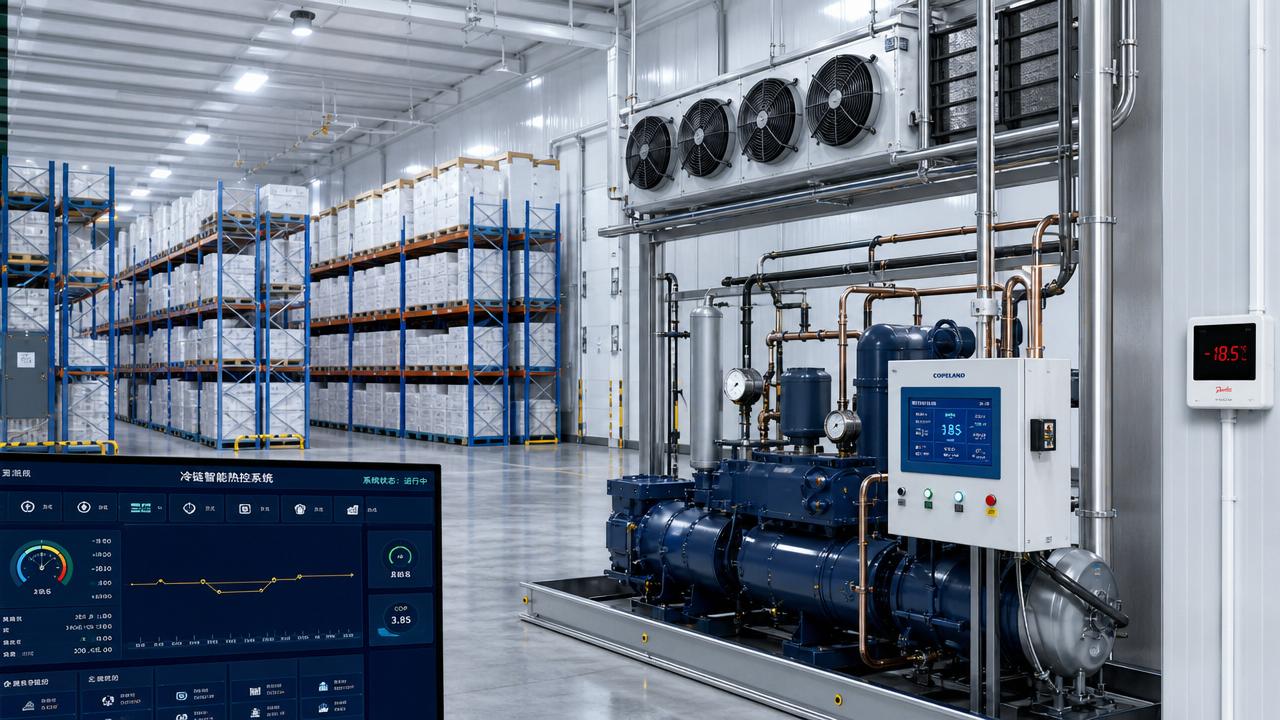
Ensure field controllers expose standardized energy metrics (e.g., COP, kWh/h per zone, compressor runtime ratio) via authenticated Modbus-TCP endpoints. Avoid proprietary protocols—even if functionally equivalent—as EU auditors require interoperable, vendor-agnostic data access.
Update PLC Logic for Real-Time Energy KPIs
Reconfigure control algorithms to compute and log energy-related parameters continuously—not only during commissioning. Historical energy data logging (minimum 30 days) is increasingly requested during pre-qualification audits.
Editorial Perspective / Industry Observation
Observably, this is not merely a certification update but a signal of institutionalized digital accountability in EU agri-logistics procurement. Analysis shows that EN 15232-B adoption correlates strongly with national decarbonization targets under the EU Green Deal—and the IoT audit clause serves as an enforcement lever, transforming energy efficiency from a static specification into an ongoing, verifiable service. From an industry perspective, the trend favors vertically integrated manufacturers with embedded software capabilities over pure hardware vendors. Current more critical than compliance alone is the ability to demonstrate continuous, auditable energy intelligence—not just peak efficiency at nominal load.
Conclusion
This development underscores a broader transition: cold chain infrastructure is evolving from passive storage assets into networked, data-governed nodes within EU sustainability reporting frameworks. For exporters, meeting the threshold is necessary—but building scalable, upgradable energy intelligence architecture is what will determine long-term competitiveness beyond 2026.
Source Attribution
Fruit Attraction Madrid Official Press Release (May 23, 2026); EN 15232:2012+A1:2015 ‘Energy performance of buildings — Impact of Building Automation, Controls and Building Management’; European Commission Tender Notice EAS-2026-COLD-07. Note: Implementation timelines for full audit interface enforcement across all EU member states remain subject to national transposition schedules—ongoing monitoring recommended.
Related News
- MPA Opens Fast-Track Cold Chain Inspections in SingaporeAuthor :Cryogenic Systems Expert

- GCC Cold Storage Imports Face GCC-CLIMAT 2026 RuleAuthor :Cryogenic Systems Expert

- Industrial Refrigeration Equipment Evaporator Selection: Capacity, Frost, and Energy TradeoffsAuthor :Cryogenic Systems Expert

- Industrial Refrigeration Equipment: Cost Factors to CompareAuthor :Cryogenic Systems Expert

- Manzhouli Rail Hub Sets Weekly Reefer RecordAuthor :Cryogenic Systems Expert

- Manzhouli Rail Cold-Chain Volume Hits Weekly HighAuthor :Cryogenic Systems Expert

- High-Precision Temperature Control for Stable Cold StorageAuthor :Cryogenic Systems Expert
![]()
- High-Precision Temperature Control in Cold StorageAuthor :Cryogenic Systems Expert

- Japan's METI Mandates AI Energy Models for Cold StorageAuthor :Cryogenic Systems Expert
![]()
- Fruit Attraction Madrid 2026 Booths 91% Booked; Smart Cold Storage Now EU Entry GateAuthor :Cryogenic Systems Expert

- Fruit Attraction Madrid: 90% Booths Booked; Smart Cold Storage Now EU Entry GateAuthor :Cryogenic Systems Expert
![]()
- How Global Energy Costs Are Changing Cold Storage PlanningAuthor :Cryogenic Systems Expert

- High-Precision Temperature Control in Cold StorageAuthor :Cryogenic Systems Expert

- Hema's Discount Brand 'Chao He Suan NB' Expands to Southeast AsiaAuthor :Cryogenic Systems Expert

- State Council Approves Urban Renewal '15th Five-Year' Plan, Boosting Cold Storage Retrofit DemandAuthor :Cryogenic Systems Expert

- Colombia Upholds Anti-Dumping Duties on Chinese Acrylic SheetsAuthor :Cryogenic Systems Expert

- PSA Launches Express Lane for Industrial Thermal EquipmentAuthor :Cryogenic Systems Expert

- Smart Thermal Systems for Cold Storage: Control Gains That Cut Energy WasteAuthor :Cryogenic Systems Expert

- PSA Launches Express Lane for Temperature-Critical CargoAuthor :Cryogenic Systems Expert

- Pure Power Sources: What Matters Most for Cold Storage ReliabilityAuthor :Cryogenic Systems Expert

- Brazil Grants Unilateral Visa-Free Access to Chinese CitizensAuthor :Cryogenic Systems Expert

- India BIS Proposes Mandatory Low-GWP Verification for R449A in Cold StorageAuthor :Cryogenic Systems Expert

- US BIS Adds 3 Cold Storage Controller Makers to Entity ListAuthor :Cryogenic Systems Expert

- High-Precision Temperature Control in Cold Storage OperationsAuthor :Cryogenic Systems Expert

- India BIS Proposes Mandatory Low-GWP Verification for R449A in Cold StorageAuthor :Cryogenic Systems Expert

- US BIS Adds 3 Chinese Cold Storage Controller Makers to Entity ListAuthor :Cryogenic Systems Expert

- China Expands HCFCs Phase-Out Verification for Cold Storage ExportsAuthor :Cryogenic Systems Expert

- Smart Thermal Systems for Cold Storage: What Delivers PaybackAuthor :Cryogenic Systems Expert

- China Expands HCFCs Phase-Out Checks to 127 Chiller PlantsAuthor :Cryogenic Systems Expert

- Shanghai Port Reefer FEU Rates Surge Past $12,800 Amid Red Sea DiversionAuthor :Cryogenic Systems Expert

- Red Sea Crisis Pushes Shanghai-Rotterdam Reefer Freight to $12,520/FEUAuthor :Cryogenic Systems Expert
![]()
- What Intellectualization Means for Smarter Cold Storage OperationsAuthor :Cryogenic Systems Expert