



PSA Launches Express Lane for Temperature-Critical Cargo




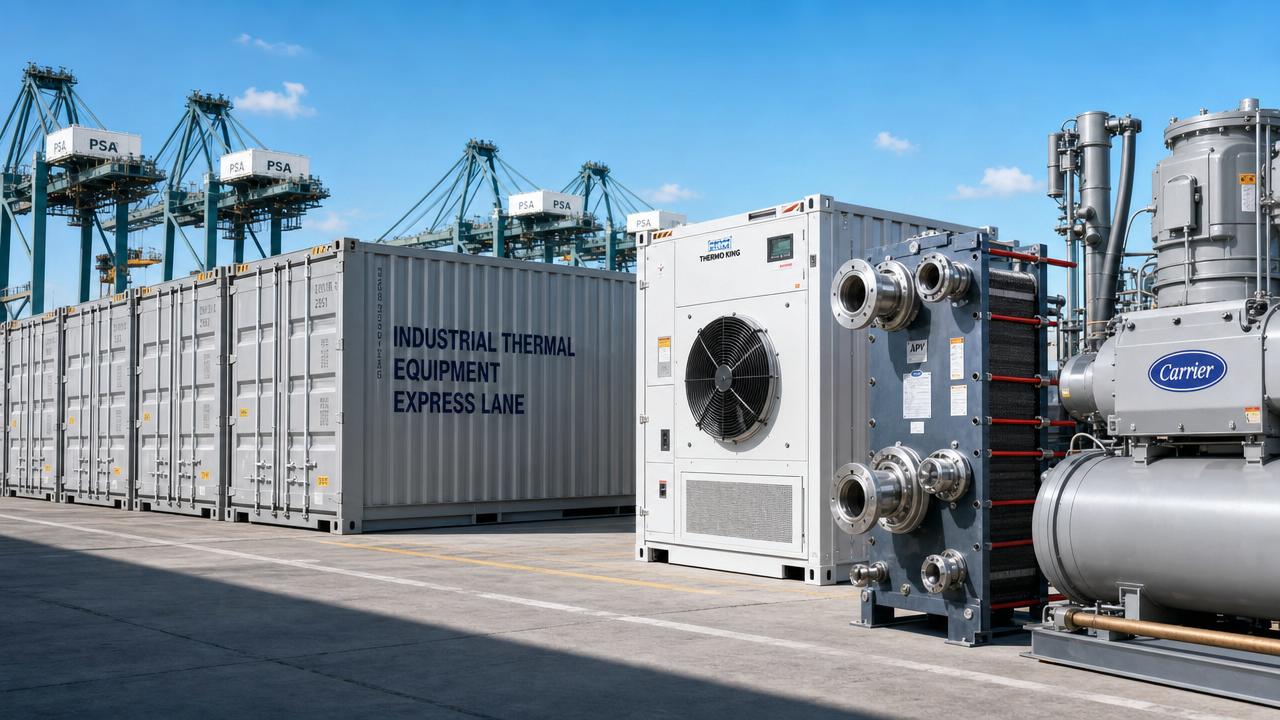
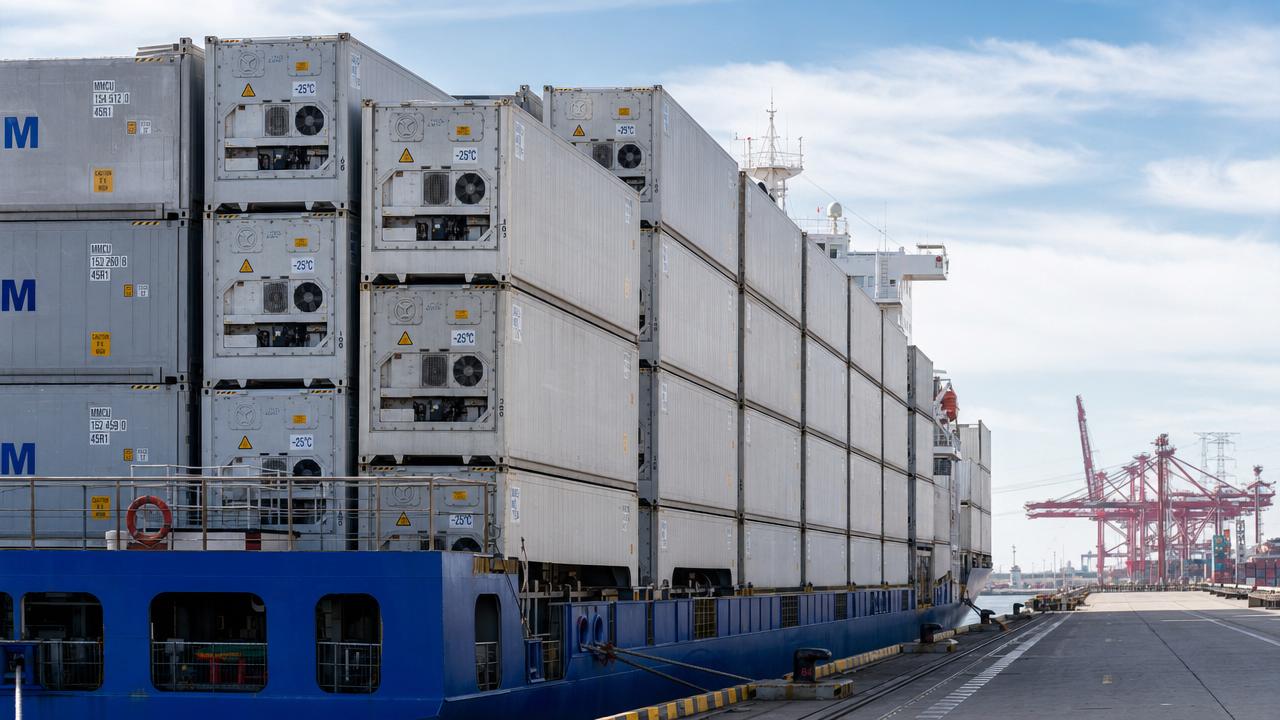
Singapore’s Port of Singapore Authority (PSA) activated the ‘Temperature-Critical Cargo Express Lane’ at Pasir Panjang Terminal on 17 May 2026. This dedicated inspection channel serves Cold Storage units, industrial refrigerated containers, and modular temperature-controlled units — directly impacting cold-chain logistics, food & beverage exporters, pharmaceutical shippers, and equipment manufacturers operating between China and Singapore.
Event Overview
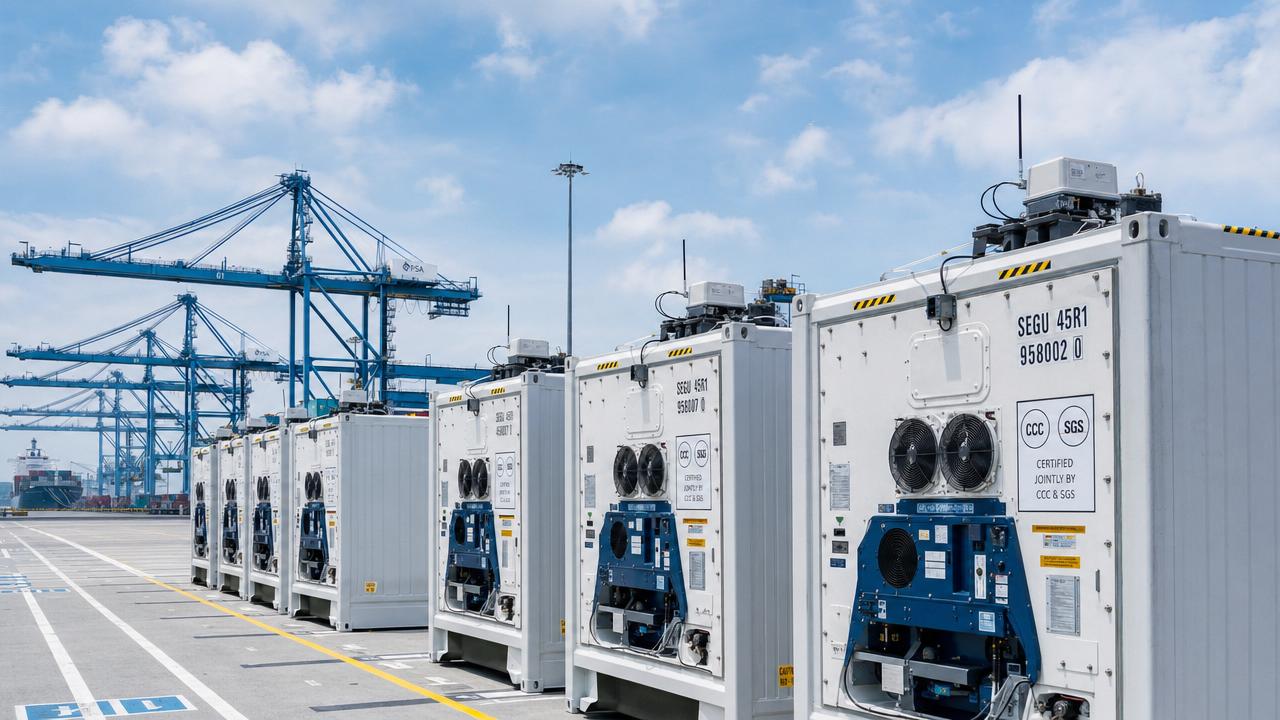
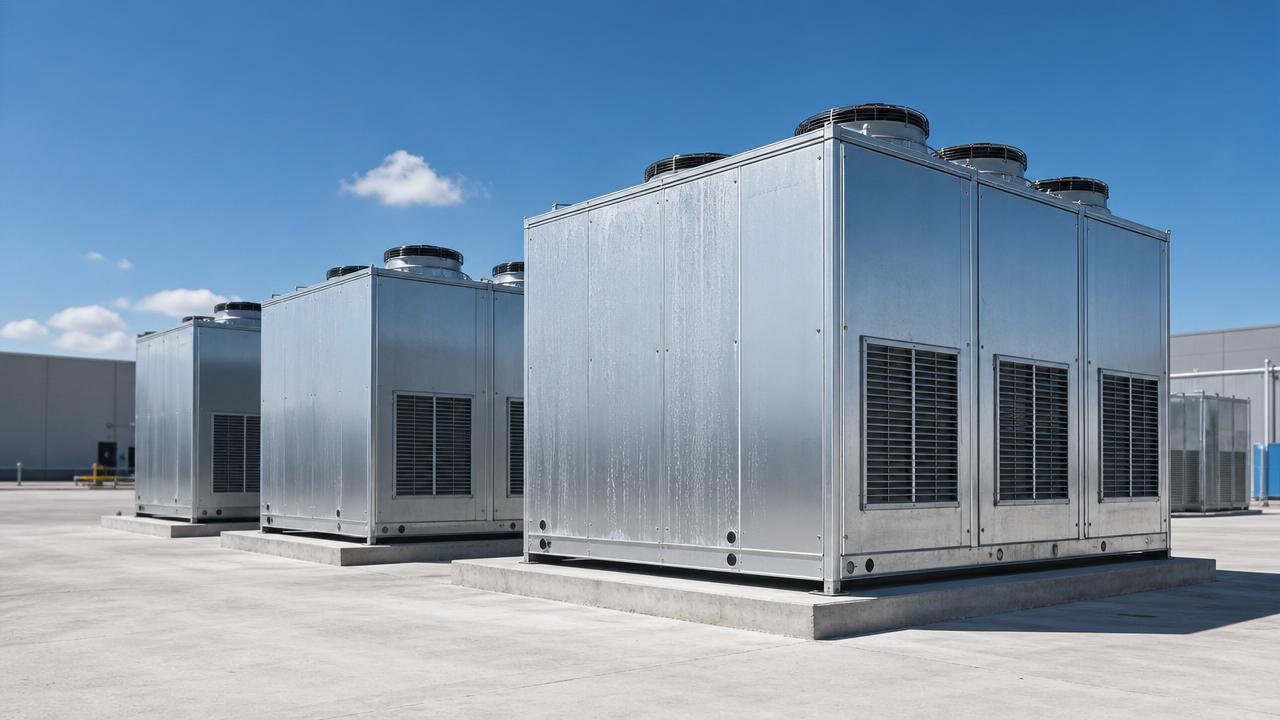
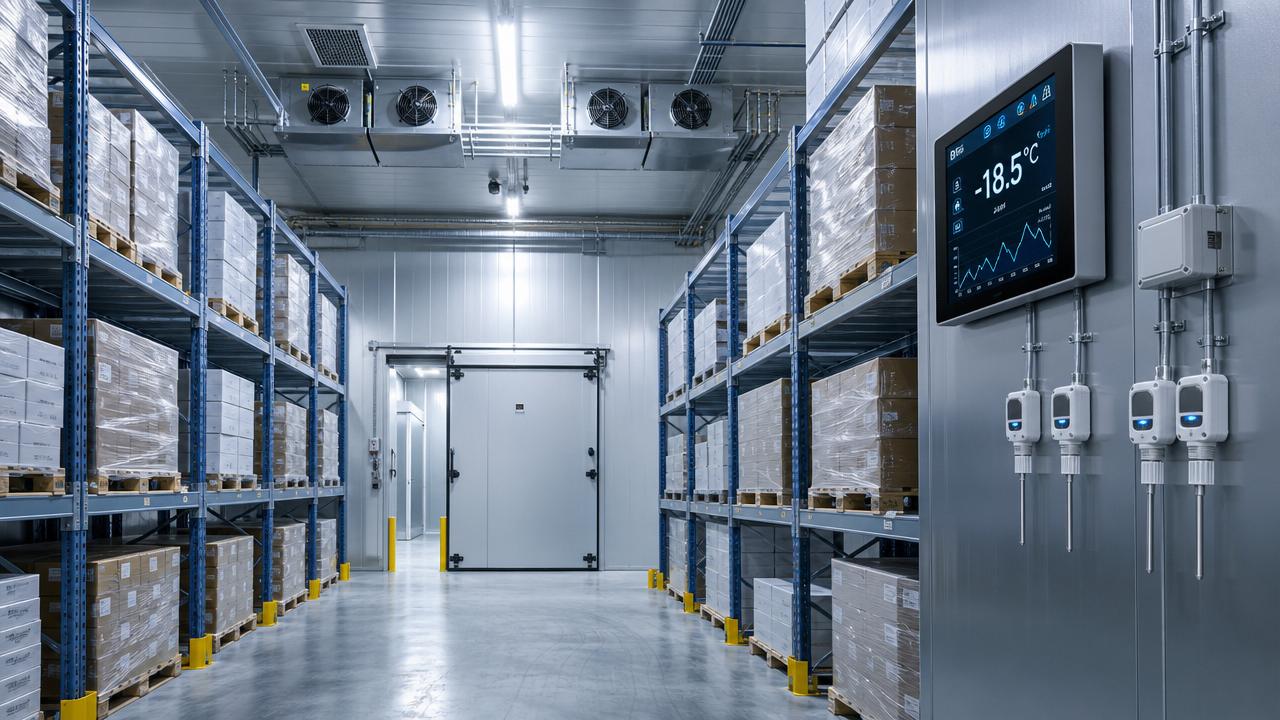
Effective 17 May 2026, PSA introduced the ‘Temperature-Critical Cargo Express Lane’ at Pasir Panjang Terminal. The lane is reserved exclusively for Cold Storage机组 (Cold Storage units), industrial refrigerated containers, and temperature-controlled modular units. Eligible cargo must undergo pre-inspection by a joint China CCC and SGS verification process and include blockchain-verified temperature logs. As confirmed, average on-site inspection time has decreased from 22 hours to ≤6.5 hours. Within the first week, over 1,200 TEUs of Chinese export containers were processed via this lane.
Industries Affected
Direct Exporters (e.g., Chinese Cold-Chain Equipment Manufacturers)
These enterprises supply Cold Storage units and industrial refrigerated containers to global markets. The Express Lane reduces port dwell time for their finished goods — improving delivery predictability and reducing demurrage exposure. Impact manifests in faster asset turnover, lower port-related cost accruals, and enhanced responsiveness to time-bound tenders or project deployments.
Frozen Food & Pharmaceutical Shippers
Shippers relying on temperature-sensitive transport — especially those using leased or owned refrigerated containers — benefit indirectly through improved container availability and faster turnaround at PSA. Reduced inspection delays lower the risk of temperature excursions during port handling, supporting compliance with HACCP, GDP, or other regulatory frameworks governing perishable or controlled substances.
Logistics Service Providers & NVOCCs
Third-party logistics providers and non-vessel operating common carriers managing China–Singapore cold-chain lanes face revised operational benchmarks. With verified pre-clearance now enabling sub-7-hour inspections, service-level agreements (SLAs) around documentation accuracy, pre-declaration completeness, and temperature log integrity gain heightened importance. Failure to meet lane eligibility criteria may result in reversion to standard inspection queues — negating time savings.
Equipment Leasing & Asset Management Firms
Firms leasing refrigerated containers or modular cooling units must ensure deployed assets comply with CCC+SGS pre-inspection protocols and support blockchain-integrated temperature logging. Non-compliant units cannot access the Express Lane — potentially lowering utilization rates and increasing idle time costs at terminal gates.
What Stakeholders Should Monitor & Do Now
Track official rollout scope and eligibility updates
PSA has not yet published full technical specifications for blockchain log format, acceptable sensor standards, or expansion plans beyond Pasir Panjang Terminal. Stakeholders should monitor PSA’s official advisories and Singapore Customs circulars for formalized requirements — particularly regarding data interoperability and audit trails.
Validate pre-inspection readiness for priority shipments
Exporters and logistics providers should confirm whether their current CCC certification scope and SGS engagement cover the exact unit types and temperature monitoring configurations required. Pilot submissions ahead of high-volume shipments are advisable to identify documentation or system gaps before operational scaling.
Distinguish policy intent from current operational coverage
The Express Lane applies only to units pre-cleared under the joint CCC+SGS framework and carrying verifiable blockchain temperature logs. It does not replace general customs clearance or sanitary/phytosanitary checks. Companies should avoid conflating expedited inspection with broader regulatory simplification — all other import requirements remain unchanged.
Align internal systems with temperature data traceability standards
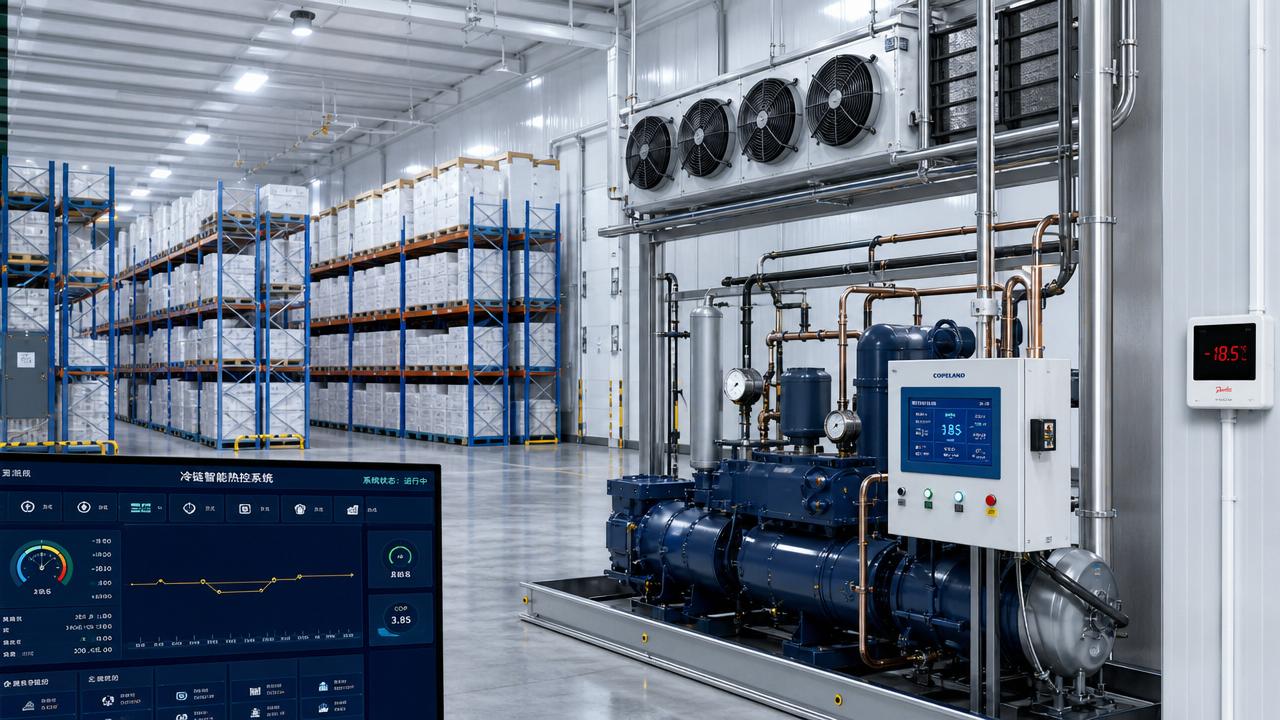
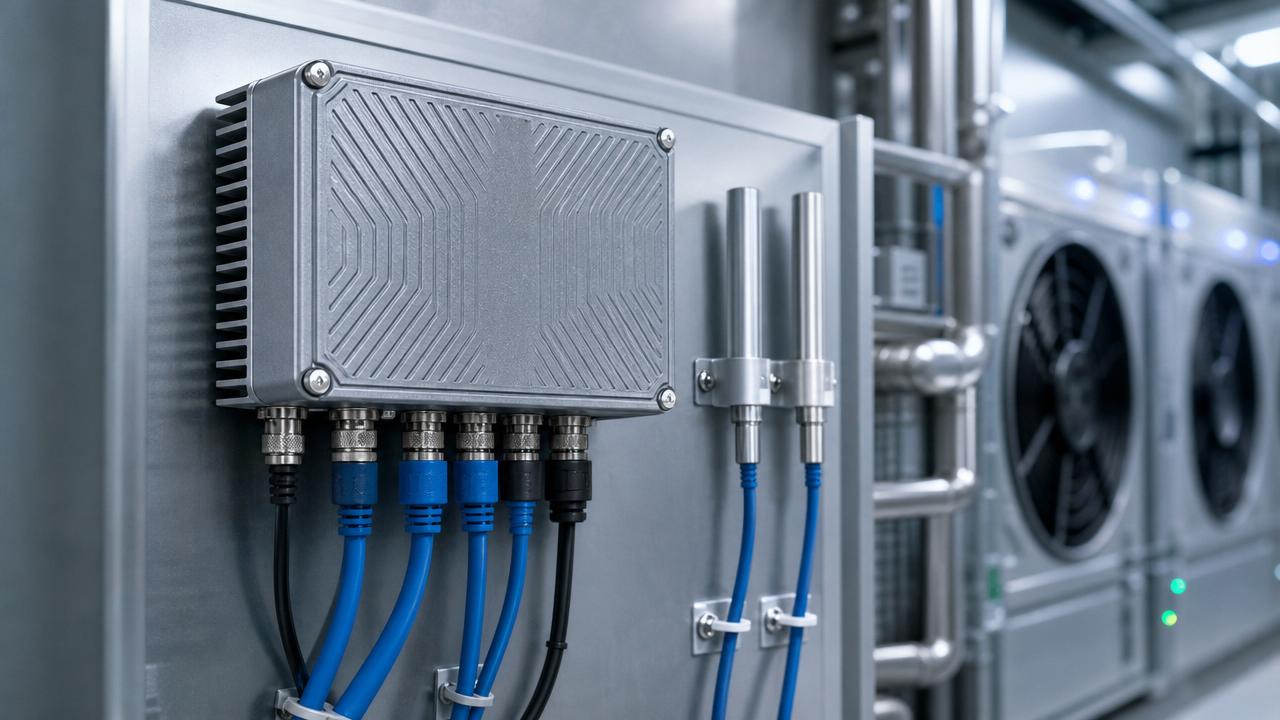
Organizations should assess whether existing telematics or monitoring platforms generate tamper-evident, timestamped, and cryptographically signed temperature logs compatible with PSA’s blockchain infrastructure. Where gaps exist, incremental integration — rather than full platform replacement — may suffice for near-term lane access.
Editorial Observation / Industry Perspective
Observably, this initiative functions primarily as an operational efficiency upgrade rather than a regulatory reform. It leverages existing certification bodies (CCC, SGS) and emerging infrastructure (blockchain logging) to compress a known bottleneck — physical inspection latency — without altering underlying compliance obligations. Analysis shows it reflects PSA’s targeted response to rising demand for predictable cold-chain handovers, especially from Asian manufacturing hubs. It is not yet a precedent for wider ASEAN port harmonization, nor does it indicate imminent relaxation of temperature validation standards. Rather, it signals growing market differentiation based on verifiable data integrity — where transparency becomes a throughput enabler.
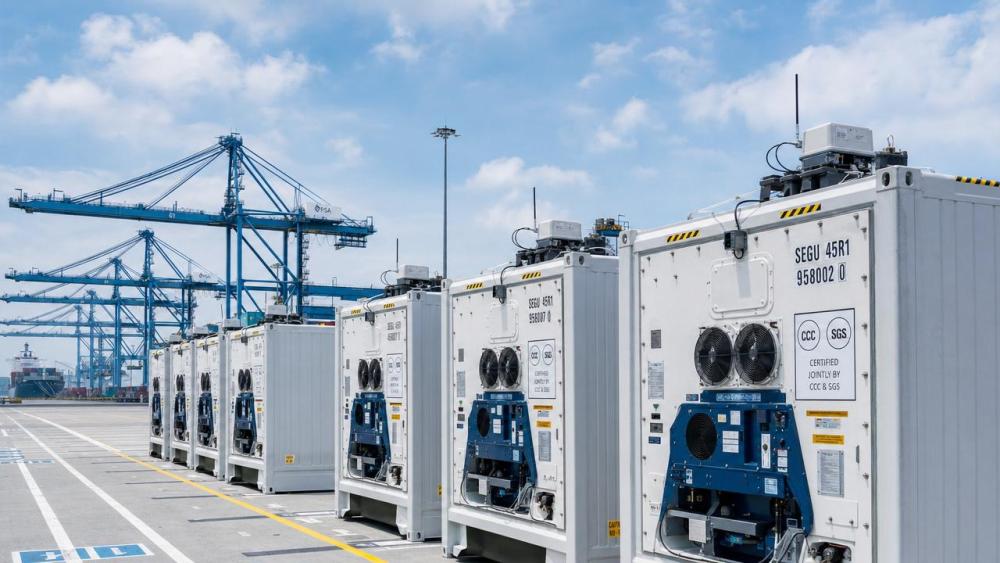
In summary, PSA’s Express Lane marks a concrete step toward data-driven port efficiency for temperature-sensitive cargo — but its value is conditional on upstream verification readiness. It does not reduce compliance burden; instead, it rewards rigorous pre-verification with time savings. For industry participants, this is less a disruption and more a calibration point: verifying that temperature assurance is no longer just a compliance checkpoint, but an integrated, auditable, and operationally valuable component of end-to-end logistics planning.
Source: Official announcement by PSA International (date: 17 May 2026); confirmed throughput figures and timeline reported in PSA operational bulletin, Week of 17–23 May 2026.
Note: Expansion to other terminals (e.g., Tuas), applicability to non-Chinese origin cargo, and long-term maintenance of the blockchain verification protocol remain under observation.
Related News
- MPA Opens Fast-Track Cold Chain Inspections in SingaporeAuthor :Cryogenic Systems Expert

- GCC Cold Storage Imports Face GCC-CLIMAT 2026 RuleAuthor :Cryogenic Systems Expert

- Industrial Refrigeration Equipment Evaporator Selection: Capacity, Frost, and Energy TradeoffsAuthor :Cryogenic Systems Expert

- Industrial Refrigeration Equipment: Cost Factors to CompareAuthor :Cryogenic Systems Expert

- Manzhouli Rail Hub Sets Weekly Reefer RecordAuthor :Cryogenic Systems Expert

- Manzhouli Rail Cold-Chain Volume Hits Weekly HighAuthor :Cryogenic Systems Expert

- High-Precision Temperature Control for Stable Cold StorageAuthor :Cryogenic Systems Expert
![]()
- High-Precision Temperature Control in Cold StorageAuthor :Cryogenic Systems Expert

- Japan's METI Mandates AI Energy Models for Cold StorageAuthor :Cryogenic Systems Expert
![]()
- Fruit Attraction Madrid 2026 Booths 91% Booked; Smart Cold Storage Now EU Entry GateAuthor :Cryogenic Systems Expert

- Fruit Attraction Madrid: 90% Booths Booked; Smart Cold Storage Now EU Entry GateAuthor :Cryogenic Systems Expert
![]()
- How Global Energy Costs Are Changing Cold Storage PlanningAuthor :Cryogenic Systems Expert

- High-Precision Temperature Control in Cold StorageAuthor :Cryogenic Systems Expert

- Hema's Discount Brand 'Chao He Suan NB' Expands to Southeast AsiaAuthor :Cryogenic Systems Expert

- State Council Approves Urban Renewal '15th Five-Year' Plan, Boosting Cold Storage Retrofit DemandAuthor :Cryogenic Systems Expert

- Colombia Upholds Anti-Dumping Duties on Chinese Acrylic SheetsAuthor :Cryogenic Systems Expert

- PSA Launches Express Lane for Industrial Thermal EquipmentAuthor :Cryogenic Systems Expert

- Smart Thermal Systems for Cold Storage: Control Gains That Cut Energy WasteAuthor :Cryogenic Systems Expert

- PSA Launches Express Lane for Temperature-Critical CargoAuthor :Cryogenic Systems Expert

- Pure Power Sources: What Matters Most for Cold Storage ReliabilityAuthor :Cryogenic Systems Expert

- Brazil Grants Unilateral Visa-Free Access to Chinese CitizensAuthor :Cryogenic Systems Expert

- India BIS Proposes Mandatory Low-GWP Verification for R449A in Cold StorageAuthor :Cryogenic Systems Expert

- US BIS Adds 3 Cold Storage Controller Makers to Entity ListAuthor :Cryogenic Systems Expert

- High-Precision Temperature Control in Cold Storage OperationsAuthor :Cryogenic Systems Expert

- India BIS Proposes Mandatory Low-GWP Verification for R449A in Cold StorageAuthor :Cryogenic Systems Expert

- US BIS Adds 3 Chinese Cold Storage Controller Makers to Entity ListAuthor :Cryogenic Systems Expert

- China Expands HCFCs Phase-Out Verification for Cold Storage ExportsAuthor :Cryogenic Systems Expert

- Smart Thermal Systems for Cold Storage: What Delivers PaybackAuthor :Cryogenic Systems Expert

- China Expands HCFCs Phase-Out Checks to 127 Chiller PlantsAuthor :Cryogenic Systems Expert

- Shanghai Port Reefer FEU Rates Surge Past $12,800 Amid Red Sea DiversionAuthor :Cryogenic Systems Expert

- Red Sea Crisis Pushes Shanghai-Rotterdam Reefer Freight to $12,520/FEUAuthor :Cryogenic Systems Expert
![]()
- What Intellectualization Means for Smarter Cold Storage OperationsAuthor :Cryogenic Systems Expert