



China Expands HCFCs Phase-Out Verification for Cold Storage Exports




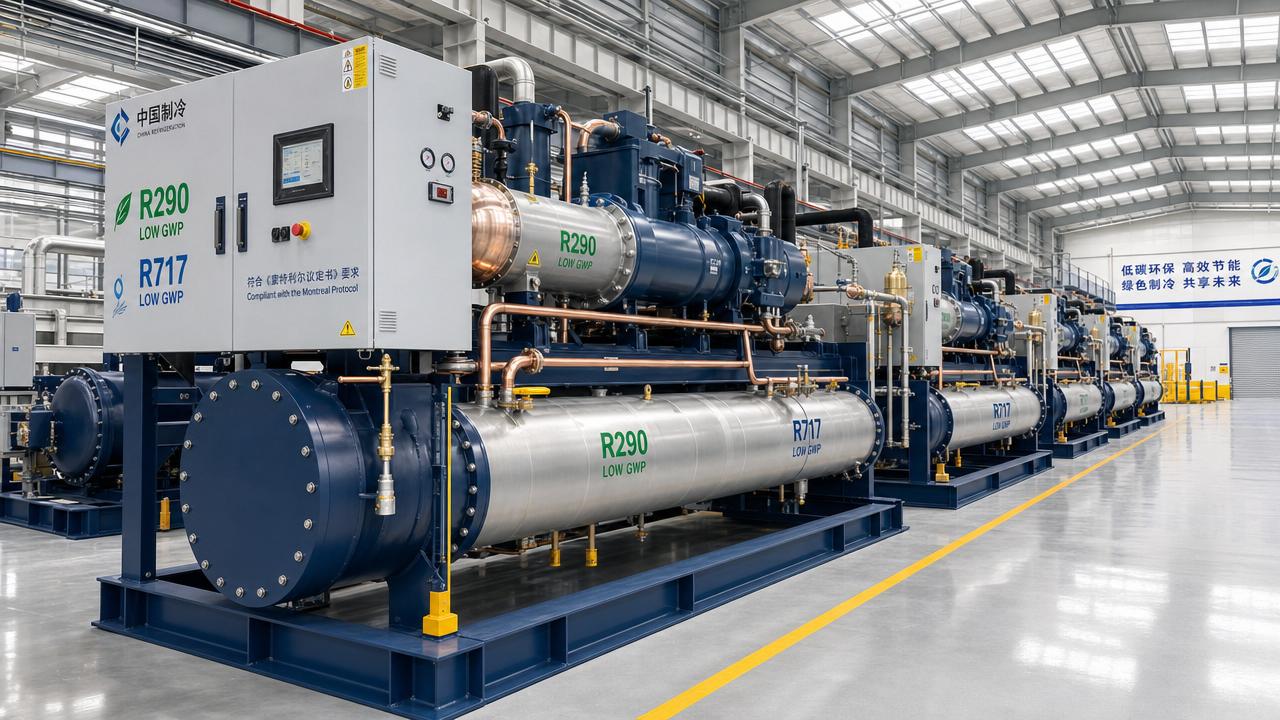
China’s Ministry of Ecology and Environment (MEE) has broadened its verification regime for hydrochlorofluorocarbon (HCFC) phase-out, effective 1 June 2026 — a move directly impacting global cold chain infrastructure exports. The policy shift reflects China’s accelerated alignment with the Montreal Protocol’s HCFC phase-out schedule and signals tightening environmental compliance requirements for refrigeration-intensive industrial equipment.
Event Overview
On 12 May, the MEE announced that HCFCs elimination verification coverage will expand from the original 127 chiller manufacturers to all industrial-grade cold storage system integrators. Starting 1 June 2026, export declarations for cold storage projects containing HCFC-22 or HCFC-141b refrigerants must be accompanied by a provincial-level Environmental Science Research Institute–stamped ‘Alternative Technology White Paper’. This document must specify: (i) the alternative refrigerant type; (ii) quantified leakage rate control measures; and (iii) end-of-life refrigerant recovery and disposal pathways.
Industries Affected
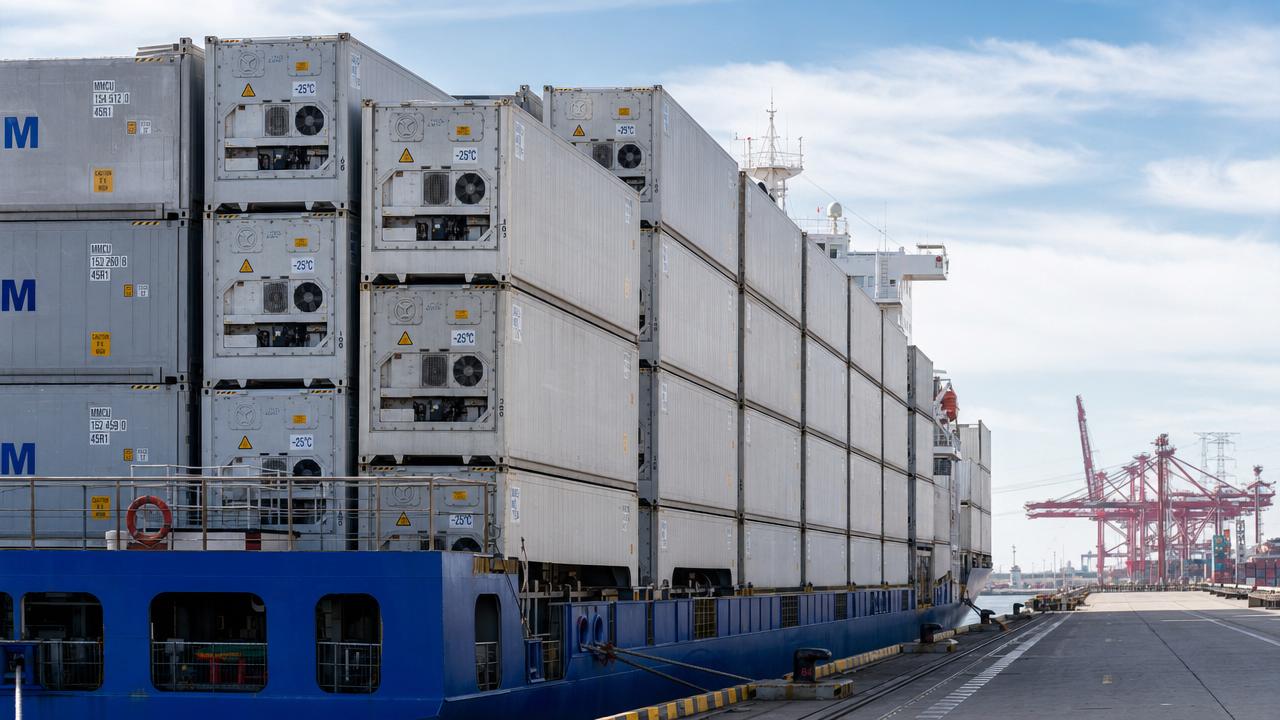
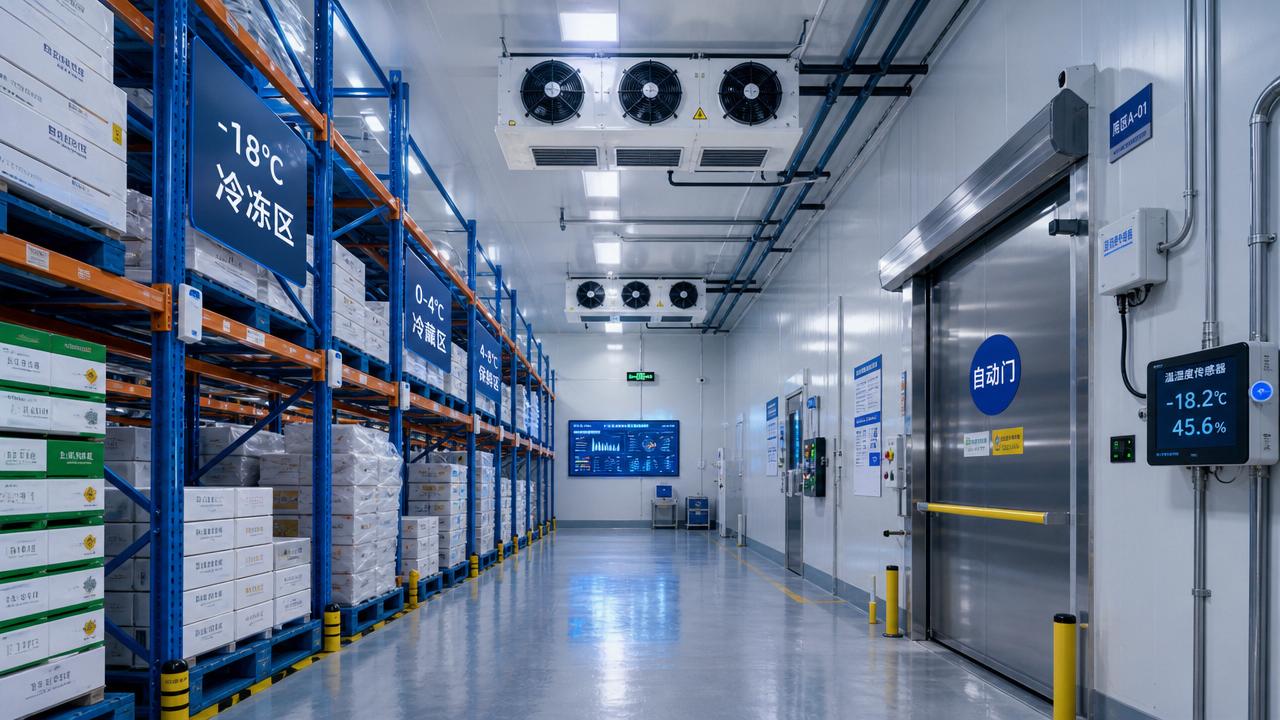
Direct Exporters (Trade Enterprises): Entities exporting turnkey cold storage systems — especially those serving food logistics, pharmaceutical distribution, or agricultural processing clients abroad — now face new pre-shipment administrative burdens. Compliance delays may affect delivery timelines, while non-submission risks customs rejection or post-clearance audits in destination markets with strict environmental import controls (e.g., EU, Canada).
Raw Material Procurement Firms: Suppliers sourcing refrigerants, seals, lubricants, or insulation materials compatible with legacy HCFC systems will see demand erosion. Their procurement planning must now account for shifting technical specifications — e.g., compatibility with low-GWP alternatives like R-513A, R-1234ze, or natural refrigerants (ammonia, CO₂), which require different material tolerances and safety certifications.
Equipment Manufacturers & System Integrators: Industrial cold storage OEMs and integrators must revise engineering workflows to embed refrigerant lifecycle documentation into design and commissioning phases. This includes updating BOMs, training field engineers on leak detection protocols, and integrating third-party verification steps before final handover — adding time and cost to project execution cycles.
Supply Chain Service Providers: Customs brokers, certification bodies, and environmental consultancy firms supporting exporters will need to scale capacity for white paper review, provincial institute coordination, and cross-border regulatory interpretation. Demand is rising for bilingual (CN/EN) technical reviewers familiar with both MEE guidelines and ISO 50001 or EN 378 standards.
Key Focus Areas and Response Measures
Verify eligibility of current refrigerant inventory
Exporters must audit existing stock and active contracts for HCFC-22/141b–based systems. Projects scheduled for shipment after 1 June 2026 but already designed around legacy refrigerants require immediate technical reassessment — not merely paperwork retrofitting.
Engage provincial environmental research institutes early
The white paper requires official stamping by provincial-level institutes — a process with variable lead times across regions. Firms should initiate dialogue no later than Q3 2025 to secure slots, align technical narratives, and avoid last-minute bottlenecks.
Update contractual terms with overseas buyers
Contracts signed before 2026 must now include clauses specifying responsibility for white paper preparation, refrigerant substitution costs, and liability for compliance failure — particularly where buyers assume ‘as-is’ equipment delivery without verifying environmental documentation.
Editorial Perspective / Industry Observation
Observably, this policy extension marks less a sudden regulatory shock and more a structural calibration: the MEE is shifting from facility-level oversight (chiller factories) to full value-chain accountability (system integrators). Analysis shows the white paper requirement functions as both a compliance gate and a de facto technology upgrade catalyst — it forces integrators to articulate, justify, and document their refrigerant transition strategy rather than rely on supplier declarations alone. From an industry perspective, the emphasis on leakage control and recovery pathways suggests growing scrutiny of operational emissions — not just manufacturing-phase compliance. Current more critical attention is warranted on how provincial institutes interpret ‘quantified leakage rate’ thresholds, as inconsistent application could create regional disparities in approval rigor.
Conclusion
This expansion underscores that environmental regulation in China’s refrigeration sector is evolving from product-level restrictions toward integrated lifecycle governance. For global supply chains, it reinforces the strategic imperative to treat refrigerant selection not as a technical footnote, but as a core component of export readiness — one requiring coordinated engineering, procurement, legal, and regulatory engagement well ahead of shipment deadlines.
Source Attribution
Official notice issued by the Ministry of Ecology and Environment of the People’s Republic of China, 12 May 2025 (Document No. MEE-2025-XX, pending public release). Guidance referenced in MEE’s 2024–2026 National HCFC Phase-Out Management Plan (Annex III, Section 4.2). Pending clarification: standard template for the ‘Alternative Technology White Paper’, inter-provincial recognition of institute stamps, and applicability to re-exports or refurbished units. These items remain under observation.
Related News
- How to Size a Blast Freezer for Industrial Refrigeration Capacity and Pull-Down TimeAuthor :Cryogenic Systems Expert

- MPA Opens Fast-Track Cold Chain Inspections in SingaporeAuthor :Cryogenic Systems Expert

- GCC Cold Storage Imports Face GCC-CLIMAT 2026 RuleAuthor :Cryogenic Systems Expert

- Industrial Refrigeration Equipment Evaporator Selection: Capacity, Frost, and Energy TradeoffsAuthor :Cryogenic Systems Expert

- Industrial Refrigeration Equipment: Cost Factors to CompareAuthor :Cryogenic Systems Expert

- Manzhouli Rail Hub Sets Weekly Reefer RecordAuthor :Cryogenic Systems Expert

- Manzhouli Rail Cold-Chain Volume Hits Weekly HighAuthor :Cryogenic Systems Expert

- High-Precision Temperature Control for Stable Cold StorageAuthor :Cryogenic Systems Expert
![]()
- High-Precision Temperature Control in Cold StorageAuthor :Cryogenic Systems Expert

- Japan's METI Mandates AI Energy Models for Cold StorageAuthor :Cryogenic Systems Expert
![]()
- Fruit Attraction Madrid 2026 Booths 91% Booked; Smart Cold Storage Now EU Entry GateAuthor :Cryogenic Systems Expert

- Fruit Attraction Madrid: 90% Booths Booked; Smart Cold Storage Now EU Entry GateAuthor :Cryogenic Systems Expert
![]()
- How Global Energy Costs Are Changing Cold Storage PlanningAuthor :Cryogenic Systems Expert

- High-Precision Temperature Control in Cold StorageAuthor :Cryogenic Systems Expert

- Hema's Discount Brand 'Chao He Suan NB' Expands to Southeast AsiaAuthor :Cryogenic Systems Expert

- State Council Approves Urban Renewal '15th Five-Year' Plan, Boosting Cold Storage Retrofit DemandAuthor :Cryogenic Systems Expert

- Colombia Upholds Anti-Dumping Duties on Chinese Acrylic SheetsAuthor :Cryogenic Systems Expert

- PSA Launches Express Lane for Industrial Thermal EquipmentAuthor :Cryogenic Systems Expert

- Smart Thermal Systems for Cold Storage: Control Gains That Cut Energy WasteAuthor :Cryogenic Systems Expert

- PSA Launches Express Lane for Temperature-Critical CargoAuthor :Cryogenic Systems Expert

- Pure Power Sources: What Matters Most for Cold Storage ReliabilityAuthor :Cryogenic Systems Expert

- Brazil Grants Unilateral Visa-Free Access to Chinese CitizensAuthor :Cryogenic Systems Expert

- India BIS Proposes Mandatory Low-GWP Verification for R449A in Cold StorageAuthor :Cryogenic Systems Expert

- US BIS Adds 3 Cold Storage Controller Makers to Entity ListAuthor :Cryogenic Systems Expert

- High-Precision Temperature Control in Cold Storage OperationsAuthor :Cryogenic Systems Expert

- India BIS Proposes Mandatory Low-GWP Verification for R449A in Cold StorageAuthor :Cryogenic Systems Expert

- US BIS Adds 3 Chinese Cold Storage Controller Makers to Entity ListAuthor :Cryogenic Systems Expert

- China Expands HCFCs Phase-Out Verification for Cold Storage ExportsAuthor :Cryogenic Systems Expert

- Smart Thermal Systems for Cold Storage: What Delivers PaybackAuthor :Cryogenic Systems Expert

- China Expands HCFCs Phase-Out Checks to 127 Chiller PlantsAuthor :Cryogenic Systems Expert

- Shanghai Port Reefer FEU Rates Surge Past $12,800 Amid Red Sea DiversionAuthor :Cryogenic Systems Expert

- Red Sea Crisis Pushes Shanghai-Rotterdam Reefer Freight to $12,520/FEUAuthor :Cryogenic Systems Expert
![]()
- What Intellectualization Means for Smarter Cold Storage OperationsAuthor :Cryogenic Systems Expert