High-Precision Temperature Control in Cold Storage Operations




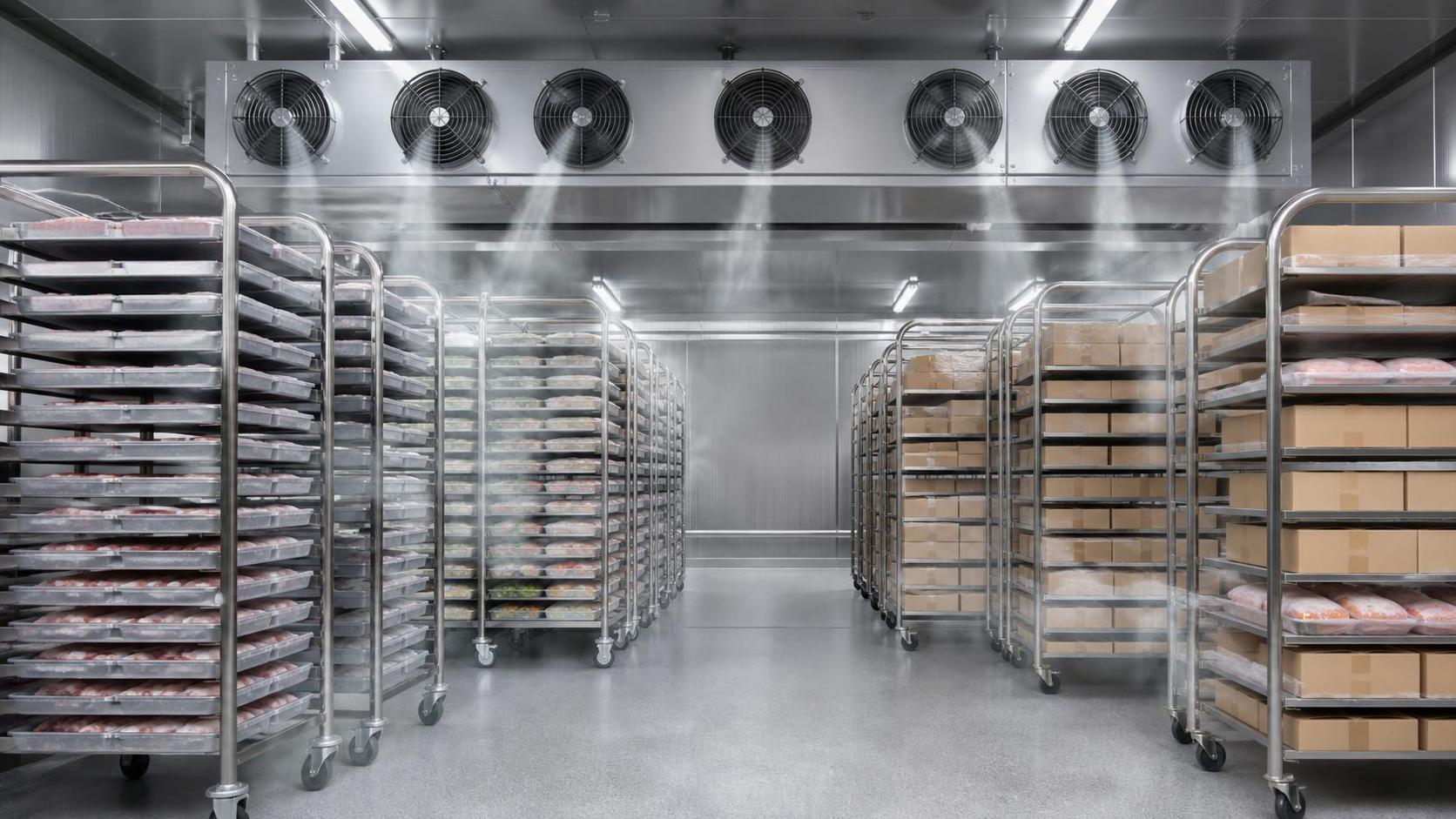
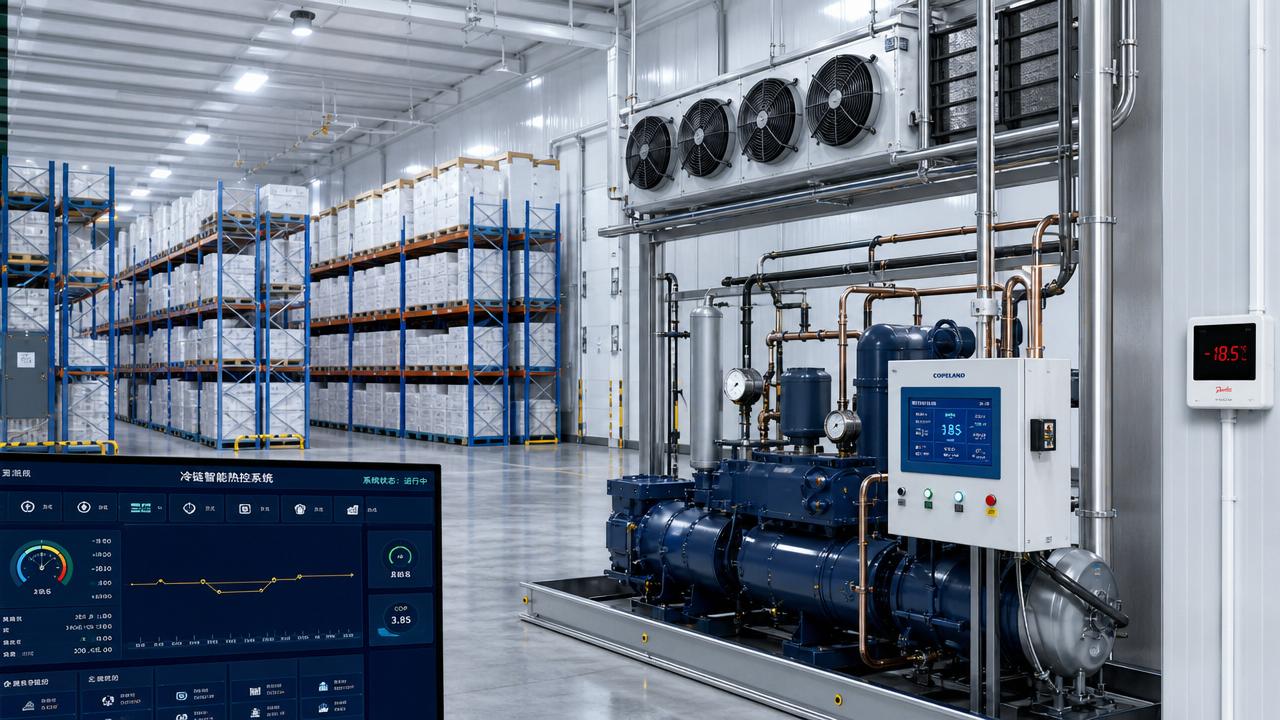
In cold storage operations, high-precision temperature control is essential for protecting product quality, reducing energy waste, and ensuring stable daily performance. For operators, even small temperature shifts can lead to spoilage, compliance risks, and higher operating costs. Understanding how precise control supports efficiency and reliability helps teams improve system management and meet the growing demands of modern industrial refrigeration.
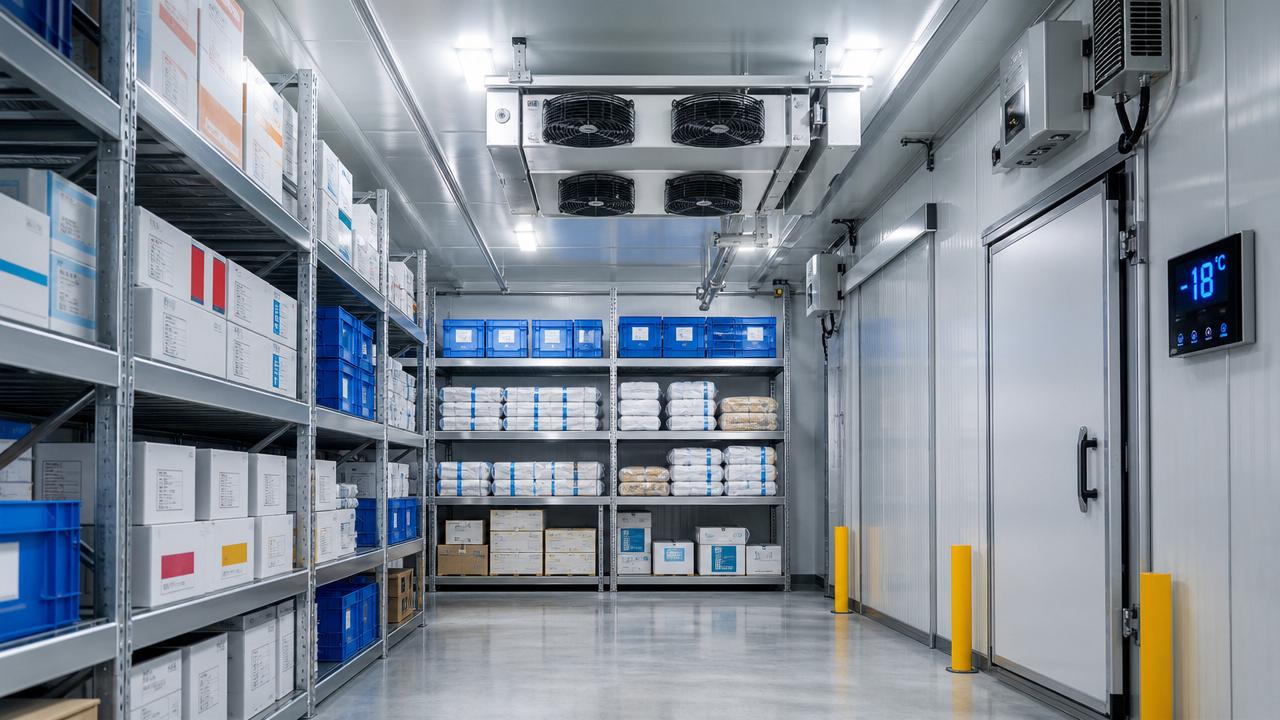
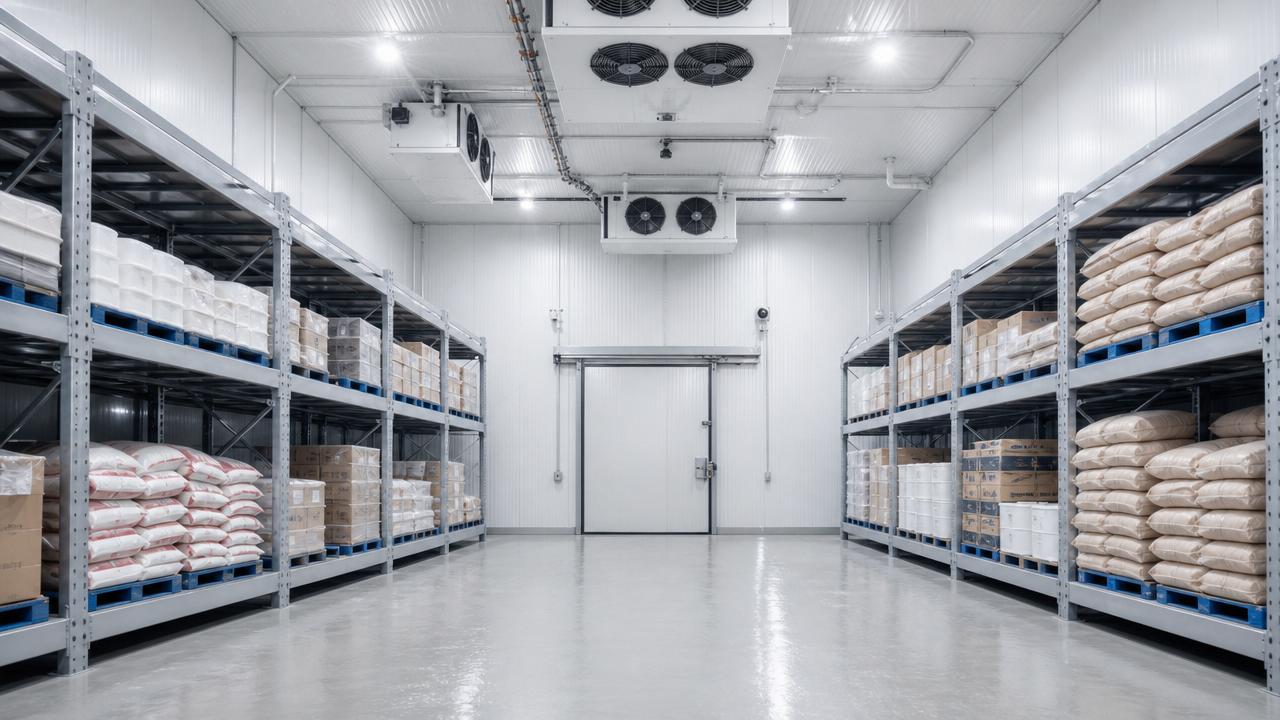
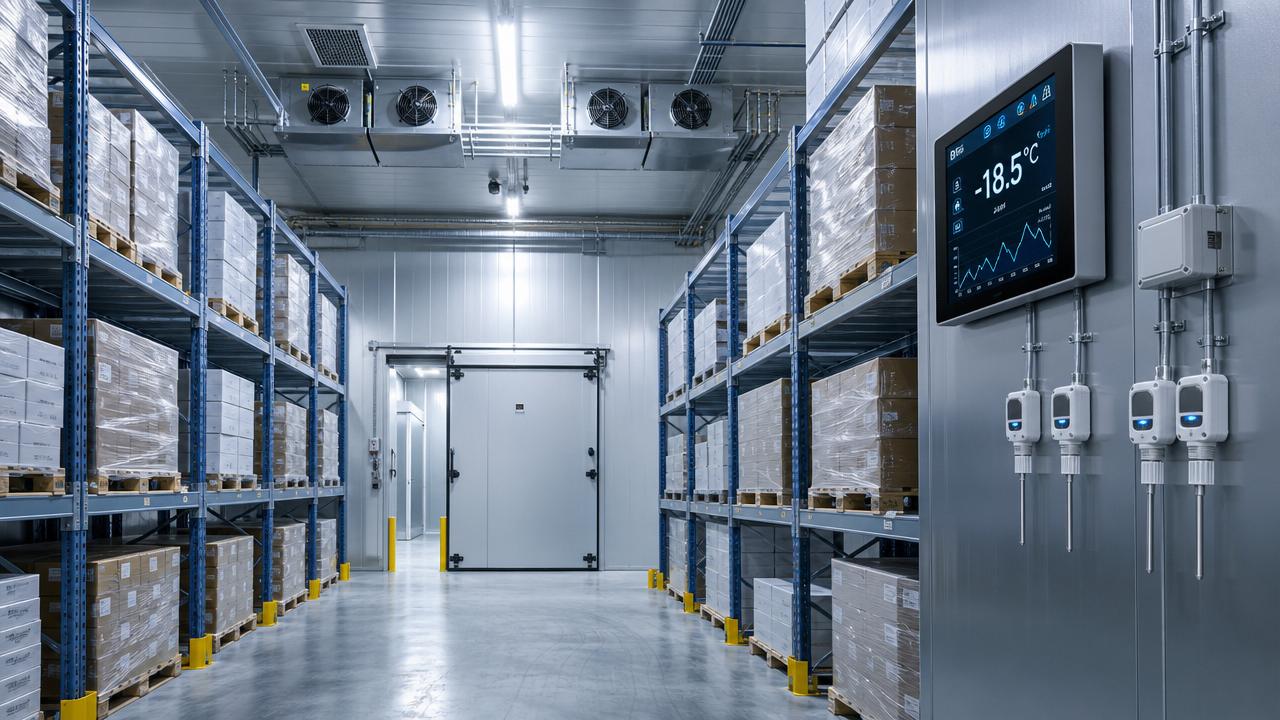
For facilities handling food, pharmaceuticals, chemicals, or temperature-sensitive industrial materials, precision is no longer a premium feature. In many cases, maintaining a stable range such as -25°C to -18°C for frozen storage, or 2°C to 8°C for chilled products, directly affects usable inventory, audit readiness, and equipment life.
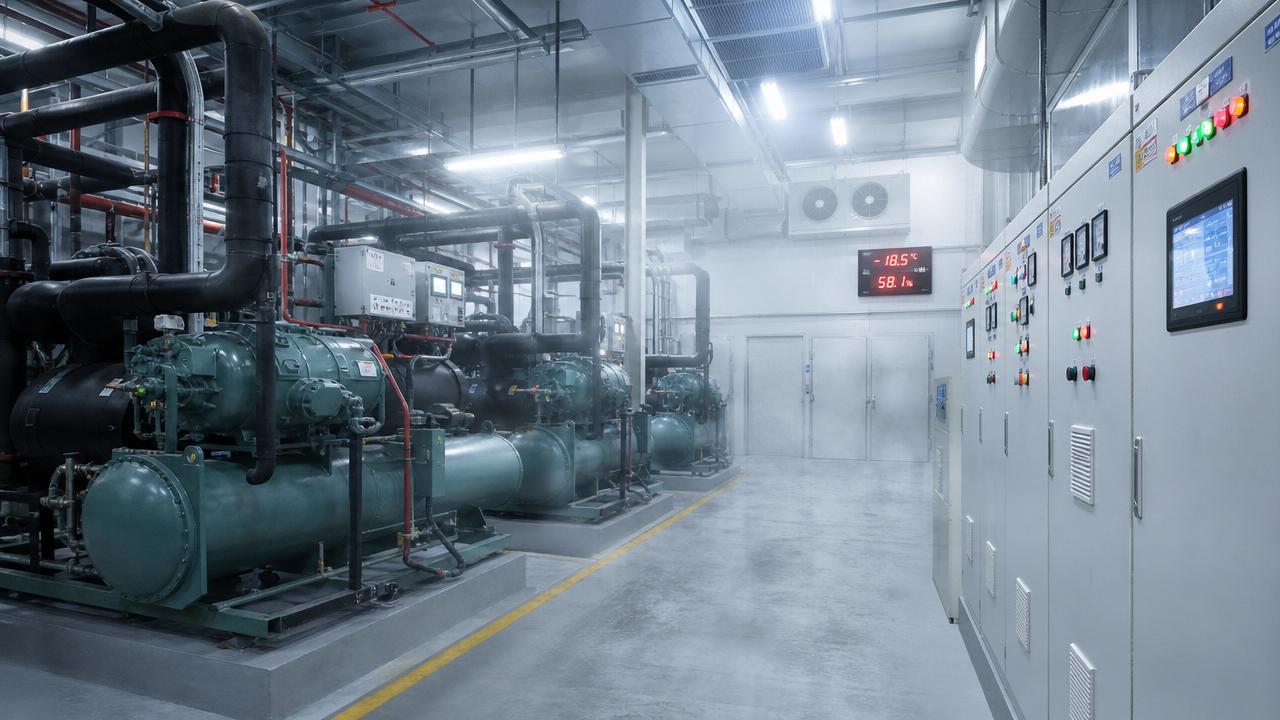
Operators are often the first to notice when a cold room begins to drift, cycle too frequently, or recover too slowly after door openings. That is why high-precision temperature control must be viewed not only as an engineering objective, but also as a daily operating discipline supported by sensors, controls, airflow design, maintenance routines, and practical decision-making.
Why High-Precision Temperature Control Matters in Cold Storage
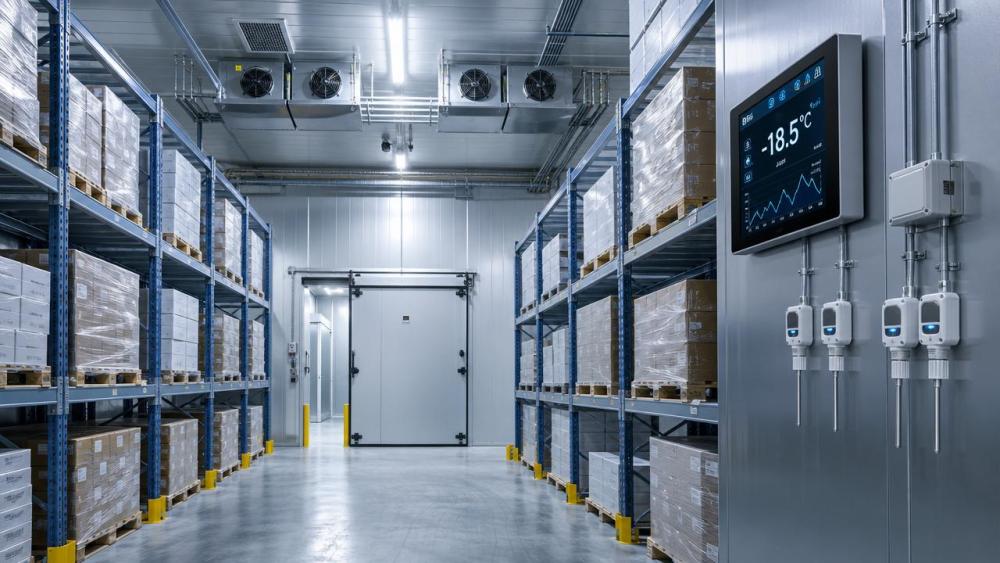
Cold storage performance is shaped by more than the refrigeration unit alone. Temperature stability depends on load variation, product turnover, insulation quality, evaporator behavior, defrost scheduling, and control accuracy. In busy operations, a deviation of just 1°C to 2°C can create measurable changes in product condition, especially in facilities with frequent access cycles.
Product quality, compliance, and loss prevention
In cold chain environments, the acceptable tolerance window is often narrow. Fresh produce may require 0°C to 4°C, dairy commonly stays within 1°C to 5°C, and many pharmaceutical materials need validated storage within ±0.5°C to ±1°C. When the actual room temperature fluctuates beyond the target band, shelf life can shorten and traceability risk increases.
For operators, the operational impact is immediate. A room that repeatedly overshoots the setpoint after each defrost cycle can expose goods to unstable thermal conditions several times per day. Over a 24-hour period, these repeated micro-events may cause frost buildup, dehydration, texture changes, or rejected batches during internal inspection.
Energy efficiency and compressor behavior
High-precision temperature control also reduces unnecessary energy use. When controls are poorly tuned, compressors may short-cycle every 5 to 10 minutes, fans may run inefficiently, and defrost may trigger more often than needed. Stable control logic helps reduce these inefficiencies by matching cooling output to actual load instead of reacting too late or too aggressively.
A well-managed cold room may hold a temperature band within ±0.5°C to ±1.5°C depending on the application. That range is typically more efficient than allowing repeated swings of 3°C or more. Better control does not eliminate energy use, but it can reduce avoidable demand peaks and improve part-load operation across the refrigeration cycle.
Operational reliability from the floor level
From the user and operator perspective, precision creates predictability. Teams can schedule loading, cleaning, stock rotation, and maintenance more confidently when room recovery time is known. If a cold room returns to setpoint within 15 to 25 minutes after a door event instead of 40 minutes, workflow becomes easier to plan and quality risk becomes easier to control.
The table below shows common operational effects linked to different levels of control accuracy in typical cold storage conditions.
The key takeaway is that high-precision temperature control supports three outcomes at once: tighter product protection, smoother equipment operation, and clearer operator response. For facilities under pressure to cut waste and document storage integrity, these gains matter every day rather than only during system upgrades.
Key System Elements That Influence Precision
Achieving precision requires coordination across several components. Even if the refrigeration capacity is sufficient, weak sensor placement, poor airflow distribution, or unsuitable control settings can still lead to uneven temperature zones. Operators should evaluate the full system rather than focusing on a single device.
Sensor accuracy and placement
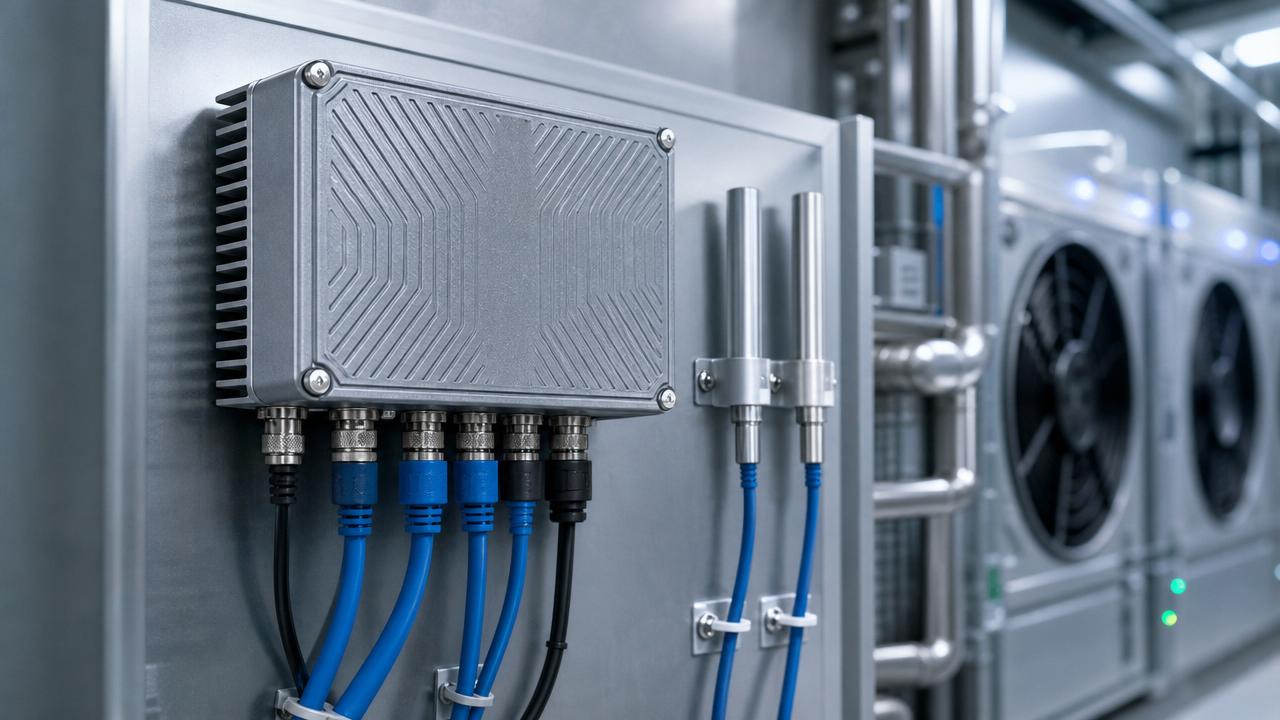
A temperature sensor with an accuracy of ±0.2°C to ±0.5°C is often more useful than one placed in the wrong location. Sensors mounted too close to the evaporator, door opening, or return airflow path may read conditions that do not represent the actual product zone. In larger rooms, 3 to 6 sensing points may be needed to identify stratification and local hot spots.
Good practice for sensor layout
- Place at least 1 sensor in the main product zone, not only near the unit cooler.
- Separate control sensors from alarm verification points where possible.
- Review calibration every 6 to 12 months depending on product sensitivity and audit requirements.
- Use shielded placement if doors, washdown, or direct airflow create false readings.
Airflow management and evaporator performance
Temperature precision is strongly linked to airflow uniformity. If pallets block discharge air, or if fan balance is poor, one side of the room may remain 2°C warmer than the other. In high-rack or high-turnover environments, airflow mapping can reveal whether temperature variation is caused by refrigeration capacity or by circulation design.
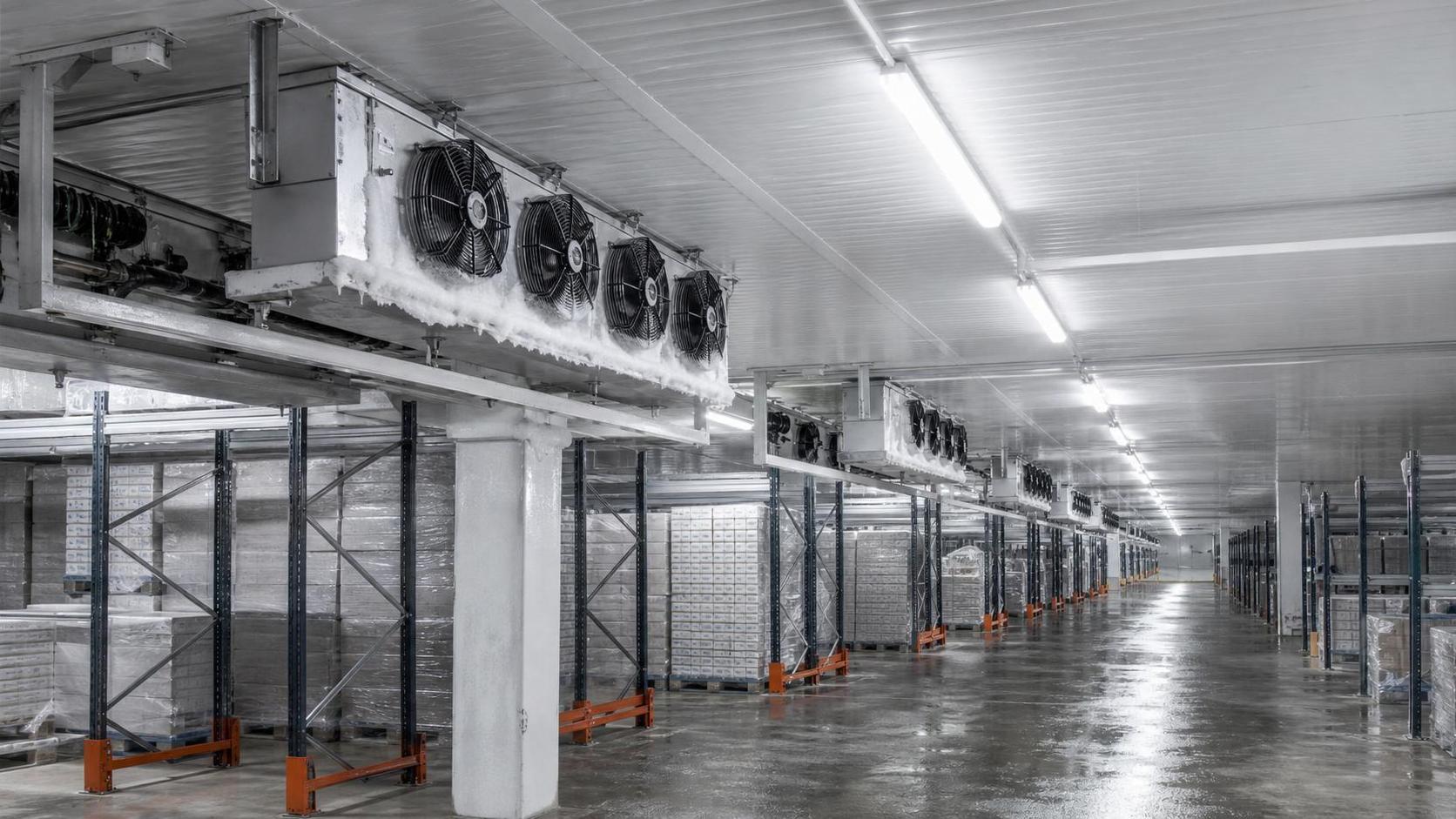
Evaporator coil condition also matters. Frost, dust, or oil contamination lowers heat transfer efficiency and extends pull-down time. A coil operating below design performance may still keep the room cold, but it often cannot maintain high-precision temperature control during peak loading or repeated access periods.
Control logic, variable capacity, and defrost strategy
Modern control platforms can improve stability by combining staged compressors, inverter-driven capacity, electronic expansion valves, and adaptive defrost routines. Instead of waiting for a large temperature rise, a more responsive controller can make smaller corrections earlier, reducing overshoot and keeping the room closer to target.
Defrost scheduling deserves special attention. Fixed defrost intervals, such as every 6 hours, may be practical but not always efficient. In some facilities, demand-based defrost or coil-condition-based logic reduces unnecessary heating events and shortens recovery time by 10 to 20 minutes per cycle.
How Operators Can Maintain High-Precision Temperature Control Daily
Precision is not maintained by automation alone. Daily operator behavior has a direct effect on temperature stability, alarm frequency, and energy use. The best-performing cold storage facilities usually follow a simple routine with measurable checks rather than relying only on reactive troubleshooting.
A 5-step operating routine
- Verify setpoint, actual temperature, and alarm history at the start of each shift.
- Check doors, seals, and curtains for leakage or incomplete closure.
- Observe evaporator icing, fan sound, and discharge airflow at least once per day.
- Confirm that product stacking leaves adequate air paths, typically 150 mm to 300 mm from key air routes.
- Record abnormal recovery times after loading, cleaning, or defrost completion.
These five steps usually take less than 15 minutes per zone, but they often prevent hours of product exposure and unplanned intervention. In facilities with 24/7 operation, even one missed door fault or one blocked airflow lane can affect performance for an entire shift.
Common operator mistakes that reduce precision
Some of the most common problems are not mechanical failures. They include changing setpoints too often, overriding alarms without root-cause review, overloading the room after receiving, and placing warm product near the control sensor. These actions make the system appear unstable even when the hardware is functioning normally.
Another frequent issue is inconsistent data review. If logs are checked only after a complaint, the team may miss repeating patterns such as a daily temperature rise between 14:00 and 16:00 or a recurring 30-minute recovery delay after sanitation. Precision improves when operators look for trends, not only alarms.
The following table outlines practical checks that operators can use to protect high-precision temperature control in routine cold storage management.
This routine shows that operational discipline is as important as component quality. High-precision temperature control becomes sustainable when the control system, physical layout, and shift-level checks are aligned instead of managed separately.
Choosing and Upgrading Systems for Better Precision
When a facility plans a retrofit or evaluates a new cold storage solution, the question should not be limited to cooling capacity in kW. Operators and decision-makers should also assess how accurately the system can hold target conditions during loading peaks, low-load periods, and defrost transitions. Precision should be treated as a measurable operating outcome.
Four selection criteria for users and technical teams
- Control accuracy target: define whether the room needs ±0.5°C, ±1°C, or a wider tolerance.
- Recovery speed: measure how long the room takes to return to setpoint after a standard door-opening event.
- Monitoring depth: confirm whether the system logs trend data at 1-minute, 5-minute, or 15-minute intervals.
- Service accessibility: verify spare parts access, calibration process, and response support within realistic maintenance cycles.
When an upgrade is usually justified
An upgrade is often worth considering if the room shows repeated swings above 2°C, if compressors short-cycle several times per hour, or if recovery after normal loading exceeds 30 to 45 minutes. Other warning signs include frequent manual intervention, uneven temperatures across storage zones, and recurring stock concerns linked to room instability.
In some sites, precision improvements come from low-disruption adjustments such as sensor relocation, control retuning, fan balancing, or defrost optimization. In others, better results require variable-capacity compression, upgraded evaporators, or a more advanced supervisory control layer. The right path depends on room volume, product sensitivity, access frequency, and operating schedule.
The value of industrial intelligence in decision-making
For companies following industrial cooling trends, structured intelligence helps connect plant-floor issues with broader technical choices. This is where platforms focused on refrigeration, compressed air, vacuum, and heat exchange bring value. By tracking refrigerant policy changes, energy cost shifts, and equipment evolution, users can make more informed control and upgrade decisions instead of reacting only after failure.
In that context, GTC-Matrix serves as a useful reference point for operators and technical teams seeking practical visibility into thermodynamic performance, energy conversion efficiency, and sector trends. For facilities facing stricter quality demands and greener manufacturing targets, insight is increasingly part of the control strategy.
Frequently asked operating questions
How precise should a cold room be?
That depends on the stored product. General frozen storage may tolerate a wider range than pharmaceutical or specialty food applications. As a practical guide, many operations aim for ±1°C to ±2°C, while more sensitive environments may require tighter control.
Does tighter control always mean higher energy use?
Not necessarily. Poorly tuned systems often waste more energy through overshoot, excessive defrost, and cycling losses. Well-designed high-precision temperature control can improve stability and reduce avoidable load variation at the same time.
How often should temperature sensors be checked?
A daily reasonableness check is useful for operators, while calibration or verification intervals of 6 to 12 months are common in many industrial settings. Higher-risk products may require more frequent confirmation.
High-precision temperature control in cold storage operations is ultimately a combination of design quality, control logic, operator awareness, and disciplined maintenance. When those elements work together, facilities gain better product protection, steadier energy performance, and fewer avoidable disruptions across the refrigeration cycle.
If your team is reviewing cold room stability, planning a retrofit, or comparing monitoring and control options, now is the right time to evaluate where precision is being won or lost. Contact us to discuss your operating conditions, get a tailored solution approach, and learn more about practical cold storage strategies for high-performance industrial refrigeration.
Related News
- How to Size a Blast Freezer for Industrial Refrigeration Capacity and Pull-Down TimeAuthor :Cryogenic Systems Expert

- MPA Opens Fast-Track Cold Chain Inspections in SingaporeAuthor :Cryogenic Systems Expert

- GCC Cold Storage Imports Face GCC-CLIMAT 2026 RuleAuthor :Cryogenic Systems Expert

- Industrial Refrigeration Equipment Evaporator Selection: Capacity, Frost, and Energy TradeoffsAuthor :Cryogenic Systems Expert

- Industrial Refrigeration Equipment: Cost Factors to CompareAuthor :Cryogenic Systems Expert

- Manzhouli Rail Hub Sets Weekly Reefer RecordAuthor :Cryogenic Systems Expert

- Manzhouli Rail Cold-Chain Volume Hits Weekly HighAuthor :Cryogenic Systems Expert

- High-Precision Temperature Control for Stable Cold StorageAuthor :Cryogenic Systems Expert
![]()
- High-Precision Temperature Control in Cold StorageAuthor :Cryogenic Systems Expert

- Japan's METI Mandates AI Energy Models for Cold StorageAuthor :Cryogenic Systems Expert
![]()
- Fruit Attraction Madrid 2026 Booths 91% Booked; Smart Cold Storage Now EU Entry GateAuthor :Cryogenic Systems Expert

- Fruit Attraction Madrid: 90% Booths Booked; Smart Cold Storage Now EU Entry GateAuthor :Cryogenic Systems Expert
![]()
- How Global Energy Costs Are Changing Cold Storage PlanningAuthor :Cryogenic Systems Expert

- High-Precision Temperature Control in Cold StorageAuthor :Cryogenic Systems Expert

- Hema's Discount Brand 'Chao He Suan NB' Expands to Southeast AsiaAuthor :Cryogenic Systems Expert

- State Council Approves Urban Renewal '15th Five-Year' Plan, Boosting Cold Storage Retrofit DemandAuthor :Cryogenic Systems Expert

- Colombia Upholds Anti-Dumping Duties on Chinese Acrylic SheetsAuthor :Cryogenic Systems Expert

- PSA Launches Express Lane for Industrial Thermal EquipmentAuthor :Cryogenic Systems Expert

- Smart Thermal Systems for Cold Storage: Control Gains That Cut Energy WasteAuthor :Cryogenic Systems Expert

- PSA Launches Express Lane for Temperature-Critical CargoAuthor :Cryogenic Systems Expert

- Pure Power Sources: What Matters Most for Cold Storage ReliabilityAuthor :Cryogenic Systems Expert

- Brazil Grants Unilateral Visa-Free Access to Chinese CitizensAuthor :Cryogenic Systems Expert

- India BIS Proposes Mandatory Low-GWP Verification for R449A in Cold StorageAuthor :Cryogenic Systems Expert

- US BIS Adds 3 Cold Storage Controller Makers to Entity ListAuthor :Cryogenic Systems Expert

- High-Precision Temperature Control in Cold Storage OperationsAuthor :Cryogenic Systems Expert

- India BIS Proposes Mandatory Low-GWP Verification for R449A in Cold StorageAuthor :Cryogenic Systems Expert

- US BIS Adds 3 Chinese Cold Storage Controller Makers to Entity ListAuthor :Cryogenic Systems Expert

- China Expands HCFCs Phase-Out Verification for Cold Storage ExportsAuthor :Cryogenic Systems Expert

- Smart Thermal Systems for Cold Storage: What Delivers PaybackAuthor :Cryogenic Systems Expert

- China Expands HCFCs Phase-Out Checks to 127 Chiller PlantsAuthor :Cryogenic Systems Expert

- Shanghai Port Reefer FEU Rates Surge Past $12,800 Amid Red Sea DiversionAuthor :Cryogenic Systems Expert

- Red Sea Crisis Pushes Shanghai-Rotterdam Reefer Freight to $12,520/FEUAuthor :Cryogenic Systems Expert
![]()
- What Intellectualization Means for Smarter Cold Storage OperationsAuthor :Cryogenic Systems Expert