India BIS Proposes Mandatory Low-GWP Verification for R449A in Cold Storage




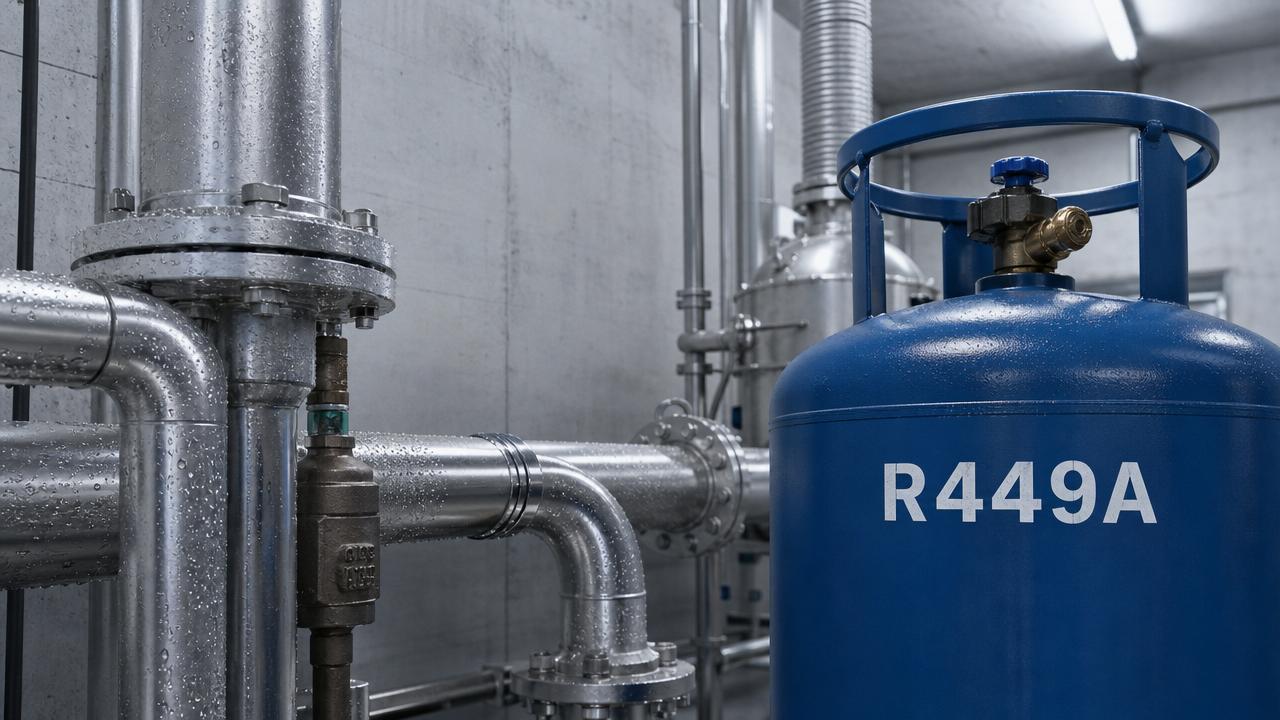
On May 15, 2026, the Bureau of Indian Standards (BIS) released the draft standard Draft IS 17925:2026, proposing mandatory low-global-warming-potential (GWP) verification for R449A refrigerant used in cold storage applications. This development directly affects exporters and manufacturers supplying cold storage equipment to India — particularly those using R449A as a charge refrigerant — and signals an early regulatory shift toward stricter climate-aligned product compliance in the Indian refrigeration market.
Event Overview
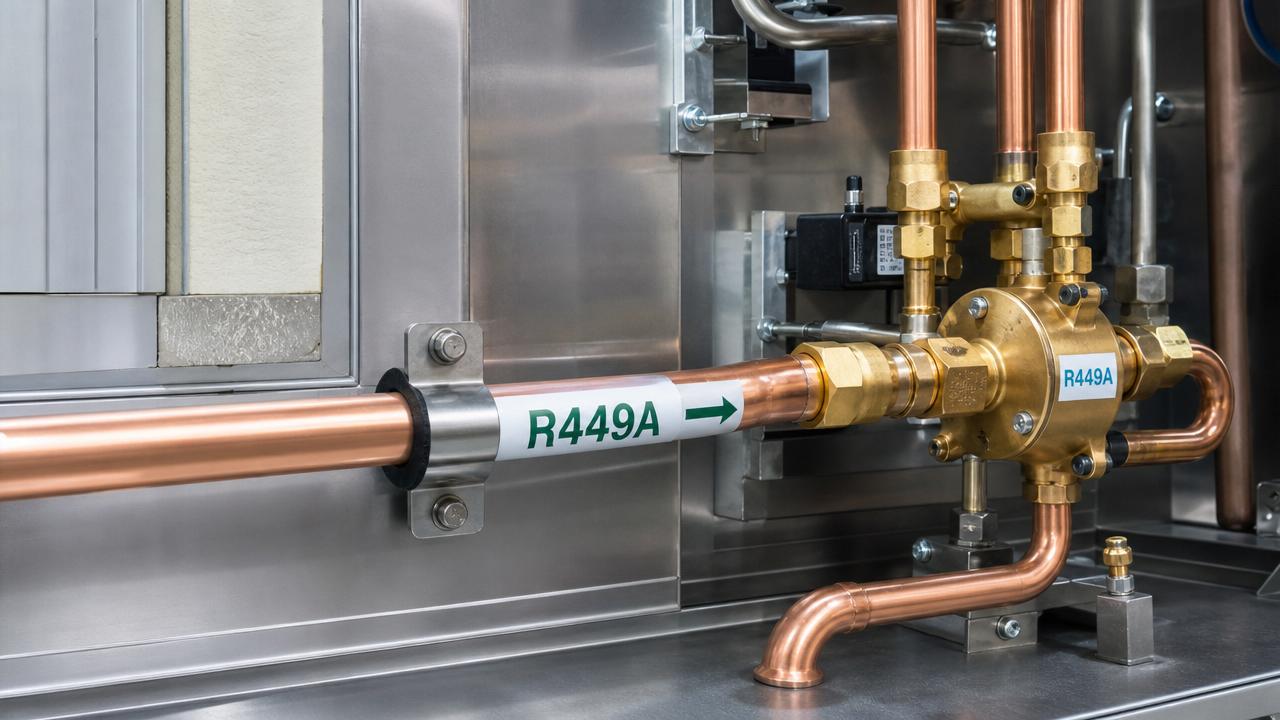
On May 15, 2026, the Bureau of Indian Standards (BIS) published Draft IS 17925:2026 for public consultation. The draft mandates that R449A refrigerant used in cold storage systems must undergo low-GWP verification, with a maximum allowable GWP value of ≤1400. As R449A has a reported GWP of 1397, it currently meets this threshold. Verification must be conducted by BIS-designated laboratories. The requirement is scheduled to take effect on January 1, 2027. Exporters of R449A-charged cold storage equipment from China to India will be required to submit valid verification reports upon import.
Industries Affected
Direct Exporters (Cold Storage Equipment)
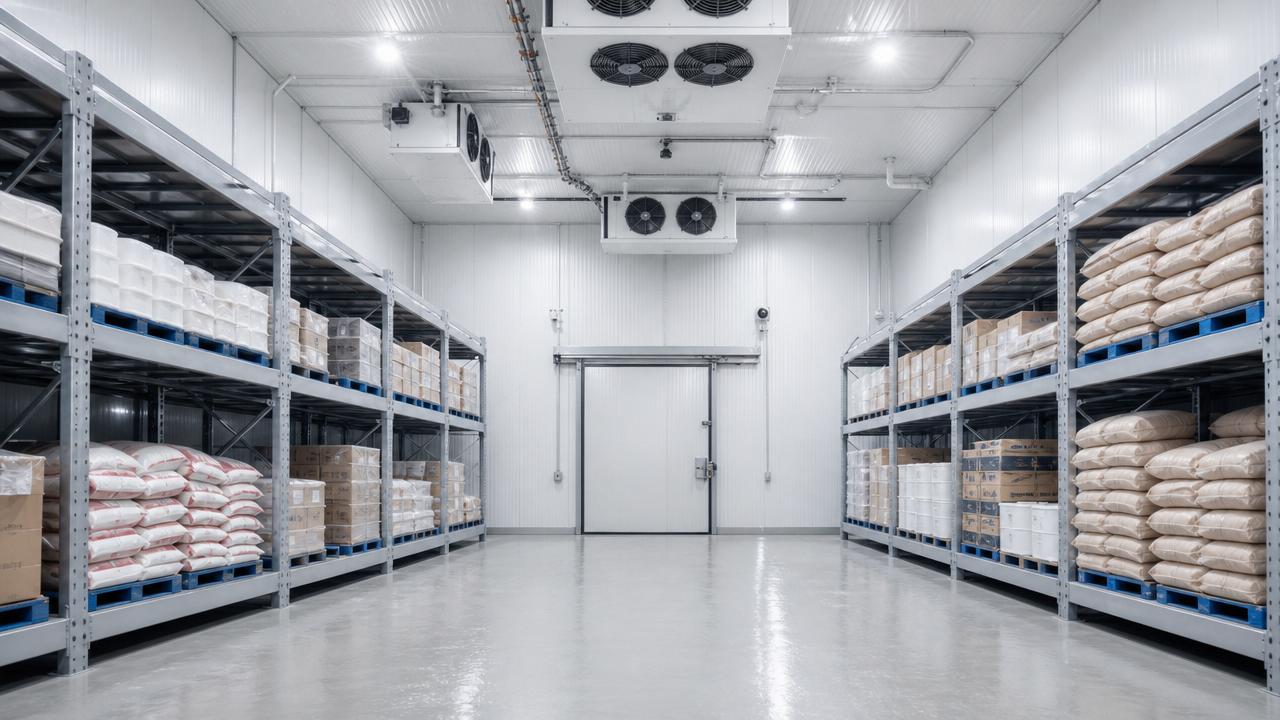
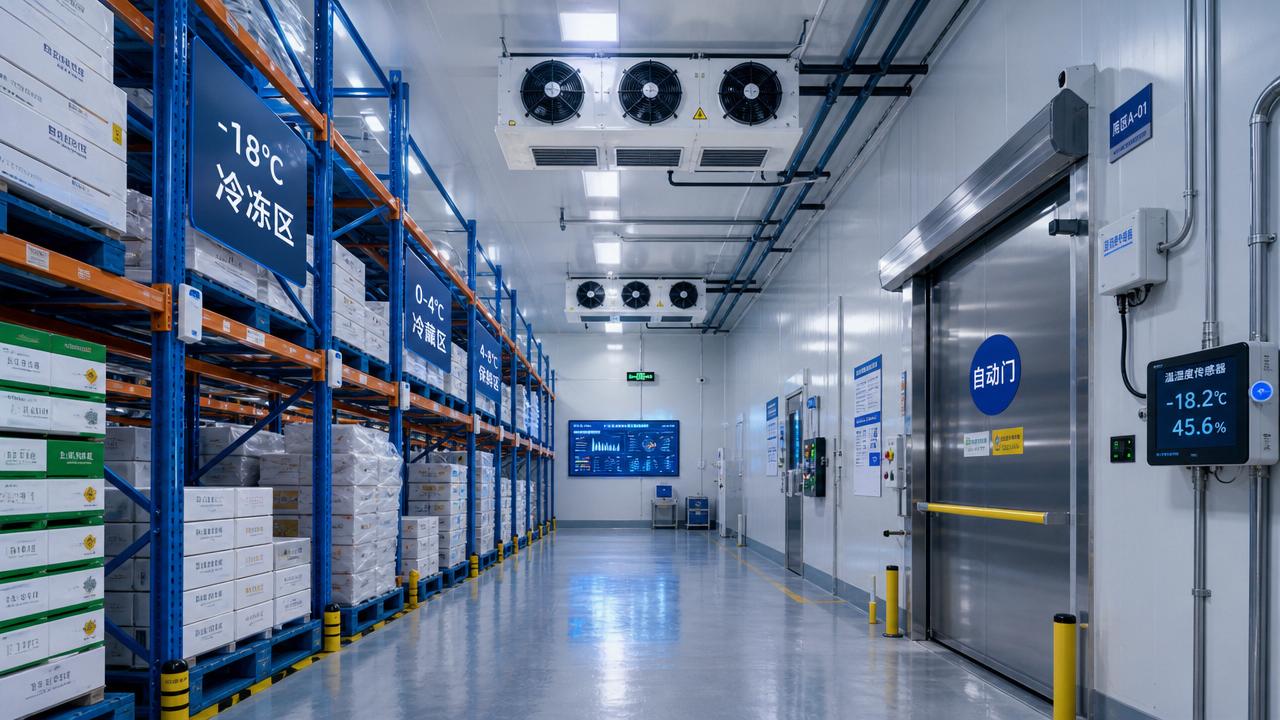
Manufacturers exporting pre-charged cold storage units to India will face new documentation and certification requirements. Since R449A is widely used in medium-temperature commercial cold rooms, its inclusion under mandatory verification means export clearance may be delayed or denied without a BIS-accepted verification report.
Refrigerant Producers & Blenders
Suppliers of R449A refrigerant — especially those sourcing raw components or blending formulations for export — must ensure batch-level traceability and consistency. Although the draft does not yet require full chemical composition certification, GWP verification implies potential future scrutiny of blend integrity and third-party test reproducibility.
OEMs & System Integrators
Original equipment manufacturers integrating R449A into cold storage systems for the Indian market must now coordinate verification timing with production cycles. Because verification applies to the refrigerant *as used*, OEMs may need to align with certified labs during final charging or pre-shipment testing — adding lead time and cost to compliance workflows.
Supply Chain & Certification Service Providers
Logistics firms, customs brokers, and certification support agencies handling India-bound cold storage shipments will need updated guidance on document validation. The requirement introduces a new data point — verified GWP compliance — that must appear in technical dossiers, test reports, and possibly customs declarations post-implementation.
What Enterprises and Practitioners Should Focus On
Monitor Official Finalization Timeline and Lab Designation List
The draft is open for consultation; BIS has not yet announced the final publication date or the list of designated laboratories. Stakeholders should track BIS notifications and prioritize engagement with labs already accredited for ISO 14067 or similar GWP quantification standards.
Verify Refrigerant Batch Documentation Against Draft Threshold
R449A’s GWP of 1397 sits just below the proposed 1400 cap. Analysis shows that minor formulation variances or alternate measurement protocols could affect reported values. Exporters should request current GWP test reports from refrigerant suppliers — including methodology (e.g., AR4 vs. AR5), uncertainty margins, and lab accreditation scope — before submission.
Align Internal Compliance Timelines with the January 2027 Effective Date
Verification is not retroactive, but applies to equipment placed on the Indian market after January 1, 2027. From industry perspective, procurement, assembly, and shipping schedules for Q4 2026 shipments should include buffer time for verification processing — especially given potential lab capacity constraints during rollout.
Distinguish Between Policy Signal and Enforceable Requirement
Observably, this draft reflects BIS’s alignment with India’s broader Kigali Amendment commitments, but it is not yet law. Current more suitable understanding is that it functions as a regulatory signal rather than an immediate barrier. Companies should treat it as a near-term operational checkpoint — not a market access cutoff — while preparing for possible tightening in future revisions.
Editorial Insight / Industry Observation
This proposal is best understood as an early-stage regulatory calibration — not a sudden compliance shock. Analysis shows that BIS is leveraging an existing refrigerant (R449A) with borderline GWP to pilot verification infrastructure ahead of broader low-GWP transitions. It signals increasing integration of environmental metrics into India’s product conformity framework, particularly for energy-intensive sectors like cold chain infrastructure. From industry perspective, the real significance lies less in the numeric threshold (1400) and more in the precedent: BIS is establishing verification as a condition for market access in refrigeration — a model likely to extend to other refrigerants and equipment categories in coming years. Continuous monitoring is warranted, especially for updates on laboratory designation and any revision to GWP reference methodology.
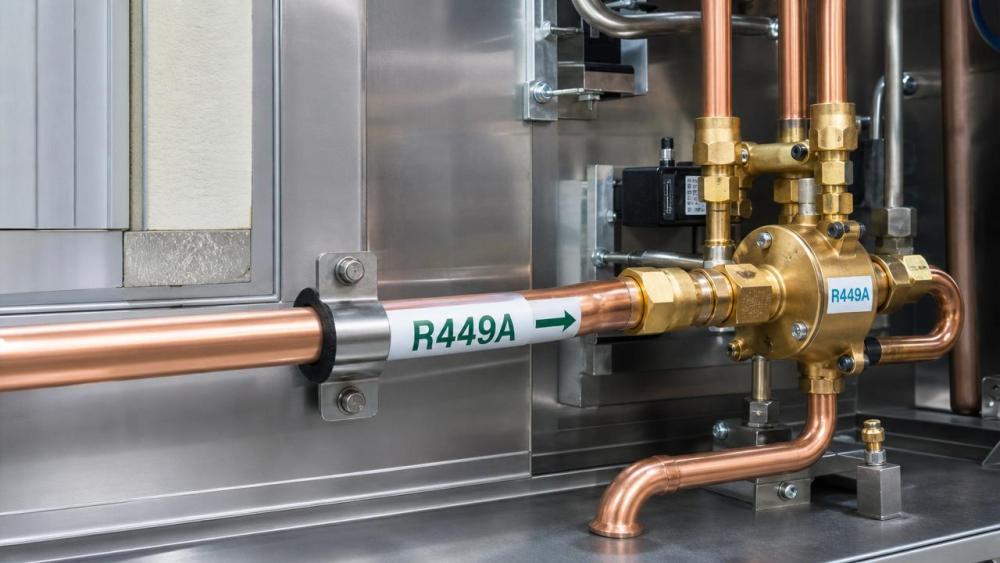
In summary, this draft standard marks a procedural inflection point for cold storage exports to India — shifting from voluntary environmental claims to mandated, third-party-verified GWP compliance. It does not ban R449A, nor does it require reformulation at this stage. Rather, it introduces a new verification step with defined thresholds and enforcement timing. For stakeholders, the current priority is preparation — not panic — focusing on documentation readiness, lab coordination, and phased implementation planning aligned with the January 2027 effective date.
Source: Bureau of Indian Standards (BIS), Draft IS 17925:2026, published May 15, 2026.
Note: The draft remains under public consultation; final version, official lab list, and potential amendments are subject to change and require ongoing observation.
Related News
- Industrial Refrigeration Equipment: Cost Factors to CompareAuthor :Cryogenic Systems Expert

- Manzhouli Rail Hub Sets Weekly Reefer RecordAuthor :Cryogenic Systems Expert

- Manzhouli Rail Cold-Chain Volume Hits Weekly HighAuthor :Cryogenic Systems Expert

- High-Precision Temperature Control for Stable Cold StorageAuthor :Cryogenic Systems Expert
![]()
- High-Precision Temperature Control in Cold StorageAuthor :Cryogenic Systems Expert

- Japan's METI Mandates AI Energy Models for Cold StorageAuthor :Cryogenic Systems Expert
![]()
- Fruit Attraction Madrid 2026 Booths 91% Booked; Smart Cold Storage Now EU Entry GateAuthor :Cryogenic Systems Expert

- Fruit Attraction Madrid: 90% Booths Booked; Smart Cold Storage Now EU Entry GateAuthor :Cryogenic Systems Expert
![]()
- How Global Energy Costs Are Changing Cold Storage PlanningAuthor :Cryogenic Systems Expert

- High-Precision Temperature Control in Cold StorageAuthor :Cryogenic Systems Expert

- Hema's Discount Brand 'Chao He Suan NB' Expands to Southeast AsiaAuthor :Cryogenic Systems Expert

- State Council Approves Urban Renewal '15th Five-Year' Plan, Boosting Cold Storage Retrofit DemandAuthor :Cryogenic Systems Expert

- Colombia Upholds Anti-Dumping Duties on Chinese Acrylic SheetsAuthor :Cryogenic Systems Expert

- PSA Launches Express Lane for Industrial Thermal EquipmentAuthor :Cryogenic Systems Expert

- Smart Thermal Systems for Cold Storage: Control Gains That Cut Energy WasteAuthor :Cryogenic Systems Expert

- PSA Launches Express Lane for Temperature-Critical CargoAuthor :Cryogenic Systems Expert

- Pure Power Sources: What Matters Most for Cold Storage ReliabilityAuthor :Cryogenic Systems Expert

- Brazil Grants Unilateral Visa-Free Access to Chinese CitizensAuthor :Cryogenic Systems Expert

- India BIS Proposes Mandatory Low-GWP Verification for R449A in Cold StorageAuthor :Cryogenic Systems Expert

- US BIS Adds 3 Cold Storage Controller Makers to Entity ListAuthor :Cryogenic Systems Expert

- High-Precision Temperature Control in Cold Storage OperationsAuthor :Cryogenic Systems Expert

- India BIS Proposes Mandatory Low-GWP Verification for R449A in Cold StorageAuthor :Cryogenic Systems Expert

- US BIS Adds 3 Chinese Cold Storage Controller Makers to Entity ListAuthor :Cryogenic Systems Expert

- China Expands HCFCs Phase-Out Verification for Cold Storage ExportsAuthor :Cryogenic Systems Expert

- Smart Thermal Systems for Cold Storage: What Delivers PaybackAuthor :Cryogenic Systems Expert

- China Expands HCFCs Phase-Out Checks to 127 Chiller PlantsAuthor :Cryogenic Systems Expert

- Shanghai Port Reefer FEU Rates Surge Past $12,800 Amid Red Sea DiversionAuthor :Cryogenic Systems Expert

- Red Sea Crisis Pushes Shanghai-Rotterdam Reefer Freight to $12,520/FEUAuthor :Cryogenic Systems Expert
![]()
- What Intellectualization Means for Smarter Cold Storage OperationsAuthor :Cryogenic Systems Expert