US BIS Adds 3 Chinese Cold Storage Controller Makers to Entity List




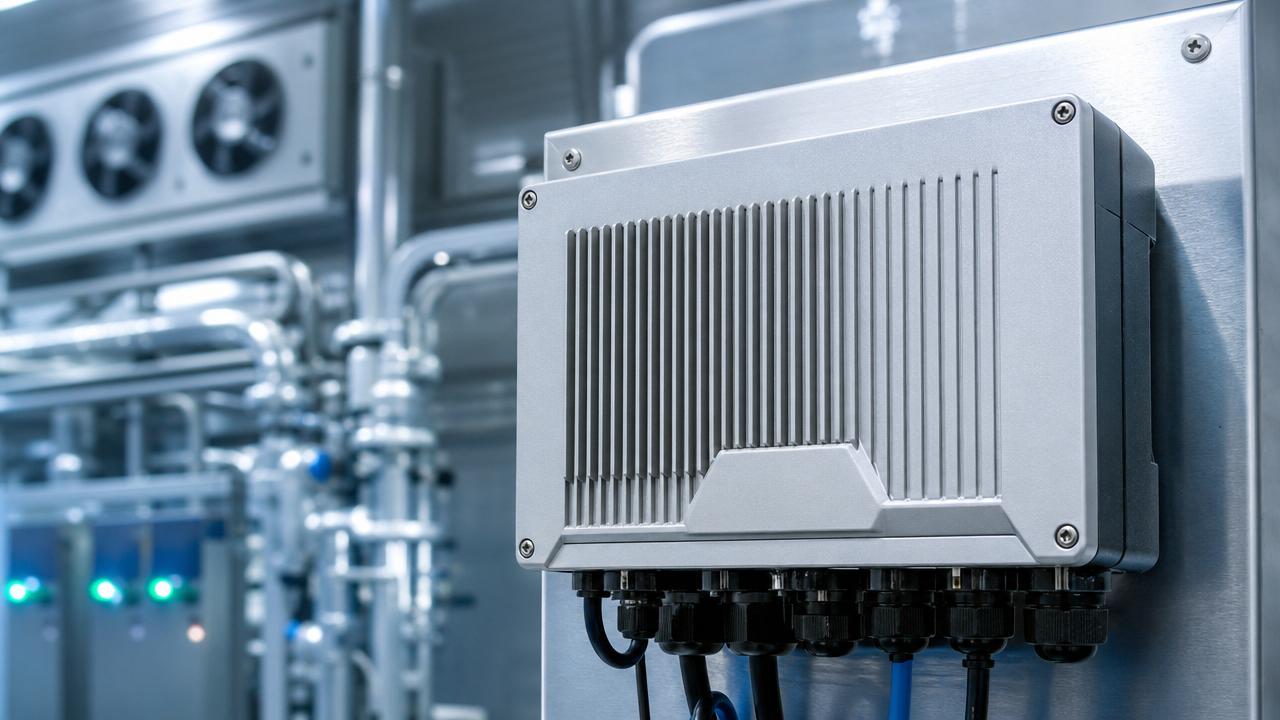
On May 13, 2026, the U.S. Department of Commerce’s Bureau of Industry and Security (BIS) updated its Entity List, adding three Chinese manufacturers of intelligent cold storage temperature controllers. The action targets firms involved in exporting remote-enabled, data-transmitting refrigeration control systems to Iran and Venezuela — triggering export licensing requirements for U.S.-origin components and allied-market shipments.
Event Overview
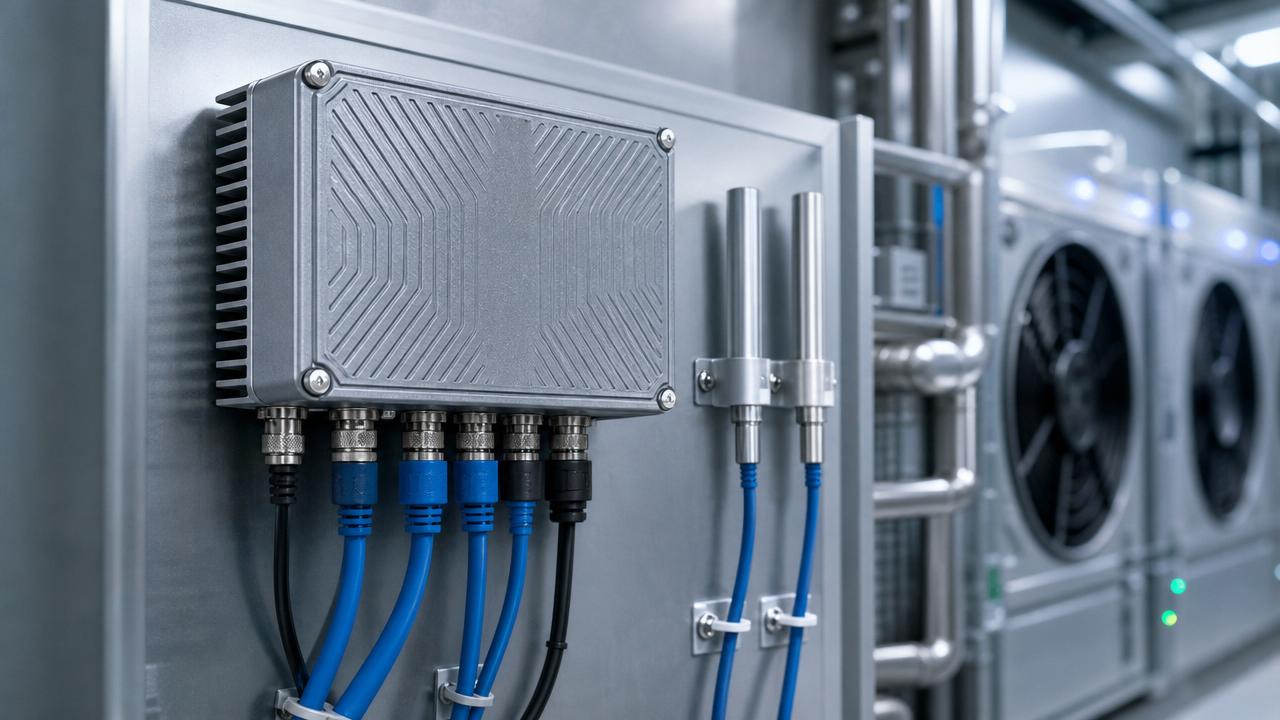
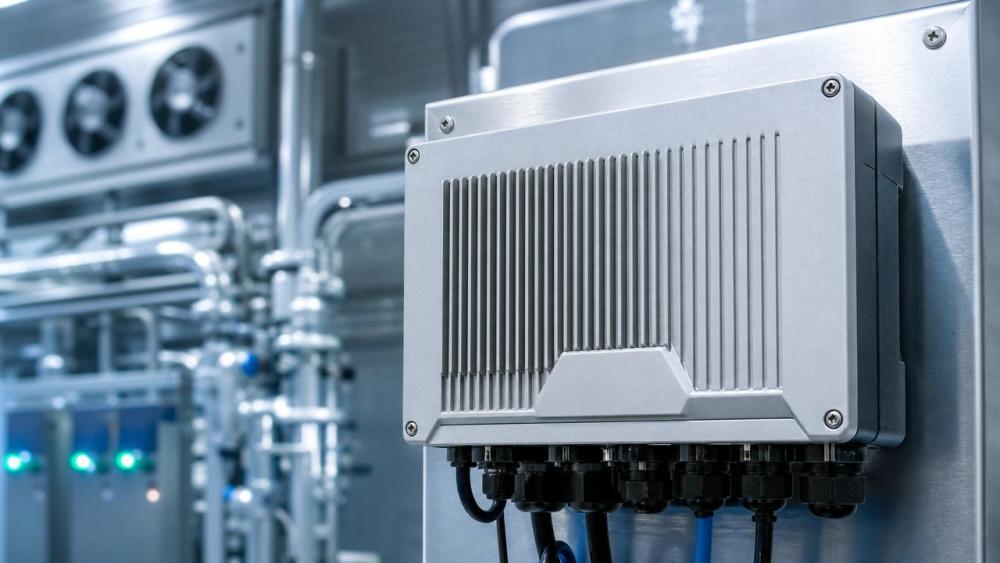
The U.S. Bureau of Industry and Security (BIS) added three Chinese cold storage controller manufacturers to the Entity List on May 13, 2026. The stated basis is their export of smart cold chain controllers — featuring remote start/stop functionality and bidirectional data telemetry — to Iran and Venezuela. Under the Export Administration Regulations (EAR), any item containing U.S.-origin EAR99 microprocessors or encryption modules exported from or transshipped through the U.S., Canada, Japan, or South Korea now requires a BIS license. Average license processing time is estimated at 4–6 weeks.
Industries Affected
Direct trade enterprises: Exporters and distributors selling Chinese-made cold storage controllers into U.S., Canadian, Japanese, or South Korean markets face mandatory pre-shipment license applications. Delays in customs clearance, increased compliance overhead, and potential order cancellations are immediate operational impacts.
Raw material procurement enterprises: Firms sourcing U.S.-origin microcontrollers (e.g., ARM-based SoCs), secure boot ICs, or TLS-capable communication modules must now verify end-use and end-user eligibility prior to purchase. Dual-use component suppliers may impose additional documentation requirements or suspend sales pending license confirmation.
Contract manufacturing enterprises: EMS providers assembling cold storage controllers for affected OEMs may encounter tightened traceability mandates — including full bill-of-materials (BOM) disclosure for U.S.-origin content and enhanced recordkeeping for five years post-shipment.
Supply chain service enterprises: Freight forwarders, customs brokers, and logistics platforms handling cross-border shipments of these controllers must now screen consignees against the updated Entity List and flag EAR99-containing consignments for licensing verification — increasing documentation burden and risk of shipment hold.
Key Focus Areas and Recommended Actions
Conduct immediate EAR99 content audit
Manufacturers and exporters should map all components — especially microprocessors, wireless modules, and firmware with cryptographic functions — against the EAR99 definition and identify whether any U.S.-origin content exceeds de minimis thresholds (25% for most destinations).
Review and update end-user screening protocols
Trade compliance teams must integrate real-time Entity List monitoring into order intake workflows and require signed end-user statements for all exports involving cold chain controllers — particularly when shipping to intermediaries or distribution hubs in allied jurisdictions.
Evaluate alternative component sourcing strategies
Where feasible, engineering teams should assess substitution paths for U.S.-origin microcontrollers and encryption libraries — noting that non-U.S. alternatives may still trigger licensing if they incorporate U.S. technology under the Foreign Direct Product Rule.
Editorial Perspective / Industry Observation
Analysis shows this listing reflects a tightening of enforcement focus on dual-use industrial IoT devices — not just semiconductors or AI chips. Cold storage controllers sit at the intersection of physical infrastructure, connectivity, and data flow; their inclusion signals BIS’s expanding interpretation of ‘strategic enabling technologies’. Observably, the targeting criteria emphasize functionality (remote control + telemetry) over form factor — suggesting future listings may extend to other edge-control systems in energy, water, or building management sectors. From an industry perspective, this is less about isolated supply chain disruption and more about recalibrating how ‘technology neutrality’ is assessed in export control policy.
Conclusion
This Entity List expansion marks a structural shift — one where industrial automation hardware with embedded connectivity is increasingly treated as a controlled technology vector. It does not signal a broad ban on cold chain equipment, but rather a formalized requirement for transparency, traceability, and intent verification across global distribution channels. A rational takeaway is that regulatory resilience — not just technical capability — is becoming a core competitive differentiator in climate-controlled infrastructure markets.
Source Attribution
Official notice published in the Federal Register (FR Doc #2026-11287), effective May 13, 2026. Additional details available via the BIS Entity List page (bis.doc.gov/entitylist). Ongoing updates to licensing policies, country-specific exceptions, and potential interagency coordination with the Office of Foreign Assets Control (OFAC) remain subject to observation.
Related News
- How to Size a Blast Freezer for Industrial Refrigeration Capacity and Pull-Down TimeAuthor :Cryogenic Systems Expert

- MPA Opens Fast-Track Cold Chain Inspections in SingaporeAuthor :Cryogenic Systems Expert

- GCC Cold Storage Imports Face GCC-CLIMAT 2026 RuleAuthor :Cryogenic Systems Expert

- Industrial Refrigeration Equipment Evaporator Selection: Capacity, Frost, and Energy TradeoffsAuthor :Cryogenic Systems Expert

- Industrial Refrigeration Equipment: Cost Factors to CompareAuthor :Cryogenic Systems Expert

- Manzhouli Rail Hub Sets Weekly Reefer RecordAuthor :Cryogenic Systems Expert

- Manzhouli Rail Cold-Chain Volume Hits Weekly HighAuthor :Cryogenic Systems Expert

- High-Precision Temperature Control for Stable Cold StorageAuthor :Cryogenic Systems Expert
![]()
- High-Precision Temperature Control in Cold StorageAuthor :Cryogenic Systems Expert

- Japan's METI Mandates AI Energy Models for Cold StorageAuthor :Cryogenic Systems Expert
![]()
- Fruit Attraction Madrid 2026 Booths 91% Booked; Smart Cold Storage Now EU Entry GateAuthor :Cryogenic Systems Expert

- Fruit Attraction Madrid: 90% Booths Booked; Smart Cold Storage Now EU Entry GateAuthor :Cryogenic Systems Expert
![]()
- How Global Energy Costs Are Changing Cold Storage PlanningAuthor :Cryogenic Systems Expert

- High-Precision Temperature Control in Cold StorageAuthor :Cryogenic Systems Expert

- Hema's Discount Brand 'Chao He Suan NB' Expands to Southeast AsiaAuthor :Cryogenic Systems Expert

- State Council Approves Urban Renewal '15th Five-Year' Plan, Boosting Cold Storage Retrofit DemandAuthor :Cryogenic Systems Expert

- Colombia Upholds Anti-Dumping Duties on Chinese Acrylic SheetsAuthor :Cryogenic Systems Expert

- PSA Launches Express Lane for Industrial Thermal EquipmentAuthor :Cryogenic Systems Expert

- Smart Thermal Systems for Cold Storage: Control Gains That Cut Energy WasteAuthor :Cryogenic Systems Expert

- PSA Launches Express Lane for Temperature-Critical CargoAuthor :Cryogenic Systems Expert

- Pure Power Sources: What Matters Most for Cold Storage ReliabilityAuthor :Cryogenic Systems Expert

- Brazil Grants Unilateral Visa-Free Access to Chinese CitizensAuthor :Cryogenic Systems Expert

- India BIS Proposes Mandatory Low-GWP Verification for R449A in Cold StorageAuthor :Cryogenic Systems Expert

- US BIS Adds 3 Cold Storage Controller Makers to Entity ListAuthor :Cryogenic Systems Expert

- High-Precision Temperature Control in Cold Storage OperationsAuthor :Cryogenic Systems Expert

- India BIS Proposes Mandatory Low-GWP Verification for R449A in Cold StorageAuthor :Cryogenic Systems Expert

- US BIS Adds 3 Chinese Cold Storage Controller Makers to Entity ListAuthor :Cryogenic Systems Expert

- China Expands HCFCs Phase-Out Verification for Cold Storage ExportsAuthor :Cryogenic Systems Expert

- Smart Thermal Systems for Cold Storage: What Delivers PaybackAuthor :Cryogenic Systems Expert

- China Expands HCFCs Phase-Out Checks to 127 Chiller PlantsAuthor :Cryogenic Systems Expert

- Shanghai Port Reefer FEU Rates Surge Past $12,800 Amid Red Sea DiversionAuthor :Cryogenic Systems Expert

- Red Sea Crisis Pushes Shanghai-Rotterdam Reefer Freight to $12,520/FEUAuthor :Cryogenic Systems Expert
![]()
- What Intellectualization Means for Smarter Cold Storage OperationsAuthor :Cryogenic Systems Expert