High-Precision Temperature Control in Cold Storage




In modern cold storage operations, high-precision temperature control is essential for protecting product quality, reducing energy waste, and maintaining stable performance. For facility users, even slight drift can trigger spoilage, compliance issues, uneven inventory conditions, and avoidable operating costs. Understanding how high-precision temperature control works in real storage scenarios helps businesses strengthen resilience, improve thermal efficiency, and support better long-term competitiveness.
Why cold storage scenarios demand high-precision temperature control
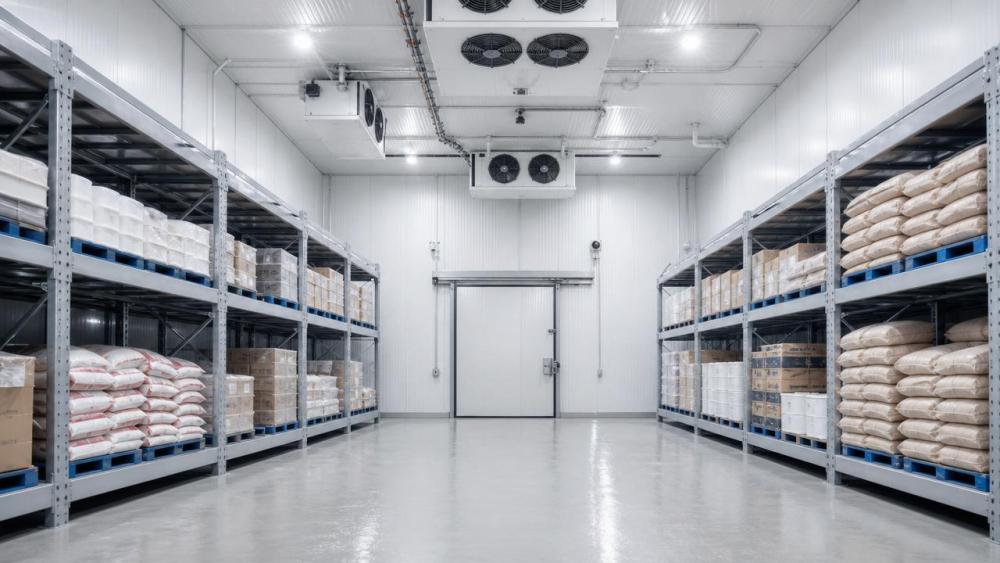
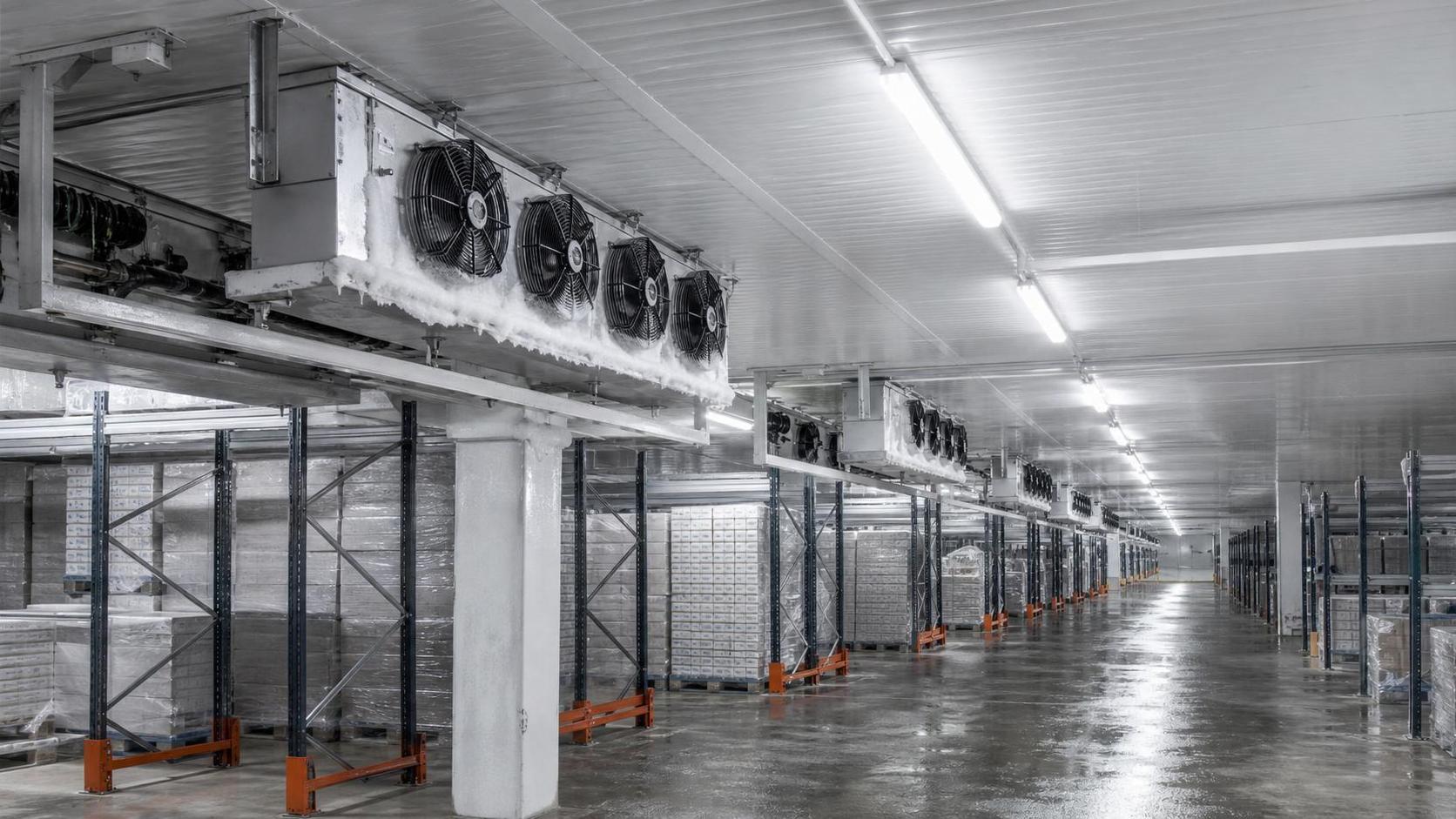
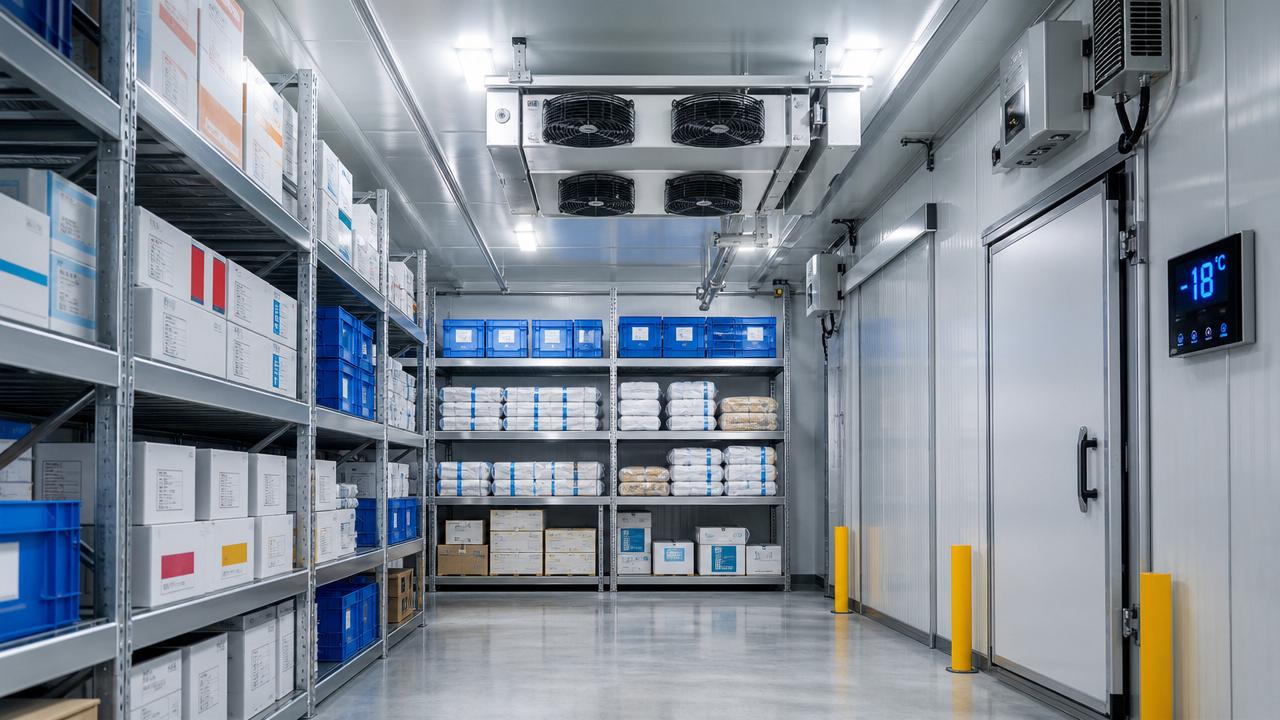
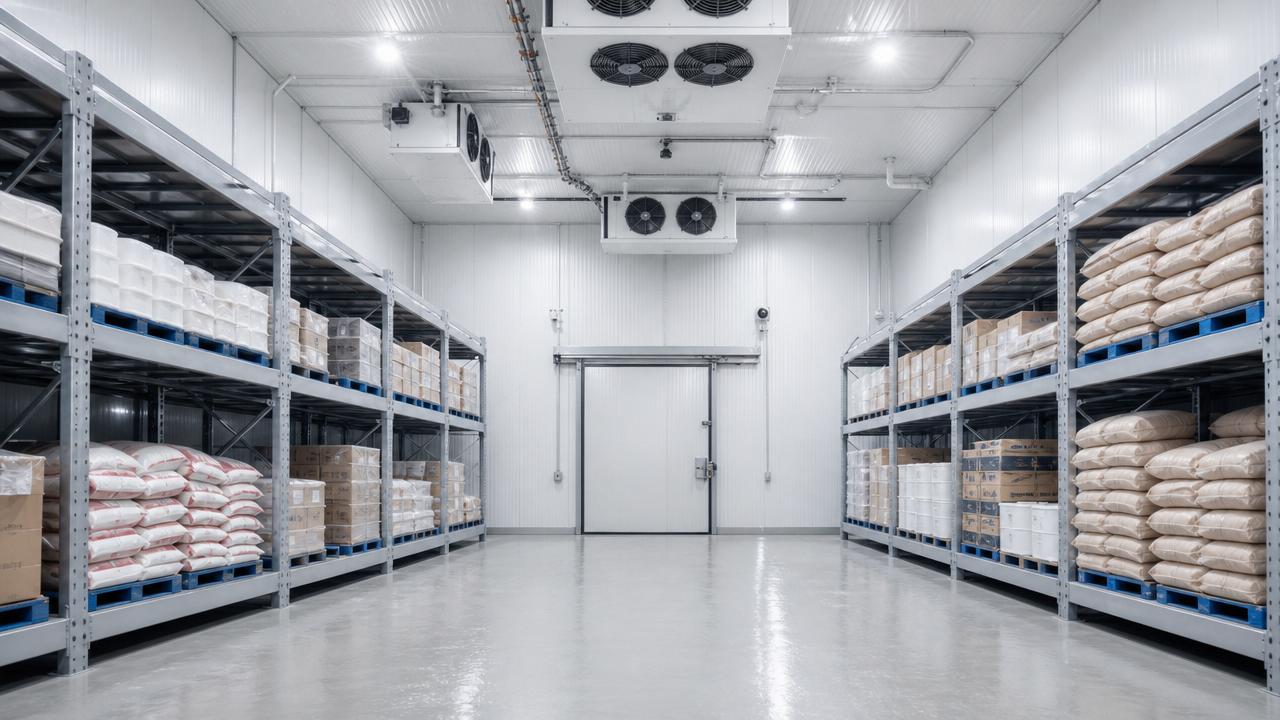
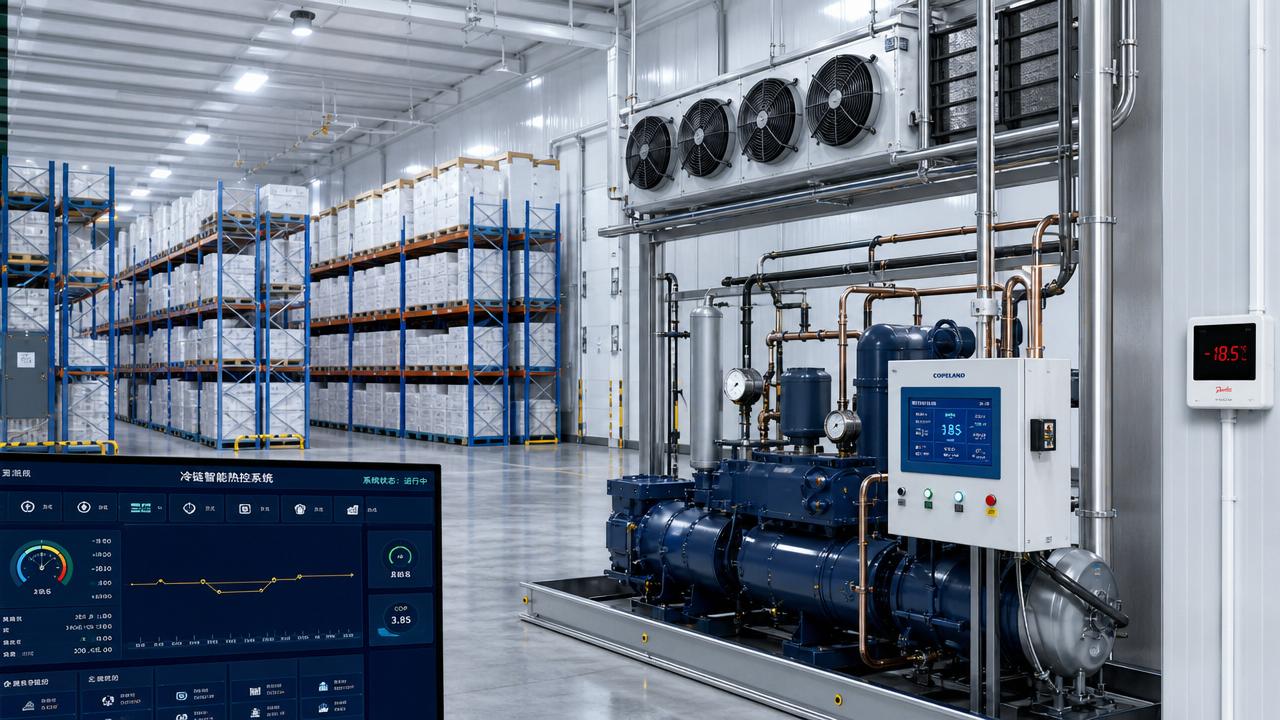
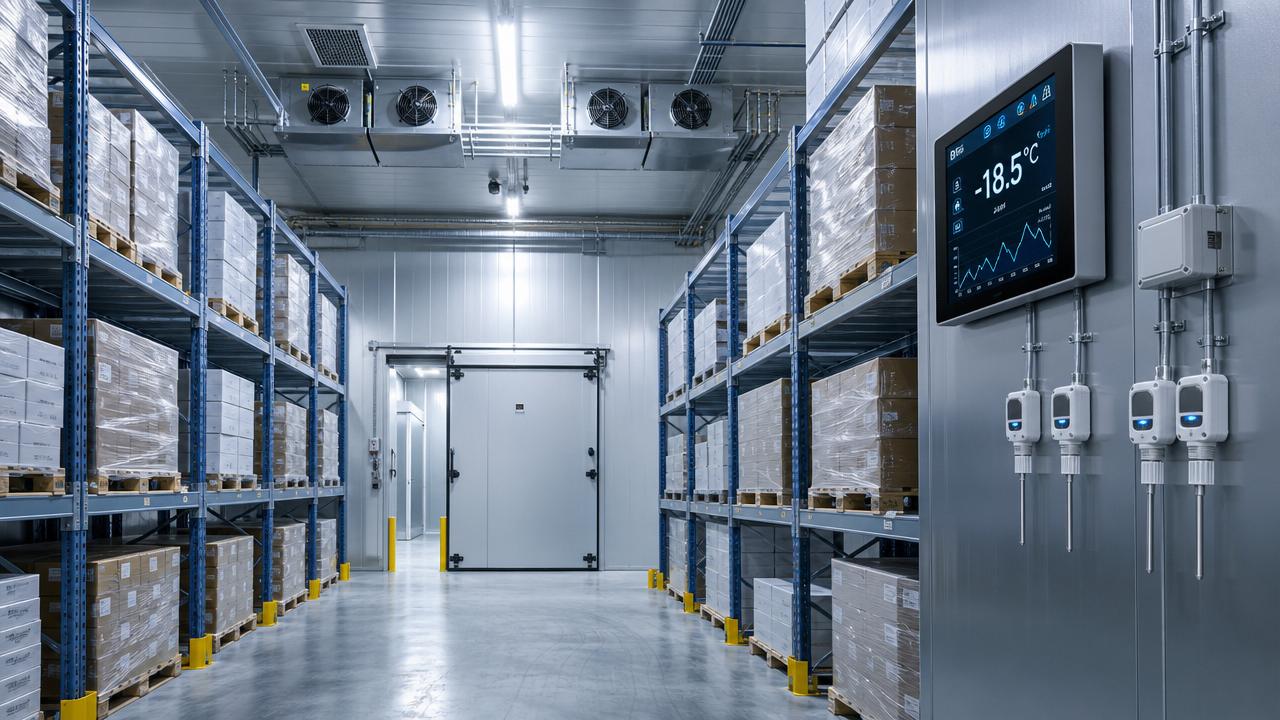
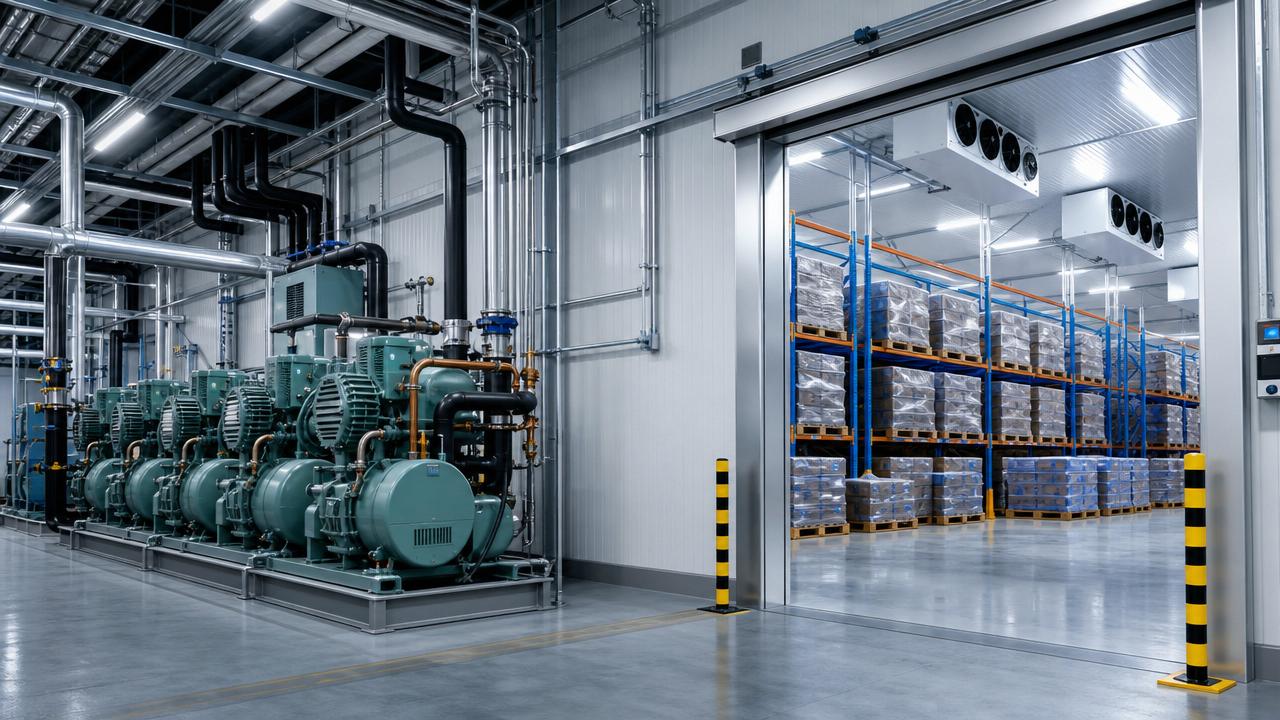
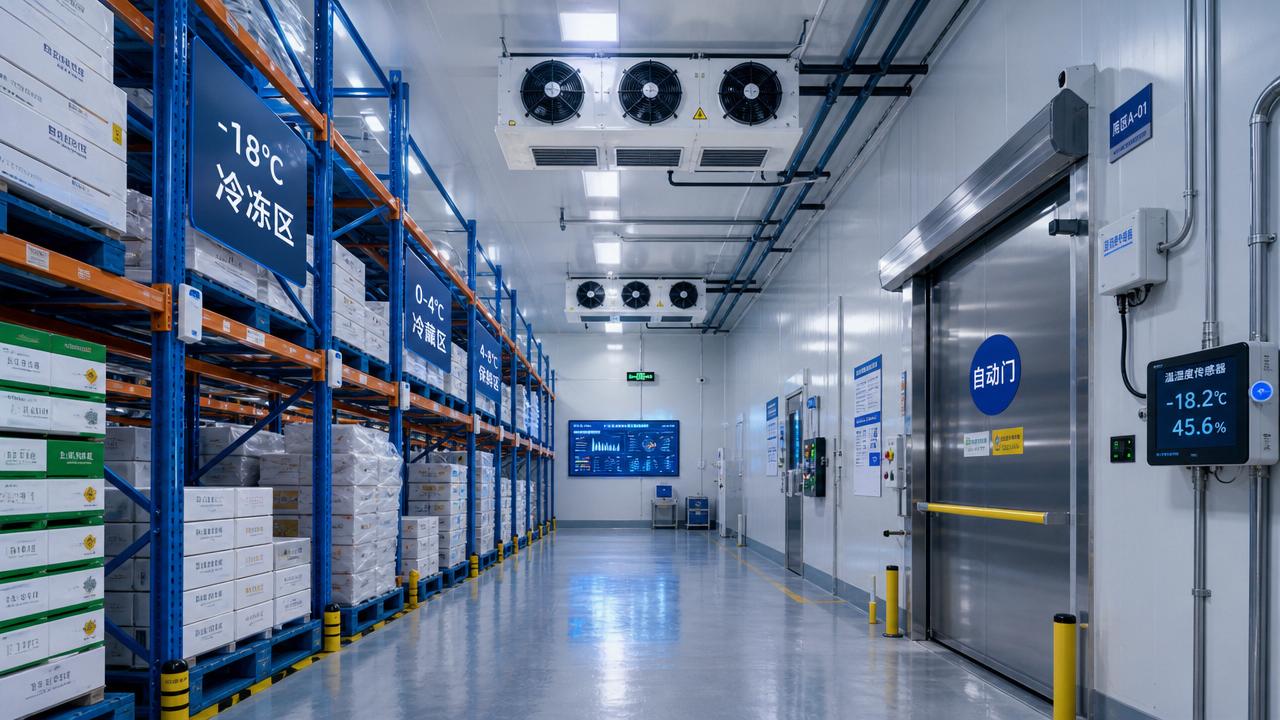
Cold storage is not a single environment. It includes chilled rooms, freezer rooms, blast cooling zones, staging areas, and temperature-sensitive processing interfaces.
Each area has different thermal loads, door opening frequency, product respiration, humidity needs, and recovery speed targets. That is why high-precision temperature control must be matched to the actual scene.
For the broader industrial ecosystem observed by GTC-Matrix, this is a thermodynamic management issue, not only a refrigeration setting issue.
Accurate control protects shelf life, stabilizes process quality, and supports energy conversion efficiency across cooling, air movement, insulation, and monitoring systems.
The value of tighter control in different operating conditions
A cold room storing frozen meat does not behave like a chamber holding vaccines, dairy products, or electronics-grade materials.
High-precision temperature control reduces risk when product sensitivity is high, turnover is fast, or regulatory traceability is strict.
It also matters when energy prices fluctuate, refrigerant strategy changes, or facilities aim to reduce carbon intensity without sacrificing thermal stability.
Typical cold storage applications and the key judgment points
Food storage: balancing safety, freshness, and recovery speed
In food logistics, high-precision temperature control helps preserve texture, color, moisture, and microbial safety.
The main judgment points include loading density, product inlet temperature, door opening cycles, and whether temperature uniformity is maintained across pallet positions.
Fast temperature recovery after door events is often more important than the nominal setpoint shown on a controller.
Pharmaceutical storage: compliance and thermal traceability first
Pharmaceutical environments demand narrower tolerance bands and reliable audit records.
Here, high-precision temperature control must be supported by calibrated sensors, alarm logic, backup cooling, and validated data retention.
The critical question is not only whether temperature is low enough, but whether every recorded point stays within the qualified range.
Industrial materials: avoiding condensation, deformation, and process instability
Some industrial materials require cooling stability to prevent condensation, packaging failure, dimensional change, or chemical degradation.
High-precision temperature control in these settings often includes humidity coordination, airflow tuning, and staged cooling instead of aggressive compressor cycling.
Mixed-use storage: the hardest scenario to manage well
A shared facility may store products with different thermal sensitivity in one building.
This creates conflict between freezing needs, chilled storage needs, traffic movement, and energy-saving strategies.
In this scenario, high-precision temperature control depends on zoning, independent sensing, and control logic that responds to local conditions.
How scenario differences change high-precision temperature control requirements
The same cooling plant can perform very differently under different loads. Scenario-based planning improves both thermal quality and lifecycle efficiency.
This comparison shows why high-precision temperature control should never be evaluated by thermostat settings alone.
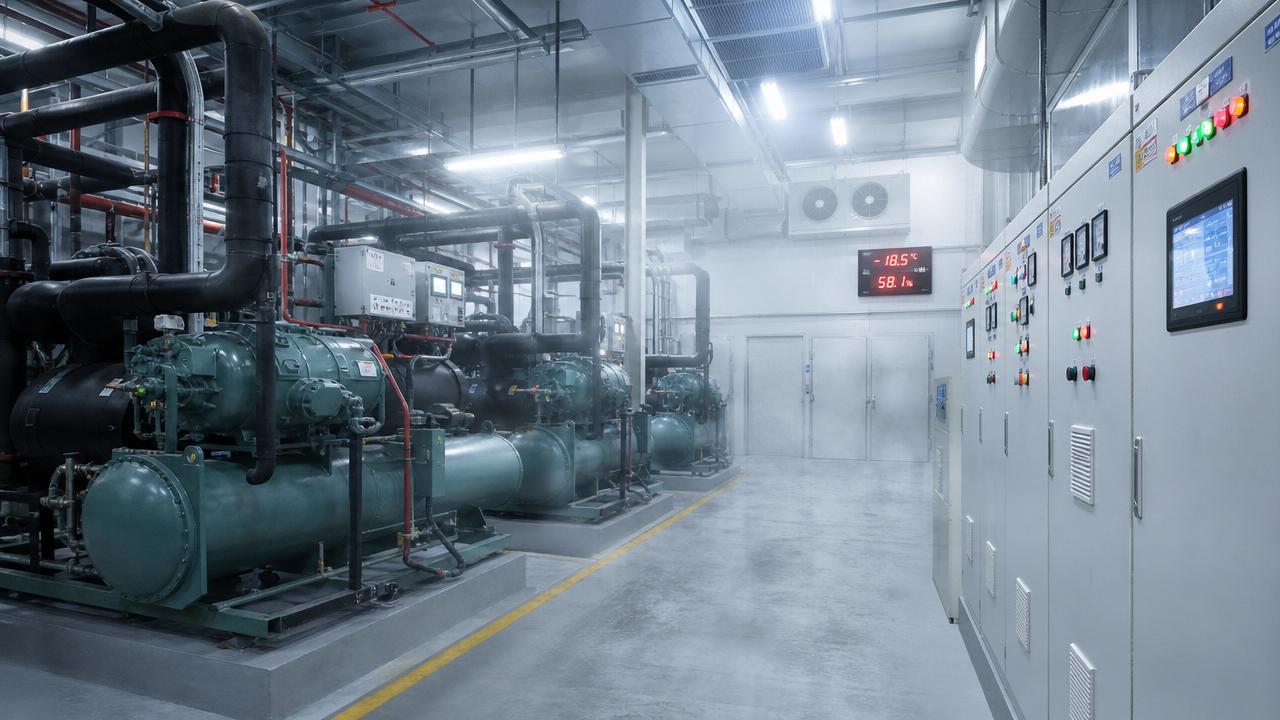
Real performance depends on sensor placement, evaporator behavior, compressor modulation, heat infiltration, and data-driven control decisions.
Practical ways to match high-precision temperature control to each scene
Better performance usually comes from system coordination rather than one single upgrade. The following actions are often effective across sectors.
- Map thermal zones based on door traffic, solar gain, product type, and loading density.
- Use multiple sensors to detect spatial variation instead of relying on one return-air point.
- Adopt variable-capacity compressors or inverter-driven fans for smoother response.
- Tune defrost schedules to reduce unnecessary heat disturbance.
- Integrate alarms with trend analysis, not only high-low threshold warnings.
- Review insulation, door seals, and infiltration paths before increasing cooling capacity.
When advanced controls create the biggest return
High-precision temperature control delivers stronger value when inventory is expensive, compliance exposure is high, or temperature drift causes hidden product loss.
It also creates return where energy efficiency matters, because unstable control often means excessive cycling and avoidable power consumption.
This aligns with GTC-Matrix intelligence themes around efficient compression power, optimized heat exchange, and decarbonized thermal infrastructure.
Common misjudgments that weaken temperature stability
Many facilities believe colder always means safer. In practice, poor control at a lower setting can be worse than stable control at the correct setting.
Another common mistake is measuring only room air while ignoring product-core temperature, rack-level variation, and temperature lag after loading.
Some sites oversize equipment to solve instability. Oversizing may increase short cycling, reduce humidity control, and undermine high-precision temperature control.
Defrost management is also frequently underestimated. Poor timing can introduce thermal spikes that look like random system inconsistency.
Finally, facilities sometimes treat data collection as a compliance task only. Trend data should guide operational improvement, maintenance, and control optimization.
A practical next step for improving cold storage performance
Start with a scenario audit. Identify which rooms face the highest product risk, the strongest thermal disturbance, and the largest energy penalties.
Then compare actual temperature behavior against intended storage conditions, not only against nameplate equipment capacity.
A useful review should include temperature mapping, door activity patterns, defrost impact, airflow balance, sensor calibration, and compressor response behavior.
From there, prioritize targeted upgrades. In many cases, better sensing, zoning, fan logic, and control sequencing improve high-precision temperature control without major reconstruction.
For organizations following global cooling and thermal efficiency trends, scenario-based optimization offers a practical bridge between product protection and energy performance.
High-precision temperature control is not merely a technical feature. In cold storage, it is a strategic operating capability that protects quality, controls cost, and strengthens reliability.
Related News
- MPA Opens Fast-Track Cold Chain Inspections in SingaporeAuthor :Cryogenic Systems Expert

- GCC Cold Storage Imports Face GCC-CLIMAT 2026 RuleAuthor :Cryogenic Systems Expert

- Industrial Refrigeration Equipment Evaporator Selection: Capacity, Frost, and Energy TradeoffsAuthor :Cryogenic Systems Expert

- Industrial Refrigeration Equipment: Cost Factors to CompareAuthor :Cryogenic Systems Expert

- Manzhouli Rail Hub Sets Weekly Reefer RecordAuthor :Cryogenic Systems Expert

- Manzhouli Rail Cold-Chain Volume Hits Weekly HighAuthor :Cryogenic Systems Expert

- High-Precision Temperature Control for Stable Cold StorageAuthor :Cryogenic Systems Expert
![]()
- High-Precision Temperature Control in Cold StorageAuthor :Cryogenic Systems Expert

- Japan's METI Mandates AI Energy Models for Cold StorageAuthor :Cryogenic Systems Expert
![]()
- Fruit Attraction Madrid 2026 Booths 91% Booked; Smart Cold Storage Now EU Entry GateAuthor :Cryogenic Systems Expert

- Fruit Attraction Madrid: 90% Booths Booked; Smart Cold Storage Now EU Entry GateAuthor :Cryogenic Systems Expert
![]()
- How Global Energy Costs Are Changing Cold Storage PlanningAuthor :Cryogenic Systems Expert

- High-Precision Temperature Control in Cold StorageAuthor :Cryogenic Systems Expert

- Hema's Discount Brand 'Chao He Suan NB' Expands to Southeast AsiaAuthor :Cryogenic Systems Expert

- State Council Approves Urban Renewal '15th Five-Year' Plan, Boosting Cold Storage Retrofit DemandAuthor :Cryogenic Systems Expert

- Colombia Upholds Anti-Dumping Duties on Chinese Acrylic SheetsAuthor :Cryogenic Systems Expert

- PSA Launches Express Lane for Industrial Thermal EquipmentAuthor :Cryogenic Systems Expert

- Smart Thermal Systems for Cold Storage: Control Gains That Cut Energy WasteAuthor :Cryogenic Systems Expert

- PSA Launches Express Lane for Temperature-Critical CargoAuthor :Cryogenic Systems Expert

- Pure Power Sources: What Matters Most for Cold Storage ReliabilityAuthor :Cryogenic Systems Expert

- Brazil Grants Unilateral Visa-Free Access to Chinese CitizensAuthor :Cryogenic Systems Expert

- India BIS Proposes Mandatory Low-GWP Verification for R449A in Cold StorageAuthor :Cryogenic Systems Expert

- US BIS Adds 3 Cold Storage Controller Makers to Entity ListAuthor :Cryogenic Systems Expert

- High-Precision Temperature Control in Cold Storage OperationsAuthor :Cryogenic Systems Expert

- India BIS Proposes Mandatory Low-GWP Verification for R449A in Cold StorageAuthor :Cryogenic Systems Expert

- US BIS Adds 3 Chinese Cold Storage Controller Makers to Entity ListAuthor :Cryogenic Systems Expert

- China Expands HCFCs Phase-Out Verification for Cold Storage ExportsAuthor :Cryogenic Systems Expert

- Smart Thermal Systems for Cold Storage: What Delivers PaybackAuthor :Cryogenic Systems Expert

- China Expands HCFCs Phase-Out Checks to 127 Chiller PlantsAuthor :Cryogenic Systems Expert

- Shanghai Port Reefer FEU Rates Surge Past $12,800 Amid Red Sea DiversionAuthor :Cryogenic Systems Expert

- Red Sea Crisis Pushes Shanghai-Rotterdam Reefer Freight to $12,520/FEUAuthor :Cryogenic Systems Expert
![]()
- What Intellectualization Means for Smarter Cold Storage OperationsAuthor :Cryogenic Systems Expert