MPA Opens Fast-Track Cold Chain Inspections in Singapore




On July 8, 2026, the Maritime and Port Authority of Singapore (MPA) announced a new inspection channel at Pasir Panjang Terminal dedicated to imported cold storage equipment. The change is notable not only because it shortens average customs clearance from 5.2 days to within 48 hours for the first pilot categories, but also because it signals a more execution-focused approach to pre-declaration, risk screening, and temperature-data connectivity. For importers, distributors, procurement teams, and supply chain service providers handling cold storage equipment, the practical issue is no longer just port arrival, but whether documentation and data readiness can match a faster release process.

A new operating path for selected cold storage imports
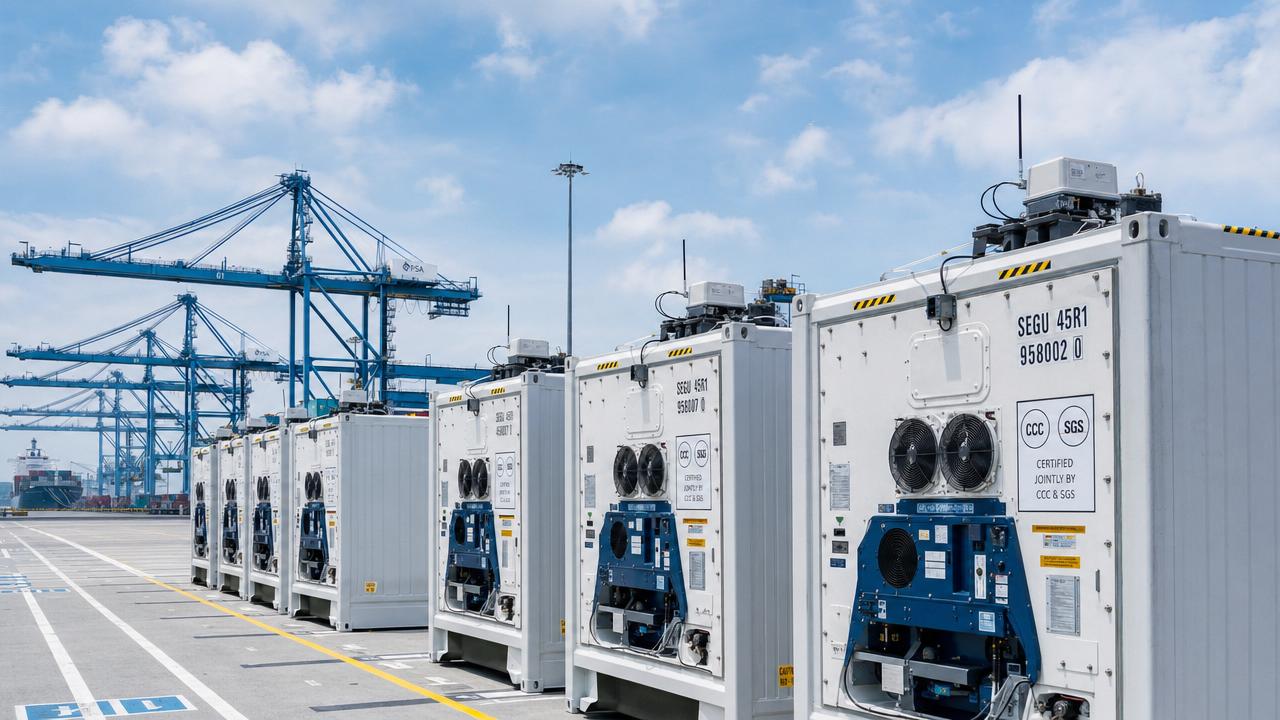
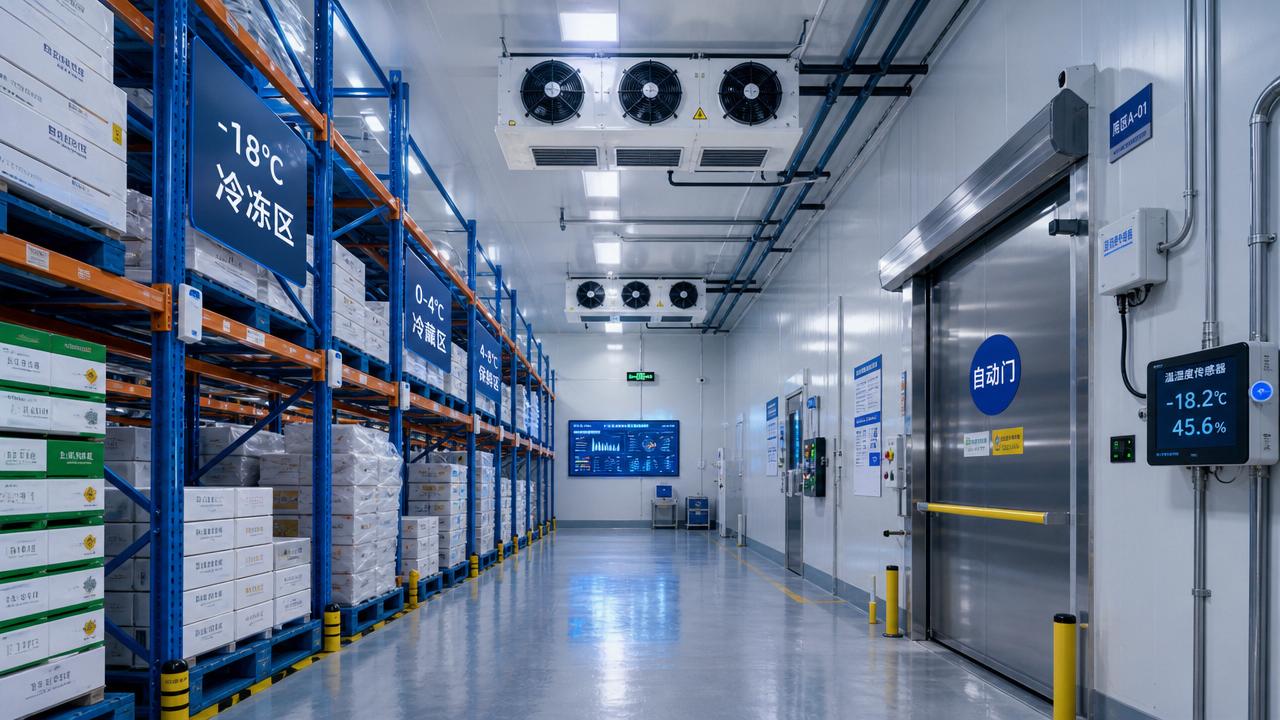
According to the information provided, MPA announced on July 8, 2026 that an intelligent cold chain inspection channel for cold storage equipment has been launched at Pasir Panjang Terminal. The mechanism combines pre-declaration AI risk control with direct connectivity to temperature-control data, enabling inspection on arrival and frictionless release.
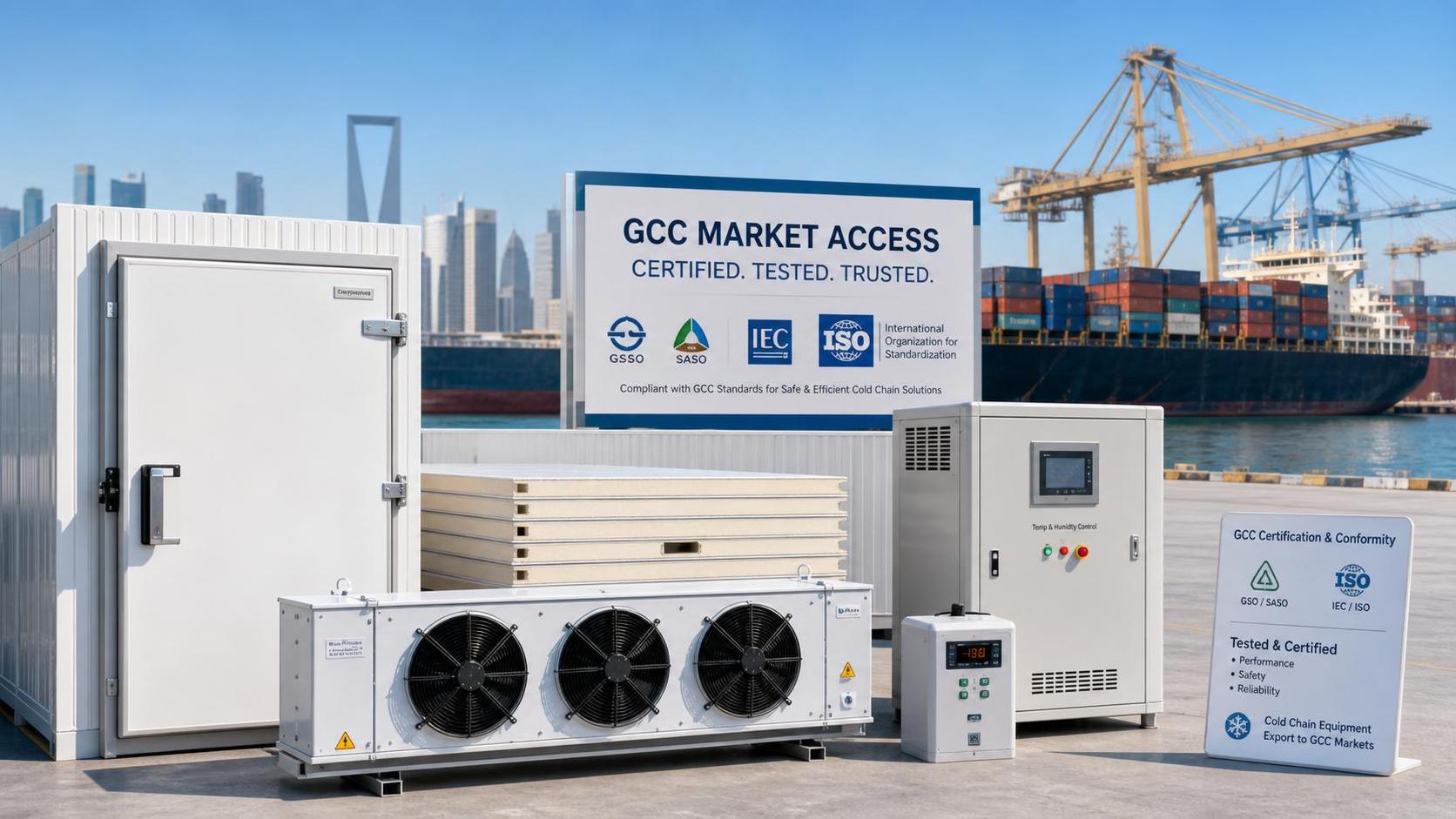
The first pilot batch covers refrigeration units, cold room doors, and insulation panels. For these pilot categories, the average customs clearance time has been reduced from 5.2 days to within 48 hours. The provided summary also states that this improves replenishment responsiveness for distributors in Southeast Asia.
Where the operational impact is likely to be felt first
Import and trading companies may face a higher premium on pre-arrival readiness
From an industry perspective, firms importing the covered equipment categories are likely to feel the immediate effect because the new channel is built around pre-declaration and faster inspection-release sequencing. The business impact is likely to appear in customs preparation, shipment scheduling, and handover timing. What deserves closer attention is whether product files, shipment information, and temperature-related data can be organized in a way that supports a shorter port dwell cycle.
Regional distributors may need to adjust replenishment and stocking decisions
For distributors serving Southeast Asian markets, the reported reduction in clearance time matters mainly at the replenishment stage. Analysis shows that a shorter release window can affect reorder timing, local inventory buffers, and delivery commitments to downstream buyers. The rule-related point to watch is not a new tariff or product ban, but a change in how quickly compliant cargo may move once it reaches the terminal.
Supply chain service providers may need to align around data-linked handling
Logistics coordinators, customs-facing service teams, and delivery planners may also be affected because the announced process links AI-based pre-screening with temperature-control data connectivity. Observably, this raises the operational importance of data consistency across booking, declaration, inspection, and release stages. The practical concern is whether service workflows and document handling can keep pace with a process designed for arrival-based inspection and low-friction release.
What companies should monitor as the channel moves into use
Document packages and technical data should be reviewed against faster release expectations
Analysis shows that companies dealing in refrigeration units, cold room doors, and insulation panels should review whether their existing shipment files are prepared early enough for pre-declaration-based processing. Where execution depends on linked temperature-control data, incomplete or inconsistent records could become more visible under a faster inspection model.
Covered product categories deserve closer shipment planning
What deserves closer attention is the fact that the current information identifies a first pilot batch rather than a broad product-wide rollout. Companies handling the listed equipment categories may need to watch for whether internal procurement schedules, dispatch timing, and customer delivery commitments are being recalibrated around the reported 48-hour clearance window, while avoiding the assumption that all related products will automatically follow the same path.
Official wording and execution scope still need continued verification
Because the provided information confirms the channel launch and the initial pilot scope, but does not set out detailed execution criteria, companies should continue monitoring how the process is described in later official communications. This includes any further clarification on filing expectations, inspection treatment, eligible shipments, and practical release conditions.
After-sales and traceability teams should not treat faster clearance as reduced compliance exposure
Observably, a shorter customs cycle can compress downstream timelines for installation, turnover, and service response. That does not remove the need for product traceability, technical documentation control, or quality follow-up. Firms should therefore pay attention to whether accelerated port processing creates tighter expectations on record availability after release.
Why this looks more like an execution signal than a broad policy rewrite
Analysis shows that this development is better understood as an implementation signal in trade facilitation and inspection workflow rather than as a standalone rewrite of product regulation. The meaningful change lies in how MPA is using pre-declaration AI risk control and connected temperature data to support faster handling of selected cold storage equipment at a specific terminal.
At the same time, it is still appropriate to treat the development with some caution. The information provided confirms the launch, the pilot categories, and the reported reduction in average clearance time, but it does not yet establish how widely the model may extend, whether execution conditions will evolve, or how consistently market participants can match the required data and documentation standard in practice.
How the market may read this development for now
At this stage, it is more appropriate to understand the MPA move as a concrete operational change with immediate relevance for covered cold storage equipment imports, especially where replenishment speed and port release timing matter. The event does point to a real shift in execution at Pasir Panjang Terminal, but the broader industry significance will depend on how the pilot is applied, interpreted, and possibly extended over time. A rational reading is that companies should treat this as an active process change worth preparing for, while continuing to verify the details of implementation.
Basis of this article and what still needs checking
This article is based on the user-provided news title, event date, and event summary. For developments of this type, source categories typically relevant for further verification include official announcements, releases from regulatory authorities, customs or trade administration updates, industry association notices, standards-related documents, and reporting by established professional media.
No specific official source link was provided in the input, so the exact official publication should be verified on an ongoing basis. What still requires continued observation includes later implementation details, any clarification of compliance expectations, possible changes in tender or procurement documents, market feedback from affected participants, and how companies actually execute against the new inspection and release model.
Related News
- MPA Opens Fast-Track Cold Chain Inspections in SingaporeAuthor :Cryogenic Systems Expert

- GCC Cold Storage Imports Face GCC-CLIMAT 2026 RuleAuthor :Cryogenic Systems Expert

- Industrial Refrigeration Equipment Evaporator Selection: Capacity, Frost, and Energy TradeoffsAuthor :Cryogenic Systems Expert

- Industrial Refrigeration Equipment: Cost Factors to CompareAuthor :Cryogenic Systems Expert

- Manzhouli Rail Hub Sets Weekly Reefer RecordAuthor :Cryogenic Systems Expert

- Manzhouli Rail Cold-Chain Volume Hits Weekly HighAuthor :Cryogenic Systems Expert

- High-Precision Temperature Control for Stable Cold StorageAuthor :Cryogenic Systems Expert
![]()
- High-Precision Temperature Control in Cold StorageAuthor :Cryogenic Systems Expert

- Japan's METI Mandates AI Energy Models for Cold StorageAuthor :Cryogenic Systems Expert
![]()
- Fruit Attraction Madrid 2026 Booths 91% Booked; Smart Cold Storage Now EU Entry GateAuthor :Cryogenic Systems Expert

- Fruit Attraction Madrid: 90% Booths Booked; Smart Cold Storage Now EU Entry GateAuthor :Cryogenic Systems Expert
![]()
- How Global Energy Costs Are Changing Cold Storage PlanningAuthor :Cryogenic Systems Expert

- High-Precision Temperature Control in Cold StorageAuthor :Cryogenic Systems Expert

- Hema's Discount Brand 'Chao He Suan NB' Expands to Southeast AsiaAuthor :Cryogenic Systems Expert

- State Council Approves Urban Renewal '15th Five-Year' Plan, Boosting Cold Storage Retrofit DemandAuthor :Cryogenic Systems Expert

- Colombia Upholds Anti-Dumping Duties on Chinese Acrylic SheetsAuthor :Cryogenic Systems Expert

- PSA Launches Express Lane for Industrial Thermal EquipmentAuthor :Cryogenic Systems Expert

- Smart Thermal Systems for Cold Storage: Control Gains That Cut Energy WasteAuthor :Cryogenic Systems Expert

- PSA Launches Express Lane for Temperature-Critical CargoAuthor :Cryogenic Systems Expert

- Pure Power Sources: What Matters Most for Cold Storage ReliabilityAuthor :Cryogenic Systems Expert

- Brazil Grants Unilateral Visa-Free Access to Chinese CitizensAuthor :Cryogenic Systems Expert

- India BIS Proposes Mandatory Low-GWP Verification for R449A in Cold StorageAuthor :Cryogenic Systems Expert

- US BIS Adds 3 Cold Storage Controller Makers to Entity ListAuthor :Cryogenic Systems Expert

- High-Precision Temperature Control in Cold Storage OperationsAuthor :Cryogenic Systems Expert

- India BIS Proposes Mandatory Low-GWP Verification for R449A in Cold StorageAuthor :Cryogenic Systems Expert

- US BIS Adds 3 Chinese Cold Storage Controller Makers to Entity ListAuthor :Cryogenic Systems Expert

- China Expands HCFCs Phase-Out Verification for Cold Storage ExportsAuthor :Cryogenic Systems Expert

- Smart Thermal Systems for Cold Storage: What Delivers PaybackAuthor :Cryogenic Systems Expert

- China Expands HCFCs Phase-Out Checks to 127 Chiller PlantsAuthor :Cryogenic Systems Expert

- Shanghai Port Reefer FEU Rates Surge Past $12,800 Amid Red Sea DiversionAuthor :Cryogenic Systems Expert

- Red Sea Crisis Pushes Shanghai-Rotterdam Reefer Freight to $12,520/FEUAuthor :Cryogenic Systems Expert
![]()
- What Intellectualization Means for Smarter Cold Storage OperationsAuthor :Cryogenic Systems Expert