Red Sea Crisis Pushes Shanghai-Rotterdam Reefer Freight to $12,520/FEU




On May 2, 2026, Shanghai-Rotterdam 40-foot refrigerated container (reefer) freight rates surged to $12,520/FEU — a 23.6% week-on-week increase and the highest level since early 2025 — driven by sustained Red Sea rerouting. This development directly impacts cold chain-dependent sectors including industrial refrigeration equipment importers, cold storage infrastructure developers, and European distributors of temperature-sensitive capital goods.
Event Overview
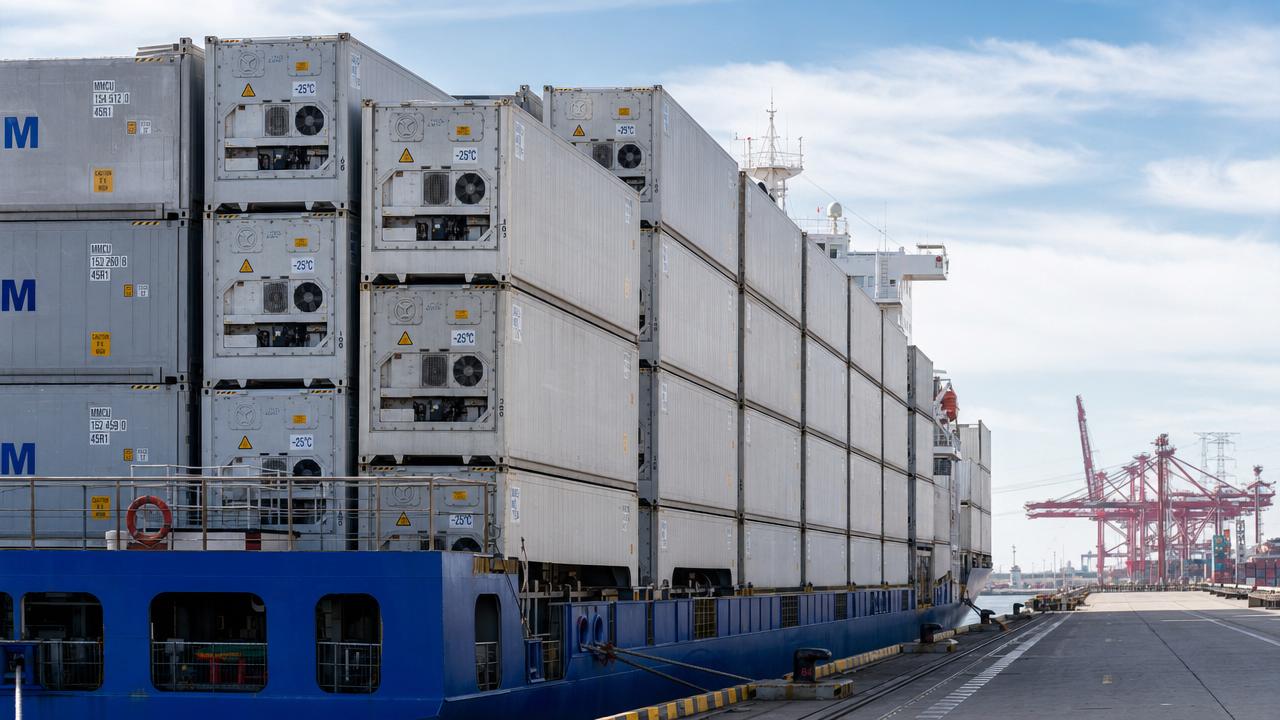
According to data released by the Shanghai Shipping Exchange on May 3, 2026, the spot freight rate for 40-foot refrigerated containers (FEU) from Shanghai Port to Rotterdam Port reached $12,520. The figure reflects a 23.6% increase compared to the prior week and marks the highest recorded level since January 2025. The rise is attributed to the ongoing normalization of Red Sea detours, which extend voyage duration and reduce effective vessel capacity on the Asia-Europe corridor.
Industries Affected by Segment
Direct Importers of Refrigerated Equipment
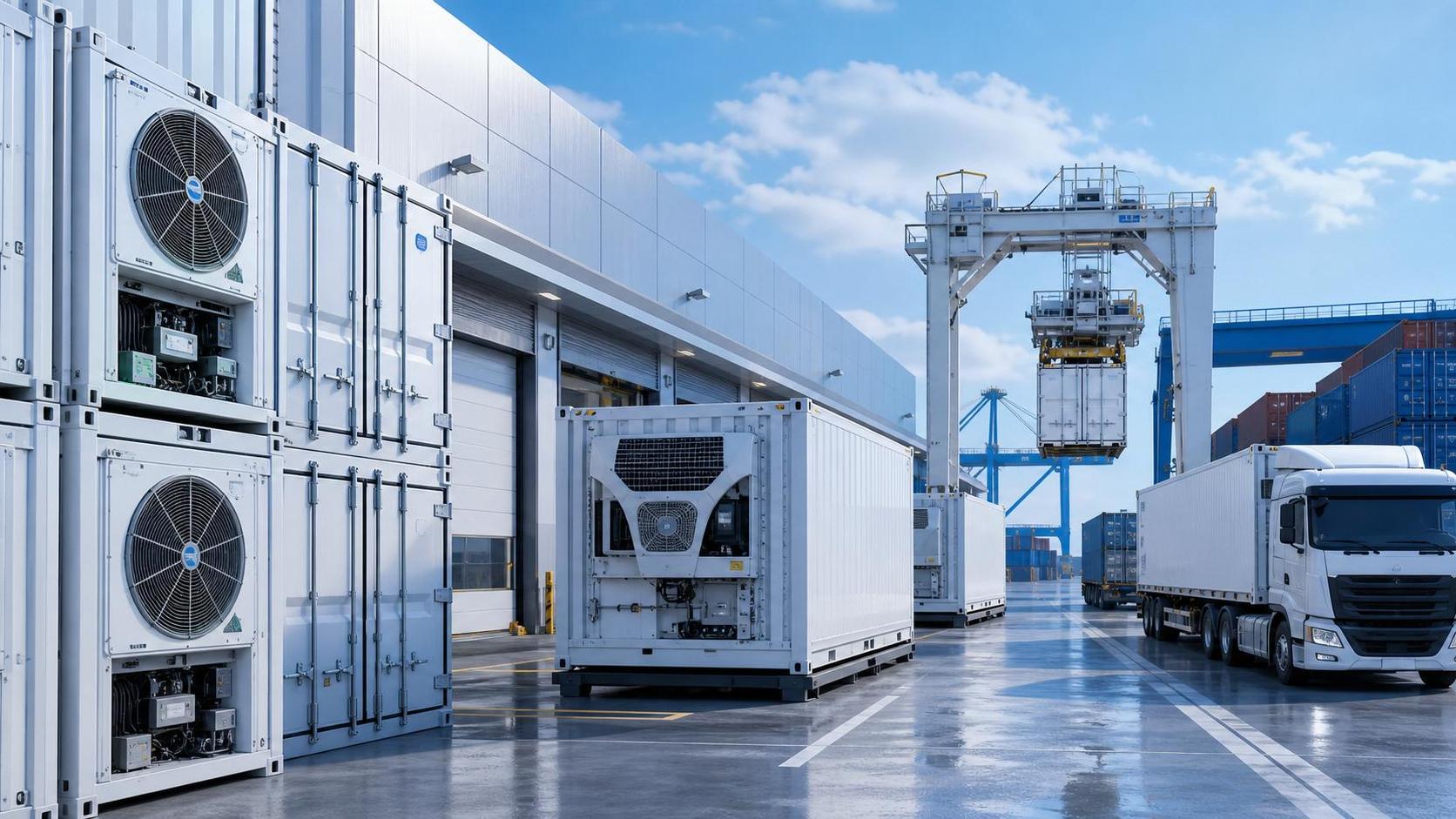
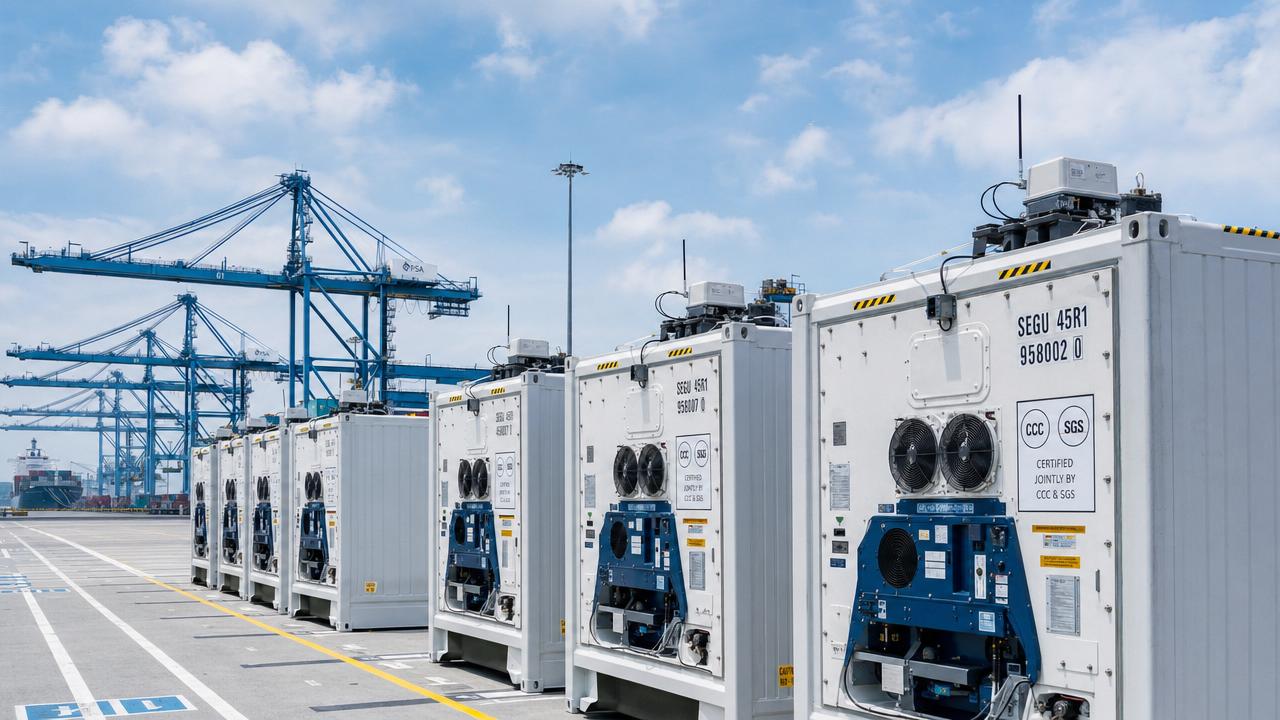
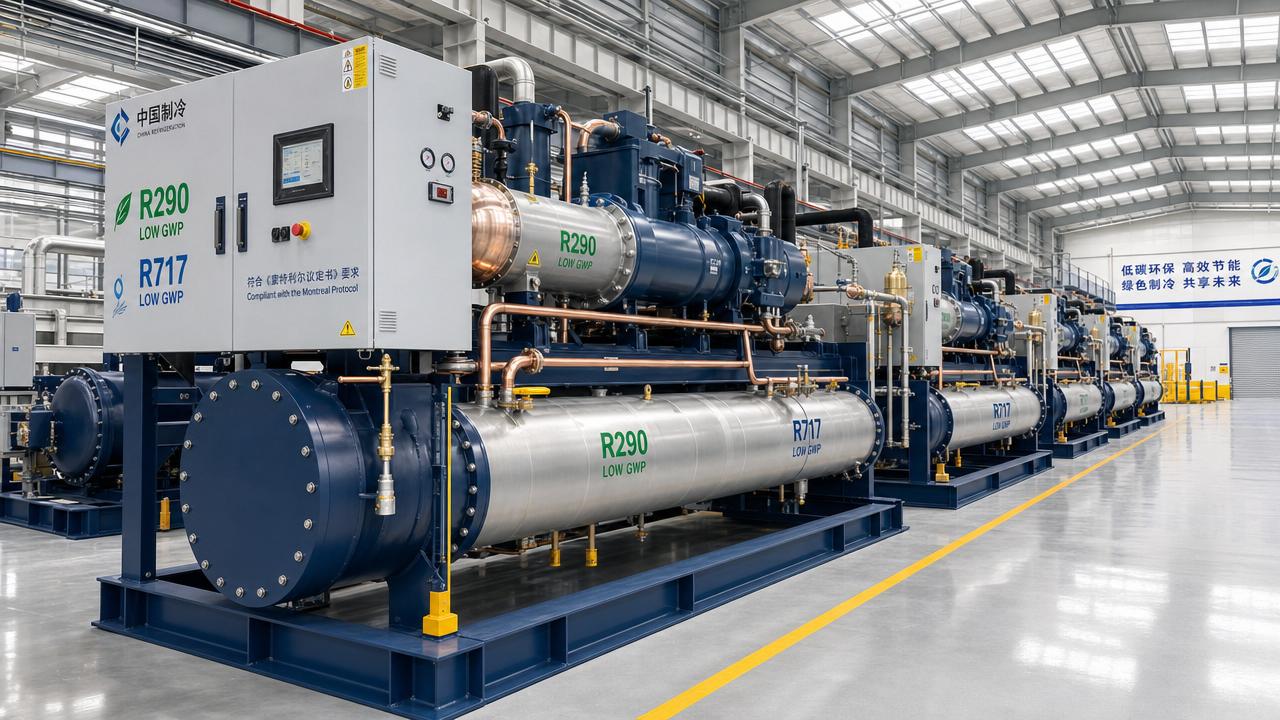
Importers of large-scale cold storage systems and industrial chillers face immediate cost pressure: reefer surcharges now constitute a material portion of landed cost. Given the size and weight of such equipment, standard dry-container alternatives are often infeasible, leaving reefer as the only viable ocean option — amplifying exposure to volatile rates.
Raw Material & Component Procurement Teams
Procurement units sourcing temperature-sensitive components (e.g., precision sensors, battery modules, or pharmaceutical-grade materials) for European assembly lines encounter rising landed costs and extended lead times. Delays from extended transit durations compound inventory planning challenges, particularly where just-in-time replenishment is practiced.
Manufacturers with EU-Based Final Assembly
Companies relying on imported reefer-shipped subassemblies — such as HVAC control units or refrigerant circuit modules — face both cost inflation and schedule uncertainty. Longer transits increase the risk of missed production windows, especially when paired with port congestion or customs clearance variability at Rotterdam.
Cold Chain Logistics Service Providers
Third-party logistics providers offering end-to-end cold chain solutions must reassess pricing models and capacity allocation. With reefer slot availability tightening and rates spiking, service-level agreements tied to fixed freight cost assumptions may require renegotiation or contingency clauses.
What Stakeholders Should Monitor and Do Now
Track official guidance on Red Sea navigation advisories and insurance premium adjustments
Maritime safety bulletins from the UKMTO, EU NAVFOR, and major P&I clubs remain key indicators of operational risk — and therefore pricing sustainability. A shift toward formalized convoy systems or renewed naval engagement could signal stabilization; absence of such developments suggests continued volatility.
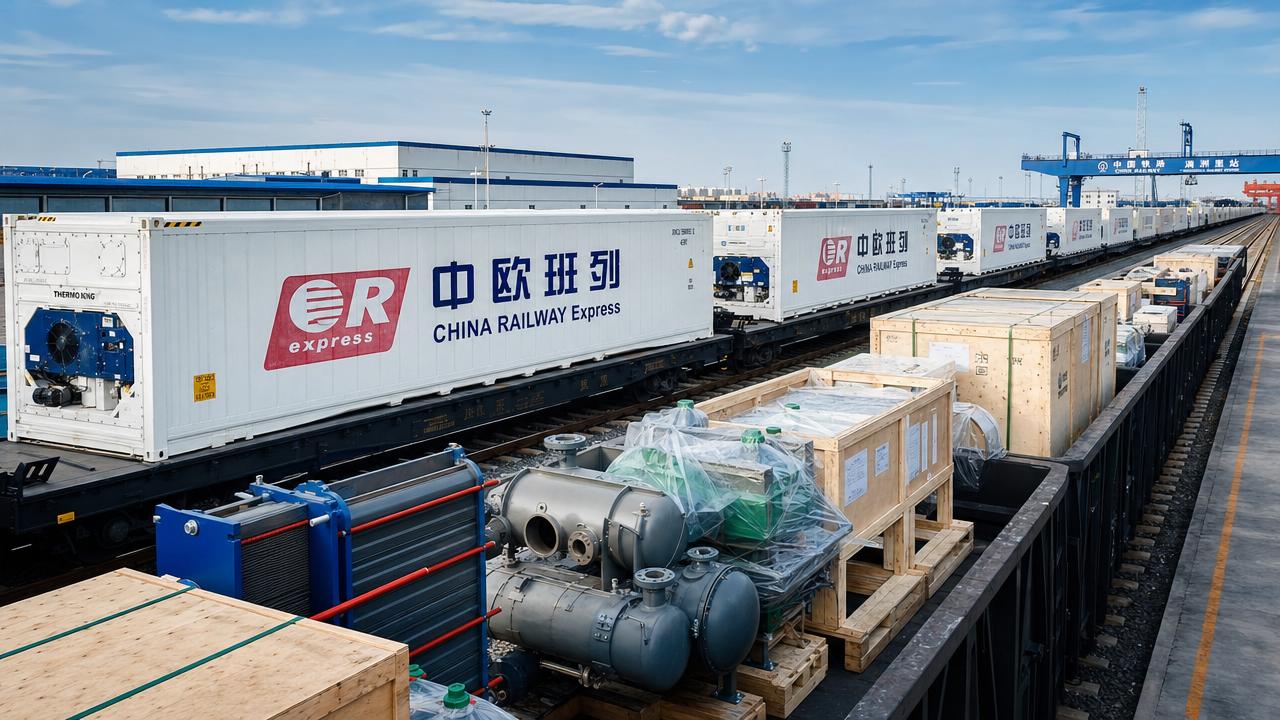
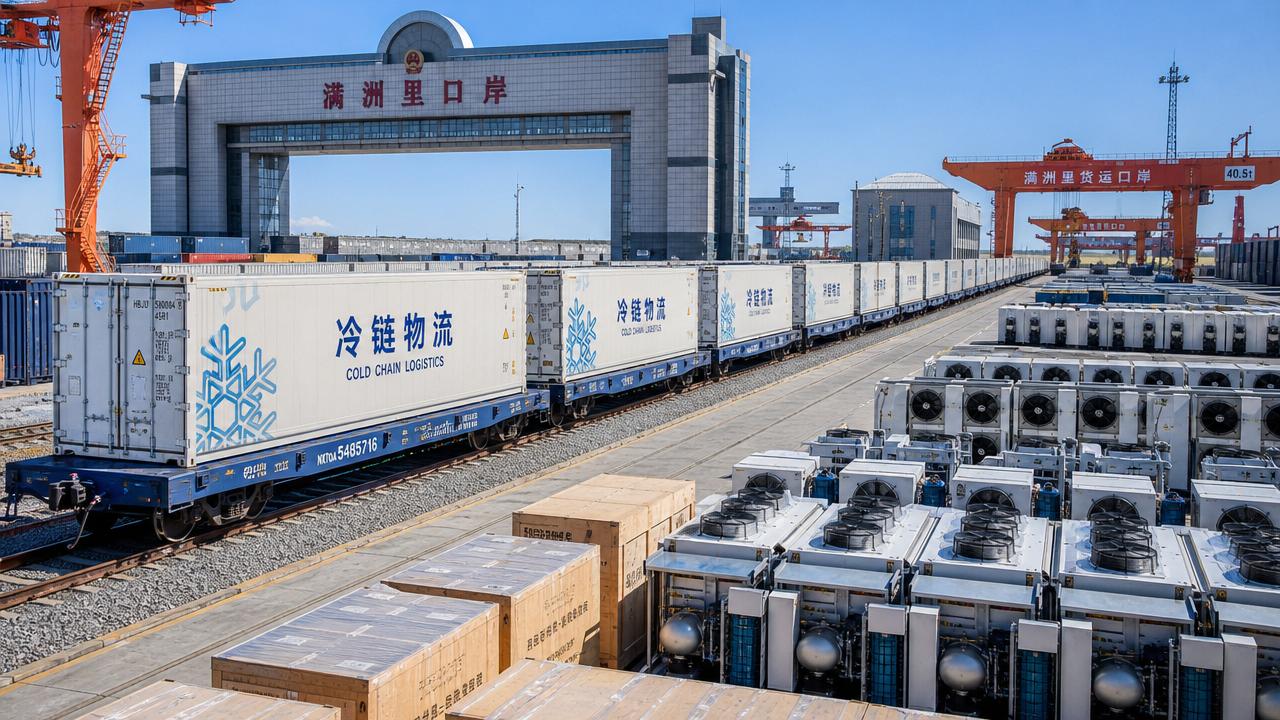
Assess feasibility of shifting specific high-value, time-sensitive shipments to the China-Europe Railway (cold-chain dedicated trains)
While rail transit time is longer than air but shorter than extended sea routes, dedicated reefer rail services from Yiwu or Chengdu to Duisburg/Rotterdam offer predictable schedules and stable temperature control. Evaluate cargo eligibility (weight, dimensions, documentation), current transit time (~14–18 days), and terminal handling capabilities before committing volume.
Evaluate local assembly or modular delivery options for large equipment
For cold storage plants or industrial chiller systems, consider splitting shipments into pre-fabricated modules shipped via standard containers, followed by local commissioning. This reduces reliance on scarce reefer capacity and lowers per-unit freight exposure — though it requires upfront coordination with EU-based engineering partners.
Review Incoterms and freight cost pass-through mechanisms in active contracts
Verify whether existing purchase orders or supply agreements allocate freight risk to buyers or sellers. Where terms are FOB or EXW, buyers bear full exposure; under CIF or DAP, sellers may absorb or share cost increases — making contractual clarity essential before next procurement cycle.
Editorial Perspective / Industry Observation
Observably, this freight surge is less a short-term spike and more a structural recalibration of Asia-Europe cold chain economics. The persistence of Red Sea rerouting — now reflected in carrier deployment patterns and charter market behavior — signals that elevated reefer rates may persist through Q3 2026 unless geopolitical conditions change significantly. From an industry perspective, the $12,520/FEU threshold serves less as an anomaly and more as a new reference point for budgeting and risk modeling. It highlights growing divergence between dry and reefer capacity markets — a dynamic likely to accelerate investment in alternative modalities and regionalized manufacturing footprints.
Concluding, this rate milestone underscores a widening gap between theoretical shipping capacity and operationally available reefer slots under current routing constraints. It is not merely a cost headline but a logistical inflection point — one that rewards agility in route selection, contract design, and supply architecture. For stakeholders, the priority is not prediction but preparedness: treating sustained reefer scarcity as a baseline condition, not an exception.
Information Sources:
• Shanghai Shipping Exchange (data release dated May 3, 2026)
• Note: Ongoing monitoring is advised for updates on Red Sea security posture, carrier reefer slot allocation policies, and EU regulatory responses to cold-chain transport delays.
Related News
- MPA Opens Fast-Track Cold Chain Inspections in SingaporeAuthor :Cryogenic Systems Expert

- GCC Cold Storage Imports Face GCC-CLIMAT 2026 RuleAuthor :Cryogenic Systems Expert

- Industrial Refrigeration Equipment Evaporator Selection: Capacity, Frost, and Energy TradeoffsAuthor :Cryogenic Systems Expert

- Industrial Refrigeration Equipment: Cost Factors to CompareAuthor :Cryogenic Systems Expert

- Manzhouli Rail Hub Sets Weekly Reefer RecordAuthor :Cryogenic Systems Expert

- Manzhouli Rail Cold-Chain Volume Hits Weekly HighAuthor :Cryogenic Systems Expert

- High-Precision Temperature Control for Stable Cold StorageAuthor :Cryogenic Systems Expert
![]()
- High-Precision Temperature Control in Cold StorageAuthor :Cryogenic Systems Expert

- Japan's METI Mandates AI Energy Models for Cold StorageAuthor :Cryogenic Systems Expert
![]()
- Fruit Attraction Madrid 2026 Booths 91% Booked; Smart Cold Storage Now EU Entry GateAuthor :Cryogenic Systems Expert

- Fruit Attraction Madrid: 90% Booths Booked; Smart Cold Storage Now EU Entry GateAuthor :Cryogenic Systems Expert
![]()
- How Global Energy Costs Are Changing Cold Storage PlanningAuthor :Cryogenic Systems Expert

- High-Precision Temperature Control in Cold StorageAuthor :Cryogenic Systems Expert

- Hema's Discount Brand 'Chao He Suan NB' Expands to Southeast AsiaAuthor :Cryogenic Systems Expert

- State Council Approves Urban Renewal '15th Five-Year' Plan, Boosting Cold Storage Retrofit DemandAuthor :Cryogenic Systems Expert

- Colombia Upholds Anti-Dumping Duties on Chinese Acrylic SheetsAuthor :Cryogenic Systems Expert

- PSA Launches Express Lane for Industrial Thermal EquipmentAuthor :Cryogenic Systems Expert

- Smart Thermal Systems for Cold Storage: Control Gains That Cut Energy WasteAuthor :Cryogenic Systems Expert

- PSA Launches Express Lane for Temperature-Critical CargoAuthor :Cryogenic Systems Expert

- Pure Power Sources: What Matters Most for Cold Storage ReliabilityAuthor :Cryogenic Systems Expert

- Brazil Grants Unilateral Visa-Free Access to Chinese CitizensAuthor :Cryogenic Systems Expert

- India BIS Proposes Mandatory Low-GWP Verification for R449A in Cold StorageAuthor :Cryogenic Systems Expert

- US BIS Adds 3 Cold Storage Controller Makers to Entity ListAuthor :Cryogenic Systems Expert

- High-Precision Temperature Control in Cold Storage OperationsAuthor :Cryogenic Systems Expert

- India BIS Proposes Mandatory Low-GWP Verification for R449A in Cold StorageAuthor :Cryogenic Systems Expert

- US BIS Adds 3 Chinese Cold Storage Controller Makers to Entity ListAuthor :Cryogenic Systems Expert

- China Expands HCFCs Phase-Out Verification for Cold Storage ExportsAuthor :Cryogenic Systems Expert

- Smart Thermal Systems for Cold Storage: What Delivers PaybackAuthor :Cryogenic Systems Expert

- China Expands HCFCs Phase-Out Checks to 127 Chiller PlantsAuthor :Cryogenic Systems Expert

- Shanghai Port Reefer FEU Rates Surge Past $12,800 Amid Red Sea DiversionAuthor :Cryogenic Systems Expert

- Red Sea Crisis Pushes Shanghai-Rotterdam Reefer Freight to $12,520/FEUAuthor :Cryogenic Systems Expert
![]()
- What Intellectualization Means for Smarter Cold Storage OperationsAuthor :Cryogenic Systems Expert