High-Precision Temperature Control for Stable Cold Storage
In cold storage operations, even minor temperature deviations can compromise product quality, safety compliance, and operational trust. For quality control and safety managers, high-precision temperature control is no longer a technical luxury—it is a critical safeguard against spoilage, audit failures, and energy waste.
This article explores how stable thermal management, intelligent monitoring, and reliable cooling infrastructure help maintain consistent storage conditions while supporting stricter standards across food, pharmaceutical, and industrial supply chains.
Why Small Temperature Deviations Create Big Operational Risks
For cold storage teams, the central question is simple: can the facility prove that every product stayed within its required temperature range?
Quality and safety managers are not only protecting inventory. They are protecting traceability records, customer contracts, audit credibility, and brand trust.
A short temperature excursion may look harmless on a daily average chart. In reality, it can affect microbial growth, chemical stability, or product texture.
In pharmaceutical storage, narrow deviations may reduce product potency. In food storage, they can accelerate spoilage or weaken shelf-life guarantees.
High-precision temperature control helps reduce this uncertainty by keeping real conditions close to validated storage requirements, not merely acceptable averages.
The goal is not to make the cold room colder. The goal is to make temperature behavior predictable, documented, and defensible.
What Quality and Safety Managers Actually Need from Cold Storage
Most managers are less interested in refrigeration theory than in daily risk control. They need evidence that storage conditions remain stable.
They also need early warnings, clear accountability, and practical corrective actions before a deviation becomes a product hold or recall issue.
A dependable cold storage system should support three core outcomes: product integrity, compliance confidence, and operational continuity under changing load conditions.
Product integrity means temperature, humidity, airflow, and loading patterns work together to protect the stored materials throughout their residence time.
Compliance confidence means monitoring records are accurate, accessible, time-stamped, and aligned with internal standards or external regulatory expectations.
Operational continuity means the facility can manage door openings, defrost cycles, seasonal heat loads, and equipment wear without unstable temperature swings.
When these outcomes are achieved, high-precision temperature control becomes a management system, not just a refrigeration equipment specification.
Defining Precision: More Than a Setpoint on a Controller
A setpoint of 2°C does not automatically mean the stored product experiences 2°C. Precision depends on measurement, control, airflow, and response time.
True precision includes tight tolerance bands, low overshoot, fast recovery after disturbances, and limited differences between locations inside the room.
Managers should ask how temperature is controlled at product level, not only near the evaporator or on a wall-mounted display.
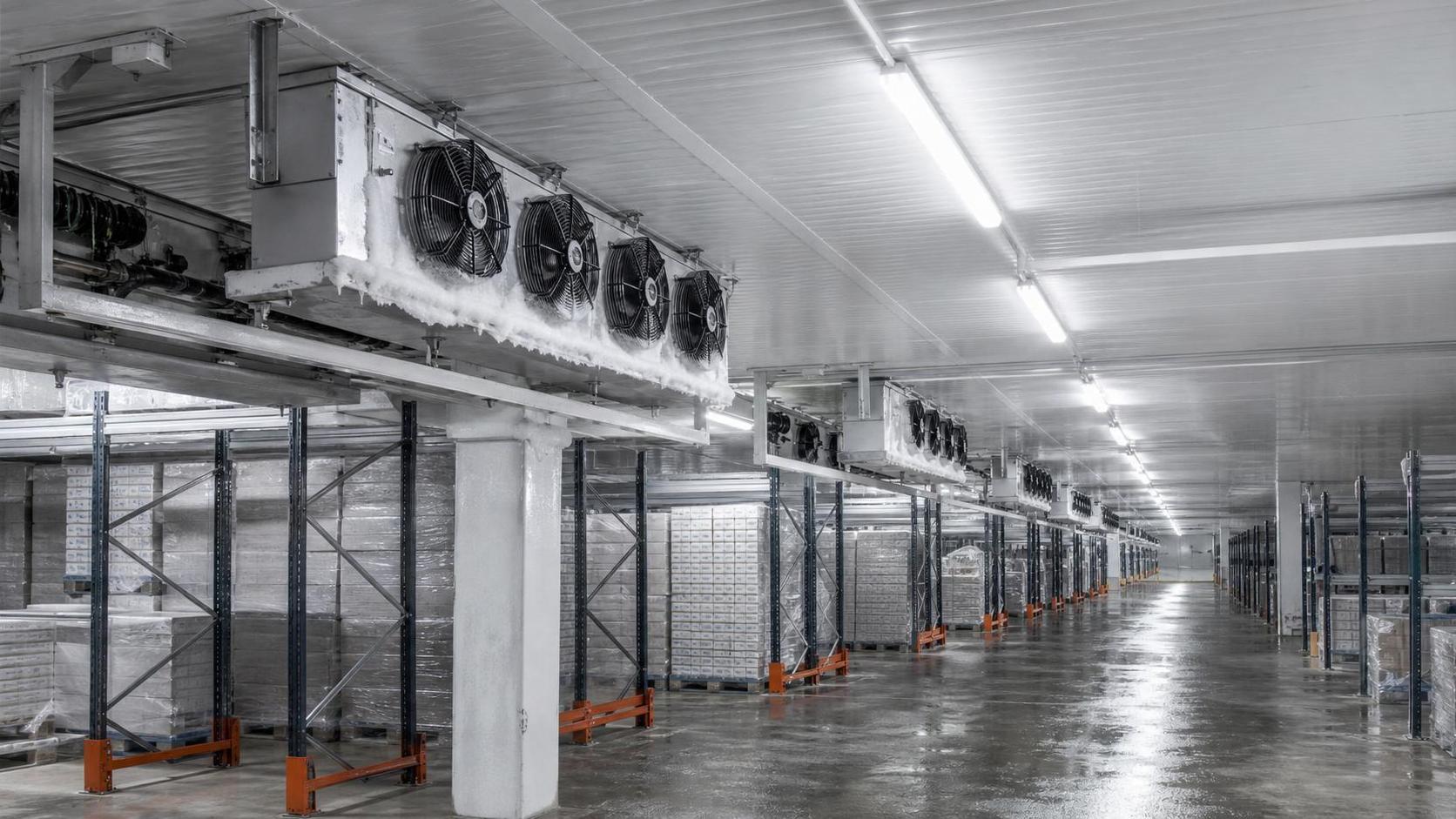
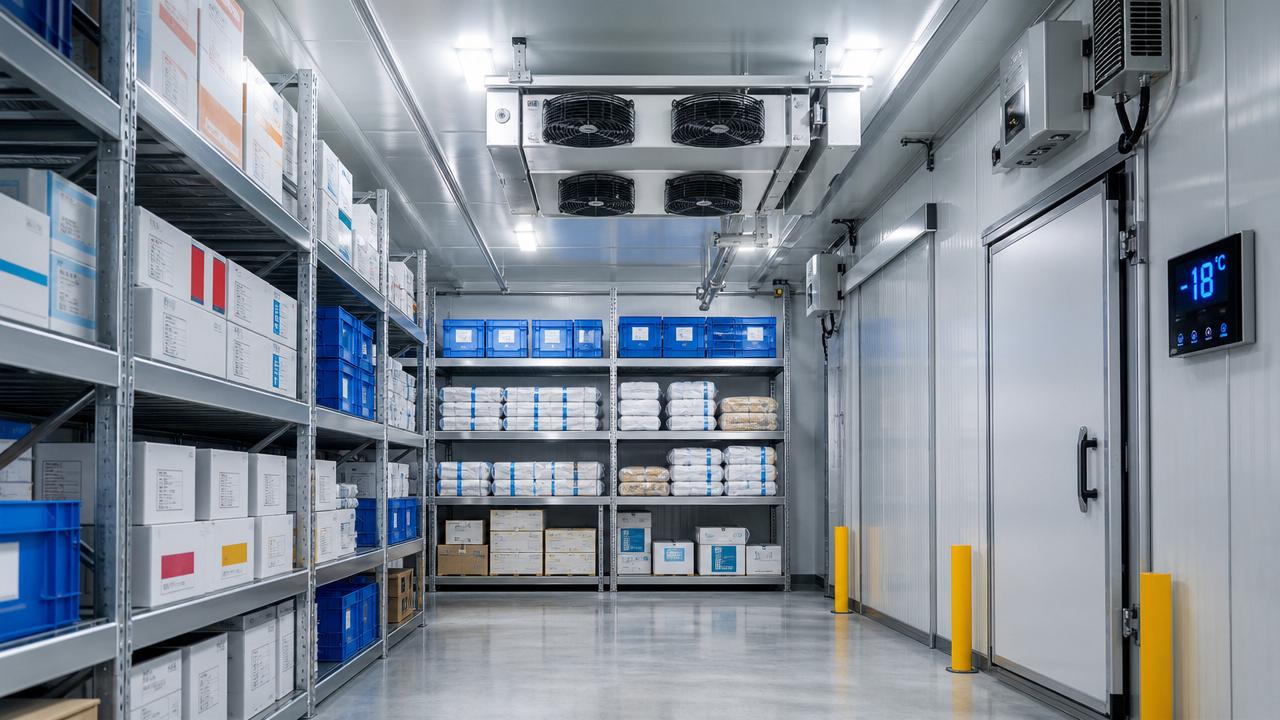
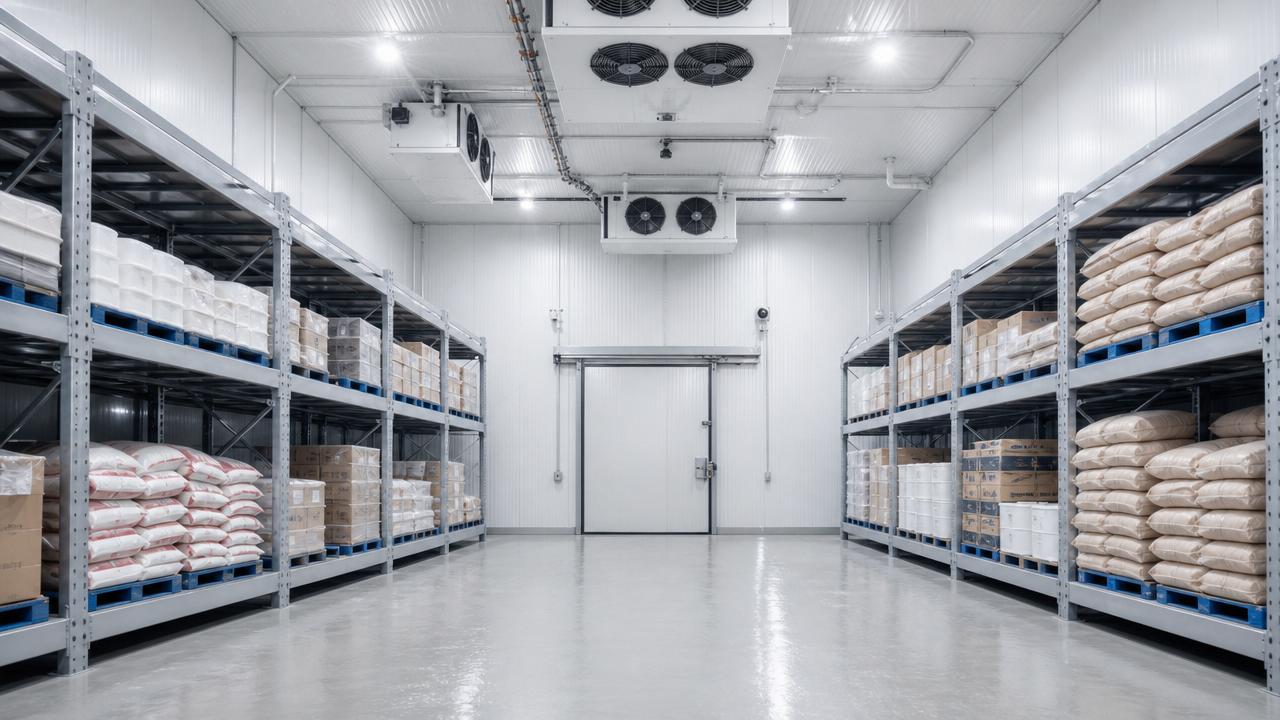
Cold rooms often contain microclimates. Pallet density, blocked air paths, door traffic, and uneven loading can create warmer or colder zones.
High-precision temperature control requires understanding these zones and designing controls that respond to real operating patterns, not ideal laboratory conditions.
The best systems combine reliable sensors, calibrated instruments, airflow management, control algorithms, and disciplined operating procedures.
Key System Elements That Stabilize Cold Storage Conditions
Stable cold storage begins with correctly sized refrigeration capacity. Oversized systems may short cycle, while undersized systems struggle during peak heat loads.
Compressor modulation, variable-speed fans, and advanced expansion control help match cooling output to changing demand with fewer temperature fluctuations.
Evaporator placement and airflow design are equally important. Poor air distribution can defeat even the most accurate controller and sensor arrangement.
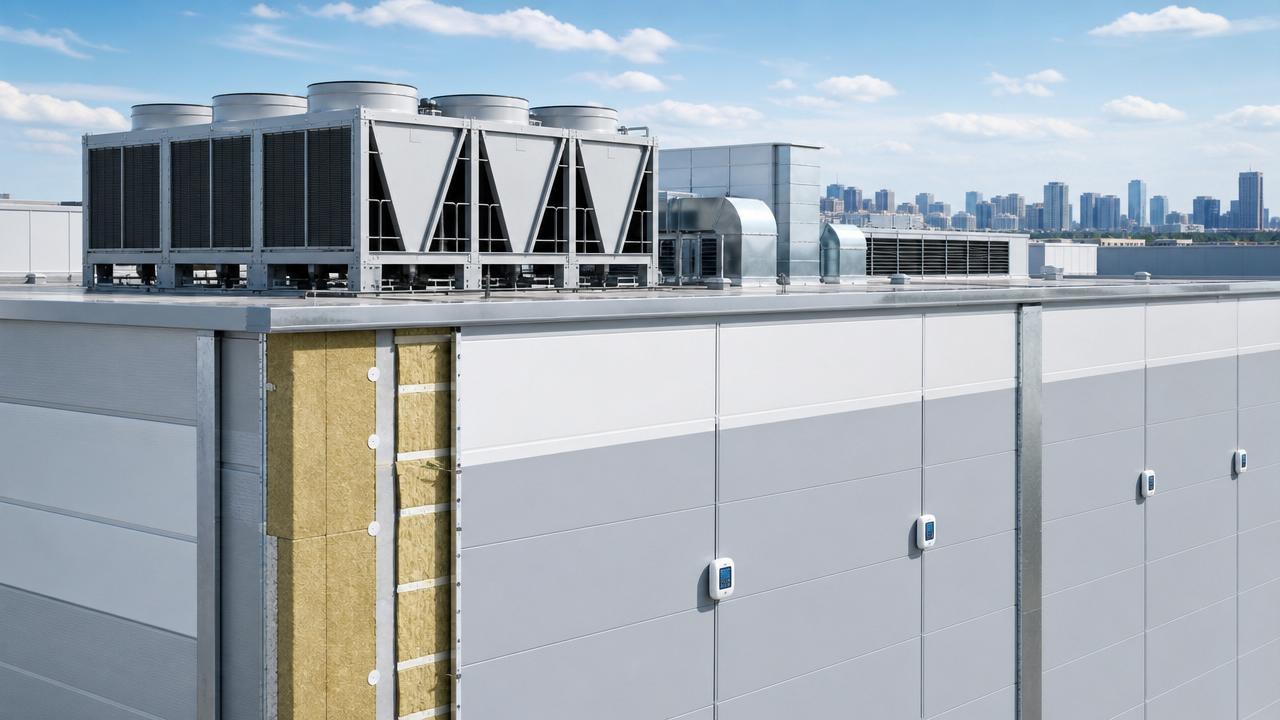
Insulation quality, door sealing, vapor barriers, and dock discipline reduce heat and moisture intrusion, making precise control easier and more energy efficient.
Defrost strategy must also be reviewed. Aggressive or poorly timed defrost cycles can create repeated temperature disturbances and product-level uncertainty.
For critical storage, backup power, redundant cooling, and emergency response procedures should be treated as part of the temperature control architecture.
Monitoring and Data: Turning Temperature Control into Evidence
From a safety perspective, unrecorded stability is not enough. Managers need credible data that demonstrates performance during normal and abnormal conditions.
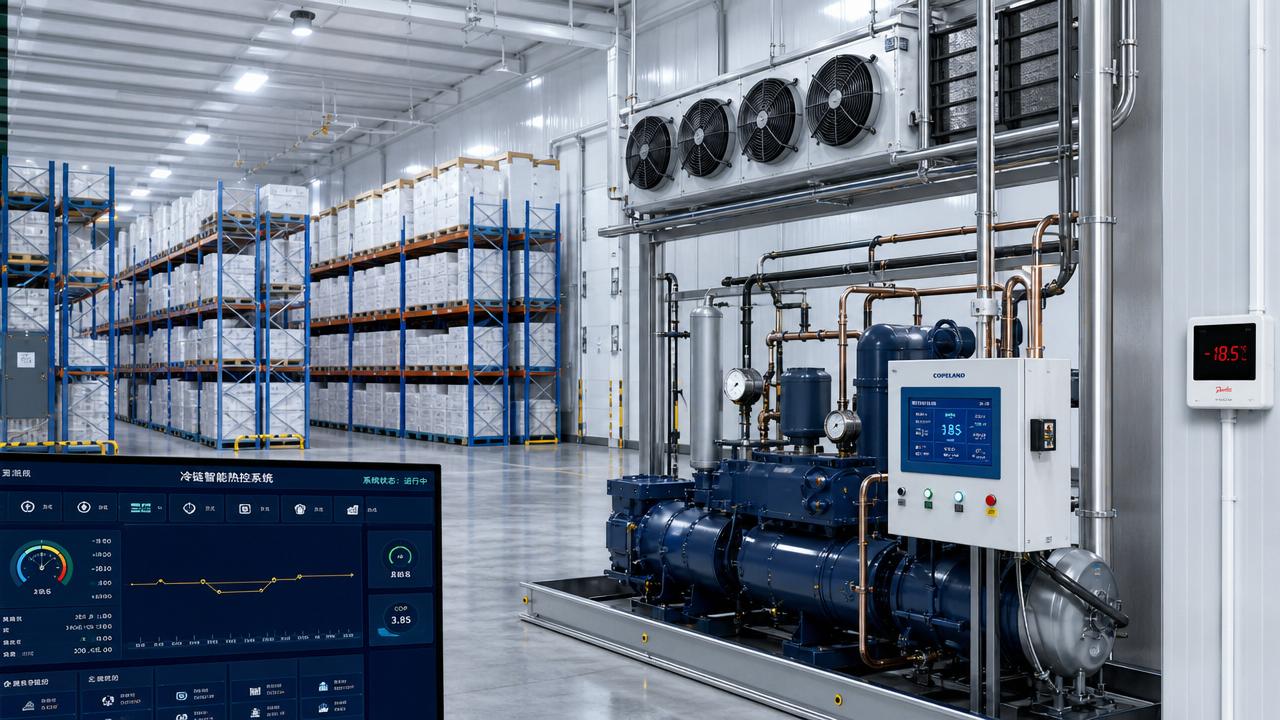
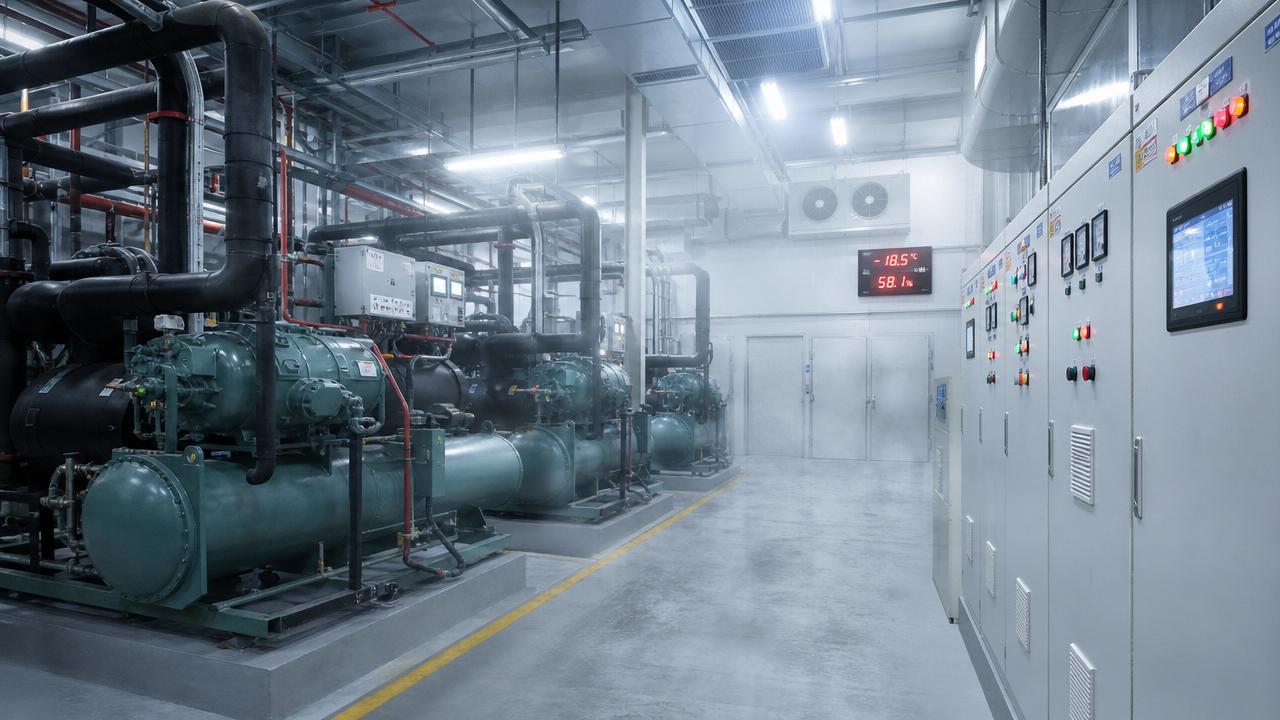
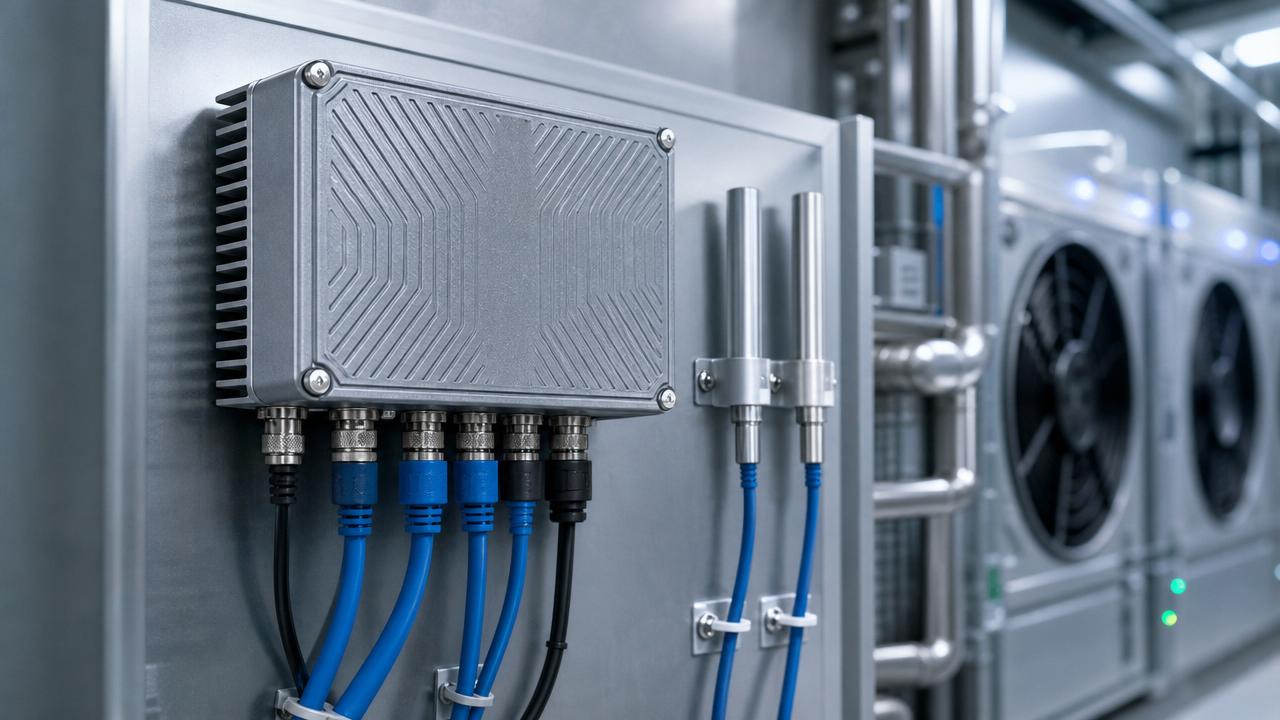
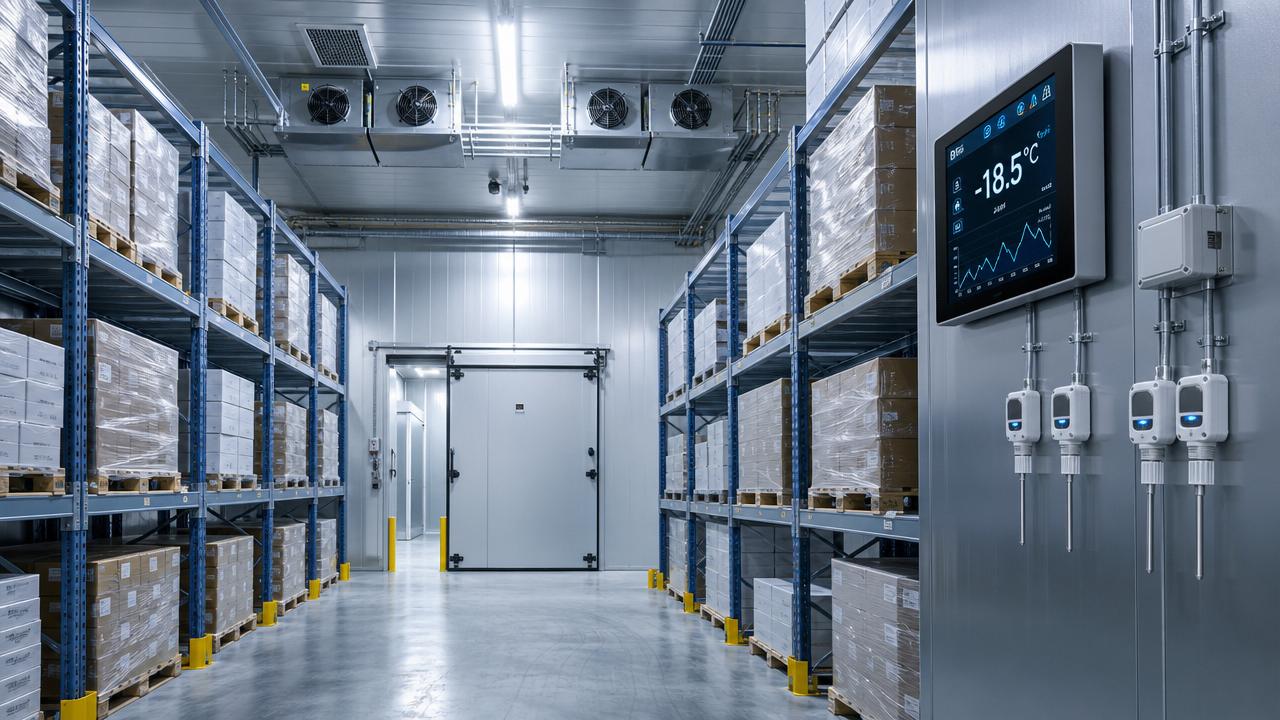
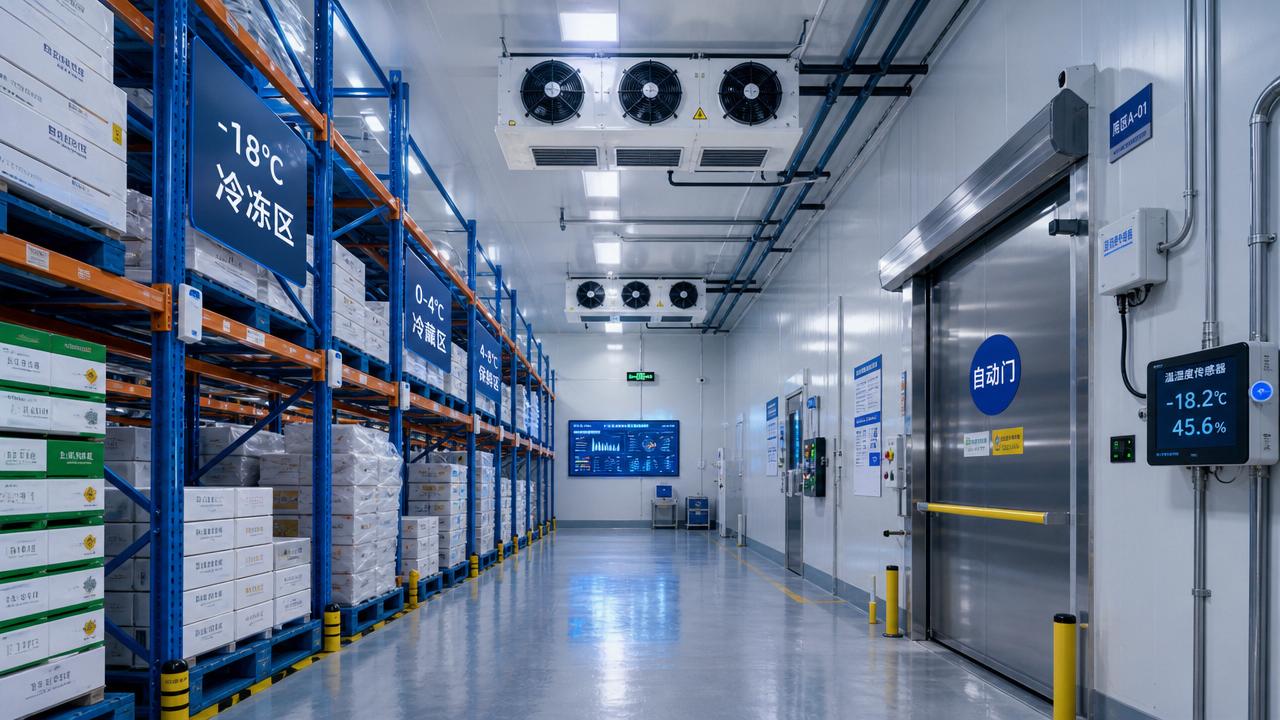
Continuous monitoring systems should record temperature at meaningful intervals, maintain secure histories, and support alarm escalation when limits are exceeded.
Sensor location should reflect product risk. Data points near doors, return air paths, and known hot spots often reveal operational weaknesses.
Calibration schedules matter because inaccurate sensors create false confidence. A small measurement error can hide an actual compliance deviation.
Alarm limits should be practical and risk-based. If alarms are too loose, they arrive late; if too tight, teams may ignore them.
Effective platforms also distinguish between short operational disturbances and true excursions requiring investigation, quarantine, or documented corrective action.
This evidence-based approach helps quality teams move from reactive explanations to preventive control and stronger audit readiness.
How to Evaluate Whether Your Facility Needs Better Precision
A facility does not need an upgrade simply because a newer system exists. It needs improvement when risk, loss, or compliance pressure justifies action.
Start by reviewing temperature excursion frequency. Repeated short deviations often indicate control instability, airflow problems, or weak operating discipline.
Next, compare room temperature records with product complaints, spoilage reports, shelf-life losses, or rejected shipments from customers.
If deviations cluster around door activity, loading times, or defrost cycles, the issue may be process design rather than refrigeration capacity alone.
Managers should also assess audit findings. Gaps in monitoring records, calibration evidence, or alarm response logs can expose significant compliance risk.
Energy data can reveal hidden inefficiency. Systems that overcool to compensate for instability often waste power while still failing to protect products.
The strongest business case usually combines quality risk reduction, lower product loss, improved compliance, and measurable energy optimization.
Practical Steps to Improve Temperature Stability
Begin with a temperature mapping study. Mapping identifies hot spots, cold spots, recovery patterns, and sensor locations that best represent product exposure.
Review loading practices after mapping. Pallets should not block airflow paths, cover return air openings, or sit too close to evaporator discharge zones.
Check door management controls. Strip curtains, air curtains, vestibules, rapid doors, and staff procedures can greatly reduce heat intrusion.
Optimize control settings gradually. Sudden changes to setpoints, differential bands, or defrost timing may create unintended instability elsewhere.
Implement preventive maintenance focused on heat transfer performance. Dirty coils, weak fans, refrigerant issues, and ice buildup all reduce control accuracy.
Train operators to understand why small actions matter. Leaving doors open or changing pallet layouts can undermine high-precision temperature control.
Finally, establish a deviation response workflow that defines investigation steps, product disposition rules, documentation requirements, and management review triggers.
Food, Pharmaceutical, and Industrial Applications Have Different Priorities
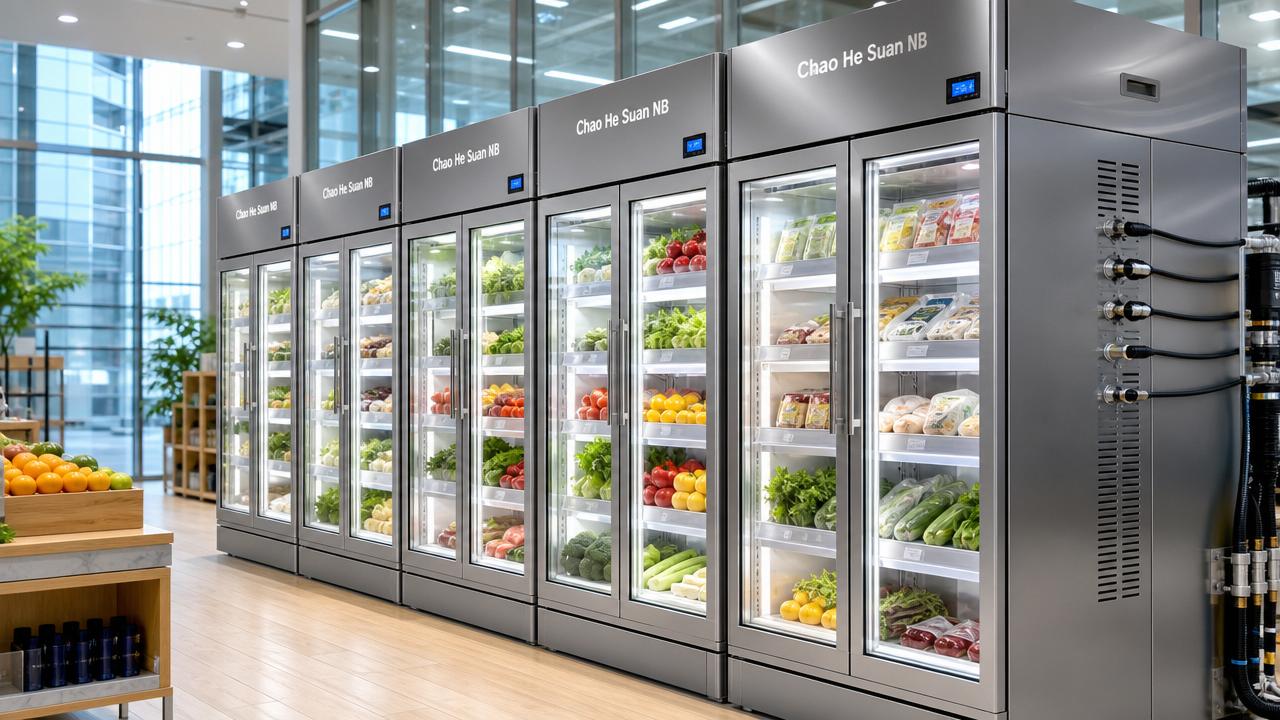
In food cold storage, the main concerns are spoilage prevention, shelf-life consistency, microbial risk reduction, and customer confidence in handling conditions.
Frozen foods require control that prevents thawing and refreezing damage. Chilled products require tight management near safety and quality thresholds.
In pharmaceutical storage, precision is tied to validation, batch release confidence, and strict documentation across the entire storage period.
Vaccines, biologics, reagents, and clinical materials may require narrow ranges, redundant monitoring, and formal deviation assessment by qualified personnel.
Industrial cold storage may protect chemicals, specialty materials, precision components, or test environments where temperature affects performance and reliability.
Because these applications differ, managers should avoid generic solutions. The correct control strategy must reflect product sensitivity and compliance exposure.
Balancing Precision with Energy Efficiency
Some teams worry that tighter temperature control will automatically increase energy consumption. Poorly designed precision can do that, but optimized control often reduces waste.
Stable systems avoid excessive overcooling, frequent compressor cycling, unnecessary fan operation, and emergency corrections after large temperature swings.
Variable-capacity equipment can maintain narrower bands while operating more smoothly than traditional on-off systems under changing load conditions.
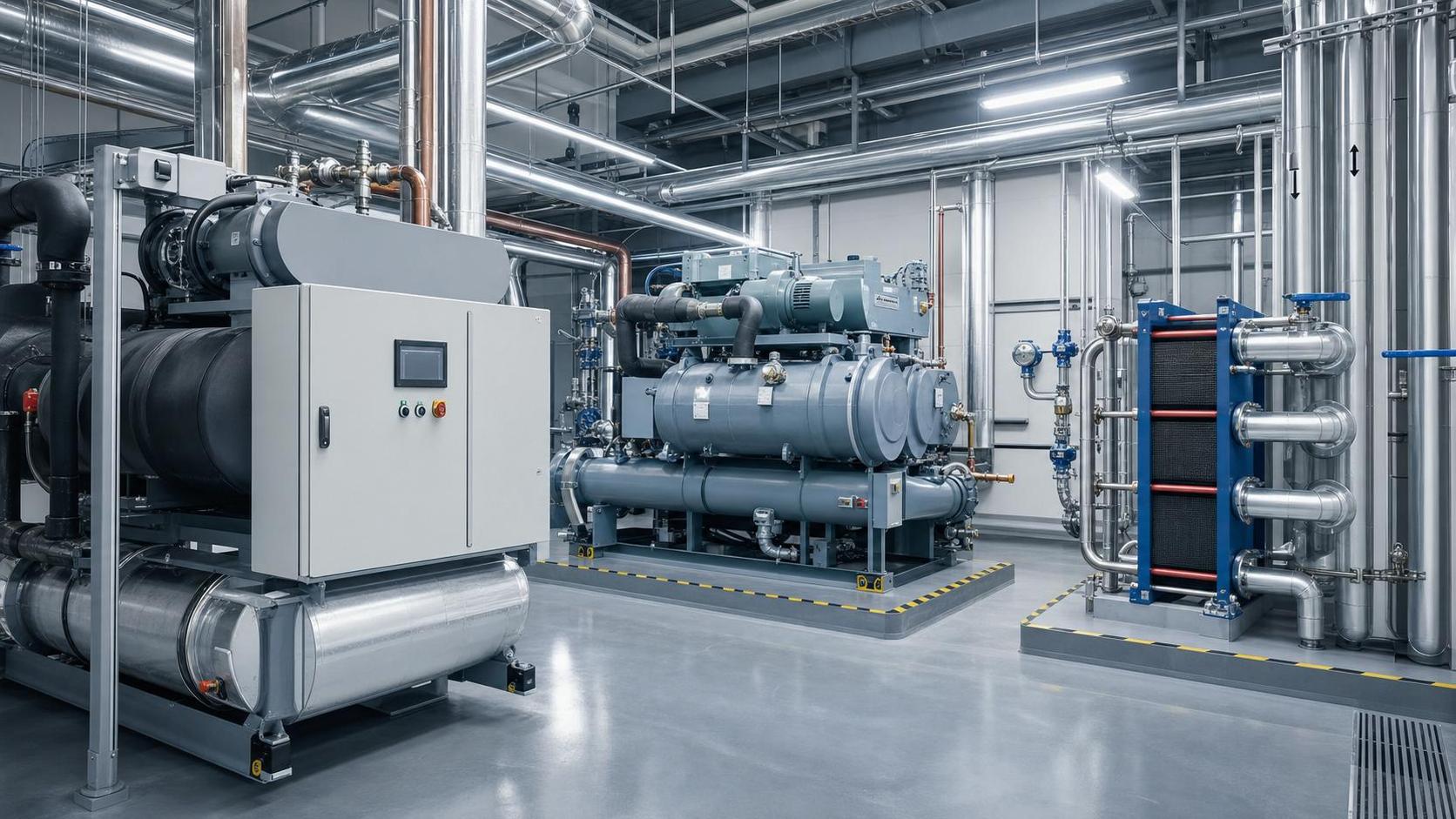
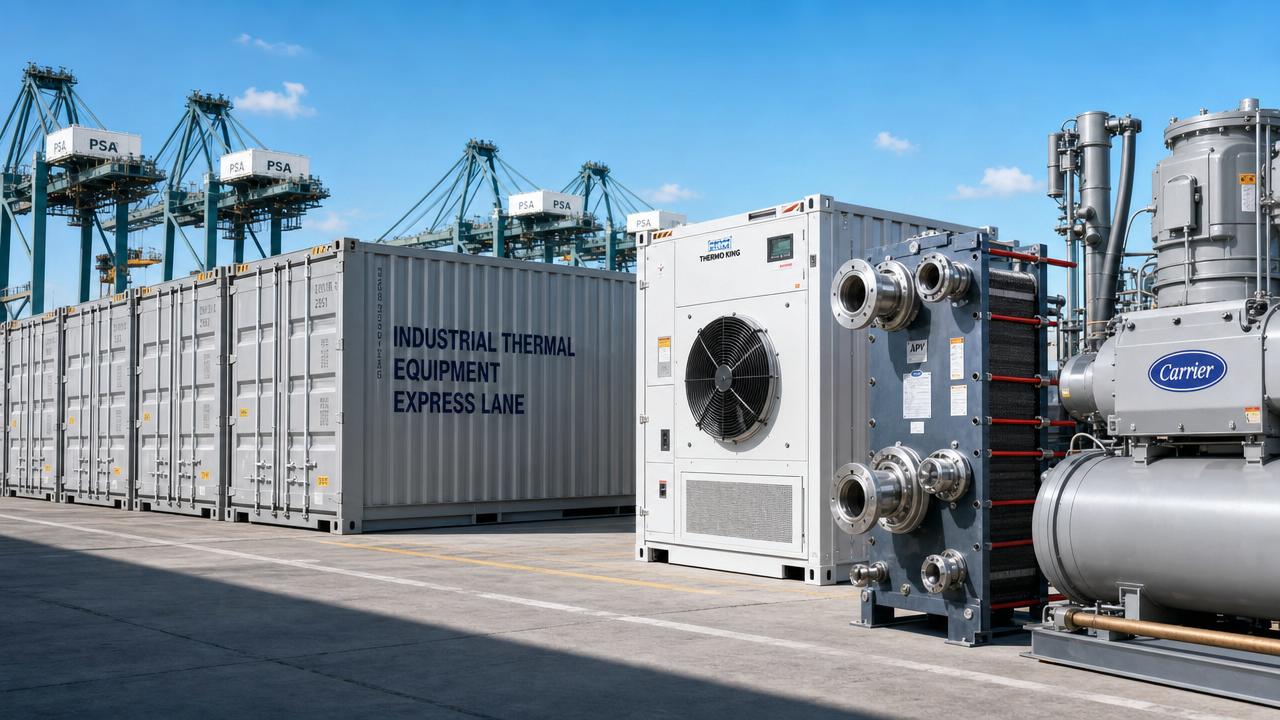
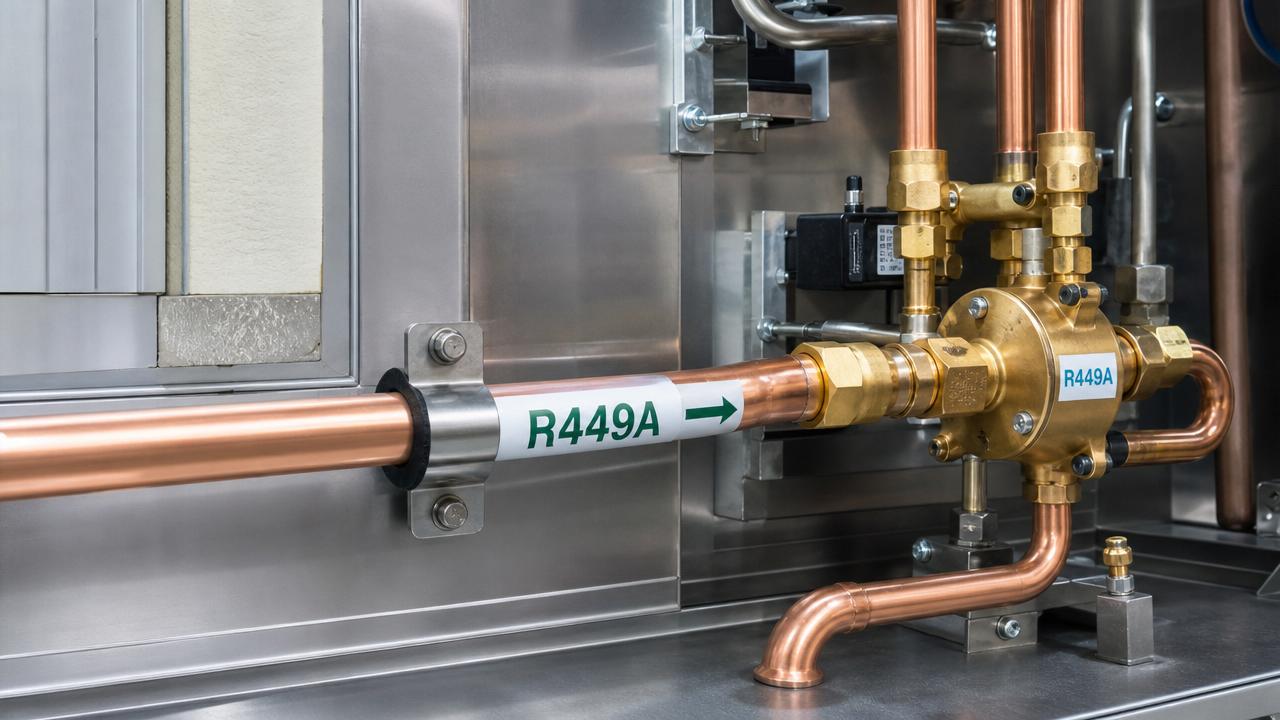
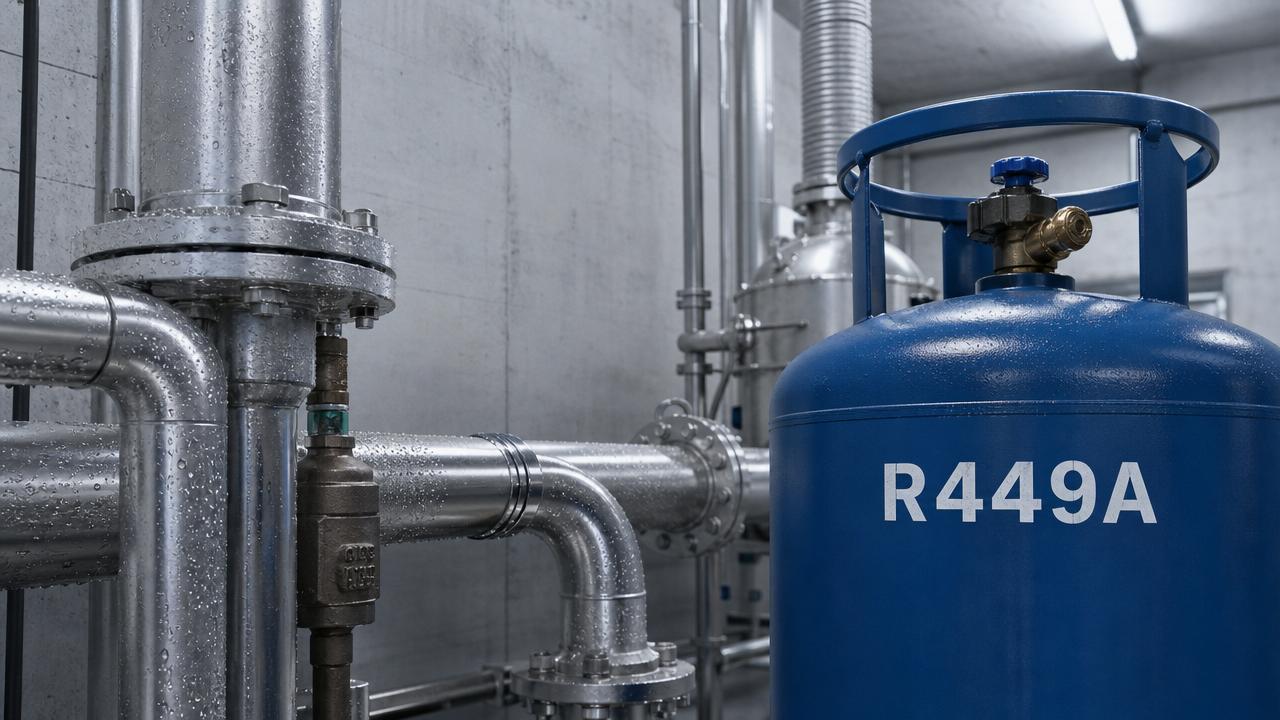
Heat exchangers, compressors, refrigerants, and controls should be evaluated together because system efficiency depends on the entire thermal chain.
For quality managers, the best metric is not energy cost alone. It is cost per protected unit of compliant inventory.
This view connects thermal performance with business value, helping justify investment in better controls, monitoring, maintenance, and facility design.
Common Mistakes That Undermine Cold Storage Reliability
One common mistake is relying on a single temperature probe to represent an entire cold room with uneven load patterns.
Another mistake is treating alarms as technical noise instead of management signals that require review, trending, and root-cause analysis.
Some facilities set temperatures lower than necessary to create a safety buffer, but this may increase energy use and freeze-sensitive product damage.
Others focus only on refrigeration equipment while ignoring doors, insulation, staff habits, product staging, and warehouse traffic flow.
Documentation gaps are also dangerous. If records cannot prove control, auditors and customers may question product integrity even when no loss occurred.
A mature cold storage program treats people, processes, equipment, and data as one integrated quality and safety system.
Questions to Ask Before Investing in a Control Upgrade
Before approving investment, managers should ask what problem the upgrade must solve: compliance risk, product loss, energy waste, or unstable operations.
They should request evidence of expected temperature tolerance, recovery time, sensor accuracy, alarm performance, and data integrity under real conditions.
It is also important to ask how the system handles power interruptions, equipment failure, network outages, and maintenance periods.
Integration with existing quality systems can reduce manual work. Automated reports, audit trails, and exportable records support faster investigations.
Supplier capability matters as much as equipment. Look for application knowledge, commissioning discipline, validation support, and long-term service reliability.
The right solution should make daily control easier for operators and decision-making clearer for quality and safety leadership.
Conclusion: Precision Is a Risk-Control Strategy
High-precision temperature control is valuable because it turns cold storage from a passive space into an actively managed protection system.
For quality control and safety managers, the priority is not simply achieving a displayed setpoint. It is proving stable product conditions.
That requires accurate monitoring, disciplined procedures, suitable refrigeration design, reliable alarms, and practical evidence for audits and internal reviews.
Facilities that manage temperature with precision reduce spoilage, strengthen compliance, protect customers, and improve the efficiency of cooling infrastructure.
The clearest判断 is this: if product value, safety responsibility, or audit exposure is high, thermal stability deserves strategic attention.