Hema's Discount Brand 'Chao He Suan NB' Expands to Southeast Asia




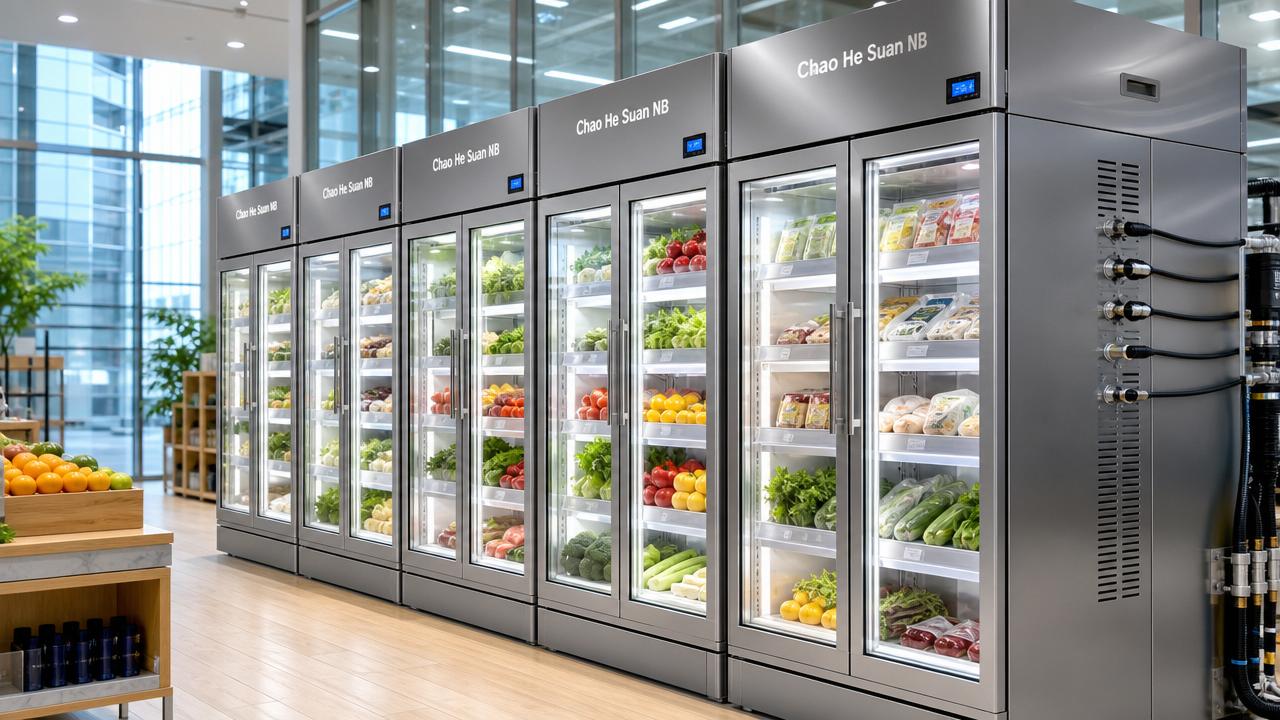
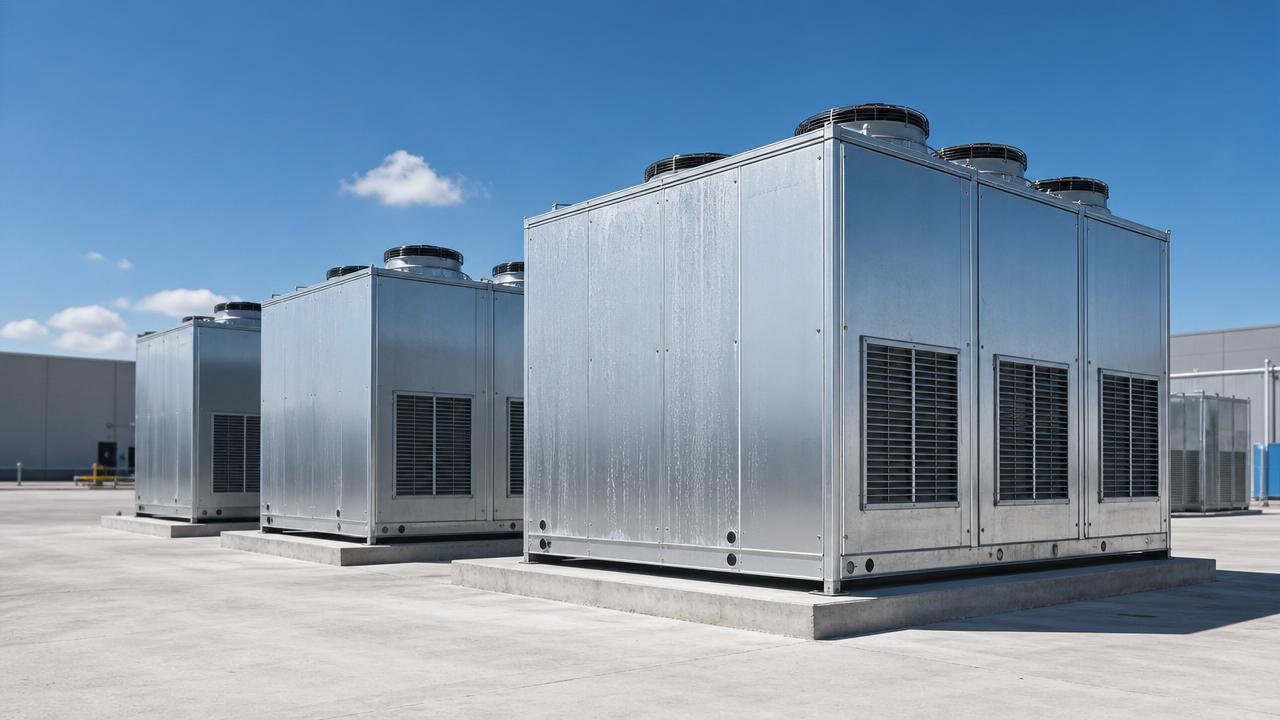
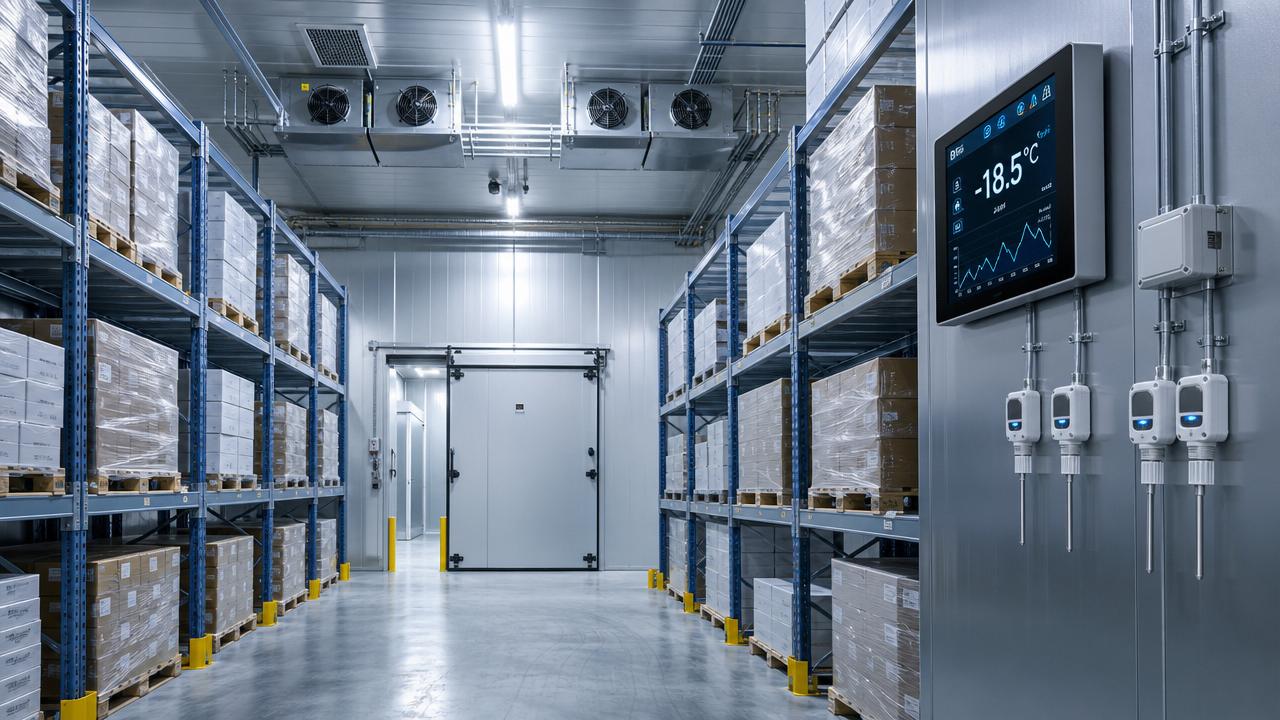
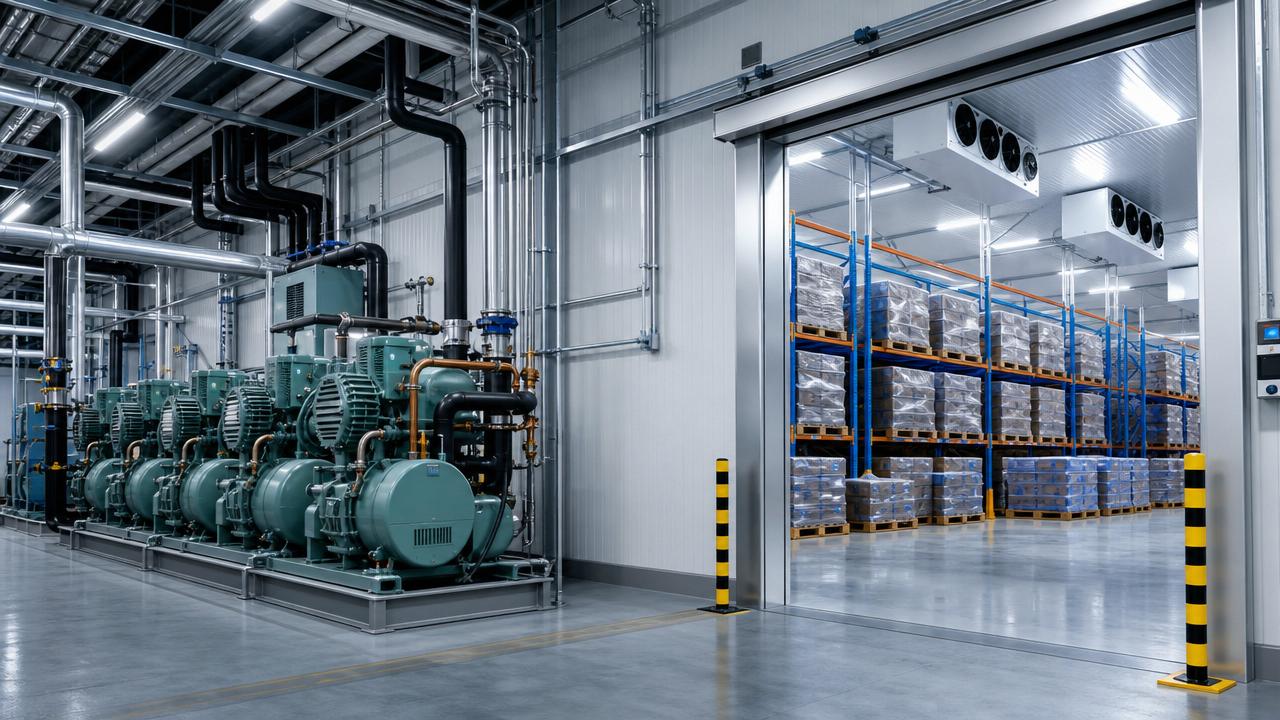
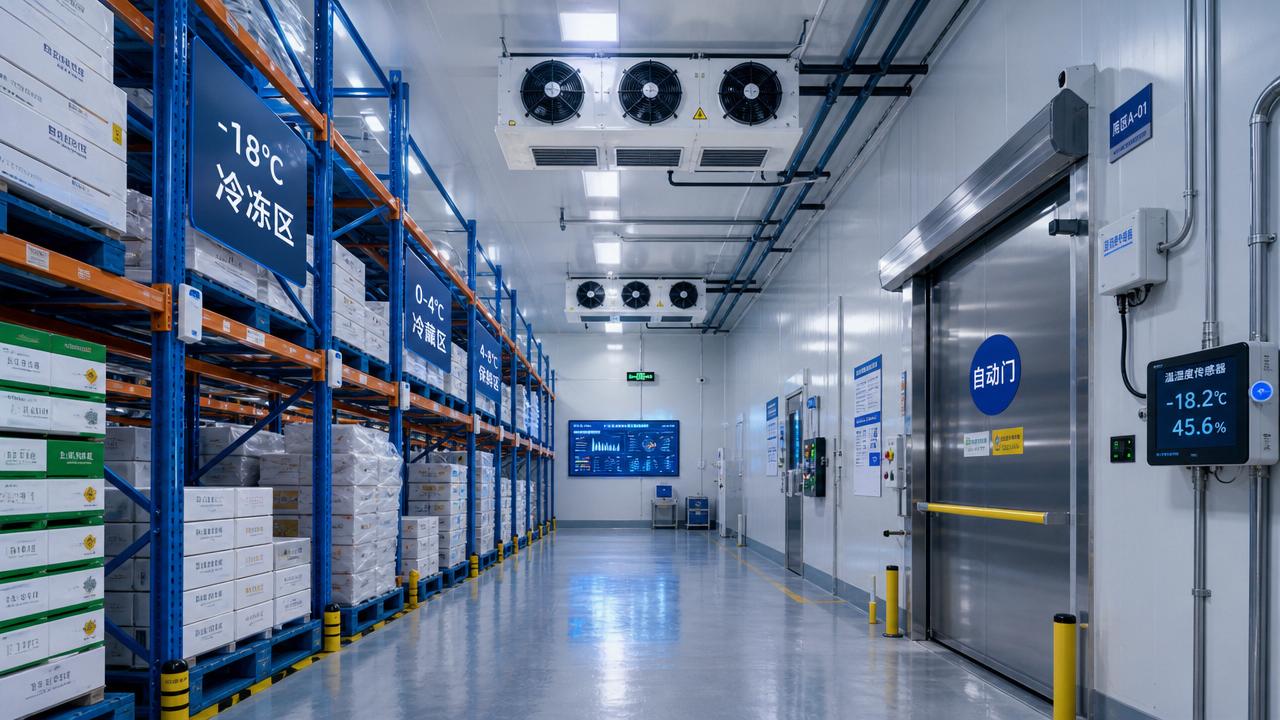
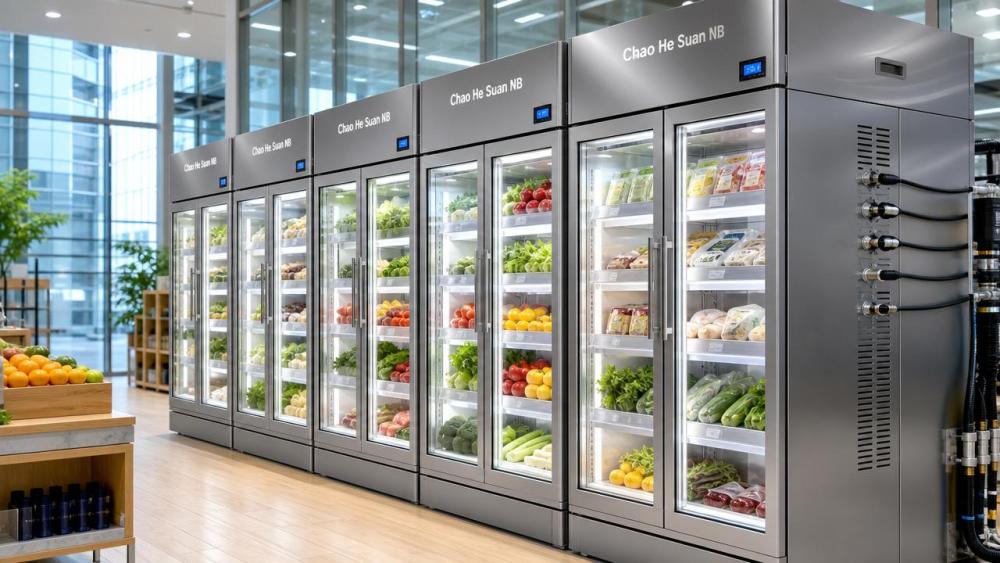
Hema’s hard-discount brand ‘Chao He Suan NB’ entered Beijing in May and is scheduled to launch its first overseas trial in Southeast Asia in late June. This rapid expansion relies on standardized Cold Storage modular cold rooms and plug-and-play refrigerant pre-charged units — triggering new channel collaboration opportunities for Chinese cold chain equipment suppliers and regional distributors in Southeast Asia. Equipment manufacturers, logistics infrastructure providers, and retail channel operators in the cold chain and fresh food retail sectors should closely monitor this development, as it signals a shift toward asset-light, service-integrated infrastructure models in emerging markets.
Event Overview
Hema’s discount retail brand ‘Chao He Suan NB’ launched in Beijing in May. A Southeast Asian market trial is planned for late June. The rollout depends on standardized Cold Storage modular cold rooms and refrigerant pre-charged units. No further geographic or timeline details have been publicly confirmed beyond this initial trial phase.
Impact on Specific Industry Segments
Equipment Manufacturing Enterprises
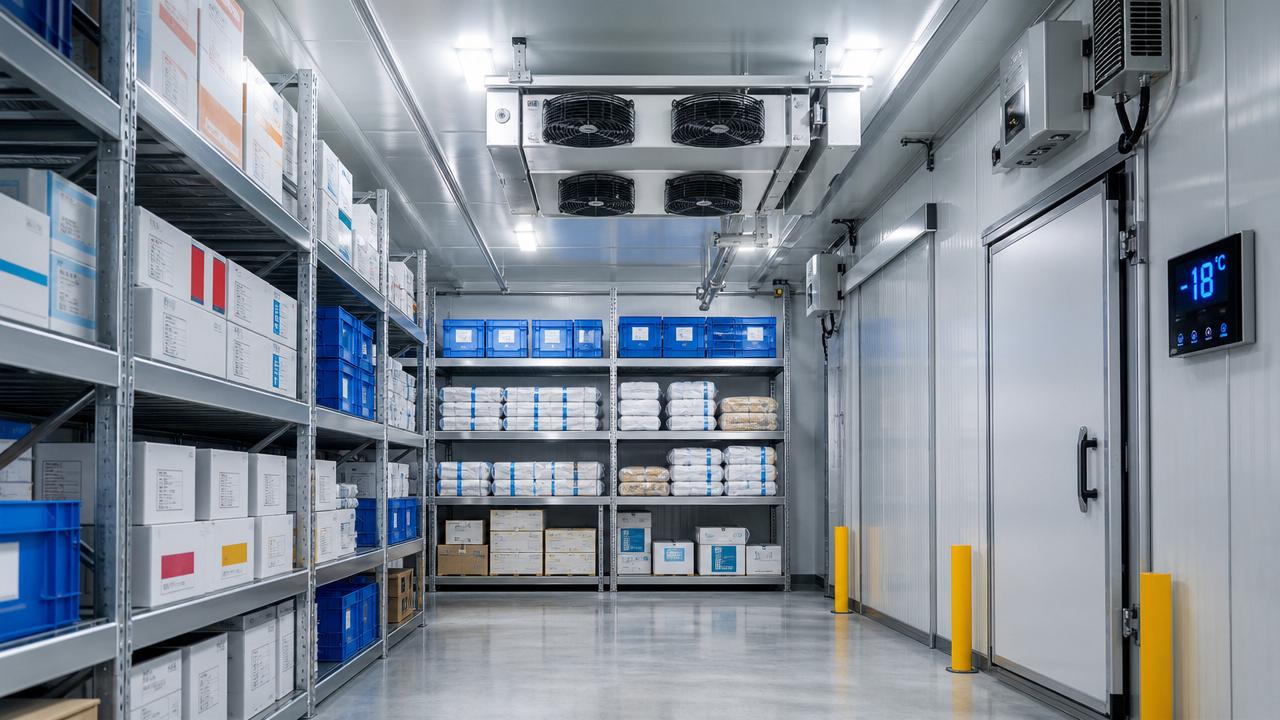
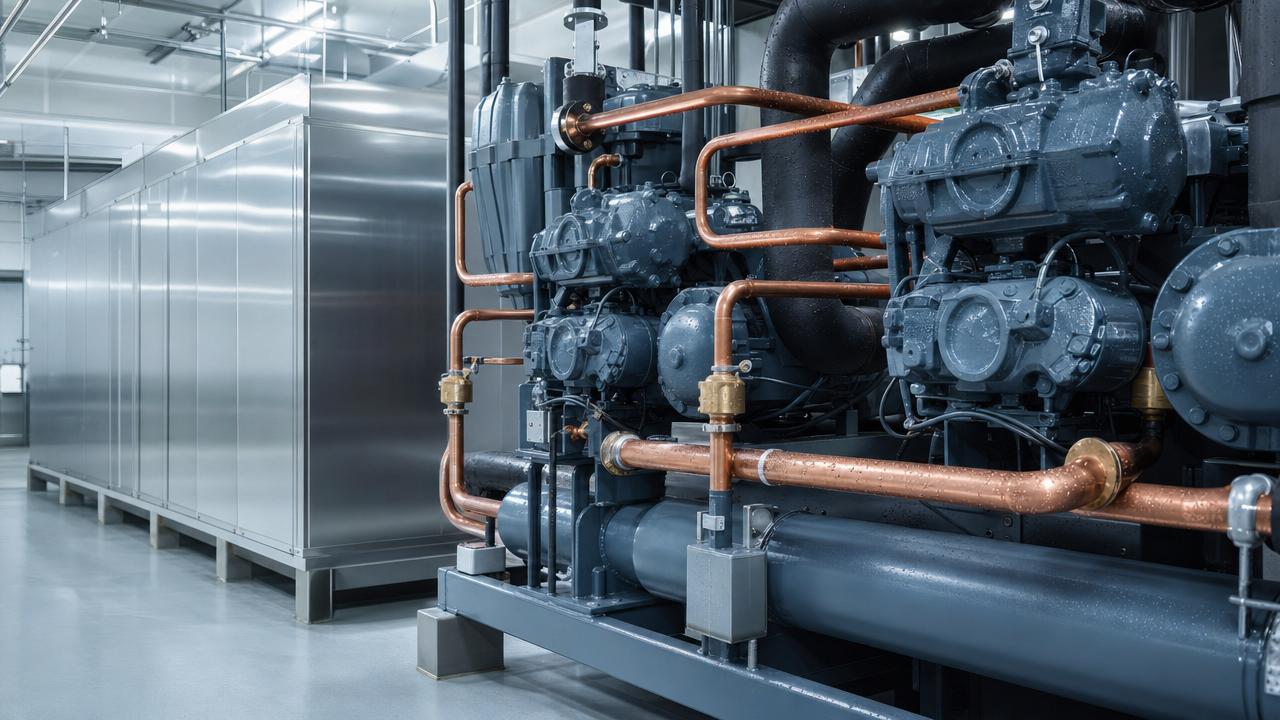
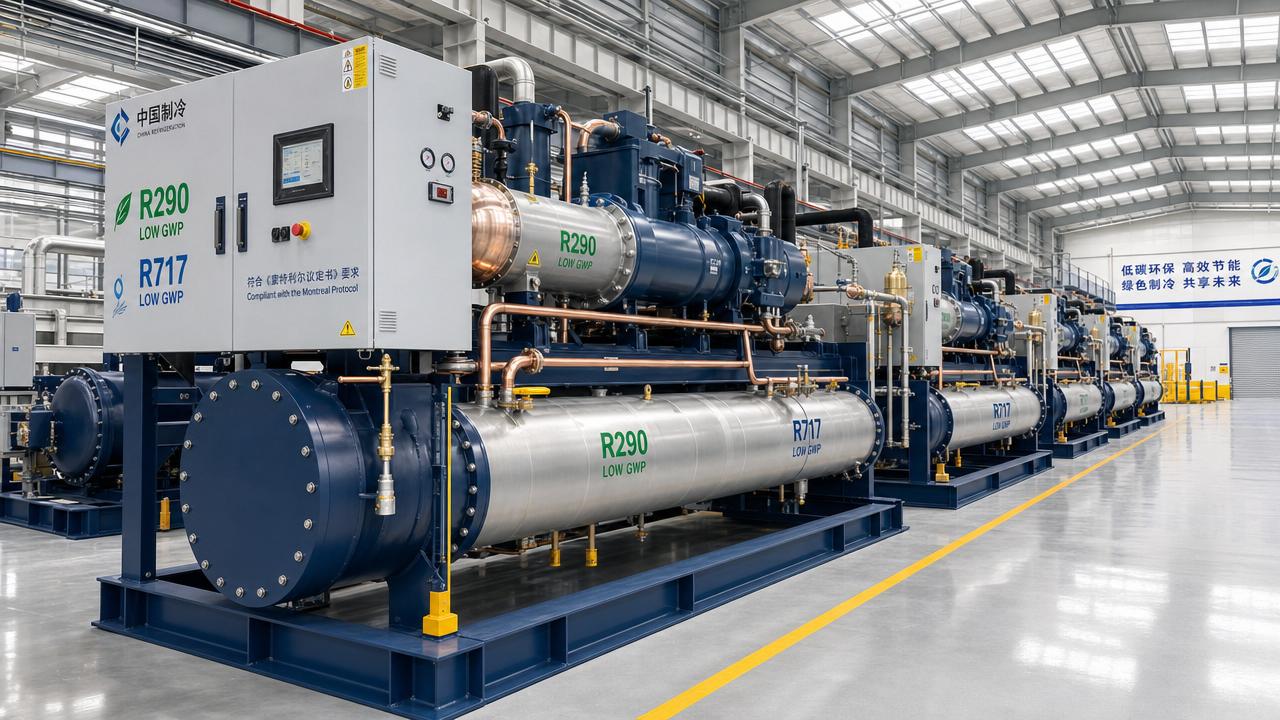
Manufacturers of modular cold storage systems and pre-charged refrigeration units are directly affected. The requirement for standardized, transportable, and quick-deployment units increases demand for designs compliant with ASEAN electrical safety, insulation, and refrigerant handling standards. Impact manifests in product certification timelines, export packaging specifications, and post-installation technical support capacity.
Distribution & Channel Partners in Southeast Asia
Regional distributors engaged in commercial refrigeration or retail infrastructure face a structural shift: the proposed ‘brand co-operation + equipment leasing + refrigerant management’ model reduces upfront CAPEX but introduces recurring service obligations. Impact includes revised inventory planning (shifting from unit sales to lease-asset tracking), need for refrigerant handling certifications, and integration with Hema’s operational protocols.
Supply Chain Service Providers
Firms offering cold chain logistics, installation supervision, or refrigerant lifecycle management may see increased demand for bundled services. However, impact is conditional on whether the ‘cold media托管’ (refrigerant托管 translated as ‘refrigerant托管’ in source) component evolves into a managed service contract — currently unconfirmed beyond the conceptual description.
Retail Infrastructure Developers
Developers supporting supermarket rollouts in ASEAN countries may adjust feasibility models. If the ‘light-asset entry’ approach gains traction, tenant-fit-out timelines and utility interconnection requirements (e.g., power load allocation for plug-and-play units) could be re-evaluated for future mixed-use or retail-park projects.
What Relevant Enterprises or Practitioners Should Focus On
Monitor official rollout communications for scope and contractual terms
Current public information describes a trial phase only. Stakeholders should track Hema’s official announcements — particularly any published partnership frameworks, equipment leasing SLAs, or refrigerant custody terms — before committing to joint investment or capacity expansion.
Verify refrigerant type, charge volume, and regulatory compliance per target country
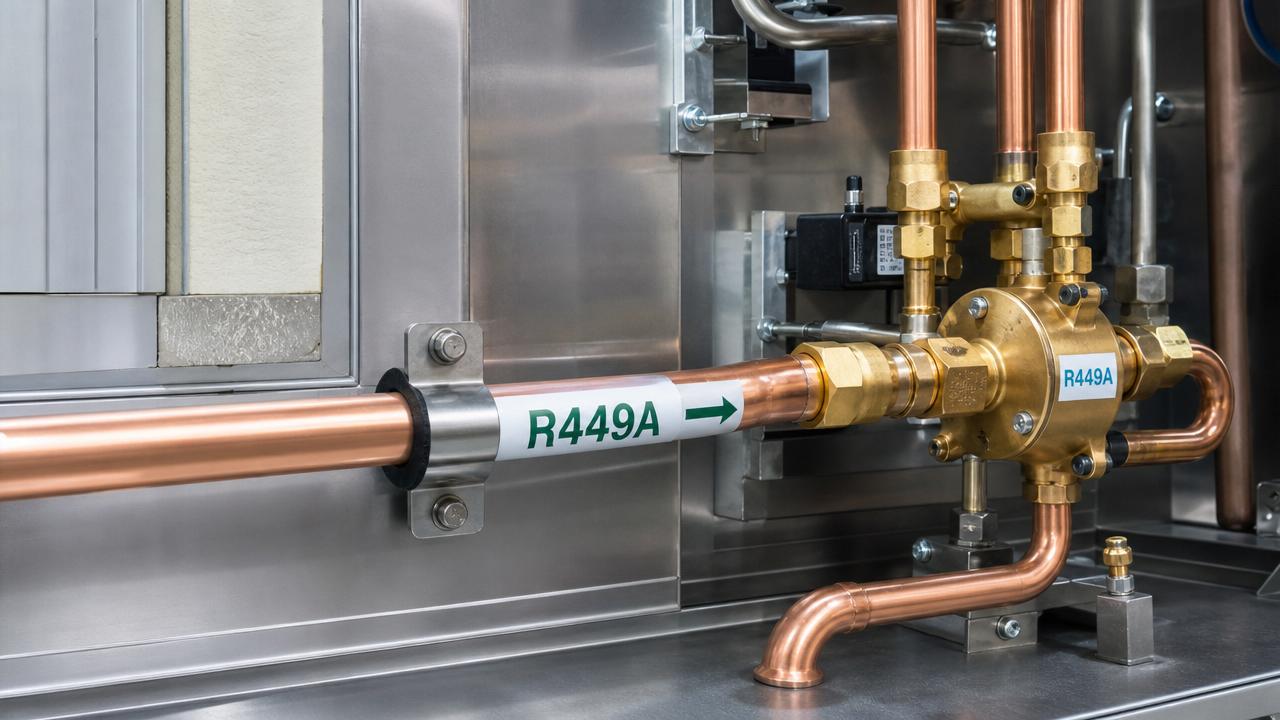
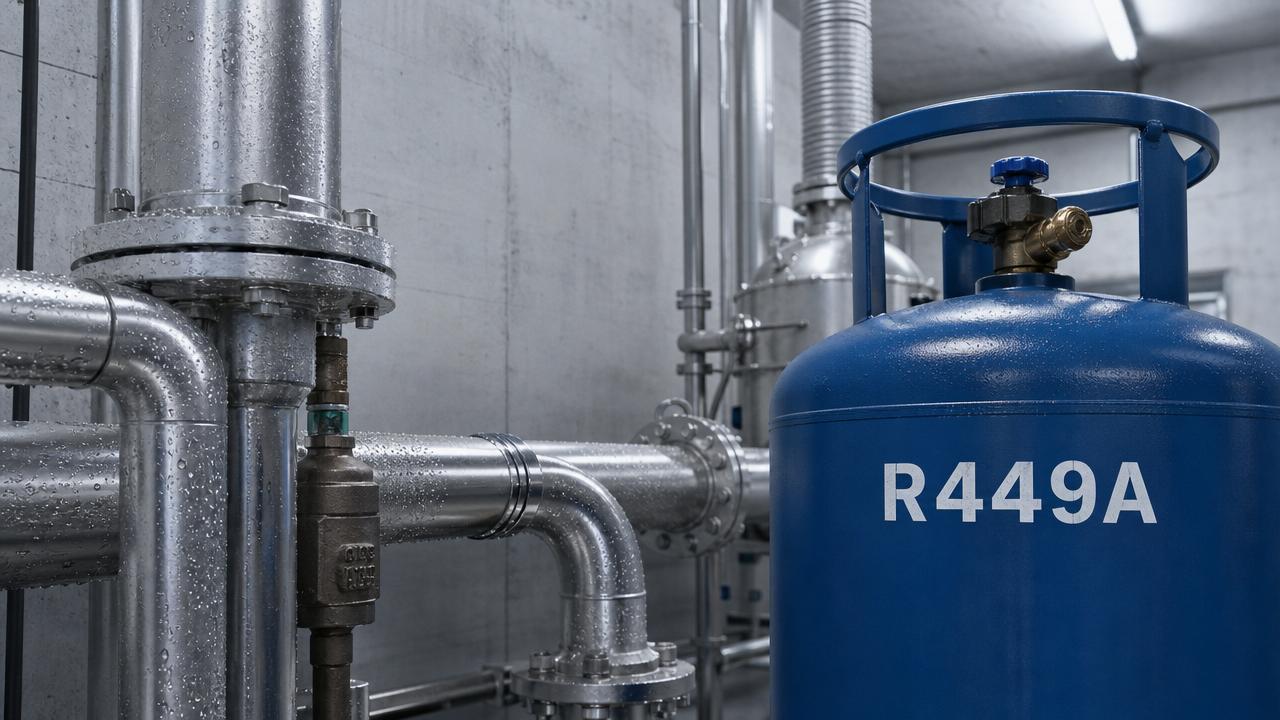
‘Refrigerants pre-charged units’ implies fixed-charge systems using specific refrigerants (e.g., R290, R448A). ASEAN nations vary in refrigerant import restrictions, GWP limits, and technician licensing requirements. Pre-shipment verification is essential — not assumed from China domestic specs.
Distinguish between pilot intent and scalable model
The late-June Southeast Asia trial is explicitly described as a test. Observably, success metrics (e.g., store count, time-to-operational, failure rate) have not been disclosed. Treat current statements as indicative of strategic direction — not evidence of validated commercial deployment.
Assess internal readiness for service-integrated offerings
If entering co-operation agreements, firms should audit capabilities in equipment remote monitoring, refrigerant leak detection, and scheduled recharge logistics. These are prerequisites for the ‘refrigerant托管’ component — not optional add-ons.
Editorial Perspective / Industry Observation
Analysis shows this initiative is less about immediate revenue generation and more about stress-testing an infrastructure-as-a-service template for international hard-discount retail. It reflects growing industry recognition that cold chain scalability in fragmented ASEAN markets hinges less on hardware ownership and more on interoperable, service-backed deployment models. Observably, it functions primarily as a signal — not yet an outcome — indicating where OEMs and channel partners may align future R&D and go-to-market investments. Continued attention is warranted because the model’s viability will hinge on third-party participation, not just Hema’s execution.
Conclusion
This development does not signify broad market entry but rather a targeted infrastructure validation effort. Its significance lies in formalizing a collaborative, low-barrier pathway for cold chain equipment providers to engage with agile retail formats abroad. Currently, it is best understood as a pilot-phase indicator — highlighting evolving expectations around modularity, service integration, and regulatory adaptability — rather than a near-term commercial mandate.
Source Attribution
Main source: Public announcement by Hema regarding ‘Chao He Suan NB’ expansion timeline and infrastructure dependencies. Information on ‘brand co-operation + equipment leasing + refrigerant management’ model originates from the same official communication. Note: ASEAN market specifics (countries, partners, contractual structure) remain unconfirmed and require ongoing observation.
Related News
- MPA Opens Fast-Track Cold Chain Inspections in SingaporeAuthor :Cryogenic Systems Expert

- GCC Cold Storage Imports Face GCC-CLIMAT 2026 RuleAuthor :Cryogenic Systems Expert

- Industrial Refrigeration Equipment Evaporator Selection: Capacity, Frost, and Energy TradeoffsAuthor :Cryogenic Systems Expert

- Industrial Refrigeration Equipment: Cost Factors to CompareAuthor :Cryogenic Systems Expert

- Manzhouli Rail Hub Sets Weekly Reefer RecordAuthor :Cryogenic Systems Expert

- Manzhouli Rail Cold-Chain Volume Hits Weekly HighAuthor :Cryogenic Systems Expert

- High-Precision Temperature Control for Stable Cold StorageAuthor :Cryogenic Systems Expert
![]()
- High-Precision Temperature Control in Cold StorageAuthor :Cryogenic Systems Expert

- Japan's METI Mandates AI Energy Models for Cold StorageAuthor :Cryogenic Systems Expert
![]()
- Fruit Attraction Madrid 2026 Booths 91% Booked; Smart Cold Storage Now EU Entry GateAuthor :Cryogenic Systems Expert

- Fruit Attraction Madrid: 90% Booths Booked; Smart Cold Storage Now EU Entry GateAuthor :Cryogenic Systems Expert
![]()
- How Global Energy Costs Are Changing Cold Storage PlanningAuthor :Cryogenic Systems Expert

- High-Precision Temperature Control in Cold StorageAuthor :Cryogenic Systems Expert

- Hema's Discount Brand 'Chao He Suan NB' Expands to Southeast AsiaAuthor :Cryogenic Systems Expert

- State Council Approves Urban Renewal '15th Five-Year' Plan, Boosting Cold Storage Retrofit DemandAuthor :Cryogenic Systems Expert

- Colombia Upholds Anti-Dumping Duties on Chinese Acrylic SheetsAuthor :Cryogenic Systems Expert

- PSA Launches Express Lane for Industrial Thermal EquipmentAuthor :Cryogenic Systems Expert

- Smart Thermal Systems for Cold Storage: Control Gains That Cut Energy WasteAuthor :Cryogenic Systems Expert

- PSA Launches Express Lane for Temperature-Critical CargoAuthor :Cryogenic Systems Expert

- Pure Power Sources: What Matters Most for Cold Storage ReliabilityAuthor :Cryogenic Systems Expert

- Brazil Grants Unilateral Visa-Free Access to Chinese CitizensAuthor :Cryogenic Systems Expert

- India BIS Proposes Mandatory Low-GWP Verification for R449A in Cold StorageAuthor :Cryogenic Systems Expert

- US BIS Adds 3 Cold Storage Controller Makers to Entity ListAuthor :Cryogenic Systems Expert

- High-Precision Temperature Control in Cold Storage OperationsAuthor :Cryogenic Systems Expert

- India BIS Proposes Mandatory Low-GWP Verification for R449A in Cold StorageAuthor :Cryogenic Systems Expert

- US BIS Adds 3 Chinese Cold Storage Controller Makers to Entity ListAuthor :Cryogenic Systems Expert

- China Expands HCFCs Phase-Out Verification for Cold Storage ExportsAuthor :Cryogenic Systems Expert

- Smart Thermal Systems for Cold Storage: What Delivers PaybackAuthor :Cryogenic Systems Expert

- China Expands HCFCs Phase-Out Checks to 127 Chiller PlantsAuthor :Cryogenic Systems Expert

- Shanghai Port Reefer FEU Rates Surge Past $12,800 Amid Red Sea DiversionAuthor :Cryogenic Systems Expert

- Red Sea Crisis Pushes Shanghai-Rotterdam Reefer Freight to $12,520/FEUAuthor :Cryogenic Systems Expert
![]()
- What Intellectualization Means for Smarter Cold Storage OperationsAuthor :Cryogenic Systems Expert