Smart Thermal Systems for Cold Storage: Control Gains That Cut Energy Waste




For technical evaluators in cold-chain operations, smart thermal systems are becoming a critical lever for reducing energy waste without compromising temperature stability. From adaptive controls and sensor-driven monitoring to compressor-load optimization, the right control gains can improve system responsiveness, lower operating costs, and support compliance goals. This article explores how cold storage facilities can assess control strategies that deliver measurable efficiency and long-term thermal performance.
Why do smart thermal systems matter more in cold storage than in standard HVAC?
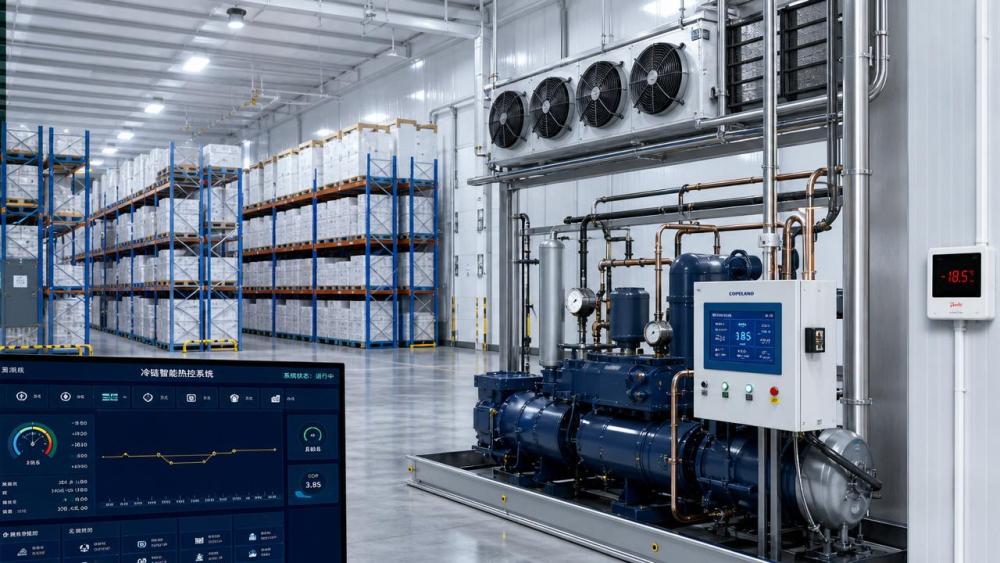
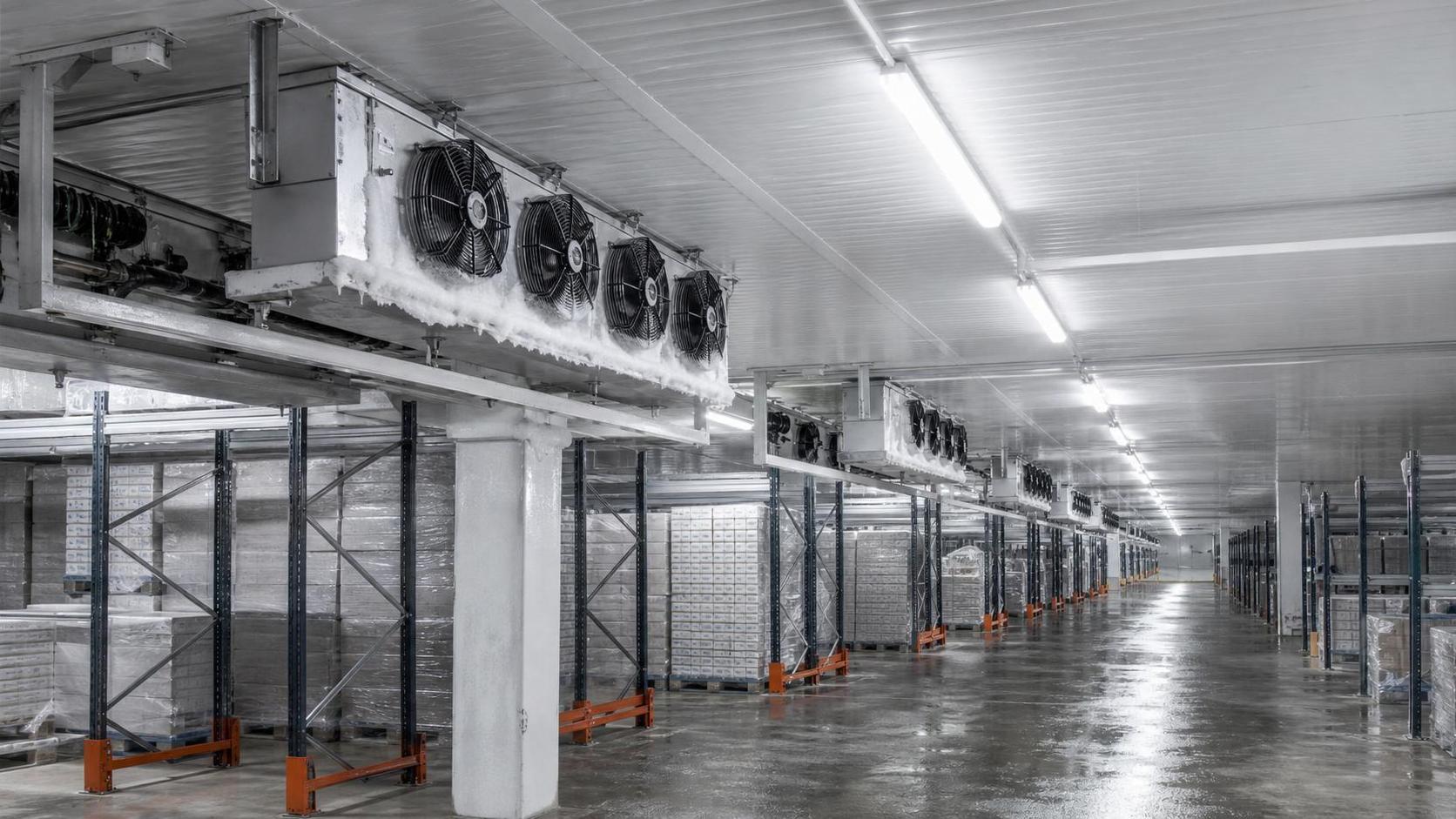
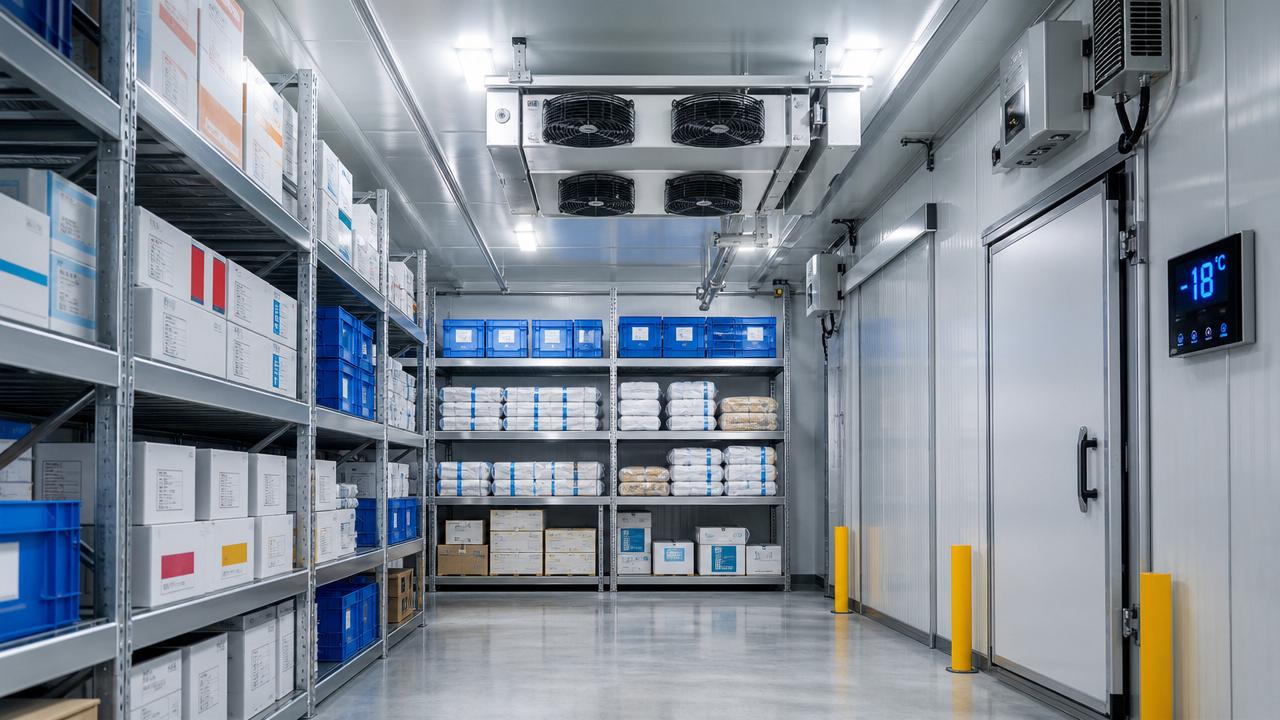
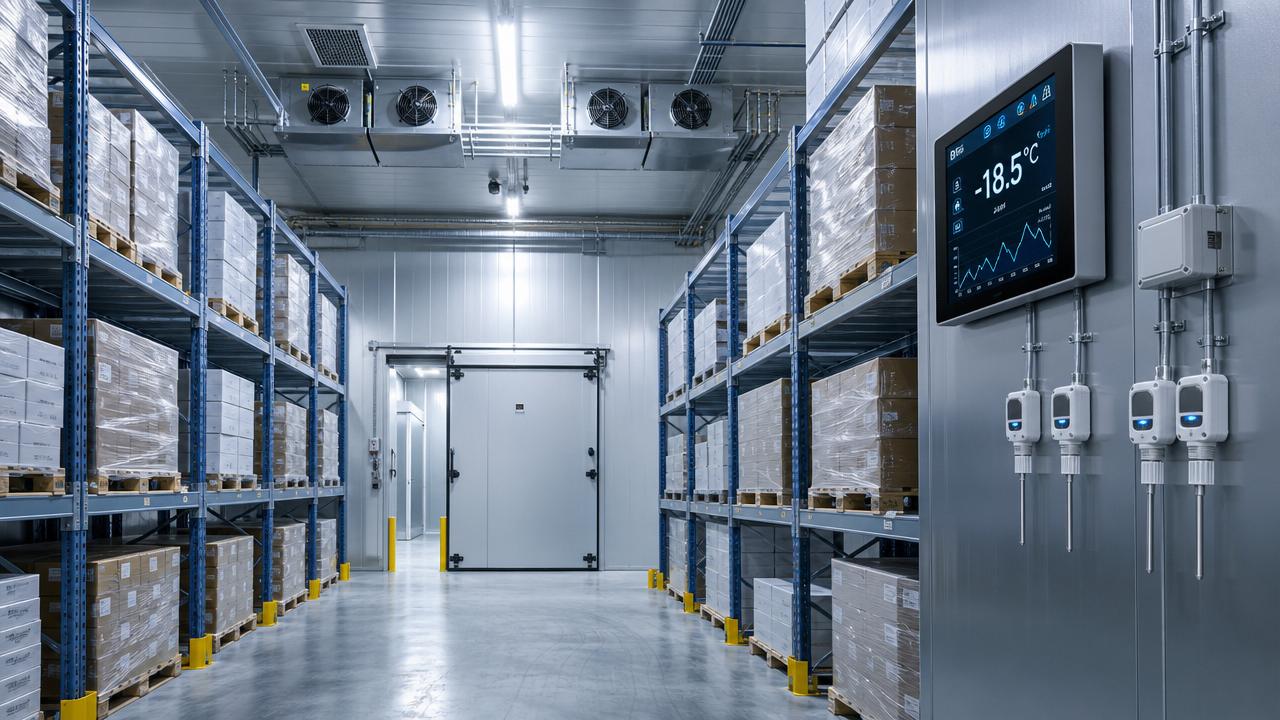
Cold storage does not behave like comfort cooling. A warehouse, blast freezer, pharmaceutical chamber, or food distribution room faces tighter temperature tolerances, heavier door-opening disturbances, changing product loads, and stronger penalties for thermal drift. In these environments, smart thermal systems create value not only through efficient refrigeration output, but through better control over how that output is delivered.
For technical evaluators, the issue is rarely whether automation is useful. The real question is whether a control architecture can reduce compressor cycling, prevent evaporator inefficiency, stabilize suction pressure, and respond to dynamic heat ingress without introducing operational complexity. That is where control gains, tuning logic, and thermal data quality become decision-critical.
GTC-Matrix follows this decision layer closely. Its intelligence focus on industrial cooling, compression systems, heat exchange, and energy transition trends helps evaluators connect thermodynamic behavior with procurement risk. Instead of viewing controls as a software accessory, the platform frames them as a measurable energy conversion tool inside the broader thermal center of industrial operations.
- Temperature instability drives product risk, especially in food, pharma, and precision storage applications where excursions can trigger waste, rework, or compliance issues.
- Energy waste often hides in part-load operation, poor defrost timing, oversized compressors, and weak sensor placement rather than in nameplate efficiency alone.
- Smart thermal systems allow technical teams to evaluate control gains against actual operating profiles, not just laboratory ratings or vendor claims.
What control gains actually cut energy waste in cold rooms and freezer plants?
Not all control gains deliver the same operational benefit. Some improve setpoint tracking but raise equipment wear. Others reduce power draw but increase lag after door openings or loading events. Technical evaluators should therefore examine control performance in relation to thermal mass, pull-down speed, compressor staging, evaporator behavior, and facility operating schedules.
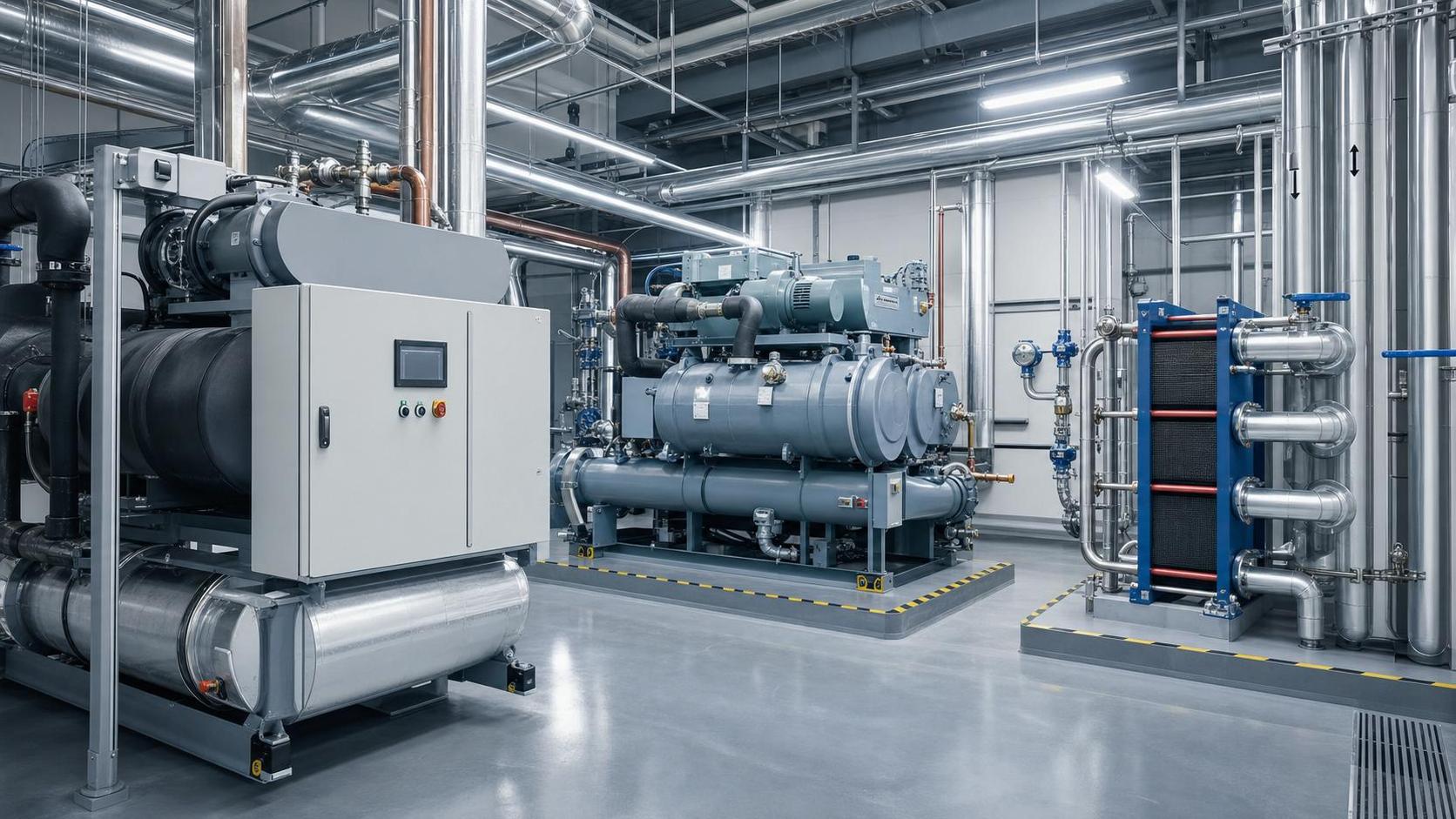
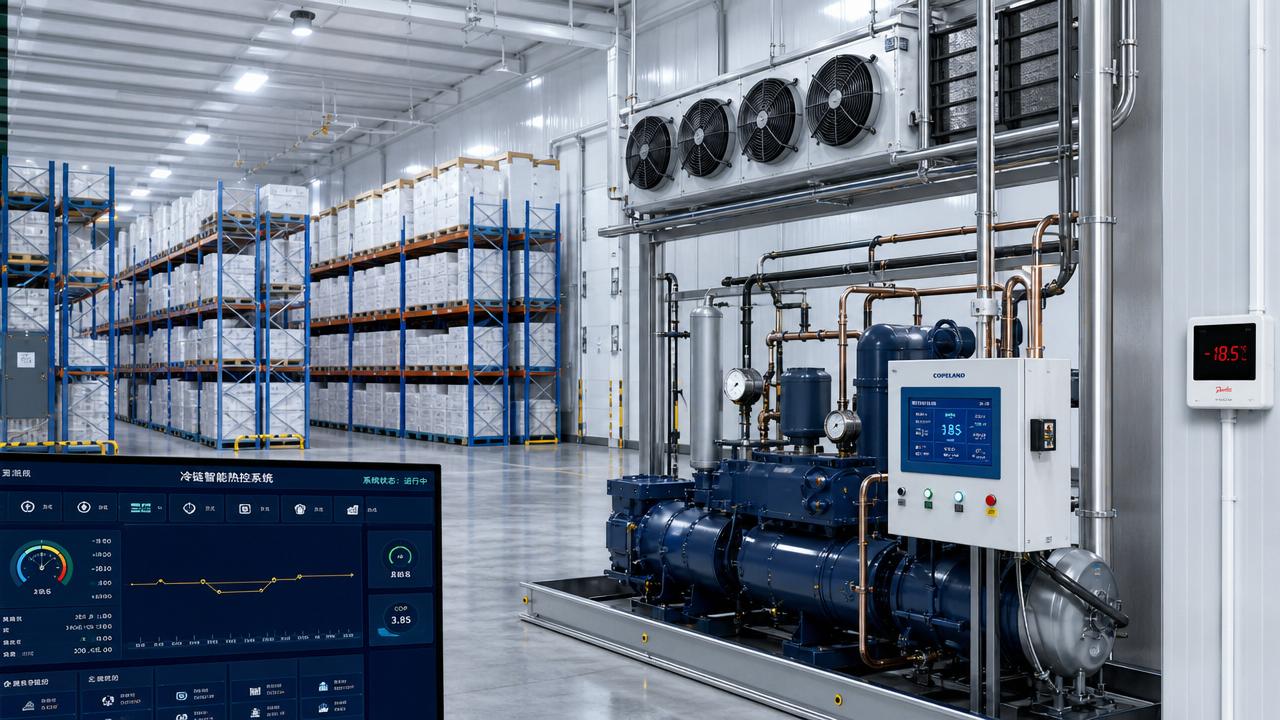
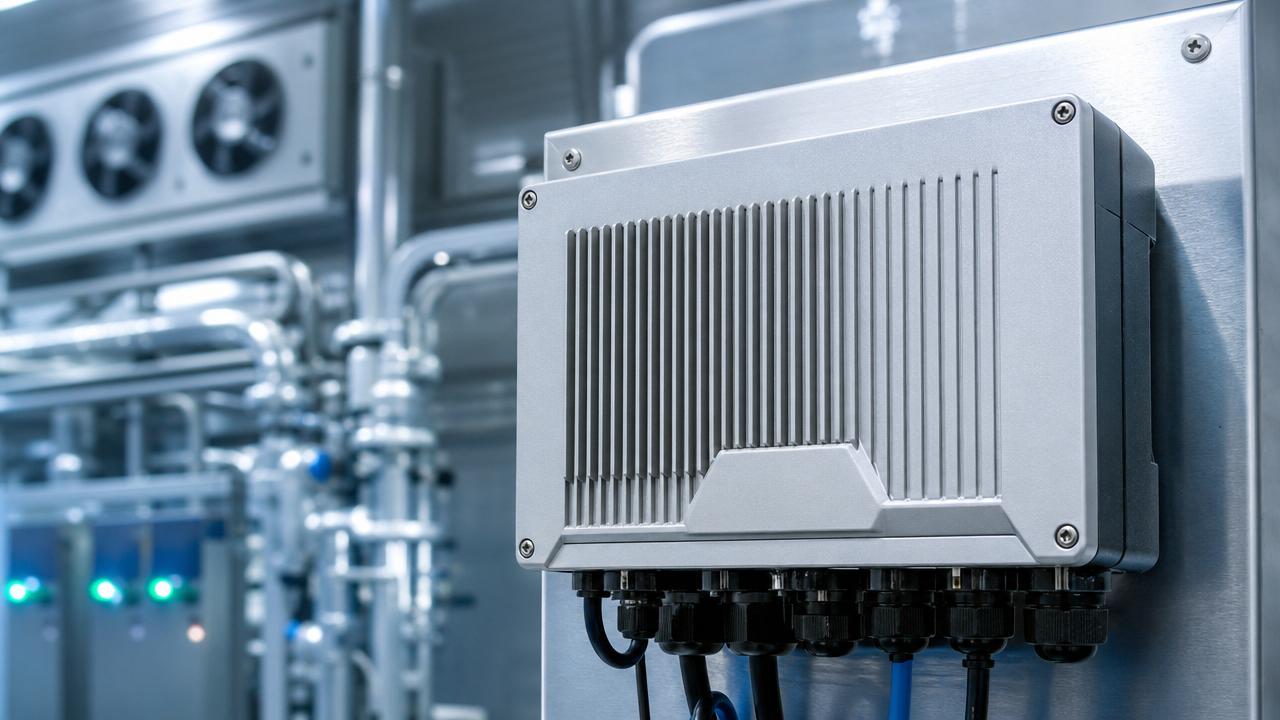
The most useful smart thermal systems combine proportional-integral-derivative logic, floating head pressure strategies, variable-speed control, and sensor feedback loops. When tuned correctly, these features reduce unnecessary compression work while protecting temperature uniformity across the refrigerated volume.
Key control functions to assess
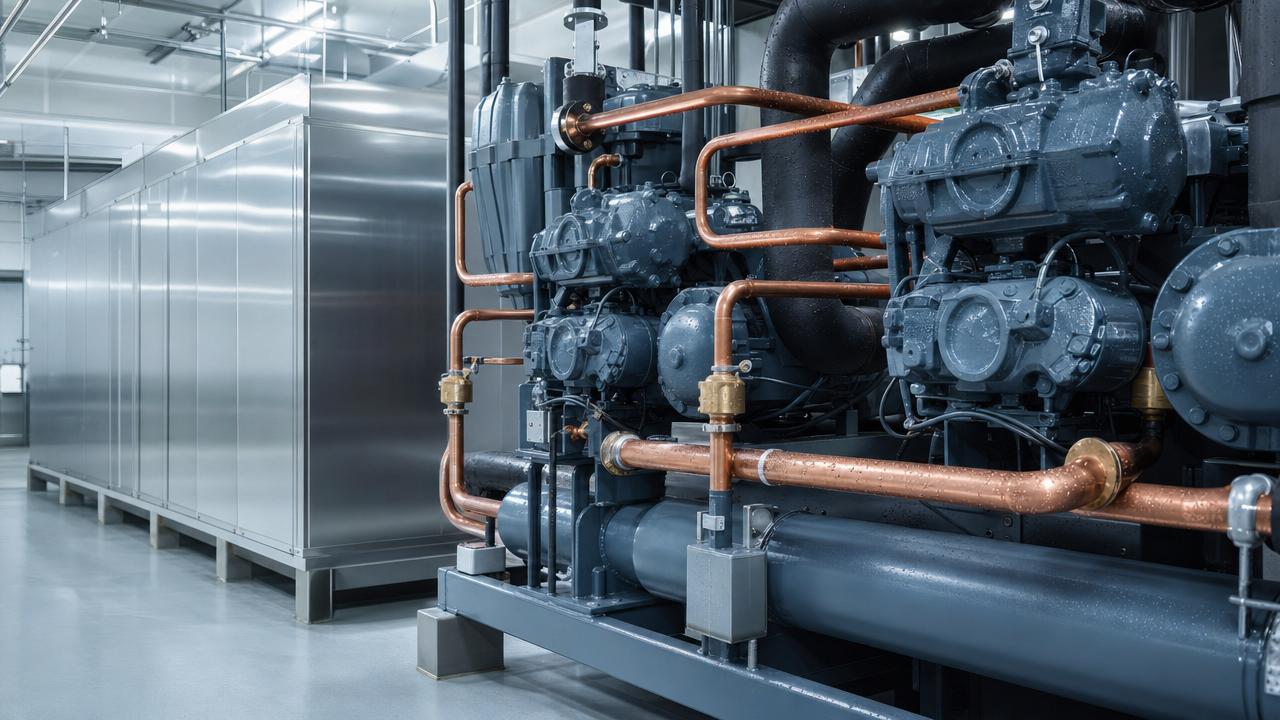
- Adaptive compressor staging that matches load more precisely and avoids repeated on-off cycling during low-demand periods.
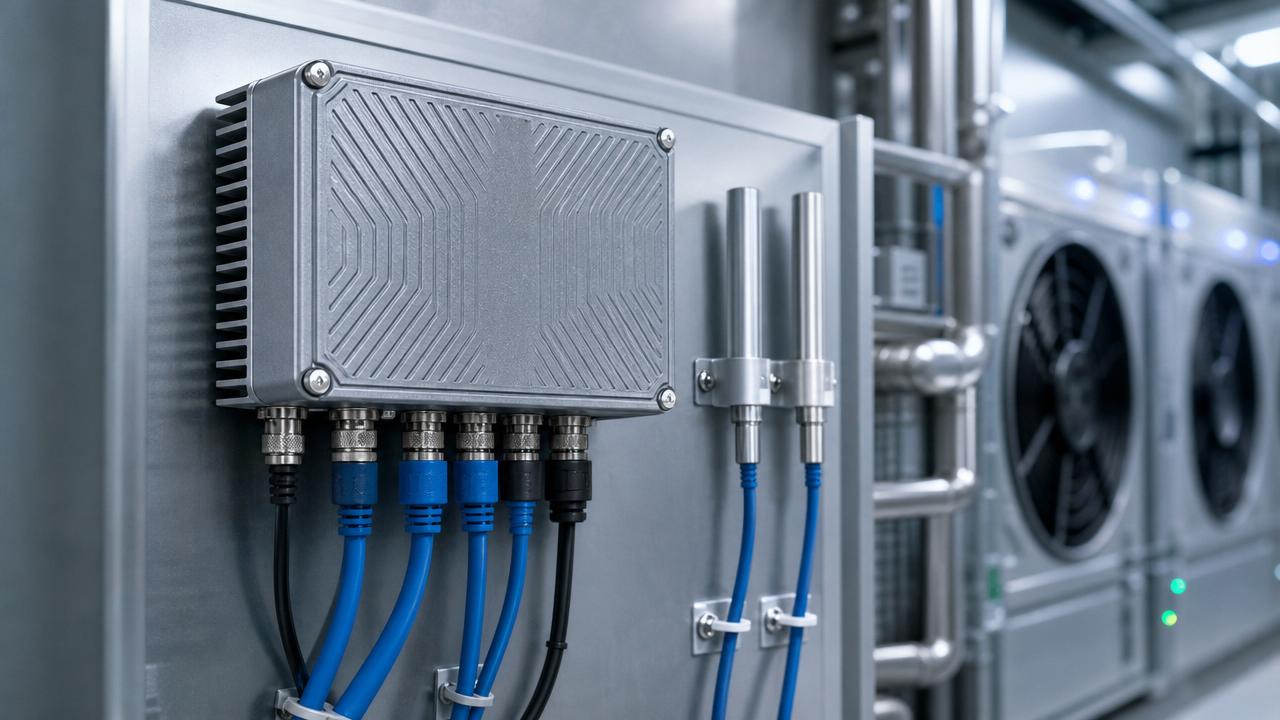
- Evaporator fan and expansion valve coordination that maintains coil efficiency instead of overfeeding refrigerant or running fans at unnecessary speed.
- Demand-based defrost control that triggers by coil condition or pressure indicators rather than fixed timers that may waste heat and downtime.
- Floating condensing and suction pressure logic that adjusts operation with ambient conditions and product load without compromising system reliability.
The table below helps evaluators compare where specific smart thermal systems control gains tend to produce the clearest energy impact in cold storage operations.
A useful reading of this table is that energy savings in smart thermal systems do not usually come from one feature alone. They come from interaction effects. Better compressor staging loses value if suction control is unstable. Smarter defrost adds less value if sensors are drifted or poorly located. Technical evaluation should therefore be system-based, not component-based.
Which performance indicators should technical evaluators prioritize?
Many cold storage projects still rely too heavily on equipment catalog data. Yet the strongest indicator of smart thermal systems quality is operational behavior over time. Evaluators should define success metrics before vendor comparison begins, especially when multiple refrigeration architectures or retrofit paths are under review.
Core metrics for a practical assessment
- Temperature deviation from setpoint during stable load, loading events, and recovery after door openings.
- Specific energy use per stored unit, per pallet position, or per cubic meter under comparable throughput conditions.
- Compressor cycling frequency and minimum runtime, which indicate whether control gains are preserving mechanical health.
- Defrost duration, frequency, and post-defrost recovery time, which often reveal hidden energy loss and airflow problems.
- Alarm quality, sensor reliability, and trend logging depth, which determine whether a system supports root-cause analysis.
GTC-Matrix often highlights a recurring market issue: decision teams may purchase advanced controls but lack the benchmarking framework to verify post-installation value. That is why technical evaluators should request trend logs, tuning access boundaries, and measurable commissioning criteria as part of the purchasing process.
The next table summarizes a practical selection view for smart thermal systems across different cold storage operating contexts.
This comparison shows that the best smart thermal systems choice is context-specific. A technical evaluator should reject one-size-fits-all proposals and instead verify whether the control package has been structured around actual thermal disturbance patterns, compliance sensitivity, and site energy economics.
How should you compare retrofit options against new control architectures?
Budget limits often force a choice between partial upgrades and full modernization. In cold storage, that decision should not be based on upfront cost alone. The more relevant question is whether the existing refrigeration base can support modern smart thermal systems without creating integration blind spots, maintenance burden, or data fragmentation.
Retrofit usually makes sense when
- Compressors, condensers, and evaporators are mechanically sound but control sequences are outdated.
- The facility lacks trend visibility, coordinated defrost, or variable-speed functionality but core piping and refrigerant strategy remain suitable.
- Energy waste is linked to poor staging, setpoint hunting, or manual overrides rather than severe hardware degradation.
A broader redesign may be better when
- Legacy controls cannot support reliable sensor integration, secure communications, or future refrigerant compliance strategies.
- Heat exchanger sizing, compressor arrangement, or airflow distribution creates structural inefficiencies that software alone cannot solve.
- The site plans capacity growth, stricter audit requirements, or multi-room optimization that needs centralized intelligence.
This is where a market intelligence view adds value. GTC-Matrix tracks technology shifts in compression, heat exchange, and energy policy, helping evaluation teams avoid investments that look cost-effective today but become restrictive under future refrigerant, carbon, or efficiency requirements.
What procurement questions reduce technical and commercial risk?
Technical evaluators often face supplier proposals that emphasize digital features but provide little clarity on control boundaries, tuning responsibility, or field support. A disciplined procurement checklist is essential when assessing smart thermal systems for cold storage.
Essential questions before approval
- Which sensors are required, where should they be installed, and how are calibration and drift handled over time?
- What control variables are actively optimized: suction pressure, discharge pressure, superheat, fan speed, defrost interval, or compressor sequence?
- Can the system export trend data for independent verification, and in what format can engineering teams access it?
- How are alarms prioritized to prevent nuisance notifications that operators begin to ignore?
- What are the commissioning steps, acceptance criteria, and expected stabilization period after tuning?
- How will the solution align with food safety protocols, pharmaceutical storage practice, or site-specific audit requirements if applicable?
Procurement teams should also ask how the control package interacts with compressed air, vacuum, and heat rejection infrastructure where relevant. In integrated industrial facilities, cold storage rarely operates in isolation. That broader systems view is one reason technical professionals use intelligence platforms such as GTC-Matrix when screening investment options.
Which standards and compliance points should not be overlooked?
While controls themselves may not define overall compliance, they strongly affect a facility’s ability to maintain documented performance. For cold-chain operations, smart thermal systems should support traceability, alarm handling, and repeatable thermal conditions in line with relevant local or sector rules.
Depending on application, evaluators may need to consider refrigerant regulations, electrical safety requirements, HACCP-related food storage expectations, or temperature monitoring practices used in regulated pharmaceutical environments. The exact framework varies by region and facility type, but the evaluation logic remains the same: controls must support evidence, not just operation.
- Verify whether data logging frequency is sufficient for audits and incident reconstruction.
- Check alarm acknowledgment logic, escalation rules, and remote notification options.
- Confirm whether setpoint changes, override events, and maintenance actions are traceable.
- Review refrigerant-related upgrade implications if future quota or environmental policy changes affect system design.
Common misconceptions about smart thermal systems in cold storage
“Better controls always mean immediate savings”
Not necessarily. Savings depend on the baseline problem. If poor insulation, air leakage, or damaged evaporators dominate the load profile, control improvements alone may underperform. Smart thermal systems are most effective when deployed after or alongside a realistic thermal diagnosis.
“More sensors automatically create better optimization”
Additional sensors help only when placement, calibration, and signal interpretation are sound. Redundant or poorly located sensors can produce noise, conflicting logic, and false alarms. Evaluators should focus on sensor strategy, not just sensor quantity.
“Control tuning is a one-time commissioning task”
Cold storage loads evolve with season, product mix, occupancy patterns, and operational policy. Smart thermal systems should allow review and retuning over time, especially after capacity changes or process shifts. A static control philosophy often leaves long-term savings unrealized.
FAQ: what do technical evaluators ask most often?
How do I know whether smart thermal systems are suitable for my site?
They are usually suitable when your site experiences unstable room temperatures, frequent compressor cycling, high energy intensity, avoidable defrost losses, or limited visibility into thermal events. Start with load profile analysis, historical alarms, and trend data if available. Suitability depends less on site size than on disturbance complexity and control maturity.
What should I prioritize first: hardware efficiency or control intelligence?
Prioritize the dominant source of waste. If hardware is failing or grossly mismatched, address that first. If major losses come from part-load behavior, poor staging, or weak thermal visibility, smart thermal systems can deliver faster operational improvement. In many projects, the best path is phased: stabilize hardware, then optimize controls.
How long does evaluation and implementation usually take?
Timing varies with facility complexity, retrofit scope, and data availability. A focused technical review may move quickly when instrumentation and operating records are already available. More complex sites need longer for sensor mapping, integration checks, commissioning plans, and acceptance criteria. Evaluators should request a staged schedule covering survey, design confirmation, installation, tuning, and validation.
What is the biggest mistake during procurement?
Selecting smart thermal systems by interface features or headline savings claims without validating control logic, integration requirements, data access, and support boundaries. A visually advanced dashboard does not guarantee good thermodynamic control. Ask for sequence descriptions, not just software screenshots.
Why choose us when evaluating cold storage control strategies?
GTC-Matrix supports technical evaluators with a decision framework grounded in industrial cooling, compression power, vacuum processes, and heat exchange intelligence. That means your assessment of smart thermal systems can be linked to broader factors that directly affect project quality: energy cost shifts, refrigerant policy direction, equipment evolution, and cross-industry demand for precise thermal control.
If you are comparing retrofit paths, reviewing supplier proposals, or building a shortlist for cold storage optimization, you can consult us on practical topics such as parameter confirmation, control architecture comparison, compressor-load strategy, heat exchanger implications, delivery planning, customization scope, compliance considerations, and quotation alignment. For teams under time pressure, this shortens the gap between thermodynamic analysis and procurement action.
Contact GTC-Matrix if you need support in screening smart thermal systems for specific room temperatures, product categories, operating profiles, or energy targets. A focused discussion can help clarify which data to collect first, which control gains deserve priority, and which solution path fits your technical and commercial constraints.
Related News
- MPA Opens Fast-Track Cold Chain Inspections in SingaporeAuthor :Cryogenic Systems Expert

- GCC Cold Storage Imports Face GCC-CLIMAT 2026 RuleAuthor :Cryogenic Systems Expert

- Industrial Refrigeration Equipment Evaporator Selection: Capacity, Frost, and Energy TradeoffsAuthor :Cryogenic Systems Expert

- Industrial Refrigeration Equipment: Cost Factors to CompareAuthor :Cryogenic Systems Expert

- Manzhouli Rail Hub Sets Weekly Reefer RecordAuthor :Cryogenic Systems Expert

- Manzhouli Rail Cold-Chain Volume Hits Weekly HighAuthor :Cryogenic Systems Expert

- High-Precision Temperature Control for Stable Cold StorageAuthor :Cryogenic Systems Expert
![]()
- High-Precision Temperature Control in Cold StorageAuthor :Cryogenic Systems Expert

- Japan's METI Mandates AI Energy Models for Cold StorageAuthor :Cryogenic Systems Expert
![]()
- Fruit Attraction Madrid 2026 Booths 91% Booked; Smart Cold Storage Now EU Entry GateAuthor :Cryogenic Systems Expert

- Fruit Attraction Madrid: 90% Booths Booked; Smart Cold Storage Now EU Entry GateAuthor :Cryogenic Systems Expert
![]()
- How Global Energy Costs Are Changing Cold Storage PlanningAuthor :Cryogenic Systems Expert

- High-Precision Temperature Control in Cold StorageAuthor :Cryogenic Systems Expert

- Hema's Discount Brand 'Chao He Suan NB' Expands to Southeast AsiaAuthor :Cryogenic Systems Expert

- State Council Approves Urban Renewal '15th Five-Year' Plan, Boosting Cold Storage Retrofit DemandAuthor :Cryogenic Systems Expert

- Colombia Upholds Anti-Dumping Duties on Chinese Acrylic SheetsAuthor :Cryogenic Systems Expert

- PSA Launches Express Lane for Industrial Thermal EquipmentAuthor :Cryogenic Systems Expert

- Smart Thermal Systems for Cold Storage: Control Gains That Cut Energy WasteAuthor :Cryogenic Systems Expert

- PSA Launches Express Lane for Temperature-Critical CargoAuthor :Cryogenic Systems Expert

- Pure Power Sources: What Matters Most for Cold Storage ReliabilityAuthor :Cryogenic Systems Expert

- Brazil Grants Unilateral Visa-Free Access to Chinese CitizensAuthor :Cryogenic Systems Expert

- India BIS Proposes Mandatory Low-GWP Verification for R449A in Cold StorageAuthor :Cryogenic Systems Expert

- US BIS Adds 3 Cold Storage Controller Makers to Entity ListAuthor :Cryogenic Systems Expert

- High-Precision Temperature Control in Cold Storage OperationsAuthor :Cryogenic Systems Expert

- India BIS Proposes Mandatory Low-GWP Verification for R449A in Cold StorageAuthor :Cryogenic Systems Expert

- US BIS Adds 3 Chinese Cold Storage Controller Makers to Entity ListAuthor :Cryogenic Systems Expert

- China Expands HCFCs Phase-Out Verification for Cold Storage ExportsAuthor :Cryogenic Systems Expert

- Smart Thermal Systems for Cold Storage: What Delivers PaybackAuthor :Cryogenic Systems Expert

- China Expands HCFCs Phase-Out Checks to 127 Chiller PlantsAuthor :Cryogenic Systems Expert

- Shanghai Port Reefer FEU Rates Surge Past $12,800 Amid Red Sea DiversionAuthor :Cryogenic Systems Expert

- Red Sea Crisis Pushes Shanghai-Rotterdam Reefer Freight to $12,520/FEUAuthor :Cryogenic Systems Expert
![]()
- What Intellectualization Means for Smarter Cold Storage OperationsAuthor :Cryogenic Systems Expert