



What Intellectualization Means for Smarter Cold Storage Operations




In cold storage, intellectualization is reshaping how operators manage temperature, energy use, and equipment reliability. By turning data into actionable insight, smarter systems help reduce waste, prevent failures, and improve daily efficiency. For users and operators, understanding this shift is essential to building safer, more responsive, and cost-effective cold storage operations.
What does intellectualization mean in cold storage operations?
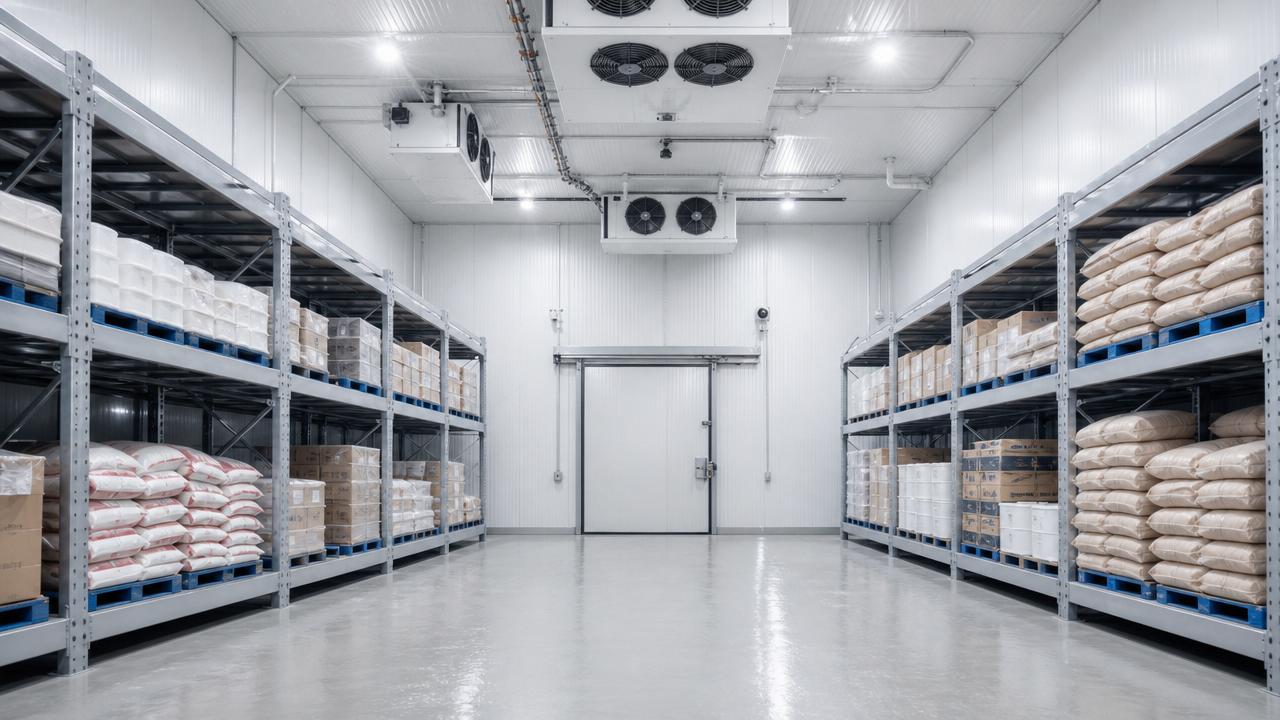
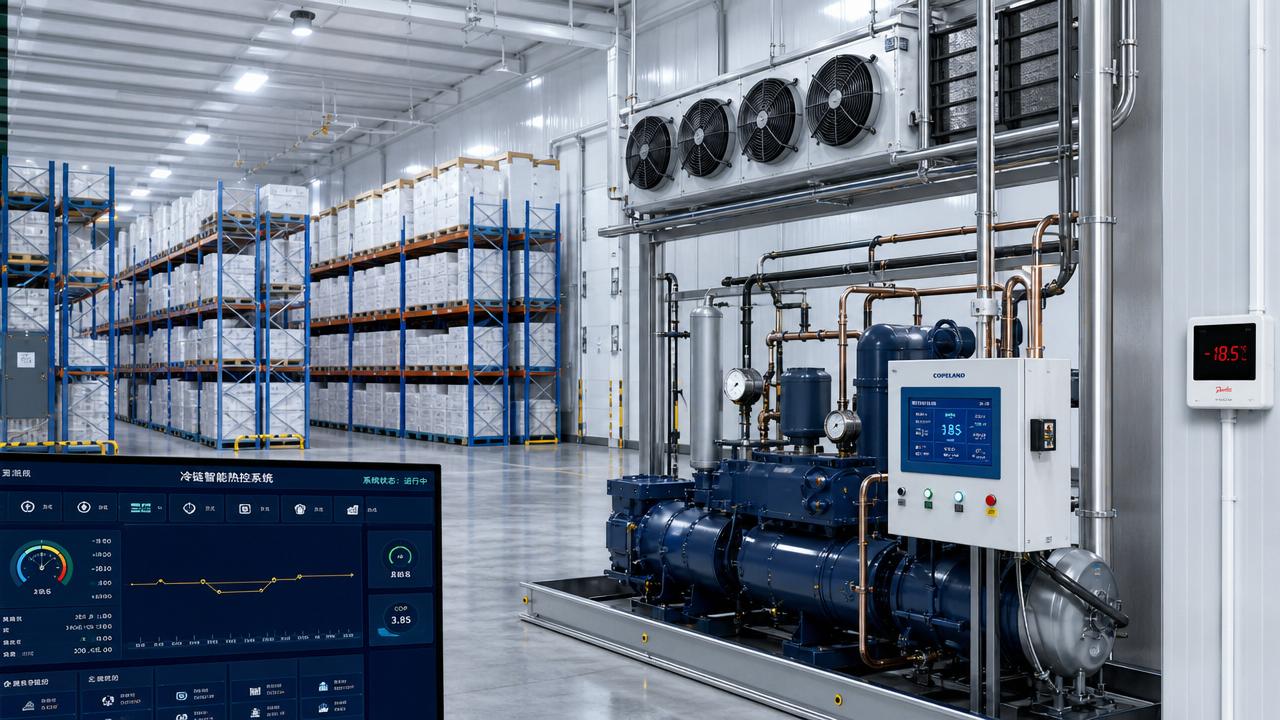
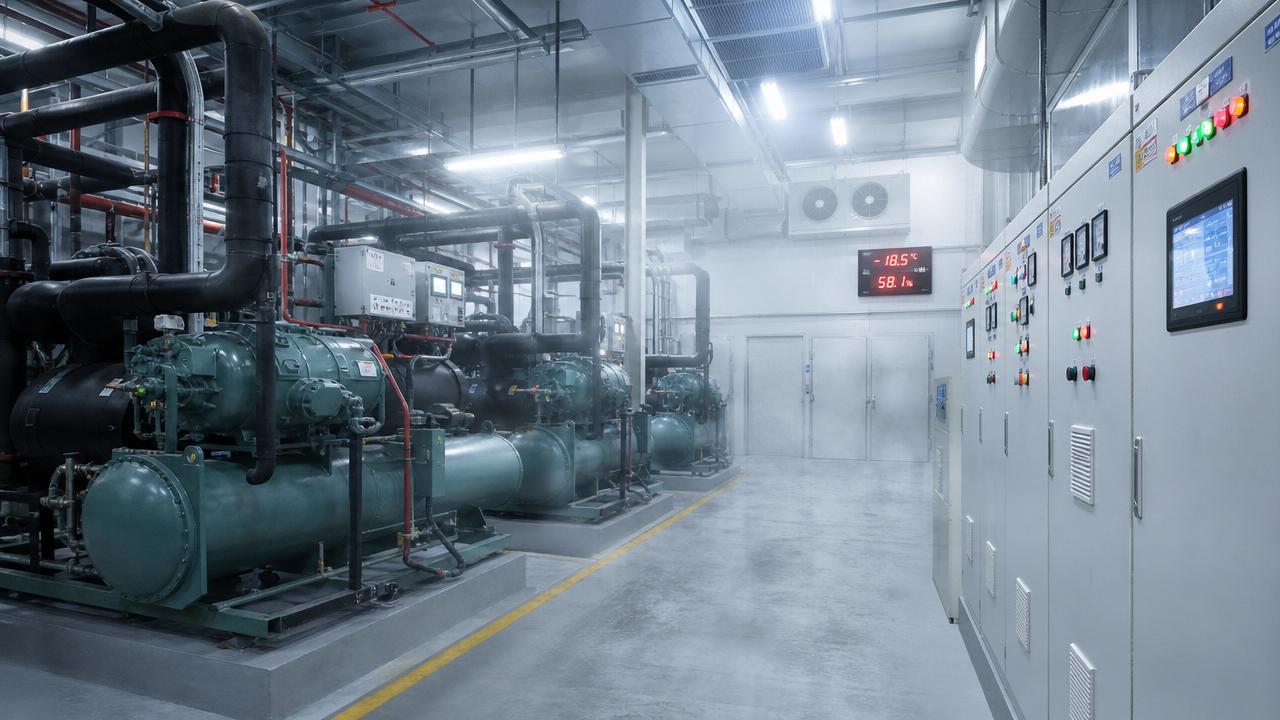
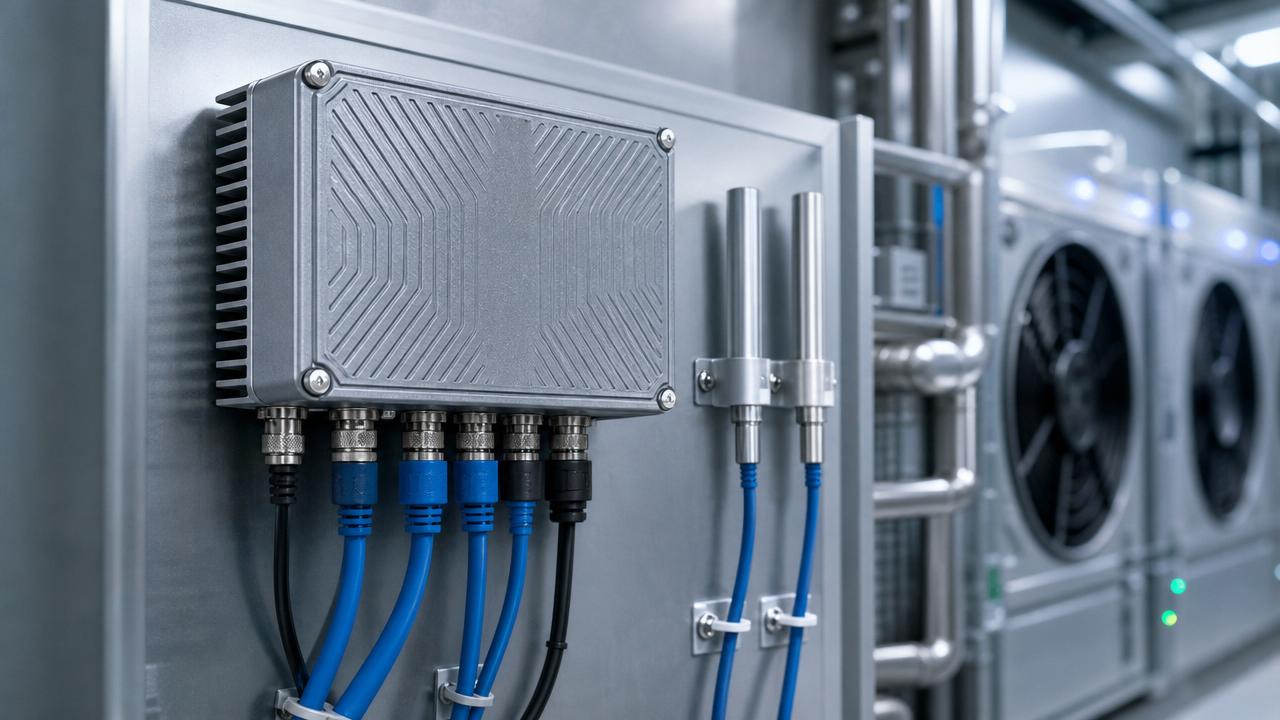
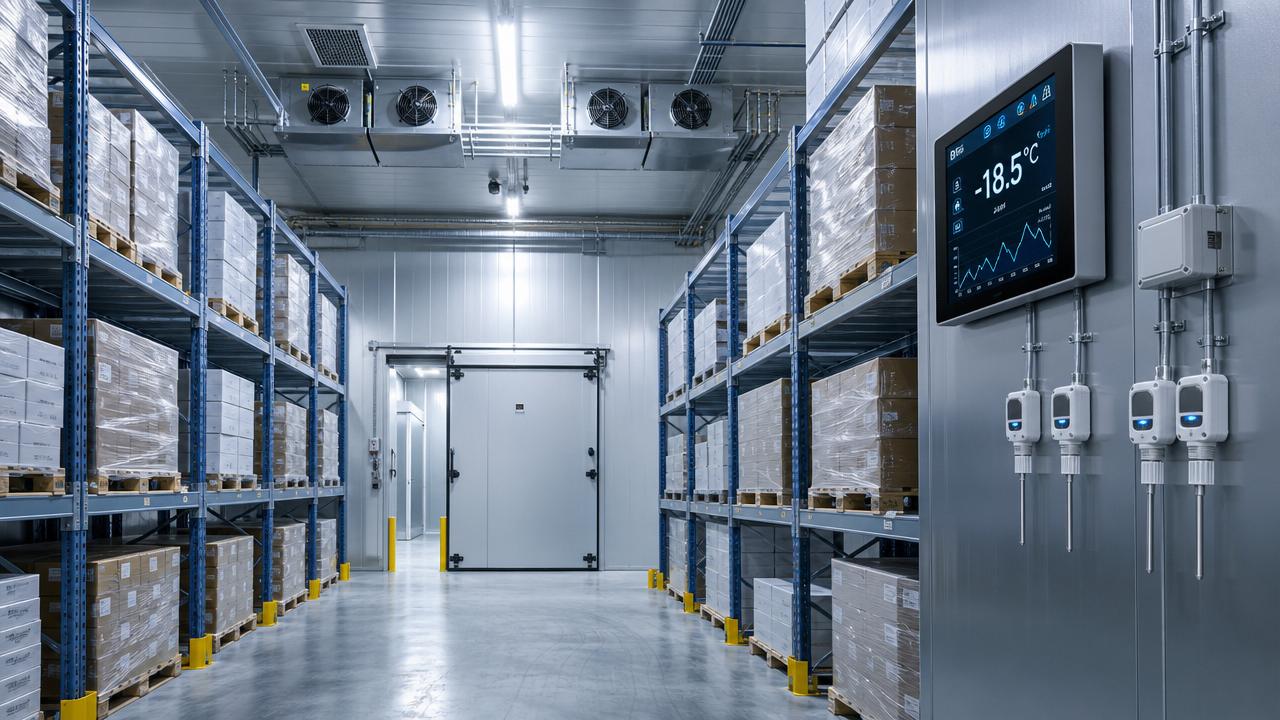
In practical terms, intellectualization means using connected sensors, control logic, software analytics, and automated responses to make cold storage more aware, more adaptive, and easier to manage. It is not just about adding a digital screen to a refrigeration system. It is about creating an operating environment where temperature, humidity, compressor performance, door activity, defrost timing, energy load, and alarm data are continuously interpreted to support better decisions.
For operators, intellectualization changes the job from reactive supervision to guided control. Instead of waiting for a freezer room to drift out of range or a compressor to fail, the system can identify abnormal patterns early. Instead of relying only on manual logs, staff can use historical data to understand why a fluctuation happened and what action prevented product loss. This is especially valuable in food, pharmaceutical, logistics, and multi-temperature warehousing environments where compliance and uptime matter every day.
At a broader level, intellectualization aligns cold storage with the industrial shift toward decarbonization, energy efficiency, and smarter asset management. Platforms such as GTC-Matrix track how industrial cooling, compressed air, heat exchange, and thermal systems are increasingly linked through intelligence-driven operations. In cold storage, that means thermal performance is no longer managed as an isolated technical task; it becomes part of a larger strategy for reliability, sustainability, and cost control.
Why are operators paying more attention to intellectualization now?
The short answer is pressure. Cold storage facilities today face tighter product quality requirements, rising electricity prices, stricter refrigerant policies, and stronger expectations around traceability. Under these conditions, traditional operation methods often leave too many blind spots. Manual inspection rounds may miss overnight temperature drift. Static setpoints may ignore changing ambient load. Basic alarms may tell you something is wrong, but not why it happened or what will happen next.
Intellectualization helps because it improves response speed and decision quality. A smart control layer can compare room temperature trends against door openings, occupancy cycles, evaporator condition, and compressor runtime. This allows more precise control of cooling output and more accurate detection of energy waste. In many facilities, the first visible benefit is not advanced automation but improved clarity: operators can finally see how the cold room actually behaves across shifts, seasons, and load changes.
Another reason for growing interest is labor efficiency. Many operators are asked to manage larger sites with leaner teams. Intellectualization supports them with centralized dashboards, automated alerts, remote access, and decision support. It does not remove the need for skilled personnel, but it helps operators focus attention where it matters most. In that sense, intellectualization is becoming less of a premium upgrade and more of an operational necessity.
Which cold storage scenarios benefit most from intellectualization?
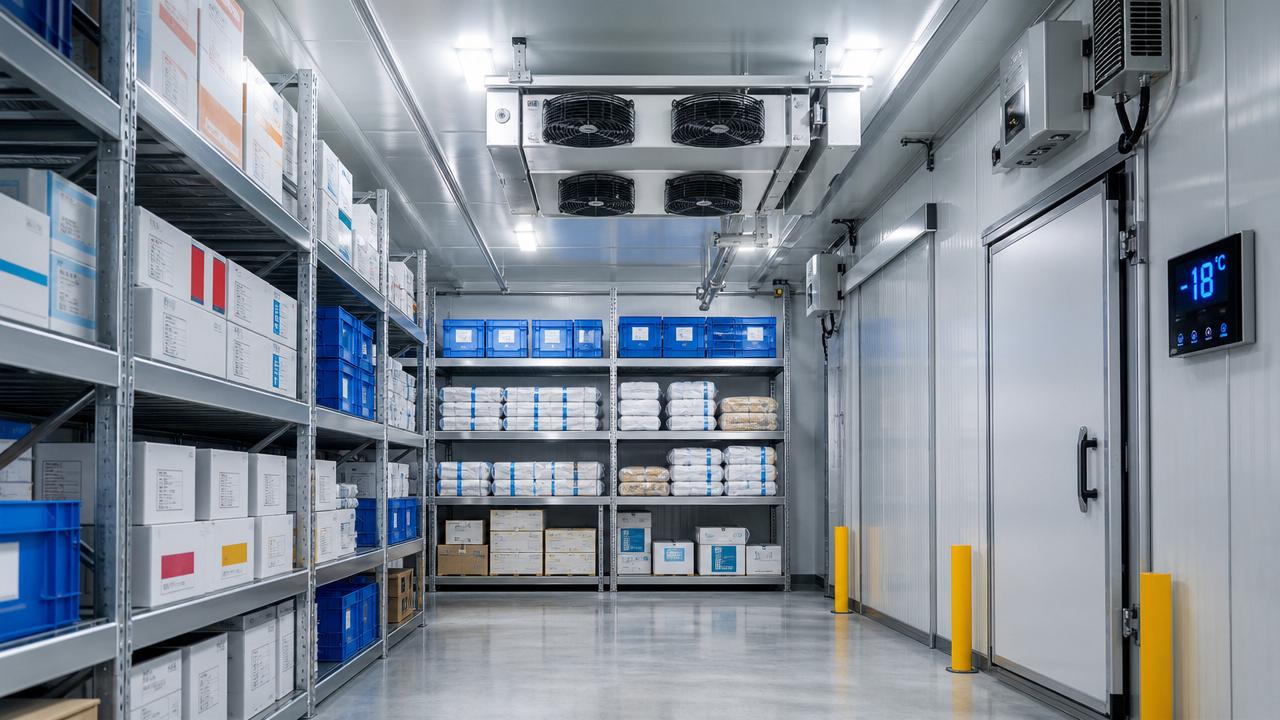
Not every site starts from the same level, but several scenarios tend to gain fast value from intellectualization. Multi-room facilities are one example. When a site includes freezer rooms, chill rooms, loading zones, and processing buffers, operating conditions vary constantly. Smart monitoring helps operators avoid overcooling one zone while another struggles to stay compliant.
High-value inventory storage is another strong fit. If the stored products are pharmaceuticals, specialty foods, biological materials, or temperature-sensitive ingredients, the cost of a single temperature excursion can be far higher than the cost of digital control upgrades. Here, intellectualization supports audit readiness, alarm escalation, and full environmental records.
Facilities with unstable ambient conditions also benefit. Seasonal heat, frequent loading activity, and variable occupancy place stress on cooling systems. Intelligent controls can adapt more effectively than fixed-rule systems because they work with live operating data. Similarly, older facilities often gain from partial intellectualization even if the refrigeration equipment is not fully replaced. Adding smart metering, sensor layers, and performance analytics can reveal where compressors, evaporators, fans, or defrost cycles are driving unnecessary energy use.
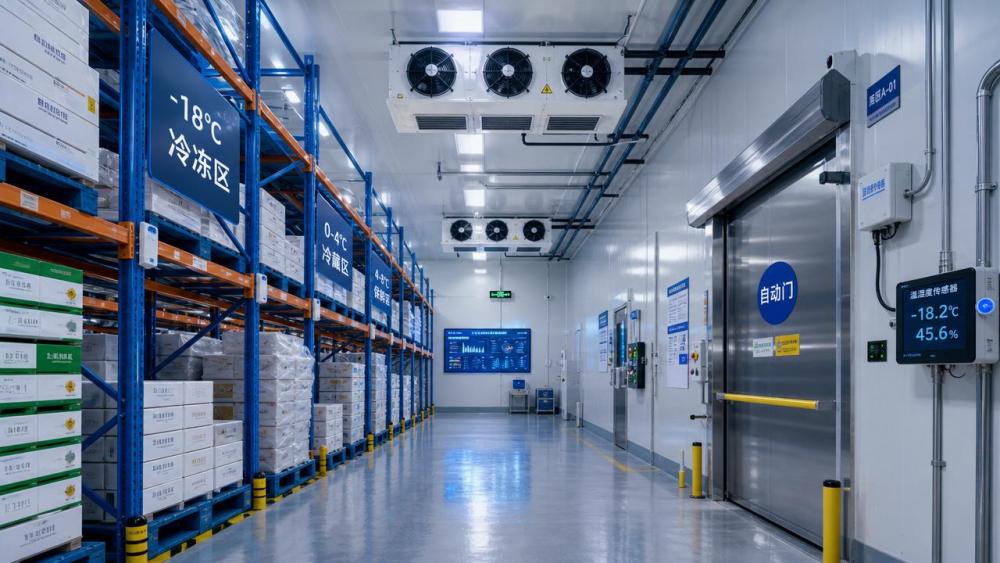
For operators, the best candidates are usually sites where one or more of these problems already exist: repeated alarms, unclear energy bills, frequent manual intervention, inconsistent temperature records, unexplained product loss, or difficulty coordinating maintenance. Intellectualization delivers the highest impact when it solves visible operational friction rather than being adopted only as a trend.
How is intellectualization different from ordinary automation or digital monitoring?
This is one of the most important questions because many facilities already have some level of automation. A basic building management system, thermostat control, or remote alarm app does not automatically equal intellectualization. The difference lies in depth, integration, and actionability.
Ordinary automation usually follows fixed rules: if temperature rises above a threshold, start cooling; if pressure drops, trigger an alarm. Digital monitoring adds visibility, allowing staff to view operating values remotely. Intellectualization goes further by correlating signals, learning from trends, prioritizing risks, and supporting dynamic control. It can identify that a temperature rise is linked not to equipment failure but to repeated door opening during a loading window. It can also detect that a compressor is consuming more power than normal for the same load, suggesting fouling, leakage, or control drift.
For users and operators, this distinction matters because it affects purchasing decisions. If a supplier uses the word intellectualization, ask whether the system truly provides diagnosis, performance benchmarking, and operational recommendations, or whether it mainly offers remote display and standard alarms.
What should operators evaluate before adopting intellectualization?
Start with operational pain points, not software features. A smart platform is only useful if it addresses real problems such as compressor cycling, uneven room temperatures, excessive energy consumption, difficult audits, or poor visibility across shifts. Once these priorities are clear, operators can assess whether the proposed intellectualization package includes the right sensors, communication reliability, dashboard usability, and alarm workflow.
Data quality is another critical issue. Intellectualization depends on trustworthy inputs. If temperature probes are poorly located, if pressure readings are inconsistent, or if door activity is not captured, the system may produce misleading conclusions. The best smart control layer cannot compensate for weak field data. Operators should also evaluate whether the system can integrate with existing refrigeration controls, power meters, maintenance records, and compliance logs. A disconnected platform creates new silos instead of solving old ones.
Cybersecurity, user permissions, and training should not be treated as secondary concerns. Because intellectualization often includes remote access and cloud-linked data, facilities need clear authority structures and recovery procedures. Just as important, operators need interfaces that support action. If the dashboard is too technical, too crowded, or too generic, staff may ignore it. Good intellectualization translates complexity into practical operating choices.
A useful evaluation method is to ask three simple questions: what can the system see, what can it explain, and what can it improve? If the answers are narrow, the value may be limited. If the answers connect thermal performance, energy efficiency, maintenance planning, and operator workflow, the project is more likely to deliver measurable results.
What are the biggest mistakes companies make about intellectualization?
One common mistake is assuming intellectualization is only for very large facilities. In reality, medium-sized cold rooms and regional distribution centers often benefit significantly because they usually have limited technical staff and need easier oversight. Another mistake is treating intellectualization as a one-time installation rather than an operating capability. Sensors, analytics, control logic, and staff procedures need to work together. Without routine review, even advanced systems can become underused.
A third error is focusing only on dashboard appearance. Attractive screens do not guarantee intelligent outcomes. Operators should be more concerned with how quickly the system detects deviations, how accurately it reduces false alarms, and how effectively it supports root-cause analysis. There is also a tendency to expect immediate full automation. In many sites, the best path is phased intellectualization: begin with monitoring and diagnostics, then add optimization rules, and only later expand automated responses.
Companies also underestimate organizational change. Intellectualization can reveal hidden inefficiencies in loading practice, maintenance timing, defrost strategy, and shift handover discipline. If management wants the benefits but does not support process adjustments, the technology may expose issues without solving them. Smart cold storage works best when data, people, and operating standards evolve together.
How can operators judge ROI, implementation time, and practical value?
Return on investment should be measured across several categories, not just electricity savings. Intellectualization may reduce product spoilage, shorten troubleshooting time, lower emergency maintenance costs, improve audit readiness, and extend equipment life. In some sectors, avoiding a single critical failure may justify much of the investment. That said, operators should still request clear baseline metrics before implementation, including current energy use, alarm frequency, temperature deviation rates, maintenance incidents, and downtime history.
Implementation time depends on site complexity. A lighter project that adds metering, data collection, and remote visibility can move relatively quickly. A deeper intellectualization program involving control integration, predictive analytics, and multi-site coordination will take longer and may require staged commissioning. Operators should ask whether the project can be installed without interrupting storage continuity, how data validation will be handled, and how the team will be trained after handover.
Practical value is best judged through early use cases. For example, can the system detect door-related temperature instability within days? Can it identify inefficient compressor sequencing? Can it show whether defrost cycles are too frequent or too long? Fast answers to these questions build confidence and help teams use intellectualization as an operational tool rather than a reporting layer. Over time, the strongest value comes from turning scattered thermal data into repeatable decisions that improve stability, efficiency, and control.
What should you clarify first if you want to move forward with a smarter cold storage plan?
If you are discussing a new project, retrofit, or supplier comparison, begin with the basics that shape real outcomes. Confirm which operating problems need to be solved first, what temperature and compliance standards apply, what equipment is already installed, and which data points are currently missing. Then ask how the proposed intellectualization approach will improve visibility, response time, maintenance decisions, and energy performance in your exact operating context.
It is also wise to clarify integration scope, implementation phases, training responsibilities, data ownership, alarm escalation methods, and expected performance indicators. For users and operators, the most valuable conversations are not about abstract digital transformation. They are about whether the system will help the team protect product quality, reduce waste, and act faster when conditions change.
As cold storage becomes more connected to broader industrial cooling and thermal efficiency strategies, intellectualization is moving from optional innovation to practical operating infrastructure. If you need to confirm a specific solution, parameters, project direction, rollout cycle, quotation basis, or cooperation model, the best next step is to discuss your room types, load patterns, alarm history, energy targets, and current control limitations in detail before choosing a platform or upgrade path.
Related News
- MPA Opens Fast-Track Cold Chain Inspections in SingaporeAuthor :Cryogenic Systems Expert

- GCC Cold Storage Imports Face GCC-CLIMAT 2026 RuleAuthor :Cryogenic Systems Expert

- Industrial Refrigeration Equipment Evaporator Selection: Capacity, Frost, and Energy TradeoffsAuthor :Cryogenic Systems Expert

- Industrial Refrigeration Equipment: Cost Factors to CompareAuthor :Cryogenic Systems Expert

- Manzhouli Rail Hub Sets Weekly Reefer RecordAuthor :Cryogenic Systems Expert

- Manzhouli Rail Cold-Chain Volume Hits Weekly HighAuthor :Cryogenic Systems Expert

- High-Precision Temperature Control for Stable Cold StorageAuthor :Cryogenic Systems Expert
![]()
- High-Precision Temperature Control in Cold StorageAuthor :Cryogenic Systems Expert

- Japan's METI Mandates AI Energy Models for Cold StorageAuthor :Cryogenic Systems Expert
![]()
- Fruit Attraction Madrid 2026 Booths 91% Booked; Smart Cold Storage Now EU Entry GateAuthor :Cryogenic Systems Expert

- Fruit Attraction Madrid: 90% Booths Booked; Smart Cold Storage Now EU Entry GateAuthor :Cryogenic Systems Expert
![]()
- How Global Energy Costs Are Changing Cold Storage PlanningAuthor :Cryogenic Systems Expert

- High-Precision Temperature Control in Cold StorageAuthor :Cryogenic Systems Expert

- Hema's Discount Brand 'Chao He Suan NB' Expands to Southeast AsiaAuthor :Cryogenic Systems Expert

- State Council Approves Urban Renewal '15th Five-Year' Plan, Boosting Cold Storage Retrofit DemandAuthor :Cryogenic Systems Expert

- Colombia Upholds Anti-Dumping Duties on Chinese Acrylic SheetsAuthor :Cryogenic Systems Expert

- PSA Launches Express Lane for Industrial Thermal EquipmentAuthor :Cryogenic Systems Expert

- Smart Thermal Systems for Cold Storage: Control Gains That Cut Energy WasteAuthor :Cryogenic Systems Expert

- PSA Launches Express Lane for Temperature-Critical CargoAuthor :Cryogenic Systems Expert

- Pure Power Sources: What Matters Most for Cold Storage ReliabilityAuthor :Cryogenic Systems Expert

- Brazil Grants Unilateral Visa-Free Access to Chinese CitizensAuthor :Cryogenic Systems Expert

- India BIS Proposes Mandatory Low-GWP Verification for R449A in Cold StorageAuthor :Cryogenic Systems Expert

- US BIS Adds 3 Cold Storage Controller Makers to Entity ListAuthor :Cryogenic Systems Expert

- High-Precision Temperature Control in Cold Storage OperationsAuthor :Cryogenic Systems Expert

- India BIS Proposes Mandatory Low-GWP Verification for R449A in Cold StorageAuthor :Cryogenic Systems Expert

- US BIS Adds 3 Chinese Cold Storage Controller Makers to Entity ListAuthor :Cryogenic Systems Expert

- China Expands HCFCs Phase-Out Verification for Cold Storage ExportsAuthor :Cryogenic Systems Expert

- Smart Thermal Systems for Cold Storage: What Delivers PaybackAuthor :Cryogenic Systems Expert

- China Expands HCFCs Phase-Out Checks to 127 Chiller PlantsAuthor :Cryogenic Systems Expert

- Shanghai Port Reefer FEU Rates Surge Past $12,800 Amid Red Sea DiversionAuthor :Cryogenic Systems Expert

- Red Sea Crisis Pushes Shanghai-Rotterdam Reefer Freight to $12,520/FEUAuthor :Cryogenic Systems Expert
![]()
- What Intellectualization Means for Smarter Cold Storage OperationsAuthor :Cryogenic Systems Expert