High-Precision Temperature Control in Cold Storage




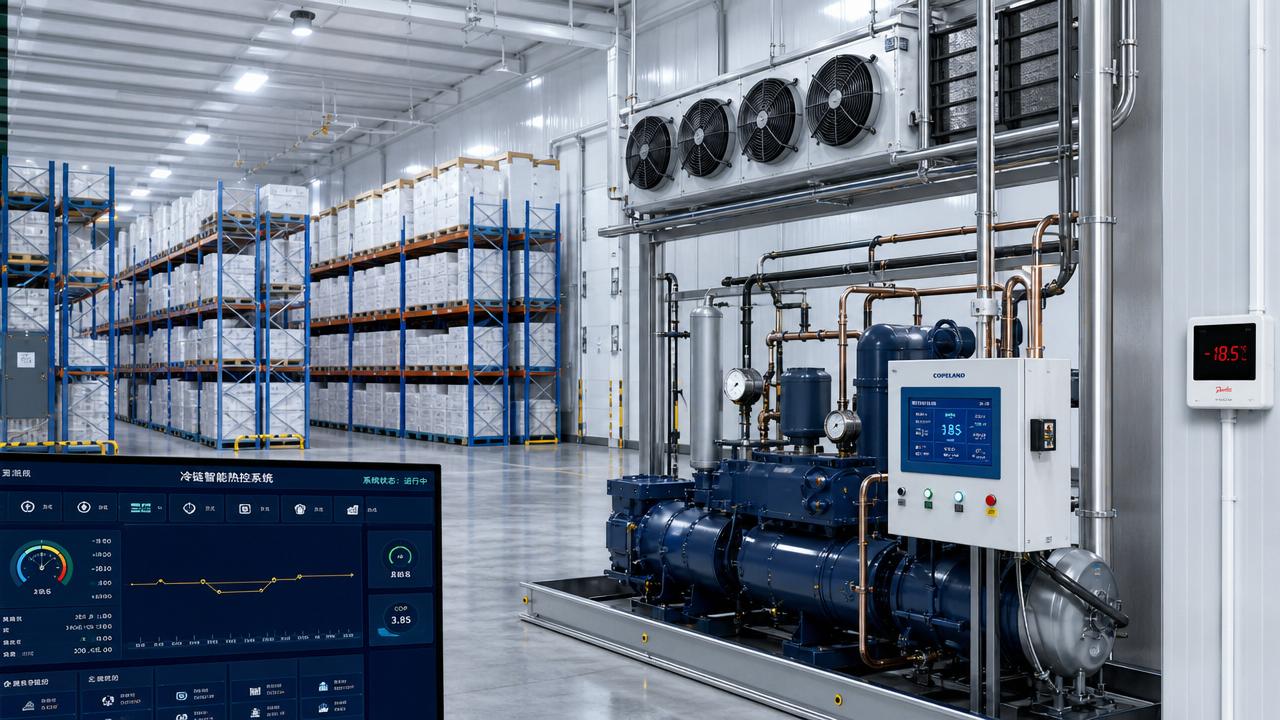
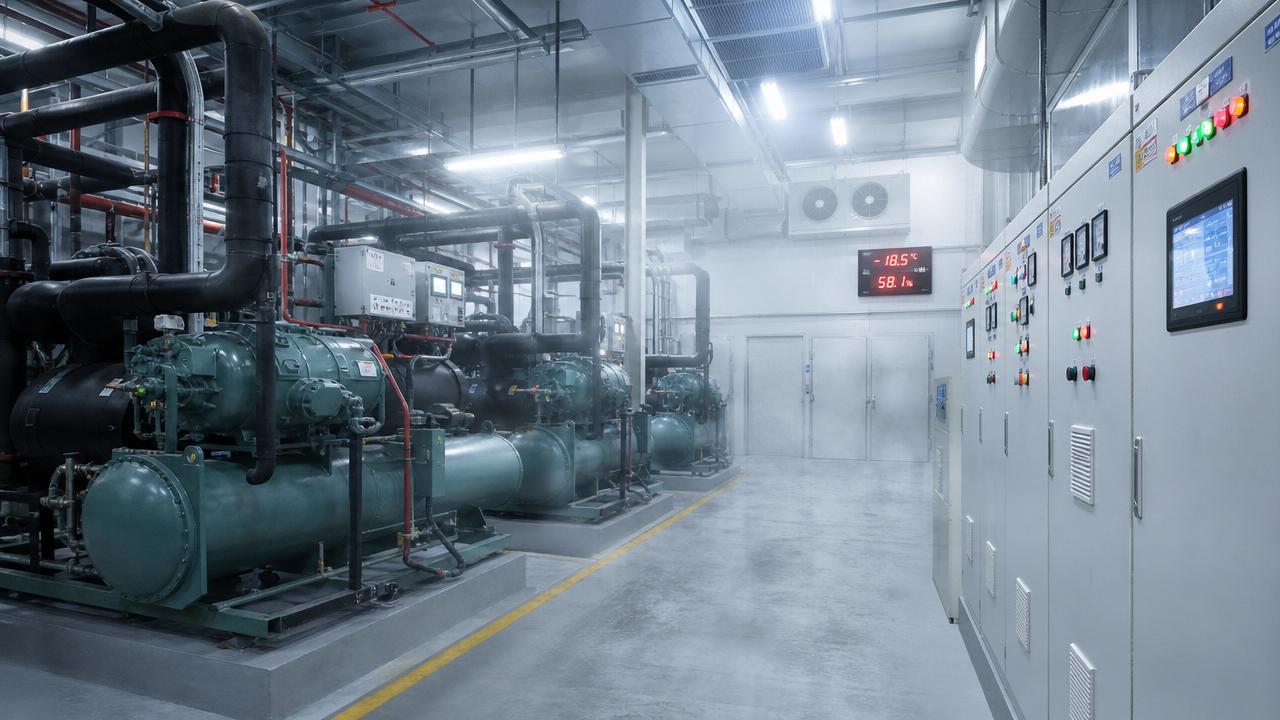
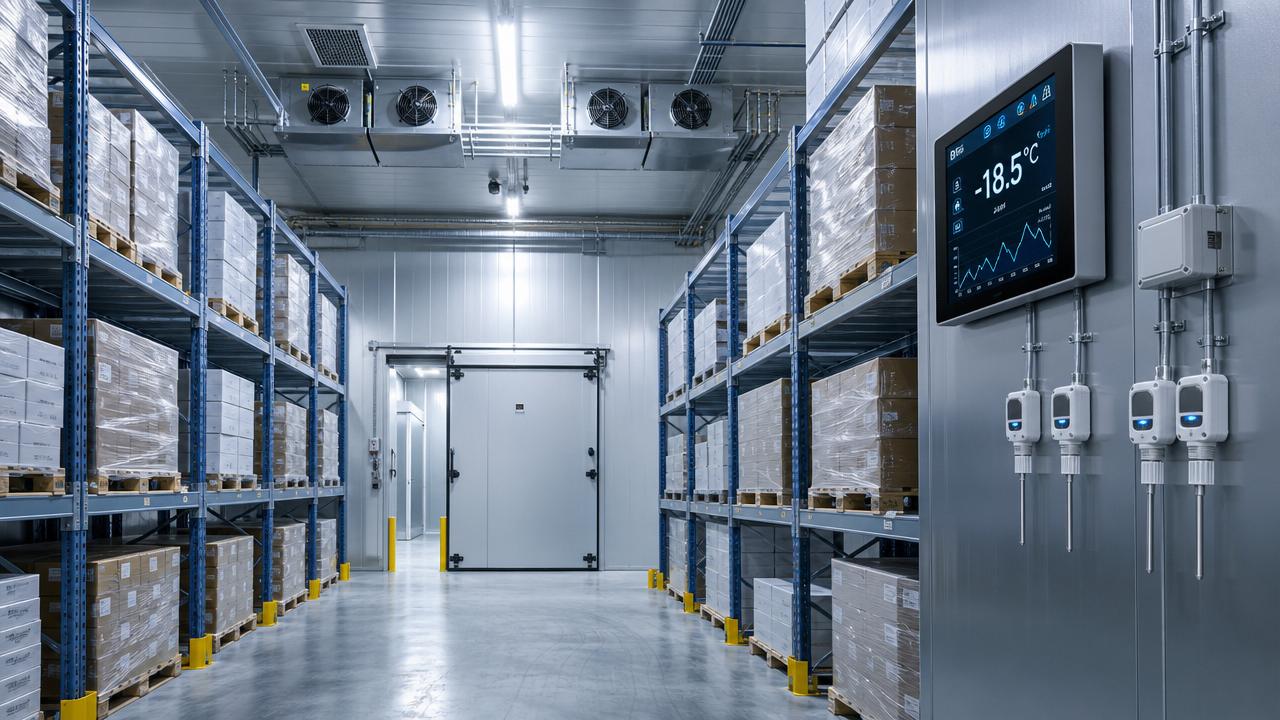
In modern cold storage operations, high-precision temperature control is essential for protecting product quality, reducing energy waste, and ensuring stable performance across demanding industrial environments.
For facility users, even minor thermal drift can increase spoilage, shorten shelf life, and create compliance pressure. Better control improves safety, consistency, and operating economics.
Across the broader industrial landscape, high-precision temperature control also supports smarter energy conversion. This aligns with GTC-Matrix insights on efficient cooling, heat exchange, and thermal system optimization.
When High-Precision Temperature Control Becomes a Critical Cold Storage Need
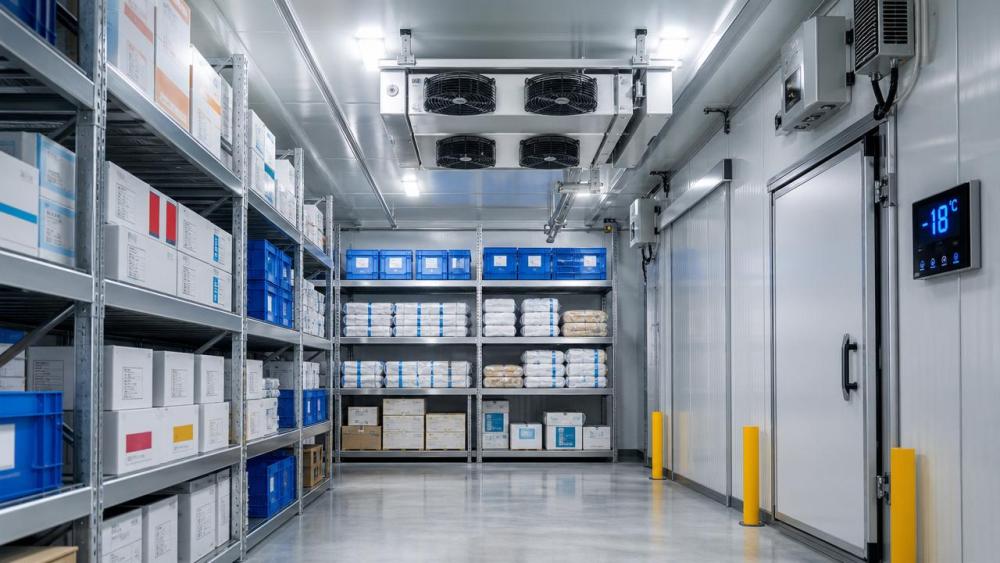
Not every cold room requires the same control accuracy. The right target depends on stored goods, door traffic, loading patterns, ambient climate, and process sensitivity.
A frozen warehouse for stable bulk products can tolerate wider variation than a pharmaceutical chamber. A food staging room faces different challenges than a long-term archive.
This is why high-precision temperature control should be judged by scenario, not by equipment labels alone. Precision only creates value when matched to real operating conditions.
The most important background question is simple: what happens if temperature shifts by one degree, or even half a degree, for several hours?
- If product stability changes quickly, tighter control is essential.
- If frequent access causes thermal shocks, recovery speed matters as much as setpoint accuracy.
- If power costs are high, precision must be balanced with compressor efficiency.
- If audits apply, data logging and traceability become part of temperature control quality.
Which Cold Storage Scenarios Demand the Highest Precision
Pharmaceutical and biotech storage
This is one of the clearest cases for high-precision temperature control. Vaccines, reagents, and biologics often have narrow acceptable temperature bands.
The key judgment point is not only average temperature. Uniformity, alarm response, sensor redundancy, and door-open recovery often determine actual storage reliability.
Fresh food and premium produce rooms
Fresh produce, dairy, seafood, and meat are highly sensitive to thermal instability. Small fluctuations can accelerate dehydration, texture loss, condensation, and microbial risk.
In this scenario, high-precision temperature control protects sellable quality. It also reduces hidden losses that standard room readings may not reveal.
Processed food buffering and dispatch zones
These areas are dynamic. Door openings, pallet movement, and variable loading create unstable conditions throughout the day.
Here, high-precision temperature control depends on zoning, airflow design, and control logic. A precise sensor alone cannot solve uneven heat gain.
Industrial materials and specialty chemicals
Some compounds, adhesives, coatings, and laboratory materials require stable low-temperature storage to preserve viscosity, reactivity, or shelf life.
The core judgment point is whether product properties change gradually or abruptly. That difference defines how strict the control strategy should be.
How Scenario Differences Change High-Precision Temperature Control Requirements
Cold storage performance should be evaluated by operating reality. The same nominal room temperature may deliver very different outcomes across industries.
This comparison shows why high-precision temperature control is both a technical and operational decision. The best system reflects product sensitivity and workload patterns together.
What to Evaluate Before Upgrading Cold Storage Precision
A successful upgrade starts with diagnosis. Many sites chase lower setpoints when the real problem is poor distribution, sensor placement, or unstable refrigeration response.
Check thermal mapping, not only displayed temperature
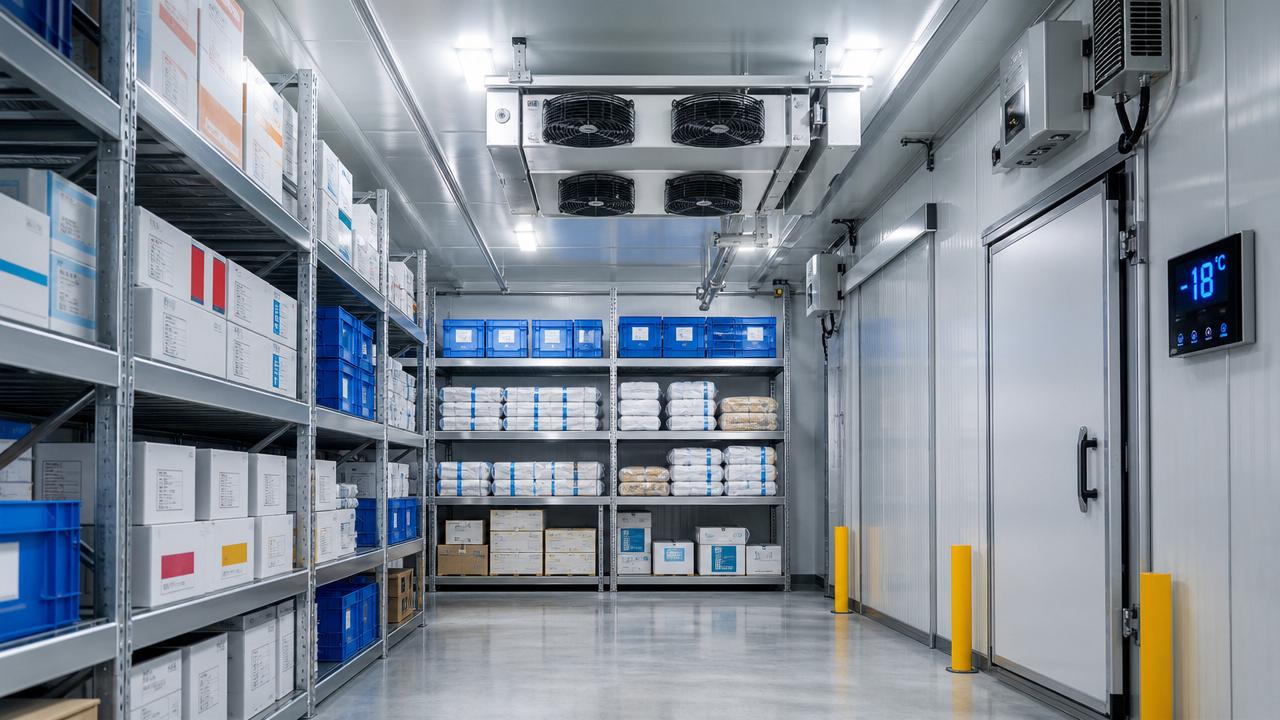
One wall sensor cannot represent a full room. Hot spots near doors, ceilings, or dense pallet blocks often create hidden product risk.
Review compressor and evaporator coordination
High-precision temperature control needs stable cooling capacity modulation. Oversized or poorly staged equipment often causes overshoot, short cycling, and unnecessary power draw.
Assess control logic and response speed
PID tuning, variable-speed drives, defrost timing, and fan management strongly affect precision. Smart controls are often more valuable than simply adding larger hardware.
Measure energy impact alongside temperature accuracy
Better precision should not mean blind overcooling. Effective high-precision temperature control reduces product risk while supporting efficient compression and heat transfer performance.
Practical Recommendations for Different Cold Storage Conditions
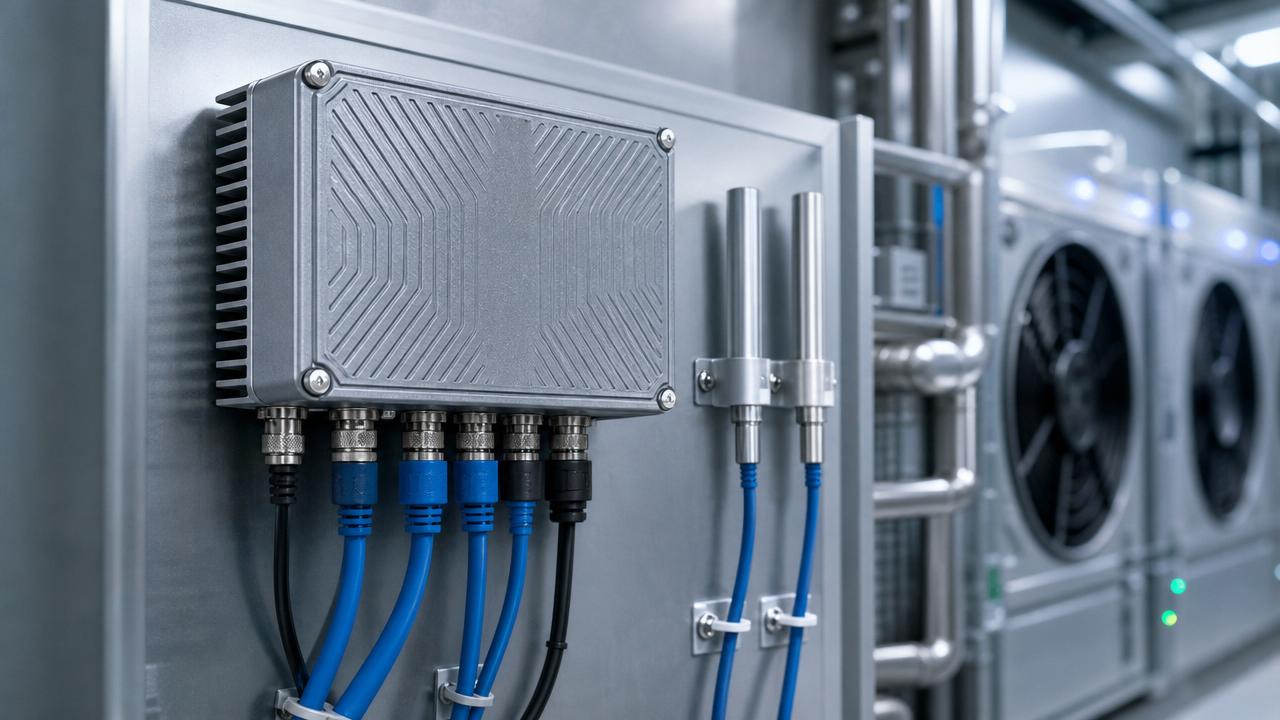
- Use multi-point sensing for rooms with sensitive inventory or uneven loading.
- Create separate zones for high-traffic staging and stable long-term storage.
- Apply variable-capacity compressors where load changes significantly across shifts.
- Optimize evaporator airflow to reduce local warm pockets and frosting imbalance.
- Integrate alarms, trend logs, and exception records for traceable thermal performance.
- Match defrost schedules to moisture load instead of using rigid time-only routines.
These steps help turn high-precision temperature control into a practical operating capability. They also support stronger lifecycle efficiency rather than isolated short-term fixes.
Common Misjudgments That Undermine Precision in Real Storage Scenarios
A common mistake is assuming a narrow thermostat setting guarantees stable product temperature. In reality, packaging mass and airflow barriers can delay thermal response.
Another error is focusing only on refrigeration equipment. Door seals, insulation integrity, loading discipline, and defrost moisture control also affect high-precision temperature control.
Some facilities also overinvest in control accuracy where product tolerance is relatively wide. That approach raises energy use without creating proportional operational value.
The opposite problem is underestimating compliance-sensitive rooms. There, missing calibration routines or incomplete temperature records can create avoidable audit exposure.
How to Take the Next Step Toward Smarter Cold Storage Optimization
Start with a scenario-based review. Identify which rooms truly require high-precision temperature control and which need better zoning, airflow, or control refinement instead.
- Map thermal variation across each storage area.
- Rank stored products by sensitivity and compliance pressure.
- Compare control performance with energy consumption trends.
- Upgrade sensing, controls, and zoning before oversizing hardware.
- Use data to validate results after every adjustment.
High-precision temperature control delivers the greatest return when aligned with real storage scenarios, not generic specifications. Precision should protect value, support efficiency, and strengthen resilience.
For industries shaped by energy cost, product sensitivity, and sustainability goals, that approach creates a stronger foundation for intelligent cold storage performance.
Related News
- MPA Opens Fast-Track Cold Chain Inspections in SingaporeAuthor :Cryogenic Systems Expert

- GCC Cold Storage Imports Face GCC-CLIMAT 2026 RuleAuthor :Cryogenic Systems Expert

- Industrial Refrigeration Equipment Evaporator Selection: Capacity, Frost, and Energy TradeoffsAuthor :Cryogenic Systems Expert

- Industrial Refrigeration Equipment: Cost Factors to CompareAuthor :Cryogenic Systems Expert

- Manzhouli Rail Hub Sets Weekly Reefer RecordAuthor :Cryogenic Systems Expert

- Manzhouli Rail Cold-Chain Volume Hits Weekly HighAuthor :Cryogenic Systems Expert

- High-Precision Temperature Control for Stable Cold StorageAuthor :Cryogenic Systems Expert
![]()
- High-Precision Temperature Control in Cold StorageAuthor :Cryogenic Systems Expert

- Japan's METI Mandates AI Energy Models for Cold StorageAuthor :Cryogenic Systems Expert
![]()
- Fruit Attraction Madrid 2026 Booths 91% Booked; Smart Cold Storage Now EU Entry GateAuthor :Cryogenic Systems Expert

- Fruit Attraction Madrid: 90% Booths Booked; Smart Cold Storage Now EU Entry GateAuthor :Cryogenic Systems Expert
![]()
- How Global Energy Costs Are Changing Cold Storage PlanningAuthor :Cryogenic Systems Expert

- High-Precision Temperature Control in Cold StorageAuthor :Cryogenic Systems Expert

- Hema's Discount Brand 'Chao He Suan NB' Expands to Southeast AsiaAuthor :Cryogenic Systems Expert

- State Council Approves Urban Renewal '15th Five-Year' Plan, Boosting Cold Storage Retrofit DemandAuthor :Cryogenic Systems Expert

- Colombia Upholds Anti-Dumping Duties on Chinese Acrylic SheetsAuthor :Cryogenic Systems Expert

- PSA Launches Express Lane for Industrial Thermal EquipmentAuthor :Cryogenic Systems Expert

- Smart Thermal Systems for Cold Storage: Control Gains That Cut Energy WasteAuthor :Cryogenic Systems Expert

- PSA Launches Express Lane for Temperature-Critical CargoAuthor :Cryogenic Systems Expert

- Pure Power Sources: What Matters Most for Cold Storage ReliabilityAuthor :Cryogenic Systems Expert

- Brazil Grants Unilateral Visa-Free Access to Chinese CitizensAuthor :Cryogenic Systems Expert

- India BIS Proposes Mandatory Low-GWP Verification for R449A in Cold StorageAuthor :Cryogenic Systems Expert

- US BIS Adds 3 Cold Storage Controller Makers to Entity ListAuthor :Cryogenic Systems Expert

- High-Precision Temperature Control in Cold Storage OperationsAuthor :Cryogenic Systems Expert

- India BIS Proposes Mandatory Low-GWP Verification for R449A in Cold StorageAuthor :Cryogenic Systems Expert

- US BIS Adds 3 Chinese Cold Storage Controller Makers to Entity ListAuthor :Cryogenic Systems Expert

- China Expands HCFCs Phase-Out Verification for Cold Storage ExportsAuthor :Cryogenic Systems Expert

- Smart Thermal Systems for Cold Storage: What Delivers PaybackAuthor :Cryogenic Systems Expert

- China Expands HCFCs Phase-Out Checks to 127 Chiller PlantsAuthor :Cryogenic Systems Expert

- Shanghai Port Reefer FEU Rates Surge Past $12,800 Amid Red Sea DiversionAuthor :Cryogenic Systems Expert

- Red Sea Crisis Pushes Shanghai-Rotterdam Reefer Freight to $12,520/FEUAuthor :Cryogenic Systems Expert
![]()
- What Intellectualization Means for Smarter Cold Storage OperationsAuthor :Cryogenic Systems Expert