State Council Approves Urban Renewal '15th Five-Year' Plan, Boosting Cold Storage Retrofit Demand




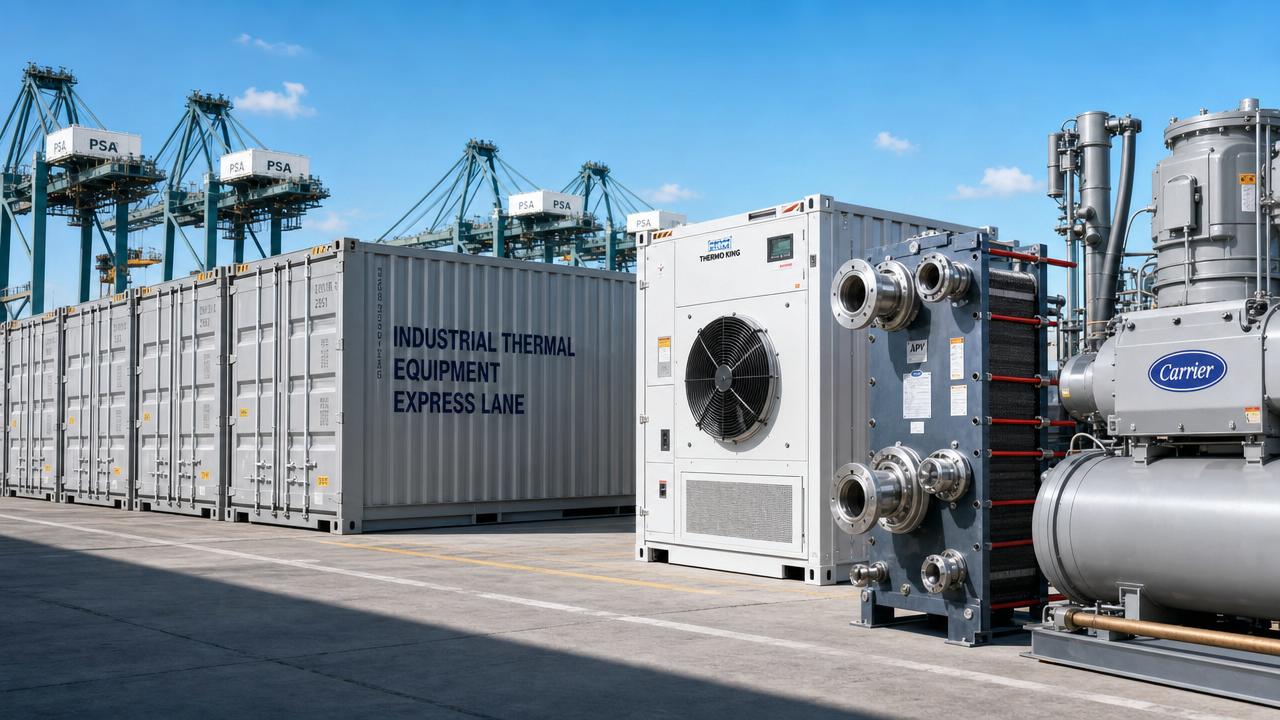
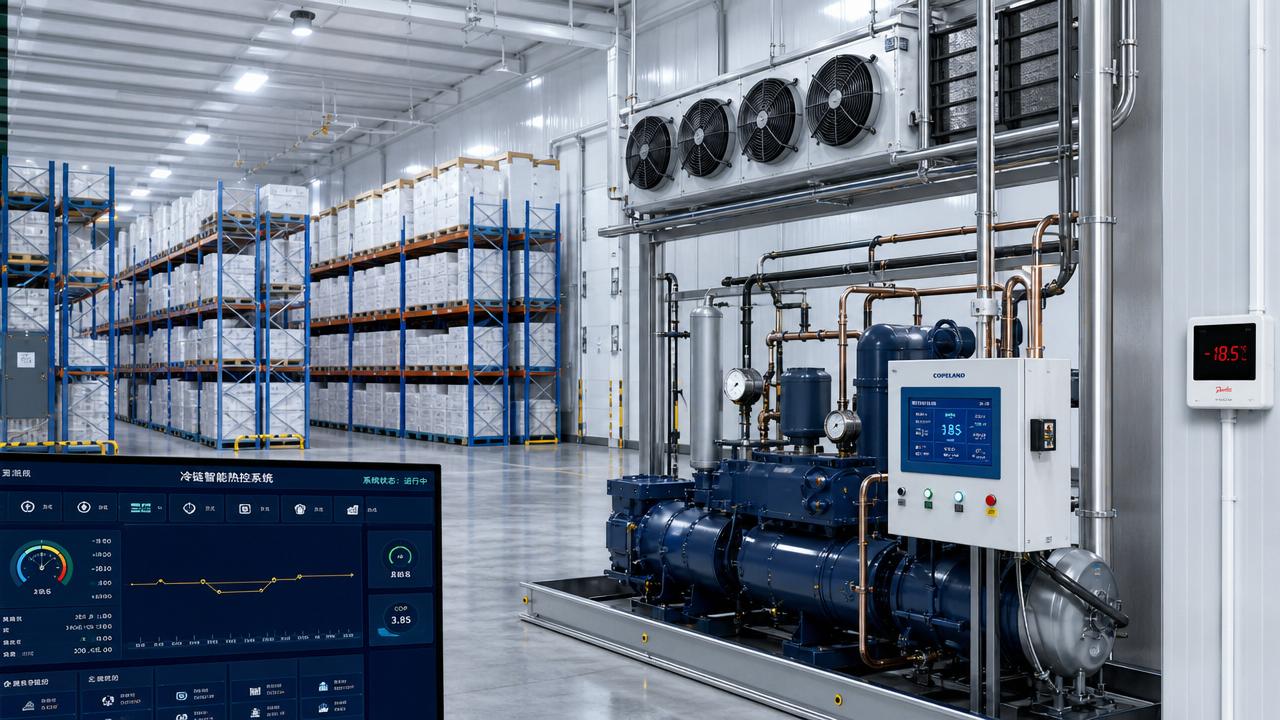
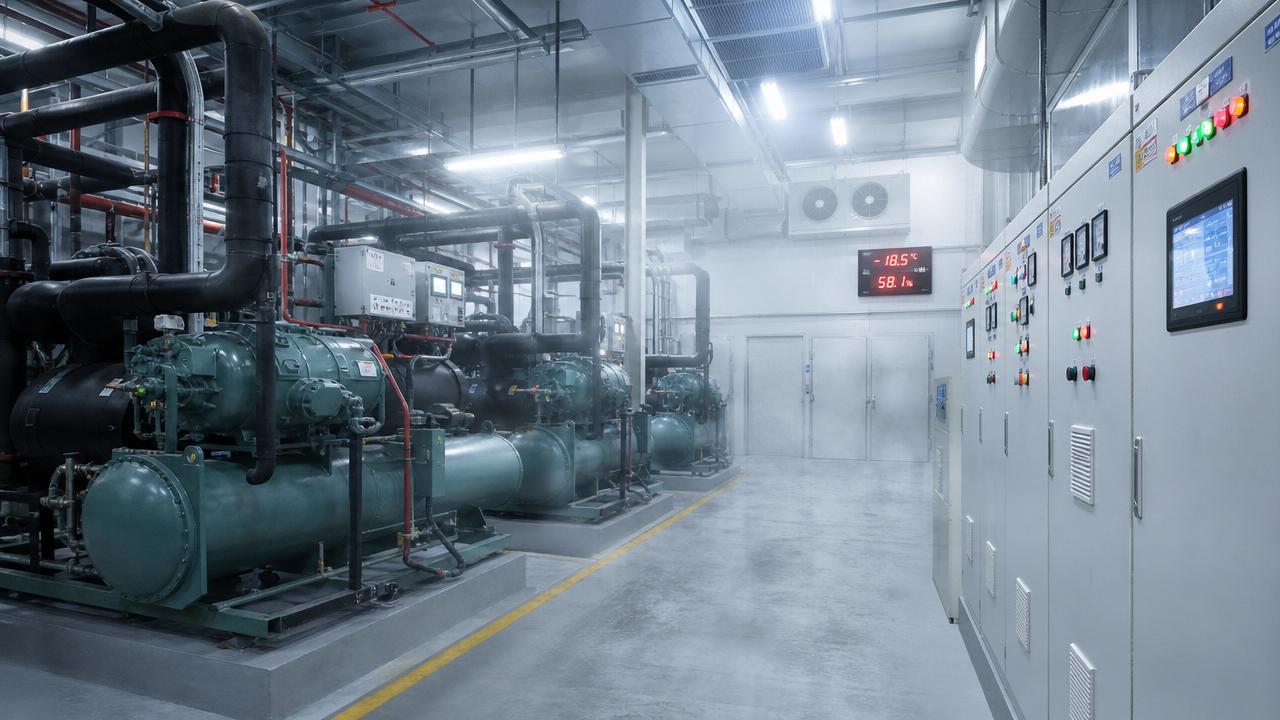
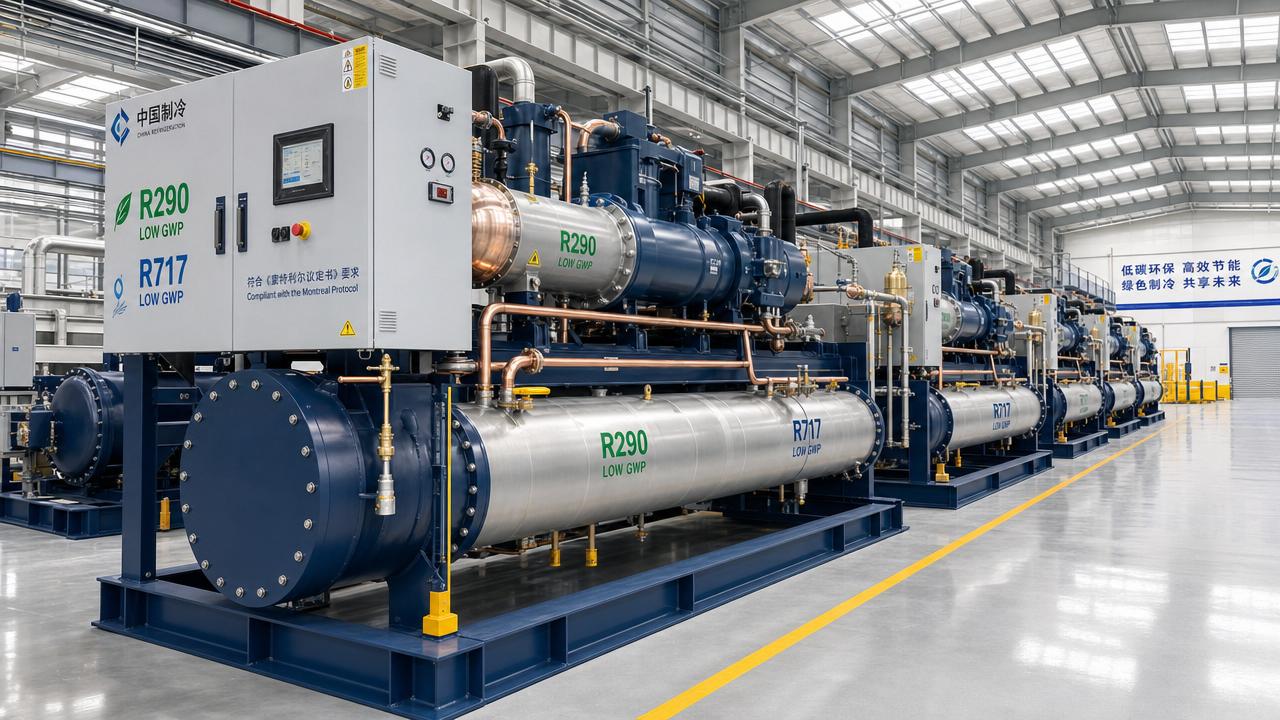
On May 15, 2026, the State Council of China approved the Urban Renewal '15th Five-Year' Plan, designating the green retrofit of cold chain logistics facilities as a key task. The policy directly impacts enterprises involved in industrial chillers, low-GWP refrigerants, intelligent temperature-control systems, and cold storage infrastructure — particularly those engaged in equipment supply, retrofit contracting, or export-oriented manufacturing.
Event Overview
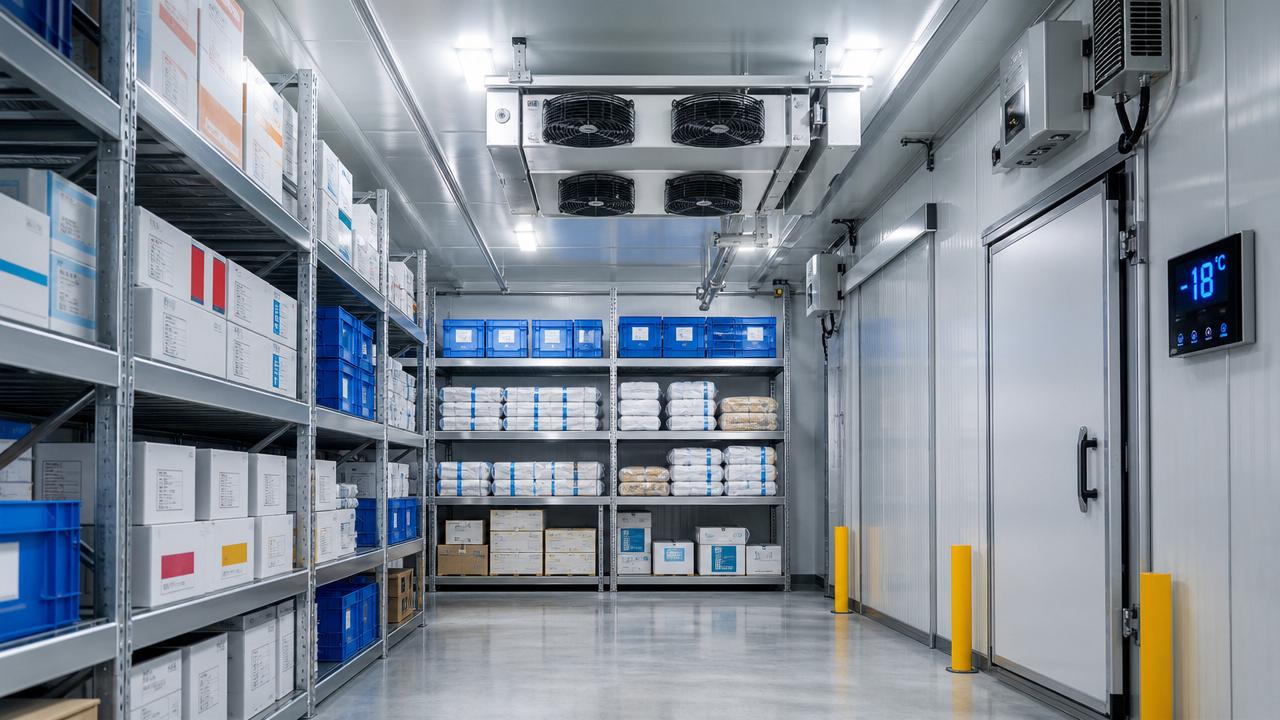
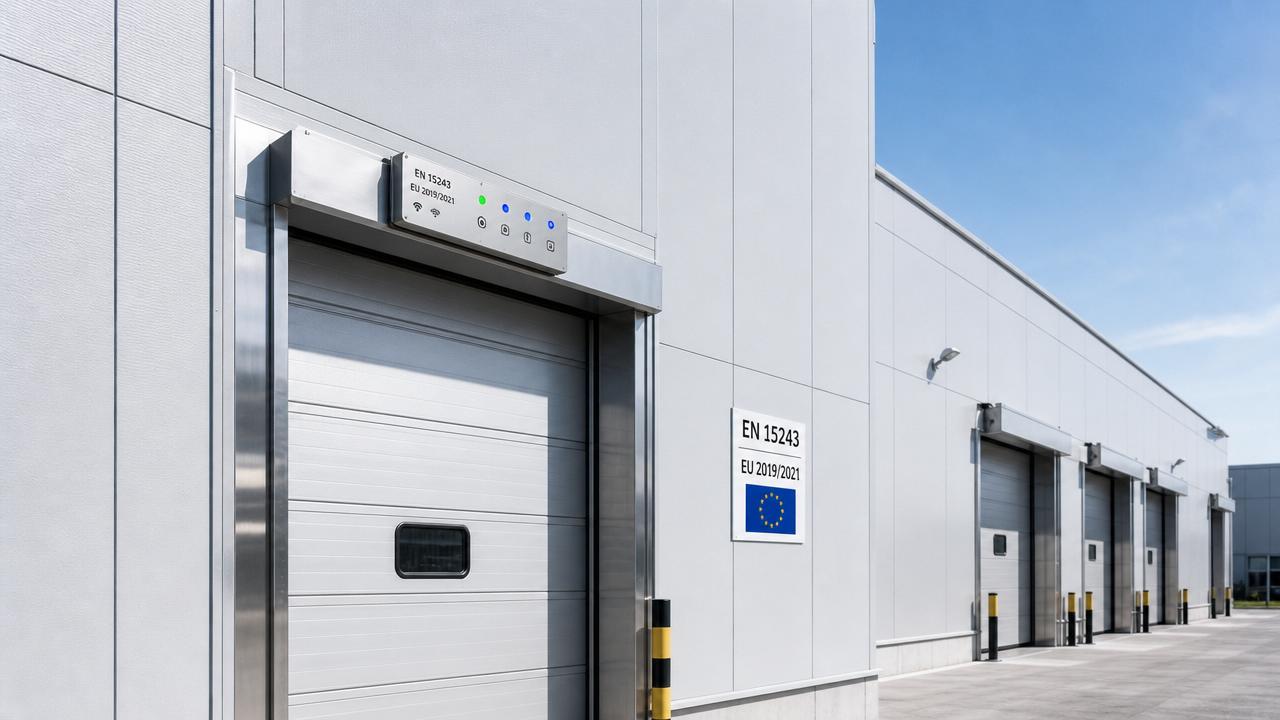
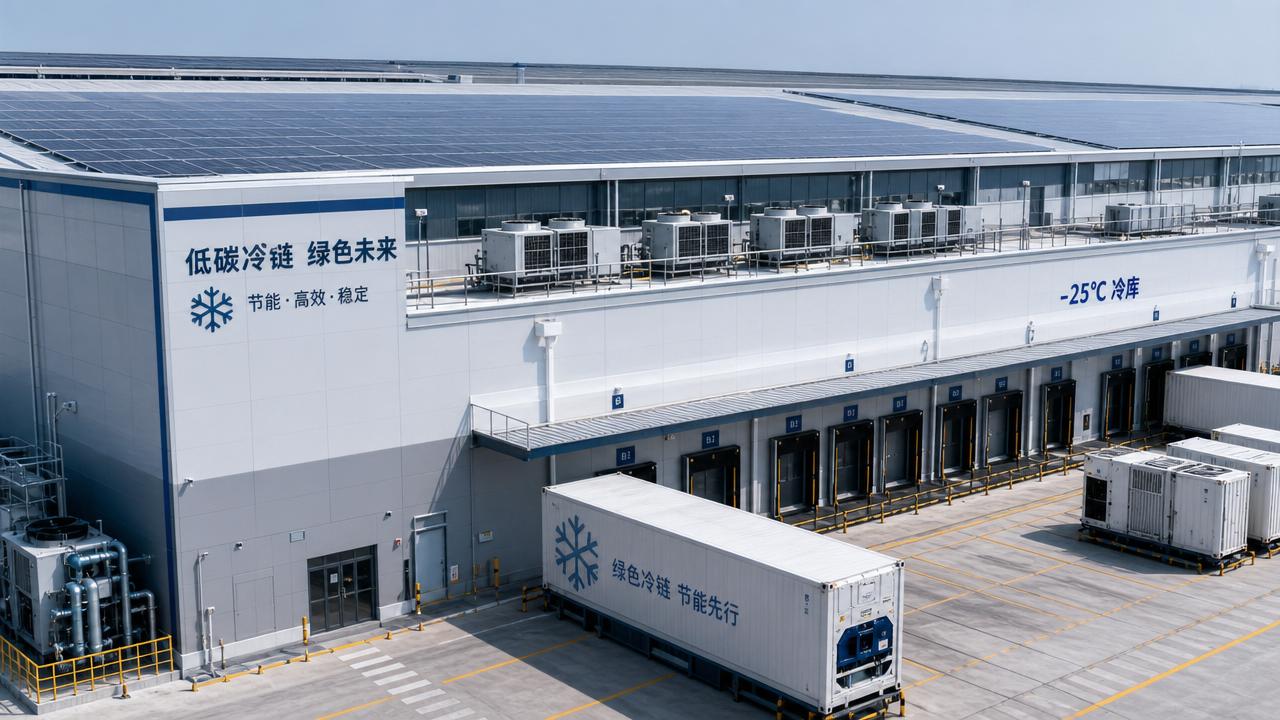
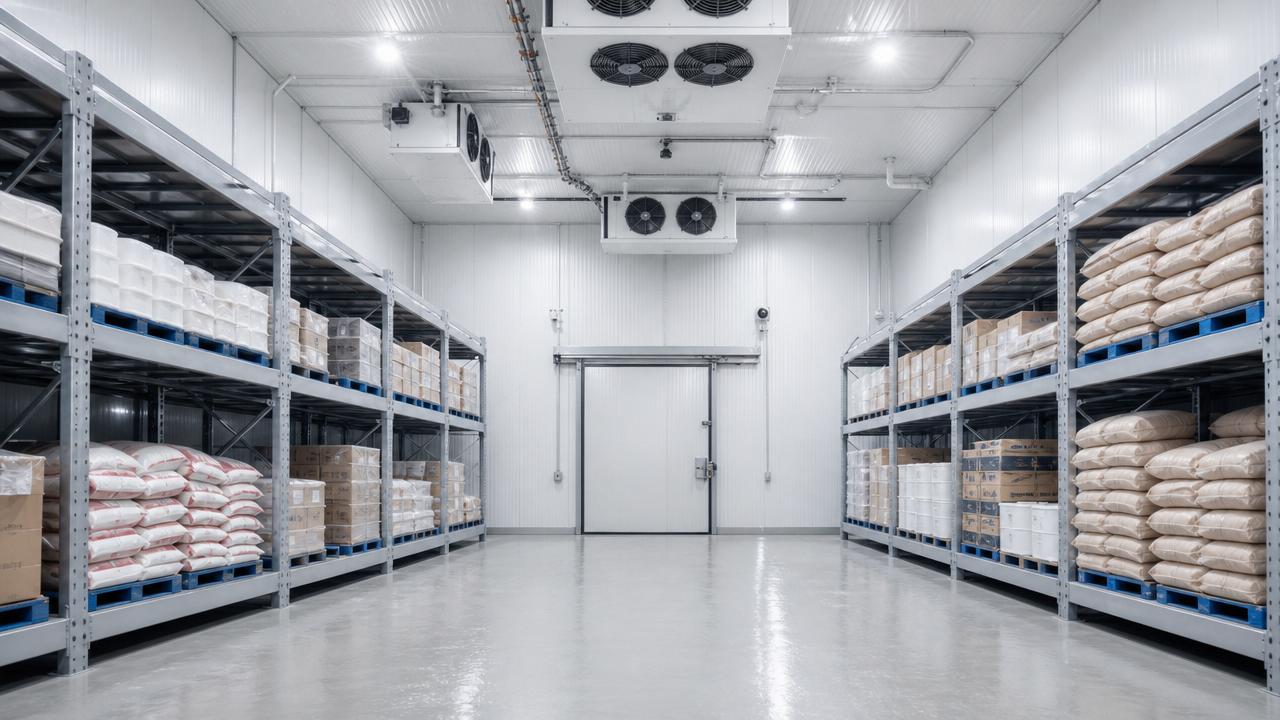
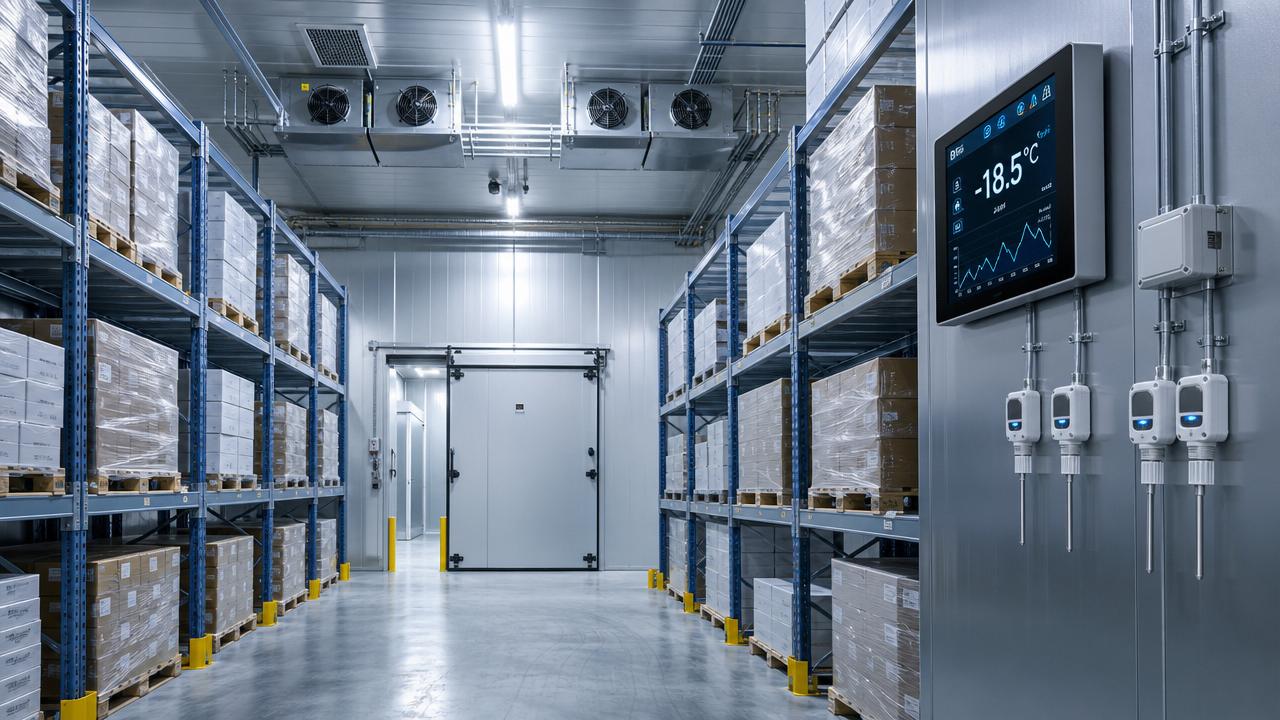
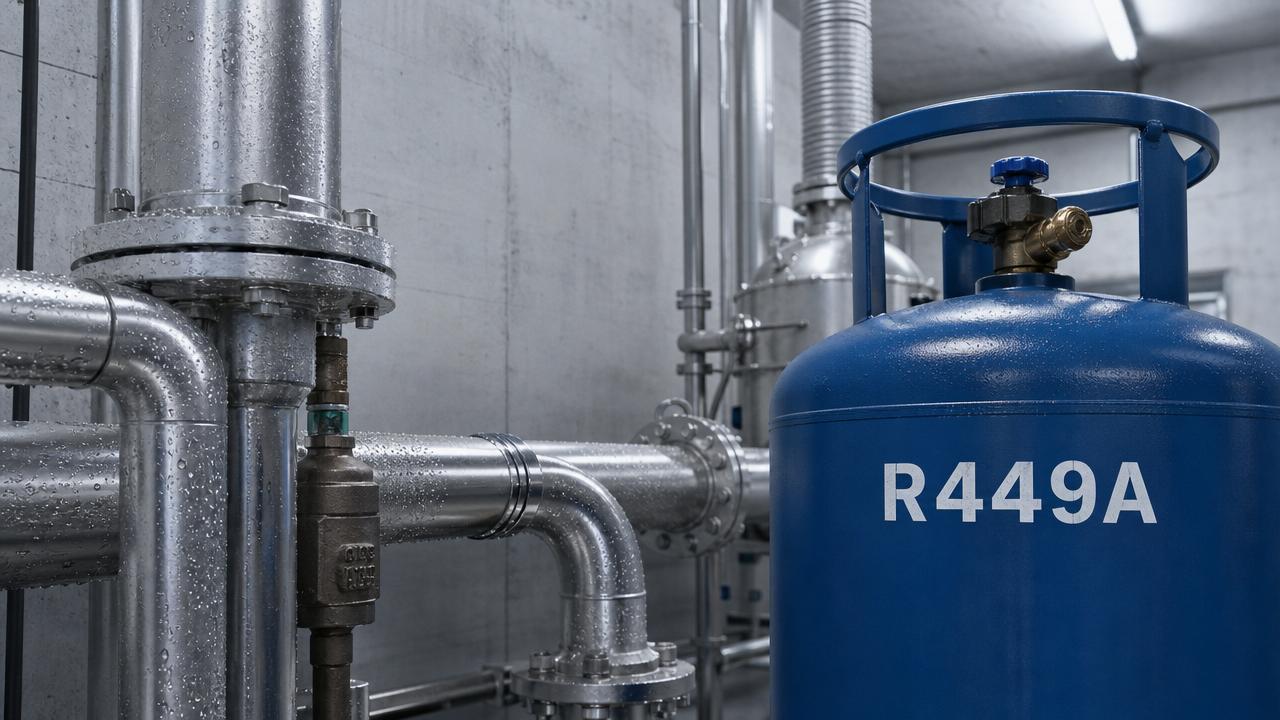
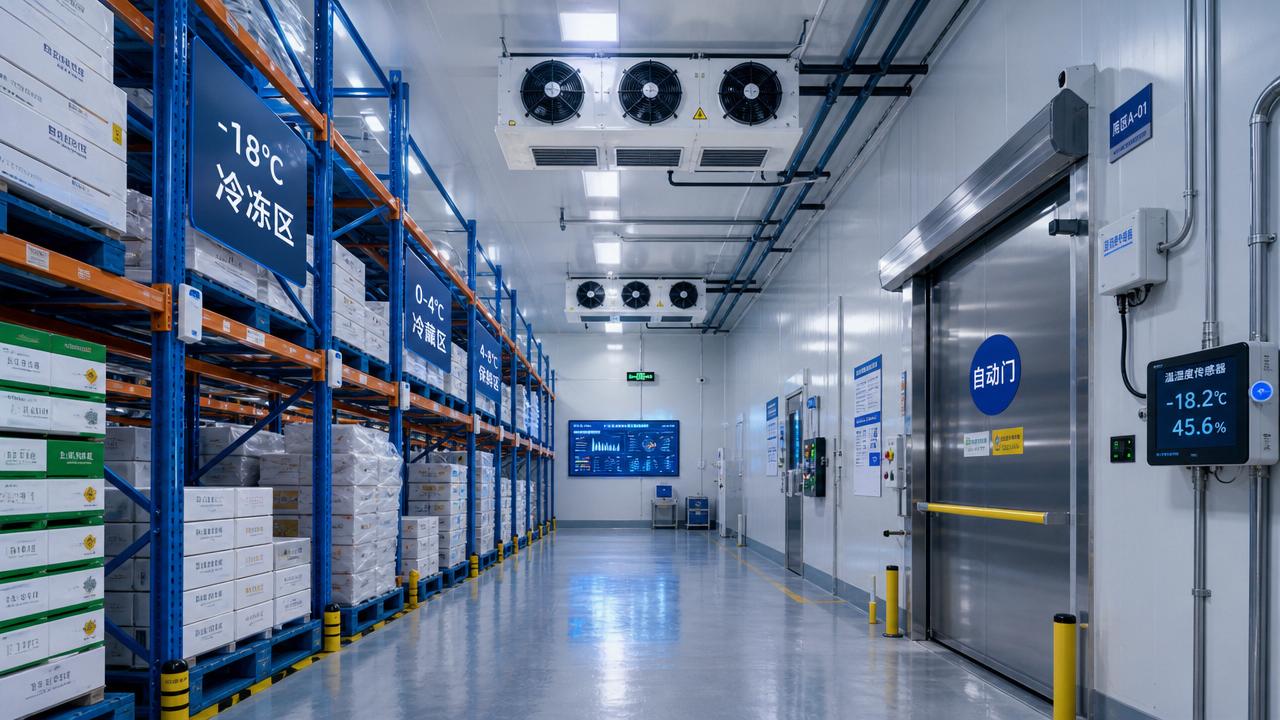
On May 15, 2026, the State Council Executive Meeting reviewed and approved the Urban Renewal '15th Five-Year' Plan. The plan explicitly lists 'green transformation of cold chain logistics facilities' as a priority initiative. It specifies financial support — up to 30% equipment replacement subsidies — for existing cold storage facilities using R22 or R404A refrigerants and operating below Level 3 energy efficiency per GB 50072–2023. This measure is expected to unlock a multi-billion-RMB market for aging cold storage upgrades and stimulate export demand for high-efficiency industrial chillers, low-global-warming-potential (GWP) refrigerants, and smart temperature-control systems.
Industries Affected by This Policy
Industrial Chiller Manufacturers
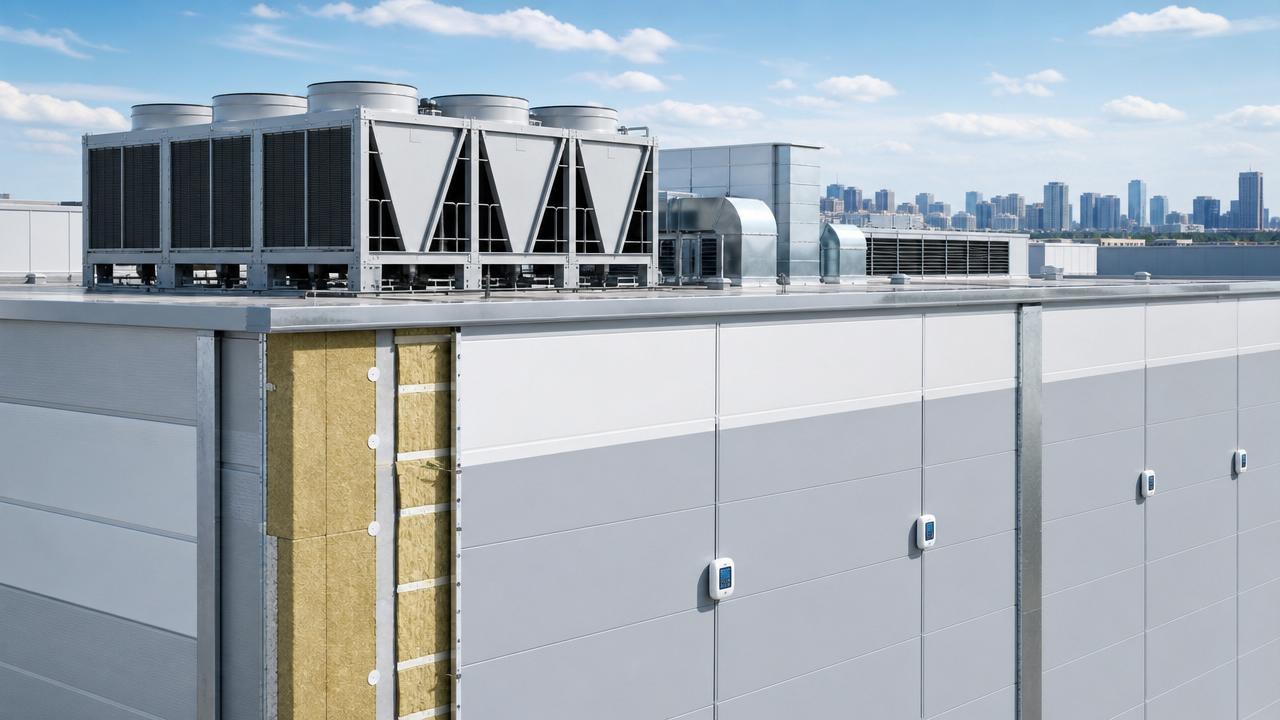
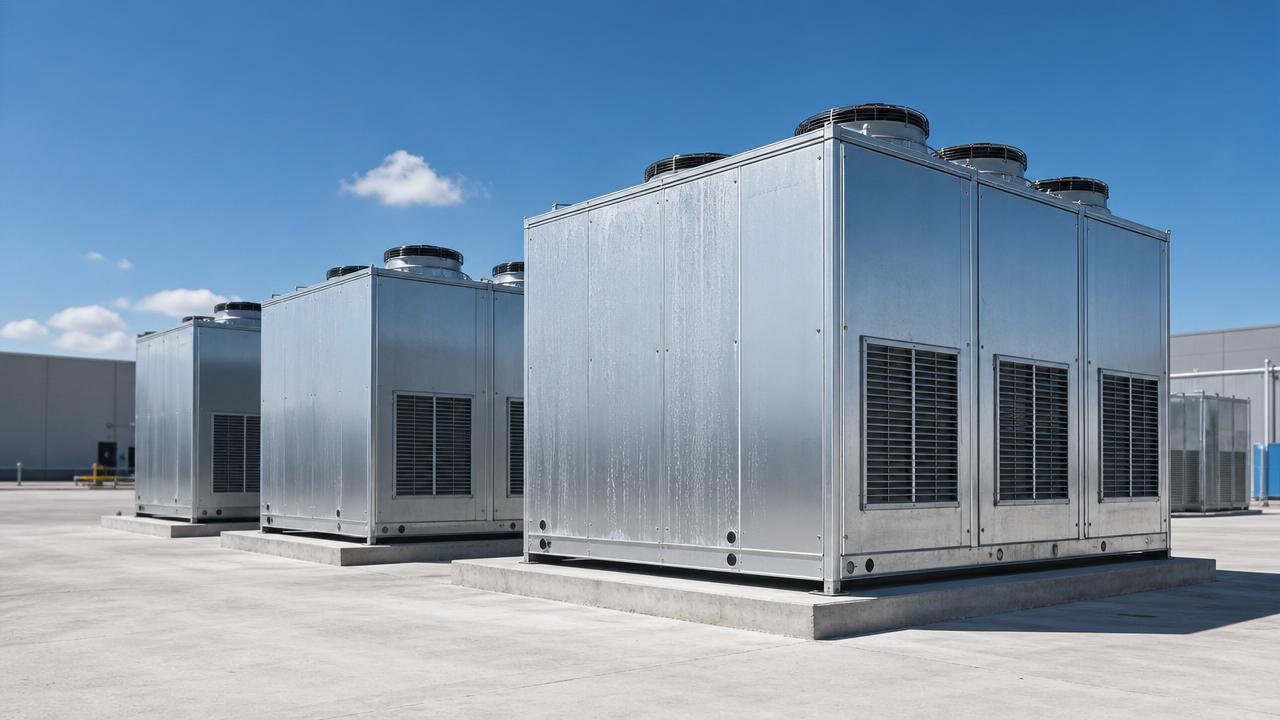
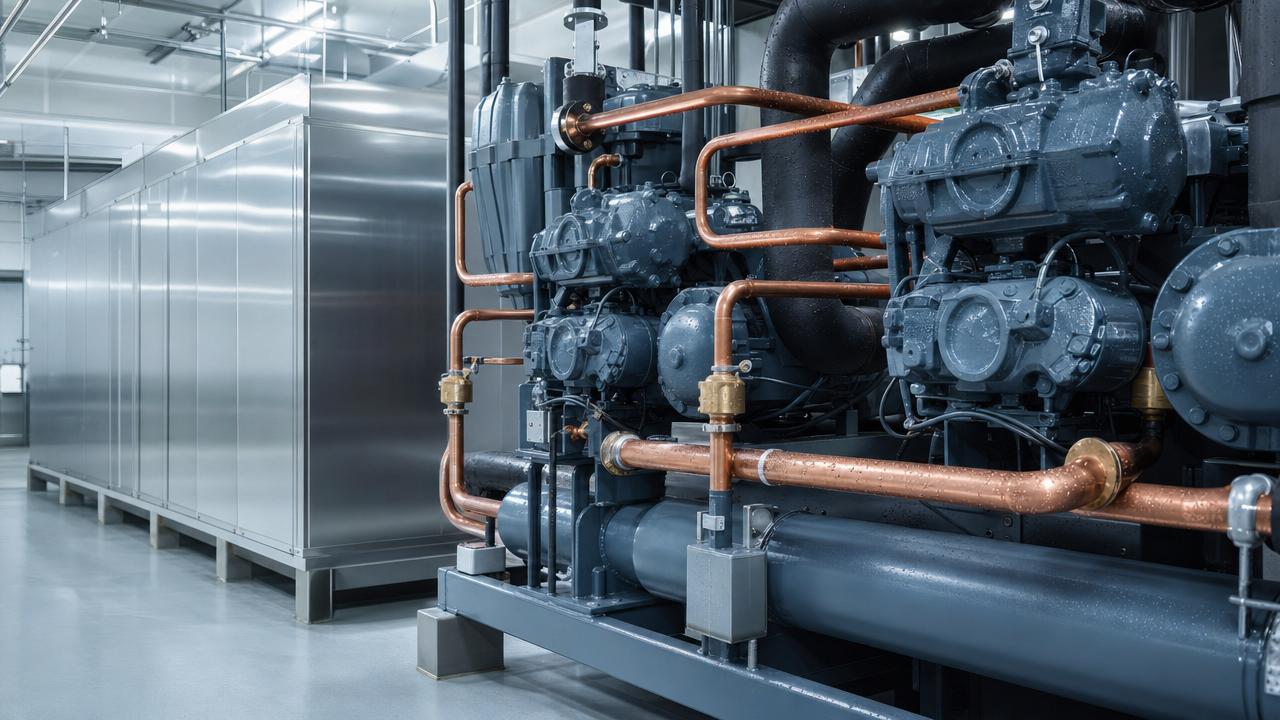
Manufacturers of industrial chillers face increased demand for high-efficiency, compliant units replacing legacy systems. Impact arises from direct substitution requirements under the subsidy scheme and tightening regulatory alignment with GB 50072–2023.
Refrigerant Producers & Distributors
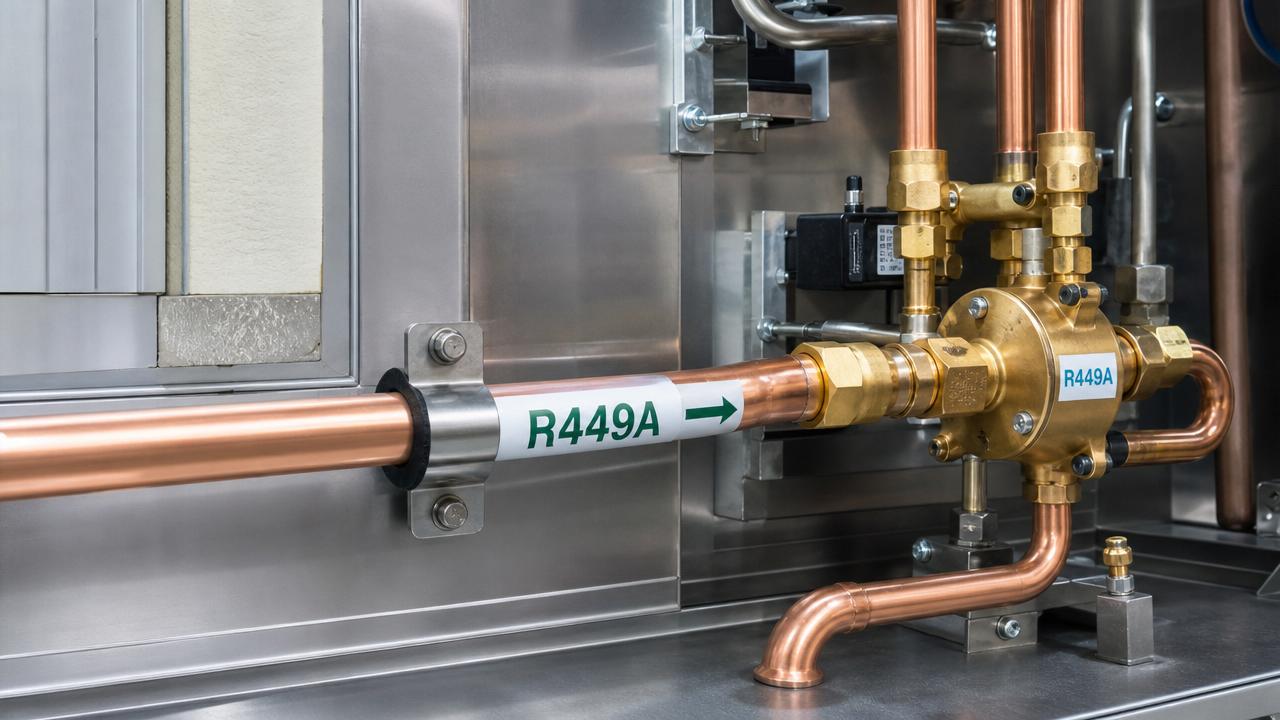
Suppliers of low-GWP refrigerants (e.g., R290, R513A, R1234yf) are positioned to benefit as R22 and R404A phase-outs accelerate. The policy creates a near-term pull for certified, compliant alternatives meeting both technical and regulatory criteria.
Cold Storage Retrofit Contractors & EPC Firms
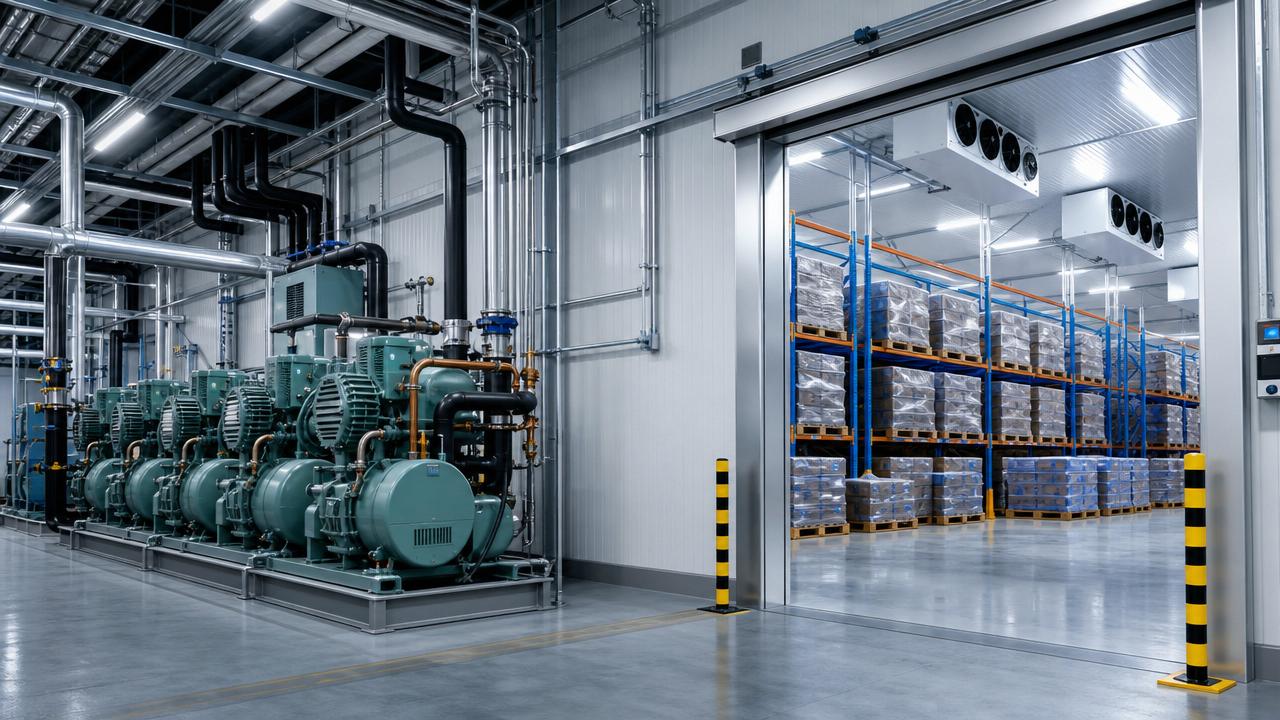
Contractors delivering turnkey cold storage upgrades will experience higher project volume, especially in urban logistics hubs where aging infrastructure is concentrated. Revenue impact depends on qualification for subsidy-linked tenders and ability to integrate certified equipment and refrigerants.
Export-Oriented Equipment Suppliers
Domestic manufacturers exporting industrial chillers and smart control systems may see indirect export growth, as upgraded domestic projects generate reference cases and performance data sought by overseas buyers in emerging markets pursuing similar cold chain modernization.
What Enterprises and Practitioners Should Focus On
Monitor official implementation guidelines and provincial rollout timelines
The State Council’s approval is a top-level directive; actual subsidy disbursement, eligibility verification procedures, and regional implementation rules remain pending. Enterprises should track announcements from the National Development and Reform Commission (NDRC), Ministry of Housing and Urban-Rural Development (MOHURD), and local municipal authorities.
Verify compliance status of target equipment and refrigerants against GB 50072–2023 Level 3
Subsidy eligibility hinges on demonstrable non-compliance with the latest national cold storage energy efficiency standard. Companies must assess current product specifications and prepare technical documentation verifying conformity — or gaps requiring retrofit — before engaging in subsidy-eligible projects.
Distinguish between policy signal and near-term procurement impact
This is a planning-phase policy with multi-year implementation horizons. While indicative of structural demand, immediate order volume will depend on municipal budget allocation, tender issuance pace, and contractor capacity. Avoid overestimating short-term revenue uplift without confirmed project pipelines.
Prepare technical and commercial alignment for integrated retrofit packages
Successful participation in subsidized retrofits requires coordination across chillers, refrigerants, insulation, and control systems. Firms should review cross-supply agreements, update system compatibility documentation, and align sales messaging around verified energy savings and subsidy-claim support services.
Editorial Perspective / Industry Observation
Observably, this policy functions primarily as a strategic signal — not an immediate procurement trigger. Its significance lies in institutionalizing cold storage decarbonization within China’s broader urban renewal framework, thereby elevating retrofit economics beyond standalone ROI calculations. Analysis shows the 30% subsidy threshold is calibrated to narrow the cost gap between legacy and green systems, making upgrades financially viable for mid-tier operators previously constrained by capital. From an industry perspective, it confirms that cold chain infrastructure modernization is now a vertically coordinated priority — spanning national planning, provincial execution, and municipal implementation — increasing predictability for long-term investment decisions. However, actual market acceleration remains contingent on downstream budgeting, technical enforcement capacity, and clarity on refrigerant handling regulations beyond energy standards.
Conclusion
This policy marks a formal escalation in China’s cold chain sustainability agenda, shifting emphasis from voluntary upgrades to incentivized, standards-driven retrofitting. Its primary industry meaning is structural reinforcement of demand for green cold storage technologies — but not yet broad-based acceleration. Current interpretation should emphasize policy signaling and medium-term pipeline formation rather than immediate sales surge. Enterprises are better advised to treat this as a catalyst for capability alignment and stakeholder engagement, not a short-term revenue inflection point.
Source Attribution
Main source: Official announcement issued following the State Council Executive Meeting on May 15, 2026. Specific implementation details — including subsidy application procedures, provincial allocation mechanisms, and enforcement timelines — remain pending official release and are subject to ongoing observation.
Related News
- MPA Opens Fast-Track Cold Chain Inspections in SingaporeAuthor :Cryogenic Systems Expert

- GCC Cold Storage Imports Face GCC-CLIMAT 2026 RuleAuthor :Cryogenic Systems Expert

- Industrial Refrigeration Equipment Evaporator Selection: Capacity, Frost, and Energy TradeoffsAuthor :Cryogenic Systems Expert

- Industrial Refrigeration Equipment: Cost Factors to CompareAuthor :Cryogenic Systems Expert

- Manzhouli Rail Hub Sets Weekly Reefer RecordAuthor :Cryogenic Systems Expert

- Manzhouli Rail Cold-Chain Volume Hits Weekly HighAuthor :Cryogenic Systems Expert

- High-Precision Temperature Control for Stable Cold StorageAuthor :Cryogenic Systems Expert
![]()
- High-Precision Temperature Control in Cold StorageAuthor :Cryogenic Systems Expert

- Japan's METI Mandates AI Energy Models for Cold StorageAuthor :Cryogenic Systems Expert
![]()
- Fruit Attraction Madrid 2026 Booths 91% Booked; Smart Cold Storage Now EU Entry GateAuthor :Cryogenic Systems Expert

- Fruit Attraction Madrid: 90% Booths Booked; Smart Cold Storage Now EU Entry GateAuthor :Cryogenic Systems Expert
![]()
- How Global Energy Costs Are Changing Cold Storage PlanningAuthor :Cryogenic Systems Expert

- High-Precision Temperature Control in Cold StorageAuthor :Cryogenic Systems Expert

- Hema's Discount Brand 'Chao He Suan NB' Expands to Southeast AsiaAuthor :Cryogenic Systems Expert

- State Council Approves Urban Renewal '15th Five-Year' Plan, Boosting Cold Storage Retrofit DemandAuthor :Cryogenic Systems Expert

- Colombia Upholds Anti-Dumping Duties on Chinese Acrylic SheetsAuthor :Cryogenic Systems Expert

- PSA Launches Express Lane for Industrial Thermal EquipmentAuthor :Cryogenic Systems Expert

- Smart Thermal Systems for Cold Storage: Control Gains That Cut Energy WasteAuthor :Cryogenic Systems Expert

- PSA Launches Express Lane for Temperature-Critical CargoAuthor :Cryogenic Systems Expert

- Pure Power Sources: What Matters Most for Cold Storage ReliabilityAuthor :Cryogenic Systems Expert

- Brazil Grants Unilateral Visa-Free Access to Chinese CitizensAuthor :Cryogenic Systems Expert

- India BIS Proposes Mandatory Low-GWP Verification for R449A in Cold StorageAuthor :Cryogenic Systems Expert

- US BIS Adds 3 Cold Storage Controller Makers to Entity ListAuthor :Cryogenic Systems Expert

- High-Precision Temperature Control in Cold Storage OperationsAuthor :Cryogenic Systems Expert

- India BIS Proposes Mandatory Low-GWP Verification for R449A in Cold StorageAuthor :Cryogenic Systems Expert

- US BIS Adds 3 Chinese Cold Storage Controller Makers to Entity ListAuthor :Cryogenic Systems Expert

- China Expands HCFCs Phase-Out Verification for Cold Storage ExportsAuthor :Cryogenic Systems Expert

- Smart Thermal Systems for Cold Storage: What Delivers PaybackAuthor :Cryogenic Systems Expert

- China Expands HCFCs Phase-Out Checks to 127 Chiller PlantsAuthor :Cryogenic Systems Expert

- Shanghai Port Reefer FEU Rates Surge Past $12,800 Amid Red Sea DiversionAuthor :Cryogenic Systems Expert

- Red Sea Crisis Pushes Shanghai-Rotterdam Reefer Freight to $12,520/FEUAuthor :Cryogenic Systems Expert
![]()
- What Intellectualization Means for Smarter Cold Storage OperationsAuthor :Cryogenic Systems Expert