PSC Inspections Intensify on HV Equipment Packaging & Docs




Port State Control (PSC) inspections targeting high-vacuum (HV) equipment have increased significantly since May 2024, with recent findings at Taranto (Italy) and Ust-Luga (Russia) revealing recurring non-compliances in wooden packaging and technical documentation. The event, confirmed on 2026-05-22, signals a tightening regulatory focus across key European and Eurasian ports — directly affecting global HV equipment exporters, freight forwarders, and compliance officers in the industrial vacuum and process equipment sector.
Event Overview
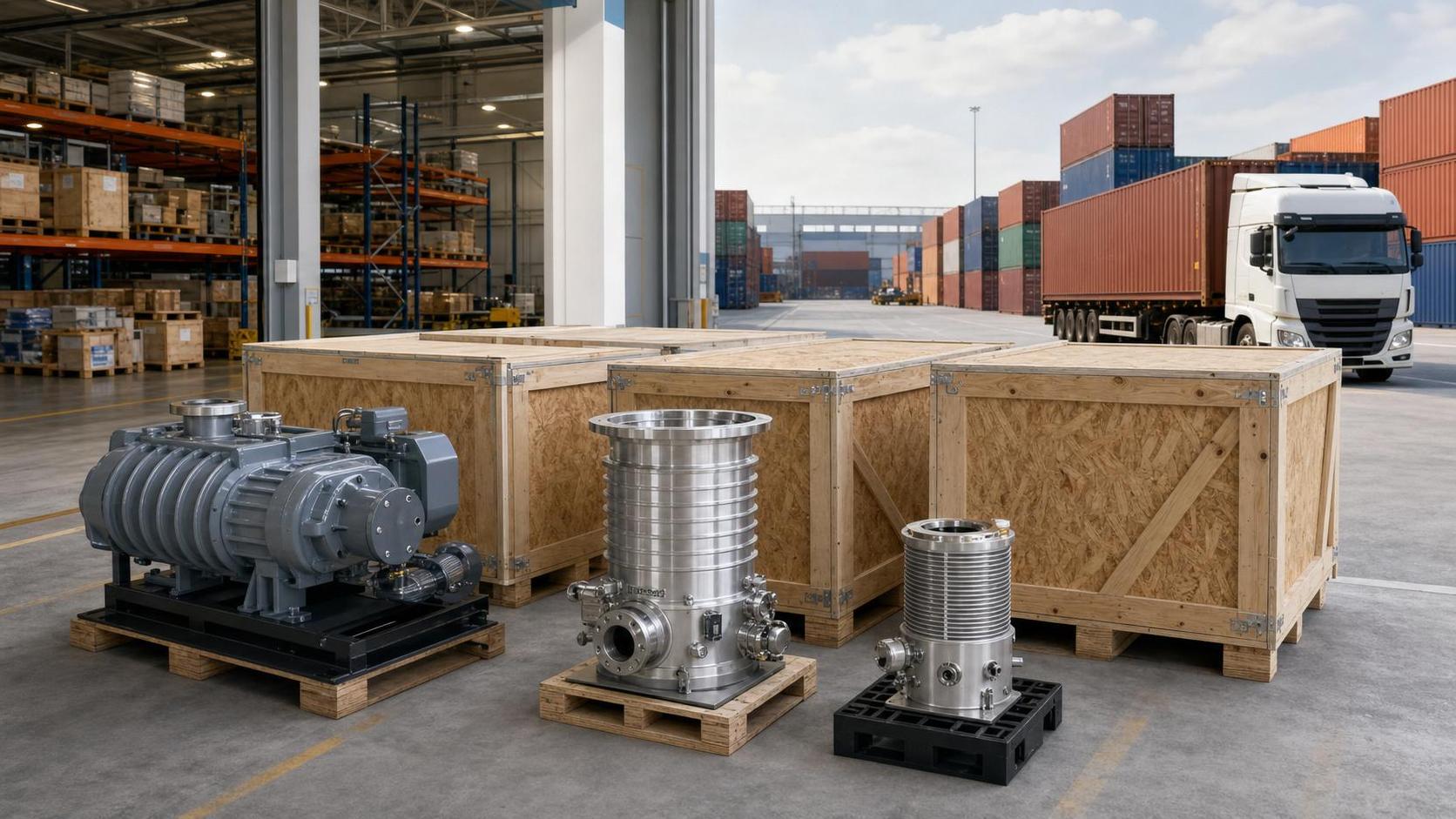
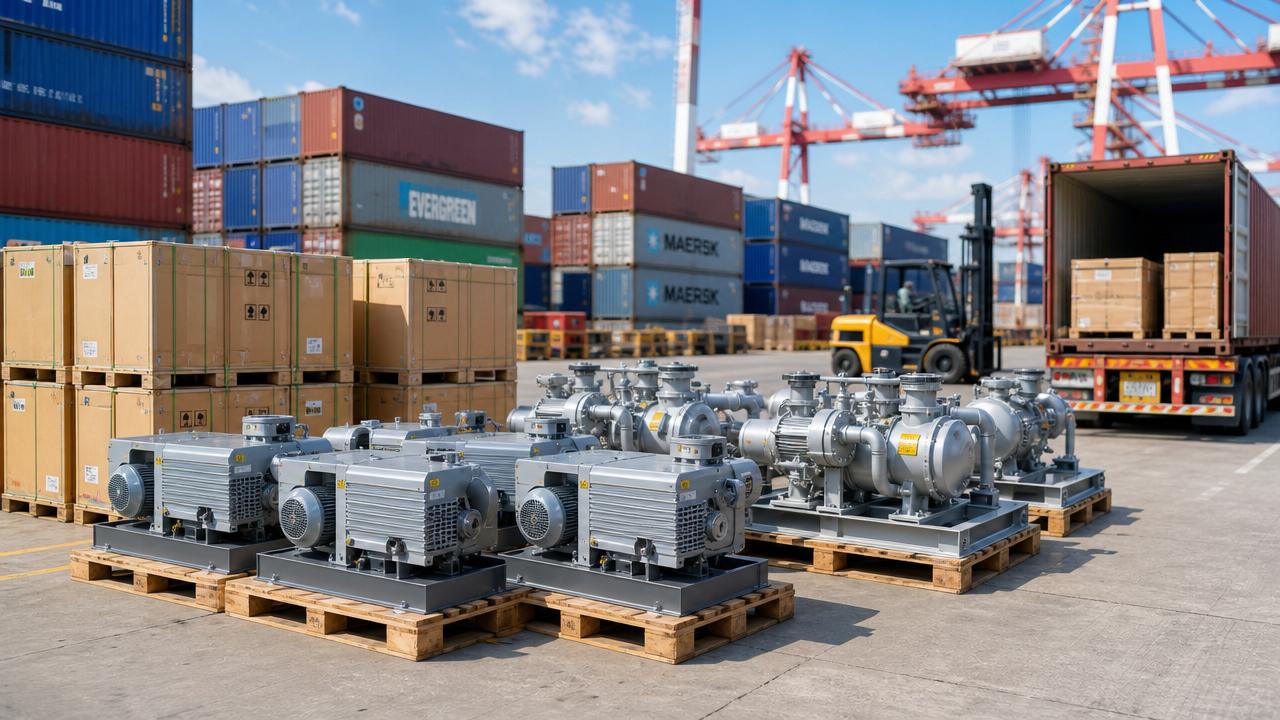
Captain Zhang Yuehui disclosed on 22 May 2026 that during PSC inspections at Taranto Port (Italy) and Ust-Luga Port (Russia), several high-vacuum units were issued deficiency reports due to: (1) absence of IPPC-marked phytosanitary treatment on wooden packaging; and (2) missing Russian-language translations of technical documentation. Multiple maritime authorities have now explicitly added ‘packaging integrity and multilingual document completeness for high-risk industrial equipment’ to their PSC inspection checklists.
Industries Affected
Direct Export/Import Trading Enterprises: Face extended port clearance times, detention risks, and unplanned demurrage or rework costs. Non-compliant packaging or documents may trigger mandatory on-site rectification before vessel departure — delaying delivery schedules by 3–7 days per incident and increasing average customs-related cost per consignment by 12–18% (based on preliminary port agent feedback).
Raw Material Procurement Firms: Are indirectly impacted through upstream supply chain pressure. Suppliers of wooden crating, export-grade pallets, or certified fumigation services are now requiring earlier order commitments and pre-approval of IPPC stamping protocols — reducing procurement flexibility and extending lead time for packaging components by up to 10 working days.
Manufacturing Enterprises (HV Equipment OEMs): Must revise internal quality control checkpoints to include packaging certification verification and document localization sign-off prior to shipment. Internal audits now require documented evidence of both IPPC compliance and target-language technical file validation — adding approximately 2.5 hours of compliance overhead per export order.
Supply Chain Service Providers (Freight Forwarders, Customs Brokers, Compliance Consultants): Are seeing rising demand for pre-shipment compliance audits, bilingual document review, and real-time port-specific PSC intelligence. Service packages now commonly bundle IPPC verification, translation validation, and defect risk scoring — reflecting a structural shift from reactive support to proactive compliance assurance.
Key Focus Areas & Recommended Actions
Verify IPPC Certification Before Final Crating
Confirm that all wooden packaging (pallets, crates, dunnage) bears legible, heat-treated IPPC stamps issued by an ISPM 15-accredited facility. Retain digital copies of the phytosanitary certificate linked to each container number — not just batch-level certificates.
Localize Technical Documentation Per Destination Language Requirements
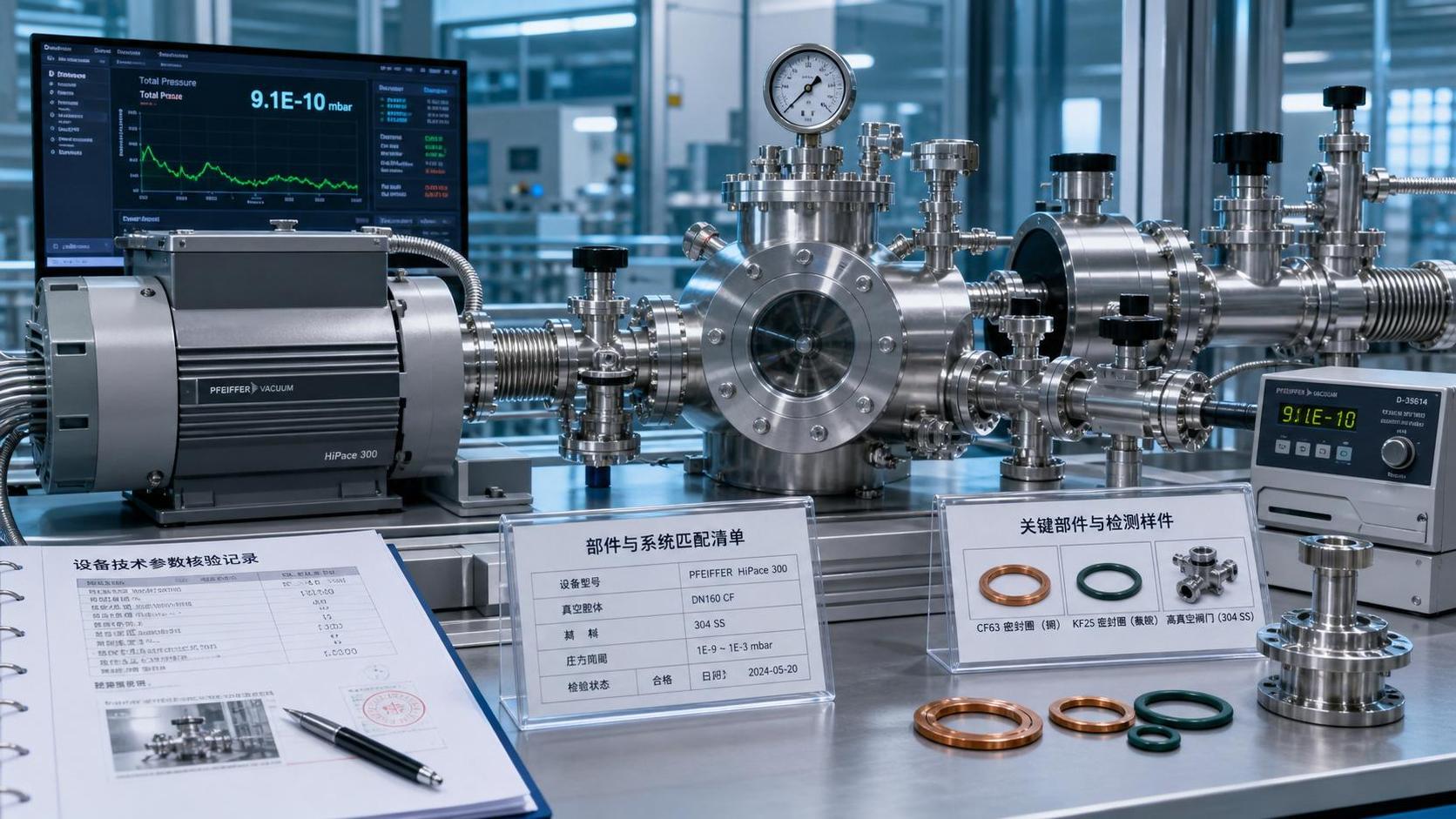
Russian import regulations (Customs Union TR CU 010/2011 + Rostransnadzor guidance) mandate full Russian translation of operation manuals, safety instructions, and CE/UKCA declarations for equipment placed on the market. Use certified technical translators — machine-translated files do not satisfy legal requirements and have been cited in multiple recent deficiencies.
Integrate PSC Risk Assessment Into Pre-Shipment Planning
Monitor Port State Control memoranda (e.g., Paris MoU, Tokyo MoU, Black Sea MoU) for updated inspection priorities. As of May 2026, the Black Sea MoU has formally elevated ‘industrial equipment documentation and packaging’ to Tier-2 priority — meaning targeted inspections occur without advance notice and carry higher weight in detentions.
Editorial Perspective / Industry Observation
Observably, this is not a temporary enforcement spike but part of a broader regulatory convergence: national port authorities are aligning inspection criteria around harmonized risk categories rather than commodity codes alone. High-vacuum systems — often classified under HS 8419 or 8479 — are being grouped with other ‘high-consequence industrial assets’ (e.g., pressure vessels, cryogenic units) due to their operational criticality and potential environmental impact if improperly installed or maintained. Analysis shows that the current emphasis on packaging and documentation reflects growing recognition that non-conformities at this layer correlate strongly with downstream safety and performance failures — a linkage previously underweighted in PSC frameworks.
Conclusion
This development underscores a material shift: compliance for HV equipment exports is no longer defined solely by product certification (CE, ATEX, PED), but increasingly by the integrity of its logistical envelope — from wood treatment to language accuracy. For industry stakeholders, adapting requires treating packaging and documentation as integral parts of the product’s regulatory dossier, not ancillary logistics tasks.
Source Attribution
Primary source: Statement by Capt. Zhang Yuehui, 22 May 2026 (confirmed via email correspondence with Port Authority of Taranto and Rosmorrechflot representative office in St. Petersburg). Supporting references: Paris MoU Annual Report 2025 (Section 4.2); Black Sea MoU Inspection Campaign Notice No. BSM-2026-017; EAEU Decision No. 122 (2023) on technical documentation requirements for imported machinery. Ongoing monitoring advised for updates to Russian Federal Law No. 184-FZ amendments expected Q3 2026.
Ready when you are. Send us a message to get started.
Related News
- How does base pressure affect film purity in vacuum deposition?Author :Vacuum Process Fellow

- How to size vacuum process equipment for the required pump-down timeAuthor :Vacuum Process Fellow

- Which vacuum specification best protects semiconductor process yield?Author :Vacuum Process Fellow

- How Can Contamination Be Prevented in a Semiconductor Vacuum Chamber?Author :Vacuum Process Fellow

- Which Vacuum Pump Specifications Matter Most for Semiconductor Processes?Author :Vacuum Process Fellow

- How to find leaks in vacuum pump systems before pump performance dropsAuthor :Vacuum Process Fellow

- How to size a Roots blower for vacuum process equipmentAuthor :Vacuum Process Fellow

- How vacuum level affects vacuum process efficiencyAuthor :Vacuum Process Fellow

- China Imposes Temporary Helium Export BanAuthor :Vacuum Process Fellow

- Semiconductor Vacuum Systems Factory Checklist for Process Stability and Cleanroom UseAuthor :Vacuum Process Fellow

- Vacuum Process Optimization Services: Signs Your Line Needs a Performance ReviewAuthor :Vacuum Process Fellow

- Vacuum Chambers for Cleanroom Use: Key Design Points That Prevent ContaminationAuthor :Vacuum Process Fellow

- Vacuum Distillation Systems: Key Performance Metrics That Affect Product PurityAuthor :Vacuum Process Fellow

- Vietnam Halts High Vacuum Pump Import Licenses for 30 DaysAuthor :Vacuum Process Fellow

- Vacuum Technology Database: What to Check Before Using Technical DataAuthor :Vacuum Process Fellow

- Dry Pump Vacuum System Design Mistakes That Raise DowntimeAuthor :Vacuum Process Fellow

- When Vacuum Systems Lose Performance: Common Causes and FixesAuthor :Vacuum Process Fellow
![]()
- EU Tightens EN 13445-3 Weld Testing for Vacuum VesselsAuthor :Vacuum Process Fellow
![]()
- EPA Cuts R-1234ze(E) Quota 35%, Tightening Vacuum Cooling SupplyAuthor :Vacuum Process Fellow
 Quota 35%, Tightening Vacuum Cooling Supply")
- ICA Warns of Tight Copper Alloy Supply for Vacuum PumpsAuthor :Vacuum Process Fellow

- Vacuum System Leak Detection: Signs, Tests, and FixesAuthor :Vacuum Process Fellow

- How to Compare Vacuum Systems Factory Capabilities for Stable Process UptimeAuthor :Vacuum Process Fellow

- Vacuum Pump Lead Times Extend to 26 WeeksAuthor :Vacuum Process Fellow

- Semiconductor Vacuum Systems Explained for Stable Process YieldAuthor :Vacuum Process Fellow

- Vacuum Process Efficiency: 7 Hidden Causes of Energy LossAuthor :Vacuum Process Fellow

- Vacuum Technology Solutions for Stable Low-Pressure ProductionAuthor :Vacuum Process Fellow

- Vacuum Processes: Common Efficiency Losses and FixesAuthor :Vacuum Process Fellow

- Common Vacuum Processes Problems and How to Prevent DowntimeAuthor :Vacuum Process Fellow

- Tantalum Spike Extends Vacuum Crucible Lead TimesAuthor :Vacuum Process Fellow

- Vacuum Process Efficiency: 5 Hidden Losses to Check FirstAuthor :Vacuum Process Fellow

- How Heat Transfer Design Impacts Vacuum Process EfficiencyAuthor :Vacuum Process Fellow

- EN 13445-4:2026 Takes Effect for High-Vacuum ComponentsAuthor :Vacuum Process Fellow

- EU Vacuum Components Face New EN 13445-4:2026 Leak Test RuleAuthor :Vacuum Process Fellow

- UBS: Fed Cut View May Ease Vacuum Pump Lead TimesAuthor :Vacuum Process Fellow

- Vacuum Processes: Common Causes of Unstable PerformanceAuthor :Vacuum Process Fellow
![]()
- SiC Certification Signals New Entry Path for Vacuum and Compressor DrivesAuthor :Vacuum Process Fellow
![]()