Pure Power Sources: Cost Risks Behind Cleaner Vacuum Output




As cleaner production standards tighten, interest in pure power sources for vacuum systems is accelerating across many industries.
The promise is attractive: lower contamination risk, improved efficiency, and stronger environmental alignment.
Yet cleaner vacuum output does not automatically mean lower total cost.
Hidden expenses often appear in installation design, utility quality, uptime exposure, and lifecycle maintenance.
For industrial decision planning, the key question is simple.
When do pure power sources create durable value, and when do cost assumptions fail under real operating conditions?
What do pure power sources mean in cleaner vacuum applications?
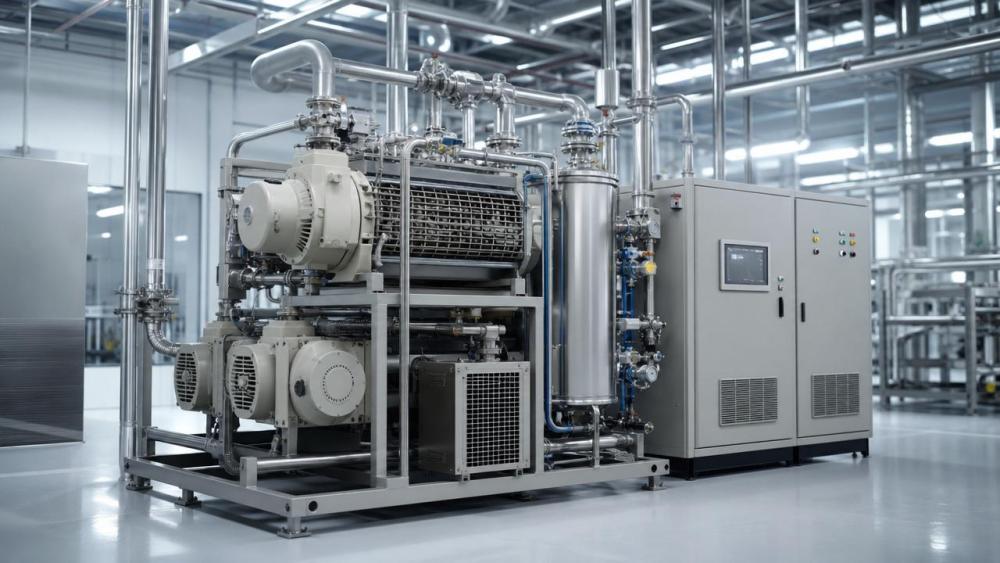
In industrial vacuum language, pure power sources usually describe cleaner, more stable energy inputs supporting contamination-sensitive vacuum output.
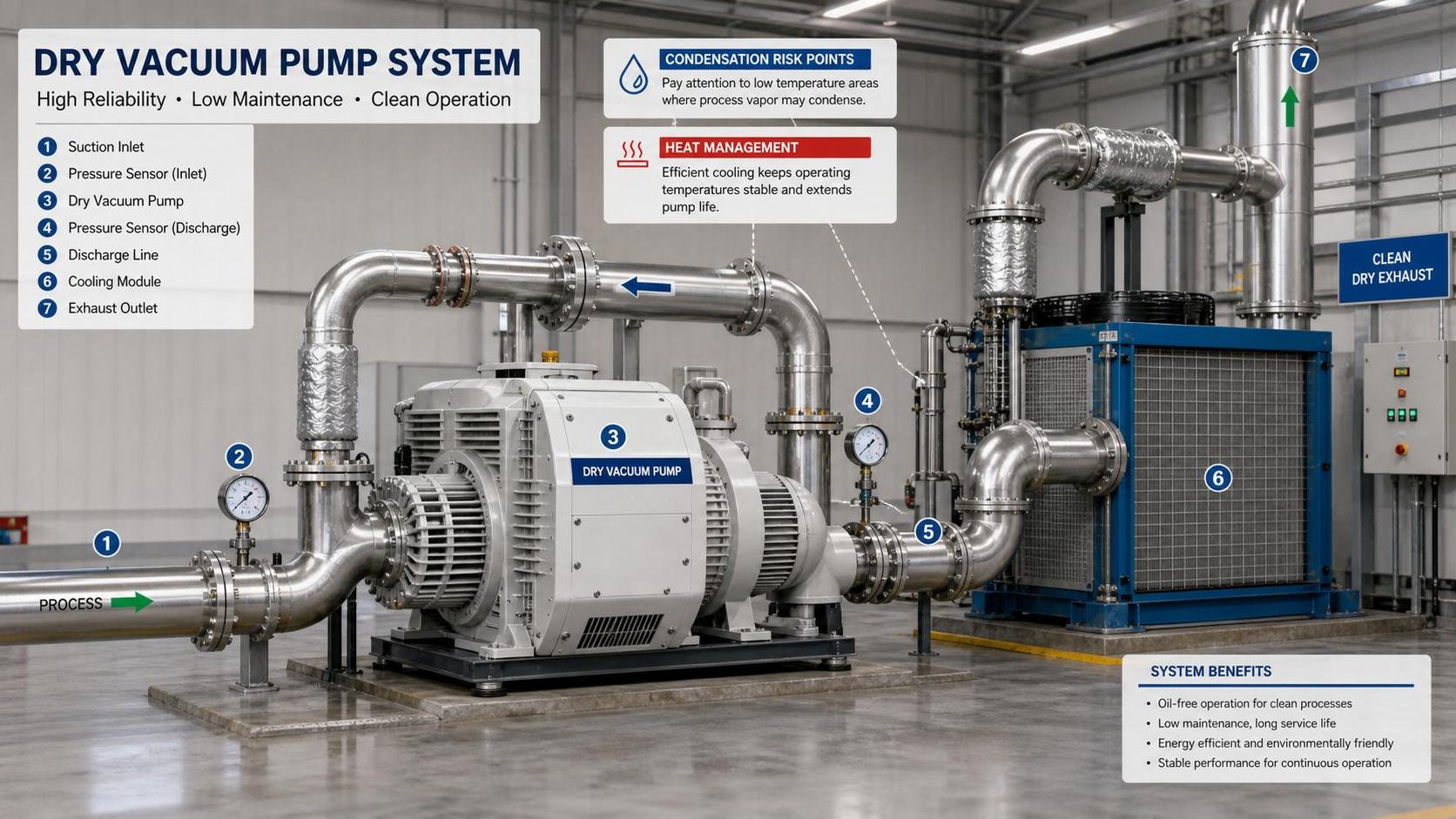
This often includes oil-free compression, dry vacuum generation, cleaner electricity supply, and tighter thermal control.
The concept matters because vacuum quality depends on more than pump selection.
It also depends on heat load, pressure stability, moisture control, and process cleanliness.
For sectors tracked by GTC-Matrix, pure power sources are increasingly linked with energy conversion efficiency and process reliability.
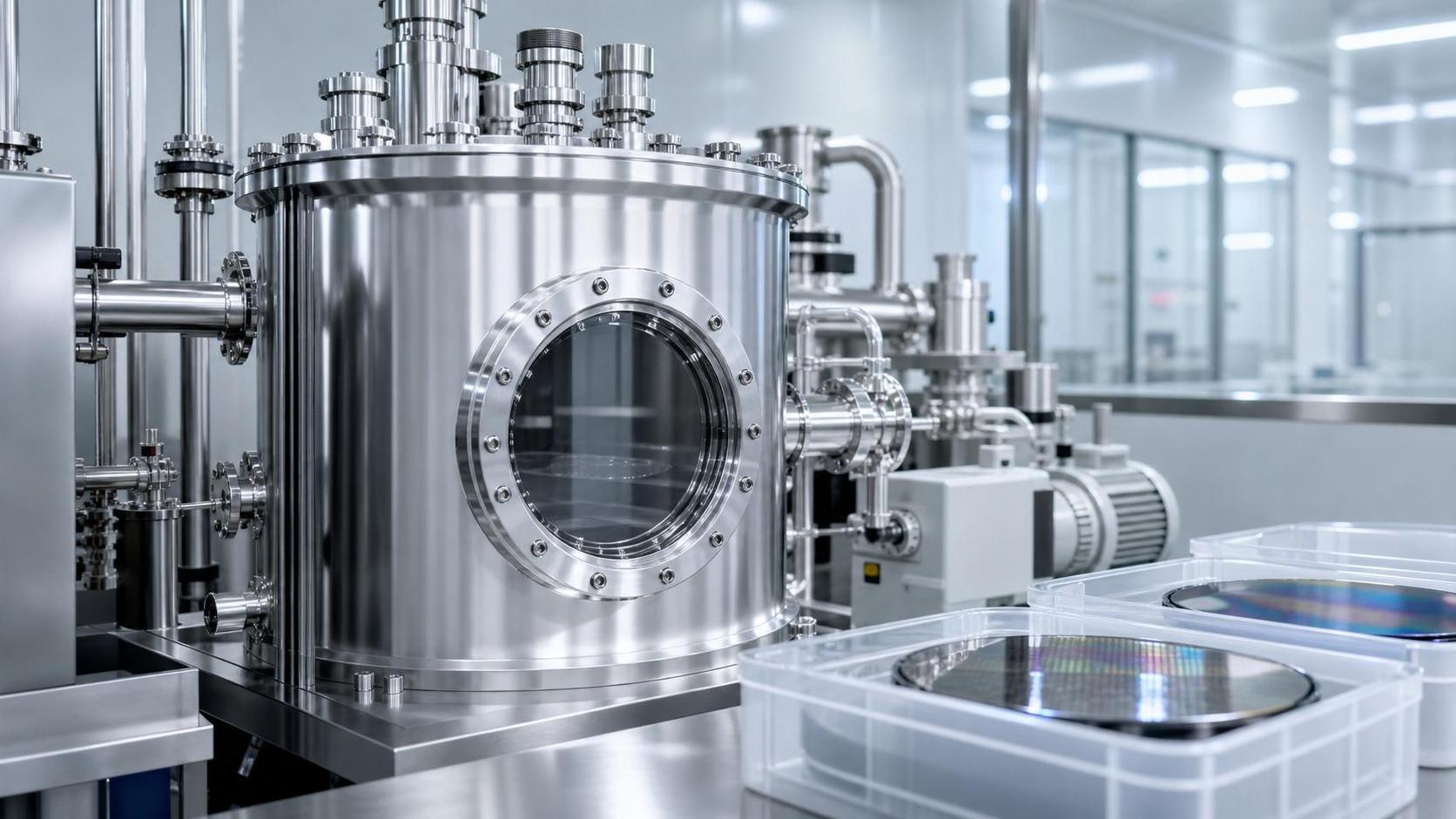
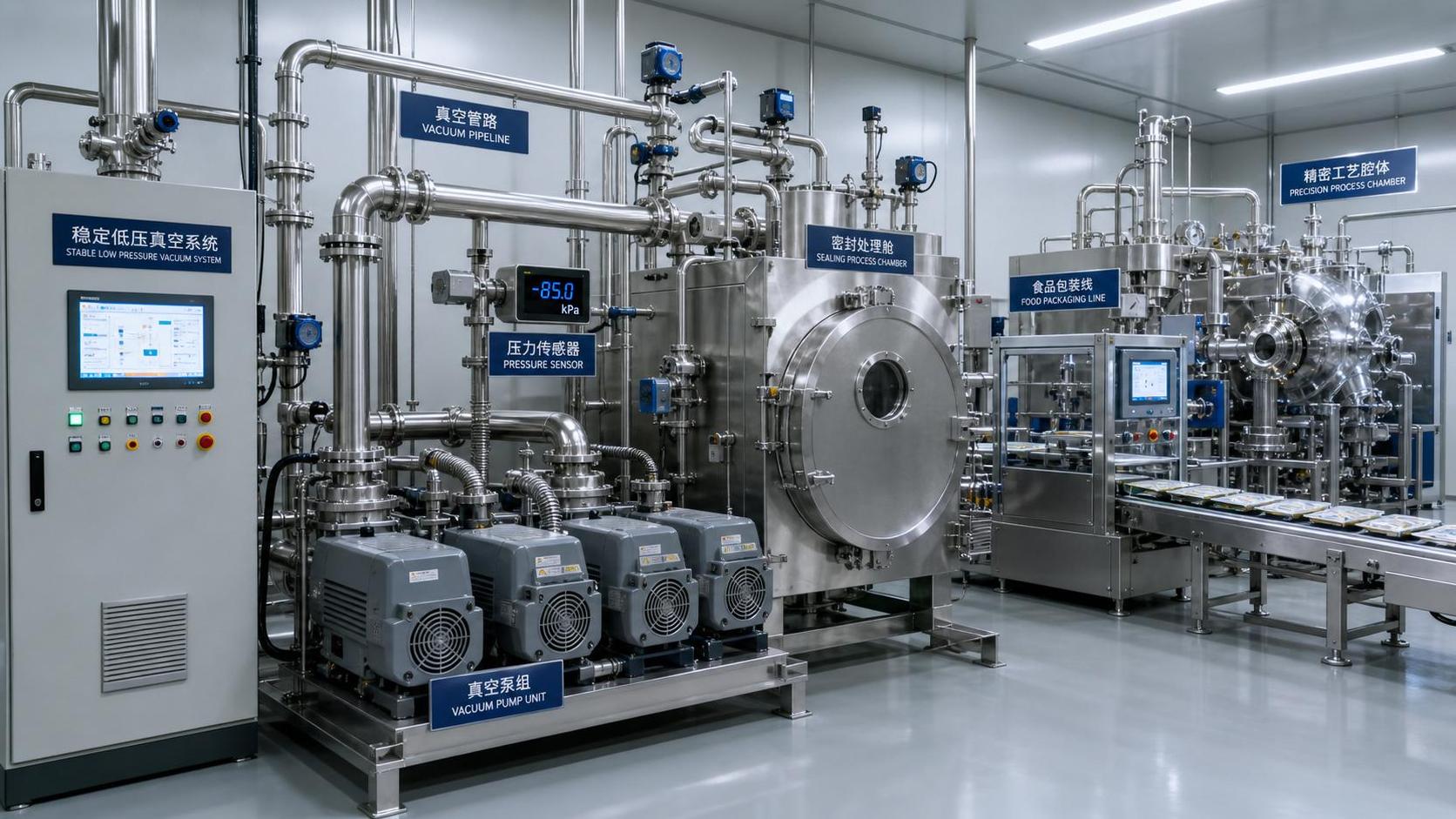
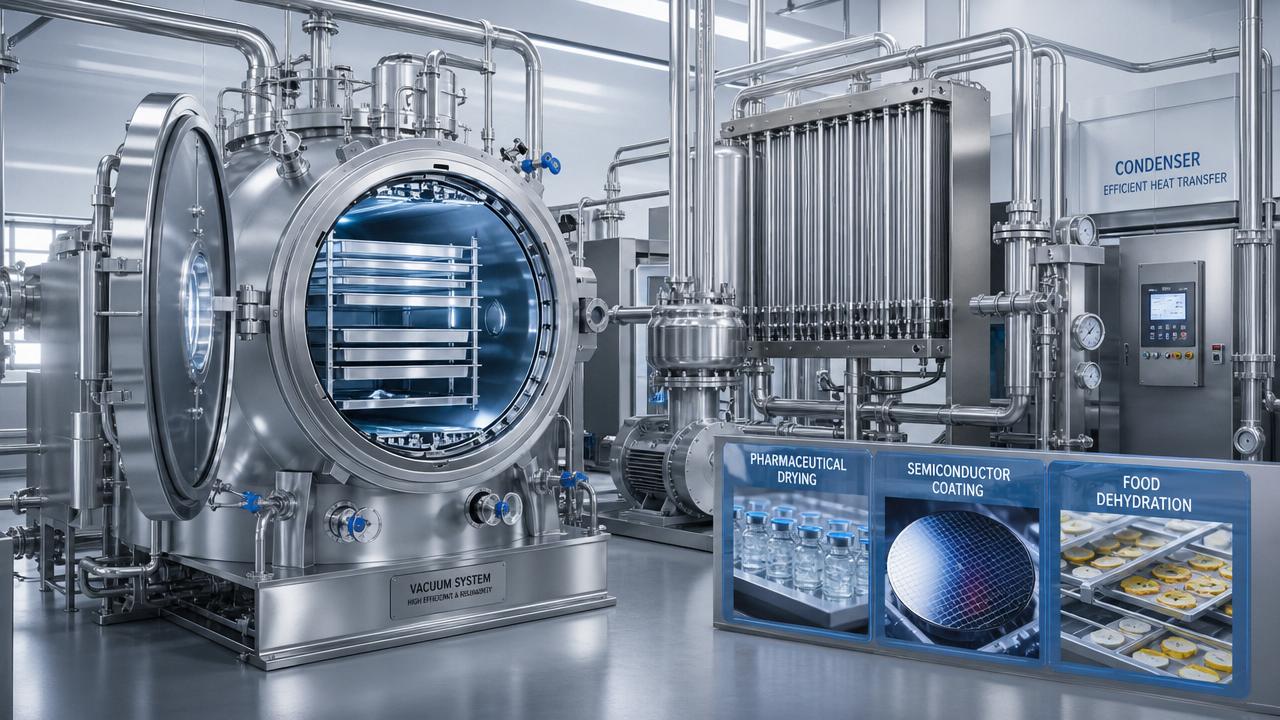
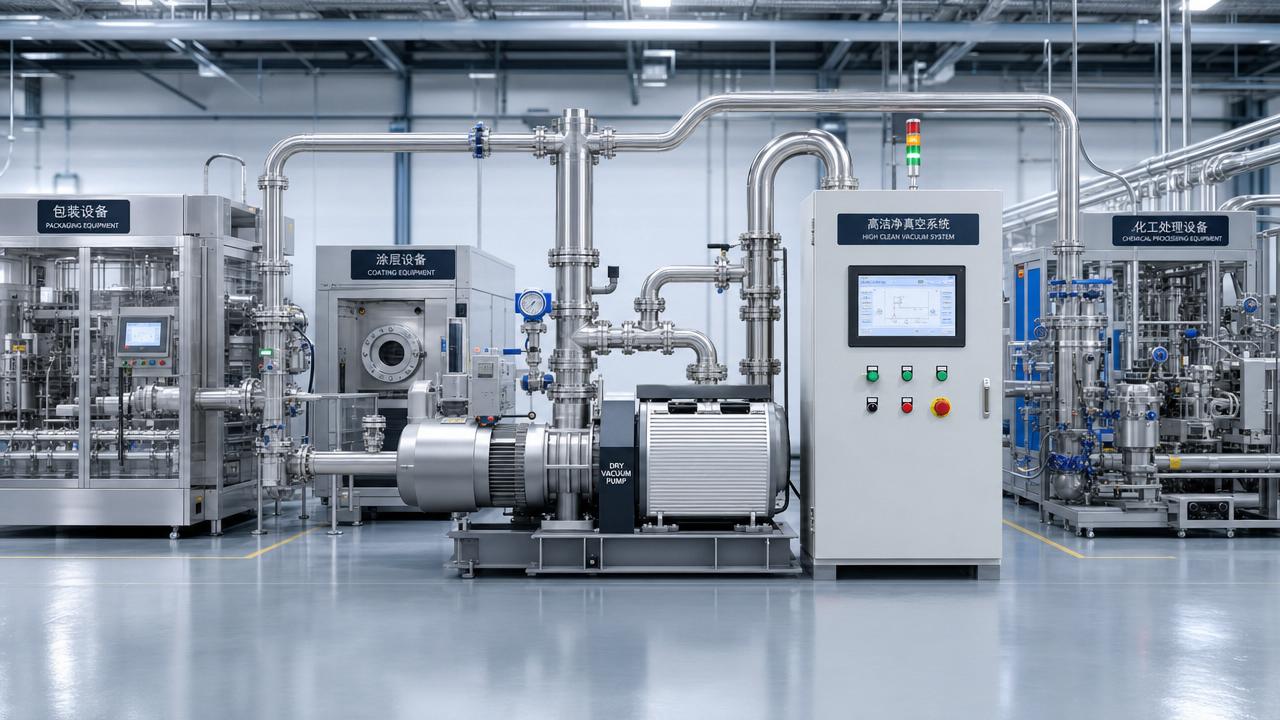
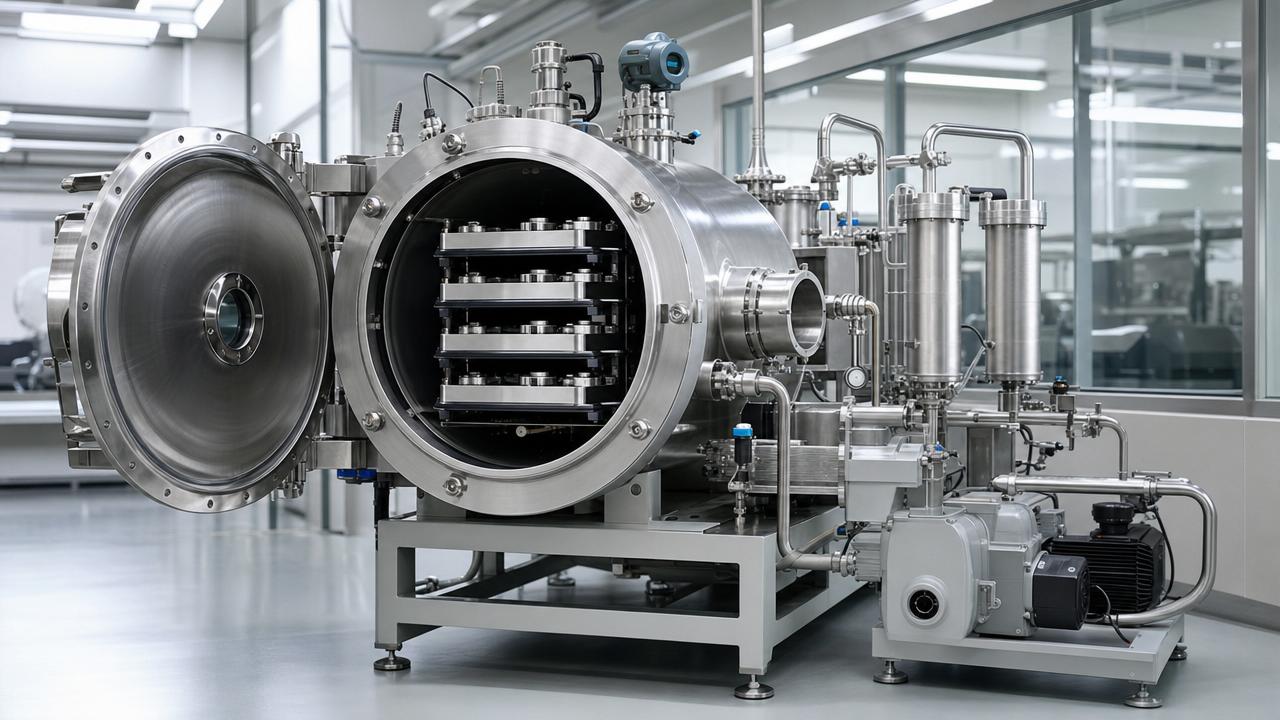
Typical examples include semiconductor coating lines, pharmaceutical drying, food packaging, laboratory vacuum handling, and precision thermal processing.
In these settings, cleaner vacuum output can reduce rejects, protect product integrity, and support compliance goals.
However, pure power sources should be evaluated as system architecture, not as a marketing label.
A clean vacuum process may still carry unstable costs if the surrounding cooling, compressed air, or electrical infrastructure is weak.
Why can pure power sources look economical at first, then become expensive later?
The first reason is capital intensity.
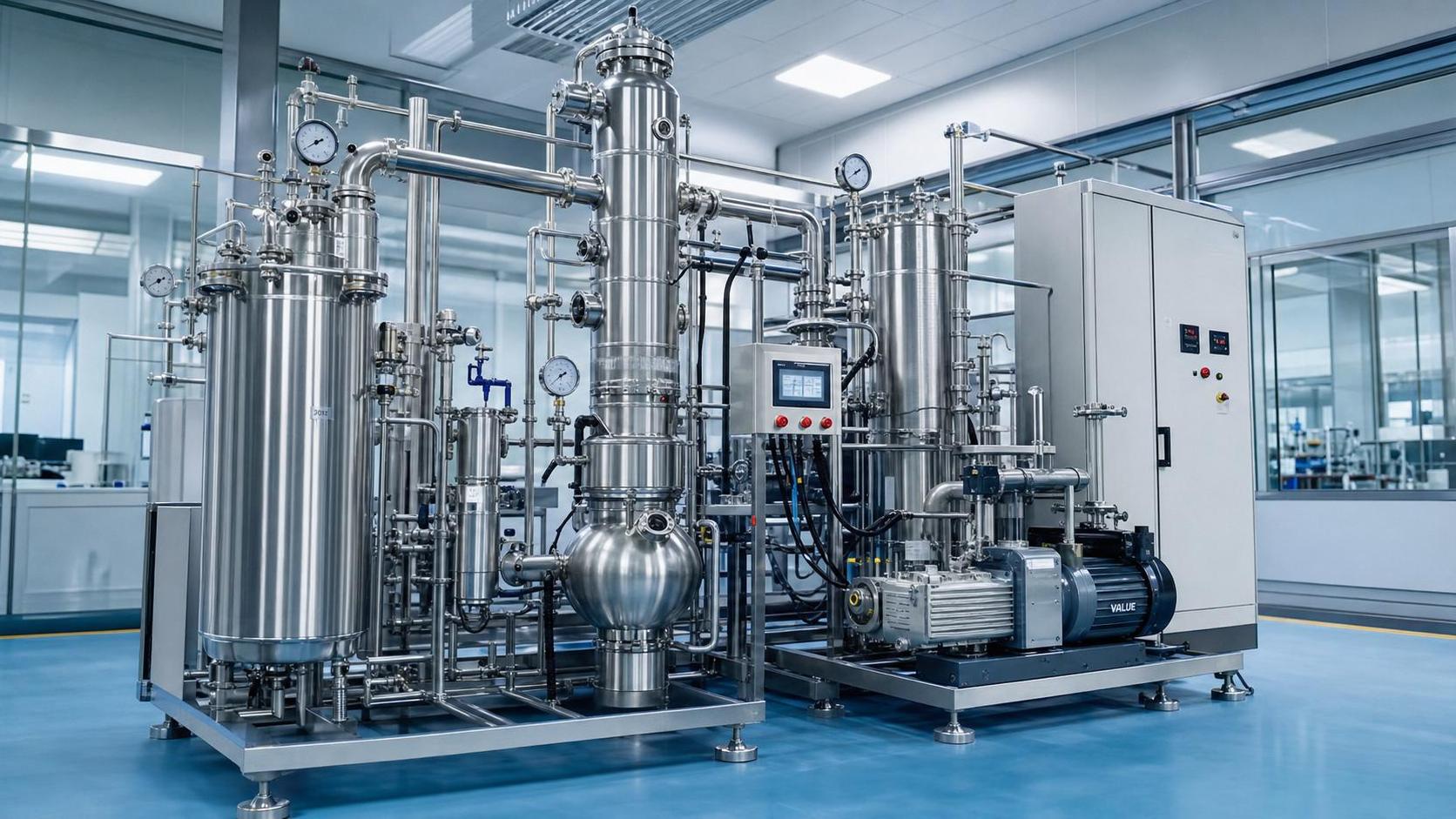
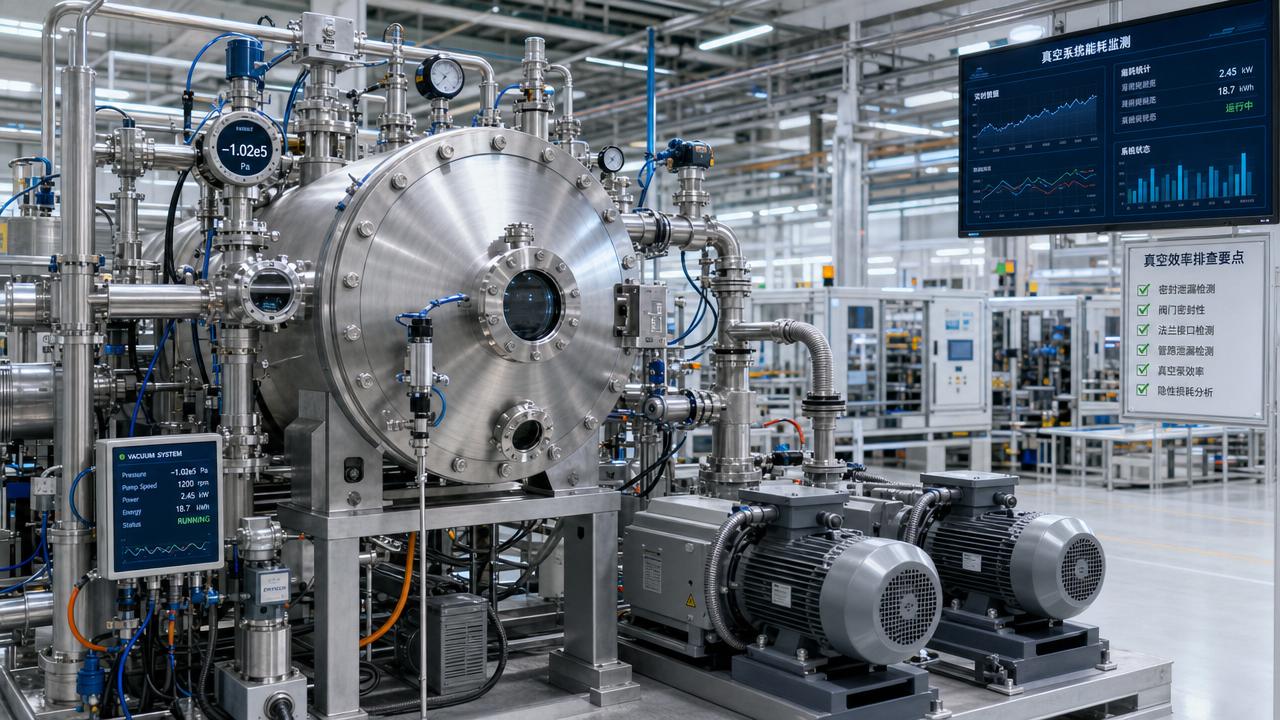
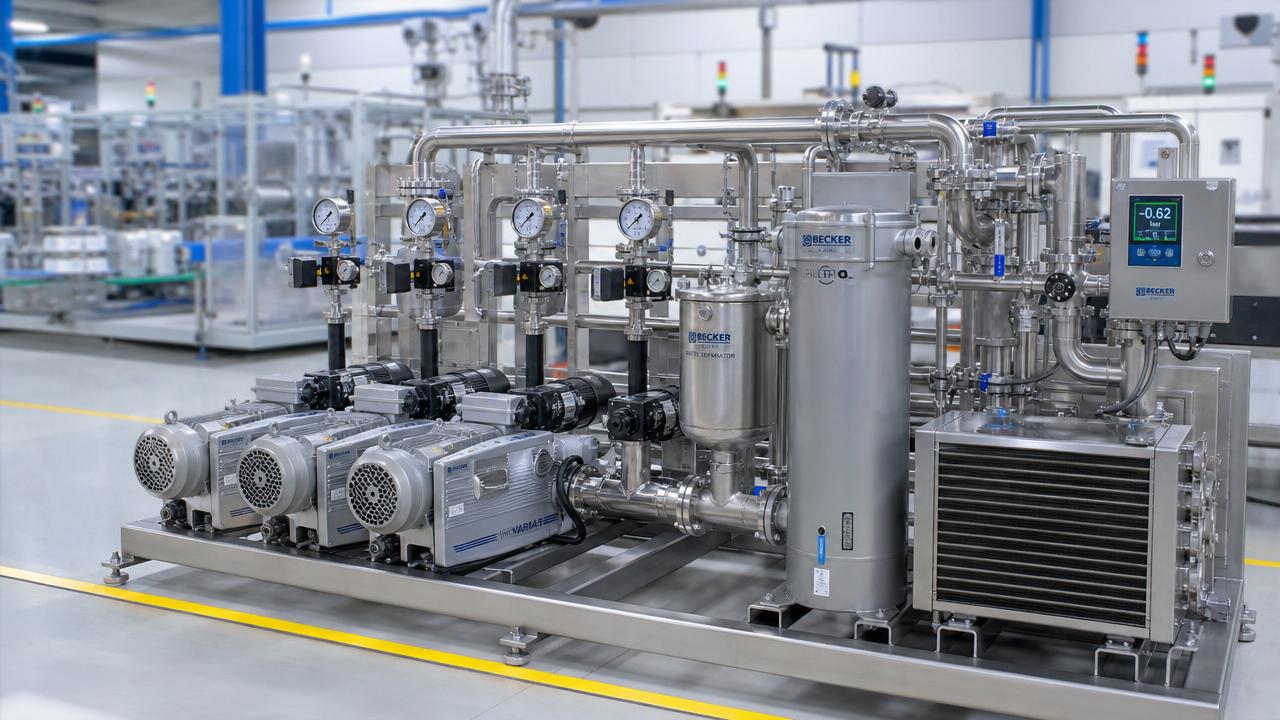
Cleaner vacuum systems often require dry pumps, upgraded controls, higher-grade filtration, better heat exchange capacity, and monitoring instrumentation.
These additions improve performance, but they increase upfront spending beyond the pump itself.
The second reason is utility interaction.
Pure power sources depend on stable power quality, controlled cooling water, and sometimes cleaner compressed air support.
If those utilities fluctuate, energy savings can disappear.
The third reason is maintenance exposure.
Oil-free or dry technologies reduce one category of contamination, but they may introduce stricter service intervals for seals, coatings, bearings, and thermal components.
The fourth reason is load mismatch.
Many cleaner vacuum installations are modeled on ideal duty cycles.
Real factories rarely operate under ideal demand all year.
Batch variation, seasonal production, and line expansion can reduce projected returns.
That is why pure power sources should be reviewed through total lifecycle cost, not only nameplate efficiency.
Common hidden cost drivers
- Electrical upgrades for variable-speed drives and cleaner power stability
- Cooling system retrofits to manage higher thermal sensitivity
- Additional sensors, controls, and remote diagnostics
- Specialized service labor and spare parts availability
- Downtime risk during commissioning or process rebalancing
Which applications benefit most from pure power sources?
Not every facility captures equal value from pure power sources.
The strongest returns usually appear where contamination, thermal drift, or product failure carries high financial consequences.
High-value manufacturing is one clear example.
In semiconductor processing, tiny contamination events can destroy expensive batches.
Here, pure power sources support cleaner vacuum output and more stable process windows.
Pharmaceutical production is another strong case.
Drying, transport, and sterile handling processes may justify higher investment if product quality and compliance improve.
Food packaging and specialty materials also benefit when oil carryover or moisture can affect shelf life or product consistency.
By contrast, low-sensitivity applications may struggle to justify premium systems unless energy prices are high or utility conditions are changing.
Facilities with variable demand should be especially careful.
If vacuum load swings sharply, the economics of pure power sources depend heavily on control strategy and turndown performance.
Good fit indicators
- High cost of contamination or off-spec output
- Strict hygiene, purity, or audit requirements
- Stable operating hours supporting predictable payback
- Access to reliable cooling and power infrastructure
- Need for lower emissions or greener process branding
How should cost risk be compared against conventional vacuum designs?
A useful comparison starts with five dimensions: capital, energy, service, downtime, and process value.
Conventional systems may look cheaper because they use familiar technology and lower initial investment.
Yet they can carry contamination costs, higher fluid handling needs, and weaker sustainability positioning.
Pure power sources may reduce those burdens, but only if utilization stays high enough.
The comparison should therefore include avoided losses, not just reduced electricity use.
Those avoided losses may include fewer rejects, less cleaning time, lower exhaust treatment, and stronger thermal consistency.
What mistakes cause ROI assumptions for pure power sources to break down?
The most common mistake is using static energy prices.
Vacuum economics shift quickly when electricity tariffs, cooling costs, or carbon-related charges change.
Another mistake is ignoring thermal interaction.
Cleaner vacuum output still generates heat that must be managed by chillers, heat exchangers, or ventilation systems.
If the thermal side is underestimated, operating cost rises later.
A third mistake is overestimating runtime consistency.
Projects often assume constant throughput, but market demand can shift before payback is achieved.
A fourth mistake is treating maintenance savings as automatic.
Pure power sources may reduce oil management, yet service complexity can still increase.
Finally, some evaluations ignore integration timing.
Commissioning delays, controls tuning, and operator learning curves can affect early-year returns.
Risk check before approval
- Model best-case, expected, and stressed operating scenarios.
- Include cooling, controls, and electrical upgrades in total capital.
- Test payback under lower utilization assumptions.
- Review spare parts lead times and specialist service access.
- Quantify the value of cleaner vacuum output beyond energy savings.
How can a business judge whether pure power sources are worth the investment now?
Start with process economics, not equipment preference.
If contamination, waste, or unstable thermal behavior already creates measurable losses, pure power sources deserve serious attention.
Next, audit the surrounding infrastructure.
A cleaner vacuum platform performs best when cooling, compressed air, and controls are equally reliable.
Then build a staged investment case.
Pilot one line, validate thermal behavior, compare service intervals, and verify energy data under actual duty cycles.
This reduces the chance of oversized expectations.
Market intelligence also matters.
Industrial cooling trends, refrigerant policy changes, and compressed air technology shifts can influence the full economics of pure power sources.
That broader system view is essential in modern energy planning.
FAQ summary table
Pure power sources can unlock cleaner vacuum output, stronger process quality, and improved sustainability positioning.
Still, the financial outcome depends on infrastructure readiness, realistic duty cycles, and disciplined lifecycle analysis.
When evaluated through a wider thermodynamic and operational lens, the decision becomes clearer.
Use measured plant data, test assumptions early, and connect vacuum planning with cooling, compression, and heat management intelligence.
That is where pure power sources move from a clean idea to a durable industrial advantage.
Related News
- How Can Contamination Be Prevented in a Semiconductor Vacuum Chamber?Author :Vacuum Process Fellow

- Which Vacuum Pump Specifications Matter Most for Semiconductor Processes?Author :Vacuum Process Fellow

- How to find leaks in vacuum pump systems before pump performance dropsAuthor :Vacuum Process Fellow

- How to size a Roots blower for vacuum process equipmentAuthor :Vacuum Process Fellow

- How vacuum level affects vacuum process efficiencyAuthor :Vacuum Process Fellow

- China Imposes Temporary Helium Export BanAuthor :Vacuum Process Fellow

- Semiconductor Vacuum Systems Factory Checklist for Process Stability and Cleanroom UseAuthor :Vacuum Process Fellow

- Vacuum Process Optimization Services: Signs Your Line Needs a Performance ReviewAuthor :Vacuum Process Fellow

- Vacuum Chambers for Cleanroom Use: Key Design Points That Prevent ContaminationAuthor :Vacuum Process Fellow

- Vacuum Distillation Systems: Key Performance Metrics That Affect Product PurityAuthor :Vacuum Process Fellow

- Vietnam Halts High Vacuum Pump Import Licenses for 30 DaysAuthor :Vacuum Process Fellow

- Vacuum Technology Database: What to Check Before Using Technical DataAuthor :Vacuum Process Fellow

- Dry Pump Vacuum System Design Mistakes That Raise DowntimeAuthor :Vacuum Process Fellow

- When Vacuum Systems Lose Performance: Common Causes and FixesAuthor :Vacuum Process Fellow
![]()
- EU Tightens EN 13445-3 Weld Testing for Vacuum VesselsAuthor :Vacuum Process Fellow
![]()
- EPA Cuts R-1234ze(E) Quota 35%, Tightening Vacuum Cooling SupplyAuthor :Vacuum Process Fellow
 Quota 35%, Tightening Vacuum Cooling Supply")
- ICA Warns of Tight Copper Alloy Supply for Vacuum PumpsAuthor :Vacuum Process Fellow

- Vacuum System Leak Detection: Signs, Tests, and FixesAuthor :Vacuum Process Fellow

- How to Compare Vacuum Systems Factory Capabilities for Stable Process UptimeAuthor :Vacuum Process Fellow

- Vacuum Pump Lead Times Extend to 26 WeeksAuthor :Vacuum Process Fellow

- Semiconductor Vacuum Systems Explained for Stable Process YieldAuthor :Vacuum Process Fellow

- Vacuum Process Efficiency: 7 Hidden Causes of Energy LossAuthor :Vacuum Process Fellow

- Vacuum Technology Solutions for Stable Low-Pressure ProductionAuthor :Vacuum Process Fellow

- Vacuum Processes: Common Efficiency Losses and FixesAuthor :Vacuum Process Fellow

- Common Vacuum Processes Problems and How to Prevent DowntimeAuthor :Vacuum Process Fellow

- Tantalum Spike Extends Vacuum Crucible Lead TimesAuthor :Vacuum Process Fellow

- Vacuum Process Efficiency: 5 Hidden Losses to Check FirstAuthor :Vacuum Process Fellow

- How Heat Transfer Design Impacts Vacuum Process EfficiencyAuthor :Vacuum Process Fellow

- EN 13445-4:2026 Takes Effect for High-Vacuum ComponentsAuthor :Vacuum Process Fellow

- EU Vacuum Components Face New EN 13445-4:2026 Leak Test RuleAuthor :Vacuum Process Fellow

- UBS: Fed Cut View May Ease Vacuum Pump Lead TimesAuthor :Vacuum Process Fellow

- Vacuum Processes: Common Causes of Unstable PerformanceAuthor :Vacuum Process Fellow
![]()
- SiC Certification Signals New Entry Path for Vacuum and Compressor DrivesAuthor :Vacuum Process Fellow
![]()
- How to Choose the Right Vacuum System for Process StabilityAuthor :Vacuum Process Fellow

- Vacuum Technology Selection: What Matters Most for Stable Process PerformanceAuthor :Vacuum Process Fellow

- Vacuum Processes: How to Reduce Contamination and Improve Cycle ConsistencyAuthor :Vacuum Process Fellow