Vacuum Technology Solutions for Faster, Cleaner Production Lines




Vacuum technology solutions are becoming essential for operators who need faster throughput, cleaner handling, and more stable production performance. From packaging and electronics to food and pharmaceuticals, the right vacuum setup can reduce contamination risks, improve process control, and support energy-efficient manufacturing. This article explores how modern vacuum systems help production lines run smarter, cleaner, and with greater consistency.
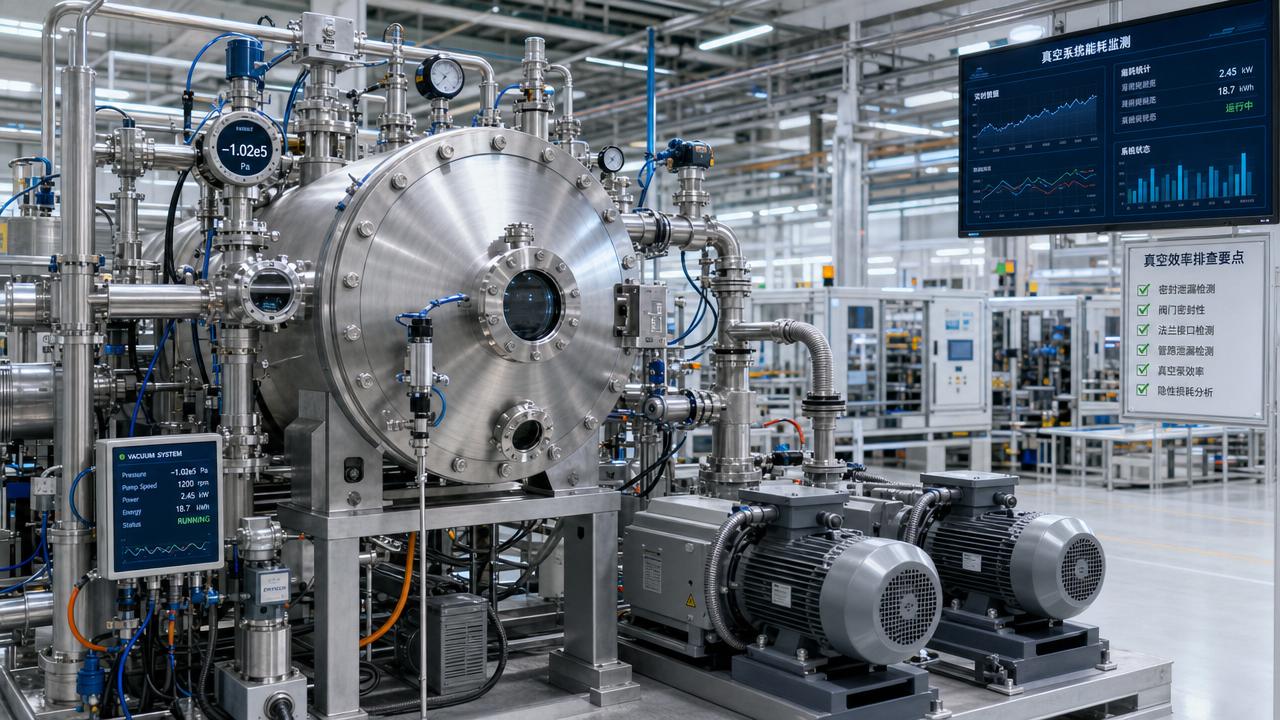
In broad industrial environments, vacuum technology solutions do more than create suction. They shape product quality, influence cycle time, and affect maintenance costs across automated lines.
When production targets rise, small system weaknesses become expensive. A structured review helps identify the right vacuum level, pumping method, controls, filtration, and energy strategy before problems spread.
Why a Structured Review Matters for Vacuum Technology Solutions
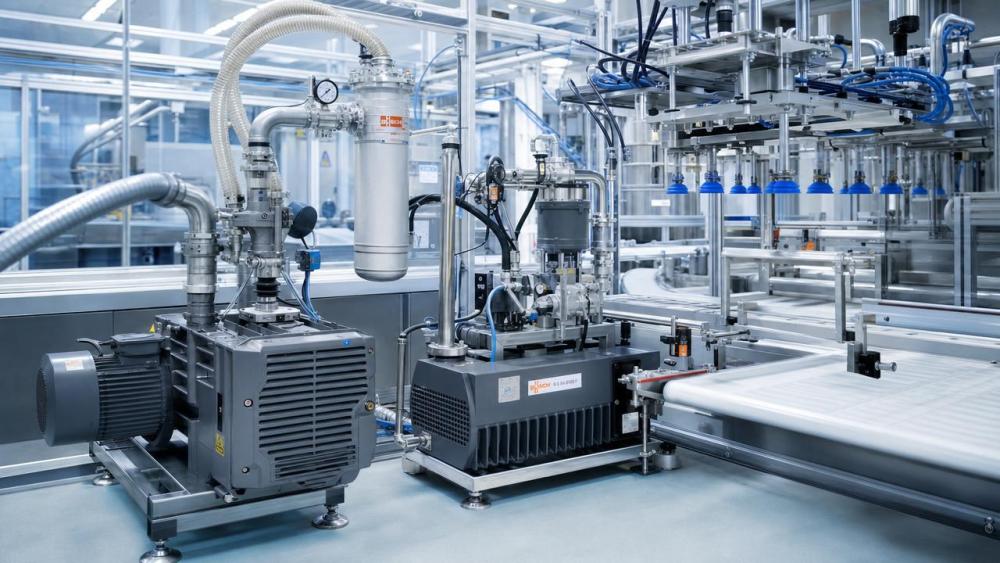
Many facilities install vacuum equipment for one task, then extend it across many processes. Over time, line speed changes, products vary, and hygiene rules tighten.
Without a clear review method, systems may become oversized, unstable, or difficult to clean. That leads to wasted energy, inconsistent holding force, and unplanned downtime.
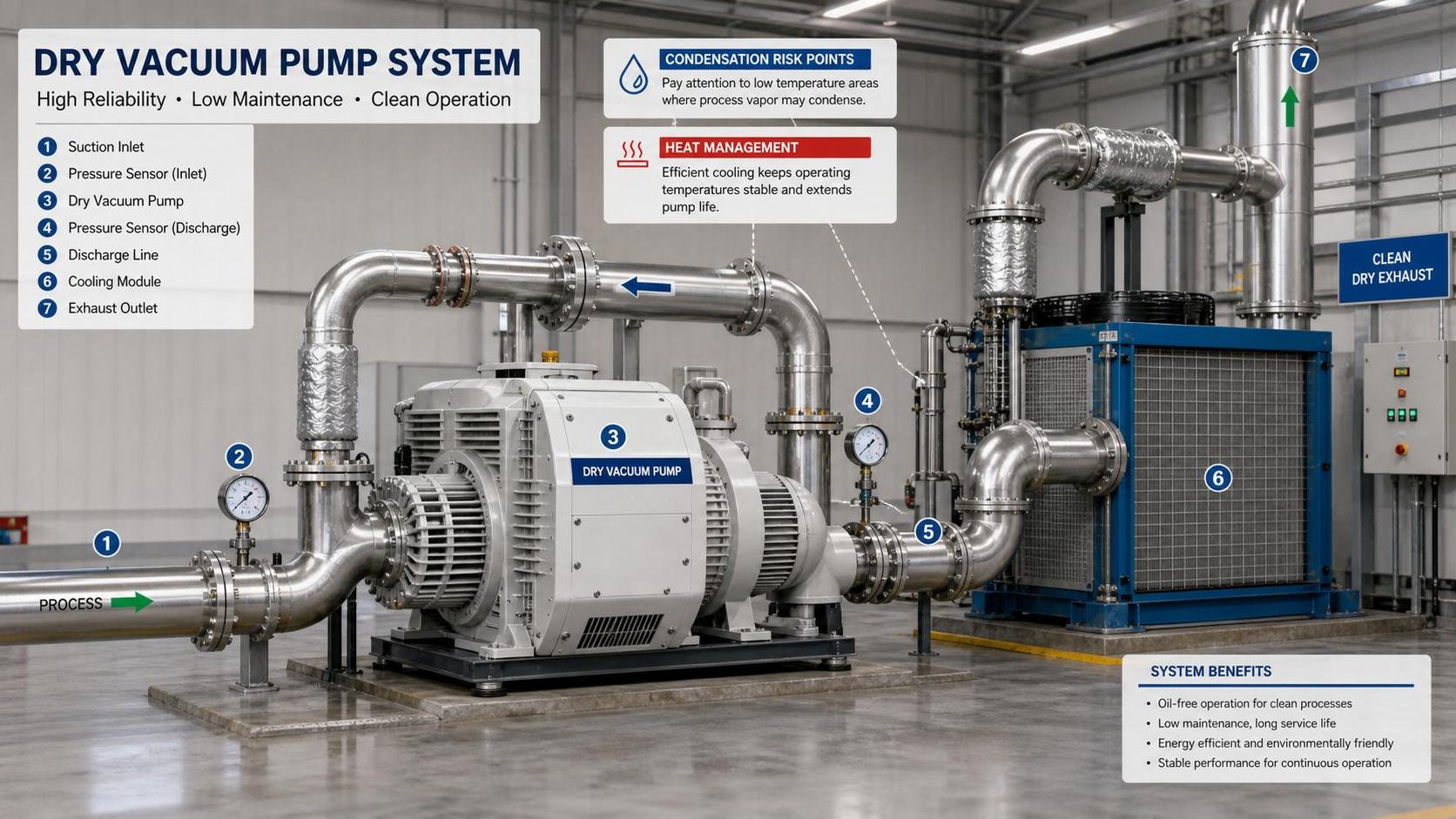
A practical assessment also supports better decisions around oil-free pumps, dry vacuum systems, centralized networks, and digital monitoring. This matters in any industry where uptime and cleanliness directly affect output.
Key Points to Check Before Selecting or Upgrading a Vacuum System
- Define the real process objective, such as lifting, forming, conveying, drying, degassing, or packaging, because each task needs a different vacuum level and flow profile.
- Measure actual demand across peak and partial loads, since many vacuum technology solutions waste power when sized only for maximum theoretical capacity.
- Check contamination risks from dust, oil vapor, moisture, fibers, or product particles, then match filters, separators, and pump design to that reality.
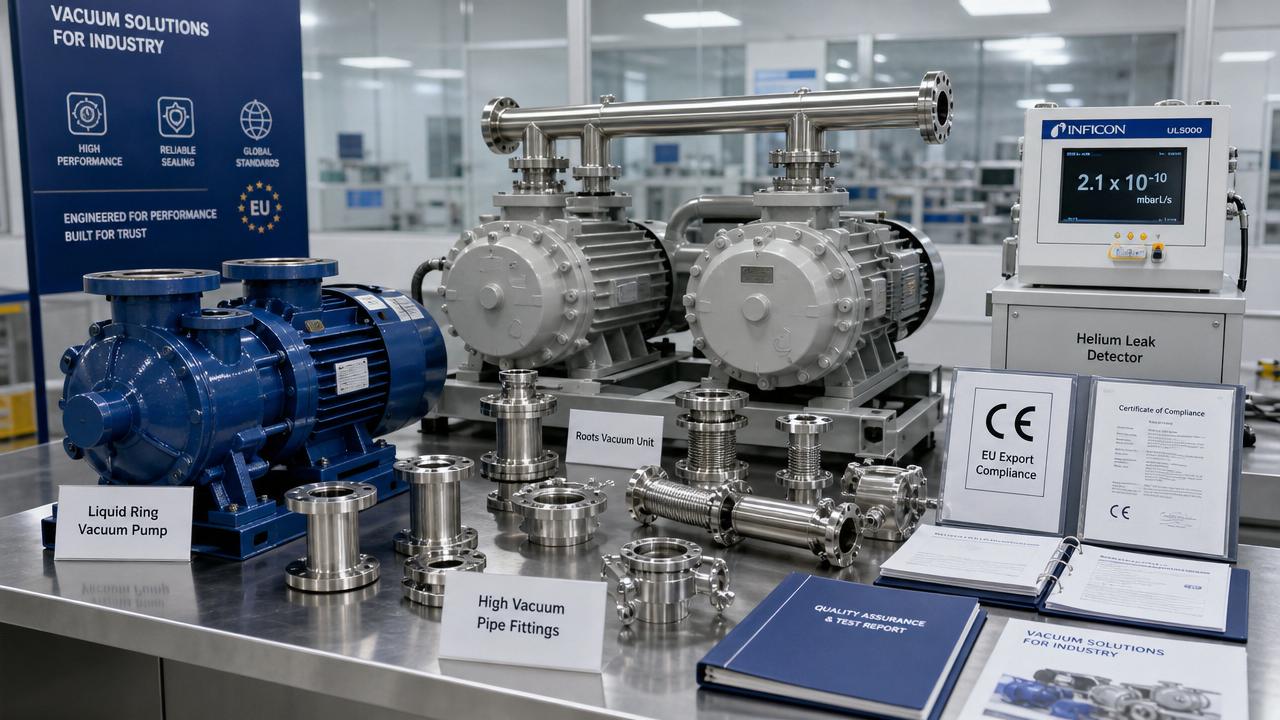
- Review whether dry-running, oil-lubricated, liquid ring, claw, screw, or side-channel systems best fit the process conditions and maintenance expectations.
- Confirm the required response speed for pick-and-place tools, vacuum cups, robotic gripping, or chamber evacuation, especially on high-cycle automated production lines.
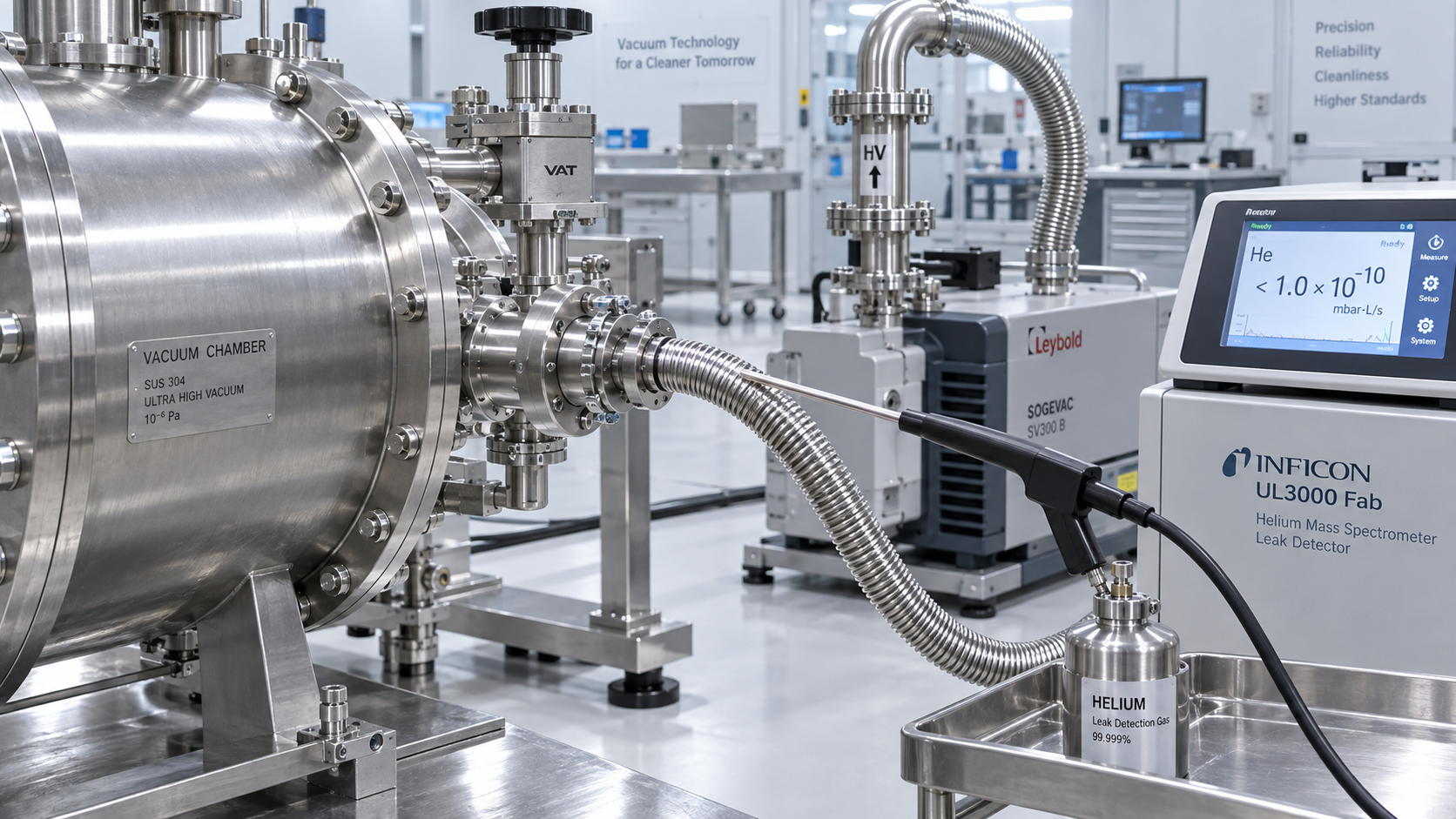
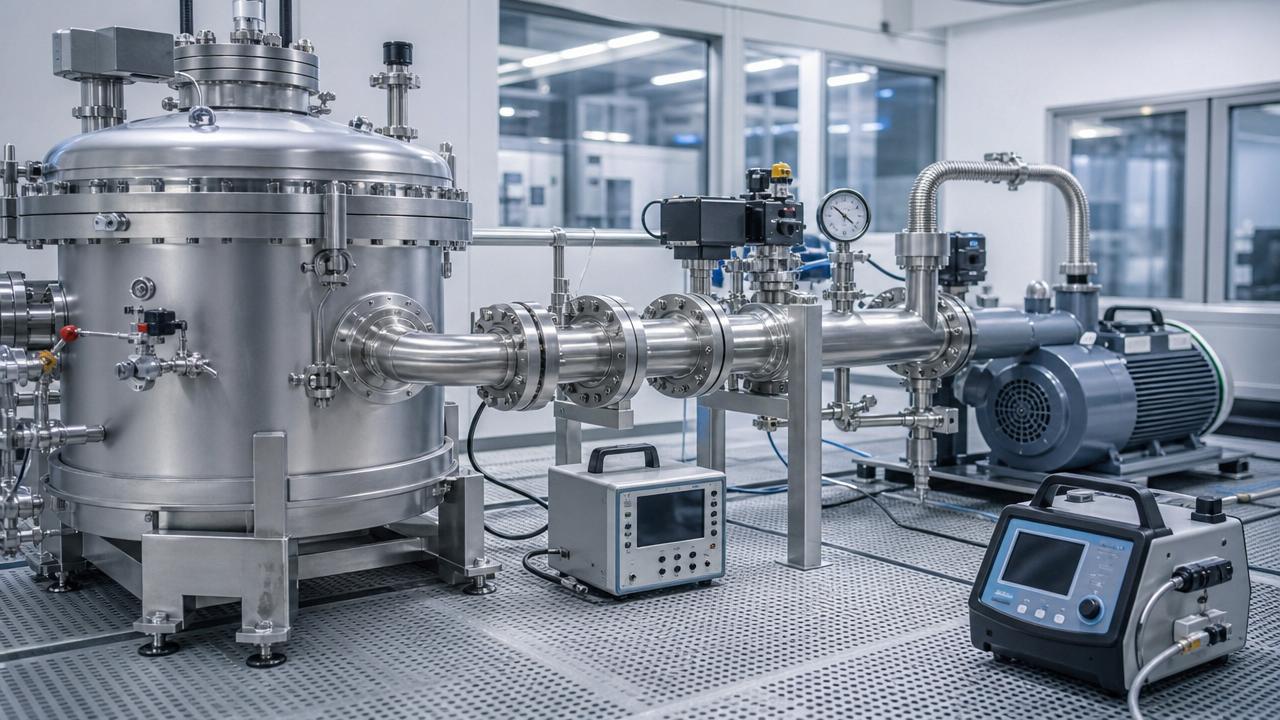
- Evaluate leakage points in piping, fittings, suction pads, and valves, because even minor leaks can sharply reduce performance and increase operating cost.
- Assess control methods such as variable speed drives, vacuum boosters, smart sensors, and decentralized controls to improve line stability and energy efficiency.
- Verify hygiene and cleaning requirements, including washdown exposure, material compatibility, and cleanroom suitability for sensitive production environments.
- Consider noise, heat rejection, and installation footprint, since these factors influence worker comfort, equipment layout, and utility system interaction.
- Plan maintenance access, spare parts strategy, and remote diagnostics early, so vacuum technology solutions remain reliable as production complexity grows.
How Vacuum Technology Solutions Improve Speed and Cleanliness
Faster material movement
Vacuum gripping reduces mechanical contact and shortens transfer time. This supports rapid handling of cartons, films, glass, boards, and delicate components.
With the right flow rate and cup design, motion systems can maintain secure pickup at higher speeds. Stable vacuum also reduces dropped products and line interruptions.
Cleaner product contact
Modern vacuum technology solutions can limit direct touchpoints and reduce contamination opportunities. This is valuable for sterile packaging, clean assembly, and food-safe handling.
Oil-free and dry vacuum systems are often preferred where process purity matters. They help avoid carryover risks and simplify compliance with internal cleanliness standards.
More consistent process conditions
Vacuum stability improves sealing, forming, drying, and degassing quality. Better control means fewer rejects, tighter process windows, and more predictable batch outcomes.
Integrated sensors and controls make it easier to maintain target pressure. That helps lines adapt to product changes without major mechanical adjustments.
Application Notes Across Different Production Settings
Packaging lines
Packaging operations use vacuum for forming, sealing support, carton erection, label transfer, and palletizing. Fast response and leak control are critical here.
Check film type, cycle rate, and suction cup wear. Vacuum technology solutions should match short bursts of demand without causing pressure instability.
Food processing
Food lines need vacuum for packaging, conveying, cooling, and moisture removal. Hygiene, washdown resistance, and condensate handling require close attention.
Dry or oil-free designs may support cleaner operation. Filters, drains, and material compatibility should be reviewed before system expansion.
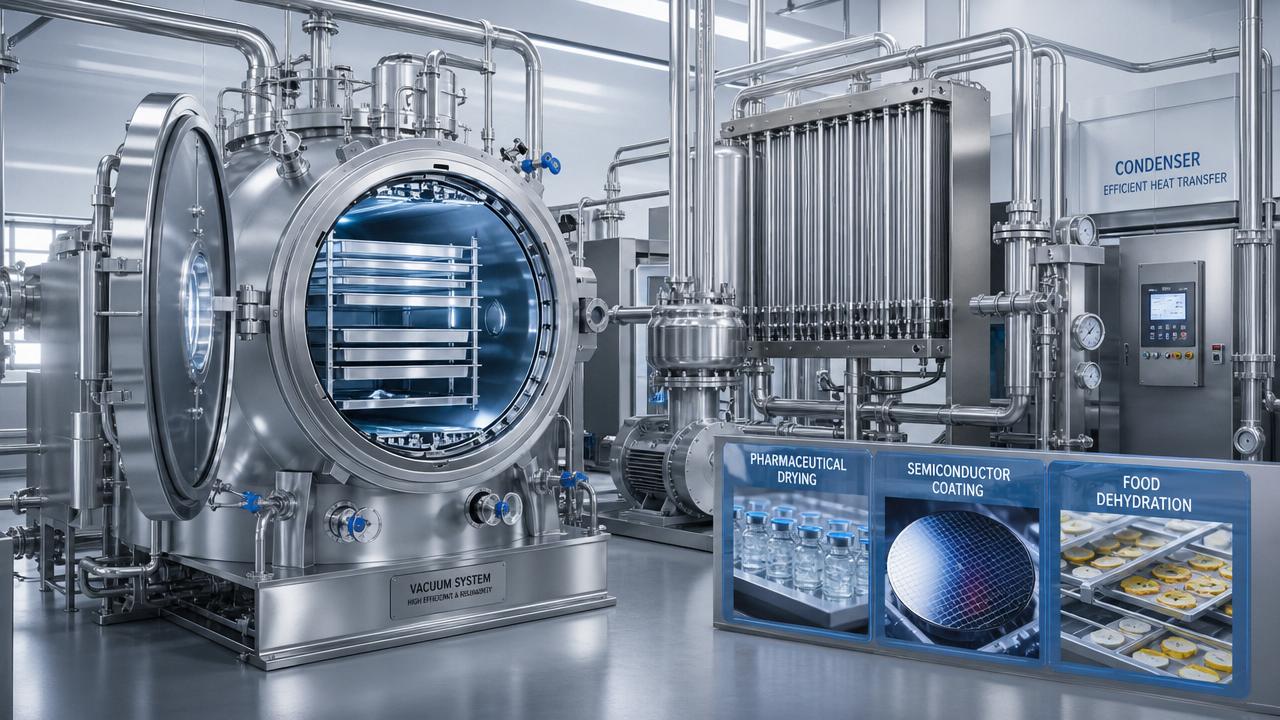
Pharmaceutical and laboratory production
These settings often prioritize purity, traceability, and repeatability. Vacuum technology solutions must support validated processes and stable chamber performance.
Check cleanability, monitoring accuracy, and backup capacity. Even short deviations can affect product integrity and documentation quality.
Electronics and precision assembly
Electronics production uses vacuum for pick-and-place, fixture holding, lamination, and resin degassing. Precision matters more than brute suction.
Review particle control, static-sensitive environments, and compact installation needs. Clean, responsive vacuum improves placement accuracy and yield stability.
General industrial manufacturing
Metalworking, plastics, wood, and composite lines use vacuum for clamping, transfer, and extraction support. Conditions are usually harsher and more variable.
Focus on dust loading, ambient temperature, and maintenance intervals. Vacuum technology solutions should be rugged enough for mixed-duty environments.
Commonly Missed Risks That Can Undermine Performance
Ignoring leakage growth
Small leaks often appear harmless at startup. Over months, they force pumps to run longer, increase noise, and reduce effective vacuum at the point of use.
Choosing pressure without flow analysis
A strong vacuum level alone does not guarantee performance. Many fast processes depend more on flow delivery and response speed than on absolute pressure.
Overlooking contamination pathways
Dust, moisture, and vapors damage internal components and sensors. Poor separation design can shorten service life and increase cleaning frequency.
Missing energy optimization opportunities
Fixed-speed systems often run harder than needed. Smart vacuum technology solutions can reduce energy use through staged capacity and pressure-based control.
Treating maintenance as an afterthought
If filters, seals, and service points are difficult to access, routine care gets delayed. This turns manageable wear into expensive downtime.
Practical Steps for Stronger Implementation
- Start with a line audit that records vacuum level, flow demand, cycle speed, leak rate, contamination load, and energy use at each critical point.
- Separate essential and nonessential vacuum consumers, then decide whether decentralized devices or a central vacuum system offers better control.
- Use pilot testing with real products and actual cycle conditions before full rollout, especially where cleanliness and handling precision are important.
- Install sensors for pressure, temperature, filter condition, and runtime to support predictive maintenance and reduce unexpected stoppages.
- Review utility interactions, including heat release, compressed air use, and electrical load, because vacuum technology solutions affect wider plant efficiency.
Decision Support for Long-Term Value
Effective vacuum technology solutions should be judged across total lifecycle performance, not only purchase cost. Reliability, cleanliness, energy use, and adaptability all matter.
This is where industry intelligence becomes useful. Platforms such as GTC-Matrix help connect vacuum decisions with wider thermodynamic, efficiency, and process trends.
Insights into oil-free compression, utility optimization, and industrial thermal systems can support better planning for integrated production environments.
FAQ About Vacuum Technology Solutions
What makes vacuum technology solutions suitable for cleaner production lines?
They reduce unnecessary contact, support controlled environments, and can use oil-free designs that lower contamination risk in sensitive operations.
How do vacuum systems help increase production speed?
They enable rapid gripping, transfer, forming, and chamber evacuation. Properly sized systems improve cycle consistency and reduce handling delays.
Are centralized vacuum technology solutions always better?
Not always. Central systems can improve efficiency and maintenance access, but decentralized setups may provide faster local response in some applications.
What is the first upgrade priority for an aging vacuum setup?
Begin with demand measurement and leak detection. Many performance issues come from mismatch, not from pump failure alone.
Next Steps for Smarter, Cleaner Output
Vacuum technology solutions can deliver faster throughput, cleaner handling, and steadier process control when they are selected with clear operational criteria.
Use the points above to review current performance, identify weak spots, and prioritize upgrades that improve both efficiency and product quality.
A disciplined approach turns vacuum from a hidden utility into a visible production advantage. The result is a line that runs cleaner, smarter, and with greater confidence.
Related News
- How Can Contamination Be Prevented in a Semiconductor Vacuum Chamber?Author :Vacuum Process Fellow

- Which Vacuum Pump Specifications Matter Most for Semiconductor Processes?Author :Vacuum Process Fellow

- How to find leaks in vacuum pump systems before pump performance dropsAuthor :Vacuum Process Fellow

- How to size a Roots blower for vacuum process equipmentAuthor :Vacuum Process Fellow

- How vacuum level affects vacuum process efficiencyAuthor :Vacuum Process Fellow

- China Imposes Temporary Helium Export BanAuthor :Vacuum Process Fellow

- Semiconductor Vacuum Systems Factory Checklist for Process Stability and Cleanroom UseAuthor :Vacuum Process Fellow

- Vacuum Process Optimization Services: Signs Your Line Needs a Performance ReviewAuthor :Vacuum Process Fellow

- Vacuum Chambers for Cleanroom Use: Key Design Points That Prevent ContaminationAuthor :Vacuum Process Fellow

- Vacuum Distillation Systems: Key Performance Metrics That Affect Product PurityAuthor :Vacuum Process Fellow

- Vietnam Halts High Vacuum Pump Import Licenses for 30 DaysAuthor :Vacuum Process Fellow

- Vacuum Technology Database: What to Check Before Using Technical DataAuthor :Vacuum Process Fellow

- Dry Pump Vacuum System Design Mistakes That Raise DowntimeAuthor :Vacuum Process Fellow

- When Vacuum Systems Lose Performance: Common Causes and FixesAuthor :Vacuum Process Fellow
![]()
- EU Tightens EN 13445-3 Weld Testing for Vacuum VesselsAuthor :Vacuum Process Fellow
![]()
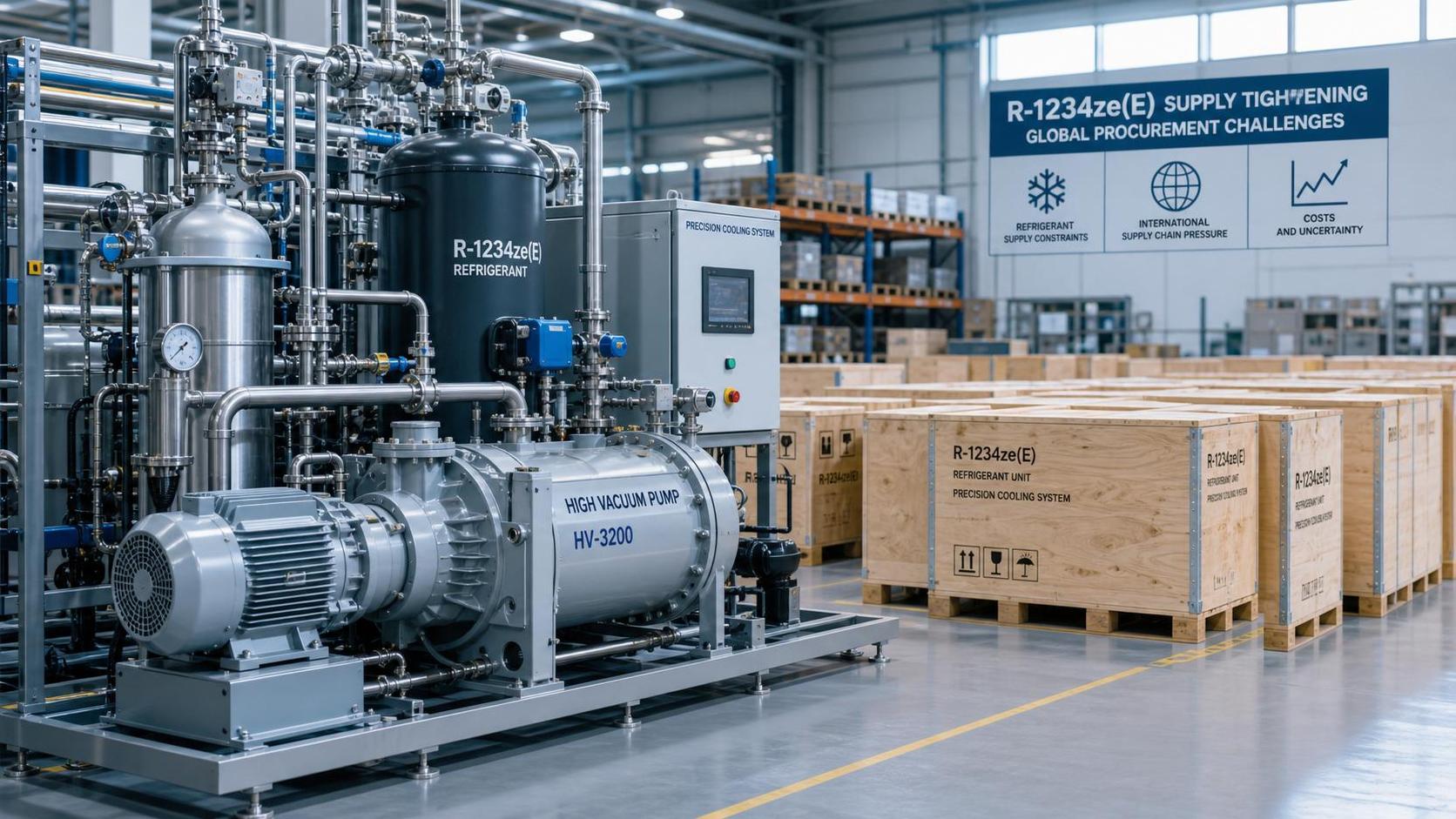
- EPA Cuts R-1234ze(E) Quota 35%, Tightening Vacuum Cooling SupplyAuthor :Vacuum Process Fellow
 Quota 35%, Tightening Vacuum Cooling Supply")
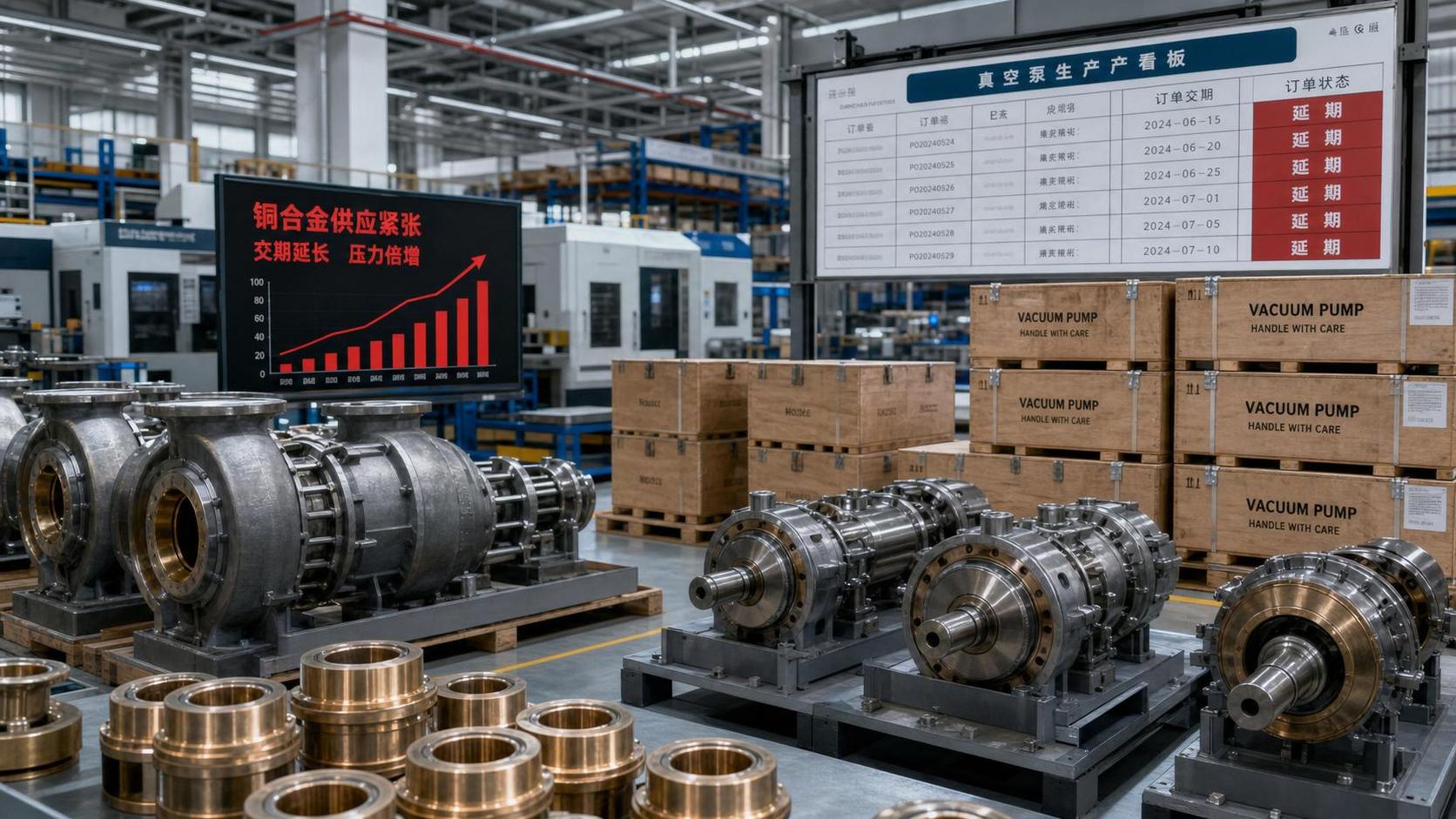
- ICA Warns of Tight Copper Alloy Supply for Vacuum PumpsAuthor :Vacuum Process Fellow

- Vacuum System Leak Detection: Signs, Tests, and FixesAuthor :Vacuum Process Fellow

- How to Compare Vacuum Systems Factory Capabilities for Stable Process UptimeAuthor :Vacuum Process Fellow

- Vacuum Pump Lead Times Extend to 26 WeeksAuthor :Vacuum Process Fellow

- Semiconductor Vacuum Systems Explained for Stable Process YieldAuthor :Vacuum Process Fellow

- Vacuum Process Efficiency: 7 Hidden Causes of Energy LossAuthor :Vacuum Process Fellow

- Vacuum Technology Solutions for Stable Low-Pressure ProductionAuthor :Vacuum Process Fellow

- Vacuum Processes: Common Efficiency Losses and FixesAuthor :Vacuum Process Fellow

- Common Vacuum Processes Problems and How to Prevent DowntimeAuthor :Vacuum Process Fellow

- Tantalum Spike Extends Vacuum Crucible Lead TimesAuthor :Vacuum Process Fellow

- Vacuum Process Efficiency: 5 Hidden Losses to Check FirstAuthor :Vacuum Process Fellow

- How Heat Transfer Design Impacts Vacuum Process EfficiencyAuthor :Vacuum Process Fellow

- EN 13445-4:2026 Takes Effect for High-Vacuum ComponentsAuthor :Vacuum Process Fellow

- EU Vacuum Components Face New EN 13445-4:2026 Leak Test RuleAuthor :Vacuum Process Fellow

- UBS: Fed Cut View May Ease Vacuum Pump Lead TimesAuthor :Vacuum Process Fellow

- Vacuum Processes: Common Causes of Unstable PerformanceAuthor :Vacuum Process Fellow
![]()
- SiC Certification Signals New Entry Path for Vacuum and Compressor DrivesAuthor :Vacuum Process Fellow
![]()
- How to Choose the Right Vacuum System for Process StabilityAuthor :Vacuum Process Fellow

- Vacuum Technology Selection: What Matters Most for Stable Process PerformanceAuthor :Vacuum Process Fellow

- Vacuum Processes: How to Reduce Contamination and Improve Cycle ConsistencyAuthor :Vacuum Process Fellow