UK-GCC Trade Deal Lowers Export Barriers for Vacuum & Oil-Free Systems




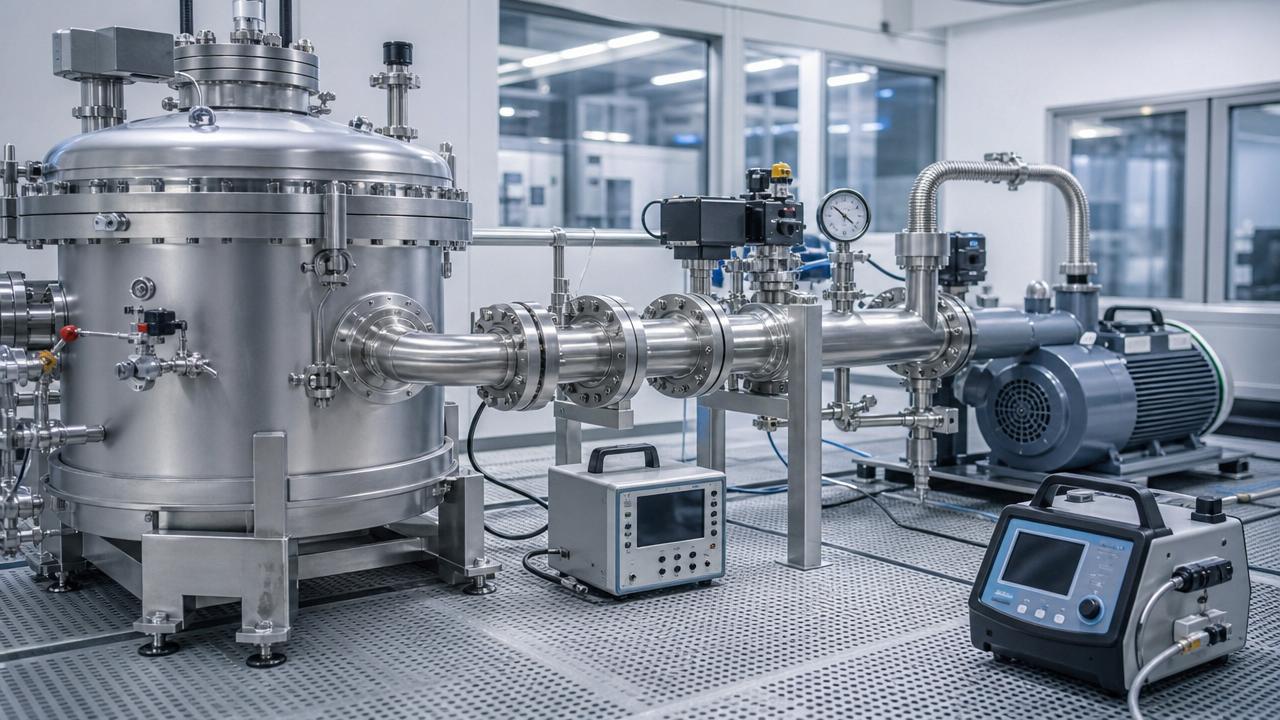
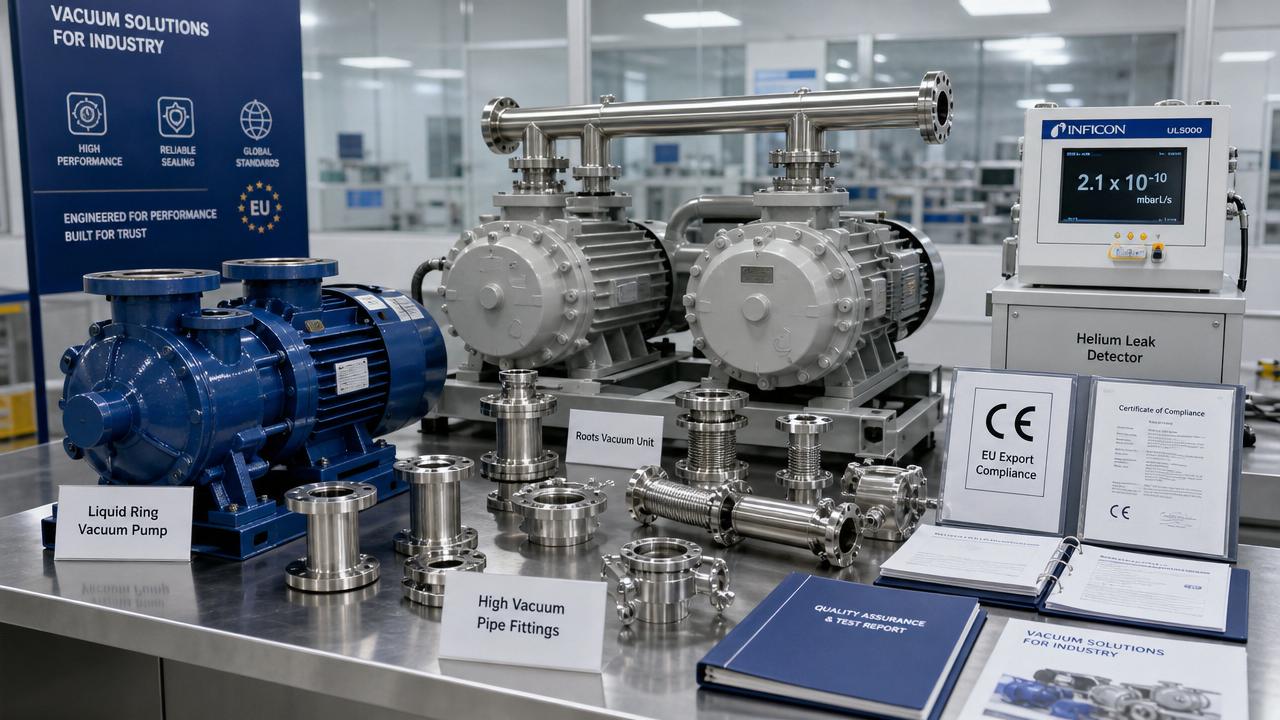
On May 20, 2026, the United Kingdom announced a comprehensive trade agreement with the Gulf Cooperation Council (GCC), establishing mutual recognition of technical standards and optimized rules of origin. This development is particularly relevant for manufacturers and exporters of High Vacuum equipment—used in semiconductor fabrication and pharmaceutical production—and Oil-free compressed air systems—critical for food and beverage processing—as it directly affects market access and compliance efficiency in Saudi Arabia, the UAE, and other GCC states.
Event Overview
On May 20, 2026, the UK government confirmed it had reached a full trade agreement with the Gulf Cooperation Council. The agreement includes provisions for mutual recognition of technical standards and refinement of rules of origin. No further implementation timeline, ratification status, or detailed annexes have been publicly released as of the announcement date.
Industries Affected by Sector and Role
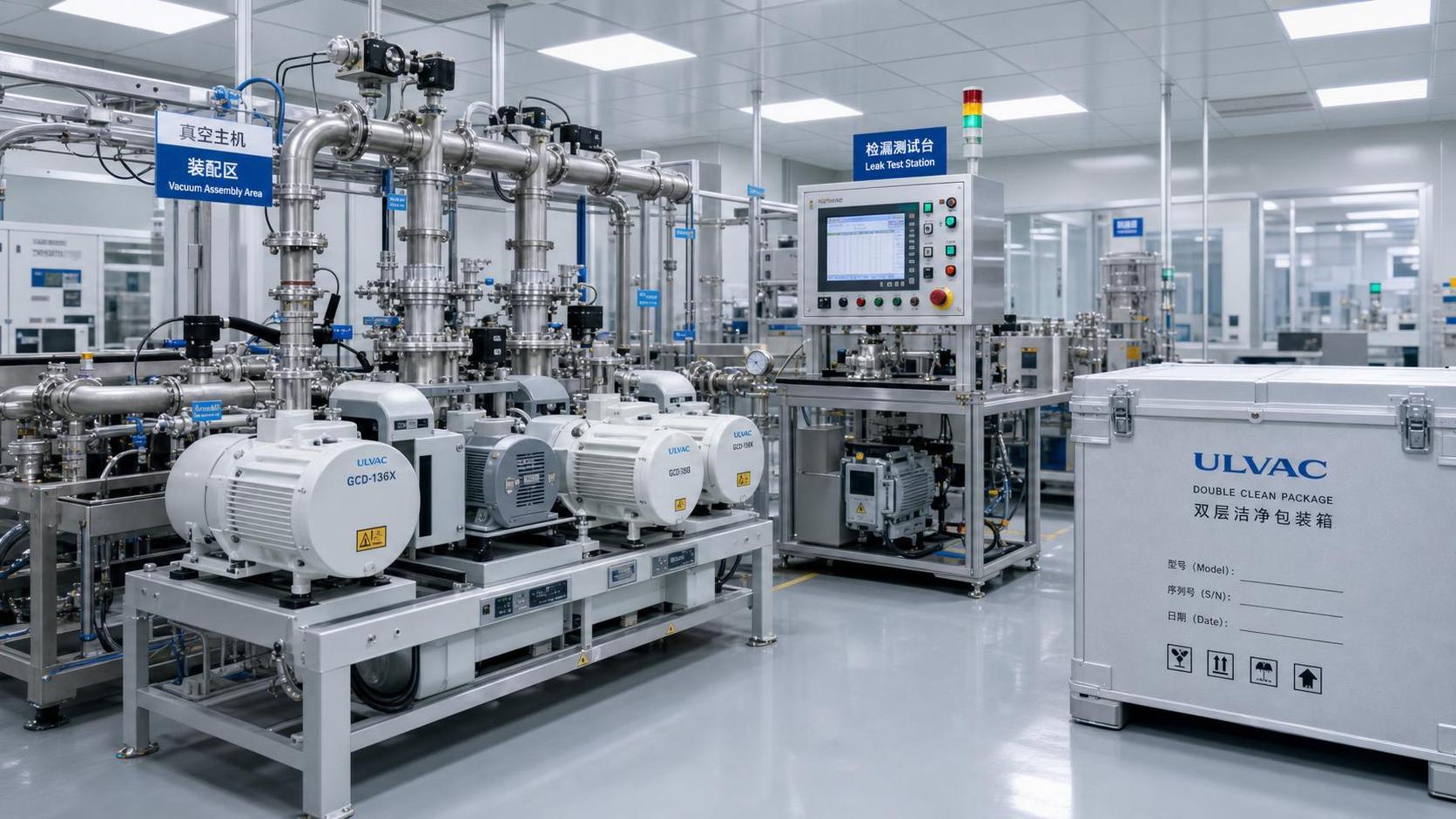
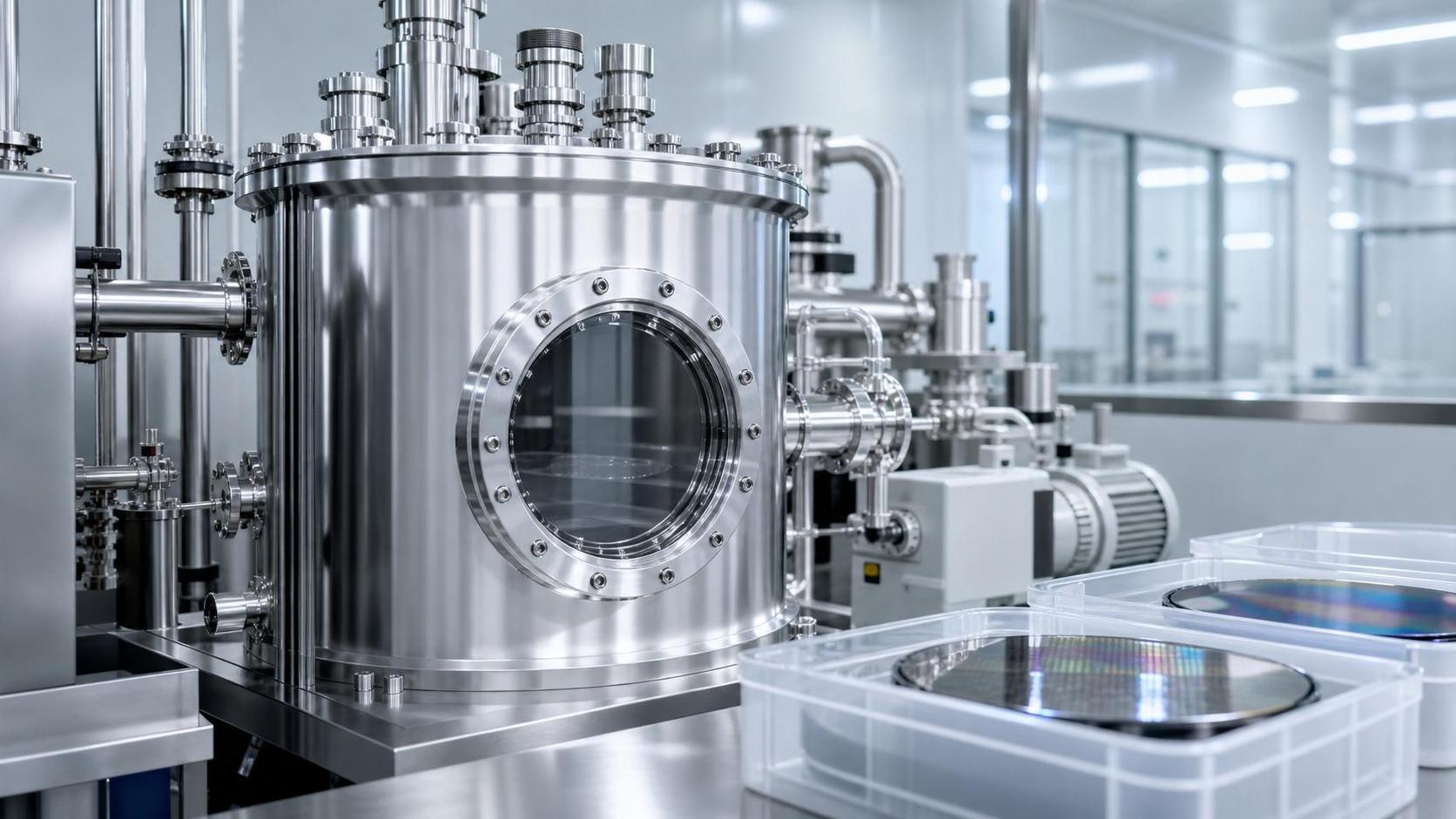
Direct Exporters of High Vacuum Equipment: These companies supply vacuum systems to semiconductor fabs and pharmaceutical cleanrooms. They face reduced administrative friction in GCC customs clearance, with average processing time expected to shorten by 5–7 working days. The elimination of redundant third-party testing—previously required due to divergent conformity assessments—lowers compliance costs per shipment.
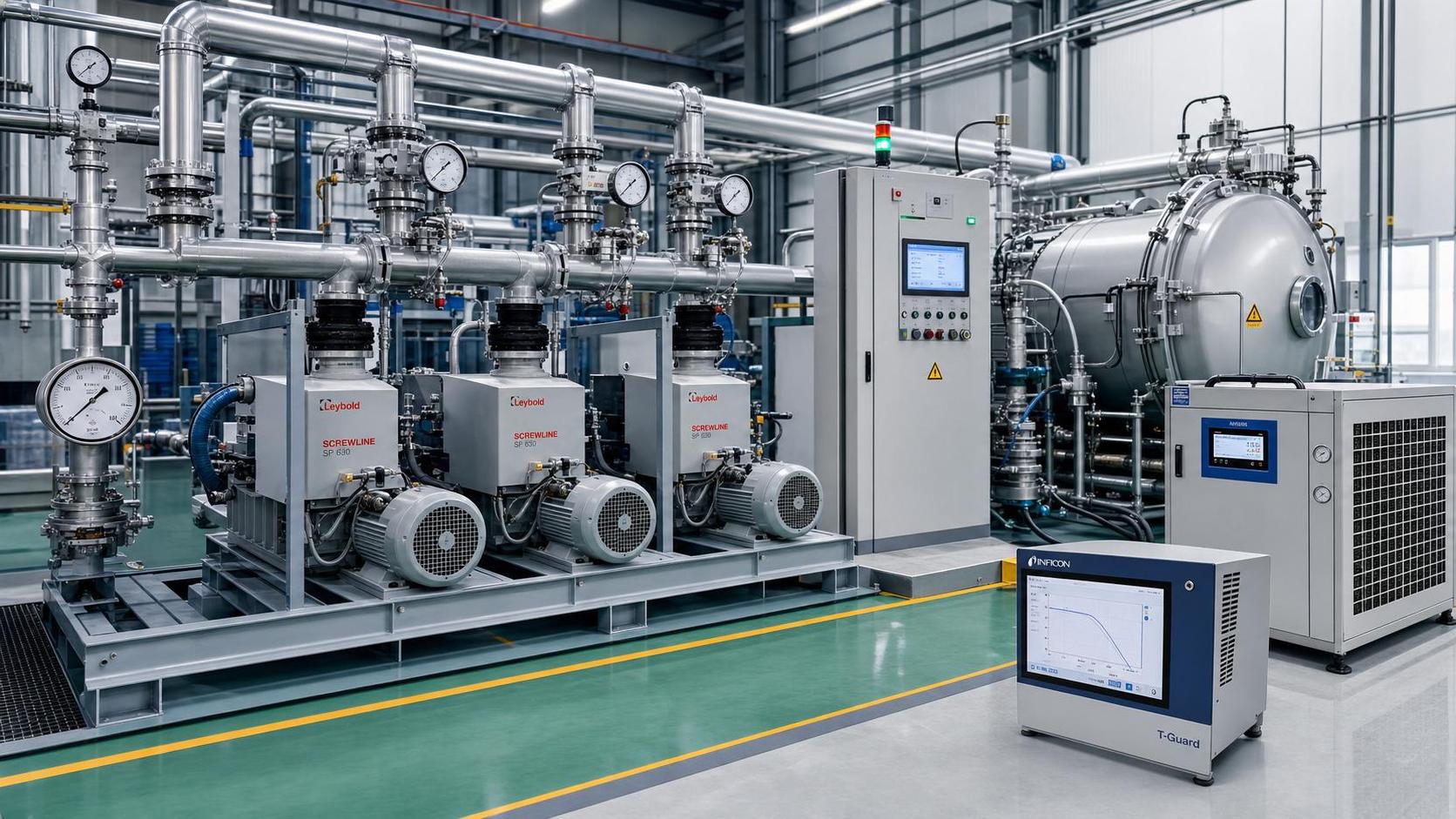
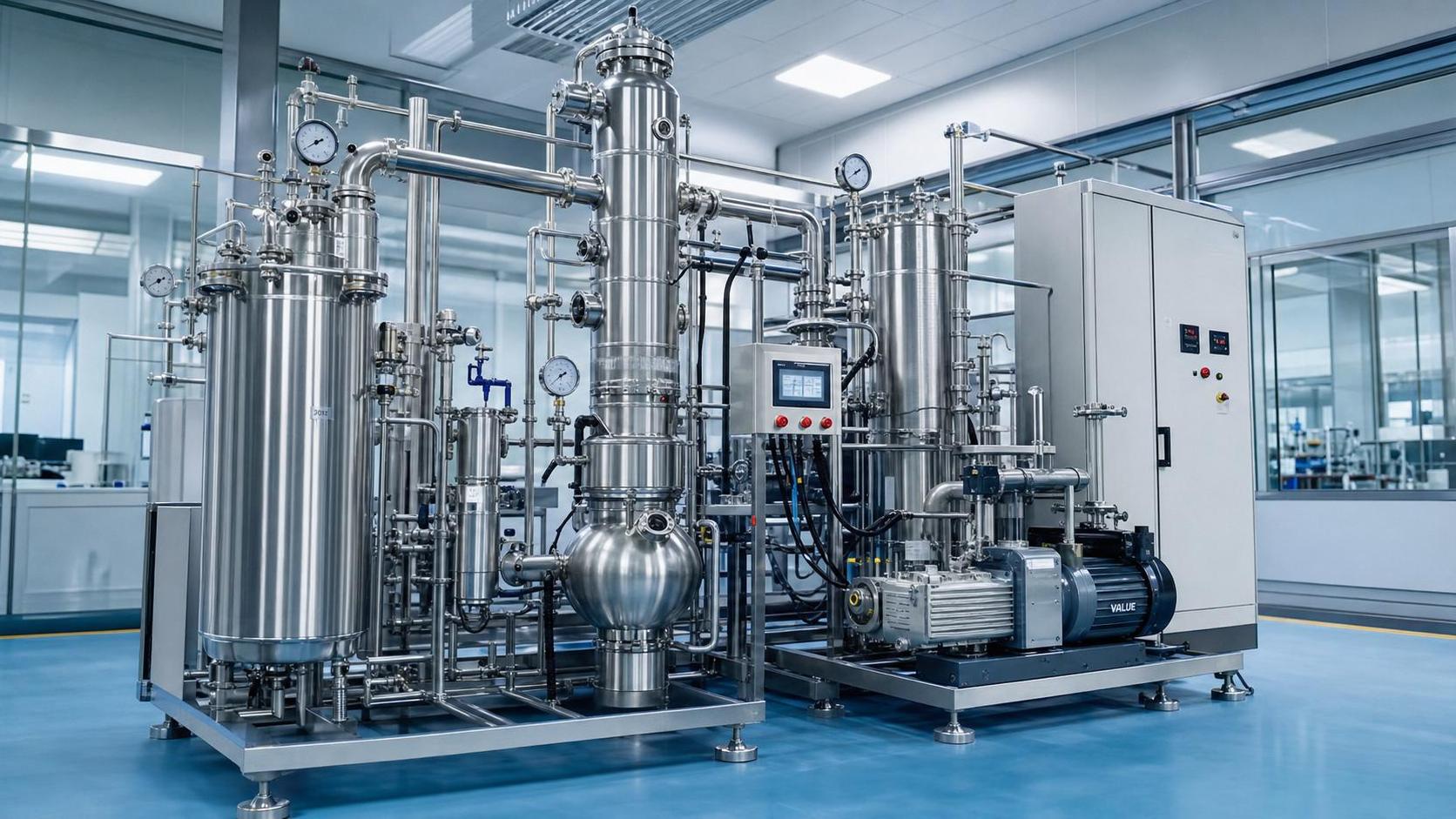
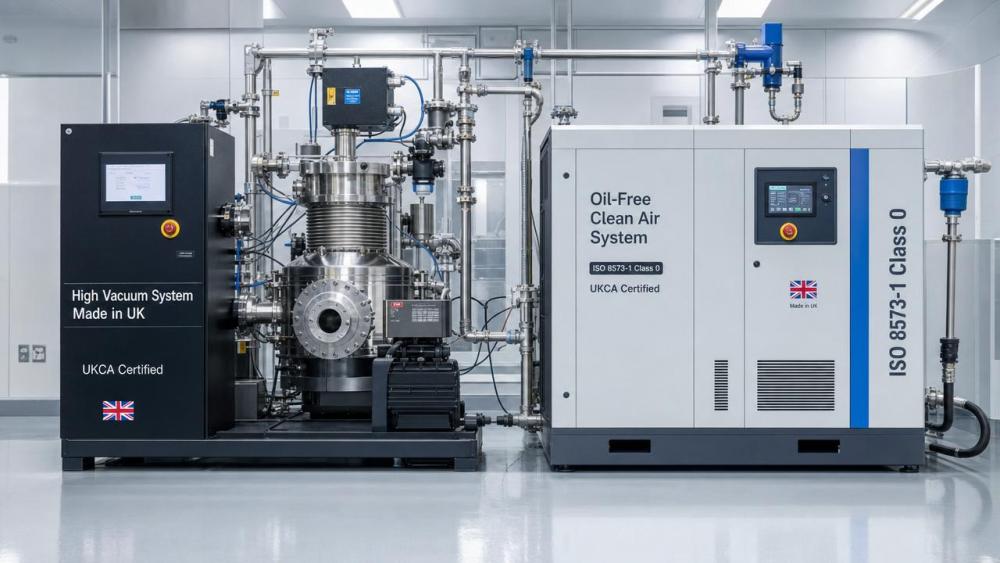
Direct Exporters of Oil-Free Compressed Air Systems: Suppliers serving food, beverage, and dairy processors in the GCC region benefit from aligned certification pathways. Since oil-free air quality is subject to strict hygiene standards (e.g., ISO 8573-1 Class 0), mutual recognition of test reports under the agreement reduces revalidation delays at border control.
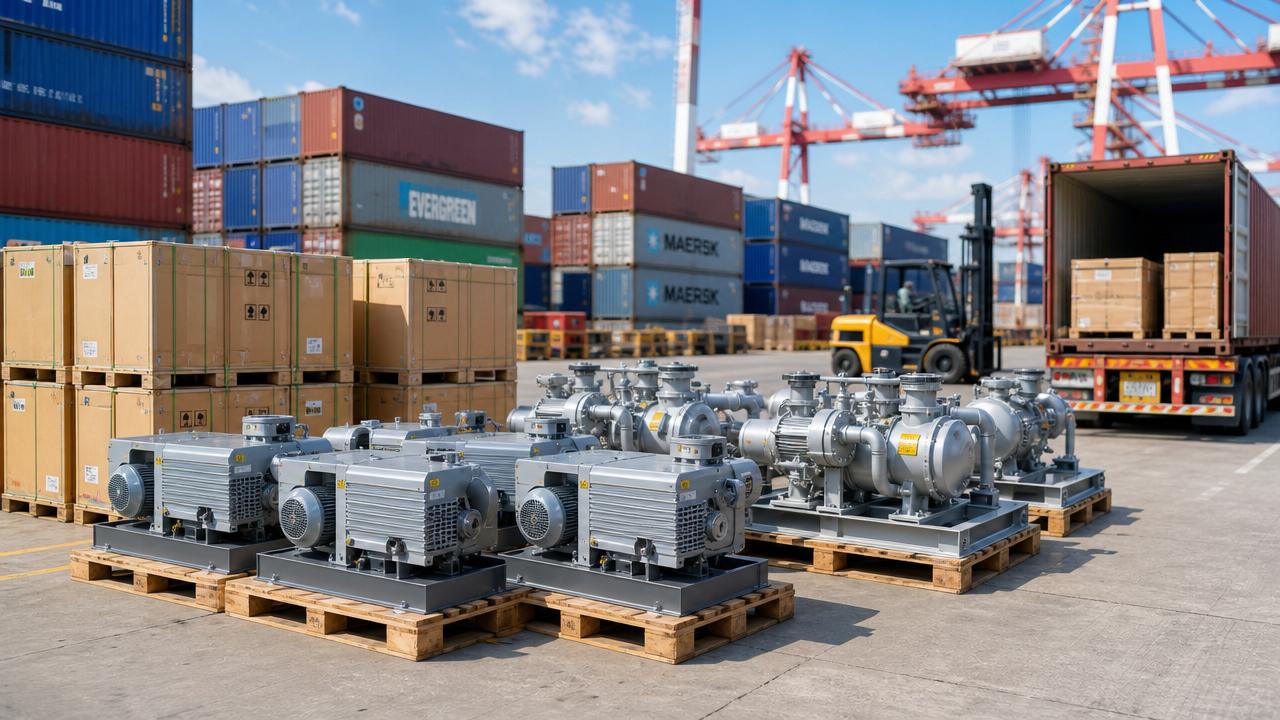
China-Based Manufacturers Using UK as Export Channel: Chinese suppliers of vacuum or oil-free systems may route exports via UK-based entities or distribution partners to leverage the agreement’s preferential treatment. This does not confer automatic eligibility; goods must meet the agreement’s origin criteria and be exported from the UK—not merely transshipped.
Supply Chain and Certification Service Providers: Testing laboratories, conformity assessment bodies, and logistics firms supporting UK–GCC trade may see adjusted demand patterns—for example, fewer duplicate inspections but potentially higher volume of UK-origin declarations requiring verification.
What Relevant Businesses and Practitioners Should Monitor and Do Now
Track official implementation documents and origin criteria
The agreement’s practical effect depends on published rules of origin, product-specific annexes, and procedural guidance from both UK and GCC authorities. Businesses should monitor updates from the UK Department for Business and Trade and GCC Standardization Organization portals—not just press releases.
Verify applicability to specific product lines and certifications
Not all vacuum or oil-free systems automatically qualify. Companies must confirm whether their current CE, UKCA, or ISO certifications fall within the scope of mutual recognition. For instance, Class 0 oil-free air certification issued by a UK-recognized body may now be accepted—but only if explicitly listed in the agreement’s technical annex.
Distinguish between policy signal and operational readiness
The May 20 announcement marks a political agreement, not an active tariff schedule or customs instruction. Clearance improvements will not apply retroactively or immediately upon signing. Actual process changes require integration into national customs IT systems—a step likely taking several months post-ratification.
Review export documentation workflows and UK-based partner capacity
Firms considering UK routing should assess whether their UK partners hold valid exporter registration, maintain traceable origin records, and can issue compliant EUR.1 or UK-origin statements. Preemptive alignment on documentation templates and audit trails is advisable before volume scaling.
Editorial Perspective / Industry Observation
Observably, this agreement functions primarily as a regulatory harmonization signal—not yet an operational lever. Its value lies less in immediate duty reduction (neither side applies high tariffs on most industrial equipment) and more in predictability: standardized conformity pathways reduce uncertainty in lead-time planning and compliance budgeting. Analysis shows that for capital equipment exporters, time-to-market compression matters more than marginal tariff savings. From an industry perspective, the deal is better understood as a foundational enabler for longer-term market expansion—especially for non-GCC manufacturers seeking structured, low-friction entry into the region—rather than a near-term revenue catalyst.
Conclusion
This UK–GCC trade agreement introduces a targeted improvement in regulatory interoperability for two high-precision industrial equipment categories. Its significance resides in streamlining non-tariff barriers—not in creating new markets or altering competitive dynamics outright. Currently, it is best interpreted as an early-stage framework with tangible downstream implications still dependent on implementation fidelity, origin verification rigor, and cross-border customs coordination. Stakeholders should treat it as a strategic inflection point warranting close monitoring—not an executable change overnight.
Information Source: Official announcement by the UK Department for Business and Trade, dated May 20, 2026. Implementation details, ratification status, and technical annexes remain pending public release and are subject to ongoing observation.
Ready when you are. Send us a message to get started.
Related News
- How does base pressure affect film purity in vacuum deposition?Author :Vacuum Process Fellow

- How to size vacuum process equipment for the required pump-down timeAuthor :Vacuum Process Fellow

- Which vacuum specification best protects semiconductor process yield?Author :Vacuum Process Fellow

- How Can Contamination Be Prevented in a Semiconductor Vacuum Chamber?Author :Vacuum Process Fellow

- Which Vacuum Pump Specifications Matter Most for Semiconductor Processes?Author :Vacuum Process Fellow

- How to find leaks in vacuum pump systems before pump performance dropsAuthor :Vacuum Process Fellow

- How to size a Roots blower for vacuum process equipmentAuthor :Vacuum Process Fellow

- How vacuum level affects vacuum process efficiencyAuthor :Vacuum Process Fellow

- China Imposes Temporary Helium Export BanAuthor :Vacuum Process Fellow

- Semiconductor Vacuum Systems Factory Checklist for Process Stability and Cleanroom UseAuthor :Vacuum Process Fellow

- Vacuum Process Optimization Services: Signs Your Line Needs a Performance ReviewAuthor :Vacuum Process Fellow

- Vacuum Chambers for Cleanroom Use: Key Design Points That Prevent ContaminationAuthor :Vacuum Process Fellow

- Vacuum Distillation Systems: Key Performance Metrics That Affect Product PurityAuthor :Vacuum Process Fellow

- Vietnam Halts High Vacuum Pump Import Licenses for 30 DaysAuthor :Vacuum Process Fellow

- Vacuum Technology Database: What to Check Before Using Technical DataAuthor :Vacuum Process Fellow

- Dry Pump Vacuum System Design Mistakes That Raise DowntimeAuthor :Vacuum Process Fellow

- When Vacuum Systems Lose Performance: Common Causes and FixesAuthor :Vacuum Process Fellow
![]()
- EU Tightens EN 13445-3 Weld Testing for Vacuum VesselsAuthor :Vacuum Process Fellow
![]()
- EPA Cuts R-1234ze(E) Quota 35%, Tightening Vacuum Cooling SupplyAuthor :Vacuum Process Fellow
 Quota 35%, Tightening Vacuum Cooling Supply")
- ICA Warns of Tight Copper Alloy Supply for Vacuum PumpsAuthor :Vacuum Process Fellow

- Vacuum System Leak Detection: Signs, Tests, and FixesAuthor :Vacuum Process Fellow

- How to Compare Vacuum Systems Factory Capabilities for Stable Process UptimeAuthor :Vacuum Process Fellow

- Vacuum Pump Lead Times Extend to 26 WeeksAuthor :Vacuum Process Fellow

- Semiconductor Vacuum Systems Explained for Stable Process YieldAuthor :Vacuum Process Fellow

- Vacuum Process Efficiency: 7 Hidden Causes of Energy LossAuthor :Vacuum Process Fellow

- Vacuum Technology Solutions for Stable Low-Pressure ProductionAuthor :Vacuum Process Fellow

- Vacuum Processes: Common Efficiency Losses and FixesAuthor :Vacuum Process Fellow

- Common Vacuum Processes Problems and How to Prevent DowntimeAuthor :Vacuum Process Fellow

- Tantalum Spike Extends Vacuum Crucible Lead TimesAuthor :Vacuum Process Fellow

- Vacuum Process Efficiency: 5 Hidden Losses to Check FirstAuthor :Vacuum Process Fellow

- How Heat Transfer Design Impacts Vacuum Process EfficiencyAuthor :Vacuum Process Fellow

- EN 13445-4:2026 Takes Effect for High-Vacuum ComponentsAuthor :Vacuum Process Fellow

- EU Vacuum Components Face New EN 13445-4:2026 Leak Test RuleAuthor :Vacuum Process Fellow

- UBS: Fed Cut View May Ease Vacuum Pump Lead TimesAuthor :Vacuum Process Fellow

- Vacuum Processes: Common Causes of Unstable PerformanceAuthor :Vacuum Process Fellow
![]()
- SiC Certification Signals New Entry Path for Vacuum and Compressor DrivesAuthor :Vacuum Process Fellow
![]()