Vacuum Technology Solutions for Cleaner Pharmaceutical Processes




In pharmaceutical manufacturing, cleanliness is not a secondary target. It is a core condition for product safety, batch consistency, and regulatory acceptance.
Across drying, filtration, solvent recovery, degassing, and powder transfer, vacuum technology solutions help maintain controlled environments with lower contamination exposure and stronger process stability.
They also support energy efficiency, reduced emissions, and better equipment uptime. These outcomes matter in both legacy plants and new facilities designed for cleaner pharmaceutical processes.
For an intelligence platform such as GTC-Matrix, vacuum performance is closely linked with thermal management, compressed air quality, and system-wide efficiency. That connection shapes smarter technical decisions.
Vacuum Technology Solutions in Pharmaceutical Processing
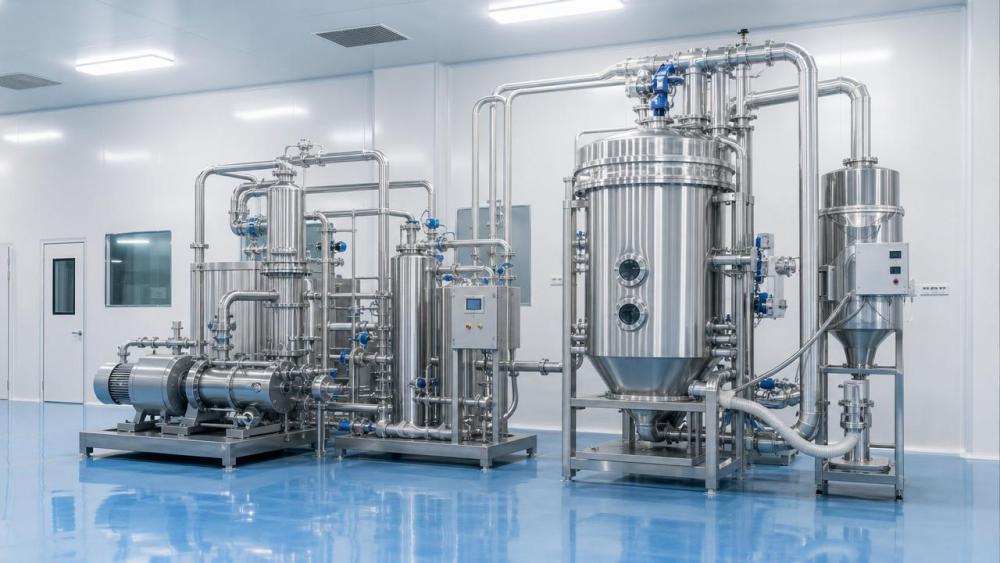
Vacuum technology solutions create pressure conditions below ambient levels. In pharmaceutical operations, this allows sensitive materials to be processed with less oxygen, lower boiling points, and tighter environmental control.
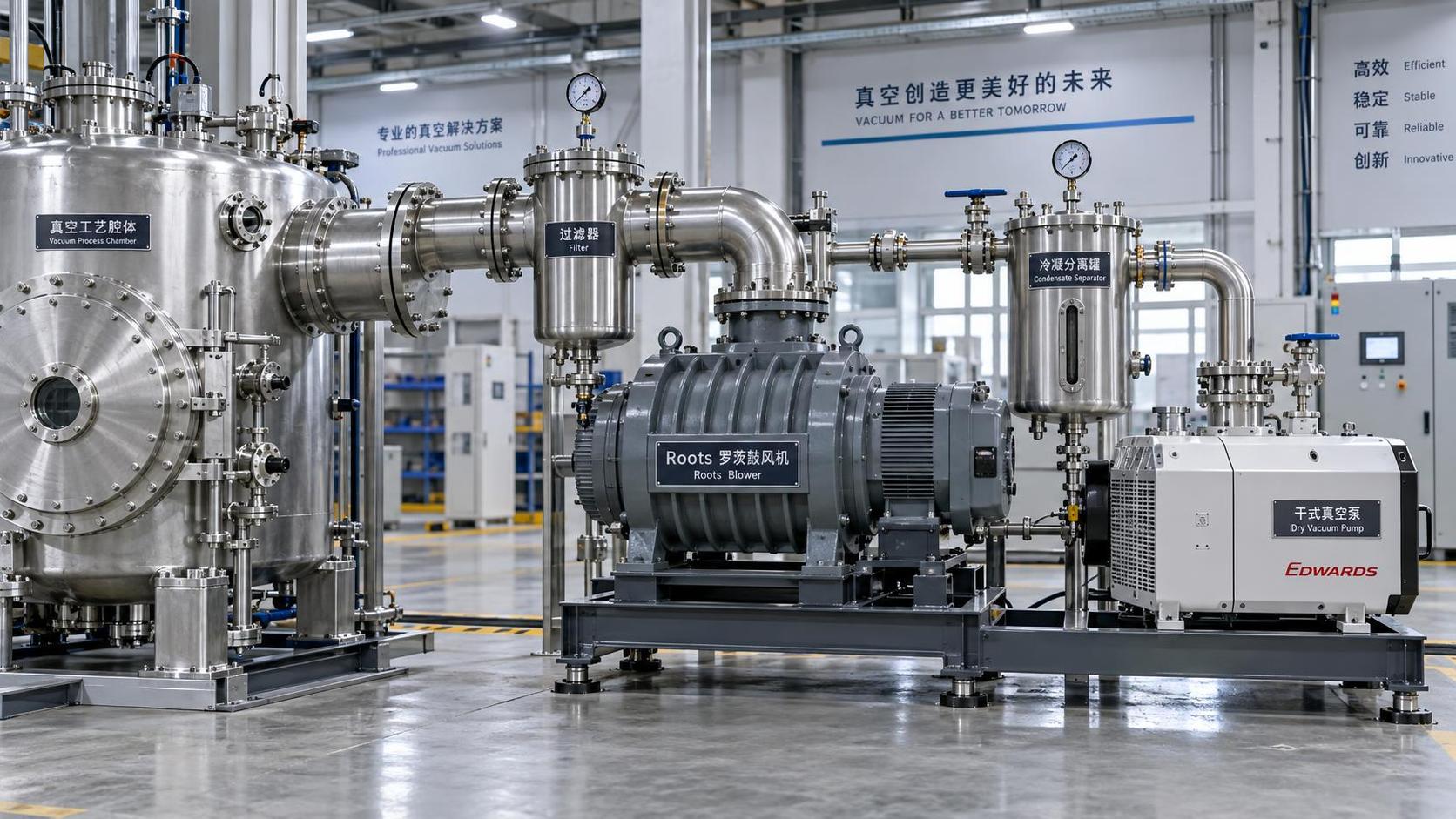
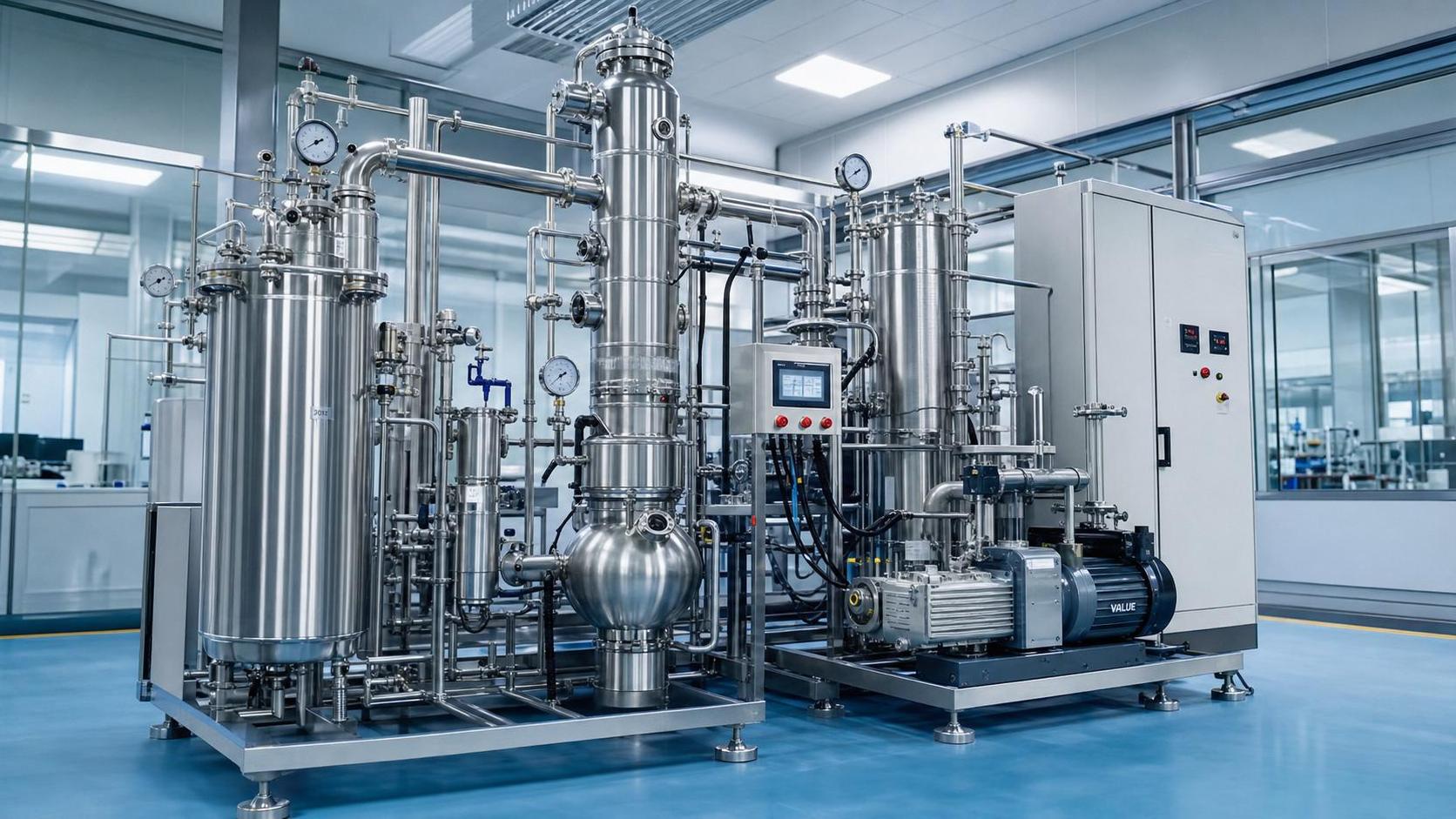
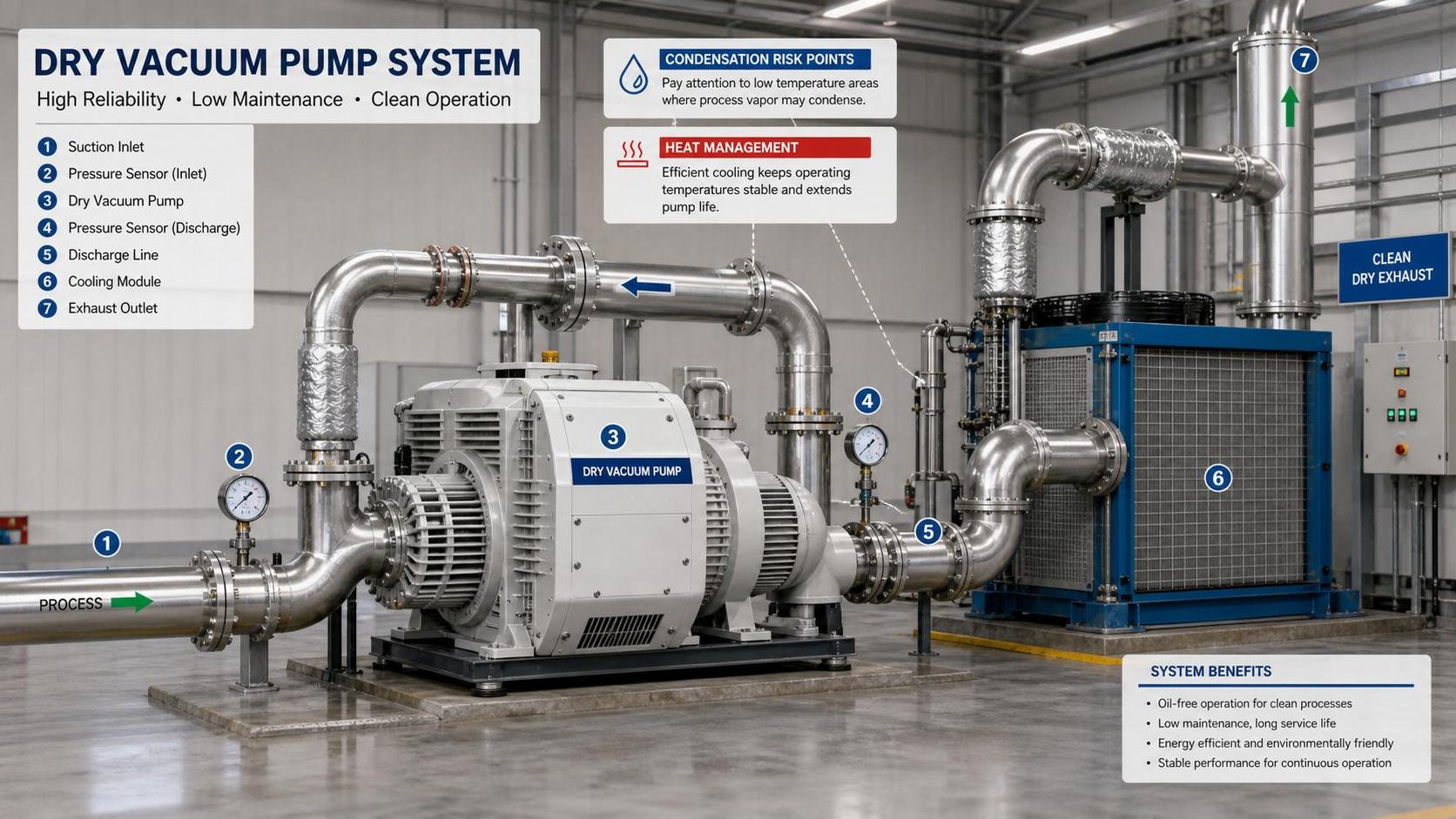
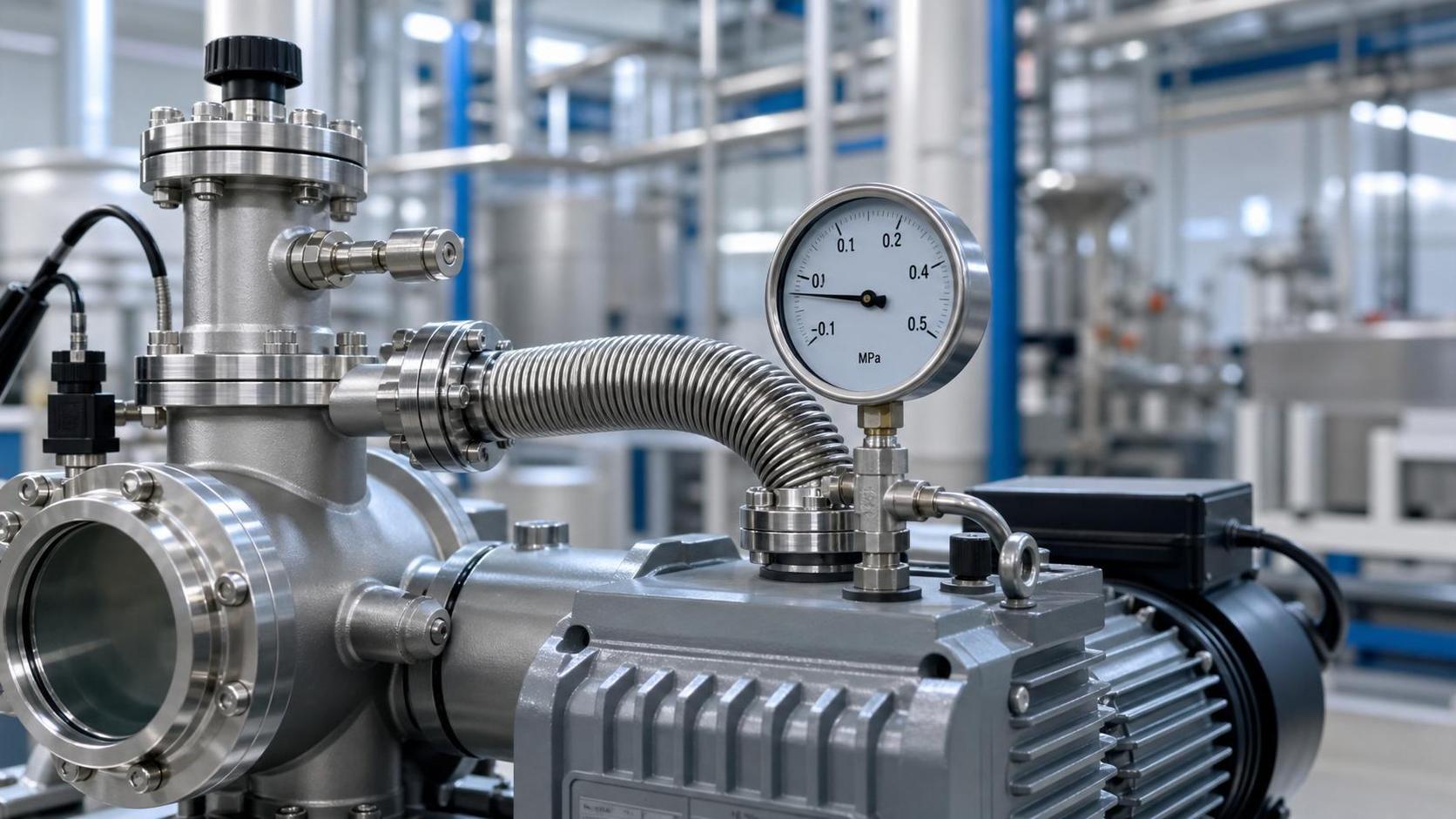
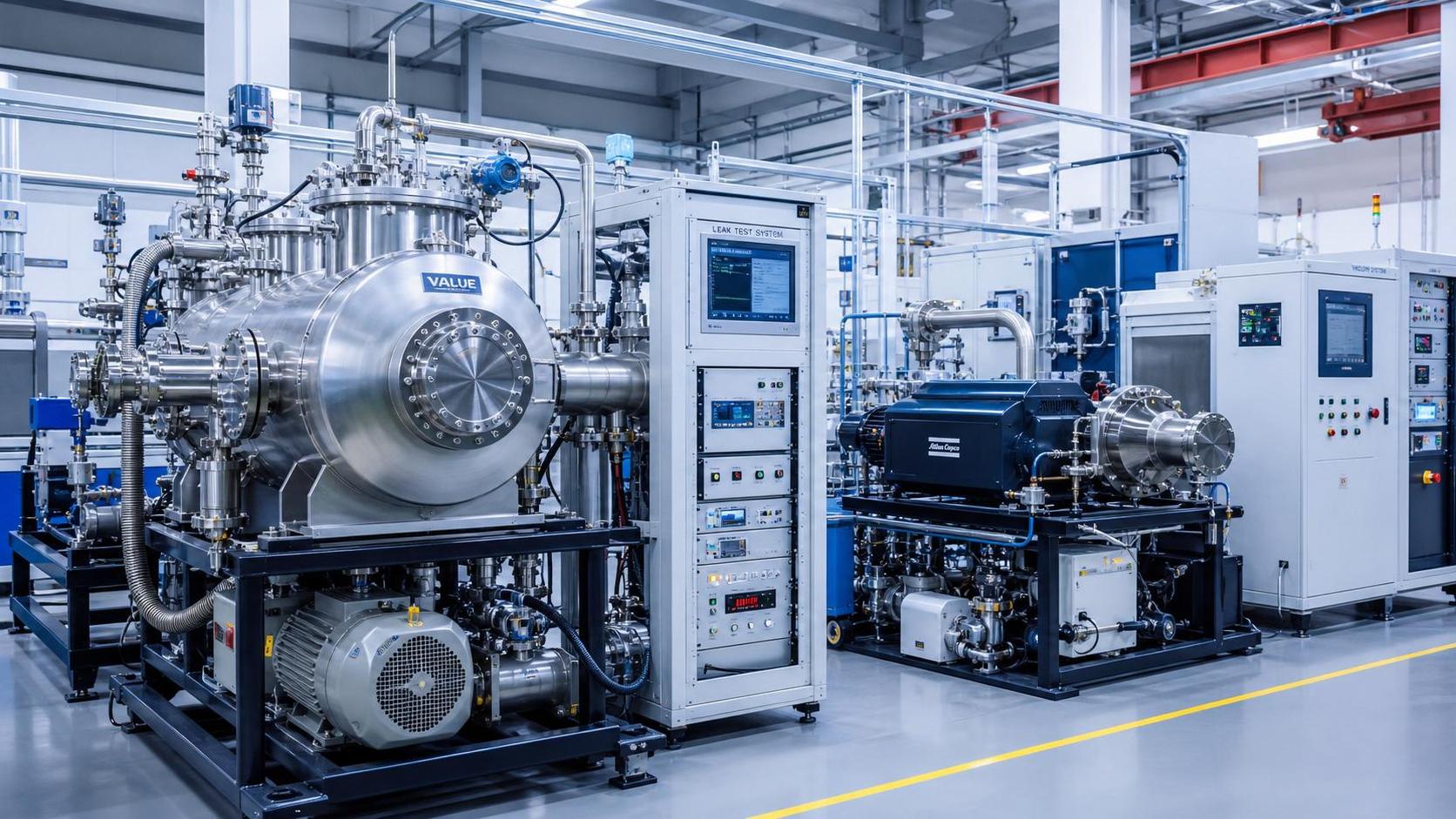
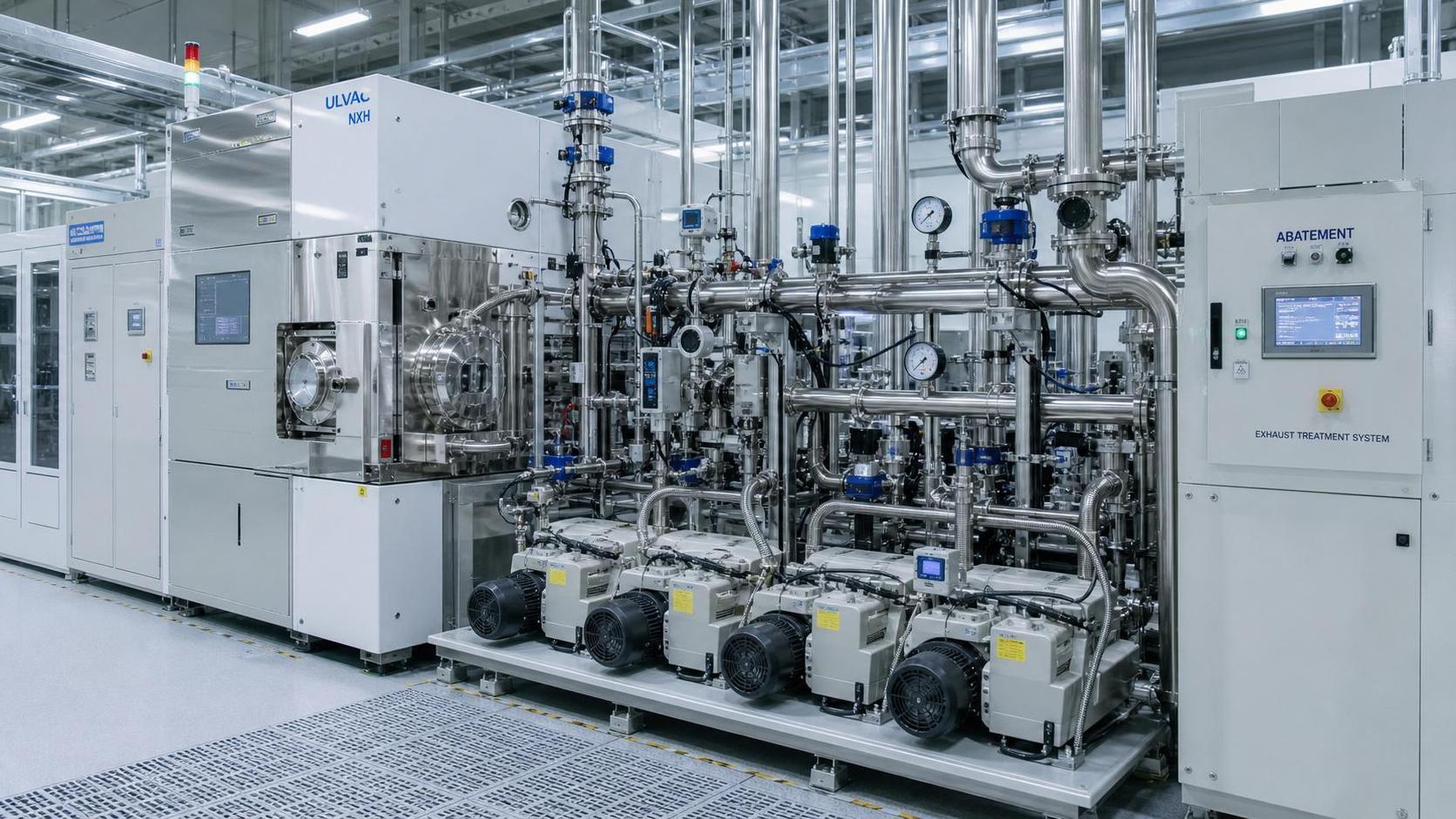
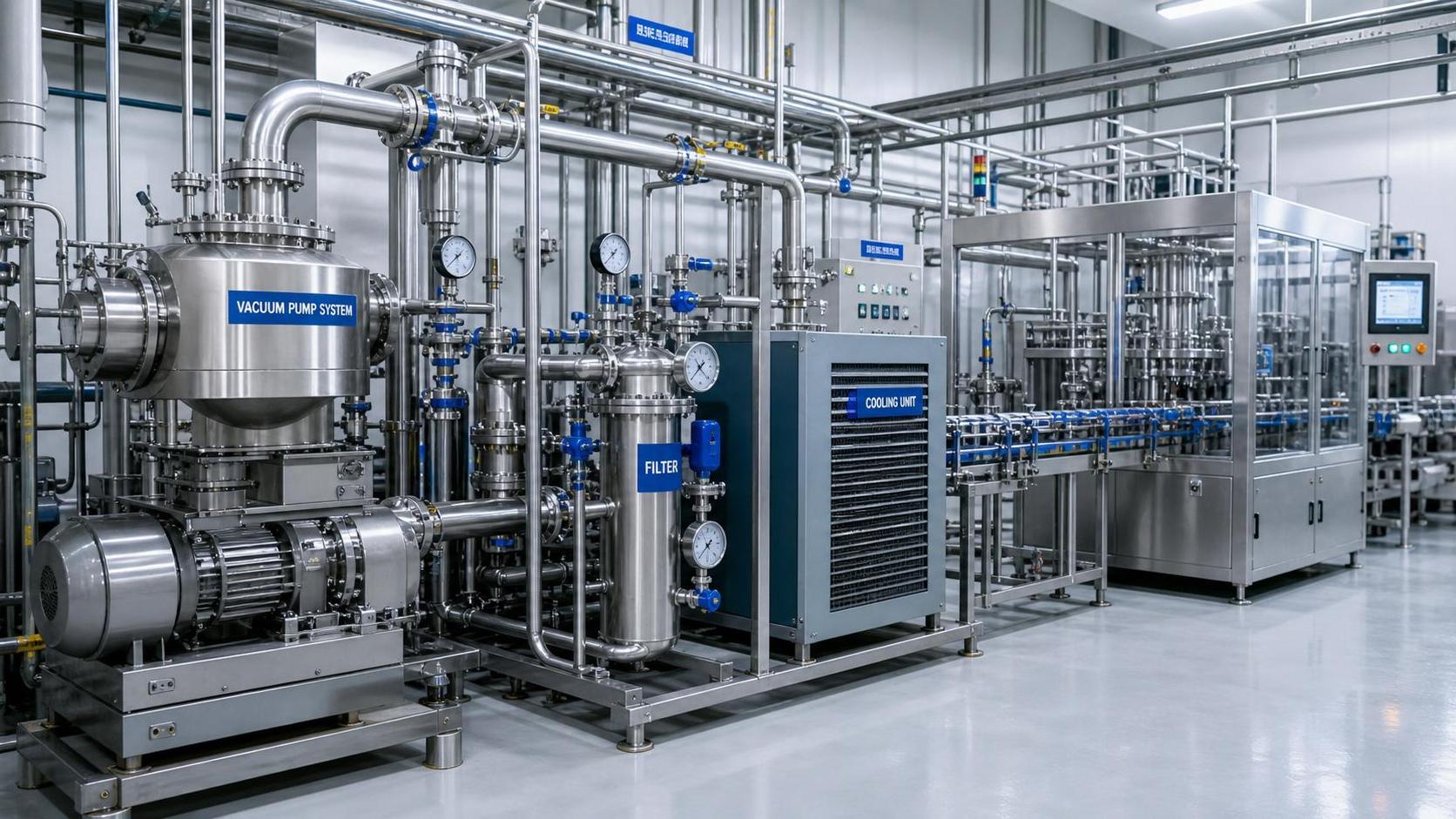
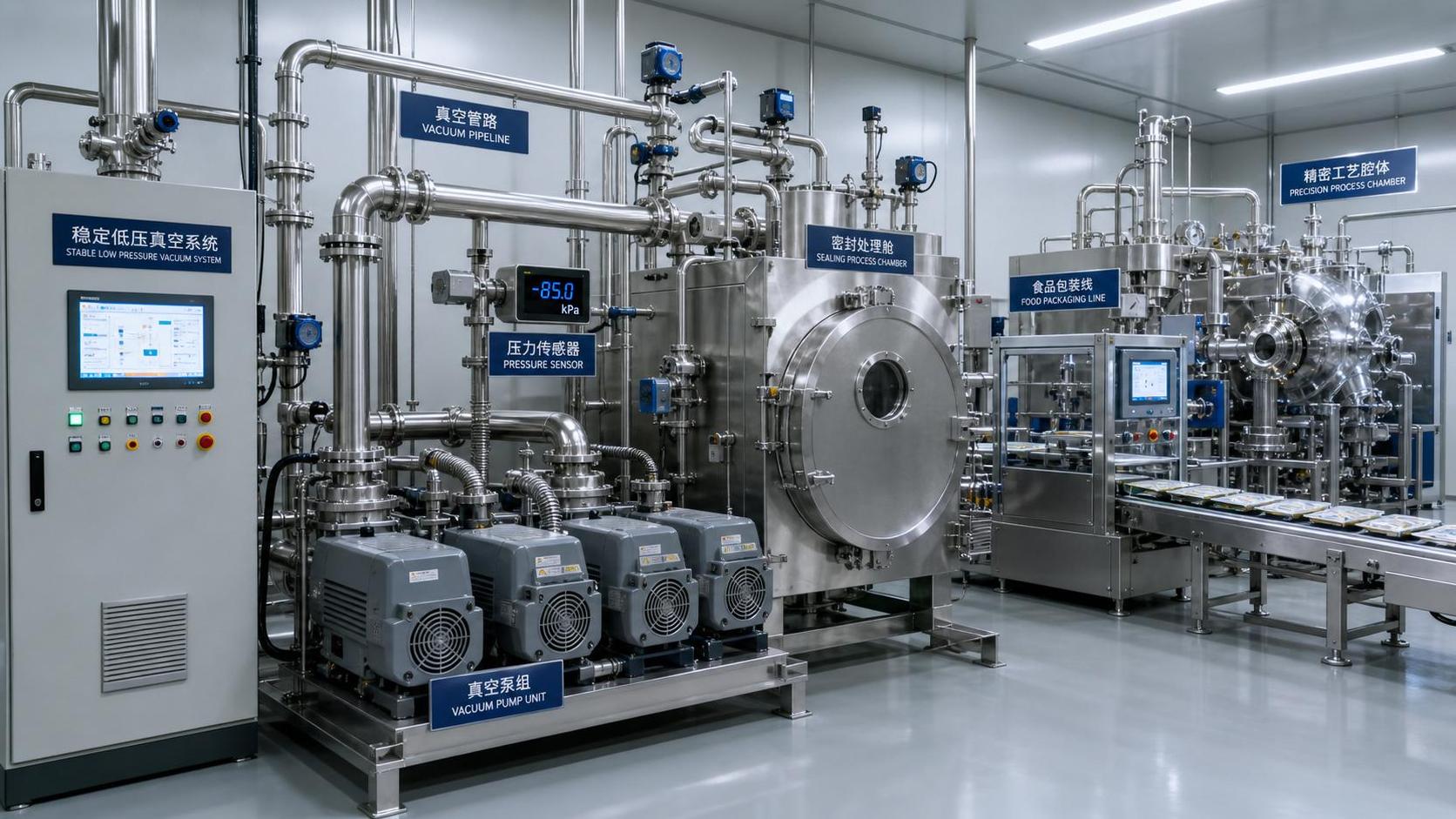
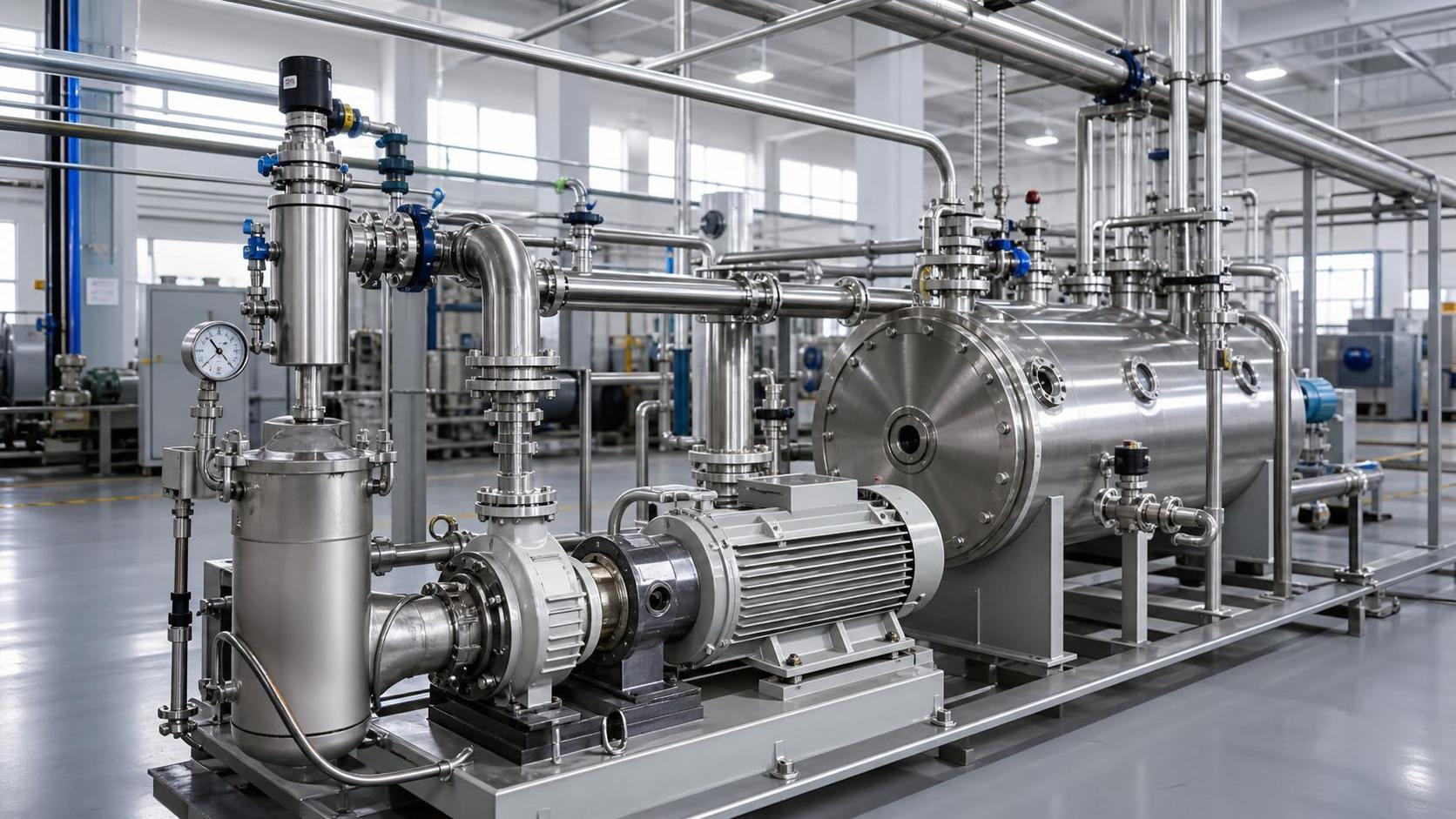
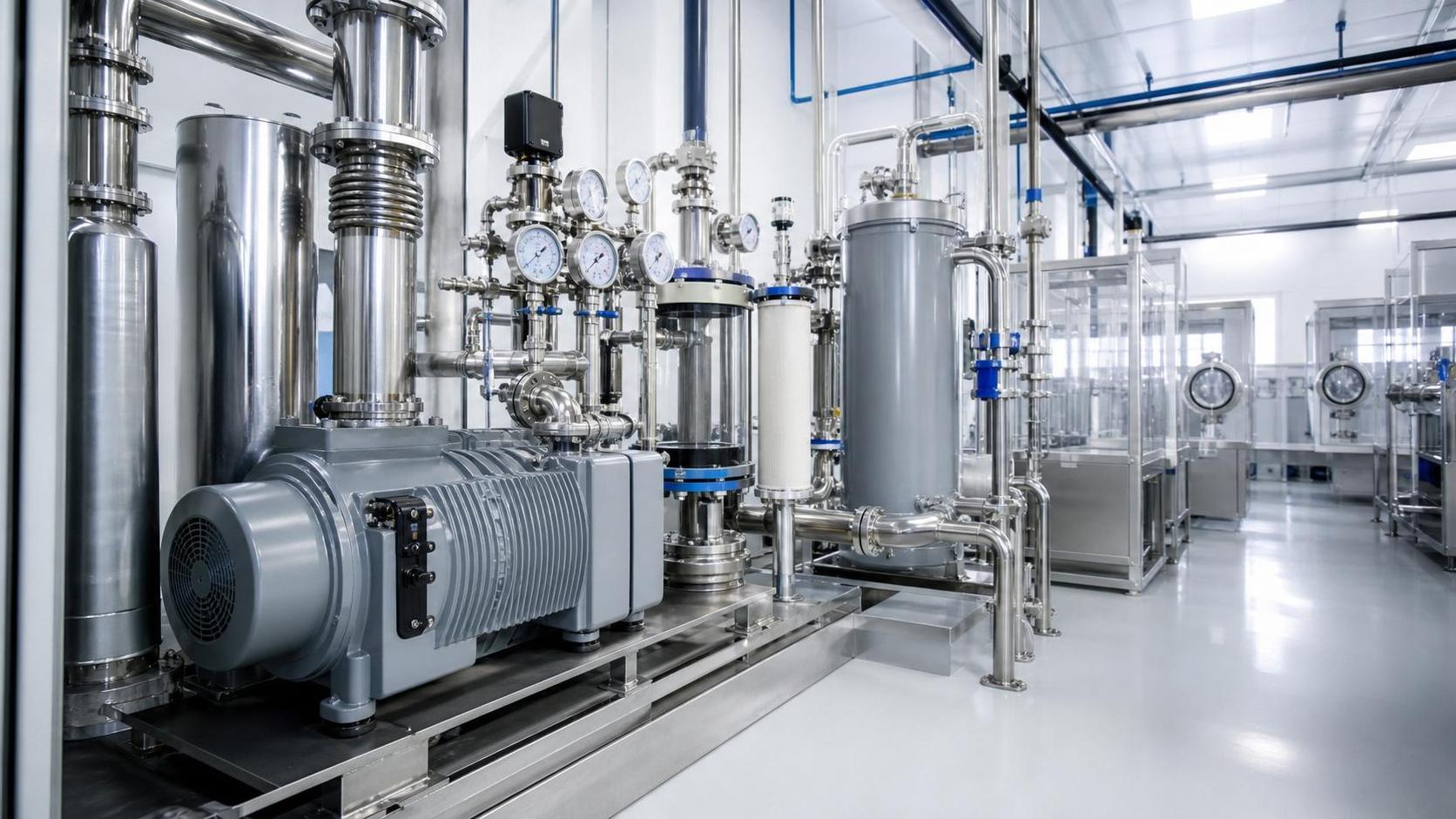
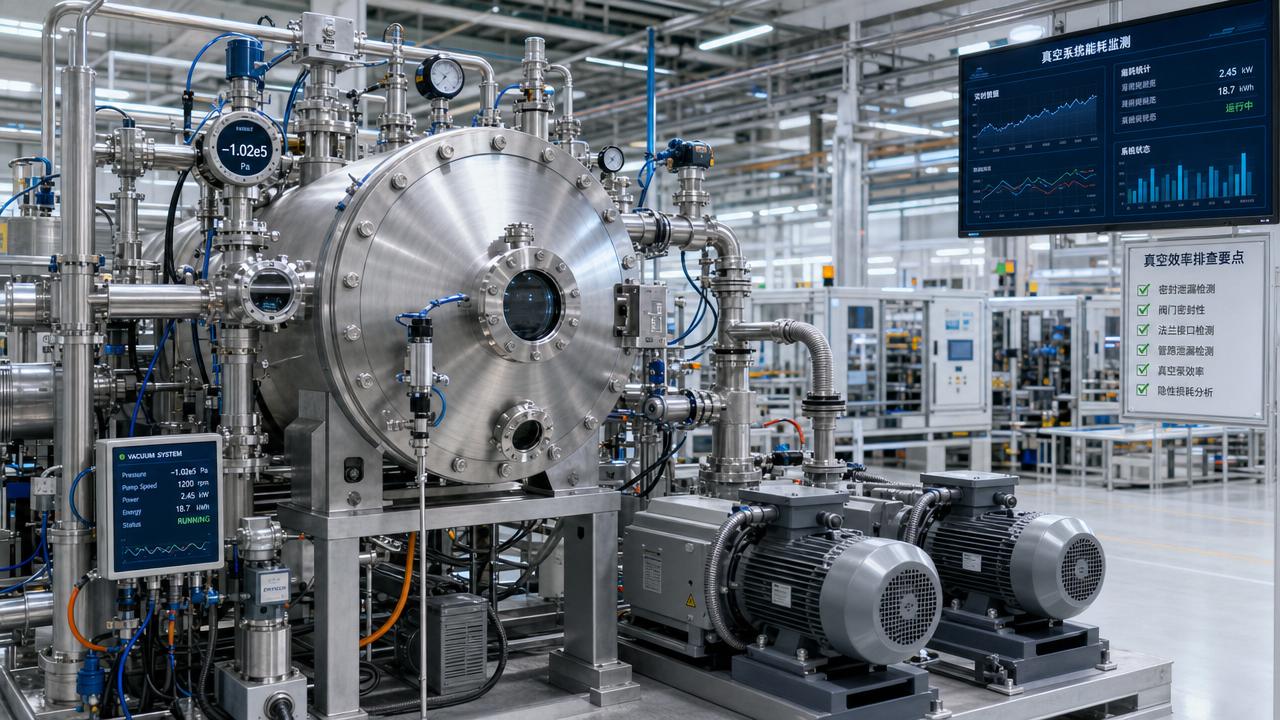
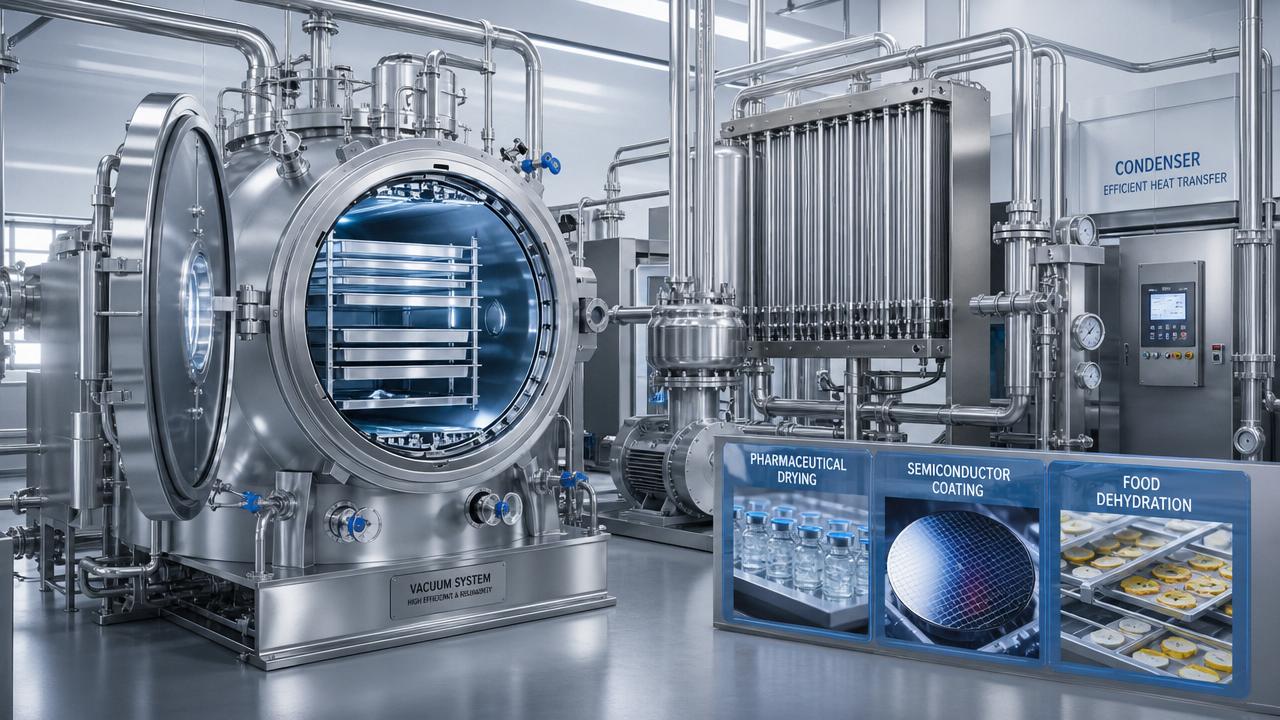
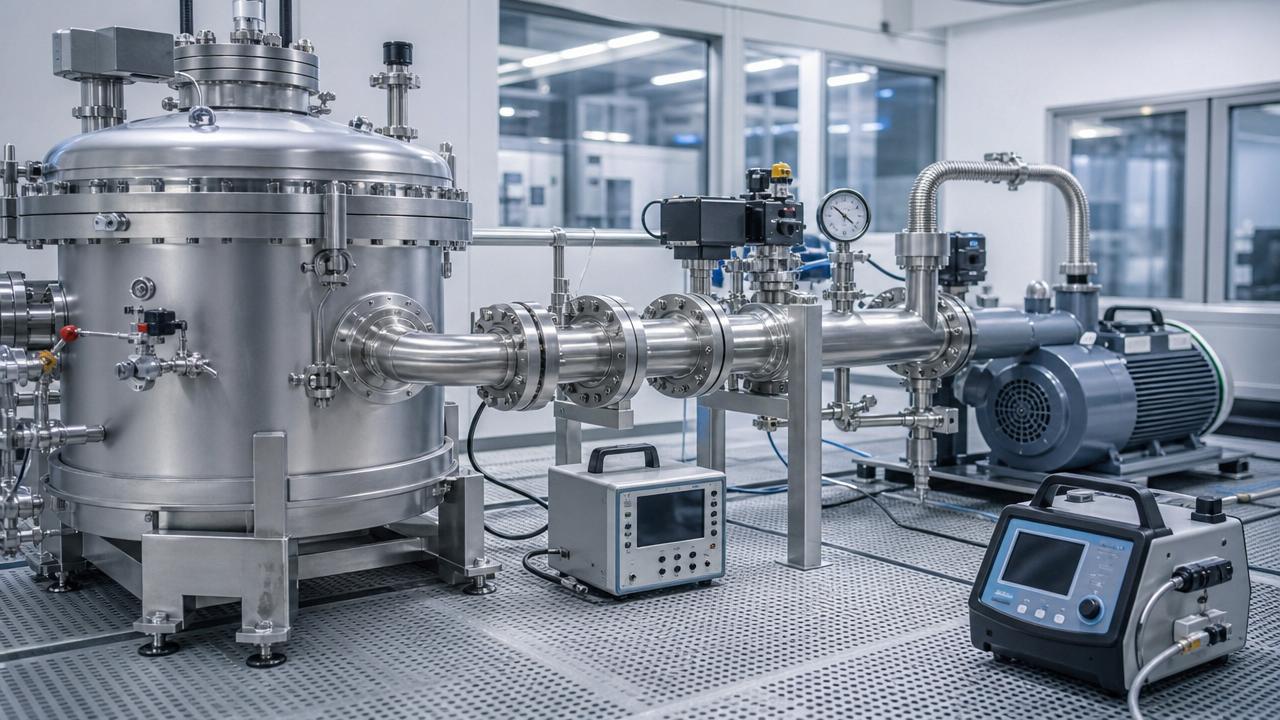
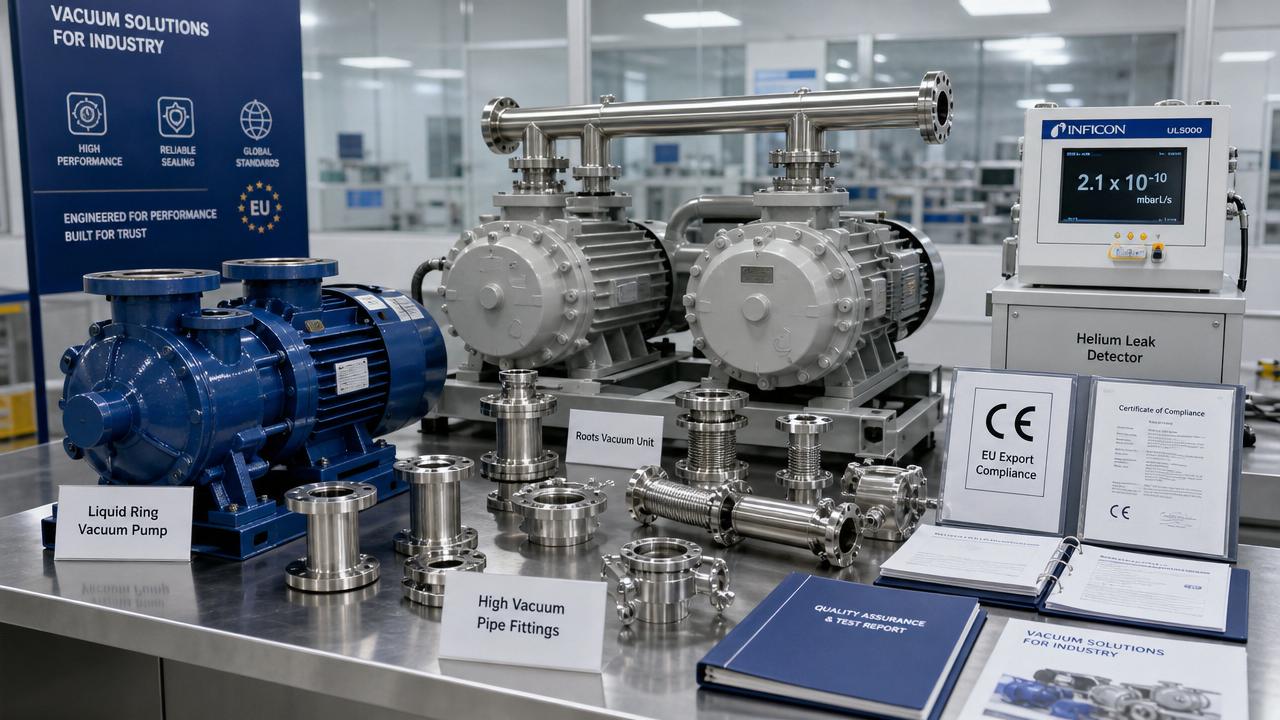
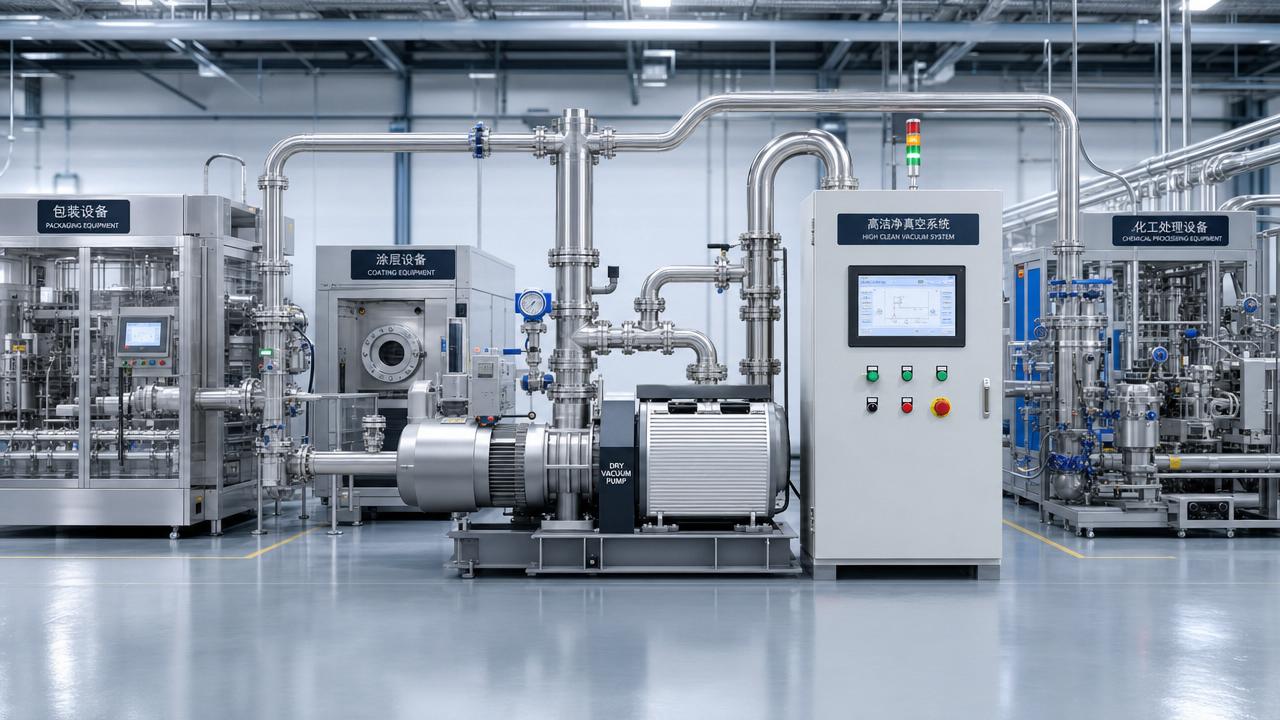
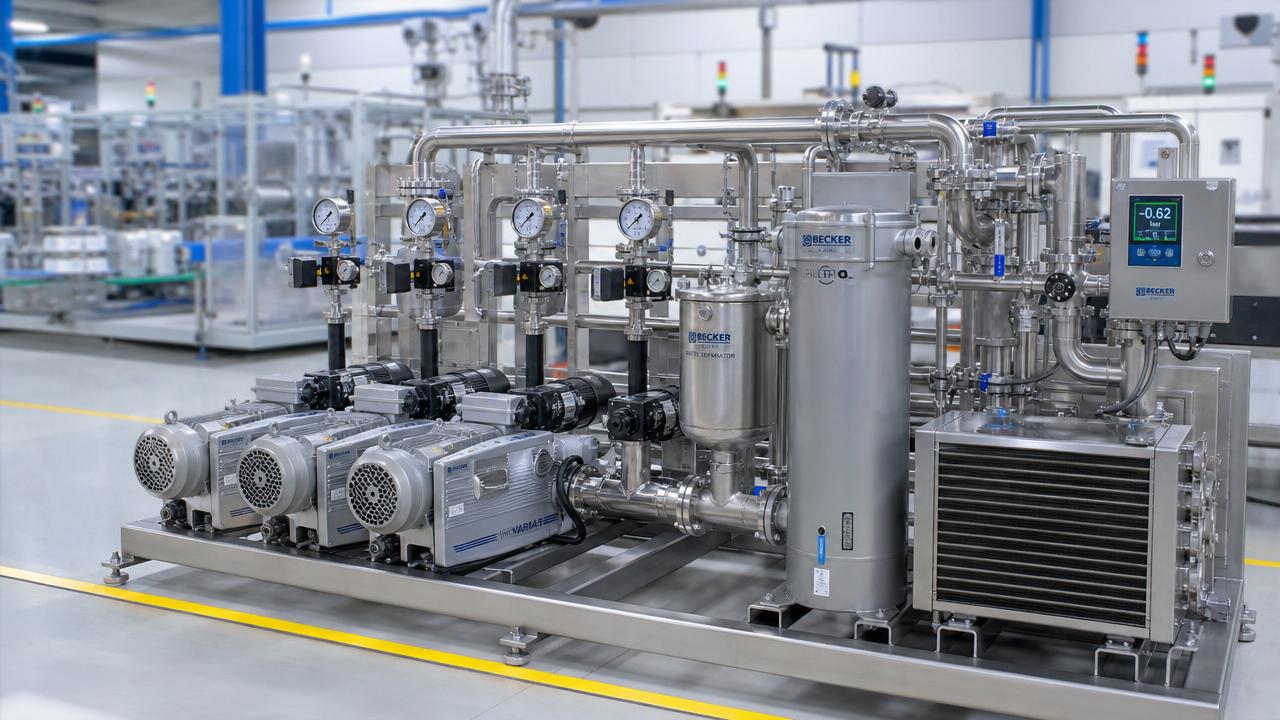
These systems may include dry vacuum pumps, liquid ring pumps, vacuum boosters, condensers, filters, separators, controls, and piping designed for hygienic or clean utility requirements.
The main purpose is not only suction. It is process control. Stable vacuum levels directly affect drying time, solvent handling, filtration speed, and final product quality.
In cleaner pharmaceutical processes, well-designed vacuum technology solutions can also reduce product carryover, simplify cleaning, and lower the risk of cross-contamination between batches.
Core technical characteristics
- Low operating pressure for gentle thermal treatment
- Oil-free compression paths for cleaner contact environments
- Corrosion-resistant materials for aggressive solvents and vapors
- Integrated filtration and vapor recovery for cleaner exhaust streams
- Control logic for stable vacuum during variable production loads
Industry Signals Shaping Cleaner Pharmaceutical Processes
Pharmaceutical production is evolving under pressure from GMP expectations, energy costs, solvent management rules, and stronger demands for documented process reliability.
This makes vacuum technology solutions more important than before. They are now evaluated as part of a wider clean manufacturing strategy, not as isolated utility equipment.
The wider industrial landscape also matters. Thermal loads, cooling availability, compressed air quality, and heat exchange design affect vacuum system performance in daily operation.
That is why integrated intelligence, such as the perspective offered by GTC-Matrix, is useful when comparing technology pathways across pharmaceutical and other clean-process industries.
Operational Value of Vacuum Technology Solutions
The strongest value of vacuum technology solutions appears when they improve both cleanliness and process economics at the same time.
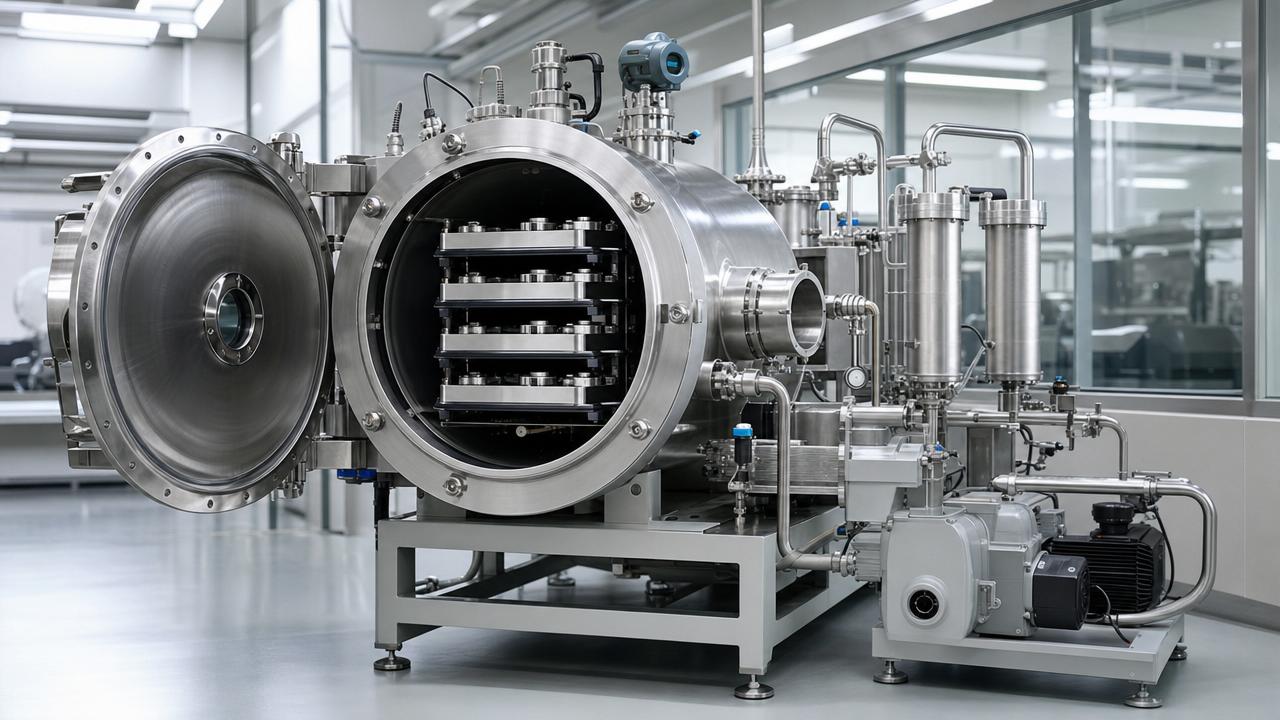
In drying applications, reduced pressure lowers boiling temperatures. This protects heat-sensitive active ingredients, shortens exposure time, and can improve final moisture control.
In filtration, vacuum helps accelerate liquid separation while maintaining more controlled product handling. This is useful in intermediate production and final polishing stages.
For degassing, vacuum technology solutions remove entrained gases from liquids and semi-solids. That supports formulation stability and can reduce packaging or downstream filling issues.
For material transfer, enclosed vacuum conveying can limit ambient contamination, reduce dust escape, and support cleaner room conditions where powders are handled frequently.
Business and process benefits
- Cleaner operation with lower product exposure
- Reduced cross-contamination risk across batches
- Improved process repeatability and validation support
- Lower solvent loss through capture and recovery systems
- Potential energy savings through better sizing and controls
- Higher uptime with robust dry-running configurations
Typical Pharmaceutical Applications and System Types
Not every process needs the same vacuum arrangement. Selection depends on product sensitivity, solvent content, cleanliness target, and required pressure stability.
Dry vacuum systems are often favored in cleaner pharmaceutical processes because they avoid oil in the compression chamber and simplify contamination control strategies.
However, wet or hybrid configurations can still be relevant where vapor loads are high, solvent compatibility is critical, or existing infrastructure sets practical limits.
Implementation Considerations for Reliable Performance
Effective vacuum technology solutions depend on system design, not only pump choice. Oversizing, poor vapor management, and unstable controls often reduce efficiency and reliability.
Key evaluation points
- Match vacuum level and pumping speed to real process conditions
- Review solvent type, condensable load, and corrosion risk
- Use suitable filtration to protect pumps from powders and droplets
- Assess cleaning access, drainability, and maintenance intervals
- Integrate controls with plant monitoring and alarm systems
- Check heat rejection and cooling utility availability
Noise, vibration, and footprint also matter in pharmaceutical plants with tight utility corridors and shared clean support spaces.
Another important factor is documentation. Reliable vacuum technology solutions should support maintenance records, operating trend capture, and traceable performance verification.
Where facilities are pursuing energy and decarbonization targets, it is useful to compare central and decentralized vacuum architectures. Each has different implications for redundancy and heat recovery.
Practical Direction for Cleaner and More Efficient Upgrades
The most practical path begins with a process map. Identify where vacuum directly affects purity, thermal stress, solvent emissions, and cycle time.
Then compare current performance with target conditions. Focus on pressure stability, product exposure points, maintenance history, and exhaust treatment quality.
Vacuum technology solutions deliver the best results when connected with broader utility intelligence. Cooling, heat exchange, and compressed air conditions can influence real-world performance more than expected.
GTC-Matrix provides a valuable perspective for this broader assessment, linking thermodynamic logic with industrial power systems and evolving clean manufacturing demands.
For cleaner pharmaceutical processes, the next step is clear: evaluate vacuum technology solutions as part of an integrated process reliability strategy, not as a single equipment purchase.
A focused review of application needs, vapor loads, contamination risks, and energy behavior can reveal where upgrades will produce measurable operational gains.
When vacuum system design aligns with cleaner production goals, pharmaceutical operations can achieve stronger purity control, better efficiency, and more dependable long-term compliance.
Related News
- How Can Contamination Be Prevented in a Semiconductor Vacuum Chamber?Author :Vacuum Process Fellow

- Which Vacuum Pump Specifications Matter Most for Semiconductor Processes?Author :Vacuum Process Fellow

- How to find leaks in vacuum pump systems before pump performance dropsAuthor :Vacuum Process Fellow

- How to size a Roots blower for vacuum process equipmentAuthor :Vacuum Process Fellow

- How vacuum level affects vacuum process efficiencyAuthor :Vacuum Process Fellow

- China Imposes Temporary Helium Export BanAuthor :Vacuum Process Fellow

- Semiconductor Vacuum Systems Factory Checklist for Process Stability and Cleanroom UseAuthor :Vacuum Process Fellow

- Vacuum Process Optimization Services: Signs Your Line Needs a Performance ReviewAuthor :Vacuum Process Fellow

- Vacuum Chambers for Cleanroom Use: Key Design Points That Prevent ContaminationAuthor :Vacuum Process Fellow

- Vacuum Distillation Systems: Key Performance Metrics That Affect Product PurityAuthor :Vacuum Process Fellow

- Vietnam Halts High Vacuum Pump Import Licenses for 30 DaysAuthor :Vacuum Process Fellow

- Vacuum Technology Database: What to Check Before Using Technical DataAuthor :Vacuum Process Fellow

- Dry Pump Vacuum System Design Mistakes That Raise DowntimeAuthor :Vacuum Process Fellow

- When Vacuum Systems Lose Performance: Common Causes and FixesAuthor :Vacuum Process Fellow
![]()
- EU Tightens EN 13445-3 Weld Testing for Vacuum VesselsAuthor :Vacuum Process Fellow
![]()
- EPA Cuts R-1234ze(E) Quota 35%, Tightening Vacuum Cooling SupplyAuthor :Vacuum Process Fellow
 Quota 35%, Tightening Vacuum Cooling Supply")
- ICA Warns of Tight Copper Alloy Supply for Vacuum PumpsAuthor :Vacuum Process Fellow

- Vacuum System Leak Detection: Signs, Tests, and FixesAuthor :Vacuum Process Fellow

- How to Compare Vacuum Systems Factory Capabilities for Stable Process UptimeAuthor :Vacuum Process Fellow

- Vacuum Pump Lead Times Extend to 26 WeeksAuthor :Vacuum Process Fellow

- Semiconductor Vacuum Systems Explained for Stable Process YieldAuthor :Vacuum Process Fellow

- Vacuum Process Efficiency: 7 Hidden Causes of Energy LossAuthor :Vacuum Process Fellow

- Vacuum Technology Solutions for Stable Low-Pressure ProductionAuthor :Vacuum Process Fellow

- Vacuum Processes: Common Efficiency Losses and FixesAuthor :Vacuum Process Fellow

- Common Vacuum Processes Problems and How to Prevent DowntimeAuthor :Vacuum Process Fellow

- Tantalum Spike Extends Vacuum Crucible Lead TimesAuthor :Vacuum Process Fellow

- Vacuum Process Efficiency: 5 Hidden Losses to Check FirstAuthor :Vacuum Process Fellow

- How Heat Transfer Design Impacts Vacuum Process EfficiencyAuthor :Vacuum Process Fellow

- EN 13445-4:2026 Takes Effect for High-Vacuum ComponentsAuthor :Vacuum Process Fellow

- EU Vacuum Components Face New EN 13445-4:2026 Leak Test RuleAuthor :Vacuum Process Fellow

- UBS: Fed Cut View May Ease Vacuum Pump Lead TimesAuthor :Vacuum Process Fellow

- Vacuum Processes: Common Causes of Unstable PerformanceAuthor :Vacuum Process Fellow
![]()
- SiC Certification Signals New Entry Path for Vacuum and Compressor DrivesAuthor :Vacuum Process Fellow
![]()
- How to Choose the Right Vacuum System for Process StabilityAuthor :Vacuum Process Fellow

- Vacuum Technology Selection: What Matters Most for Stable Process PerformanceAuthor :Vacuum Process Fellow

- Vacuum Processes: How to Reduce Contamination and Improve Cycle ConsistencyAuthor :Vacuum Process Fellow