Vacuum Technology Solutions: How to Cut Downtime in High Vacuum Lines




For after-sales maintenance teams, downtime in high vacuum lines quickly turns into scrap risk, delayed delivery, and higher service costs. Strong vacuum technology solutions reduce these interruptions by improving leak control, contamination management, pump performance, and fault diagnosis.
This guide answers the most searched questions around vacuum technology solutions in complex industrial environments. It focuses on practical steps that improve uptime, stabilize process quality, and support faster maintenance decisions across sectors.
What causes most downtime in high vacuum lines?
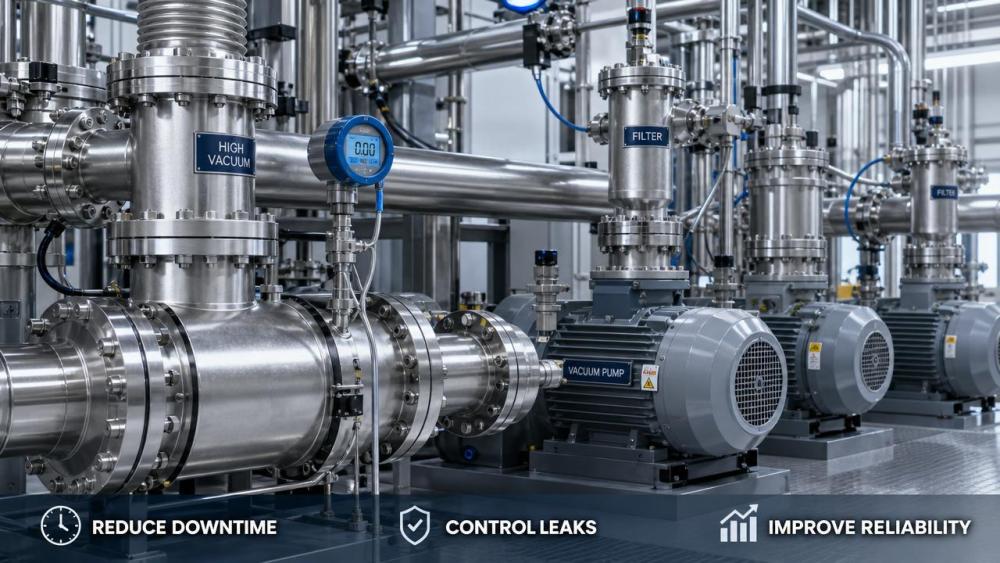
Most failures start with small issues that remain unnoticed. In high vacuum systems, minor leaks, oil backstreaming, clogged filters, unstable cooling, and poor valve response often create major downtime later.
High vacuum lines are sensitive because pressure margins are narrow. A small loss of sealing integrity can extend pump-down time, shift process windows, and create repeat alarms.
Common root causes include:
- Flange leaks caused by aging seals or incorrect torque
- Pump wear from contamination, overheating, or poor lubrication
- Moisture or particles entering during chamber loading
- Sensor drift that hides pressure instability
- Improper shutdown or venting procedures
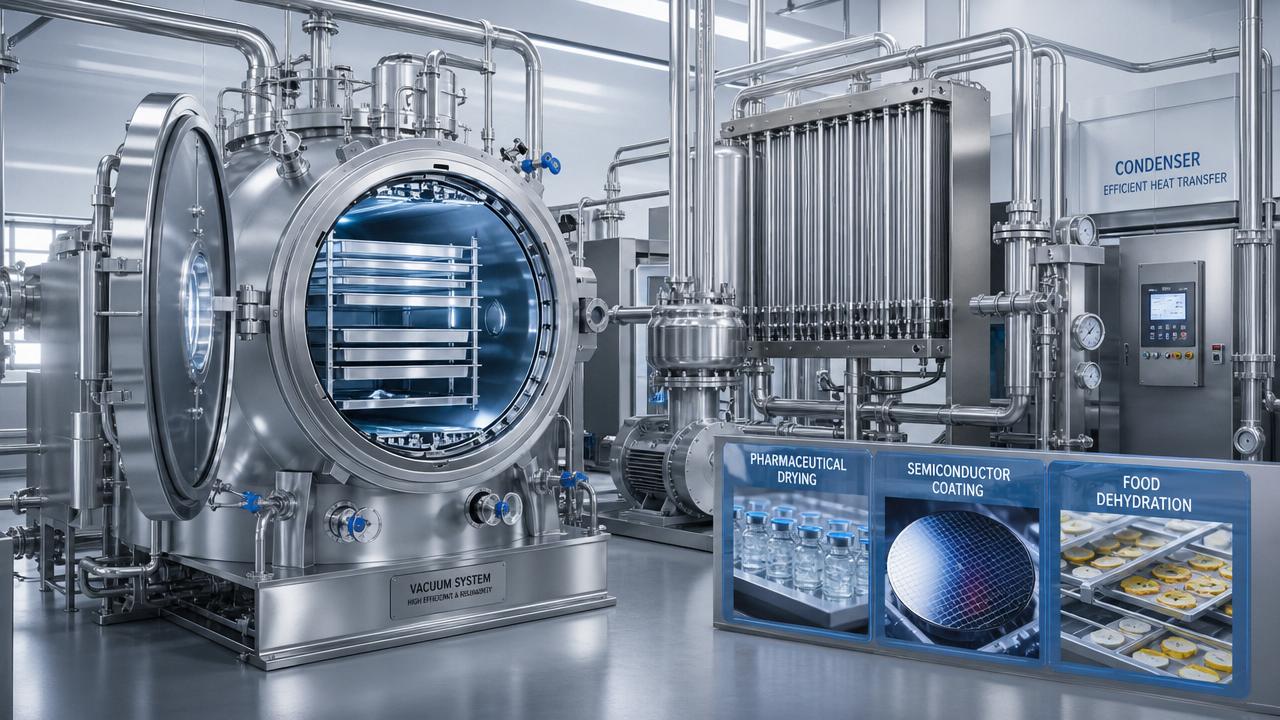
In semiconductor, coating, laboratory, food, and pharmaceutical environments, downtime often has both mechanical and process origins. That is why vacuum technology solutions must cover the full line, not only the pump.
How do vacuum technology solutions reduce leak-related failures?
Leak control is the fastest route to measurable uptime gains. Effective vacuum technology solutions combine better detection methods, sealing discipline, and repair prioritization based on leak severity.
The first step is to classify leaks correctly. Real leaks differ from virtual leaks, trapped volumes, and outgassing. Misdiagnosis leads to unnecessary part replacement and longer downtime.
A practical leak reduction routine includes:
- Check recent maintenance points first, including flanges, valves, and feedthroughs.
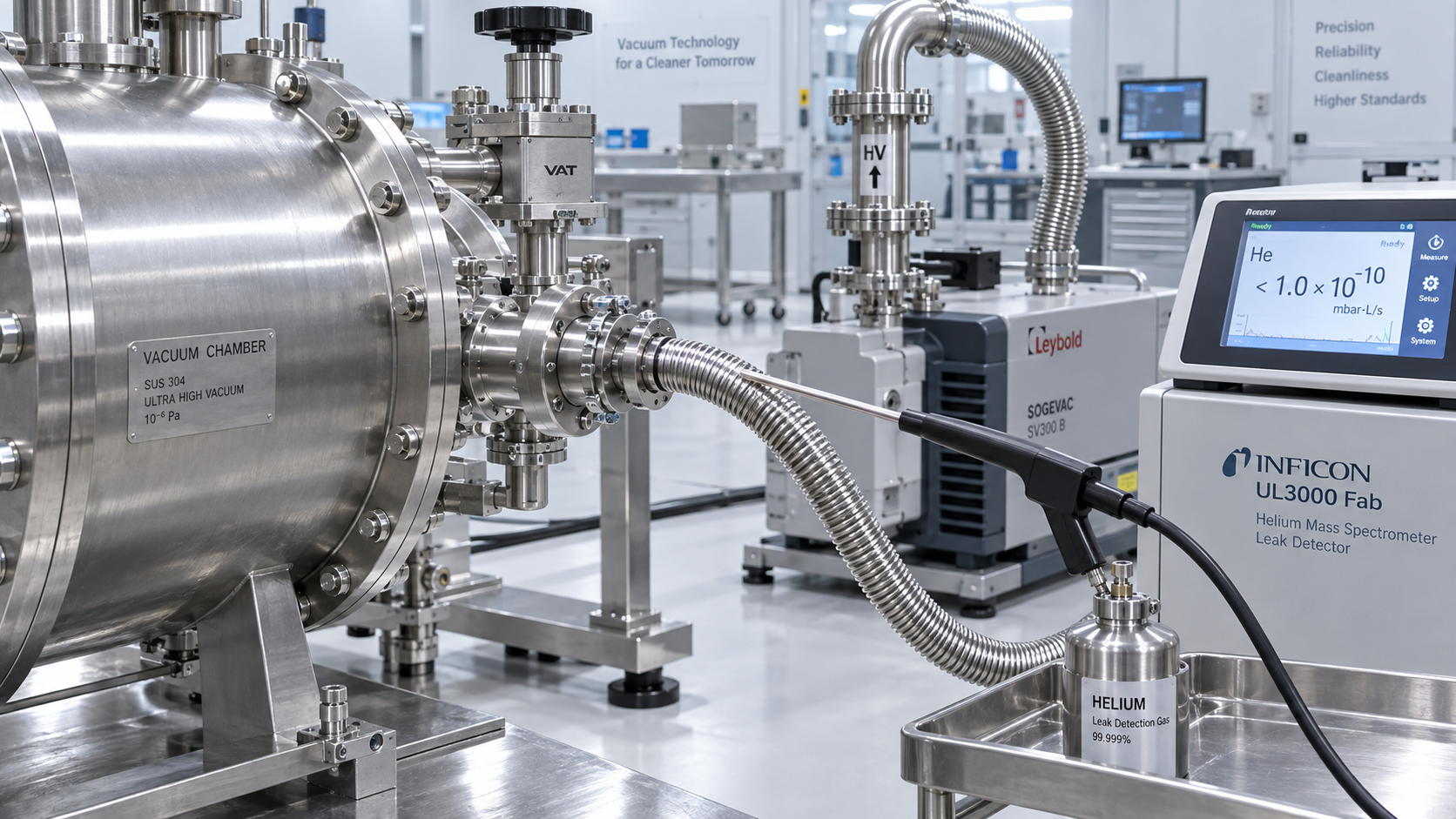
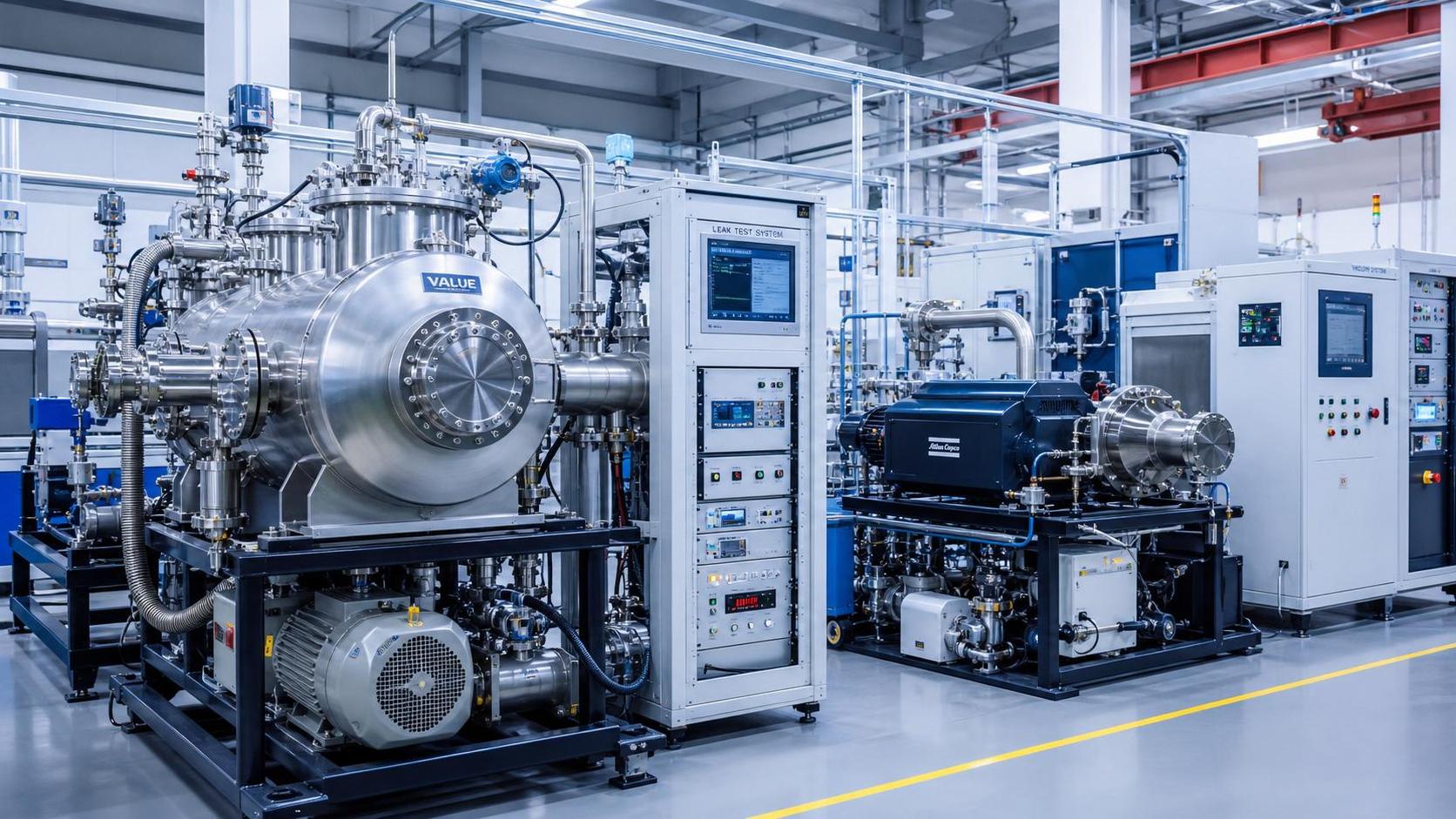
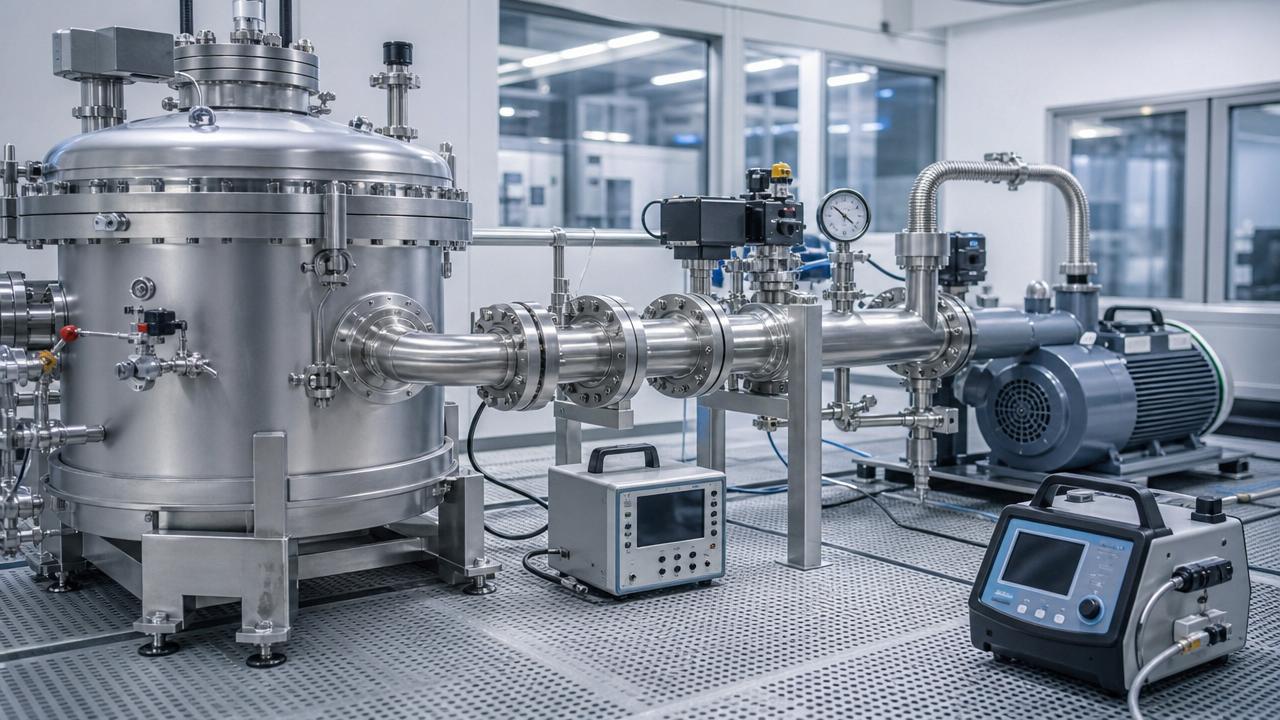
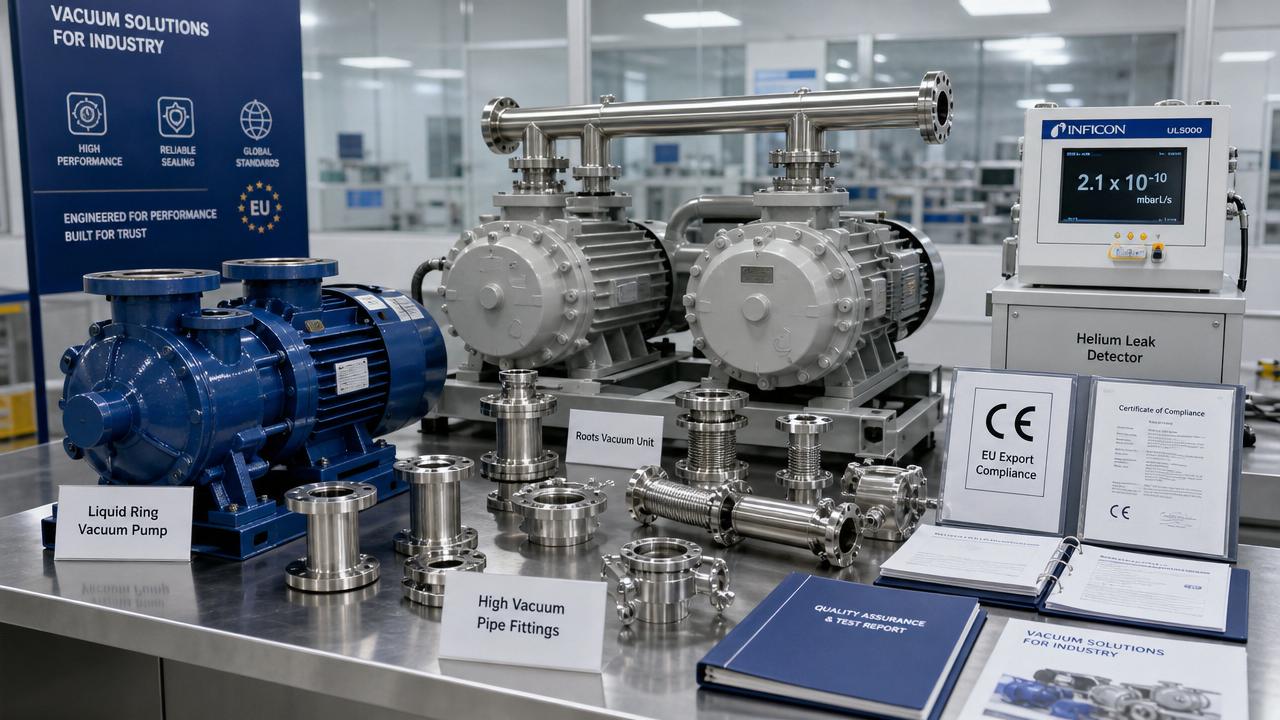
- Use helium leak detection for critical lines and mass-sensitive processes.
- Review gasket material compatibility with temperature and chemicals.
- Confirm torque sequence and surface cleanliness before reassembly.
- Track recurring leak locations in a service log.
Many sites lose time because they treat every leak equally. A leak at a gauge port may be manageable briefly, while a foreline leak can destabilize the entire vacuum train.
Reliable vacuum technology solutions also reduce human error. Standardized flange inspection, seal storage rules, and contamination-free assembly practices help prevent repeat interventions.
Which preventive maintenance actions bring the biggest uptime improvement?
Preventive maintenance works best when it targets failure patterns, not just calendar dates. The strongest vacuum technology solutions are built around operating hours, process load, and contamination exposure.
Three maintenance areas usually deliver the best return:
1. Pump health management
Monitor vibration, motor temperature, oil condition, and exhaust behavior. A pump rarely fails without warning. Trend data often reveals degradation weeks before a shutdown.
2. Line cleanliness control
Deposits inside pipes, traps, and valves raise conductance losses and contaminate chambers. Scheduled cleaning prevents unstable pump-down curves and protects downstream components.
3. Instrument verification
Pressure gauges, flow devices, and temperature sensors must be checked regularly. False readings often trigger unnecessary troubleshooting or hide real process drift.
A useful maintenance rhythm is to combine daily visual checks, weekly trend reviews, monthly leak tests, and quarterly performance audits. This structure keeps vacuum technology solutions practical and repeatable.
How can teams diagnose vacuum line problems faster?
Fast diagnosis depends on sequence, not guesswork. The best vacuum technology solutions use a structured troubleshooting path that isolates leak, pump, control, and contamination variables.
Start with symptom mapping. Ask whether the problem is slow pump-down, pressure instability, failure to reach base pressure, chamber contamination, or repeated interlock trips.
Then follow a simple decision flow:
- Compare current pump-down curve with historical baseline
- Check isolation performance of valves and sections
- Verify gauge agreement across pressure ranges
- Inspect utilities such as cooling water and power stability
- Review recent chamber loads, materials, and cleaning events
Data logging makes a major difference. When trends from pressure, temperature, and cycle time are stored automatically, recurring faults become easier to separate from random events.
In advanced facilities, vacuum technology solutions often include remote diagnostics, alarm history analysis, and digital maintenance records. These tools shorten mean time to repair and reduce repeat visits.
What should be compared when choosing vacuum technology solutions?
Selection should not focus only on ultimate pressure. High vacuum performance depends on process gas load, cleanliness requirements, serviceability, energy use, and control integration.
When comparing vacuum technology solutions, evaluate these factors:
Process compatibility
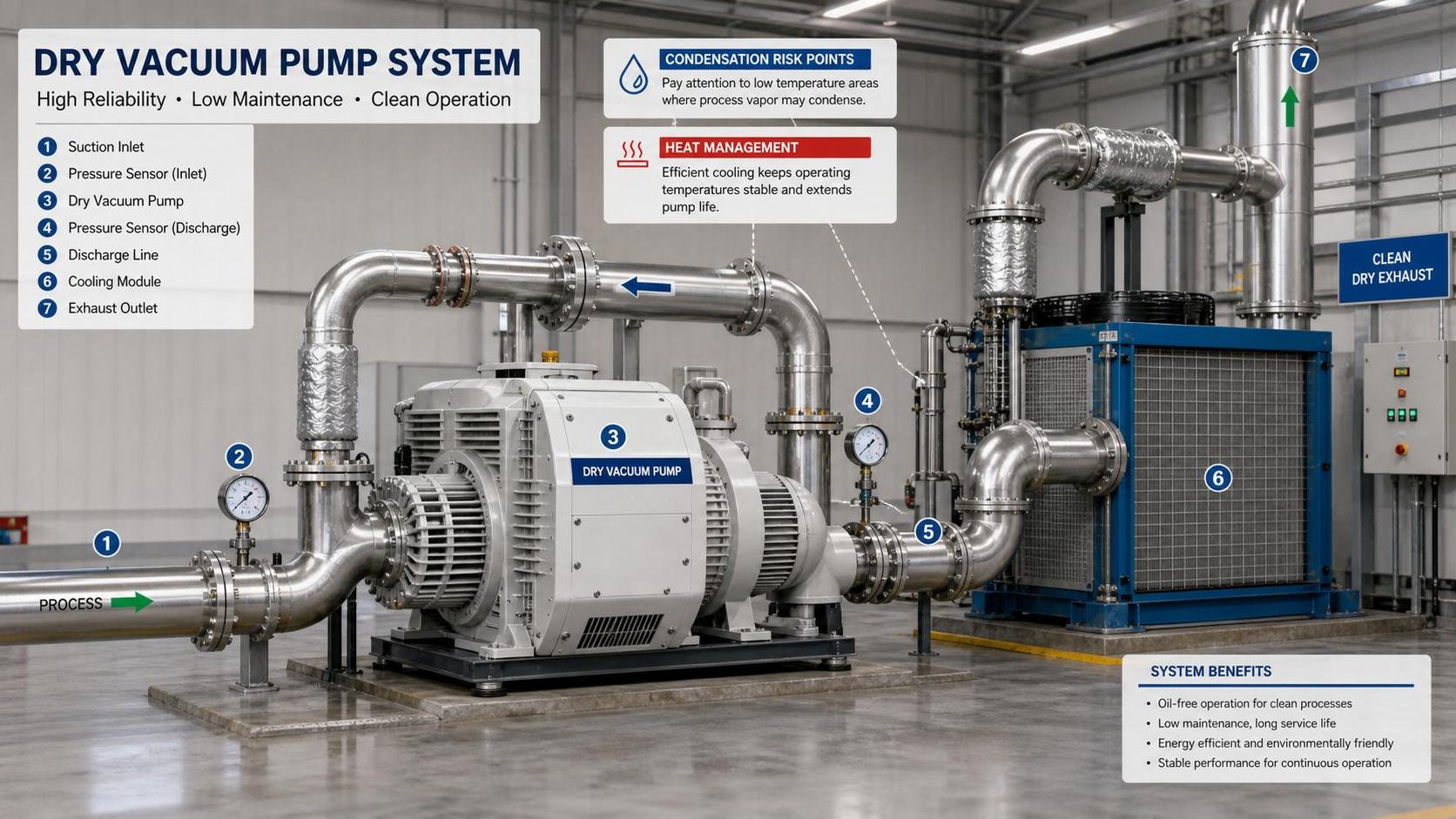
Dry pumps may suit clean or corrosive applications better. Oil-sealed systems can still work well where maintenance discipline and contamination barriers are strong.
Service access
Look at seal replacement difficulty, spare part availability, and training needs. A technically strong system may still create downtime if service steps are too complex.
Monitoring capability
Integrated sensors, status outputs, and trend interfaces improve maintenance planning. Visibility is a core part of modern vacuum technology solutions.
Lifecycle cost
Include energy, consumables, downtime exposure, and cleaning frequency. The lowest purchase price rarely delivers the lowest total operating cost.
Which mistakes increase downtime even after upgrades?
Some upgrades fail because they solve one bottleneck and ignore surrounding weaknesses. Vacuum technology solutions must be implemented as a system, not as isolated hardware changes.
Frequent mistakes include oversized pumps with poor line conductance, upgraded gauges without calibration discipline, and new seals installed on damaged flange faces.
Another mistake is skipping operator and technician procedure alignment. Even the best vacuum technology solutions lose value when venting, startup, or cleaning routines remain inconsistent.
Watch for these warning signs after an upgrade:
- Pump-down time improves briefly, then worsens again
- Alarm frequency drops, but product quality remains unstable
- Maintenance intervals are shorter than expected
- Different gauges show conflicting pressure values
A durable improvement plan combines component upgrades, baseline data capture, documented service steps, and periodic review. That is how vacuum technology solutions create lasting downtime reduction.
How should implementation be planned for cost, timing, and reliability?
Implementation should begin with a short audit. Measure current downtime causes, pump-down times, leak frequency, spare usage, and repeat service events before selecting new vacuum technology solutions.
Then divide the work into three phases:
- Stabilize urgent issues such as leaks, cooling faults, and sensor errors.
- Standardize maintenance routines, inspection points, and spare planning.
- Add monitoring, trend analysis, and targeted equipment upgrades.
This phased method controls capital spending and avoids unnecessary changeovers. It also lets teams verify whether each vacuum technology solution actually improves uptime and process stability.
For industrial intelligence platforms such as GTC-Matrix, this topic connects strongly with broader trends in compression, thermal efficiency, and digital service readiness. Better vacuum reliability supports cleaner production and stronger energy performance.
The most effective next step is simple: document the top three downtime triggers, compare them against current maintenance practice, and prioritize one corrective action this month. Practical vacuum technology solutions deliver value when they are measured, repeated, and refined.
Ready when you are. Send us a message to get started.
Related News
- How does base pressure affect film purity in vacuum deposition?Author :Vacuum Process Fellow

- How to size vacuum process equipment for the required pump-down timeAuthor :Vacuum Process Fellow

- Which vacuum specification best protects semiconductor process yield?Author :Vacuum Process Fellow

- How Can Contamination Be Prevented in a Semiconductor Vacuum Chamber?Author :Vacuum Process Fellow

- Which Vacuum Pump Specifications Matter Most for Semiconductor Processes?Author :Vacuum Process Fellow

- How to find leaks in vacuum pump systems before pump performance dropsAuthor :Vacuum Process Fellow

- How to size a Roots blower for vacuum process equipmentAuthor :Vacuum Process Fellow

- How vacuum level affects vacuum process efficiencyAuthor :Vacuum Process Fellow

- China Imposes Temporary Helium Export BanAuthor :Vacuum Process Fellow

- Semiconductor Vacuum Systems Factory Checklist for Process Stability and Cleanroom UseAuthor :Vacuum Process Fellow

- Vacuum Process Optimization Services: Signs Your Line Needs a Performance ReviewAuthor :Vacuum Process Fellow

- Vacuum Chambers for Cleanroom Use: Key Design Points That Prevent ContaminationAuthor :Vacuum Process Fellow

- Vacuum Distillation Systems: Key Performance Metrics That Affect Product PurityAuthor :Vacuum Process Fellow

- Vietnam Halts High Vacuum Pump Import Licenses for 30 DaysAuthor :Vacuum Process Fellow

- Vacuum Technology Database: What to Check Before Using Technical DataAuthor :Vacuum Process Fellow

- Dry Pump Vacuum System Design Mistakes That Raise DowntimeAuthor :Vacuum Process Fellow

- When Vacuum Systems Lose Performance: Common Causes and FixesAuthor :Vacuum Process Fellow
![]()
- EU Tightens EN 13445-3 Weld Testing for Vacuum VesselsAuthor :Vacuum Process Fellow
![]()
- EPA Cuts R-1234ze(E) Quota 35%, Tightening Vacuum Cooling SupplyAuthor :Vacuum Process Fellow
 Quota 35%, Tightening Vacuum Cooling Supply")
- ICA Warns of Tight Copper Alloy Supply for Vacuum PumpsAuthor :Vacuum Process Fellow

- Vacuum System Leak Detection: Signs, Tests, and FixesAuthor :Vacuum Process Fellow

- How to Compare Vacuum Systems Factory Capabilities for Stable Process UptimeAuthor :Vacuum Process Fellow

- Vacuum Pump Lead Times Extend to 26 WeeksAuthor :Vacuum Process Fellow

- Semiconductor Vacuum Systems Explained for Stable Process YieldAuthor :Vacuum Process Fellow

- Vacuum Process Efficiency: 7 Hidden Causes of Energy LossAuthor :Vacuum Process Fellow

- Vacuum Technology Solutions for Stable Low-Pressure ProductionAuthor :Vacuum Process Fellow

- Vacuum Processes: Common Efficiency Losses and FixesAuthor :Vacuum Process Fellow

- Common Vacuum Processes Problems and How to Prevent DowntimeAuthor :Vacuum Process Fellow

- Tantalum Spike Extends Vacuum Crucible Lead TimesAuthor :Vacuum Process Fellow

- Vacuum Process Efficiency: 5 Hidden Losses to Check FirstAuthor :Vacuum Process Fellow

- How Heat Transfer Design Impacts Vacuum Process EfficiencyAuthor :Vacuum Process Fellow

- EN 13445-4:2026 Takes Effect for High-Vacuum ComponentsAuthor :Vacuum Process Fellow

- EU Vacuum Components Face New EN 13445-4:2026 Leak Test RuleAuthor :Vacuum Process Fellow

- UBS: Fed Cut View May Ease Vacuum Pump Lead TimesAuthor :Vacuum Process Fellow

- Vacuum Processes: Common Causes of Unstable PerformanceAuthor :Vacuum Process Fellow
![]()
- SiC Certification Signals New Entry Path for Vacuum and Compressor DrivesAuthor :Vacuum Process Fellow
![]()