EU PFAS Ban Extended to Vacuum Pump Seals




On May 7, 2026, the European Commission issued an updated implementation guidance for Regulation (EU) 2023/2840, extending the restriction on per- and polyfluoroalkyl substances (PFAS) to fluorocarbon (FKM) and perfluoroelastomer (FFKM) seals used in high-vacuum systems. Manufacturers of vacuum pumps, roots pumps, and diffusion pumps based in China — particularly those exporting to the EU — must now provide PFAS content test reports compliant with EN 17599:2026, or risk customs detention upon entry.
Event Overview
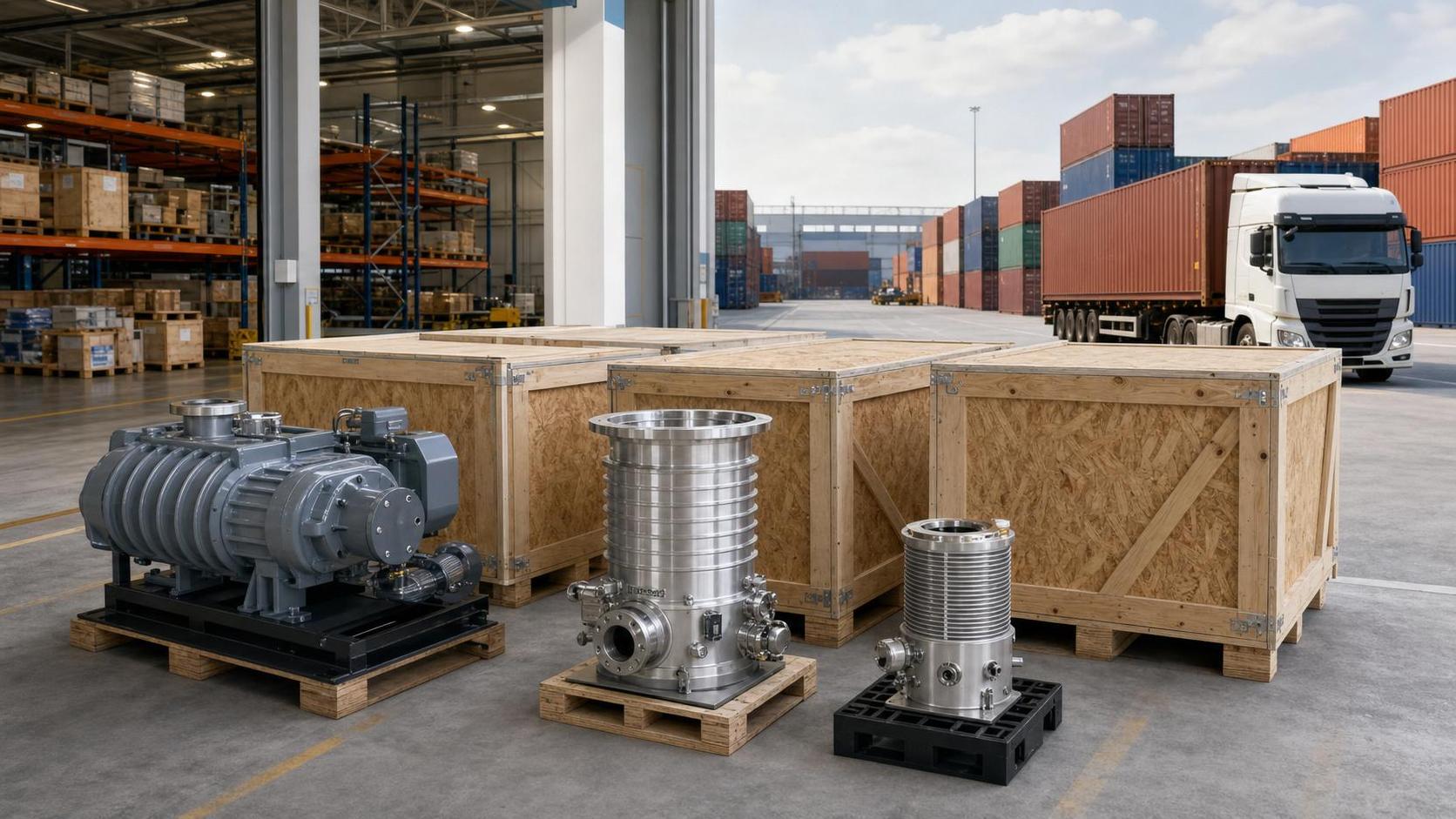
On May 7, 2026, the European Commission published a revised version of the implementation guidance for Regulation (EU) 2023/2840. The update explicitly includes FKM and FFKM sealing components used in high-vacuum equipment within the scope of the EU-wide PFAS ban. Affected products include vacuum pumps, roots pumps, and diffusion pumps exported from China. Exporters are required to submit PFAS content test reports conforming to EN 17599:2026; non-compliant shipments face potential detention at EU customs checkpoints.
Industries Affected by This Update
Direct Exporters
Manufacturers exporting high-vacuum equipment (e.g., vacuum pumps, roots pumps, diffusion pumps) from China to the EU are directly affected. Their shipments may be held at EU borders if supporting PFAS test documentation is missing or non-conforming to EN 17599:2026.
Material Suppliers & Seal Component Producers
Suppliers of FKM and FFKM elastomeric seals — whether original equipment manufacturers or third-party component vendors — face new compliance obligations. Their materials must be verified against EN 17599:2026, and they may need to supply certified test data to downstream equipment assemblers.
Contract Manufacturers & OEM Assemblers
Companies assembling high-vacuum systems using externally sourced seals must now verify material declarations and test reports from their seal suppliers. Integration of non-compliant seals into finished equipment could result in full shipment rejection under the updated enforcement guidance.
Logistics & Customs Compliance Service Providers
Firms offering export documentation support, customs brokerage, or conformity assessment services for industrial equipment must update their checklists and client advisories to include EN 17599:2026 verification for vacuum system seals — especially where FKM or FFKM is specified.
What Enterprises and Practitioners Should Focus On Now
Monitor official updates to EN 17599:2026 application notes
The European Commission’s guidance is interpretive; formal amendments to Regulation (EU) 2023/2840 have not yet been adopted. Analysis shows that the May 7, 2026, document functions as an enforcement directive — not a legislative amendment — meaning further technical clarifications or transitional provisions may follow.
Verify PFAS testing scope for specific seal types and grades
EN 17599:2026 defines analytical methods and reporting thresholds for PFAS in elastomers. Observation shows that not all FKM/FFKM formulations contain regulated PFAS; however, batch-level verification is now mandatory. Companies should confirm whether existing supplier test reports cover the exact compound grade and production lot used in final assembly.
Distinguish between regulatory signal and operational enforcement
From an industry perspective, this guidance signals heightened scrutiny — but actual customs detentions will depend on national market surveillance authorities’ capacity and prioritization. Current enforcement is likely to focus first on high-volume or high-risk consignments, rather than blanket checks across all vacuum equipment imports.
Prepare documentation and supplier engagement protocols now
Manufacturers should initiate internal audits of seal material specifications, request updated EN 17599:2026–compliant test reports from current seal suppliers, and draft documentation templates for customs submissions. Delaying until pre-shipment may cause delays, as accredited PFAS testing labs report lead times of 10–15 working days.
Editorial Perspective / Industry Observation
This update is better understood as a regulatory enforcement signal than an immediate, fully implemented ban. Observably, the Commission is leveraging existing regulation (EU) 2023/2840 to broaden its practical reach — targeting components previously treated as incidental or low-risk. From an industry angle, it reflects a growing trend: PFAS restrictions are shifting from end-products (e.g., textiles, cosmetics) toward critical industrial subsystems where fluorinated polymers have long been entrenched. That shift increases compliance complexity without altering core chemical definitions — making traceability, material declaration accuracy, and standardized testing more operationally decisive than ever.
It remains unclear whether EN 17599:2026 will become a de facto requirement for CE marking of vacuum equipment under the Machinery Regulation (EU) 2023/1230. That linkage has not been confirmed and would require separate Commission action.
Conclusion
This development underscores a tightening of PFAS-related due diligence for exporters of high-vacuum equipment to the EU. It does not introduce new legislation, but it does activate stricter interpretation and enforcement of existing rules — particularly for sealing components made from FKM and FFKM. For affected businesses, the priority is not broad strategic pivoting, but precise, documentation-driven readiness: verifying material compliance, aligning with updated test standards, and preparing for targeted customs scrutiny. The situation is best understood as an operational escalation — not a legislative turning point — requiring focused, near-term action rather than wholesale reform.
Source Attribution
Main source: European Commission, Revised Implementation Guidance for Regulation (EU) 2023/2840, published May 7, 2026.
Points requiring ongoing observation: Potential adoption of EN 17599:2026 as a harmonized standard under the Machinery Regulation; national-level enforcement patterns across EU Member States; possible future inclusion of alternative fluorinated elastomers (e.g., FEPM) in scope.
Related News
- How to find leaks in vacuum pump systems before pump performance dropsAuthor :Vacuum Process Fellow

- How to size a Roots blower for vacuum process equipmentAuthor :Vacuum Process Fellow

- How vacuum level affects vacuum process efficiencyAuthor :Vacuum Process Fellow

- China Imposes Temporary Helium Export BanAuthor :Vacuum Process Fellow

- Semiconductor Vacuum Systems Factory Checklist for Process Stability and Cleanroom UseAuthor :Vacuum Process Fellow

- Vacuum Process Optimization Services: Signs Your Line Needs a Performance ReviewAuthor :Vacuum Process Fellow

- Vacuum Chambers for Cleanroom Use: Key Design Points That Prevent ContaminationAuthor :Vacuum Process Fellow

- Vacuum Distillation Systems: Key Performance Metrics That Affect Product PurityAuthor :Vacuum Process Fellow

- Vietnam Halts High Vacuum Pump Import Licenses for 30 DaysAuthor :Vacuum Process Fellow

- Vacuum Technology Database: What to Check Before Using Technical DataAuthor :Vacuum Process Fellow

- Dry Pump Vacuum System Design Mistakes That Raise DowntimeAuthor :Vacuum Process Fellow

- When Vacuum Systems Lose Performance: Common Causes and FixesAuthor :Vacuum Process Fellow
![]()
- EU Tightens EN 13445-3 Weld Testing for Vacuum VesselsAuthor :Vacuum Process Fellow
![]()
- EPA Cuts R-1234ze(E) Quota 35%, Tightening Vacuum Cooling SupplyAuthor :Vacuum Process Fellow
 Quota 35%, Tightening Vacuum Cooling Supply")
- ICA Warns of Tight Copper Alloy Supply for Vacuum PumpsAuthor :Vacuum Process Fellow

- Vacuum System Leak Detection: Signs, Tests, and FixesAuthor :Vacuum Process Fellow

- How to Compare Vacuum Systems Factory Capabilities for Stable Process UptimeAuthor :Vacuum Process Fellow

- Vacuum Pump Lead Times Extend to 26 WeeksAuthor :Vacuum Process Fellow

- Semiconductor Vacuum Systems Explained for Stable Process YieldAuthor :Vacuum Process Fellow

- Vacuum Process Efficiency: 7 Hidden Causes of Energy LossAuthor :Vacuum Process Fellow

- Vacuum Technology Solutions for Stable Low-Pressure ProductionAuthor :Vacuum Process Fellow

- Vacuum Processes: Common Efficiency Losses and FixesAuthor :Vacuum Process Fellow

- Common Vacuum Processes Problems and How to Prevent DowntimeAuthor :Vacuum Process Fellow

- Tantalum Spike Extends Vacuum Crucible Lead TimesAuthor :Vacuum Process Fellow

- Vacuum Process Efficiency: 5 Hidden Losses to Check FirstAuthor :Vacuum Process Fellow

- How Heat Transfer Design Impacts Vacuum Process EfficiencyAuthor :Vacuum Process Fellow

- EN 13445-4:2026 Takes Effect for High-Vacuum ComponentsAuthor :Vacuum Process Fellow

- EU Vacuum Components Face New EN 13445-4:2026 Leak Test RuleAuthor :Vacuum Process Fellow

- UBS: Fed Cut View May Ease Vacuum Pump Lead TimesAuthor :Vacuum Process Fellow

- Vacuum Processes: Common Causes of Unstable PerformanceAuthor :Vacuum Process Fellow
![]()
- SiC Certification Signals New Entry Path for Vacuum and Compressor DrivesAuthor :Vacuum Process Fellow
![]()
- How to Choose the Right Vacuum System for Process StabilityAuthor :Vacuum Process Fellow

- Vacuum Technology Selection: What Matters Most for Stable Process PerformanceAuthor :Vacuum Process Fellow

- Vacuum Processes: How to Reduce Contamination and Improve Cycle ConsistencyAuthor :Vacuum Process Fellow

- ITC 337 Probe Puts TOPCon Supply Chain Under ReviewAuthor :Vacuum Process Fellow

- Vacuum Process Efficiency: Where Energy Loss Really StartsAuthor :Vacuum Process Fellow